



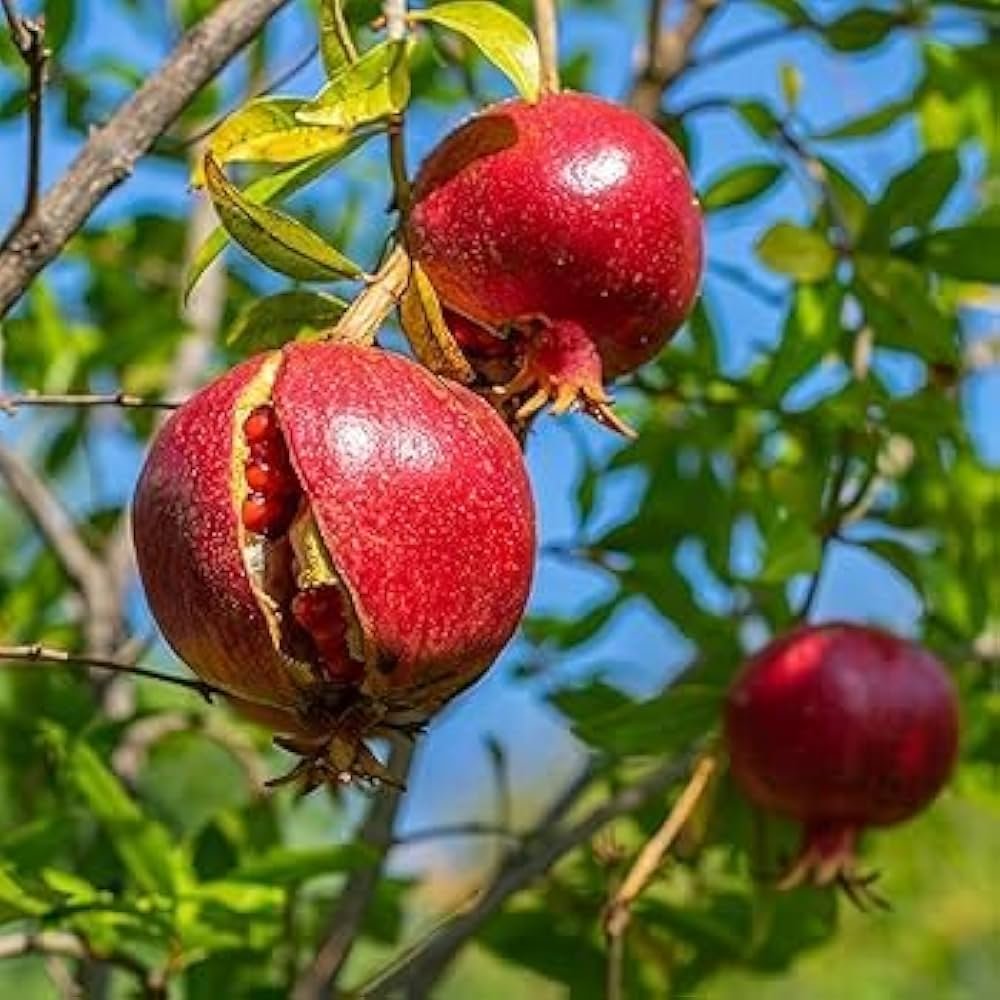
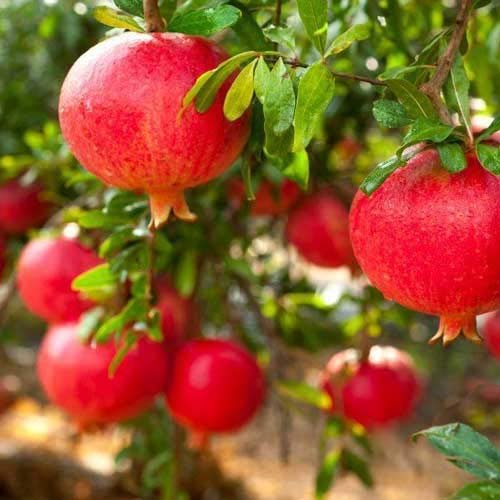
Super bhagwa pomegrate plant
Original price was: ₹999.00.₹399.00Current price is: ₹399.00.- The plant can be grafted or micropropagated.
- Super Bhagwa is a popular choice among pomegranate enthusiasts.
- It is well-suited for the topography and agro-climate of arid and semi-arid regions.
- The plants are supplied as ready-to-plant polybag plants or primary hardened rooted plants.
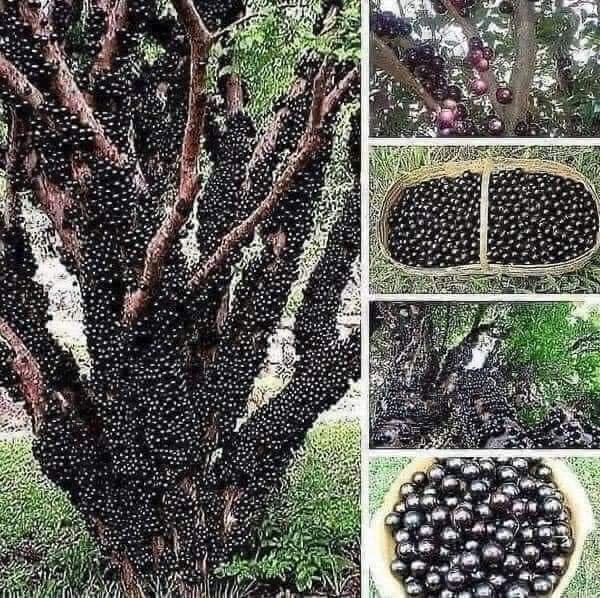
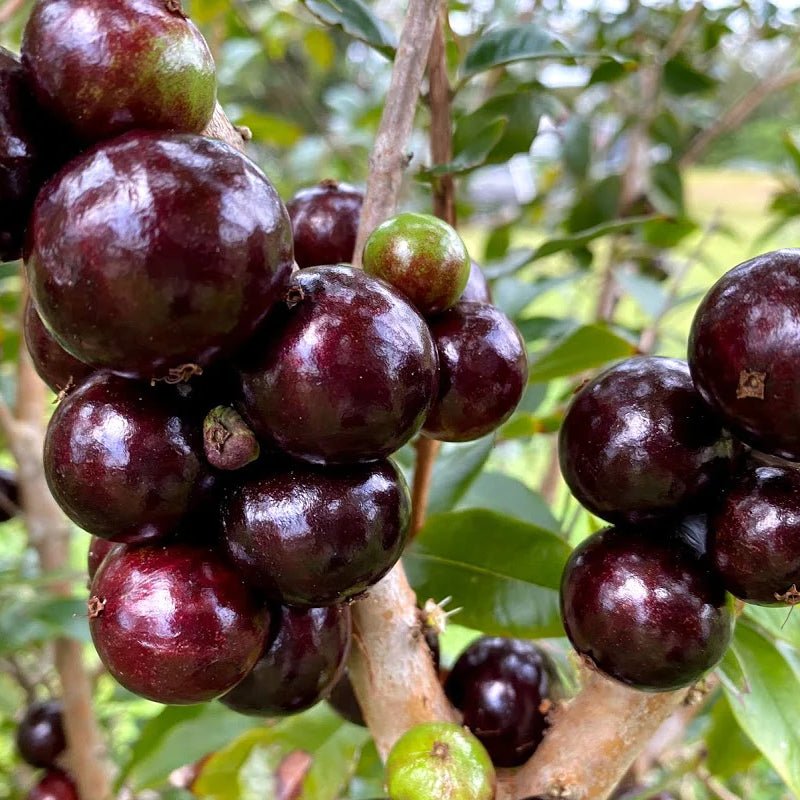
jaboticaba red hybrid plant
Original price was: ₹2,799.00.₹1,499.00Current price is: ₹1,499.00.-
Fast Fruiting:
The Jaboticaba Red Hybrid is a fast-bearing variety, meaning it starts producing fruit within 3 years of planting.
-
Hybrid:
It is a hybrid created by crossing Plinia Cauliflora and Plinia Aureana.
-
Fruit:
The fruit is a thick-skinned berry, resembling a grape in size and shape. The fruit typically measures 3-4 cm in diameter. The skin is thick and purple, with a sweet, white or rosy pink, gelatinous flesh.
-
Health Benefits:
The fruit is rich in antioxidants, anti-inflammatory compounds, and has anti-aging properties.
-
Plant Type:
Jaboticaba trees are evergreen and can grow to a height of 15 meters if not pruned.
-
Growth Habits:
Jaboticaba trees prefer moist, rich, lightly acidic soil. They can tolerate mild, brief frosts, but not below 26°F.
-
Cultivation:The tree can be cultivated from seeds or by grafting.
Avocado tropical plant
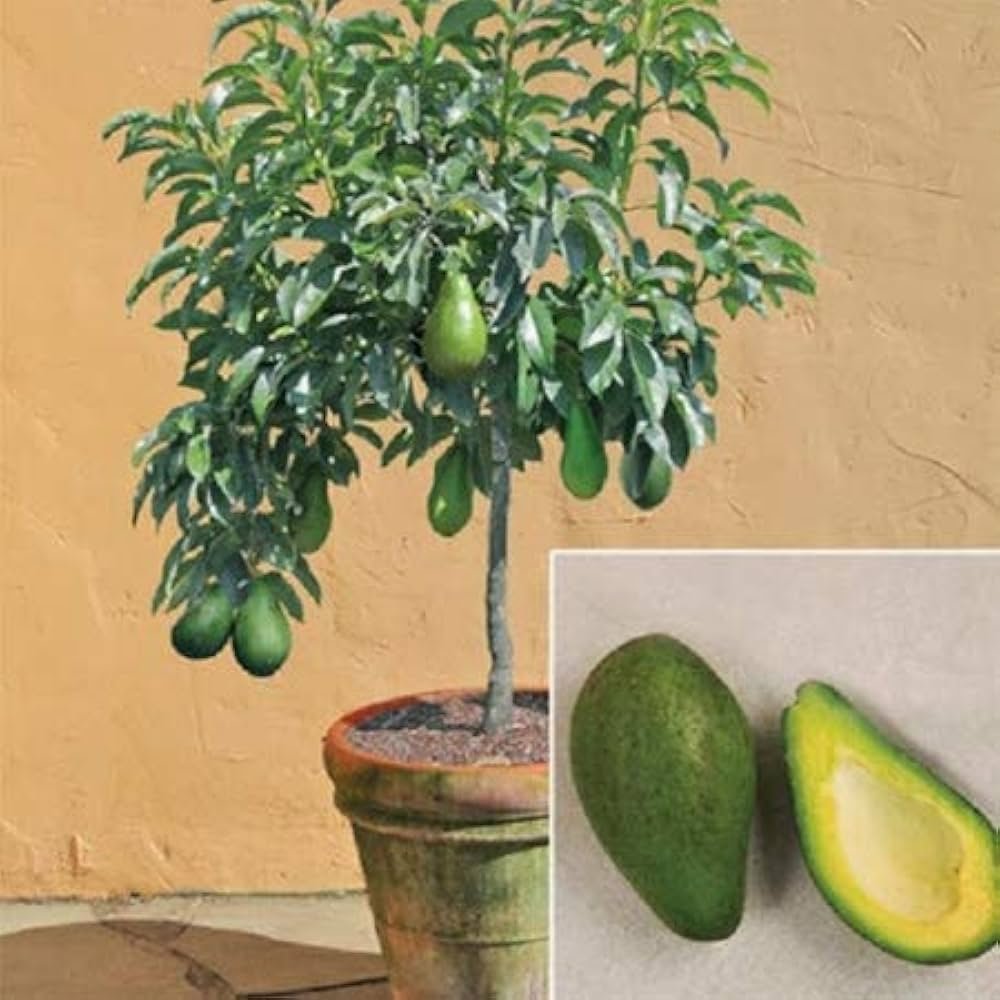
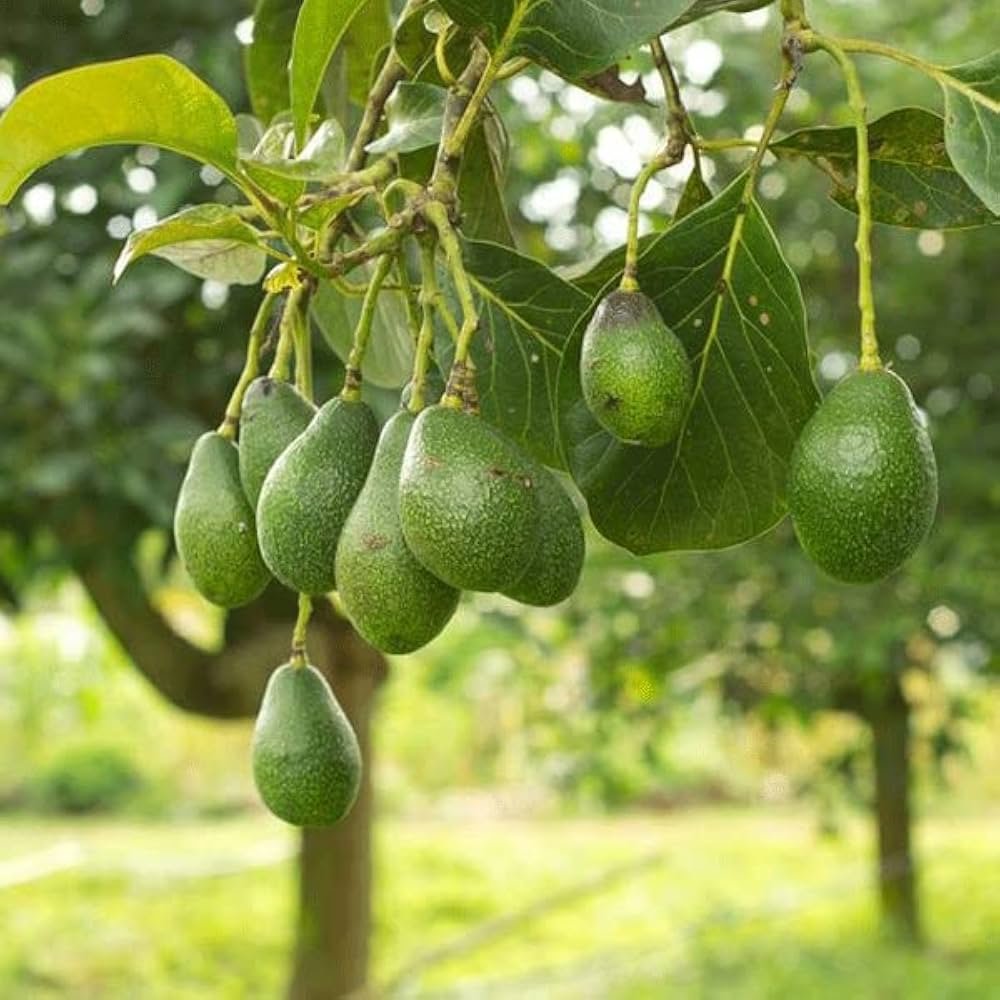
Original price was: ₹2,199.00.₹1,199.00Current price is: ₹1,199.00.- Evergreen: Avocado trees retain their leaves year-round.
- Tall and branching: They can grow to significant heights, with a wide and irregular canopy.
- Leaves: Oval or elliptic, and can be 3 to 10 inches long.
- Flowers: Small, greenish, and bisexual (both male and female parts).
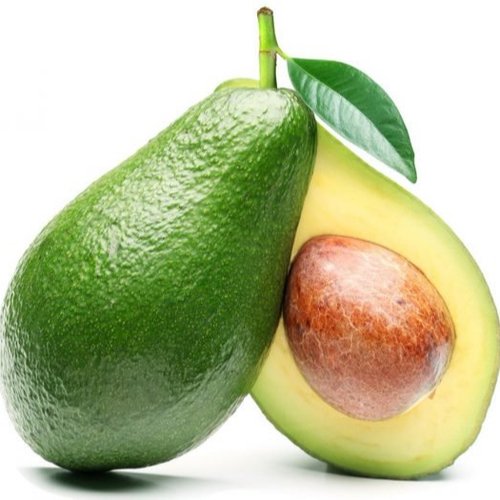
- Fruit: The fruit (also a berry) can be round, pear-shaped, or oblong, and the skin can vary in color, texture, and thickness.
- Seed: Each avocado fruit contains a large seed.
- Oil content: The flesh of the fruit is rich in oil, which can range from less than 5% to over 30%, depending on the variety.
Avocado Sri Lankan green plant
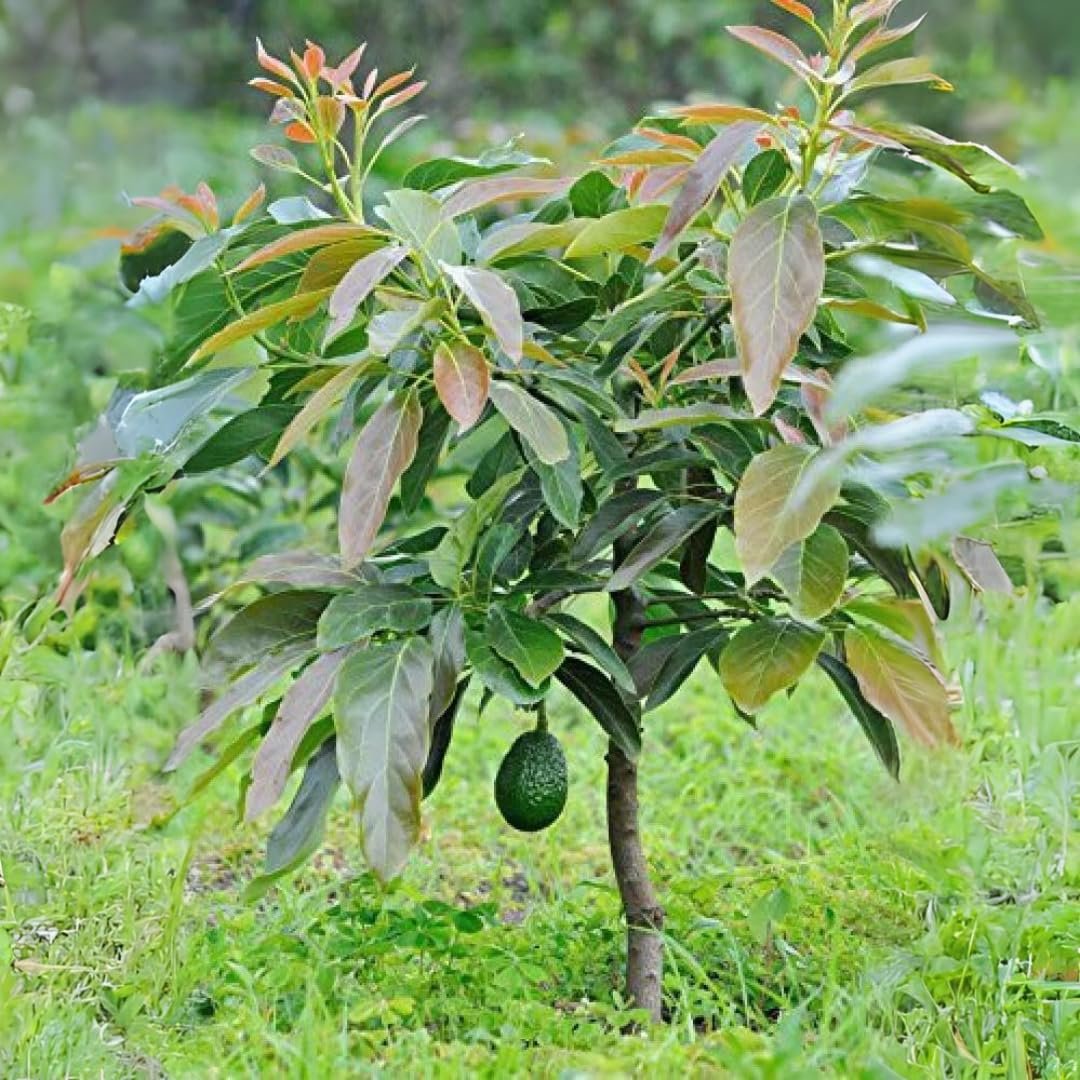
Original price was: ₹2,999.00.₹1,599.00Current price is: ₹1,599.00.- The fruit is edible and a popular food source in Sri Lanka.
- The fruit can be used in various preparations, including salads, guacamole, and smoothies.
- Avocados are known for their nutritious value, being rich in healthy fats and other beneficial nutrients.
- The tree is also valued for its ornamental and folk-medicinal properties.
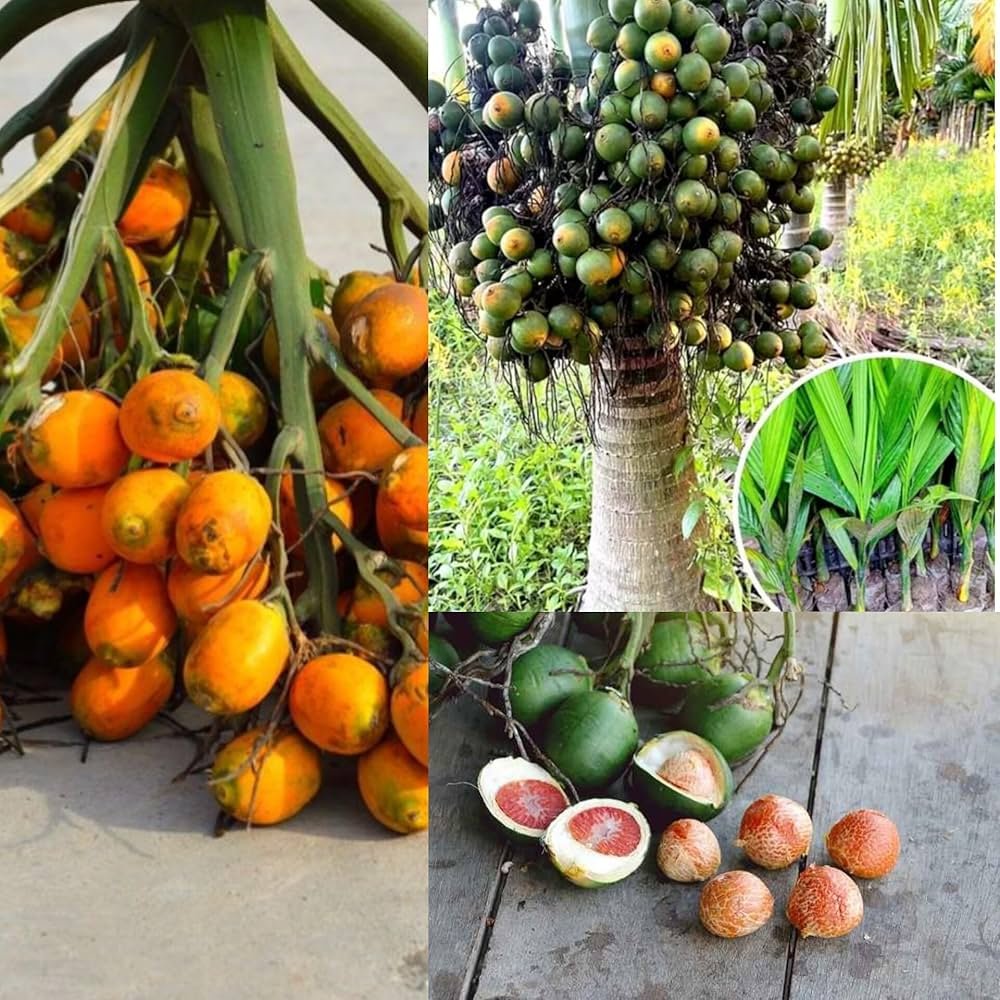
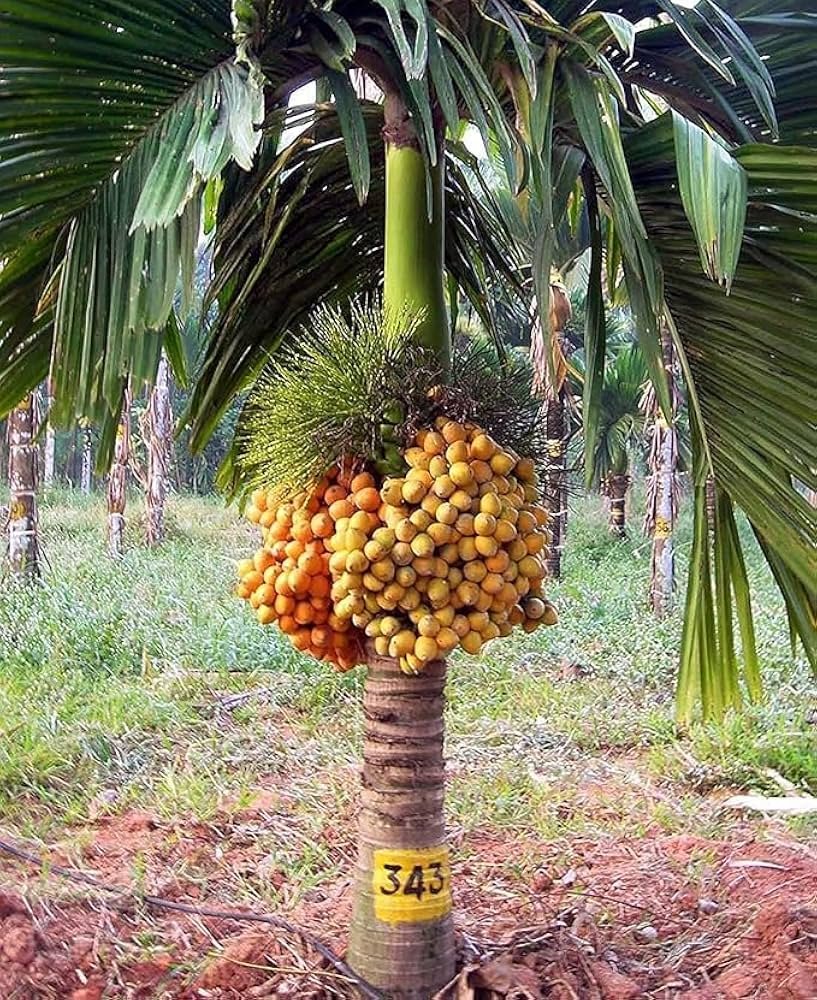
Hybrid Erica nut plant
Original price was: ₹799.00.₹299.00Current price is: ₹299.00.-
Increased Yield:
Hybrid arecanut plants generally have a higher yield potential compared to traditional varieties.
-
Improved Disease Resistance:
They are often bred to be more resistant to common diseases that affect arecanut plants.
-
Enhanced Nut Quality:
Hybrids can be selected for improved nut size, shape, and overall quality.
-
Adaptability:Some hybrids are bred to be more adaptable to different climates and soil conditions.
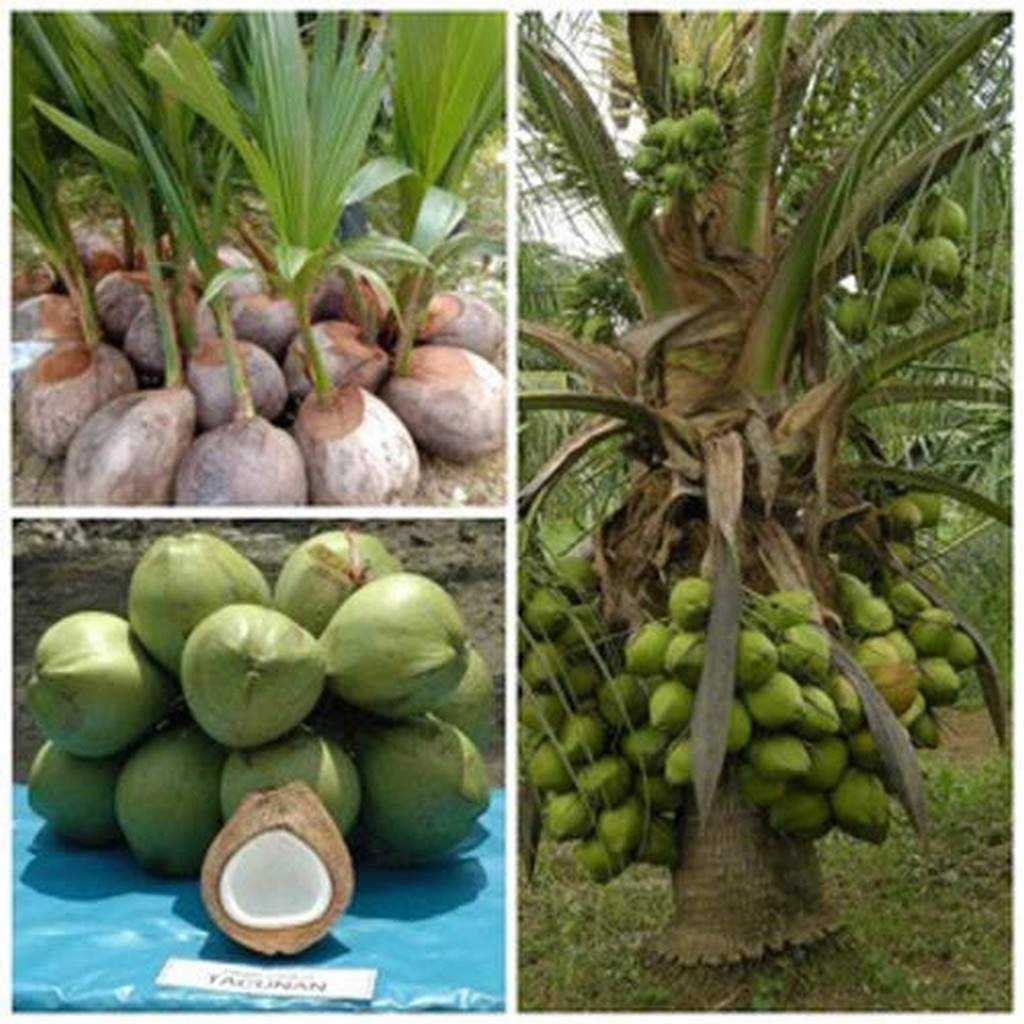
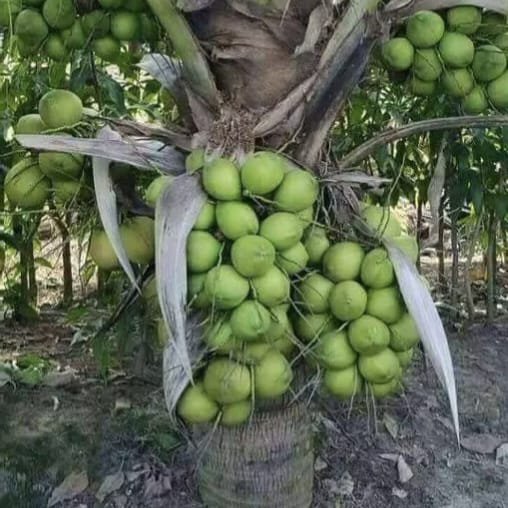
Vietnam coconut plant
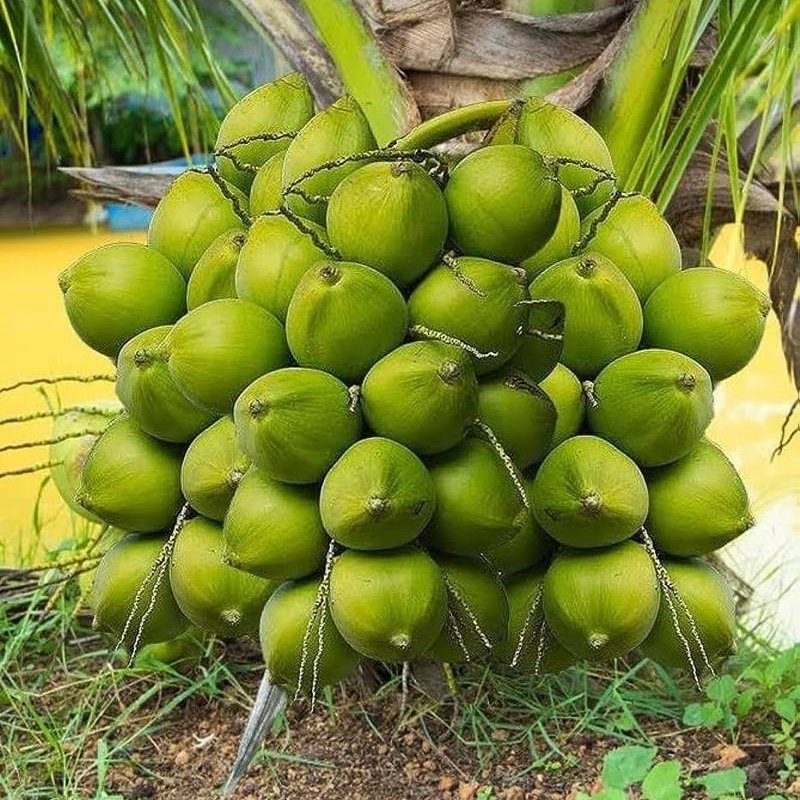
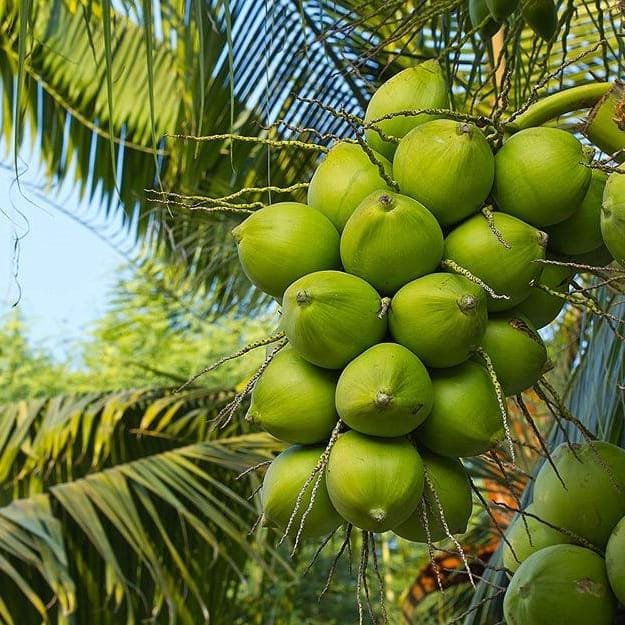
Original price was: ₹1,999.00.₹899.00Current price is: ₹899.00.Vietnamese coconuts are grown from the North to the South, especially in coastal provinces. Ben Tre is a famous locality for coconut with the highest coconut planting area in the country. The condition for growing water coconuts is quite special. A large area of mangrove land is required.
Gangabardhan coconut plant
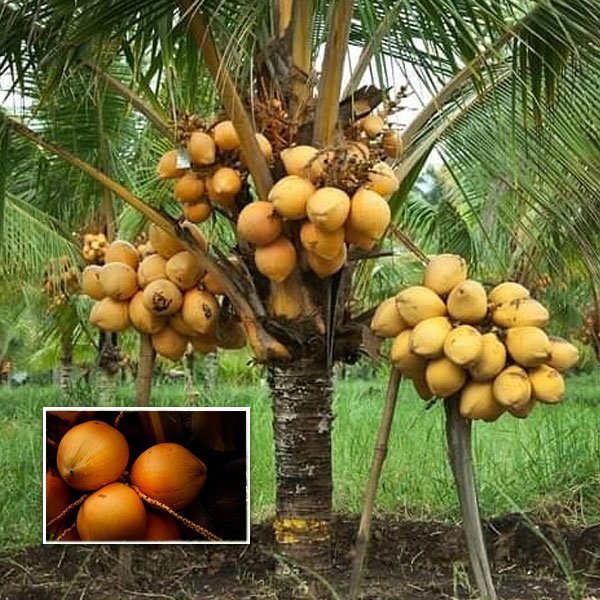
Original price was: ₹2,199.00.₹999.00Current price is: ₹999.00.- Dwarf Variety: Gangabardhan is a dwarf variety of coconut tree, meaning it’s shorter in stature than traditional coconut palms.
- Rapid Growth and Early Fruiting: It’s known for its fast growth and starts bearing fruit relatively early, often within a few years.
- High Yield: The Gangabardhan variety is recognized for its good yield of coconuts.
- Suitable for Gardens and Farms: It’s a versatile plant that can thrive in both garden and farm settings.
- Relatively Low Maintenance: It requires moderate watering and thrives in full sun.
- Aesthetic Appeal: The plant’s lush greenery and tropical appearance add a touch of charm to any garden.

Kerala coconut plant
Original price was: ₹1,299.00.₹599.00Current price is: ₹599.00.-
Appearance:
The plant is a tall, graceful palm with a slender trunk and long, arching fronds.
-
Growth:
It typically grows up to 15-30 meters tall and can withstand strong winds and adapt to various soil types, including sandy and loamy soils.
-
Harvest:
Kerala coconuts are known for their high water content and rich flavor, and they are harvested year-round, with peak production during the summer.
-
Multiple Uses:Every part of the coconut plant is useful. The leaves are used for making sheds, baskets, and doormats, the husk is used for making coir, the shell can be used for ladles and spoons, and the fruit is used for making hair oil, drinks like coconut toddy, and dishes like appam.
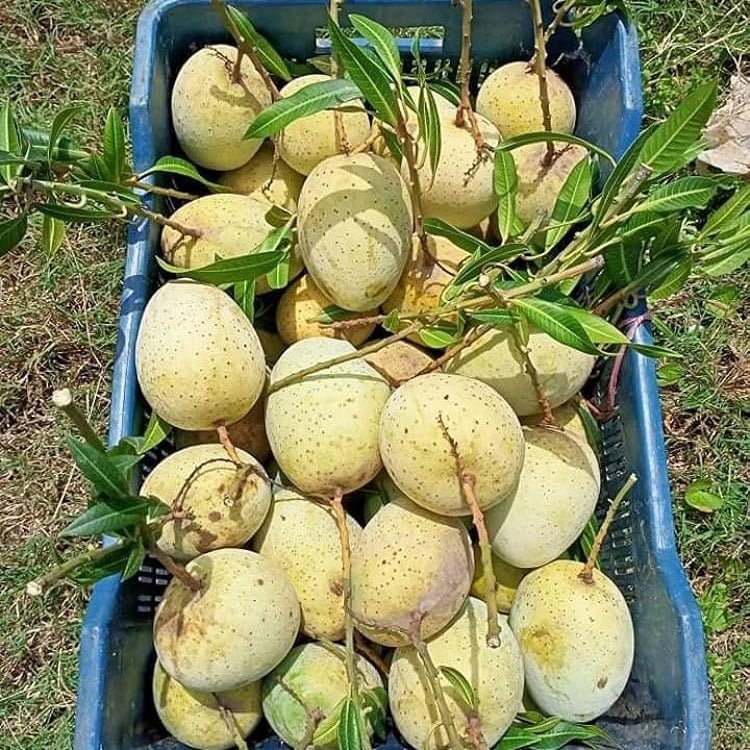
Gormati mango plant
Original price was: ₹799.00.₹449.00Current price is: ₹449.00.-
Origin and Popularity:
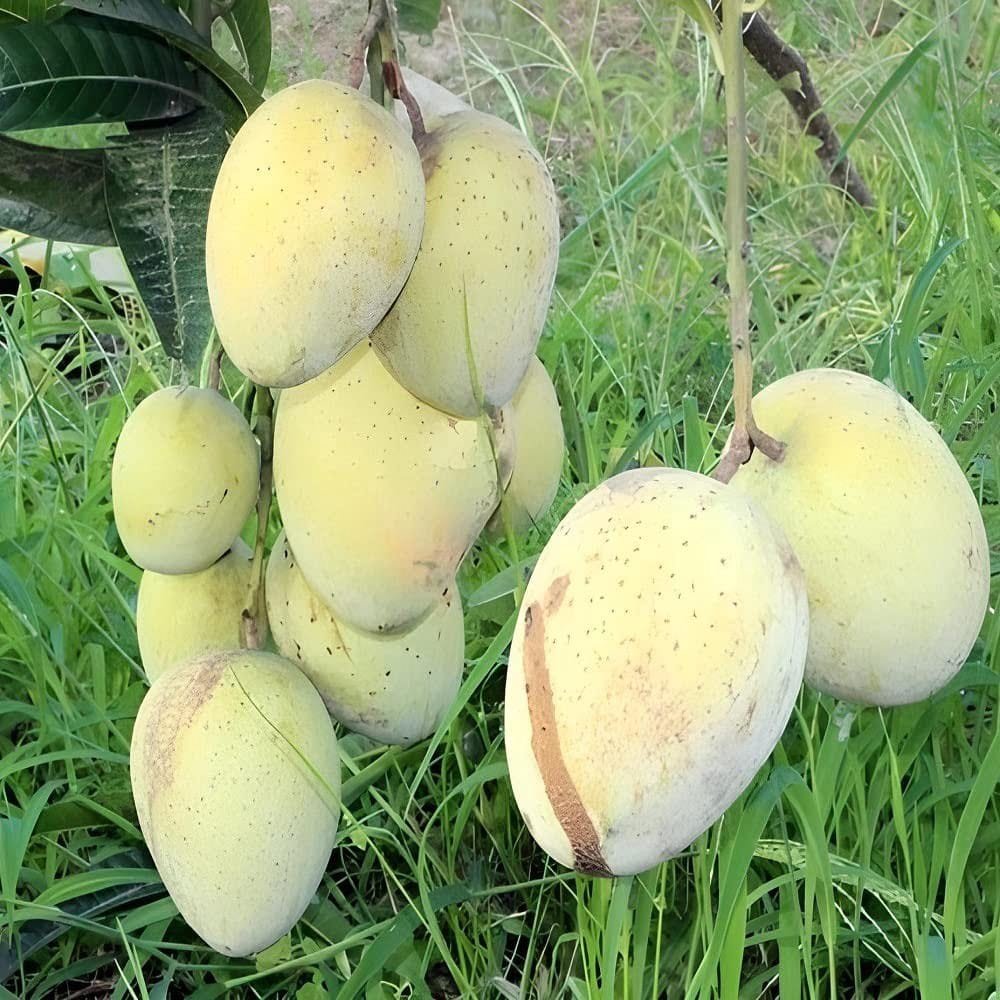
Gourmoti is a natural seedling variation that’s very popular in Bangladesh and known for its exceptional flavor.
-
Fruit Characteristics:
The fruits have a golden skin and are known for their juicy, flavorful flesh and sweet taste. They are a late-season variety, ripening in September.
-
Taste and Texture:
The Gourmoti mango has a sweet, fragrant, and juicy taste, with very little fiber. It’s considered sweeter than the Langra mango due to its higher soluble sugar content.
-
Tree Characteristics:
The tree itself resembles an Ashwina mango tree.
-
Cultivation:The plant can grow in almost all Indian climates and soils, making it suitable for both gardens and pots. Grafted plants are available for earlier fruiting.