Sort by
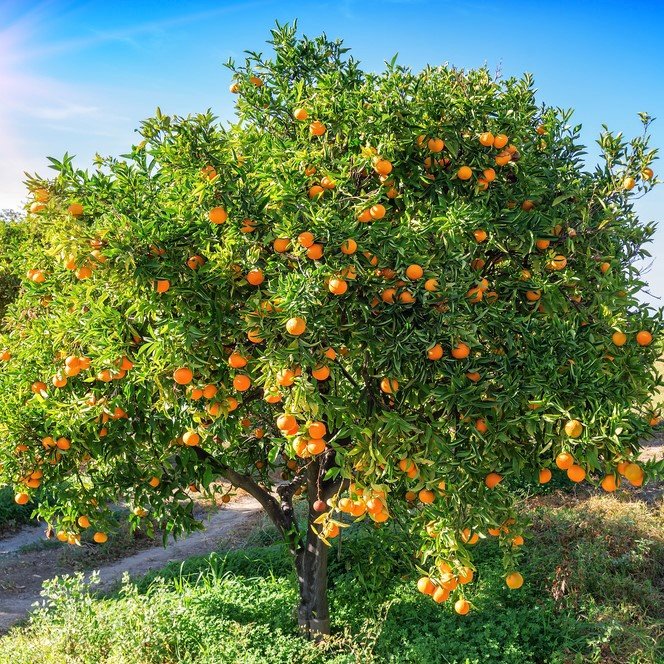
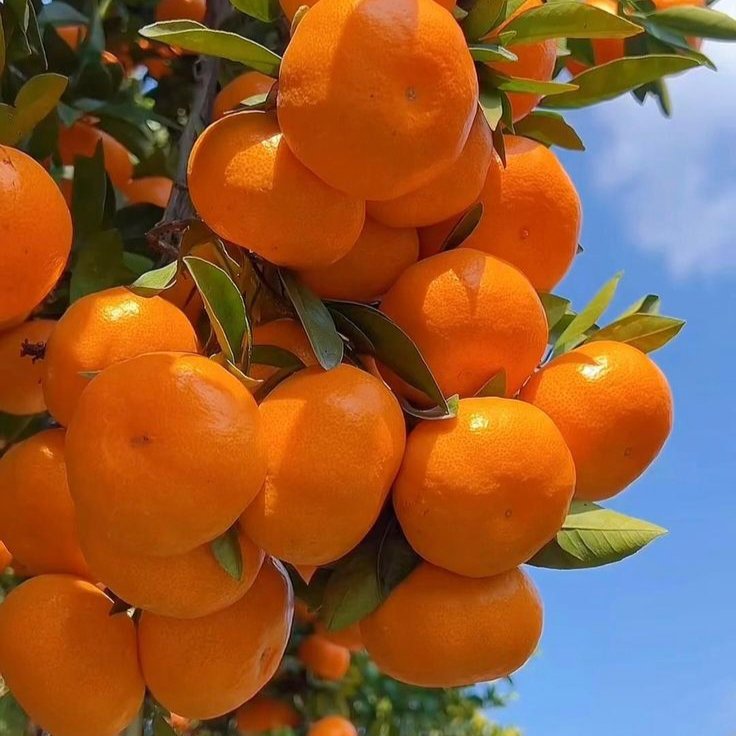
Washington navel orange (plant height 2-2.5) original grafted plant
-
- Seedless: A defining characteristic that makes it easy to eat and enjoy.
- Thick peel: Easy to peel and remove, making it convenient for snacking.
- Sweet and tangy flavor: The pulp is juicy, sweet, and slightly tangy, making it a refreshing and delicious fruit.
- Medium to large size: Typically 3 to 4 inches in diameter.
- Bright orange color: The peel is a vibrant orange, and the flesh has a deep orange color.
- Ripening season: Generally matures in late fall to winter, often between November and January.
- Low acid: It is known for being sweet and low in acid, contributing to its pleasant taste.
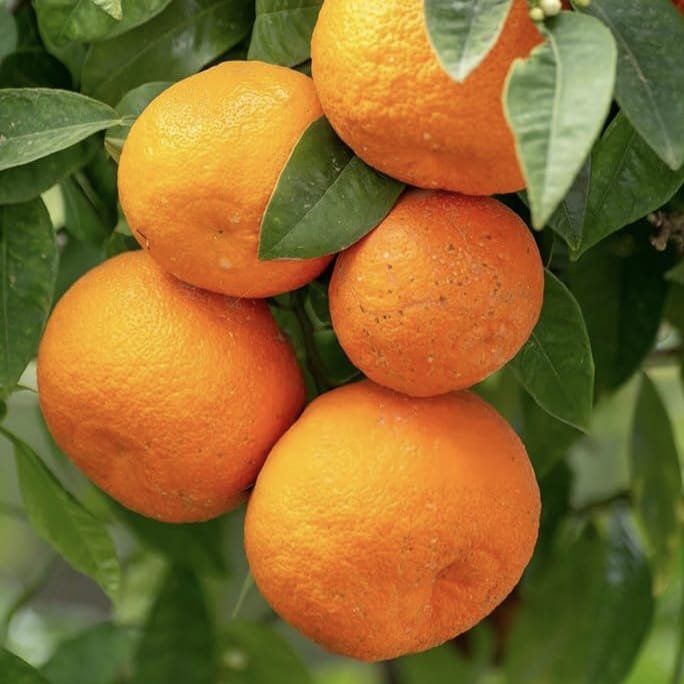
Darjeeling jaint orange (plant hight 2 feet) original grafted plant
-
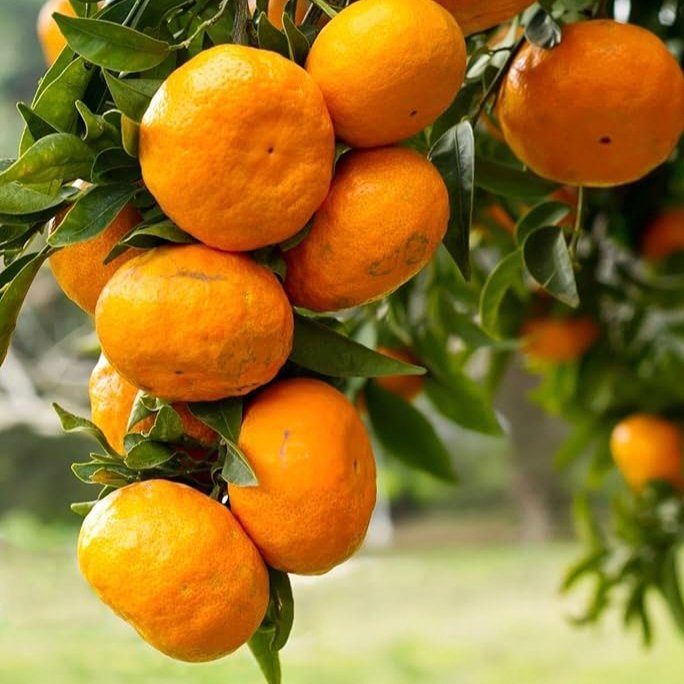
Origin and Characteristics:Darjeeling Giant Oranges are a specific variety grown in the Darjeeling region of India, known for their large size and sweet taste. They are known for their thin peel and abundant juice.
-
Taste and Flavor:These oranges are prized for their distinct flavor profile, offering a balance of sweetness and tanginess.
-
Cultivation:Darjeeling Giant Oranges thrive in warm, subtropical climates and can adapt to various soil types.
-
Grafting:To ensure superior performance and disease resistance, the Darjeeling Giant Orange is often grafted, combining the hardiness of a strong rootstock with the desirable characteristics of the fruit variety.
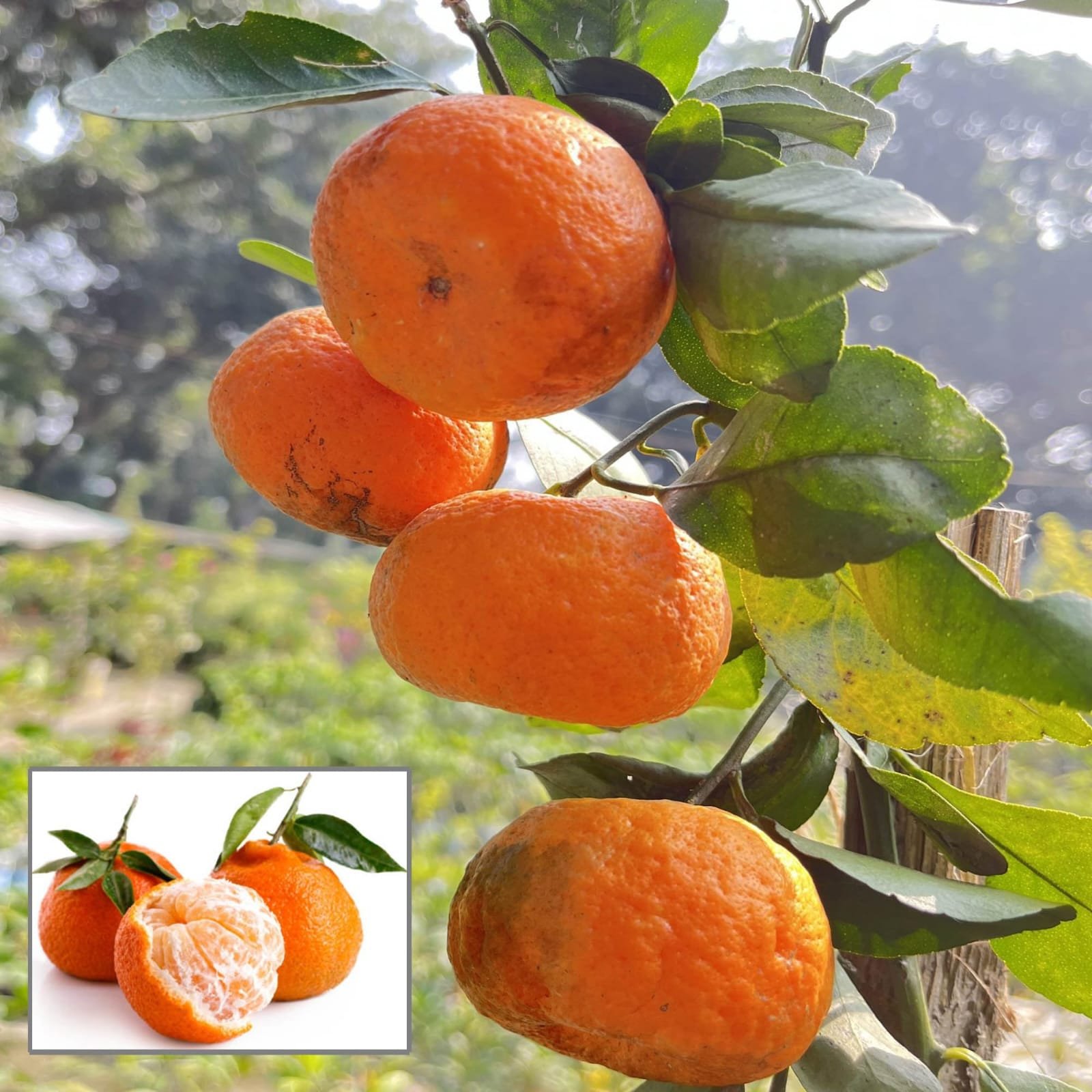
Nagpur mandarin orange (plant hight 2 feet) original grafted plant
- Appearance: Medium-sized, globose to moderately oblate fruits with a deep yellowish-orange color and a pockmarked exterior.
- Flavor: Sweet, juicy, and mildly aromatic.
- Season: Two harvest seasons: Ambiya crop (September to December) with a slightly sour taste and Mrig crop (January) with a sweeter taste.
- Cultivation: Primarily cultivated in the Nagpur region of India.
- Nutritional Value: Rich in vitamins and antioxidants.
- Uses: Fresh consumption, juicing, desserts, and as a flavor booster in culinary dishes.
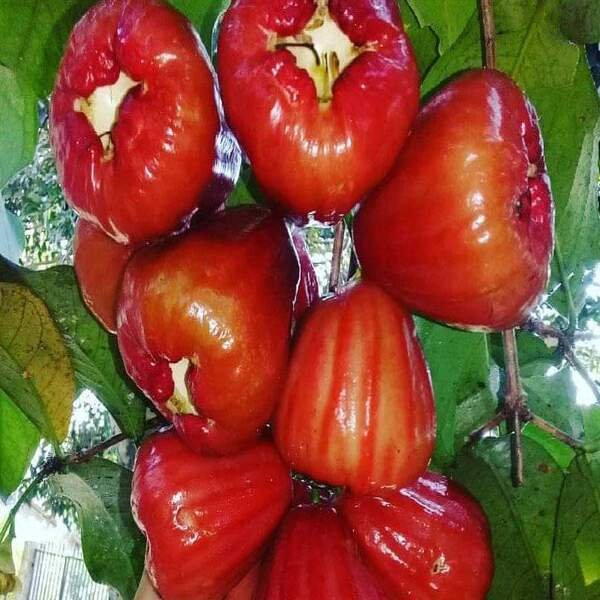
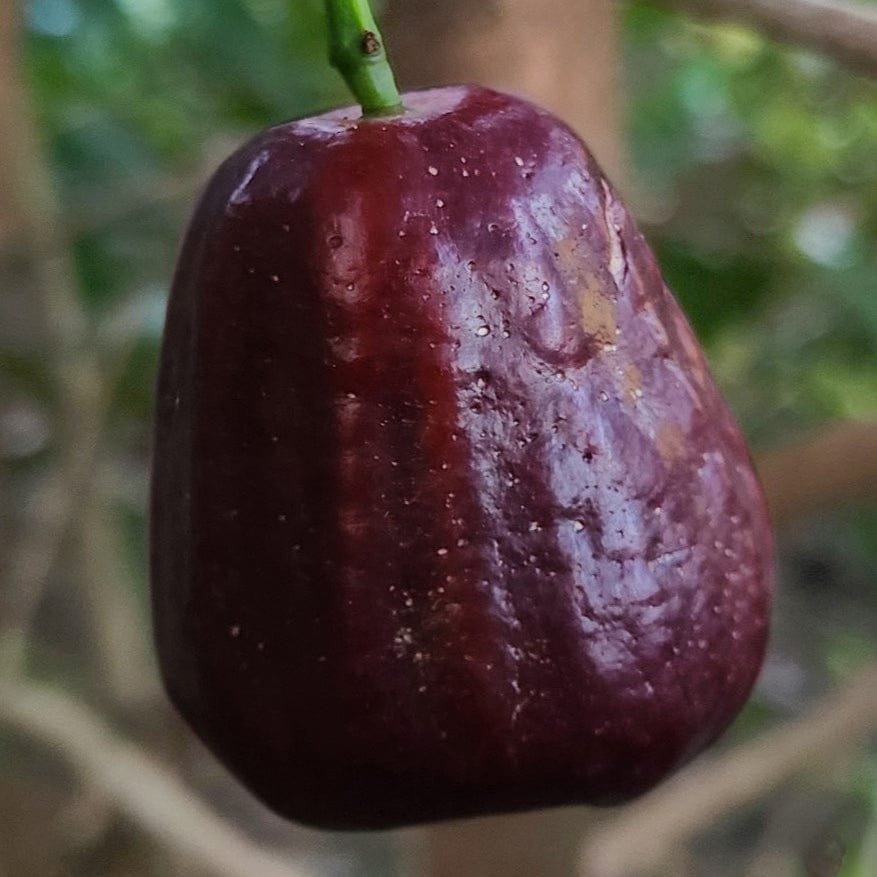
Dalhari chamba water apple Plant
- Variety: A type of water apple (Syzygium samarangense).
- Taste & Size: Known for its large size and sweet flavor, making it a superior water guava.
- Productivity: High productivity, yielding 100-200 kilograms of fruit per season after reaching three or four years of age.
- Cultivation: Relatively easy to cultivate, suitable for home gardeners and commercial growers.
- Fruiting: Can bear fruit within 7 months to 1 year after planting.
- Commercial Value: The productivity and quality of the fruit make Dalhari a good choice for commercial cultivation.
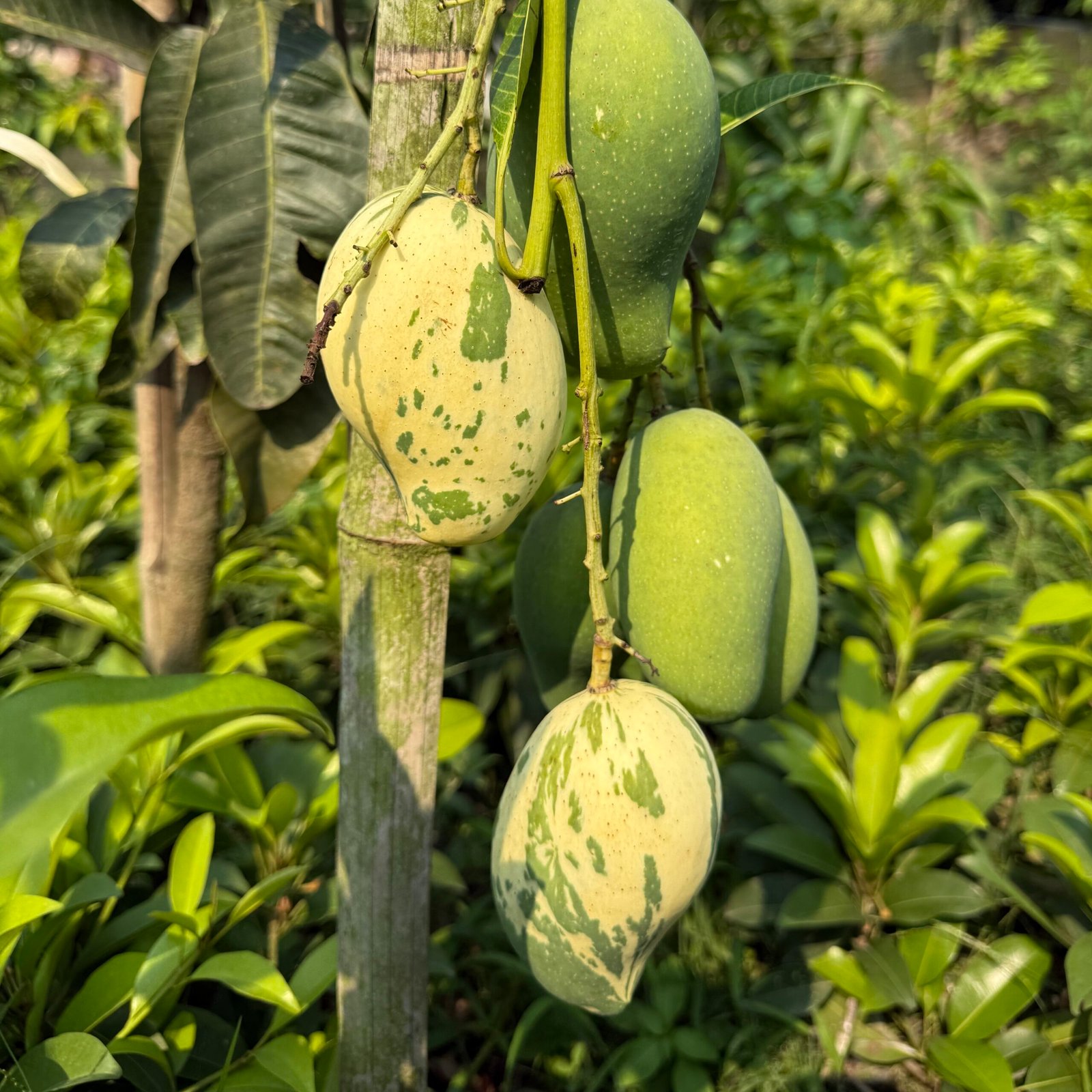
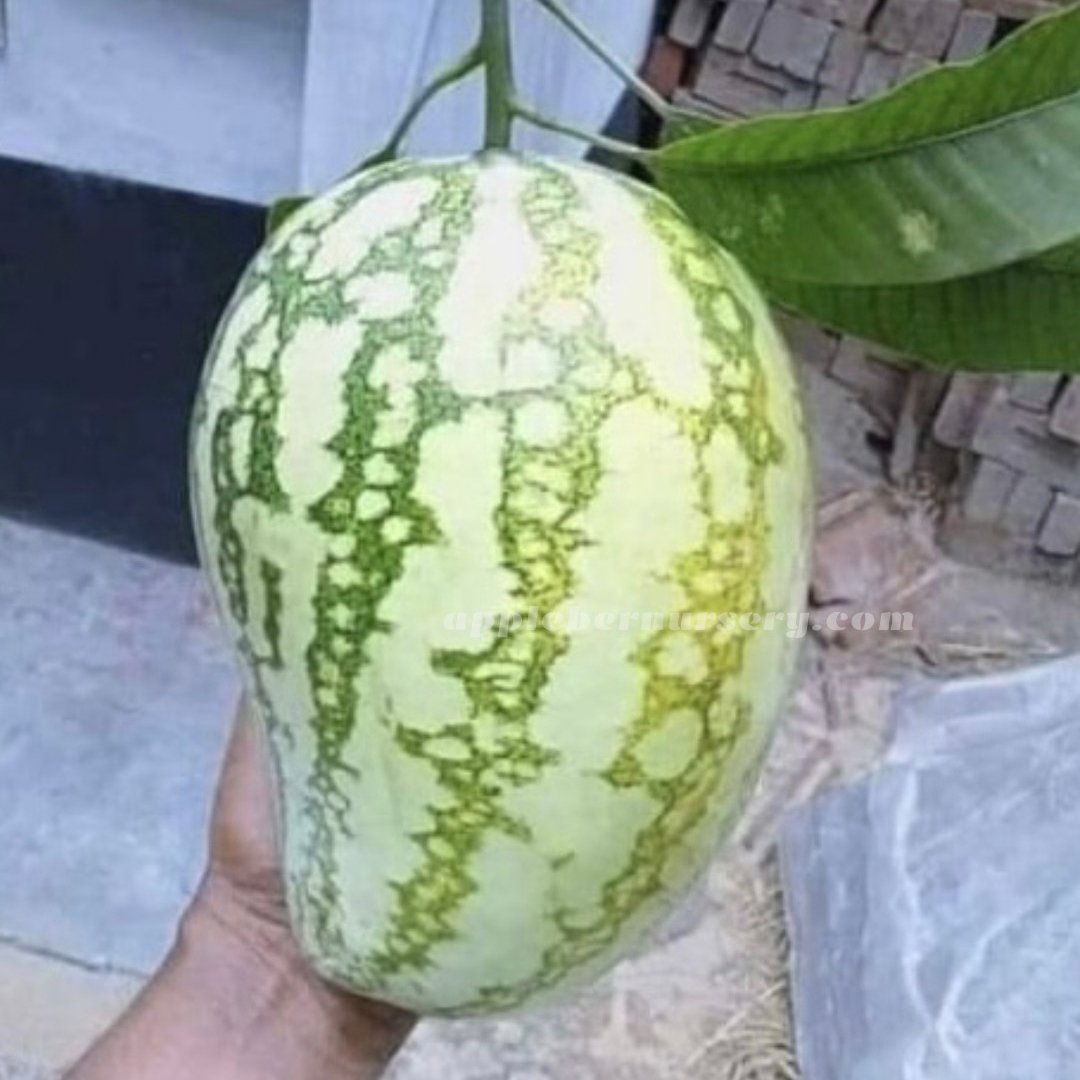
Verigeted Mango Plant
Key features of a variegated mango:
- Color: The fruit and leaves show a mix of colors, most commonly green and creamy white, or yellow.
- Plant: It’s a medium to big tree.
- Fruit: The fruit is typically medium-sized, with smooth, golden-yellow skin when ripe.
- Taste: The fruit is known to be sweet.
- Other names: Also known as chalta khas or chitla in India.
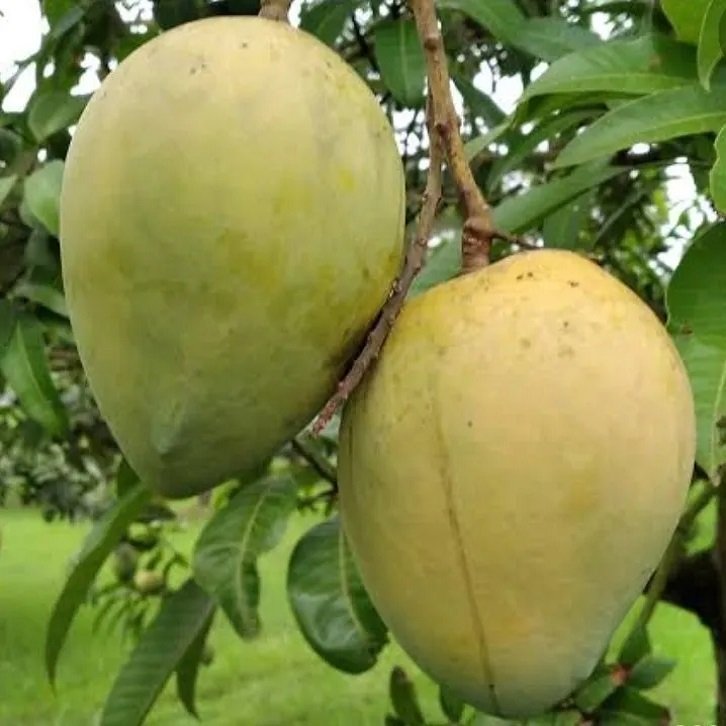
Hari Vanga Mango Plant
Here’s a more detailed look:
-
Origin and Popularity:
The Haribhanga mango originated in Bangladesh and gained popularity in the early 2000s, especially in the Rangpur district.
-
Appearance:
These mangoes are round in shape and have a vibrant orange-yellow color when ripe.
-
Taste and Texture:
They are known for their exceptionally sweet taste, smooth, firm flesh, and lack of fiber.
-
Weight:
Haribhanga mangoes are generally fleshy and can weigh between 200 and 400 grams, with some reaching up to 700 grams.
-
Cultivation:
Cultivation of Haribhanga mangoes has gained significant traction in recent years, with the Department of Agriculture Extension (DAE) working to further develop this variety.
-
Gifting:Haribhanga mangoes have even been gifted as mementos of friendship, with Bangladesh sending 2600 kilograms to India in 2021.
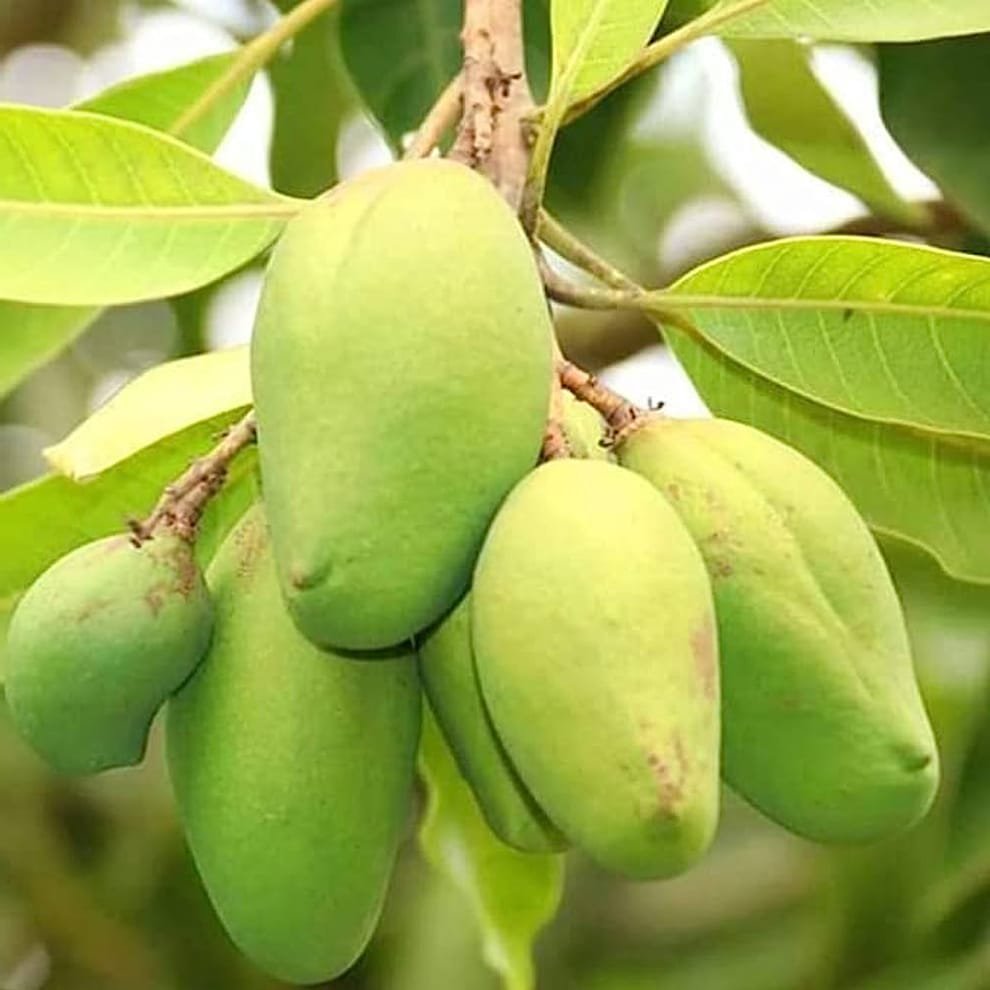
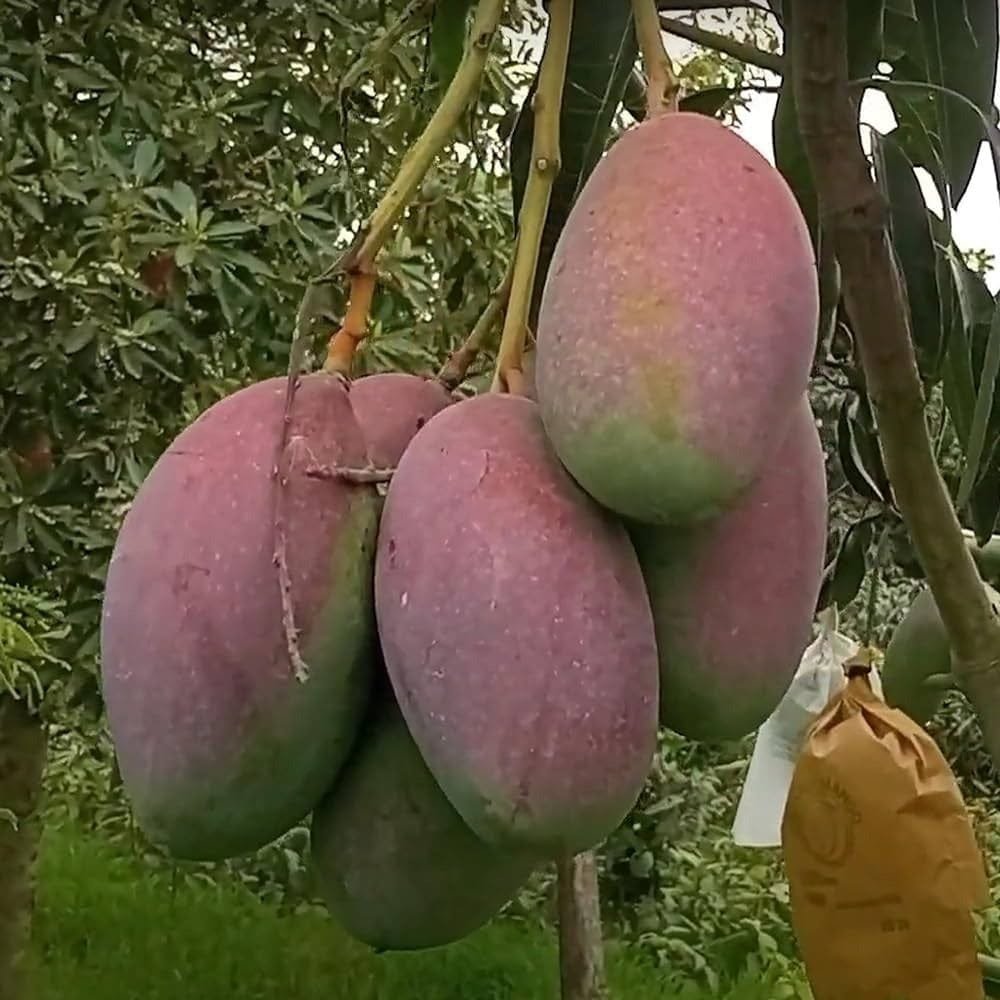
Bari 11 mango plant
Here’s a more detailed look at the Bari 11 mango:
- Sweet and Juicy: Bari 11 mangoes are known for their sweet and juicy flesh.
- Golden-Yellow Skin: The skin of ripe Bari 11 mangoes is typically a bright golden-yellow.
- Smooth Texture: The flesh has a smooth, non-fibrous texture, making it easy to enjoy.
- Aromatic Fragrance: The fruit has a pleasant, aromatic fragrance that fills the air when it’s ripe.
- All-Season Bearing: Bari 11 mangoes can bear fruit throughout the year, with some varieties having multiple harvests.
- Grafted Trees: Trees are typically grafted to ensure they bear fruit earlier than those grown from seeds.
- Vigorous Trees: Bari 11 mango trees are vigorous growers, capable of reaching heights of up to 30 feet.
- Tropical Climates: They thrive in warm, tropical climates and require plenty of sunlight and well-drained soil.
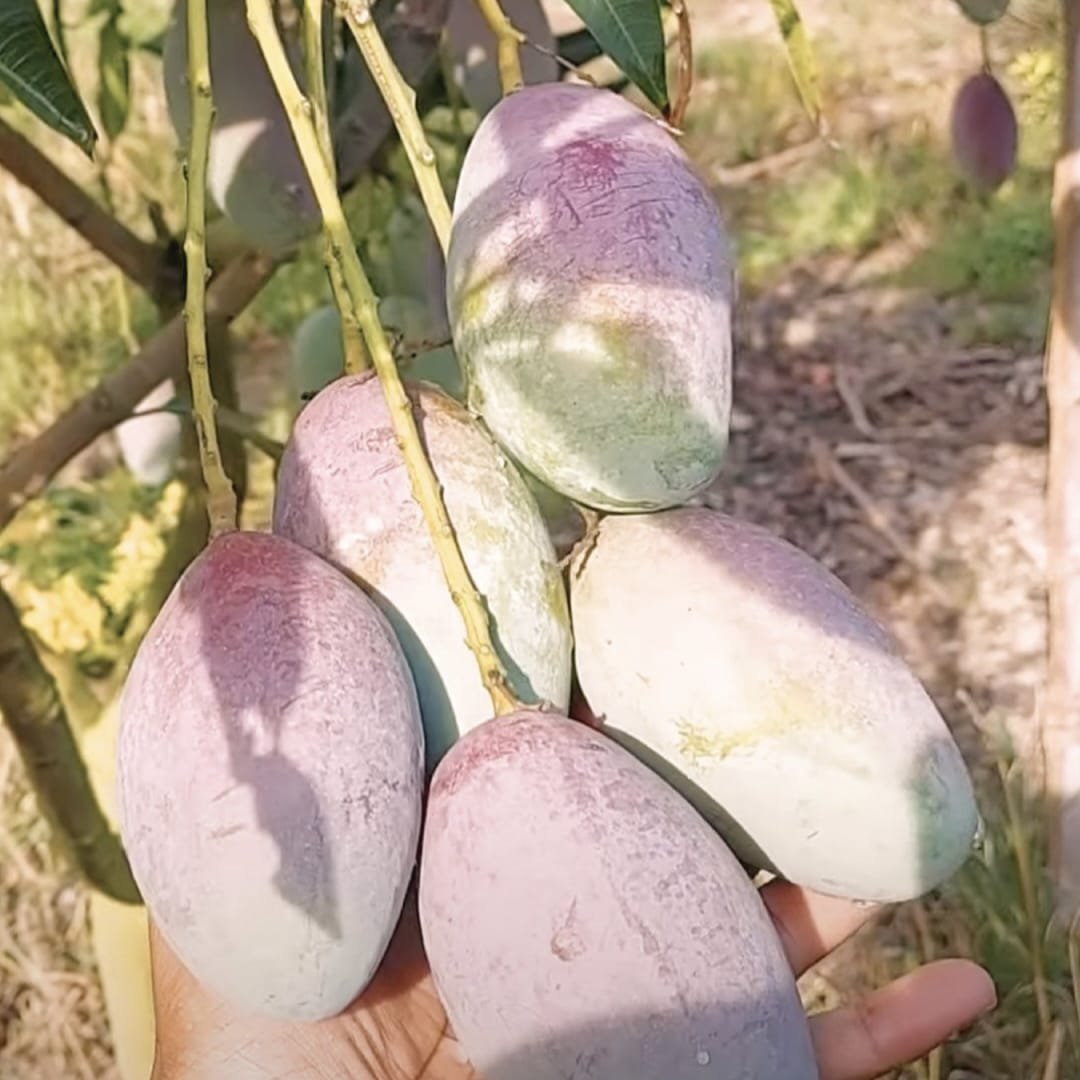
Bari 13 mango plant
Key Features:
-
Grafted for faster fruiting:Bari 13 mangoes are grafted, meaning they produce fruit much sooner than mangoes grown from seeds.
-
High yield:This variety is known for its abundant fruit production, making it a good choice for both personal and commercial use.
-
Sweet and aromatic flavor:The mangoes have a delicious, sweet, and aromatic flavor, making them a favorite among mango lovers.
Bari 4 mango plant
Here’s a more detailed look at Bari 4 mangoes
1. Flavor: Sweet, tropical, and refreshing.Color: Golden-red hue.Fiber: Not very fibrous, making them easy to eat.
2. Nutrients: High in fiber, magnesium, and potassium.
3. Plant: Can be grown in various Indian climates and soil types, suitable for gardens or pots.
4.Source: Bangladesh Agricultural Research Institute (BARI).