
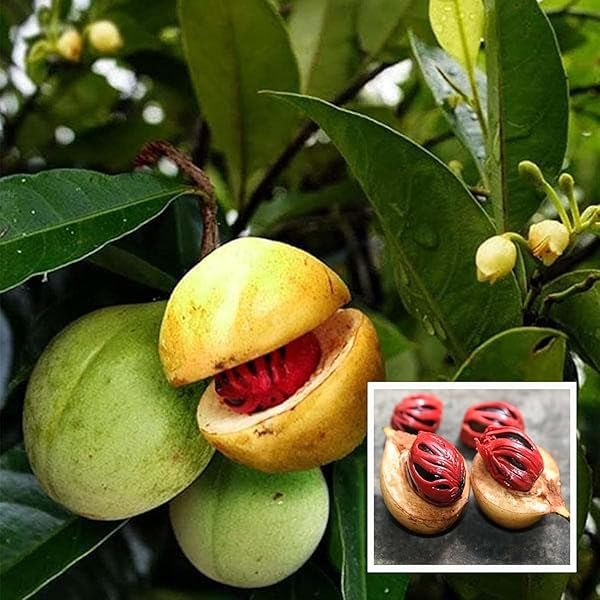
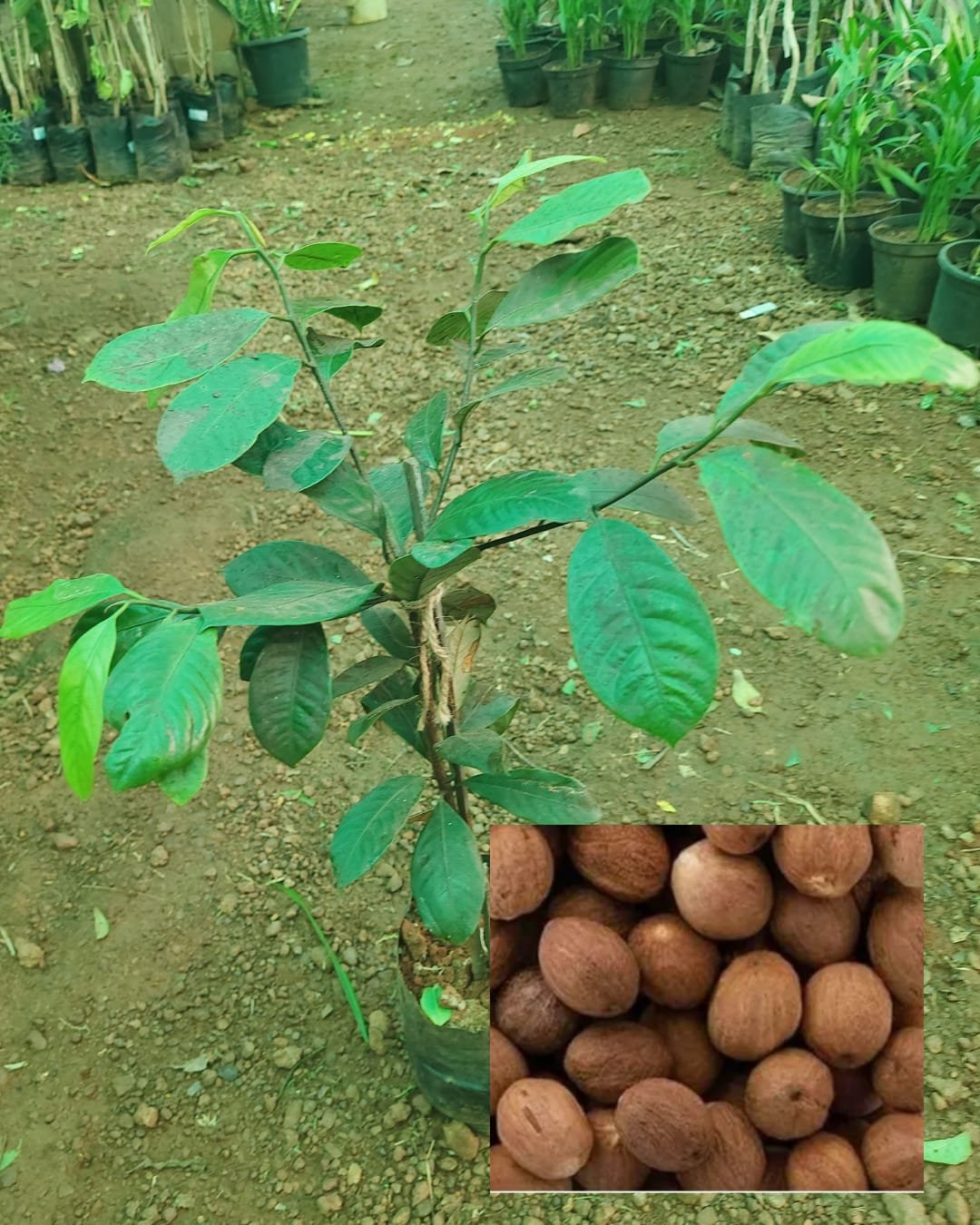
Jayfal plant
Original price was: ₹799.00.₹450.00Current price is: ₹450.00.The Jaiphal plant, also known as nutmeg (Myristica fragrans), is a tropical evergreen tree that produces the spice nutmeg. It is a small to medium-sized tree, reaching 5-13 meters in height, with smooth, dark green, shiny leaves. The plant yields oval-shaped, reddish-yellow fruits that contain a single, purplish-brown seed (nutmeg) encased in a bright red, lacy covering called mace.

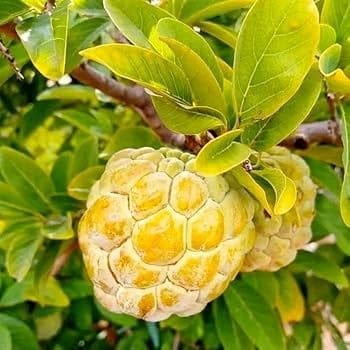
Golden Custard apple plant
Original price was: ₹999.00.₹450.00Current price is: ₹450.00.- Botanical Name: Annona squamosa
- Common Names: Sugar apple, sweetsop, custard apple
- Type: Small, semi-evergreen tree
- Height: Up to 8 meters (26 feet)
- Leaves: Leathery, smooth, dark green to wooly green
- Flowers: Pale yellow to greenish, fragrant
- Bark: Light brown with visible scars


Pear (babugosha) plant0
Original price was: ₹799.00.₹450.00Current price is: ₹450.00.- Appearance: Green skin, pear-shaped.
- Taste: Sweet, slightly tart, and juicy.
- Texture: Slightly granular.
- Nutritional value: Good source of fiber, vitamins C and K, and potassium.
- Versatility: Can be eaten fresh, used in salads, desserts, and savory dishes.
- Health benefits: Supports digestion, heart health, and weight management.
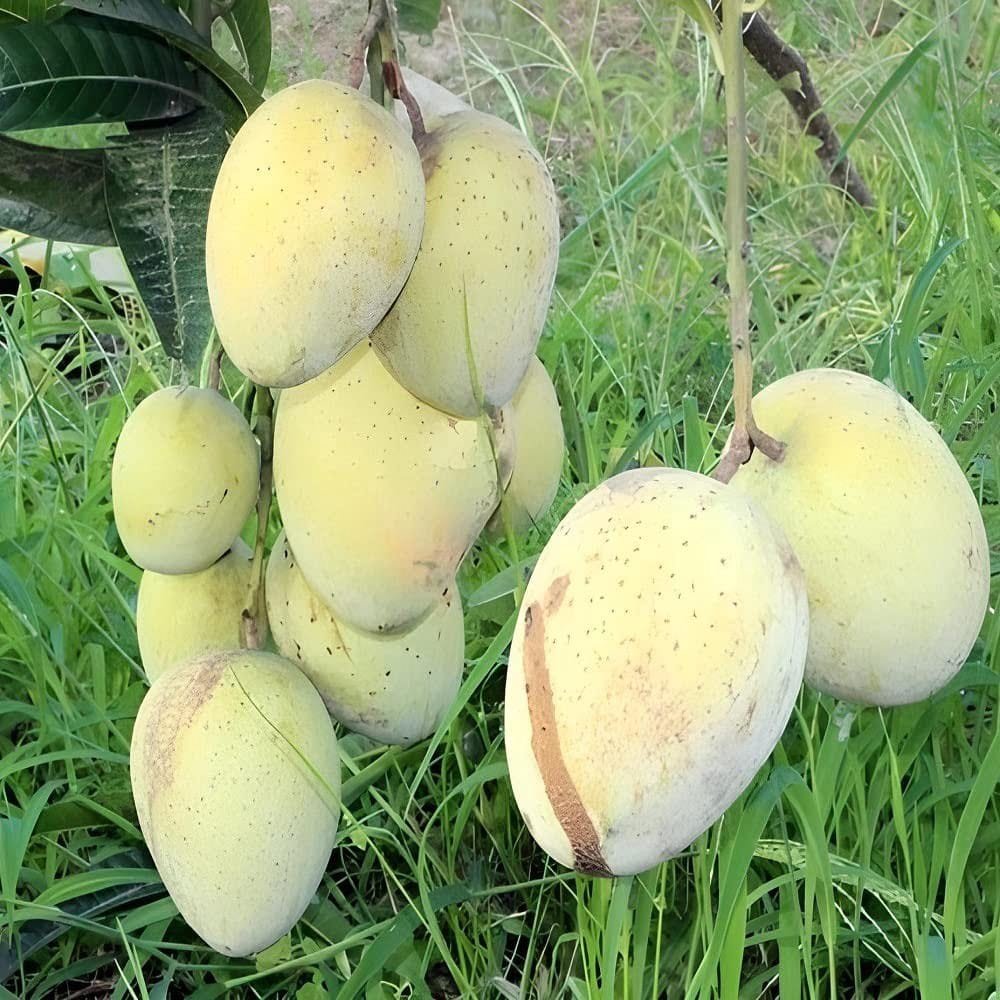
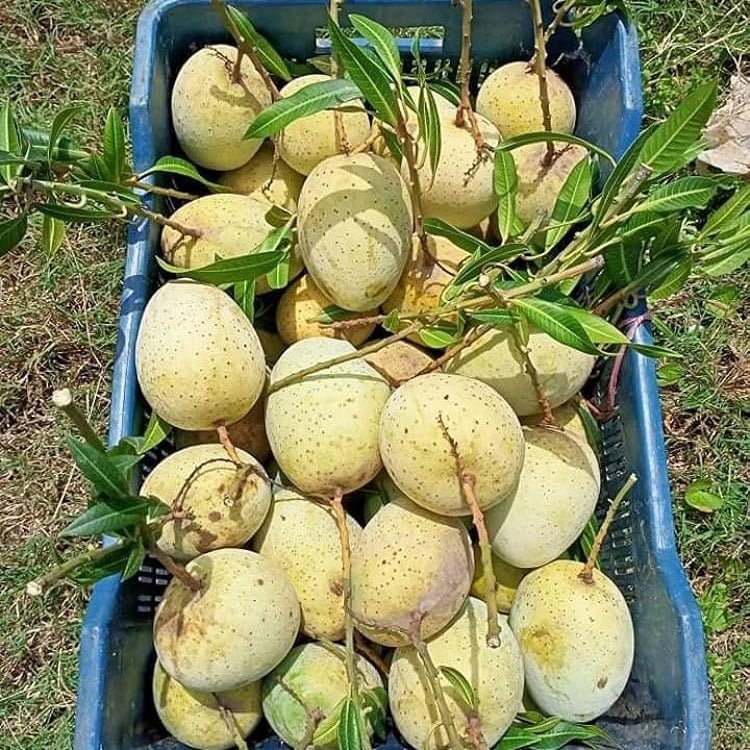
Gormati mango plant
Original price was: ₹799.00.₹450.00Current price is: ₹450.00.-
Origin and Popularity:
Gourmoti is a natural seedling variation that’s very popular in Bangladesh and known for its exceptional flavor.
-
Fruit Characteristics:
The fruits have a golden skin and are known for their juicy, flavorful flesh and sweet taste. They are a late-season variety, ripening in September.
-
Taste and Texture:
The Gourmoti mango has a sweet, fragrant, and juicy taste, with very little fiber. It’s considered sweeter than the Langra mango due to its higher soluble sugar content.
-
Tree Characteristics:
The tree itself resembles an Ashwina mango tree.
-
Cultivation:The plant can grow in almost all Indian climates and soils, making it suitable for both gardens and pots. Grafted plants are available for earlier fruiting.

Alphonso mango Plant
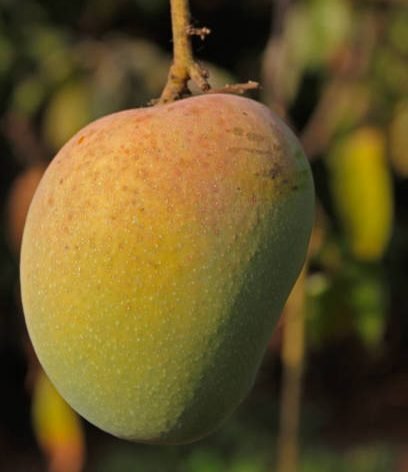
Original price was: ₹999.00.₹450.00Current price is: ₹450.00.Fruit:
- Oval-shaped, 4 to 6 inches long.
- Bright yellow-orange skin when ripe, with a red blush.
- Sweet, juicy, and aromatic flesh.
- A symmetrical evergreen tree, capable of reaching heights of 90 feet and widths of 80 feet, according to the University of Hawaii System.
- Prefers full sunlight and well-drained soil.
- Can be grown in home gardens, orchards, or terrace plantations.


Himsagar mango Plant
Original price was: ₹999.00.₹450.00Current price is: ₹450.00.- Scientific Name: Mangifera indica.
- Common Name: Himsagar Mango.
- Origin: Primarily grown in West Bengal, India.
- Growth: Medium to large-sized evergreen tree with a dense crown and spreading canopy.
- Foliage: Dark green, glossy leaves.
- Fruit: Large, oblong, thin-skinned, golden yellow when ripe, sweet, juicy, and aromatic. The flesh is also described as exceptionally juicy, fiberless, and has notes of honey and citrus.
- Season: Typically starts in May and extends into June.
Dekopon orange original grafted plant
Original price was: ₹999.00.₹450.00Current price is: ₹450.00.-
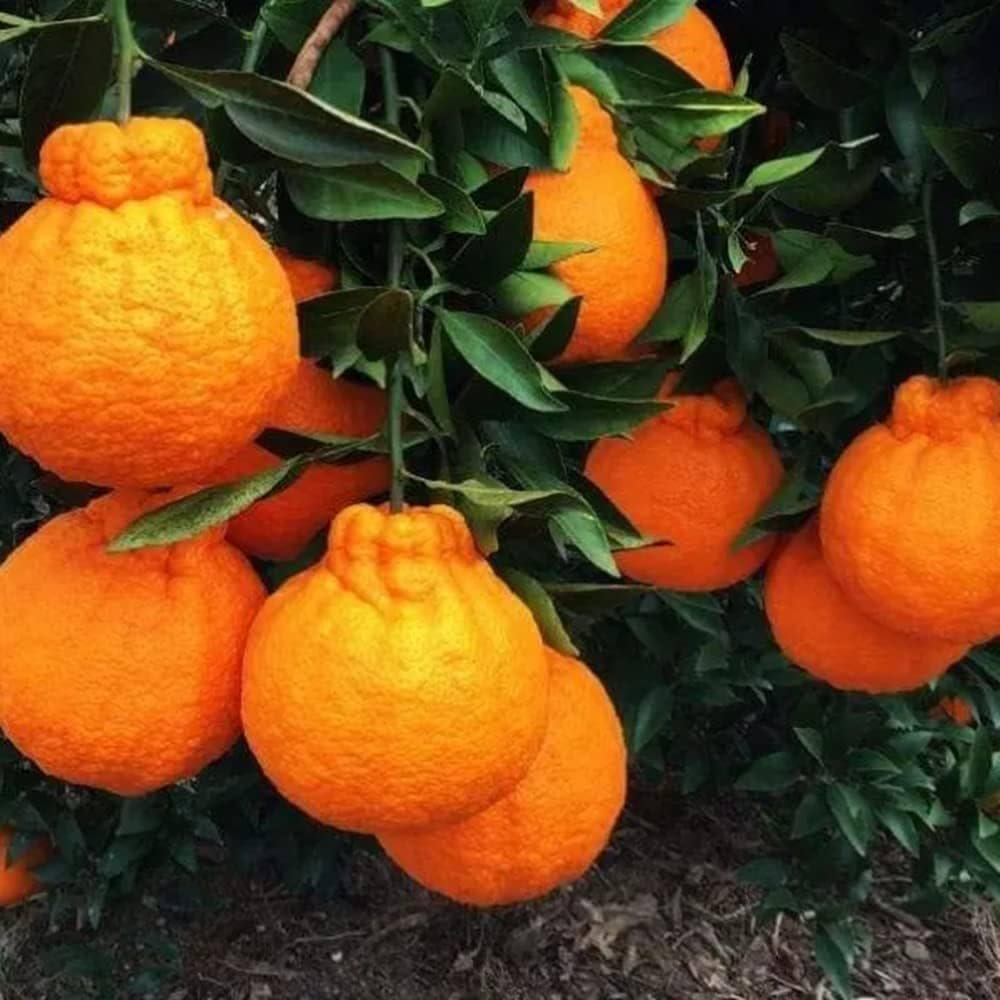
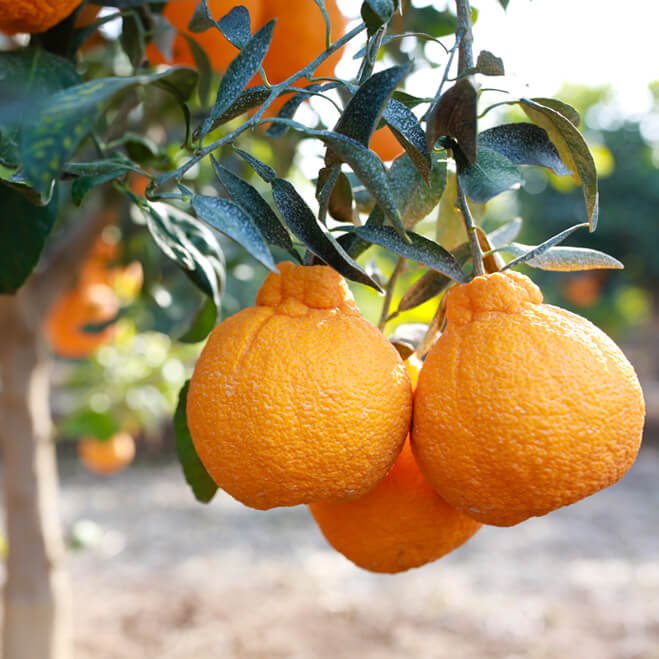
Size and Shape:Dekopons are large for mandarins, averaging 8-10 cm in diameter. They have a round, oval, or oblate shape with a distinct protruding neck or bump (the “topknot”).
-
Flavor:They are known for their exceptionally high sugar content (13-18 degrees Brix) and low acidity, resulting in a very sweet and rich flavor. Some people describe it as resembling eating candy.
-
Appearance:The skin is bright orange, textured, and easy to peel. The flesh is juicy, seedless, and firm.
-
Origin:Dekopon is a hybrid between Kiyomi and ponkan, developed in Japan in the 1970s.
-
Other Names:Dekopon is also known as Shiranui or Sumo Orange.
-
Growth:Dekopon plants are high-yielding and thrive in well-drained soil and full sunlight.
-
Uses:Dekopons can be eaten fresh, added to salads, or used in various recipes. Their juice can be used in marinades, dressings, and glazes.
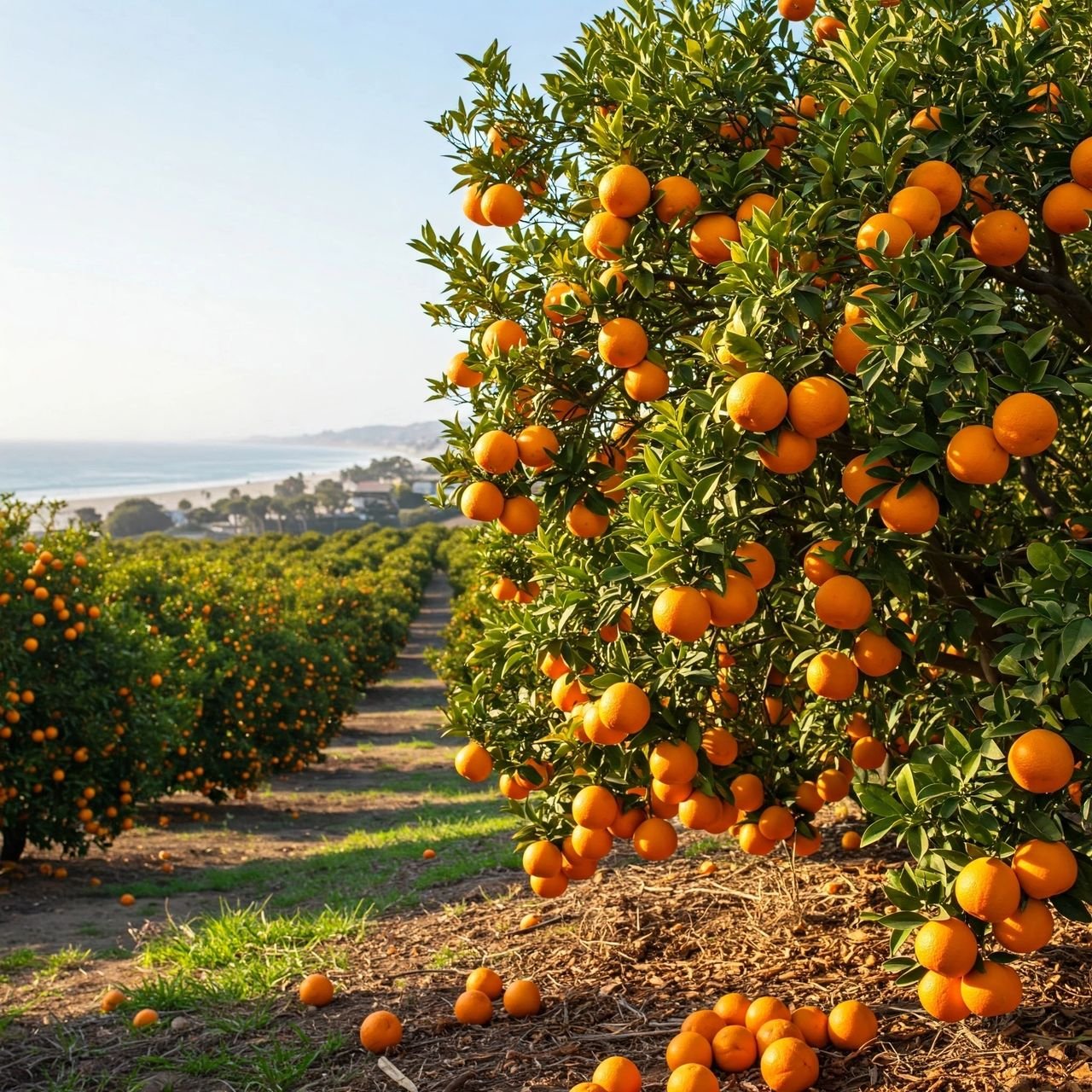
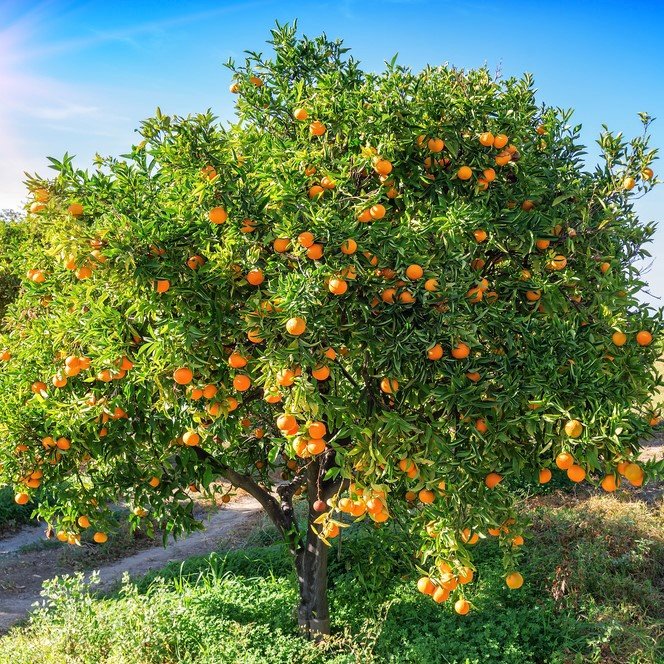
Washington navel orange (plant height 2-2.5) original grafted plant
Original price was: ₹999.00.₹450.00Current price is: ₹450.00.-
- Seedless: A defining characteristic that makes it easy to eat and enjoy.
- Seedless: A defining characteristic that makes it easy to eat and enjoy.
- Thick peel: Easy to peel and remove, making it convenient for snacking.
- Sweet and tangy flavor: The pulp is juicy, sweet, and slightly tangy, making it a refreshing and delicious fruit.
- Medium to large size: Typically 3 to 4 inches in diameter.
- Bright orange color: The peel is a vibrant orange, and the flesh has a deep orange color.
- Ripening season: Generally matures in late fall to winter, often between November and January.
- Low acid: It is known for being sweet and low in acid, contributing to its pleasant taste.
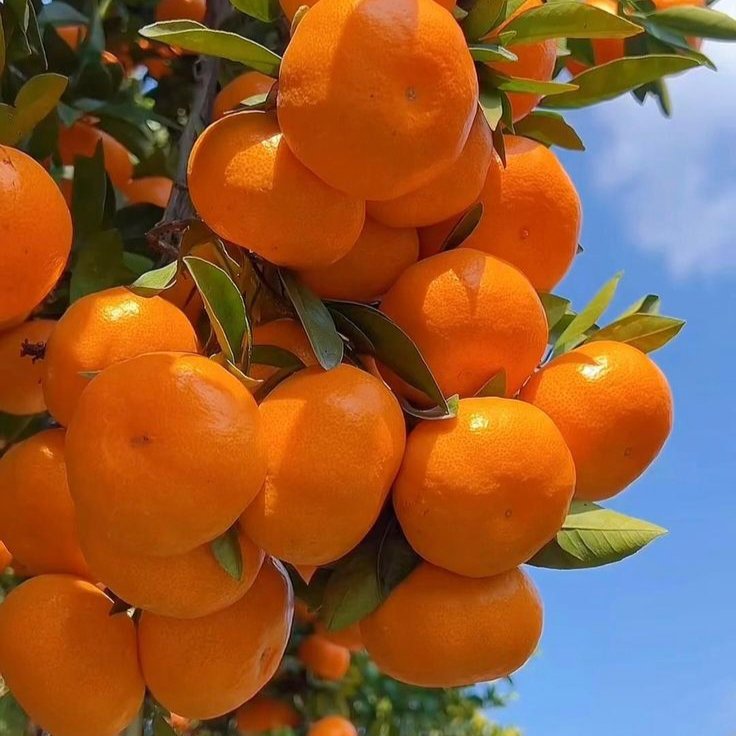
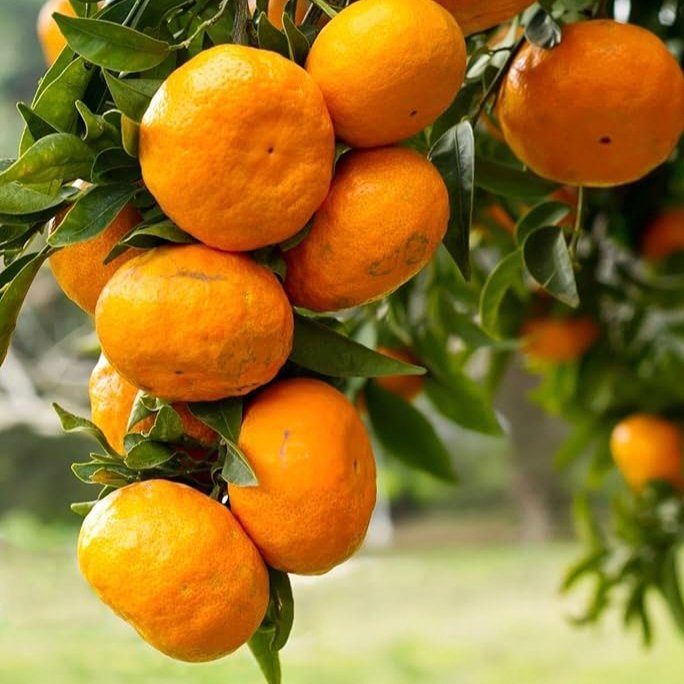
Nagpur mandarin orange (plant hight 2 feet) original grafted plant
Original price was: ₹999.00.₹450.00Current price is: ₹450.00.- Appearance: Medium-sized, globose to moderately oblate fruits with a deep yellowish-orange color and a pockmarked exterior.
- Flavor: Sweet, juicy, and mildly aromatic.
- Season: Two harvest seasons: Ambiya crop (September to December) with a slightly sour taste and Mrig crop (January) with a sweeter taste.
- Cultivation: Primarily cultivated in the Nagpur region of India.
- Nutritional Value: Rich in vitamins and antioxidants.
- Uses: Fresh consumption, juicing, desserts, and as a flavor booster in culinary dishes.