
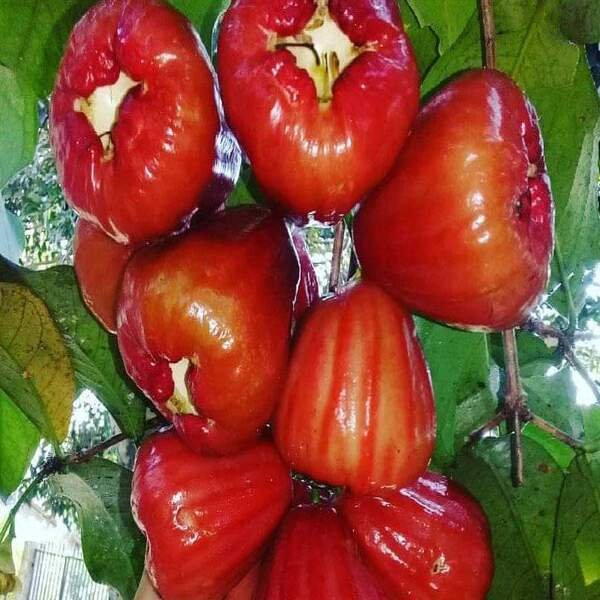
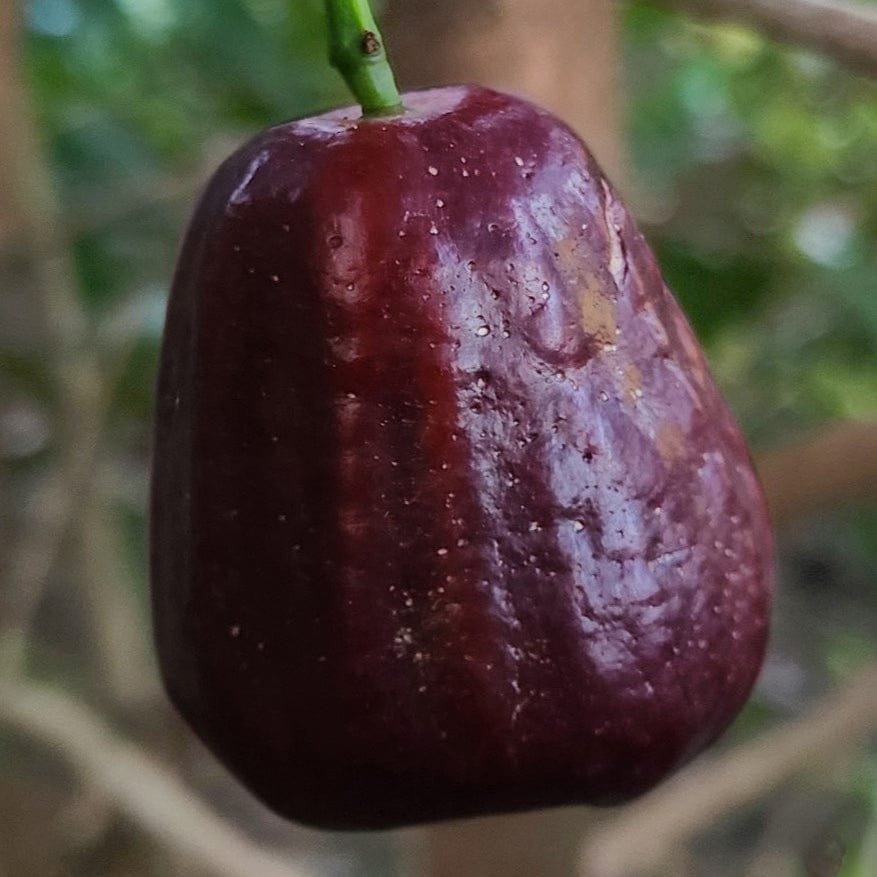
Dalhari chamba water apple Plant
Original price was: ₹1,299.00.₹450.00Current price is: ₹450.00.- Variety: A type of water apple (Syzygium samarangense).
- Taste & Size: Known for its large size and sweet flavor, making it a superior water guava.
- Productivity: High productivity, yielding 100-200 kilograms of fruit per season after reaching three or four years of age.
- Cultivation: Relatively easy to cultivate, suitable for home gardeners and commercial growers.
- Fruiting: Can bear fruit within 7 months to 1 year after planting.
- Commercial Value: The productivity and quality of the fruit make Dalhari a good choice for commercial cultivation.


Chaina 3 litchi Plant
Original price was: ₹999.00.₹450.00Current price is: ₹450.00.-
Origin and Popularity:China 3 is a lychee variety favored in the Bengal region of India.
-
Ripening Time:It’s a late variety, with fruits ripening in late June in some areas, according to Wikipedia.
-
Fruit Characteristics:The fruits are larger than average, globose, and have a distinct skin color featuring red, orange, and green patches. The pulp is creamy white, soft, and succulent.
-
Tree Characteristics:The trees are relatively small, typically 5 to 6 meters tall, with smaller leaves. They have a tendency to alternate bearing, meaning they may not produce fruit every year, so proper management is important.
-
Growing Conditions:China 3 trees can tolerate high temperatures and varying soil moisture levels, which helps reduce fruit cracking.


Thai long chiku
Original price was: ₹1,499.00.₹450.00Current price is: ₹450.00.Here’s a more detailed description:
-
Shape:Elongated and oval, as opposed to the more common round or oval shapes of other Chikoo varieties.
-
Flavor:Sweet, with a caramel-like undertone and a more pronounced sweetness than some other Chikoo varieties.
-
Texture:The flesh is soft and grainy, similar to the classic Chikoo, but the elongated shape allows for a different eating experience.
-
Color:The outer skin of the fruit is typically brown, with a reddish-brown flesh.
-
Seeds:Thai Long Chikoo fruits contain 2-3 large, black seeds within the flesh, which are inedible.


Red Jackfruit Plant
Original price was: ₹999.00.₹450.00Current price is: ₹450.00.- Flesh Color: Red or maroon-colored flesh.
- Taste: Sweet, with a flavor that’s often described as a mix of banana, pineapple, and mango.
- Nutrient Content: High in vitamins, minerals, and antioxidants.
- Size: Jackfruit is the largest tree-borne fruit in the world, reaching up to 60 cm (about 2 feet) long and weighing up to 18 kg (about 40 pounds).
- Uses: Red Jackfruit is used in various culinary preparations, including jams, jellies, chutneys, and as a flavor in ice cream and beverages.
- Health Benefits: Jackfruit is a good source of B vitamins, potassium, and vitamin C.
- Growth Habit: Jackfruit trees are large and evergreen, with glossy, leathery leaves.
- Cultivation: Red Jackfruit trees are typically planted in full sunlight and require minimal pruning.
- Harvesting: Fruiting typically begins 3-5 years after planting.
White Diamond Guava Plant
Original price was: ₹799.00.₹450.00Current price is: ₹450.00.-
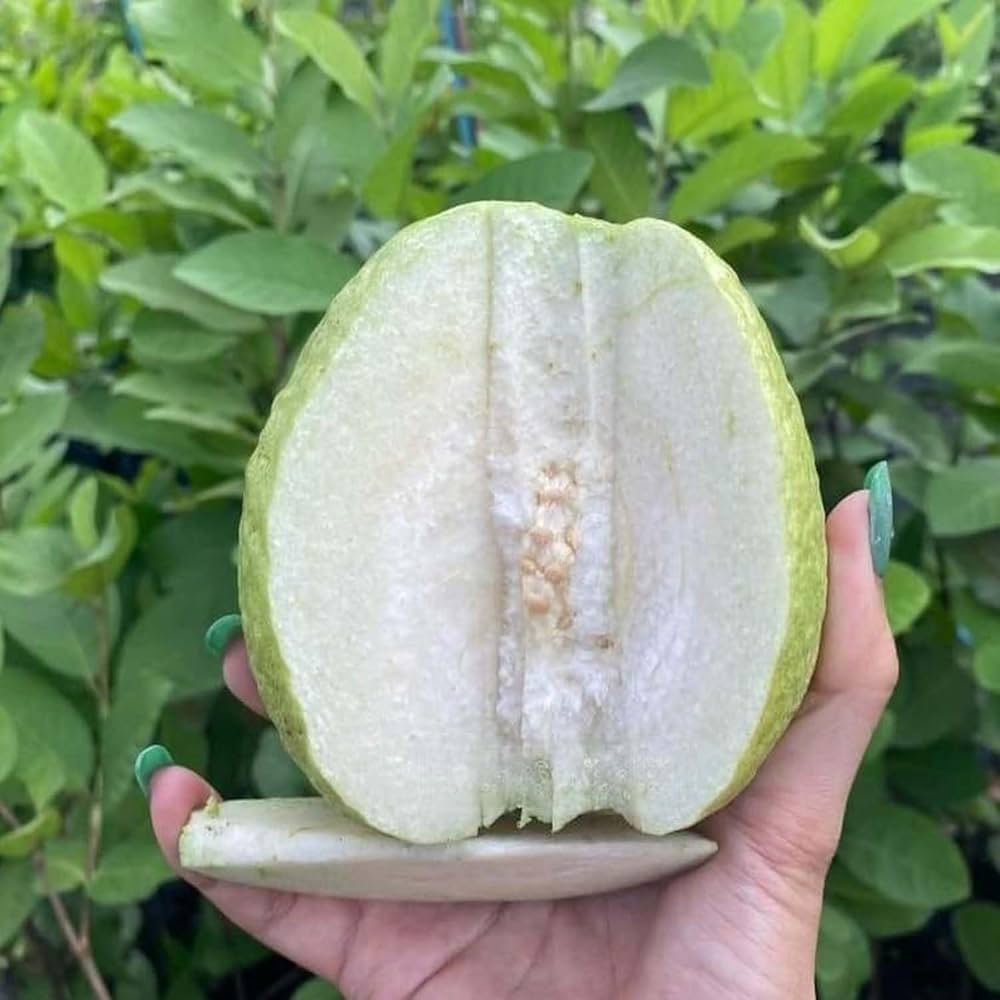
Size:White Diamond Guava fruits are medium to large, with some varieties reaching an average weight of 400-1000 grams per fruit.
-
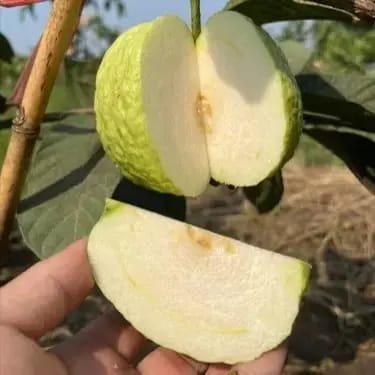
Flesh:The flesh is creamy white in color and has a sweet, juicy, and tender texture.
-
Flavor:The flavor is described as sweet and aromatic, often with a tropical and slightly floral taste.
-
Seed Content:White Diamond Guava is a seedless or near-seedless variety, meaning it produces very few seeds.
-
Plant:It’s a fast-growing evergreen shrub or small tree that can grow up to 3-10 meters tall.
Namdocmai Mango Plant
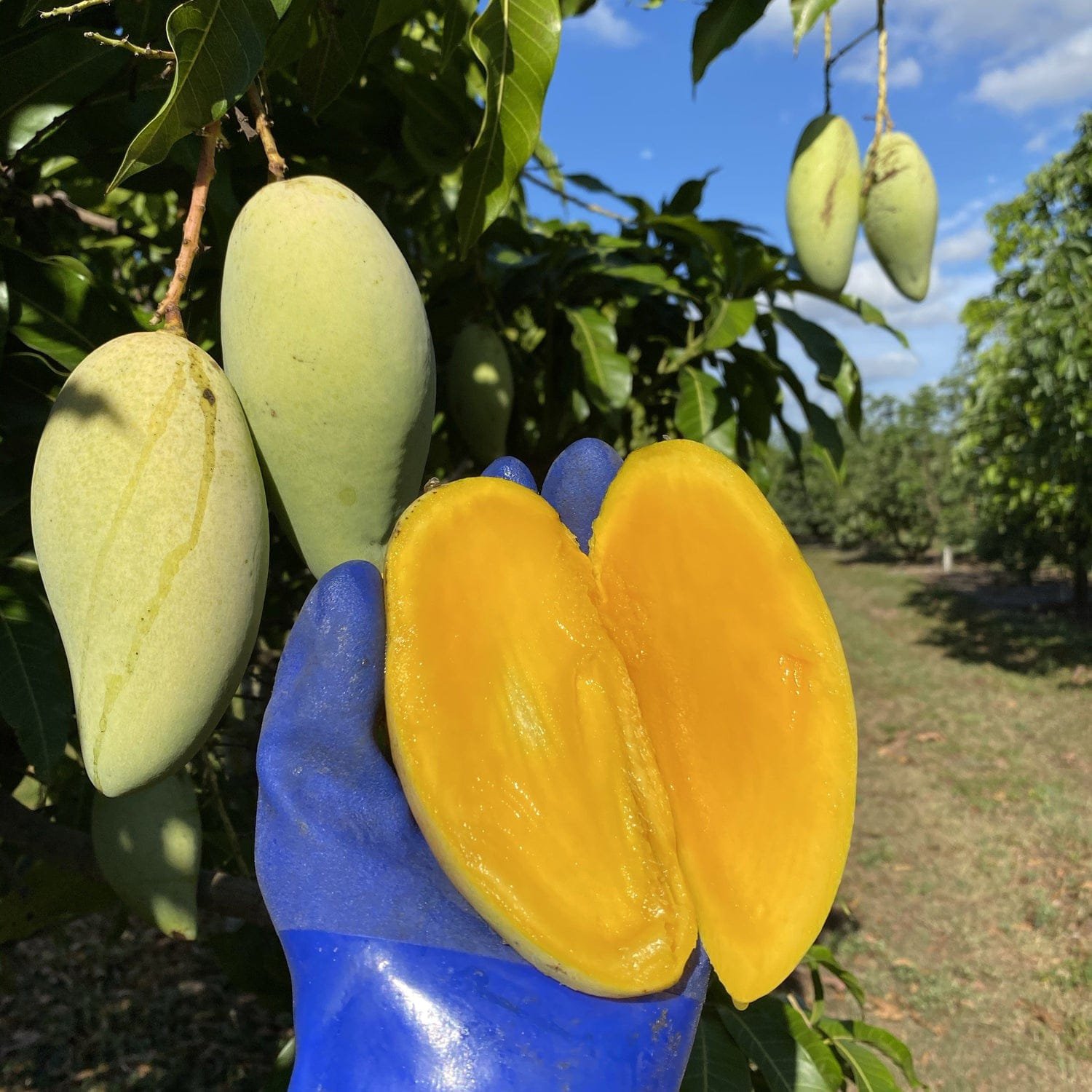
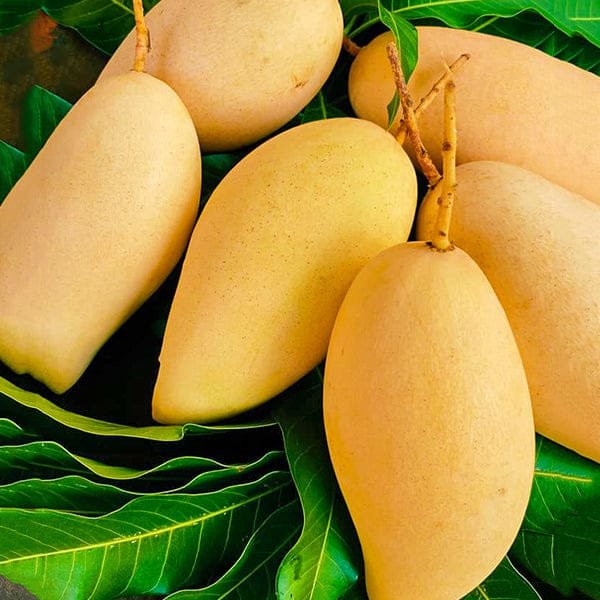
Original price was: ₹1,000.00.₹450.00Current price is: ₹450.00.Key Features:
- Origin: Thailand
- Shape: Elongated with a prominent beak
- Color: Yellow with green spots when ripe
- Flavor: Rich, sweet, and flavorful with a pleasant aroma
- Texture: Soft, juicy, and fiberless
- Popularity: One of the most popular mango varieties in Thailand and also grown commercially in other regions like Australia
- Tree: Medium-sized, potentially reaching heights of over six meters
- Seed: Polyembryonic seeded variety with a thin, flat seed

Hari Vanga Mango Plant
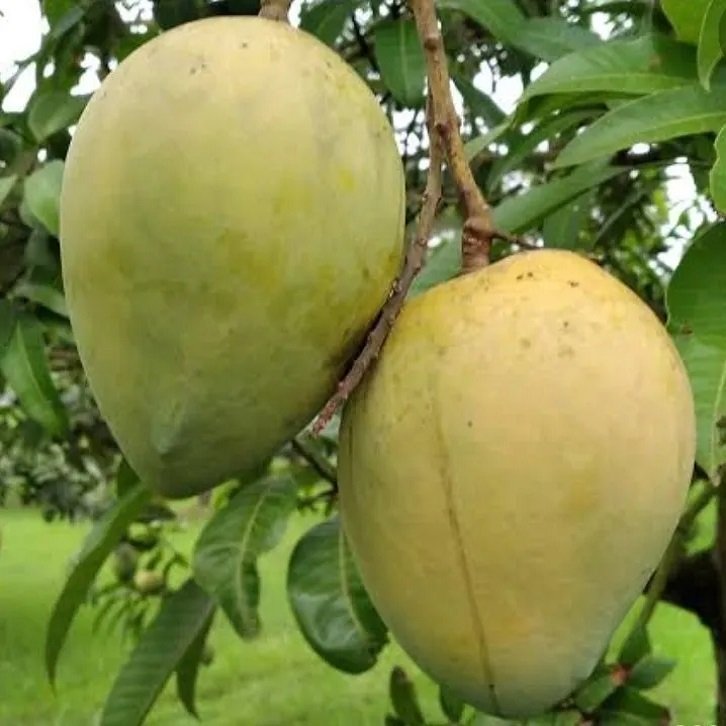
Original price was: ₹999.00.₹450.00Current price is: ₹450.00.Here’s a more detailed look:
-
Origin and Popularity:
The Haribhanga mango originated in Bangladesh and gained popularity in the early 2000s, especially in the Rangpur district.
-
Appearance:
These mangoes are round in shape and have a vibrant orange-yellow color when ripe.
-
Taste and Texture:
They are known for their exceptionally sweet taste, smooth, firm flesh, and lack of fiber.
-
Weight:
Haribhanga mangoes are generally fleshy and can weigh between 200 and 400 grams, with some reaching up to 700 grams.
-
Cultivation:
Cultivation of Haribhanga mangoes has gained significant traction in recent years, with the Department of Agriculture Extension (DAE) working to further develop this variety.
-
Gifting:Haribhanga mangoes have even been gifted as mementos of friendship, with Bangladesh sending 2600 kilograms to India in 2021.


Bari 4 mango plant
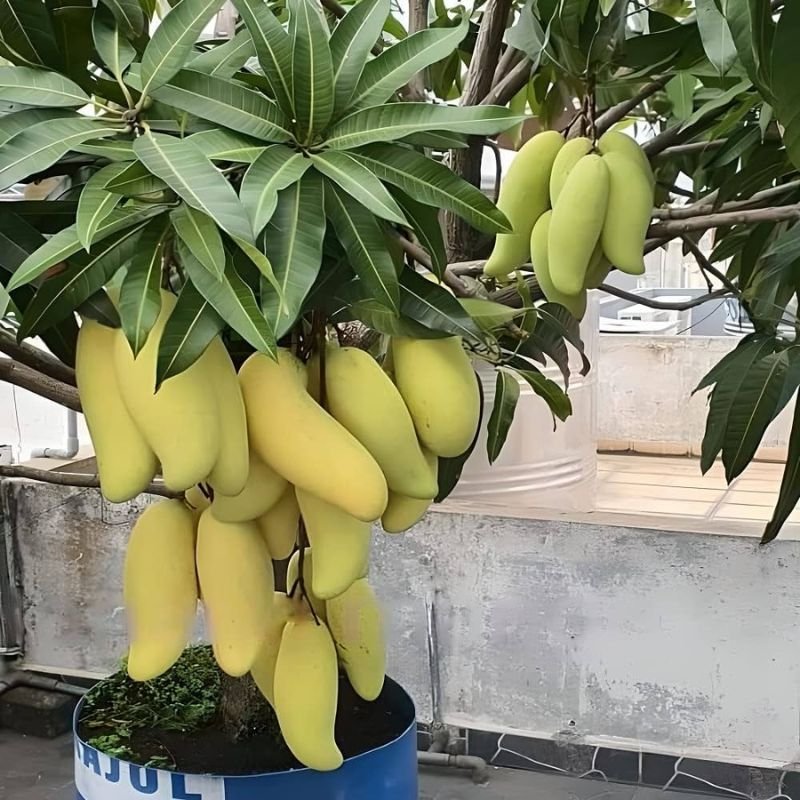
Original price was: ₹999.00.₹450.00Current price is: ₹450.00.Here’s a more detailed look at Bari 4 mangoes
1. Flavor: Sweet, tropical, and refreshing.Color: Golden-red hue.Fiber: Not very fibrous, making them easy to eat.
2. Nutrients: High in fiber, magnesium, and potassium.
3. Plant: Can be grown in various Indian climates and soil types, suitable for gardens or pots.
4.Source: Bangladesh Agricultural Research Institute (BARI).
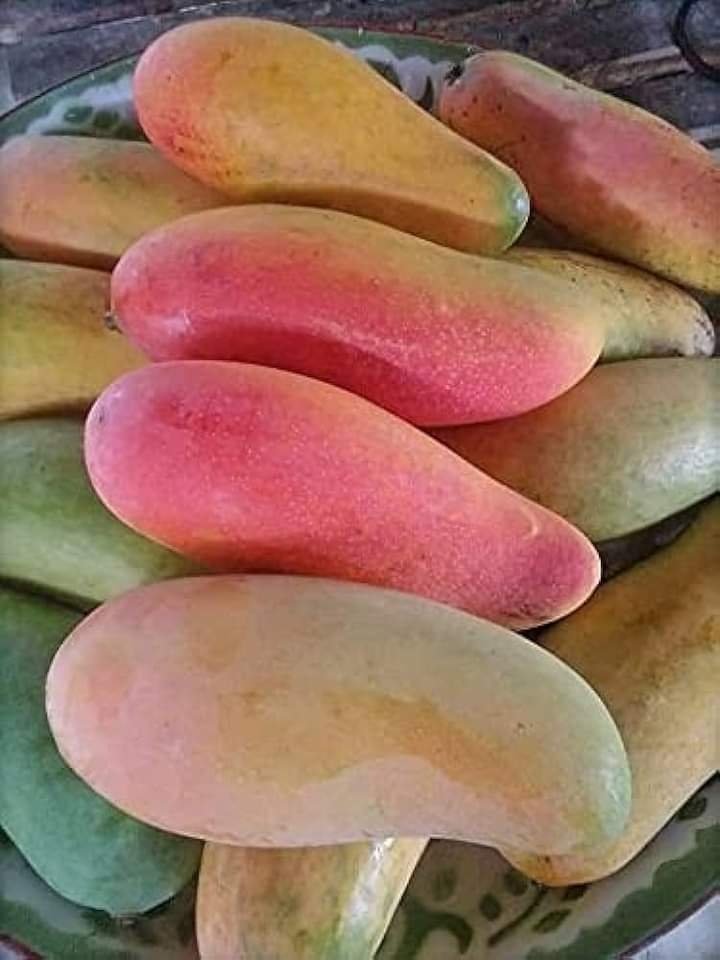
Thai banana mango plant
Original price was: ₹999.00.₹450.00Current price is: ₹450.00.- Appearance: Large, oblong-shaped fruit with a thin, smooth, yellow skin. Some varieties may have shades of red or green.
- Flavor: Sweet, fruity, with hints of mango, citrus, and even banana.
- Texture: Juicy and fiberless flesh, making it ideal for fresh consumption or incorporating into recipes.
- Weight: Fruits typically weigh between 350 to 450 grams.