
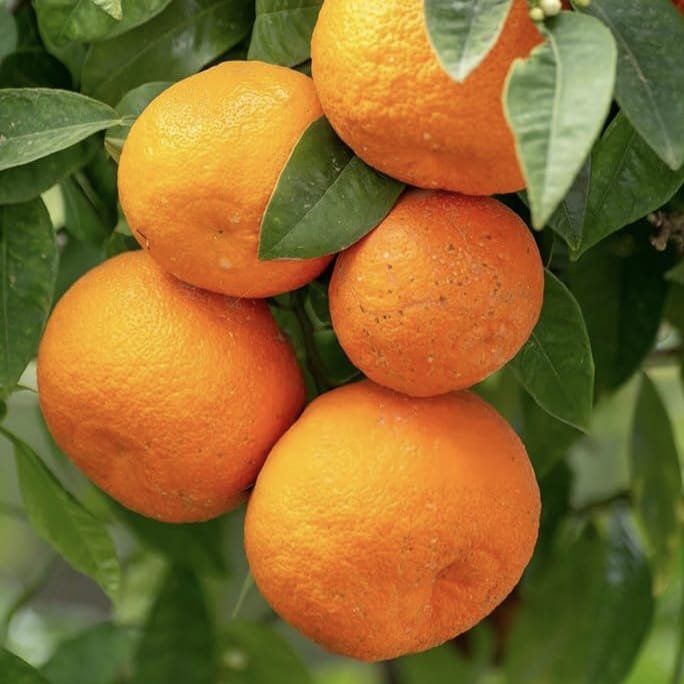
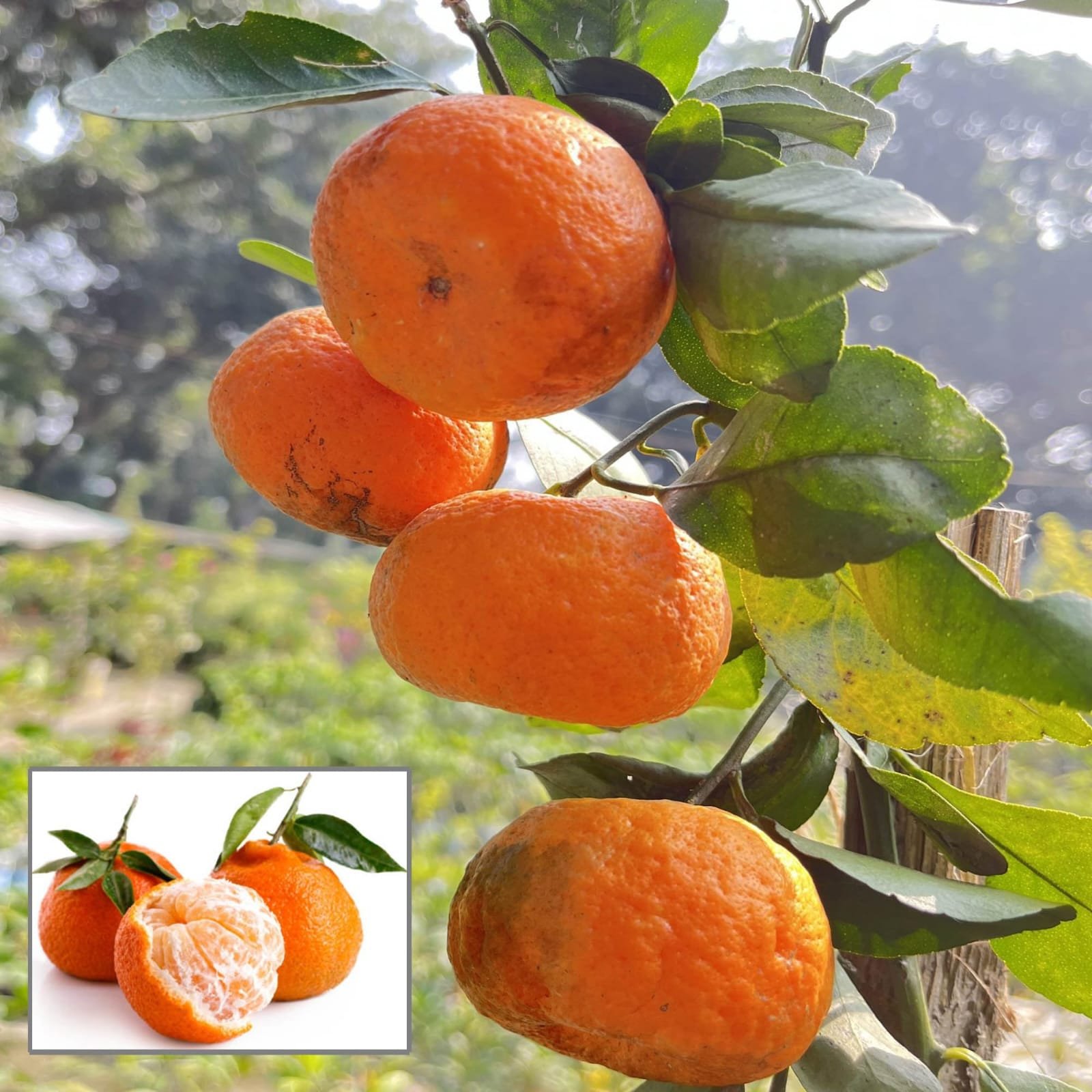
Darjeeling jaint orange (plant hight 2 feet) original grafted plant
Original price was: ₹999.00.₹400.00Current price is: ₹400.00.-
Origin and Characteristics:Darjeeling Giant Oranges are a specific variety grown in the Darjeeling region of India, known for their large size and sweet taste. They are known for their thin peel and abundant juice.
-
Taste and Flavor:These oranges are prized for their distinct flavor profile, offering a balance of sweetness and tanginess.
-
Cultivation:Darjeeling Giant Oranges thrive in warm, subtropical climates and can adapt to various soil types.
-
Grafting:To ensure superior performance and disease resistance, the Darjeeling Giant Orange is often grafted, combining the hardiness of a strong rootstock with the desirable characteristics of the fruit variety.
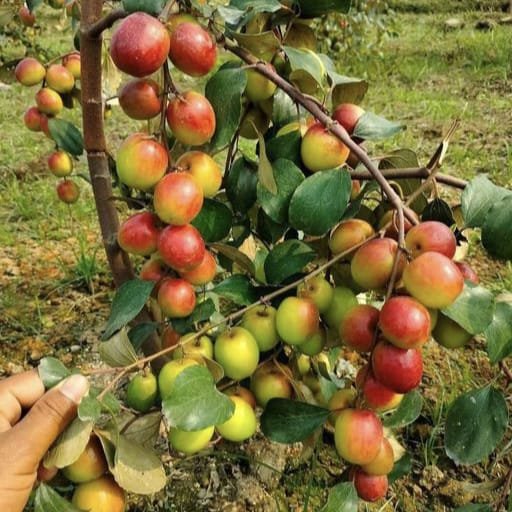

Miss India Apple Ber
Original price was: ₹799.00.₹250.00Current price is: ₹250.00.-
- Taste: Sweet and tangy, with a crisp, crunchy texture.
- Fruit: Round, shiny, reddish-brown fruit.
- Taste: Sweet and tangy, with a crisp, crunchy texture.
- Growth: Can be grown in various Indian climates and soil types, both in gardens and pots.
- Early ripening: One of the first ber varieties to ripen in the season.
- Cultural significance: A favorite fruit in India, often used in festivals and as a sweet treat.
- Nutritional value: Rich in nutrients and antioxidants.
- Availability: Readily available for purchase as plants or fruits.
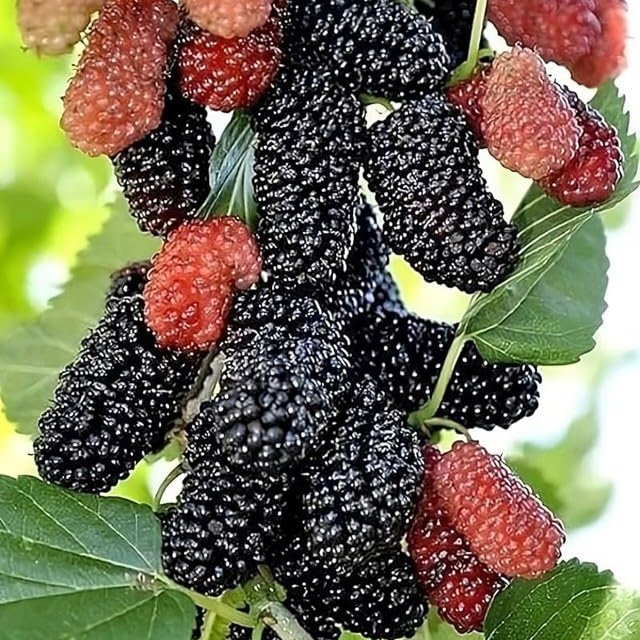
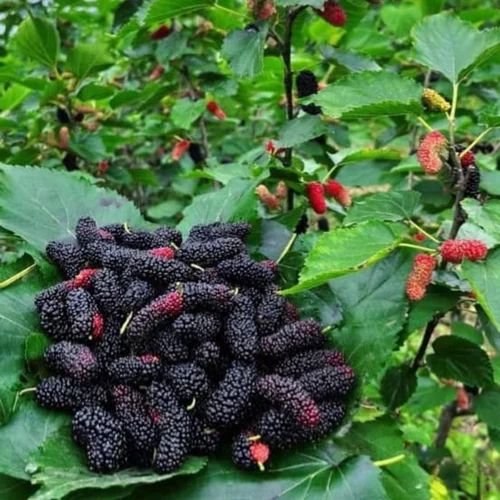
Short mulberry plant
Original price was: ₹699.00.₹280.00Current price is: ₹280.00.-
Size and Form:
Mulberries are generally deciduous trees, meaning they lose their leaves annually. They can vary in size, from small to medium-sized, with some species reaching heights of 15 meters. They have a rounded crown and a dense canopy of spreading branches.
-
Leaves:
The leaves are simple and alternate, meaning they grow singly and are not arranged in pairs. They are often lobed or toothed, and can be quite variable in shape and size.
-
Fruit:
The fruit is a sorosis, which is a type of multiple fruit that develops from the entire flower cluster. It resembles blackberries and ripens to colors ranging from white to purple. The fruit is edible and has a sweet, juicy flavor.
-
Uses:
Mulberry trees are valuable for both their leaves and fruit. The leaves are a vital food source for silkworms, which are used in the production of silk. The fruit is edible and used in various food preparations, and the tree itself can be used for timber and other purposes.
Hong Long Mango Plant
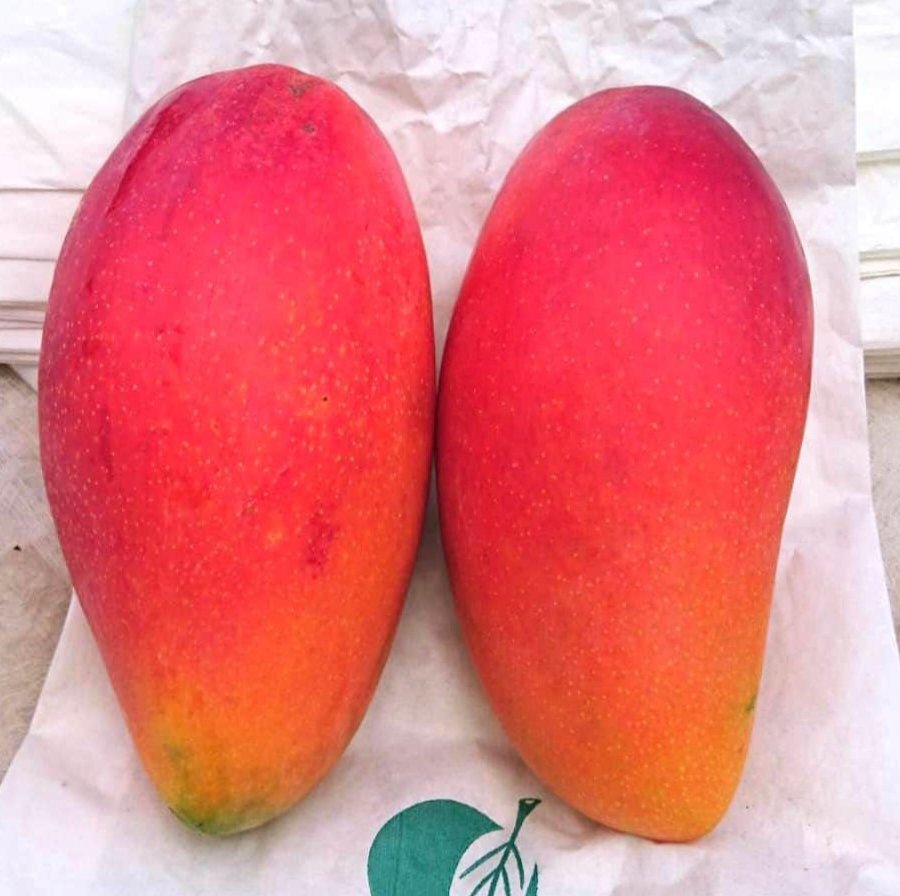
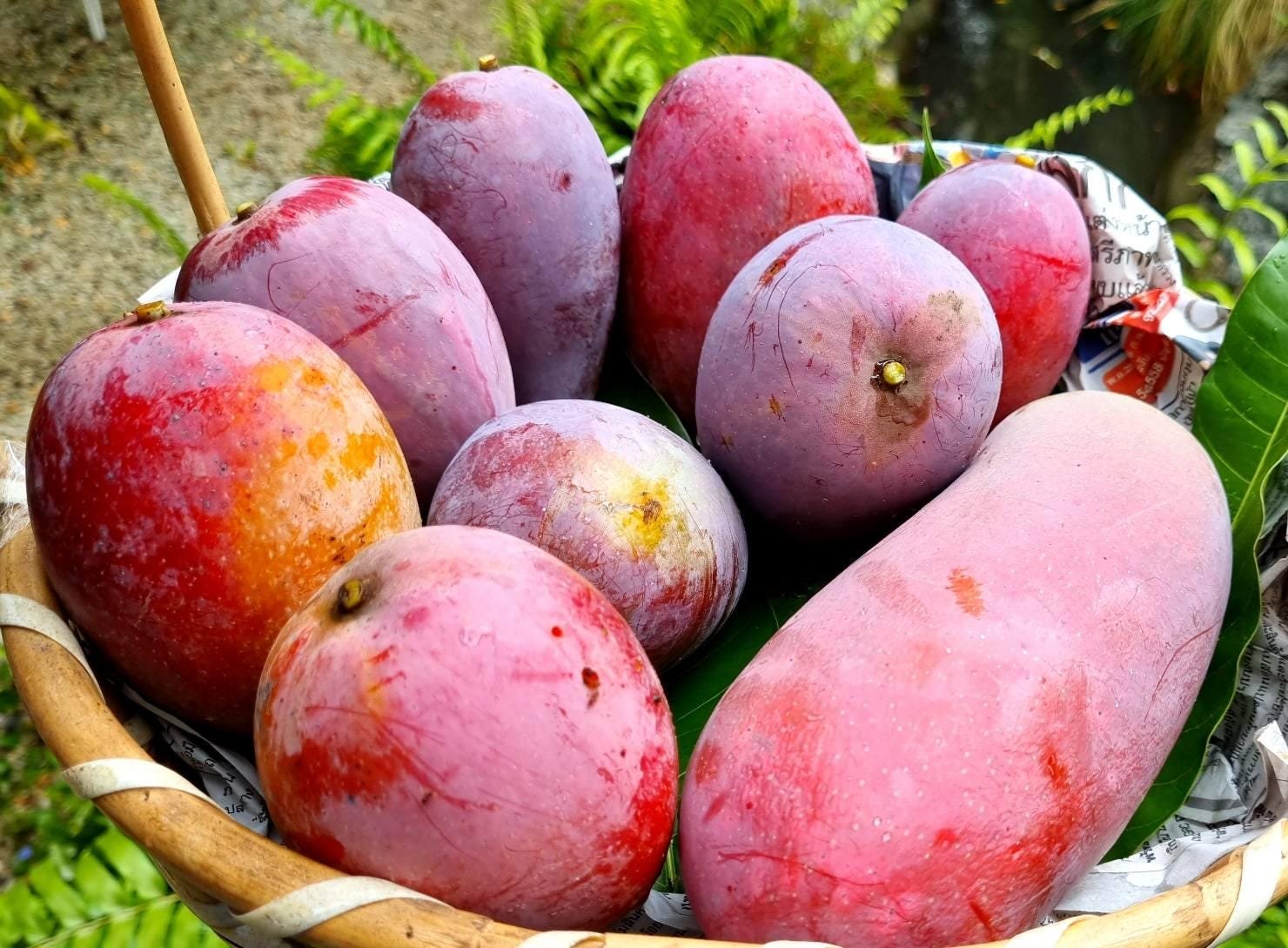
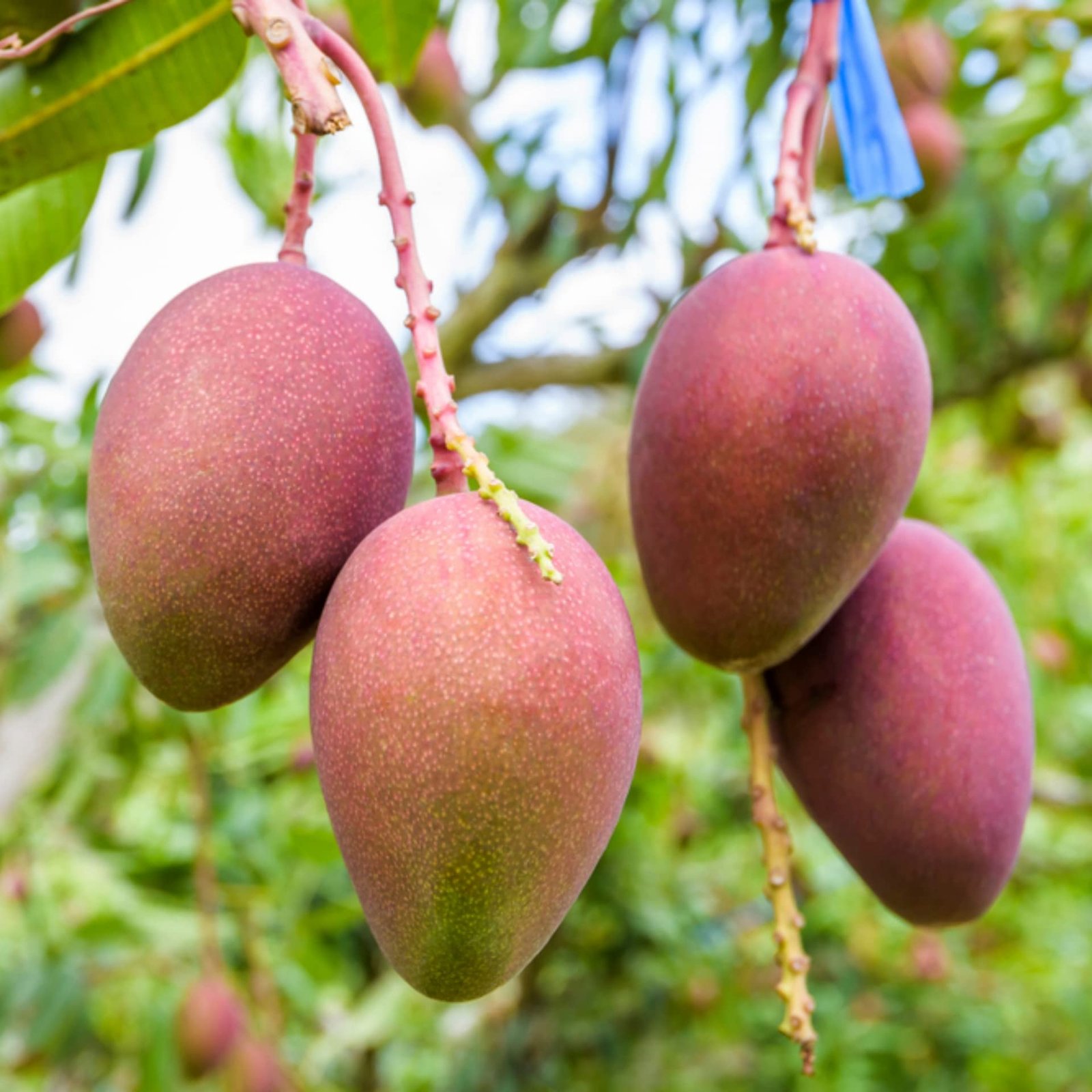
Original price was: ₹2,999.00.₹1,300.00Current price is: ₹1,300.00.The Hong Long mango (also known as the Red Dragon or Hong Siang mango) is a premium, heavy-fruiting variety native to Taiwan and popularized in Southeast Asia. Highly sought after by fruit connoisseurs, it is famous for its vibrant red-blushed skin, exceptional sweetness, and smooth, fiberless flesh.
CISH Arunika Mango Plant
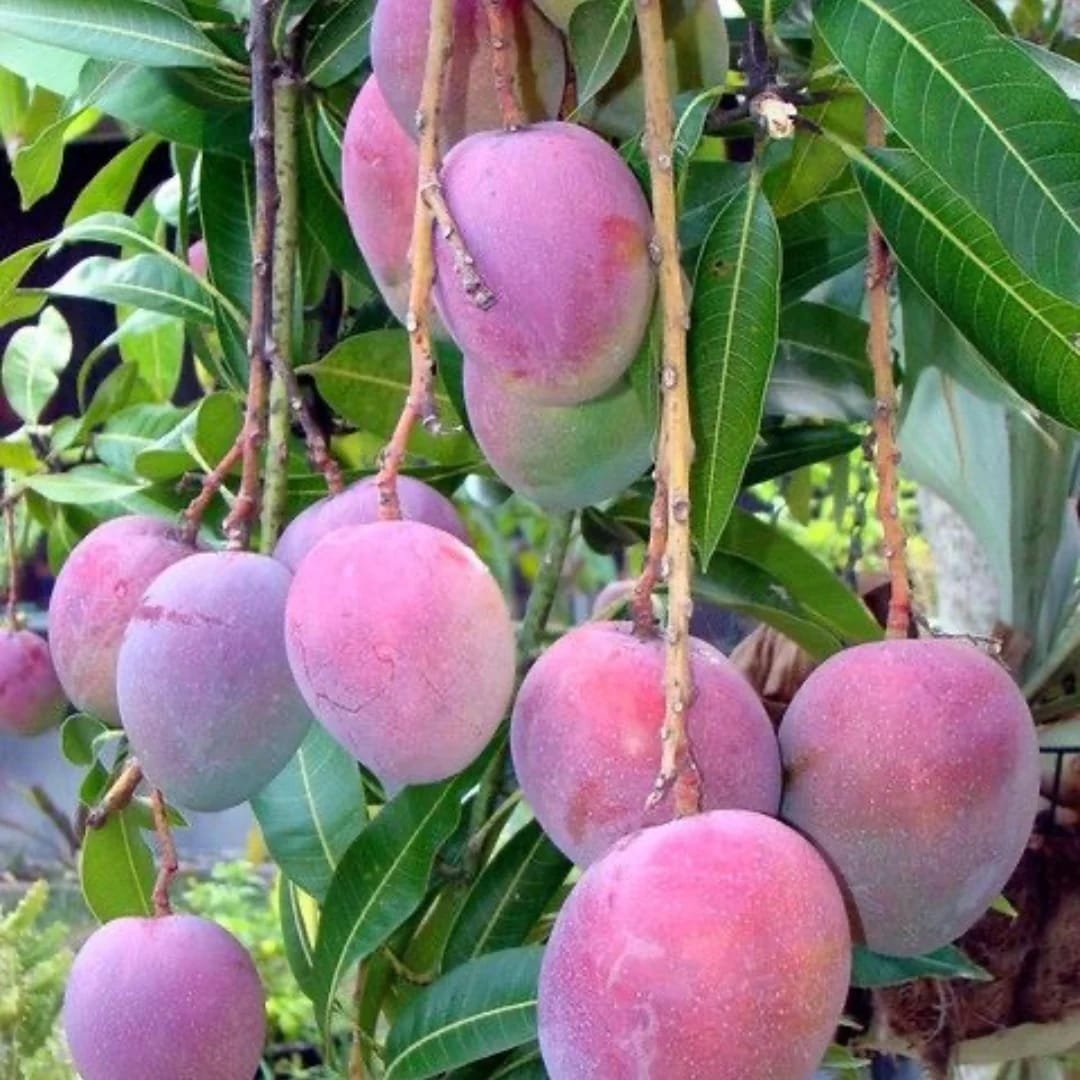
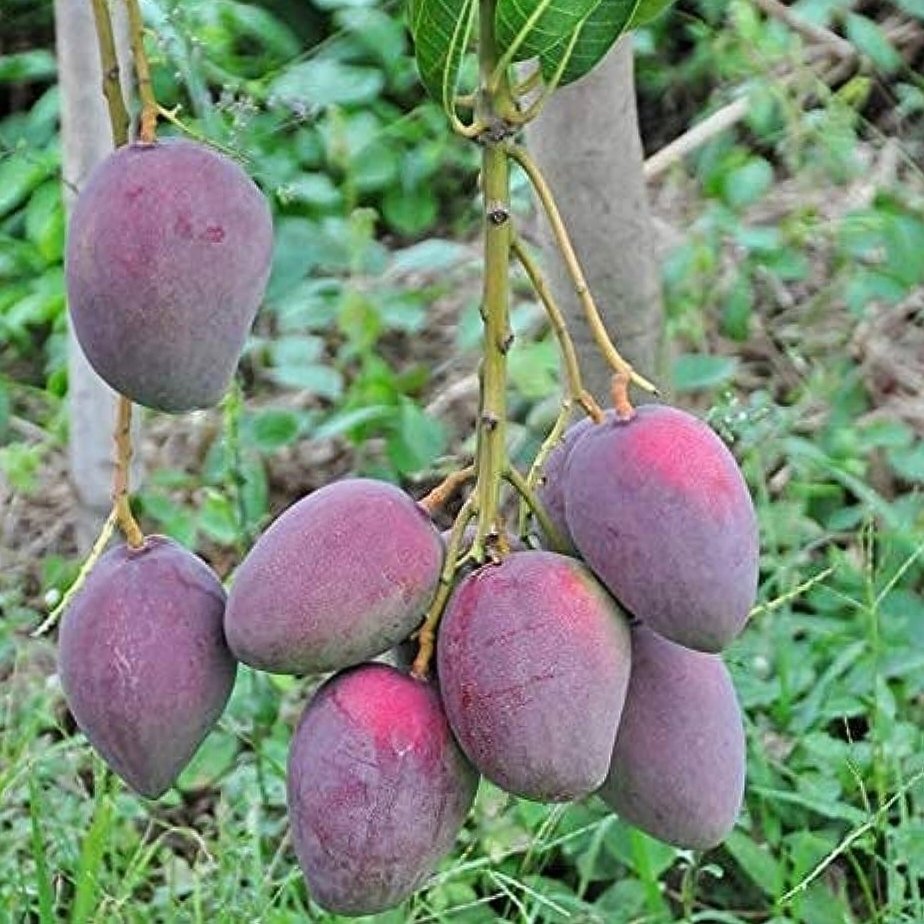
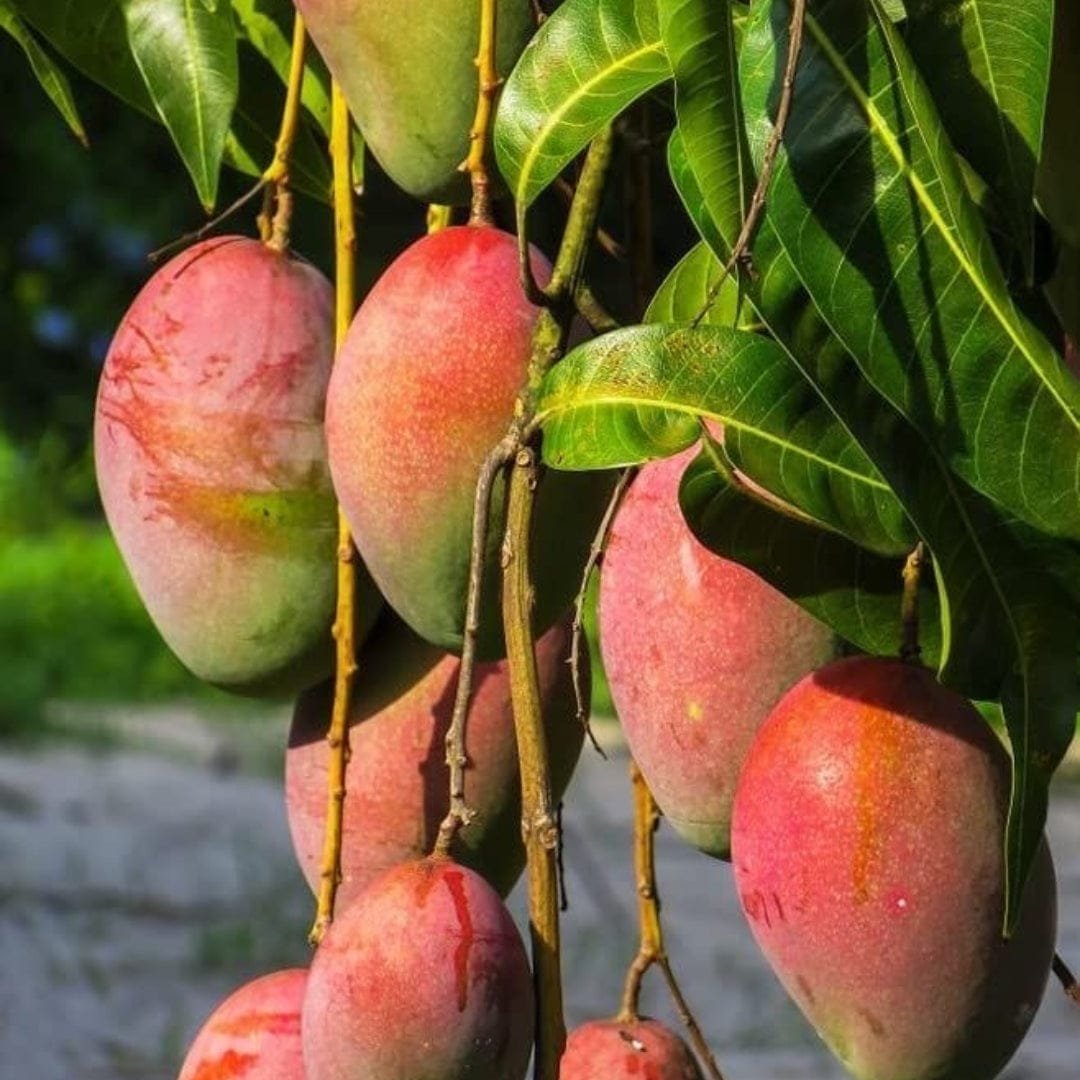
Original price was: ₹1,199.00.₹600.00Current price is: ₹600.00.The CISH Arunika mango is a premium, regular-bearing hybrid developed by ICAR-CISH (Lucknow) from a cross of ‘Amrapali’ and ‘Vanraj’. Highly prized for its vibrant red-blush skin and sweet, fiberless orange-yellow flesh, it has high pulp content and a semi-dwarf tree habit, making it ideal for both home gardens and orchards.
CISH Ambika Mango Plant
Original price was: ₹1,199.00.₹600.00Current price is: ₹600.00.
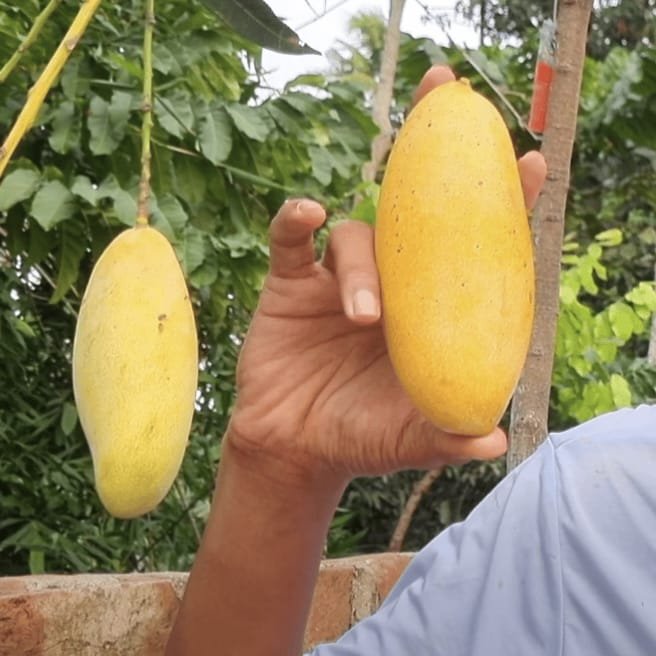
The CISH Ambika mango is a premium, late-season hybrid developed by the Central Institute for Subtropical Horticulture (CISH) in Lucknow, India. It is a cross between Amrapali and Janardan Pasand, highly prized for its dwarf growth habit, fiberless flesh, and attractive red-blushed yellow skin.
Honeydew Mango Plant
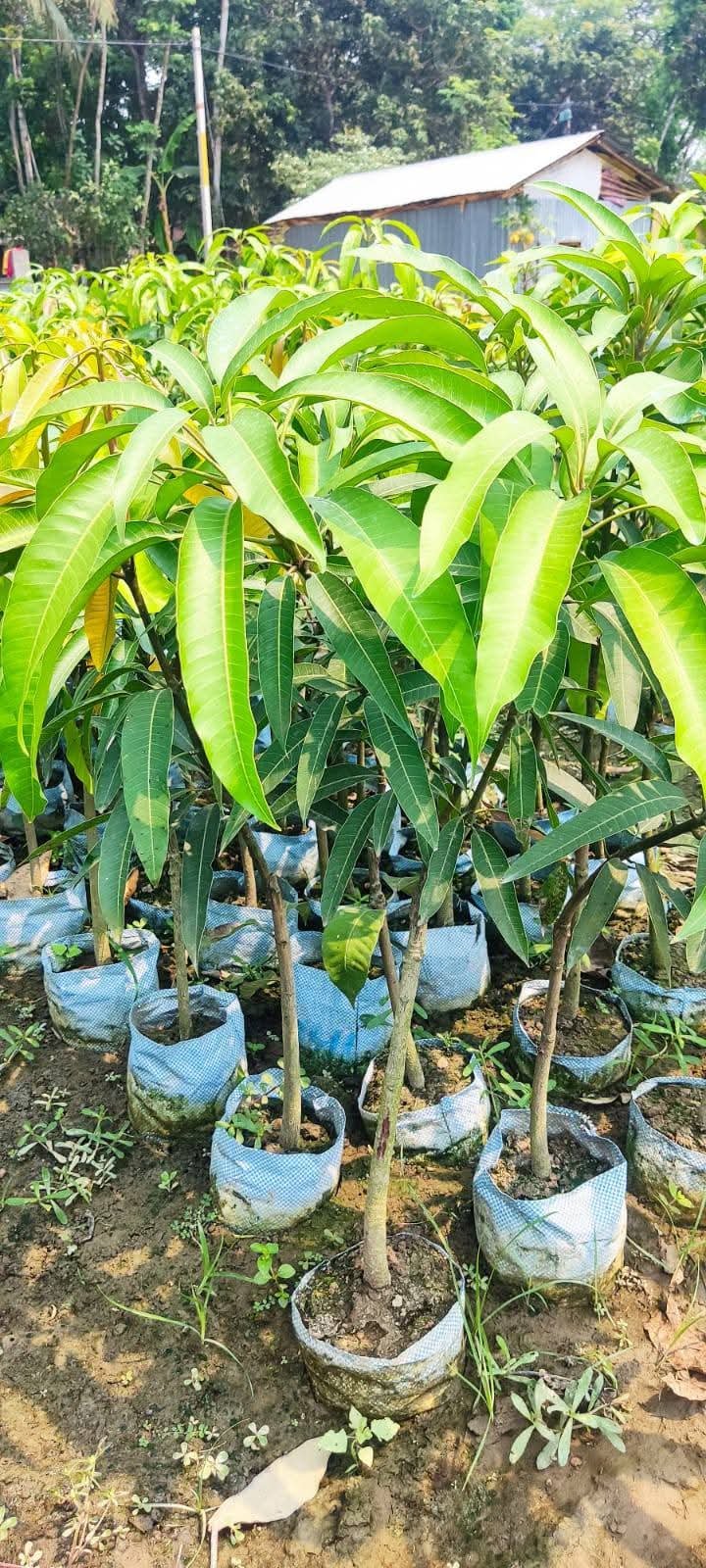
Original price was: ₹1,100.00.₹480.00Current price is: ₹480.00.The Honeydew mango is a premium, tropical variety celebrated for its rich, honey-like sweetness and juicy, completely fiber-free flesh. Recognized by their medium to large size and smooth yellow skin, these mangoes are highly prized for fresh eating, desserts, and juices.
3 Test mango Plant
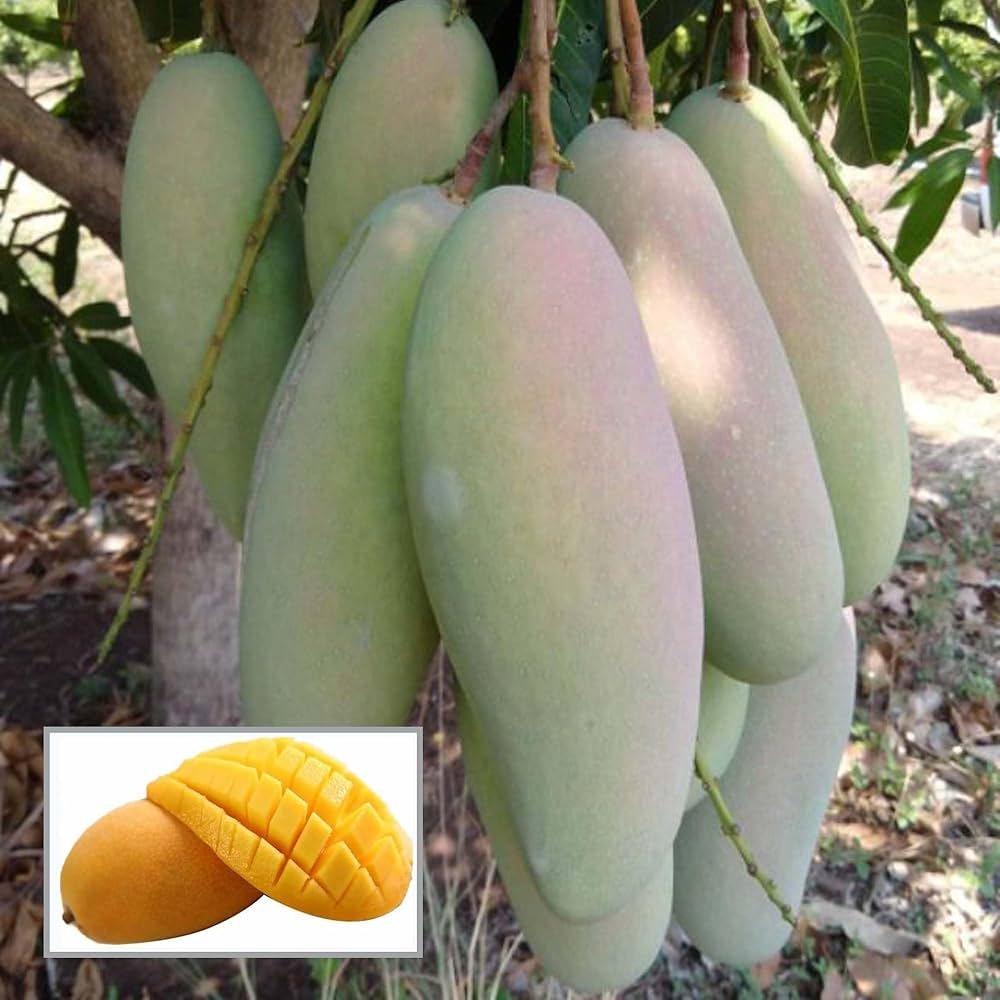
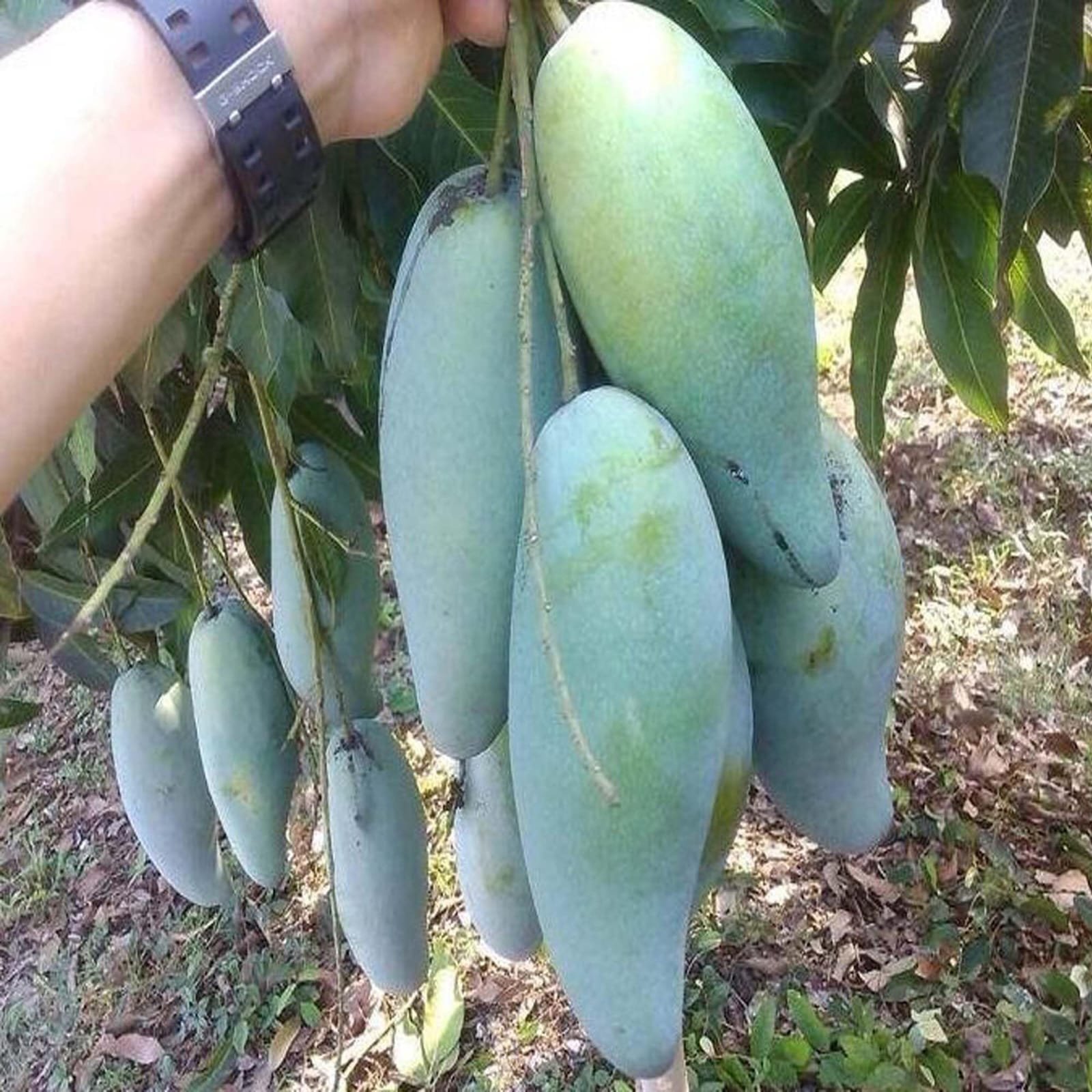
Original price was: ₹999.00.₹500.00Current price is: ₹500.00.The Thailand 3 Test Mango (also known as the “Three Test” or “Thai 3 Taste” mango) is an exotic, high-yielding hybrid variety famous for delivering a unique multi-layered flavor profile (typically a blend of sweet, sour, and mildly tangy flavors) in a single fruit.
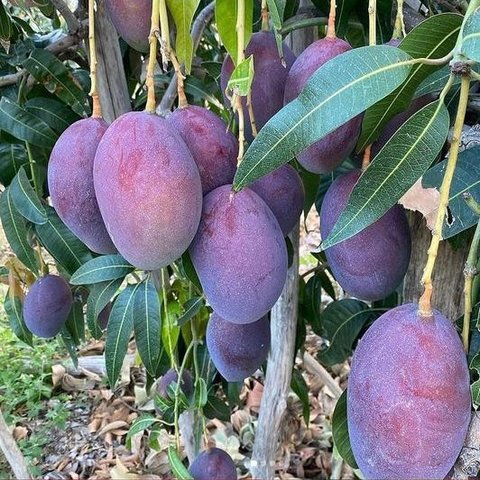
Austin Mango Plant
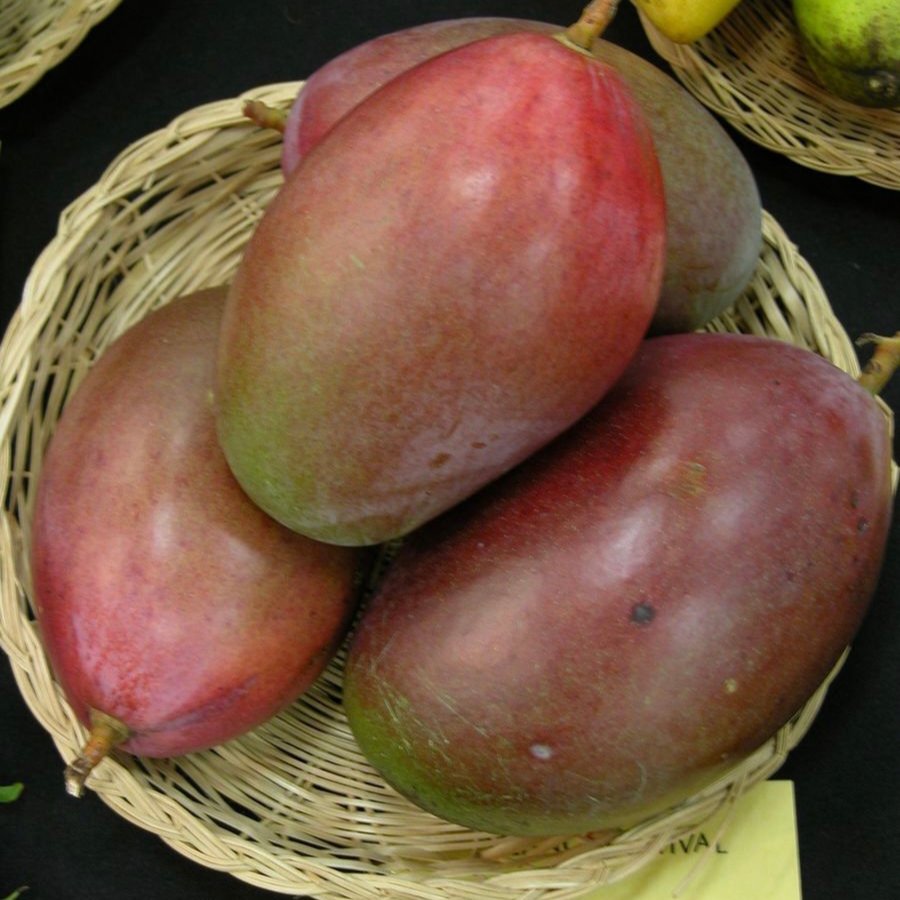
Original price was: ₹999.00.₹550.00Current price is: ₹550.00.The Austin mango (also known as the Osteen mango) is an oblong, heavy-bearing tropical fruit tree originating from Florida. Highly prized for its vibrant purple-red skin and nearly fiberless, sweet flesh, it adapts well to Indian climates and makes an excellent addition to home gardens or commercial farms.