

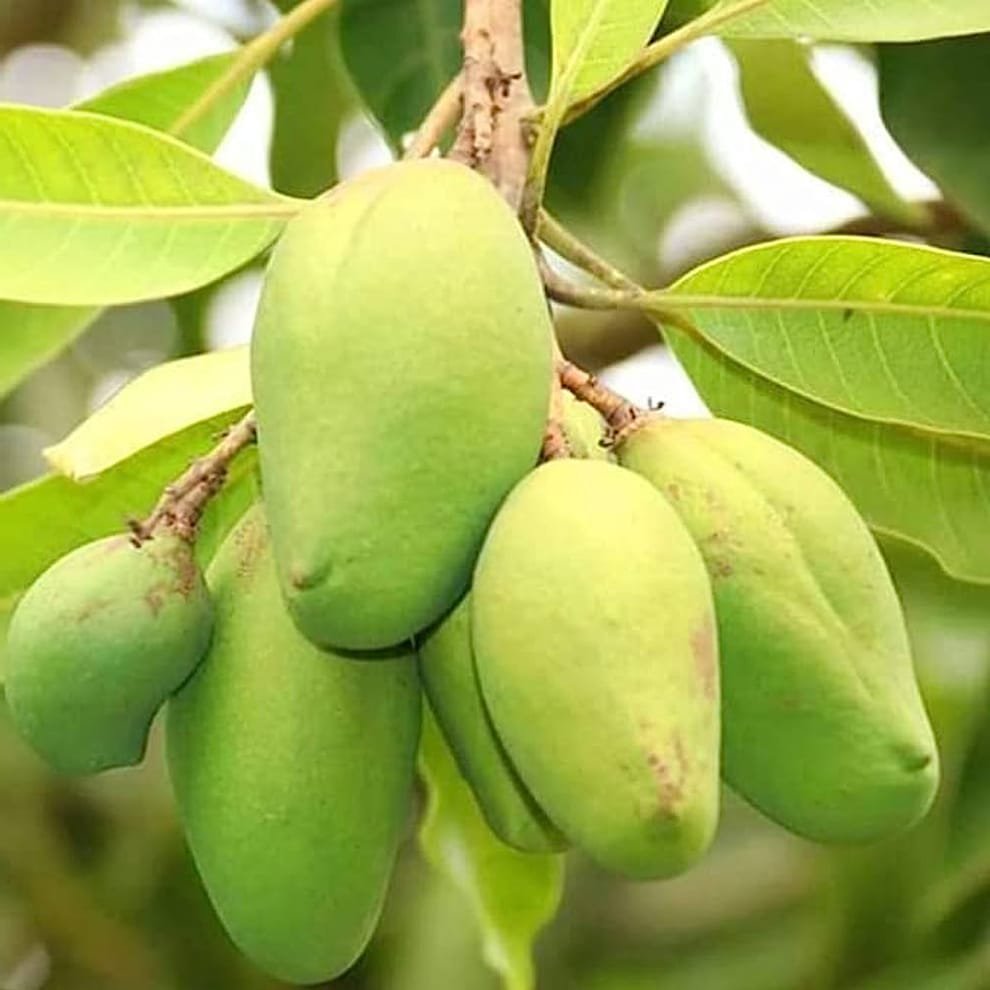
Bari 11 mango plant
Original price was: ₹999.00.₹500.00Current price is: ₹500.00.Here’s a more detailed look at the Bari 11 mango:
- Sweet and Juicy: Bari 11 mangoes are known for their sweet and juicy flesh.
- Golden-Yellow Skin: The skin of ripe Bari 11 mangoes is typically a bright golden-yellow.
- Smooth Texture: The flesh has a smooth, non-fibrous texture, making it easy to enjoy.
- Aromatic Fragrance: The fruit has a pleasant, aromatic fragrance that fills the air when it’s ripe.
- All-Season Bearing: Bari 11 mangoes can bear fruit throughout the year, with some varieties having multiple harvests.
- Grafted Trees: Trees are typically grafted to ensure they bear fruit earlier than those grown from seeds.
- Vigorous Trees: Bari 11 mango trees are vigorous growers, capable of reaching heights of up to 30 feet.
- Tropical Climates: They thrive in warm, tropical climates and require plenty of sunlight and well-drained soil.
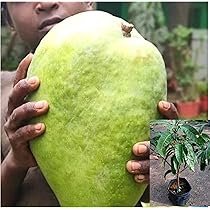
4 KG Mango Plant
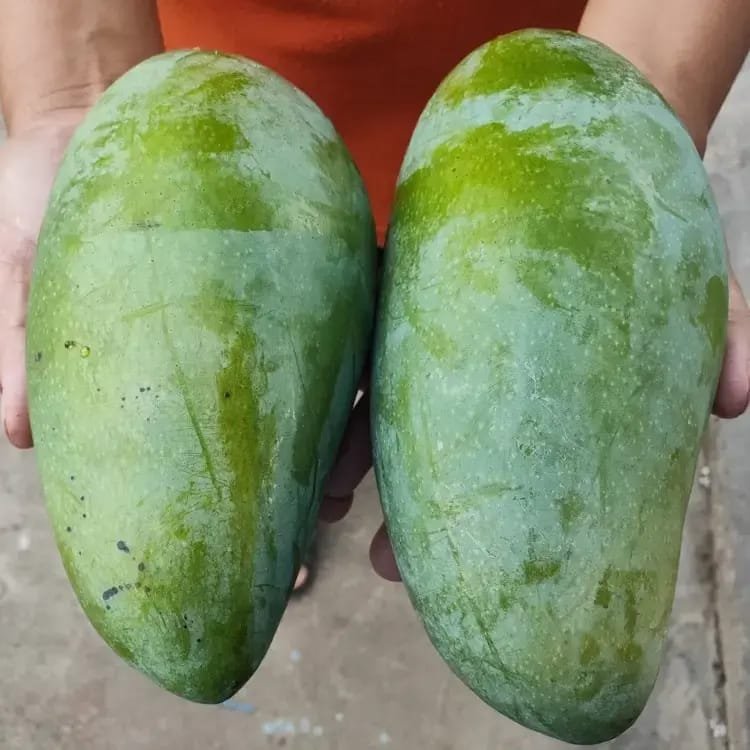
Original price was: ₹999.00.₹500.00Current price is: ₹500.00.The 4 kg mango is a rare, exotic fruit variety (Mangifera indica) famous for producing individual mangoes that weigh up to \(4\text{ kg}\) to \(4.5\text{ kg}\) each. Cultivated mainly for home gardens and rare fruit collections, it features a sweet flavor, smooth texture, and very thick pulp.


Brunei King Mango Plant
Original price was: ₹999.00.₹500.00Current price is: ₹500.00.Here’s a more detailed look:
- Size and Weight: Brunei King mangoes are notably large, often weighing 4-5 kg.
- Flesh: The flesh is described as luscious, fiberless, and creamy.
- Taste: The mangoes are known for their remarkably sweet taste.
- Tree Characteristics: The tree is grafted, ensuring early fruiting and disease resistance. It thrives in sunny locations with well-drained soil.
- Versatility: The Brunei King mango is suitable for fresh eating, juicing, and culinary uses.
- Ripening: The fruits mature in mid-September.
- Storage: It is considered a good mango for storing.
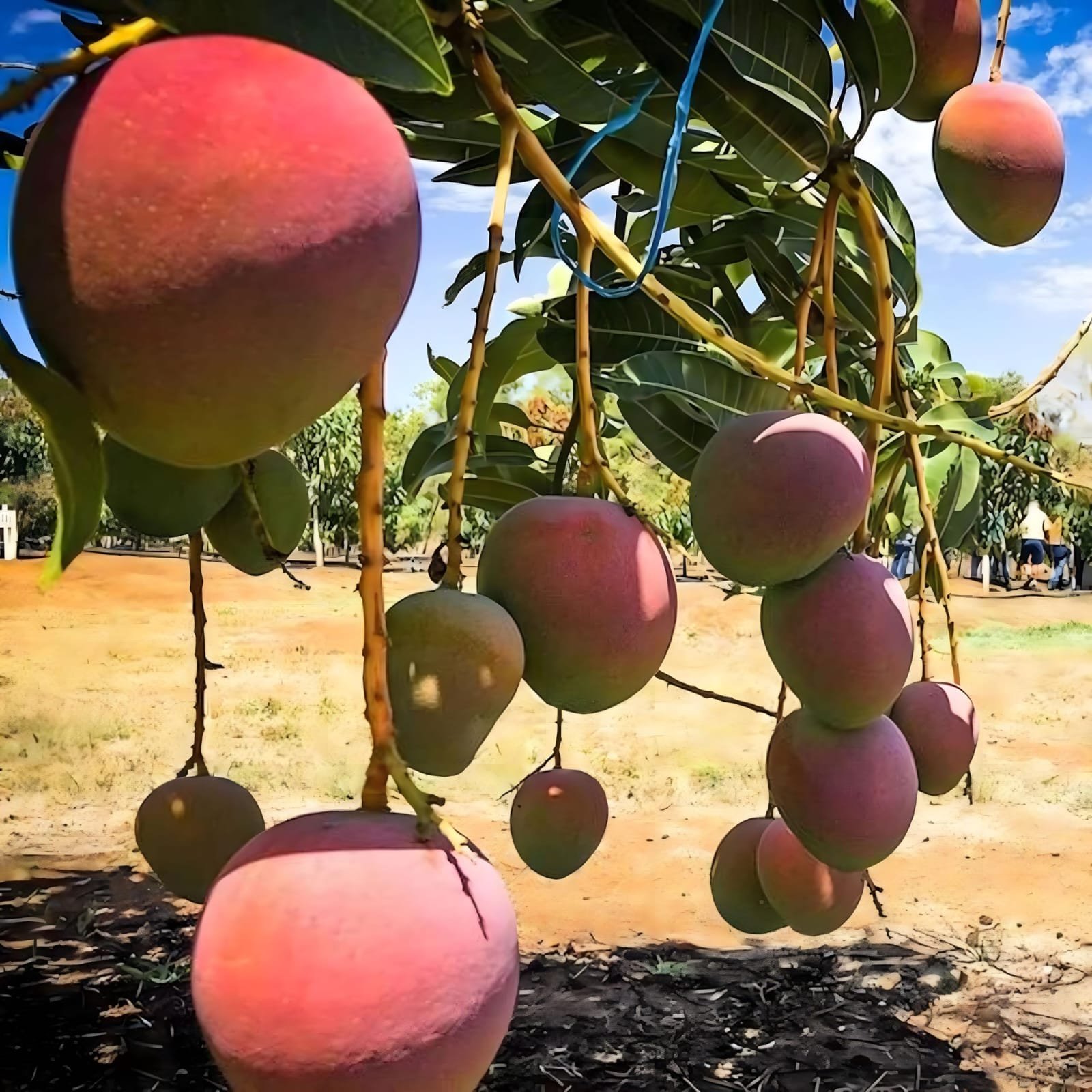
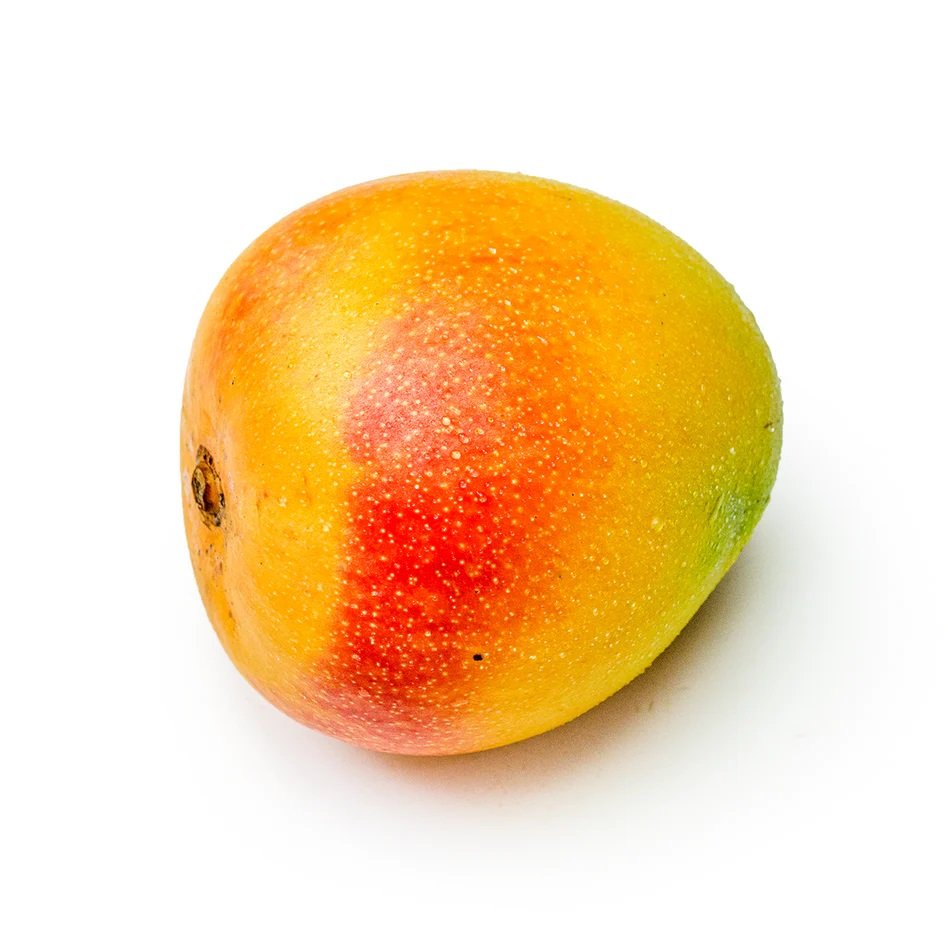
R2 E2 Mango Plant
Original price was: ₹2,000.00.₹500.00Current price is: ₹500.00.Key characteristics of R2E2 mangoes:
- Origin: Australia
- Size: Large
- Flavor: Tangy-sweet, juicy, with a tropical taste
- Appearance: Vibrant hues, smooth skin
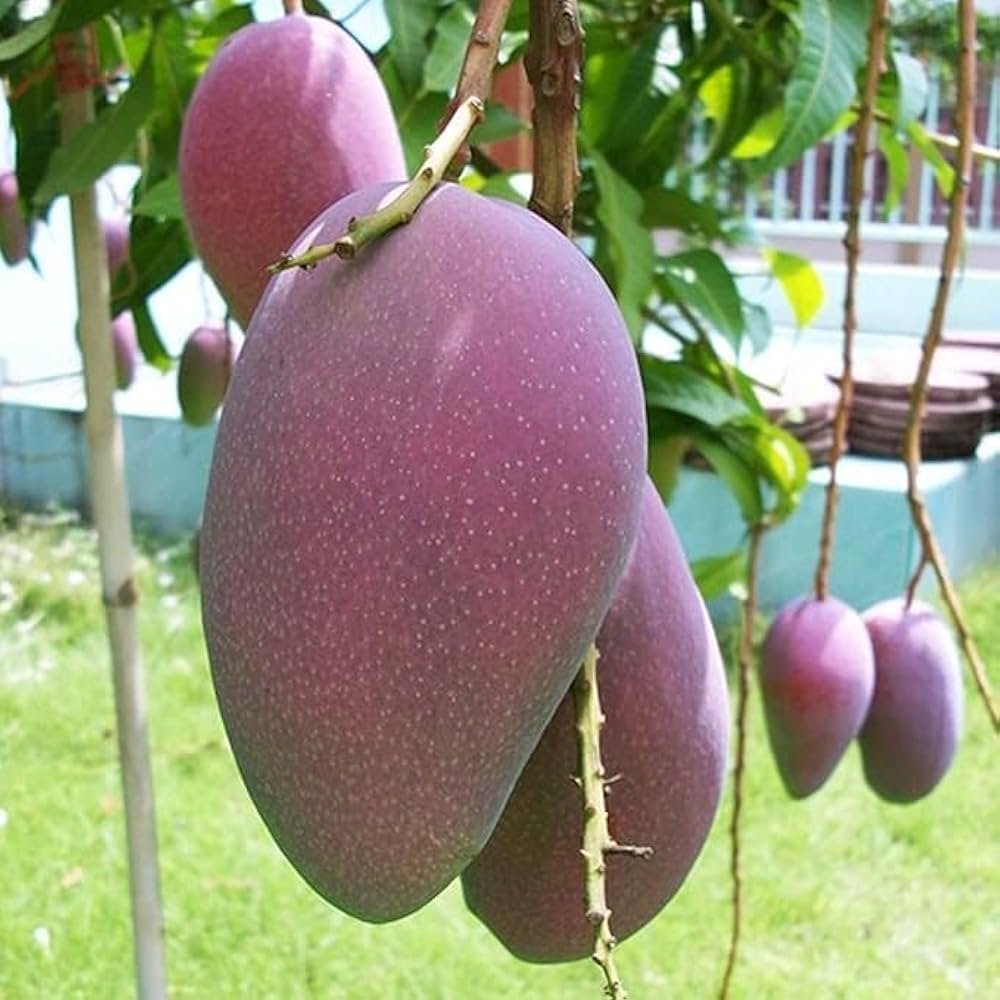

BN 7 Mango Plant
Original price was: ₹1,500.00.₹500.00Current price is: ₹500.00.Characteristics:
-
Appearance:
BN7 mangoes are large, often weighing 1 kg to 1.4 kg. They have a vibrant golden hue and a rich aroma.
-
Taste:
The mangoes are known for their sweetness, creamy texture, and delicious taste.
-
Texture:
The flesh is firm and juicy, with minimal fiber.
-
Yield:
BN7 is a high-yielding variety, making it suitable for home gardens, orchards, and farms.
-
Plant:
BN7 is a grafted plant, which means it matures faster and starts bearing fruit within 2-3 years.
- Plant Height: The plant height, including the pot, is typically 3 feet or more.
- Sunlight: The plant thrives in direct sunlight but can tolerate low indirect light.
- Soil and Climate: BN7 mango plants can adapt to various Indian climates and soil types.


Bombay lichi Plant
Original price was: ₹999.00.₹500.00Current price is: ₹500.00.- Tree: Vigorous trees that can reach an average height of 6.7 meters and a spread of 7-8 meters.
- Yield: Yields an average of 80-90 kg of fruit per tree.
- Fruit:
- Large, often obliquely heart-shaped.
- Carmine red tubercles on a uranium-green background at maturity.
- Each developed fruit is often attached to a tiny underdeveloped fruit at the stalk.
- Pulp: Greyish-white, soft, and juicy.
- TSS: 17%.
- Seeds: Elongated, smooth, measuring about 2.3 cm in length and 1.6 cm in width, weighing approximately 3.4 g.
- Large, often obliquely heart-shaped.


Kg 10 jamun Plant
Original price was: ₹1,199.00.₹500.00Current price is: ₹500.00.- Large, sweet, and juicy fruits: KG-10 is specifically bred for producing larger and sweeter jamun fruits compared to traditional varieties.
- Deep purple color: The fruits develop a rich, dark purple hue when ripe.
- Thrives in warm climates: This variety is best suited for tropical and subtropical climates.
- Easy care: While KG-10 is generally easy to grow, it does require well-draining soil and regular watering.
- Versatile usage: The fruit can be used in various ways, from fresh consumption to making jams, juices, and preserves.
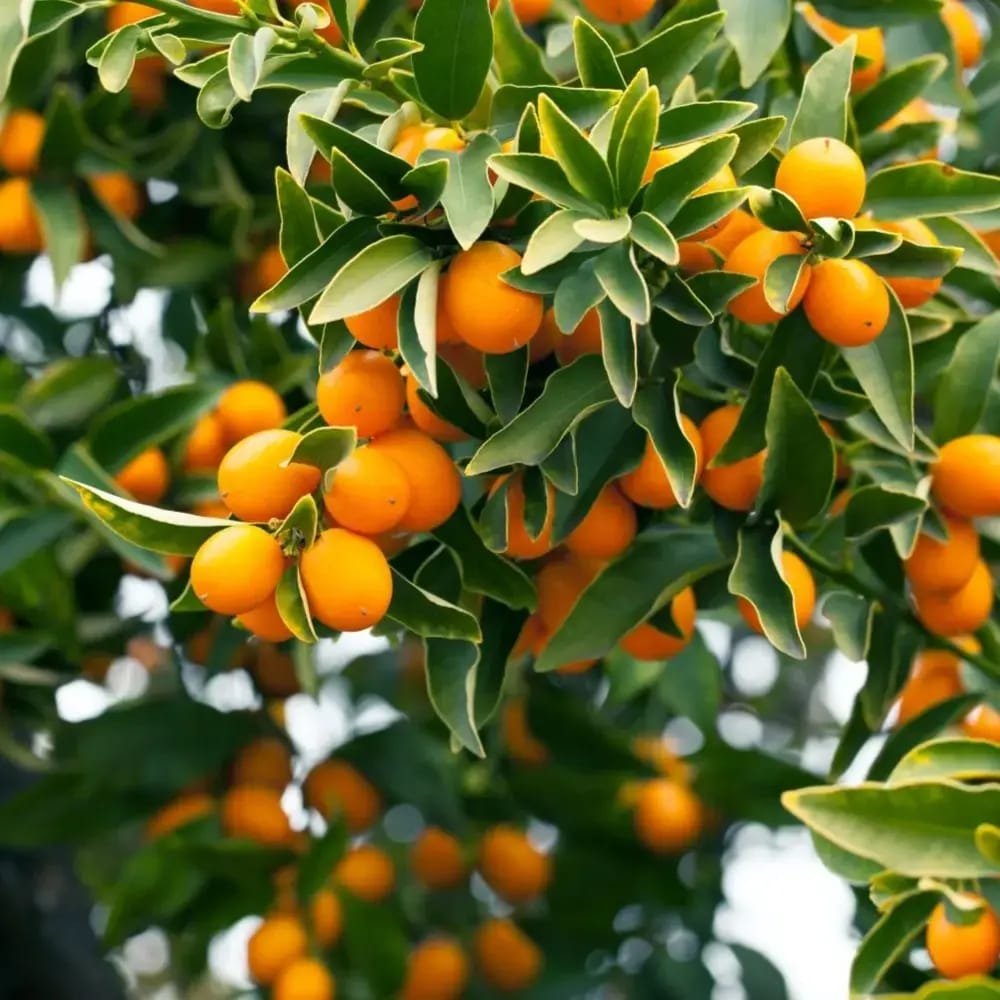
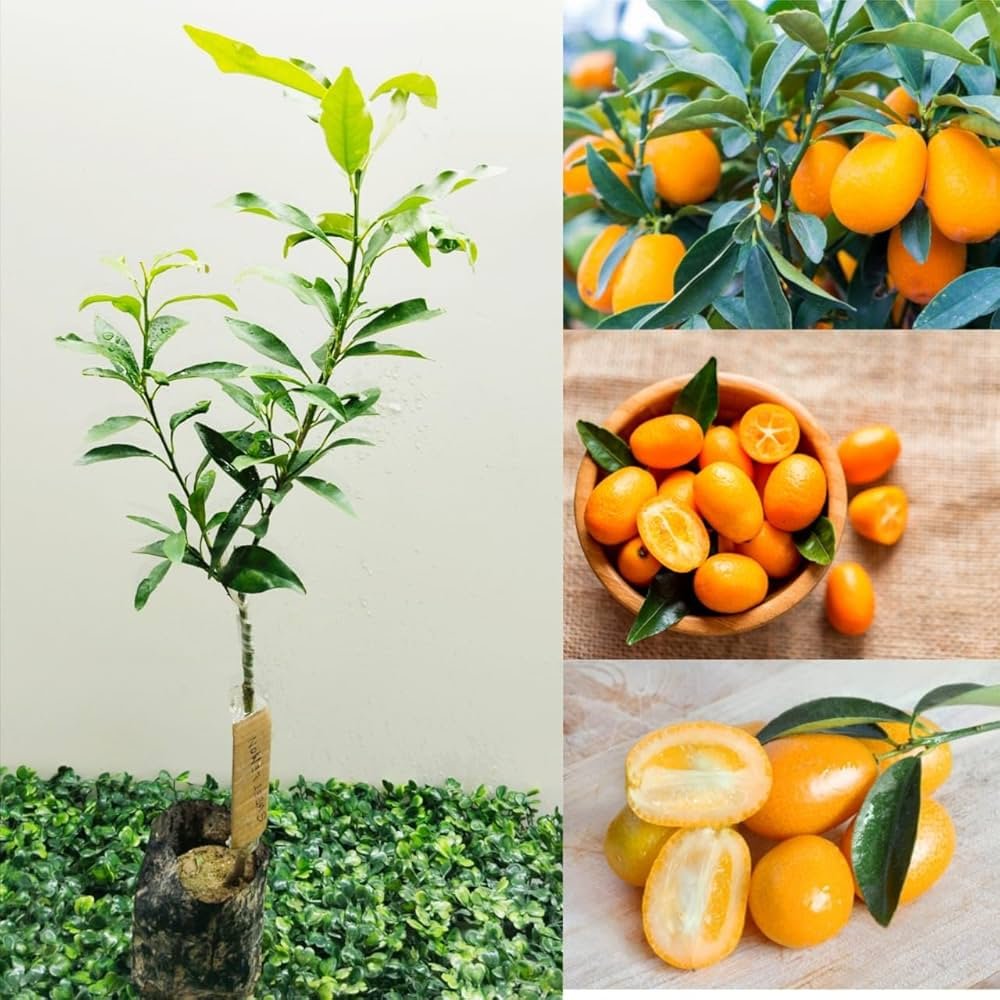
Sweet lemon plant / original grafted plant
Original price was: ₹999.00.₹500.00Current price is: ₹500.00.- Persian Sweet Lemon: Known for its sweet, fragrant, and floral aroma.
- Meyer Lemon: A hybrid variety of lemon with a sweet, fragrant, and thin-skinned fruit.

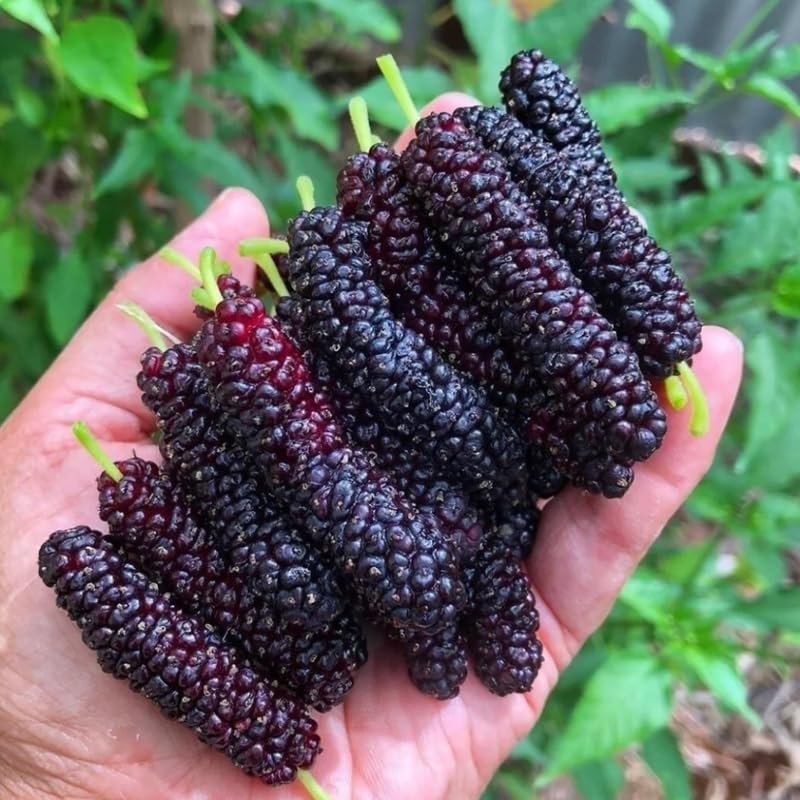
Pakistani Long mulberry plant
Original price was: ₹799.00.₹500.00Current price is: ₹500.00.-
Fruit:
Long mulberries produce elongated, cylindrical berries, typically white, red, or purple in color when ripe. The flavor is sweet and slightly tart, depending on the variety.
-
Plant Characteristics:
They are deciduous trees or large shrubs, reaching heights of 10-20 feet with a similar spread. They have heart-shaped, glossy green leaves, which may have a serrated edge.
-
Flowers:
Long mulberries produce small, inconspicuous, greenish-yellow flowers in catkins, which are clustered, and bloom in late spring to early summer.
-
Growth Habits:They are fast-growing when young, but their growth slows down as they mature, rarely exceeding 10-15 meters in height.