


Loquat Fruit Plant For Outdoor Home Garden (Pack of 1)
Original price was: ₹1,199.00.₹500.00Current price is: ₹500.00.The Loquat Fruit Plant (Eriobotrya japonica) is a tropical evergreen tree that produces clusters of golden-yellow, sweet, and tangy fruits rich in vitamins and antioxidants. Easy to grow and low maintenance, it thrives in warm climates and adds beauty to any garden with its glossy leaves and fragrant flowers. Perfect for home gardens, terraces, and organic fruit lovers!


Sweet And Healthy Brazilian Long Mulberry/Shahtoot Plant (Hybrid, Pack of 1)
Original price was: ₹1,499.00.₹500.00Current price is: ₹500.00.The Shahtoot / Mulberry Plant is a fast-growing, low-maintenance fruit plant that produces delicious, juicy, and vitamin-rich berries. These sweet fruits are packed with Vitamin C, iron, and antioxidants, perfect for boosting immunity and overall health. Ideal for home gardens, terraces, or farms, the Shahtoot plant grows well in full sunlight and yields fruits within 1–2 years.
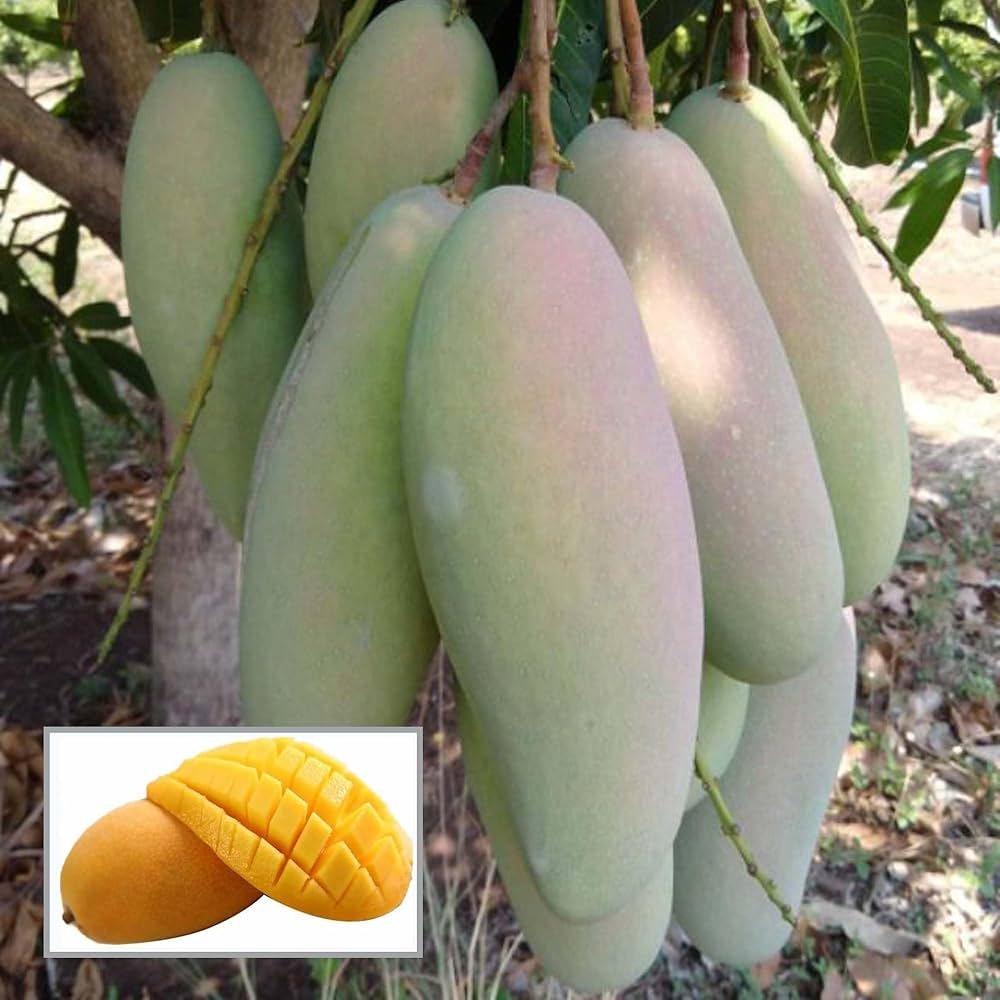
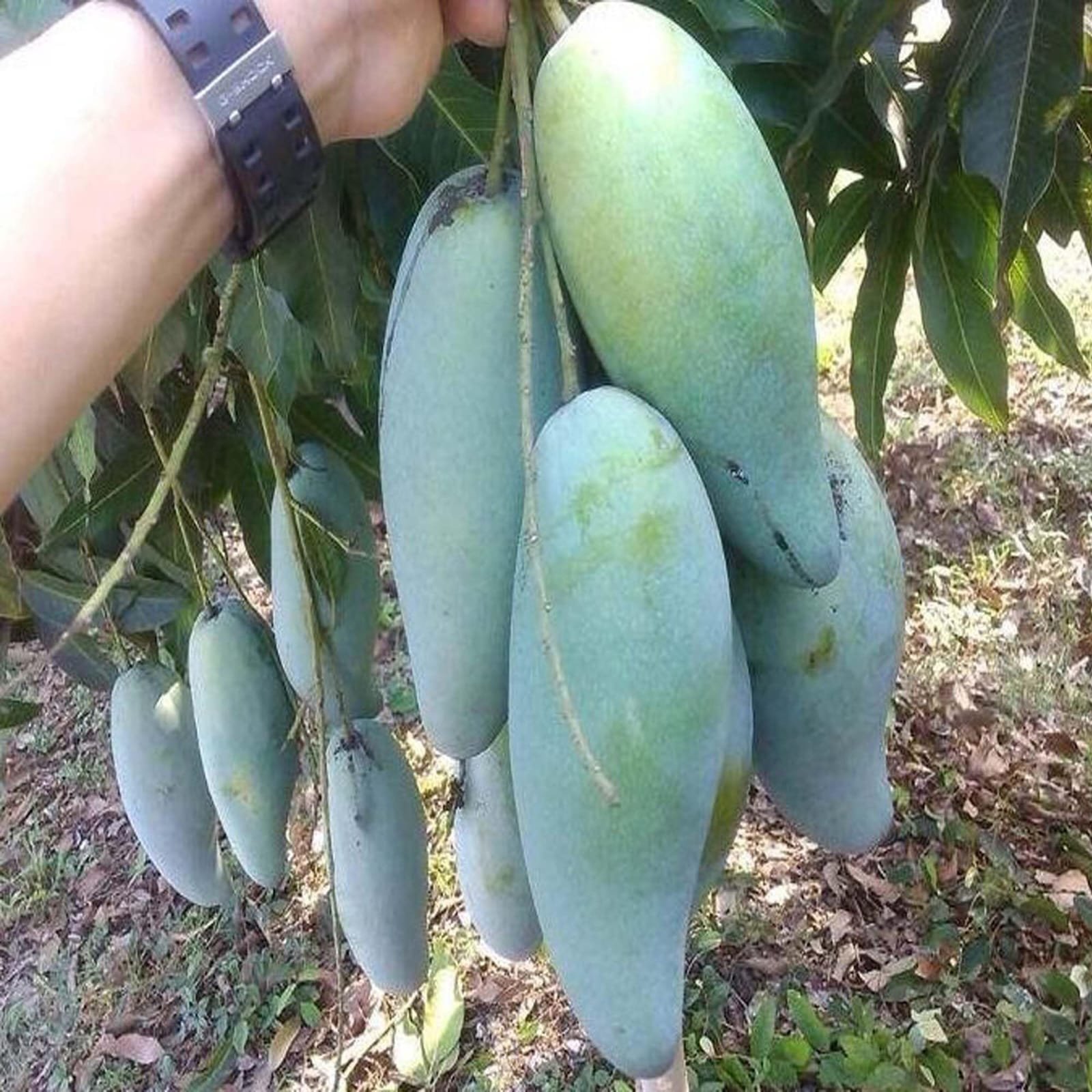
3 Test mango Plant
Original price was: ₹999.00.₹500.00Current price is: ₹500.00.The Thailand 3 Test Mango (also known as the “Three Test” or “Thai 3 Taste” mango) is an exotic, high-yielding hybrid variety famous for delivering a unique multi-layered flavor profile (typically a blend of sweet, sour, and mildly tangy flavors) in a single fruit.
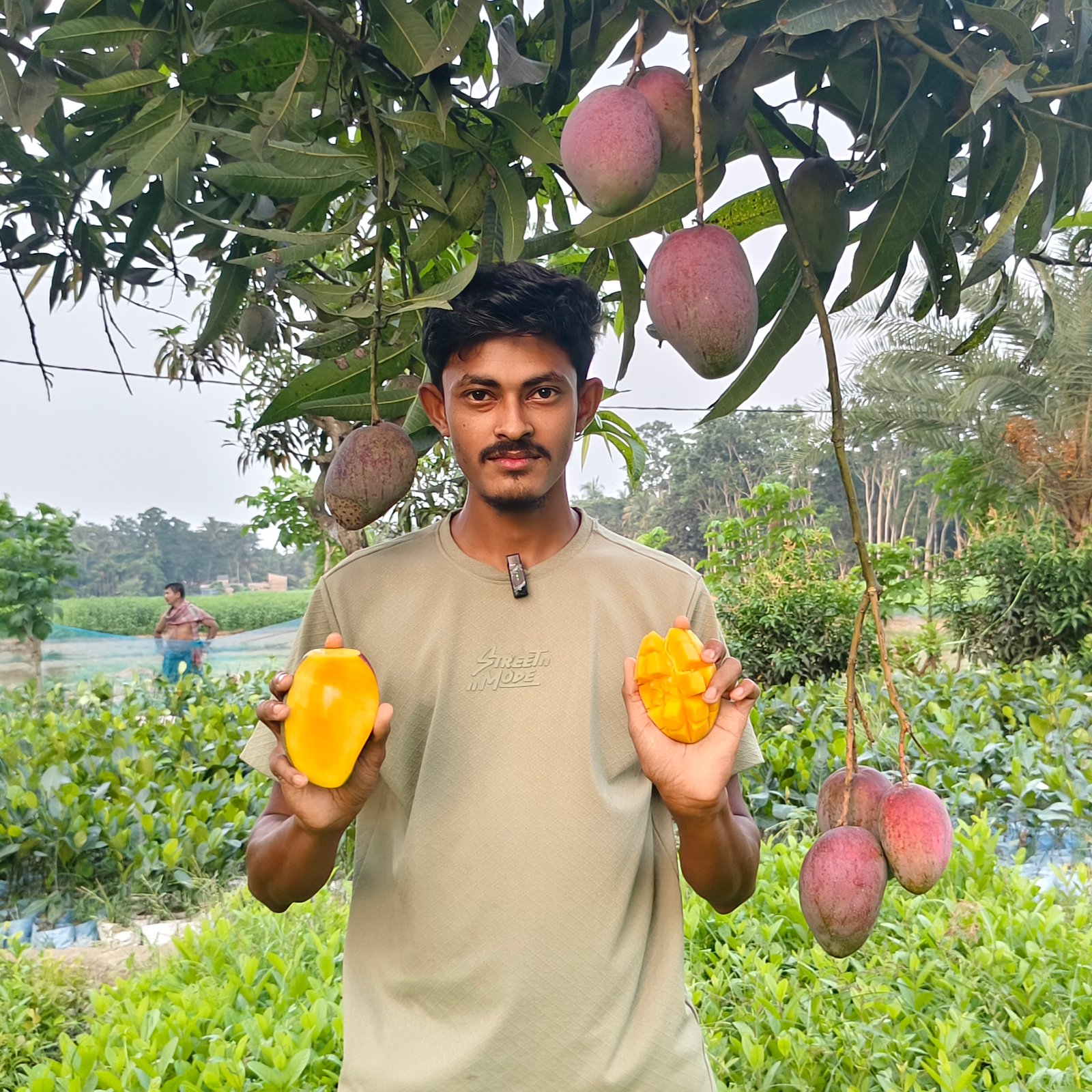
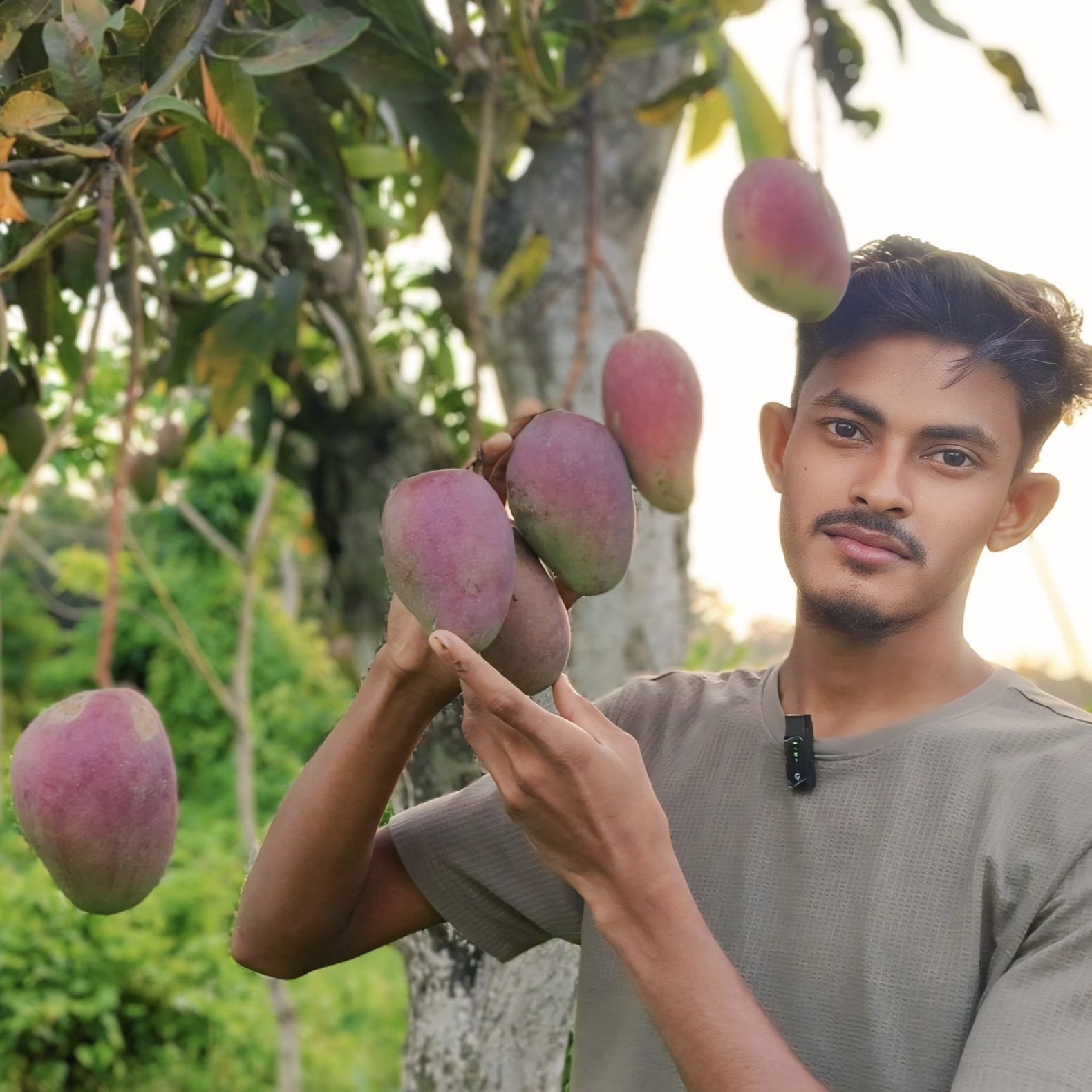
Miyazaki mango plant
Original price was: ₹1,000.00.₹550.00Current price is: ₹550.00.The most expensive mango in the world
- . Demand:
The mangoes are popular in high-end restaurants and fruit boutiques in Japan.
- . Cultivation in India:
Some Indian farmers are now cultivating Miyazaki mangoes, aiming to export them to international markets. - . Health Benefits:
They are a good source of antioxidants, beta-carotene, and folic acid, and may offer some health benefits. - . Harvest Season:
The fruit is typically harvested during the summer months, around May to July.


Kasturi mango plant
Original price was: ₹1,499.00.₹550.00Current price is: ₹550.00.Here’s a more detailed description:
Appearance:
- Skin: Ripened Kasturi mangoes have a distinctive dark purple to almost black skin. Initially, the skin is green but turns darker as it matures
- Shape: They are oval-shaped with a slightly pointed end.
- Size: Kasturi mangoes are smaller than other varieties, typically measuring 4-6 cm long and 3-4 cm wide.

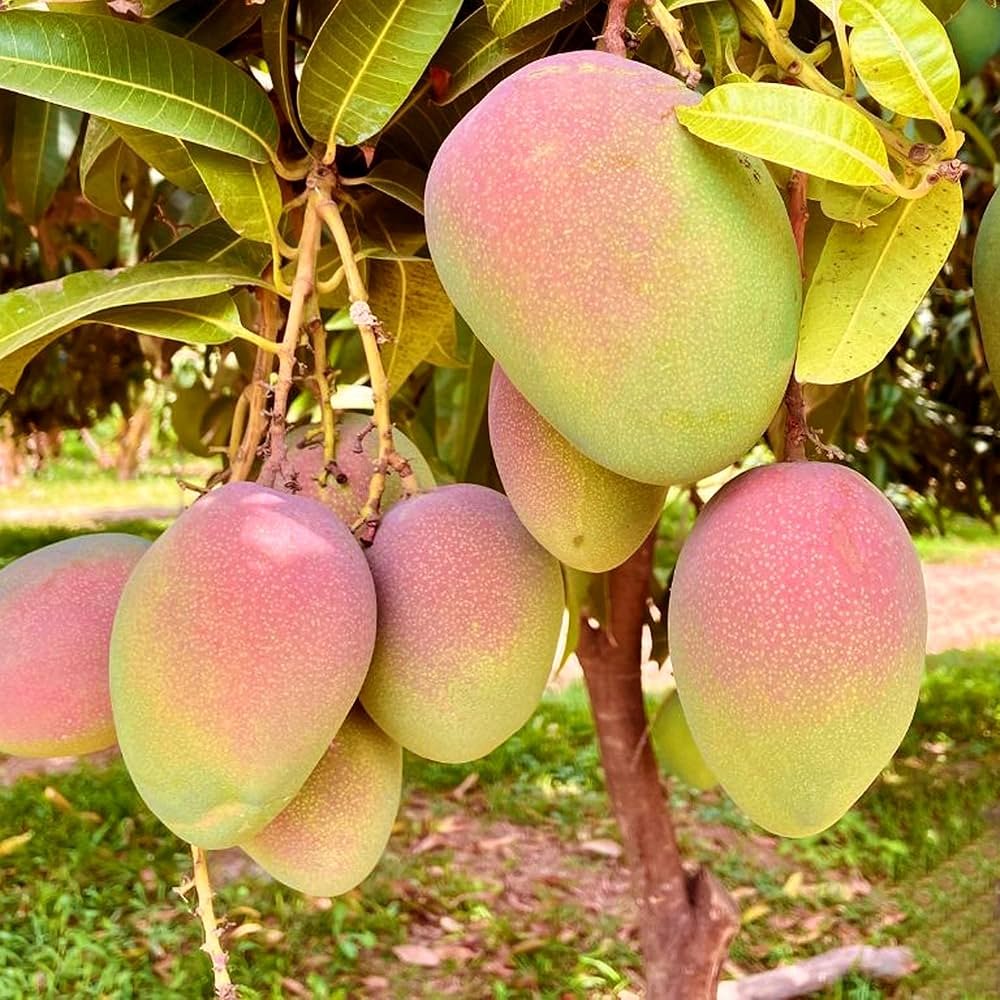
American Kent Mango Plant
Original price was: ₹1,499.00.₹550.00Current price is: ₹550.00.Appearance:
-
- Skin: Greenish-yellow with possible red blush.
- Shape: Oval.
- Size: Typically weighs 20 to 26 ounces (570–740 g).
Flavor and Texture:- Flavor: Sweet with hints of sour notes and tropical fruit.
- Texture: Juicy and tender, with limited fibers.
- Aroma: Often has a peach or tropical fruit aroma.
Origin and Growing:- Origin: Developed in south Florida, USA.
- Yield: Kent trees are known for producing a large crop.
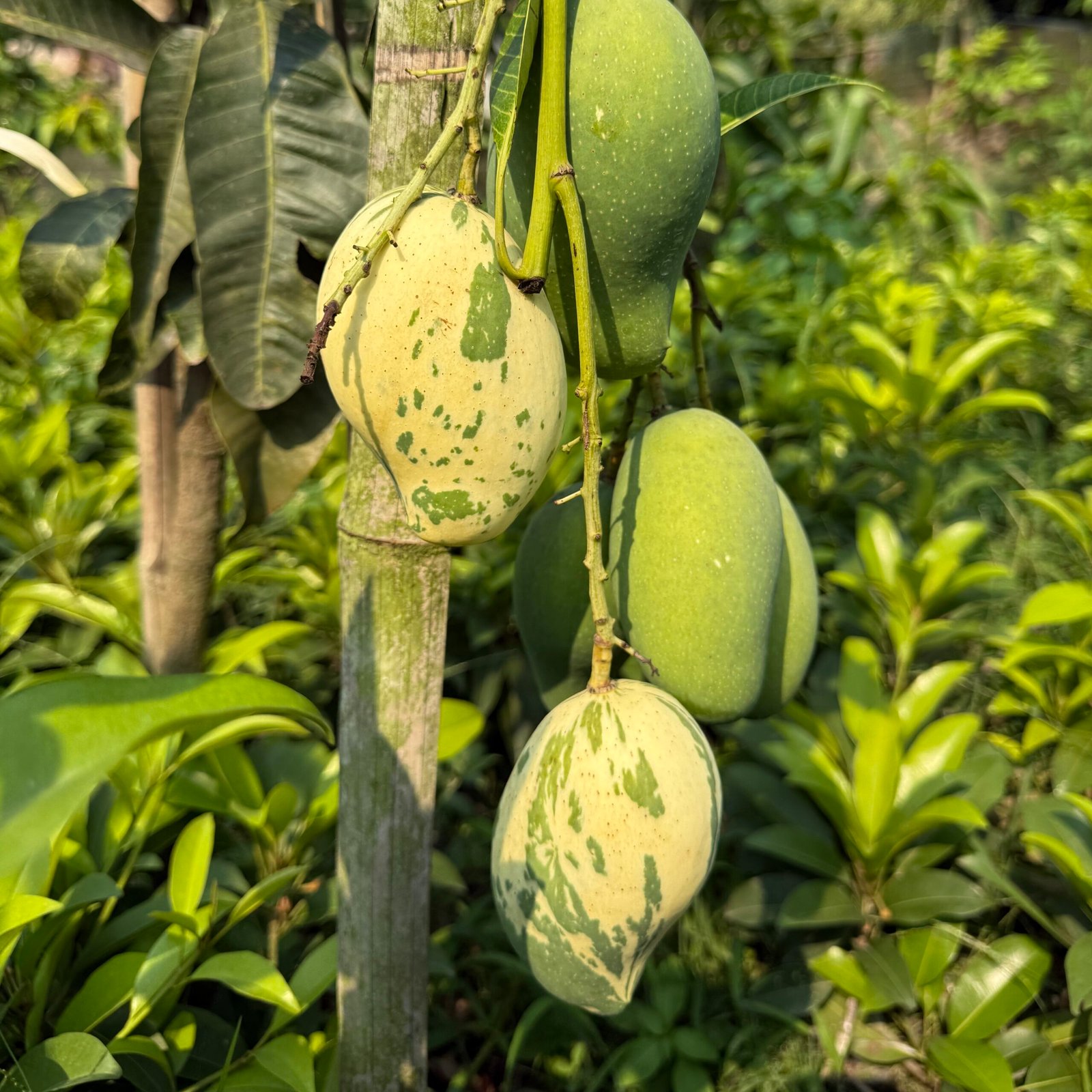
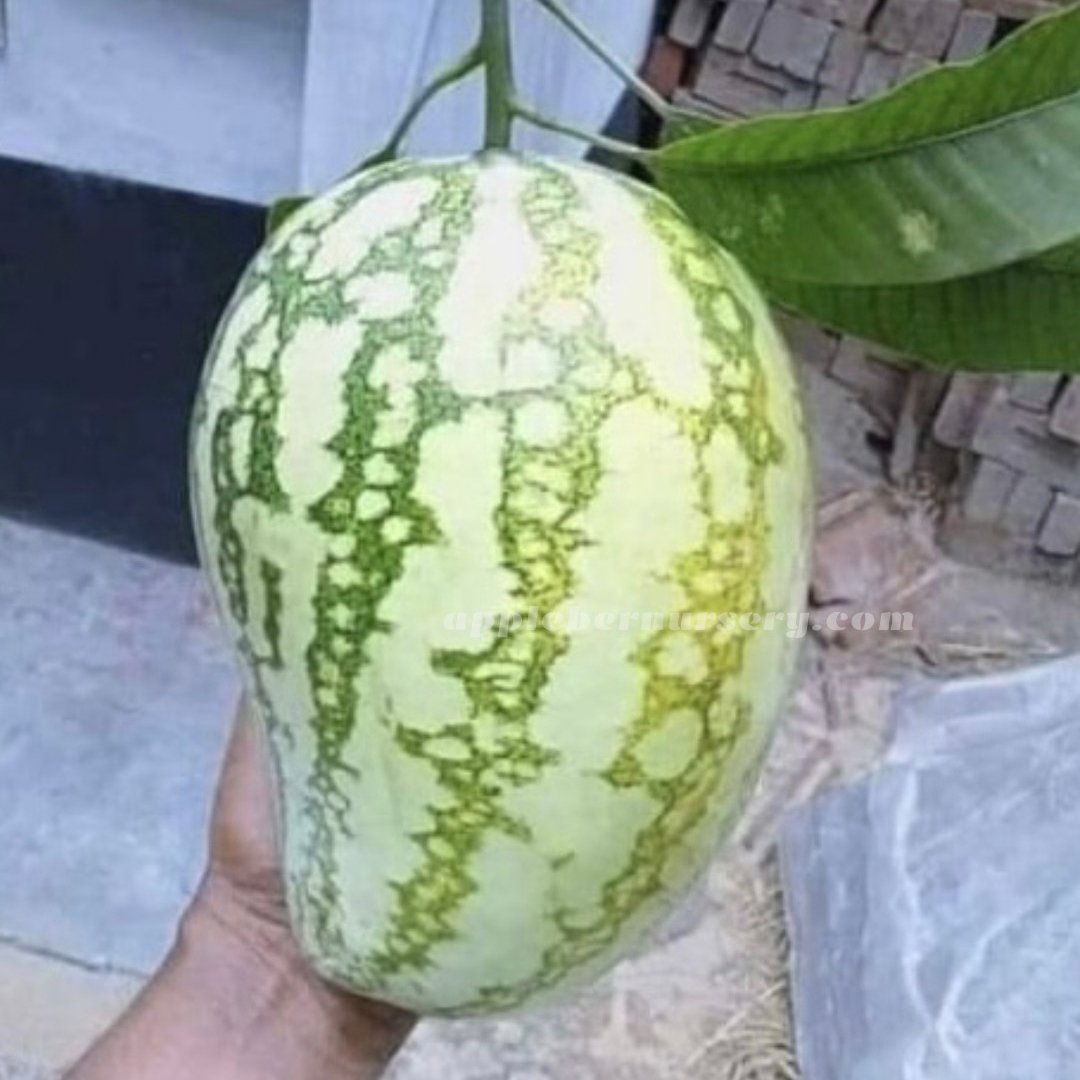
Verigeted Mango Plant
Original price was: ₹1,499.00.₹550.00Current price is: ₹550.00.Key features of a variegated mango:
- Color: The fruit and leaves show a mix of colors, most commonly green and creamy white, or yellow.
- Plant: It’s a medium to big tree.
- Fruit: The fruit is typically medium-sized, with smooth, golden-yellow skin when ripe.
- Taste: The fruit is known to be sweet.
- Other names: Also known as chalta khas or chitla in India.


HRMN 99 apple plant
Original price was: ₹999.00.₹550.00Current price is: ₹550.00.- Low Chilling Requirement: HRMN-99 requires significantly fewer chilling hours (150-200 hours) compared to traditional apple varieties that need 1,000+ hours below 7°C.
- Hot Climate Tolerance: It can be successfully grown in areas with temperatures reaching 40-45°C.
- Self-Pollinating: This means it doesn’t require other apple trees for pollination.
- Yield: A well-grown plant (10-12 years old) can produce around 1 quintal of apples.
- Fruit Characteristics: Apples are sweet, yellow-red in color, and of normal size.


Red surinam cherry plant
Original price was: ₹1,299.00.₹550.00Current price is: ₹550.00.- There are different types of cherry trees, including sweet cherry and sour cherry trees, and flowering cherry trees that don’t bear fruit but are valued for their flowers.
- Cherry trees thrive in areas with temperate climates and well-differentiated seasons.
- The flowers are pollinated by bees.