


Turkey Fig Plants
Original price was: ₹999.00.₹480.00Current price is: ₹480.00.- Sunlight: Requires full sun (6-8 hours of direct sunlight per day).
- Soil: Prefers well-drained, organically rich soil that is neutral to acidic.
- Watering: Needs regular watering, especially during the growing season.
- Hardiness: ‘Brown Turkey’ is considered more cold-hardy than other fig cultivars, but still requires protection from temperatures below 10°F.
- Pruning: Light pruning each winter may be necessary to maintain an attractive shape.


Kiwi grafted plant
Original price was: ₹999.00.₹550.00Current price is: ₹550.00.-
Growth Habit:Climbing vine or shrub, vigorous and woody.
-
Leaves:Deciduous, nearly circular, alternate arrangement, with long petioles. Young leaves and shoots have reddish hairs.
-
Flowers:Fragrant, white to cream-colored, dioecious (separate male and female flowers).
-
Fruit:Oval or ovoid, with a fibrous, dull greenish-brown skin covered in hairs. The flesh is bright green and juicy, with tiny black seeds.


Pear (babugosha) plant0
Original price was: ₹799.00.₹450.00Current price is: ₹450.00.- Appearance: Green skin, pear-shaped.
- Taste: Sweet, slightly tart, and juicy.
- Texture: Slightly granular.
- Nutritional value: Good source of fiber, vitamins C and K, and potassium.
- Versatility: Can be eaten fresh, used in salads, desserts, and savory dishes.
- Health benefits: Supports digestion, heart health, and weight management.


Mangosteen (plant height 2 feet)
Original price was: ₹2,449.00.₹1,500.00Current price is: ₹1,500.00.-
- Mangosteen is packed with antioxidants, particularly xanthones, which are known for their potent antioxidant and anti-inflammatory effects.
- Mangosteen is packed with antioxidants, particularly xanthones, which are known for their potent antioxidant and anti-inflammatory effects.
- These antioxidants help protect the body from damage caused by free radicals, which are linked to various chronic diseases.
- Mangosteen may help regulate blood pressure and cholesterol levels, contributing to overall heart health.
- It also contains magnesium, which is essential for heart muscle function and can help regulate heart rate.
- Mangosteen is a good source of fiber, which aids in digestion and can help prevent constipation.
- The fiber can also help promote the growth of beneficial gut bacteria.
- Mangosteen’s antioxidants, including flavonoids and folate, may help protect brain cells from damage and improve cognitive function.
- It may also help prevent plaque buildup in brain cells, which is linked to memory loss.
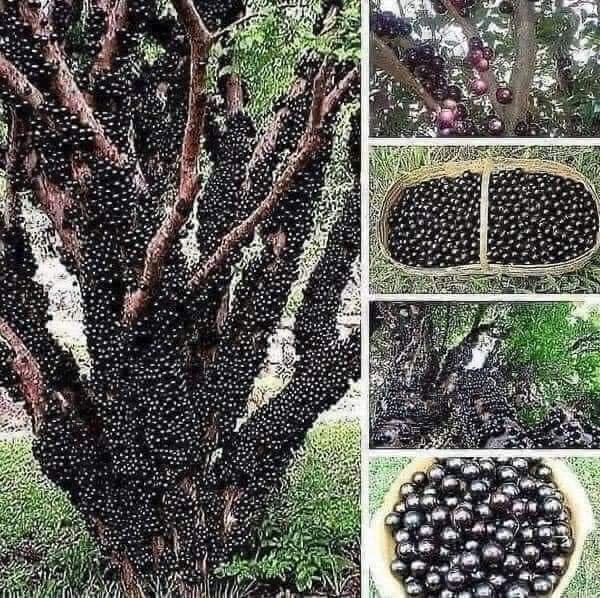
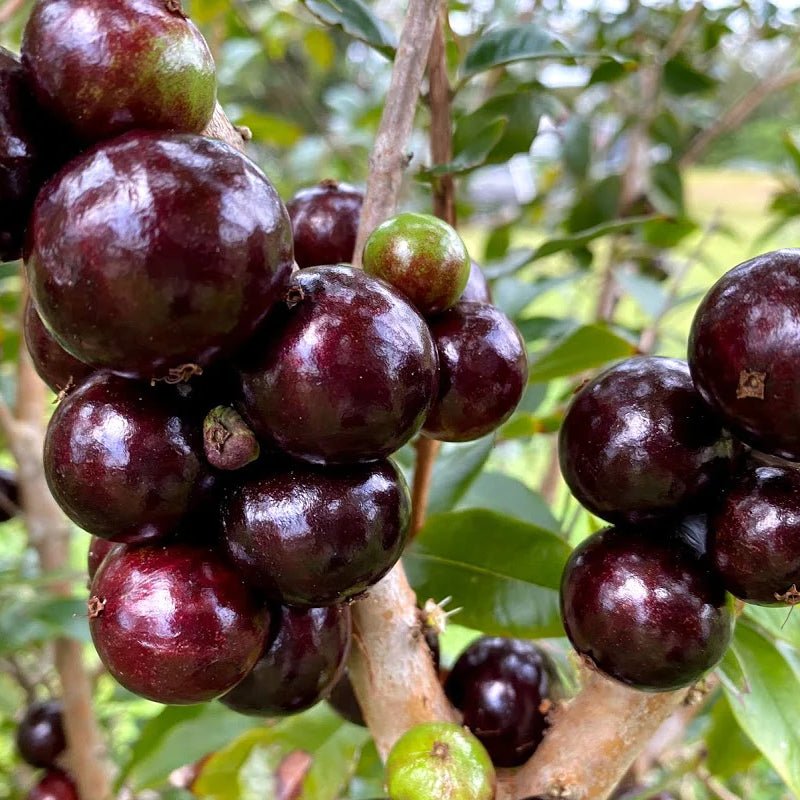
jaboticaba red hybrid plant
Original price was: ₹2,799.00.₹1,600.00Current price is: ₹1,600.00.-
Fast Fruiting:
The Jaboticaba Red Hybrid is a fast-bearing variety, meaning it starts producing fruit within 3 years of planting.
-
Hybrid:
It is a hybrid created by crossing Plinia Cauliflora and Plinia Aureana.
-
Fruit:
The fruit is a thick-skinned berry, resembling a grape in size and shape. The fruit typically measures 3-4 cm in diameter. The skin is thick and purple, with a sweet, white or rosy pink, gelatinous flesh.
-
Health Benefits:
The fruit is rich in antioxidants, anti-inflammatory compounds, and has anti-aging properties.
-
Plant Type:
Jaboticaba trees are evergreen and can grow to a height of 15 meters if not pruned.
-
Growth Habits:
Jaboticaba trees prefer moist, rich, lightly acidic soil. They can tolerate mild, brief frosts, but not below 26°F.
-
Cultivation:The tree can be cultivated from seeds or by grafting.
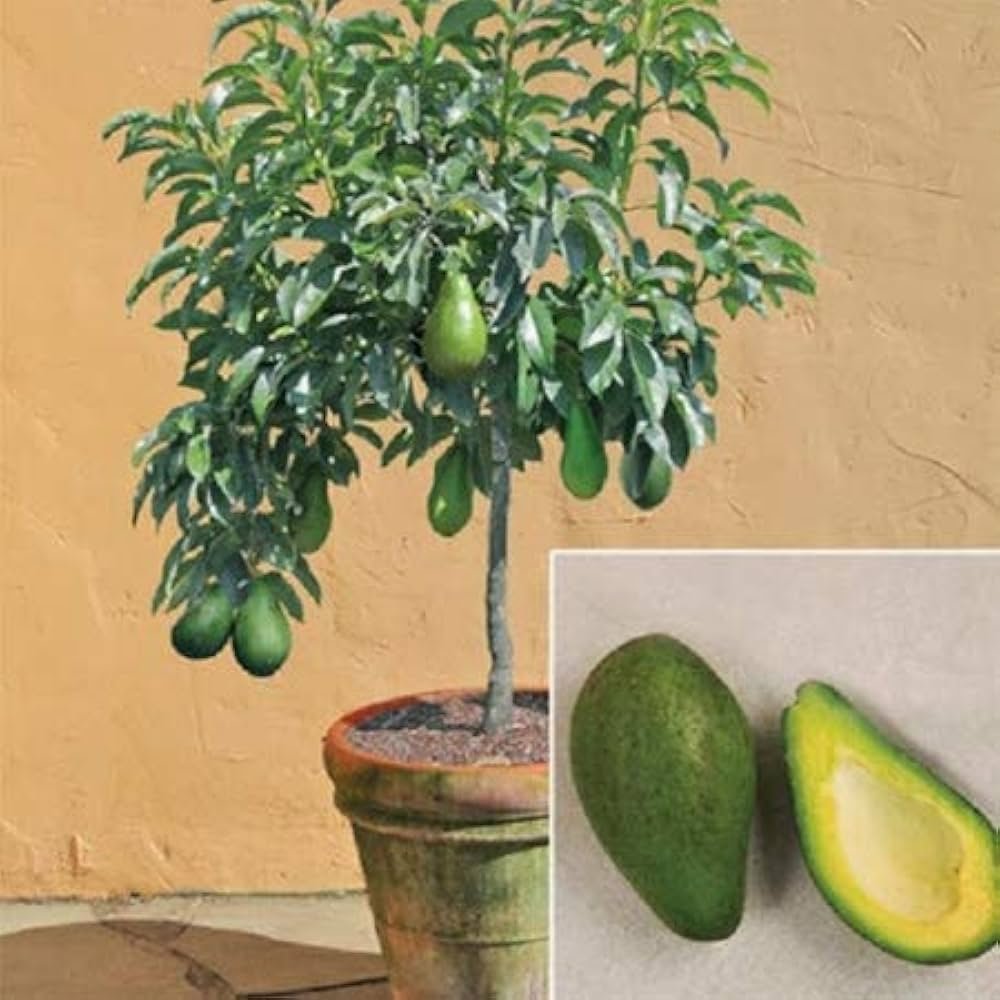
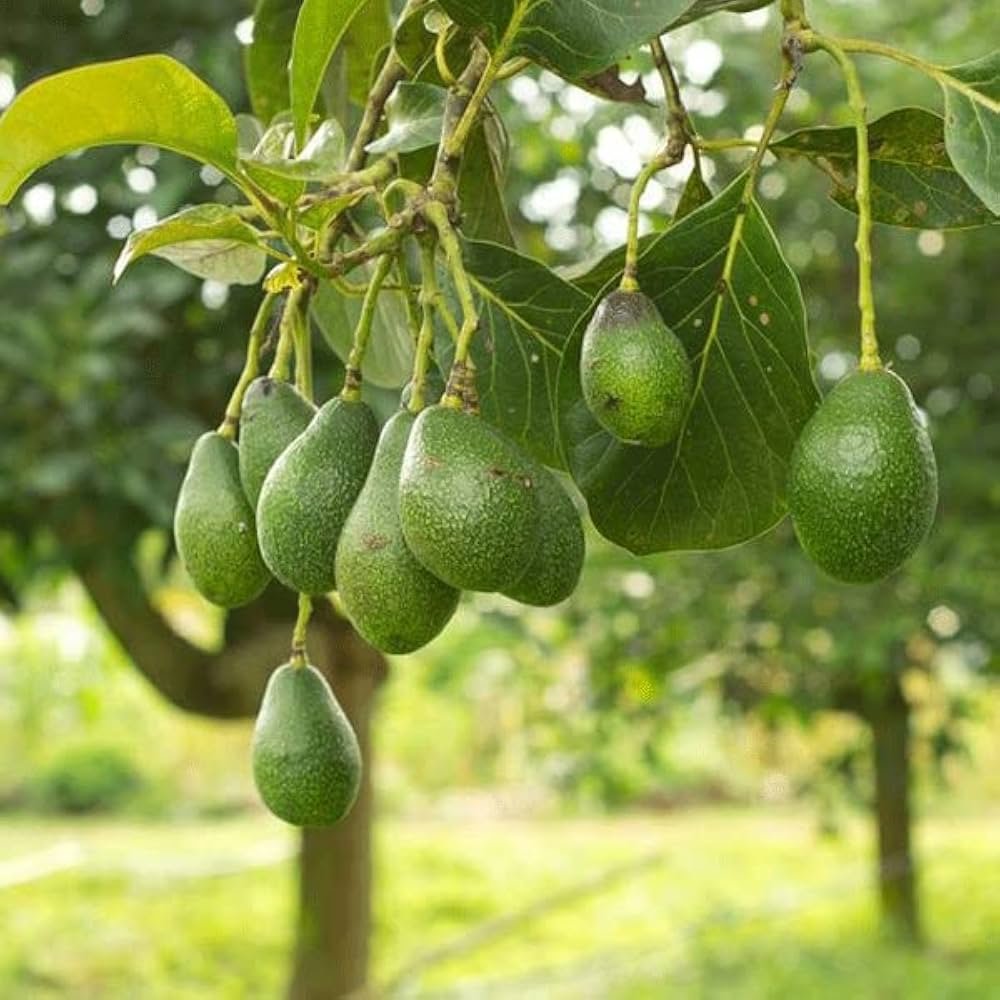
Avocado tropical plant
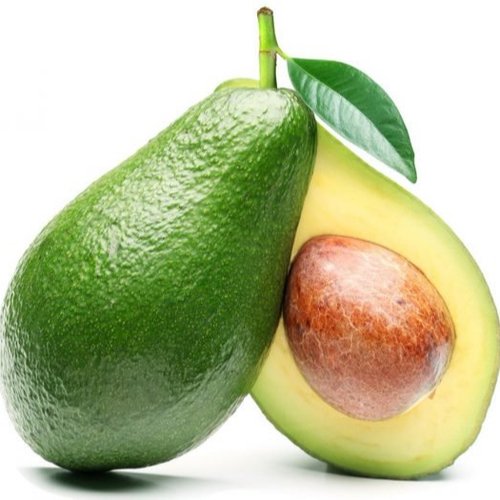
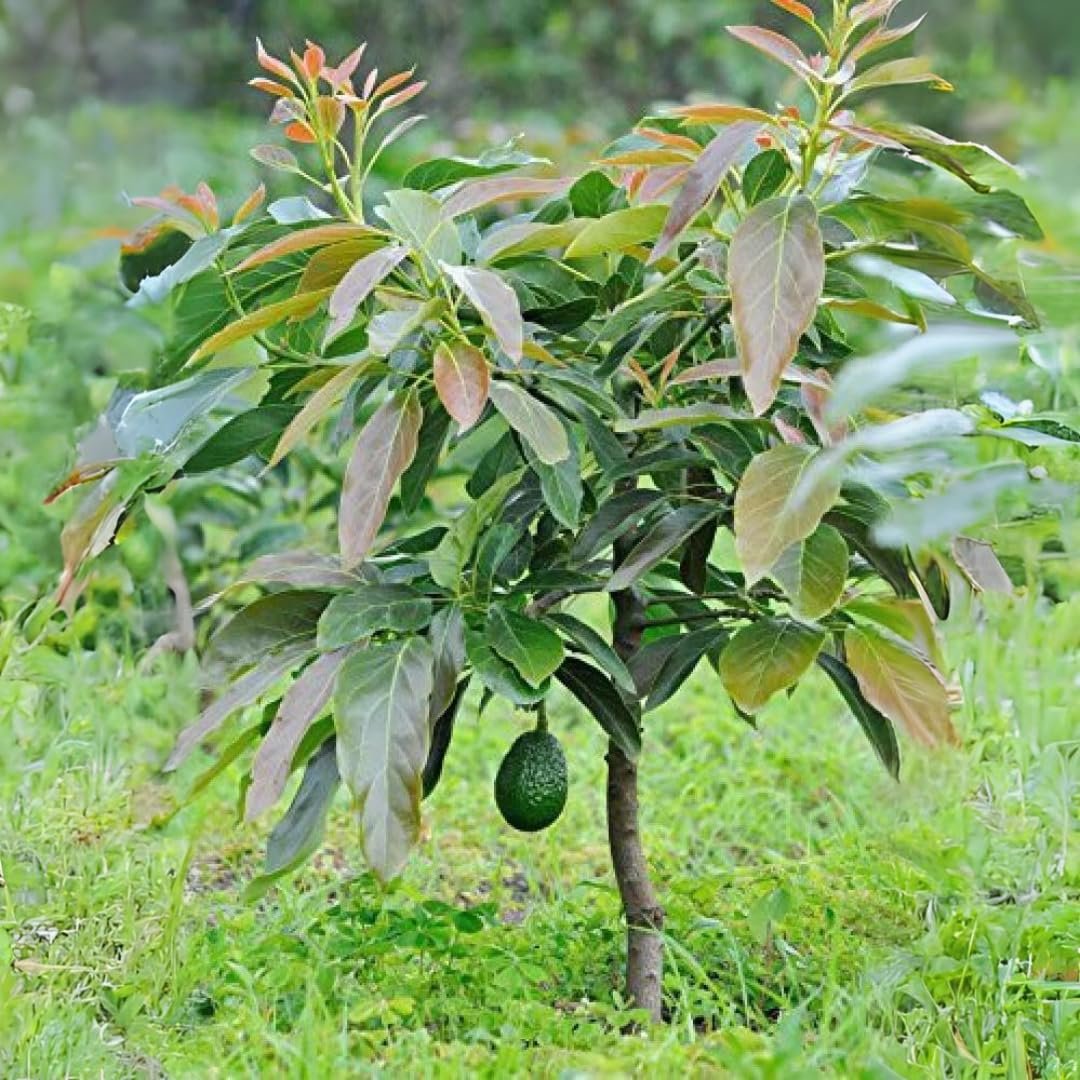
Original price was: ₹2,199.00.₹1,200.00Current price is: ₹1,200.00.- Evergreen: Avocado trees retain their leaves year-round.
- Tall and branching: They can grow to significant heights, with a wide and irregular canopy.
- Leaves: Oval or elliptic, and can be 3 to 10 inches long.
- Flowers: Small, greenish, and bisexual (both male and female parts).
- Fruit: The fruit (also a berry) can be round, pear-shaped, or oblong, and the skin can vary in color, texture, and thickness.
- Seed: Each avocado fruit contains a large seed.
- Oil content: The flesh of the fruit is rich in oil, which can range from less than 5% to over 30%, depending on the variety.
Avocado Sri Lankan green plant
Original price was: ₹2,999.00.₹1,500.00Current price is: ₹1,500.00.- The fruit is edible and a popular food source in Sri Lanka.
- The fruit can be used in various preparations, including salads, guacamole, and smoothies.
- Avocados are known for their nutritious value, being rich in healthy fats and other beneficial nutrients.
- The tree is also valued for its ornamental and folk-medicinal properties.
Vietnam coconut plant
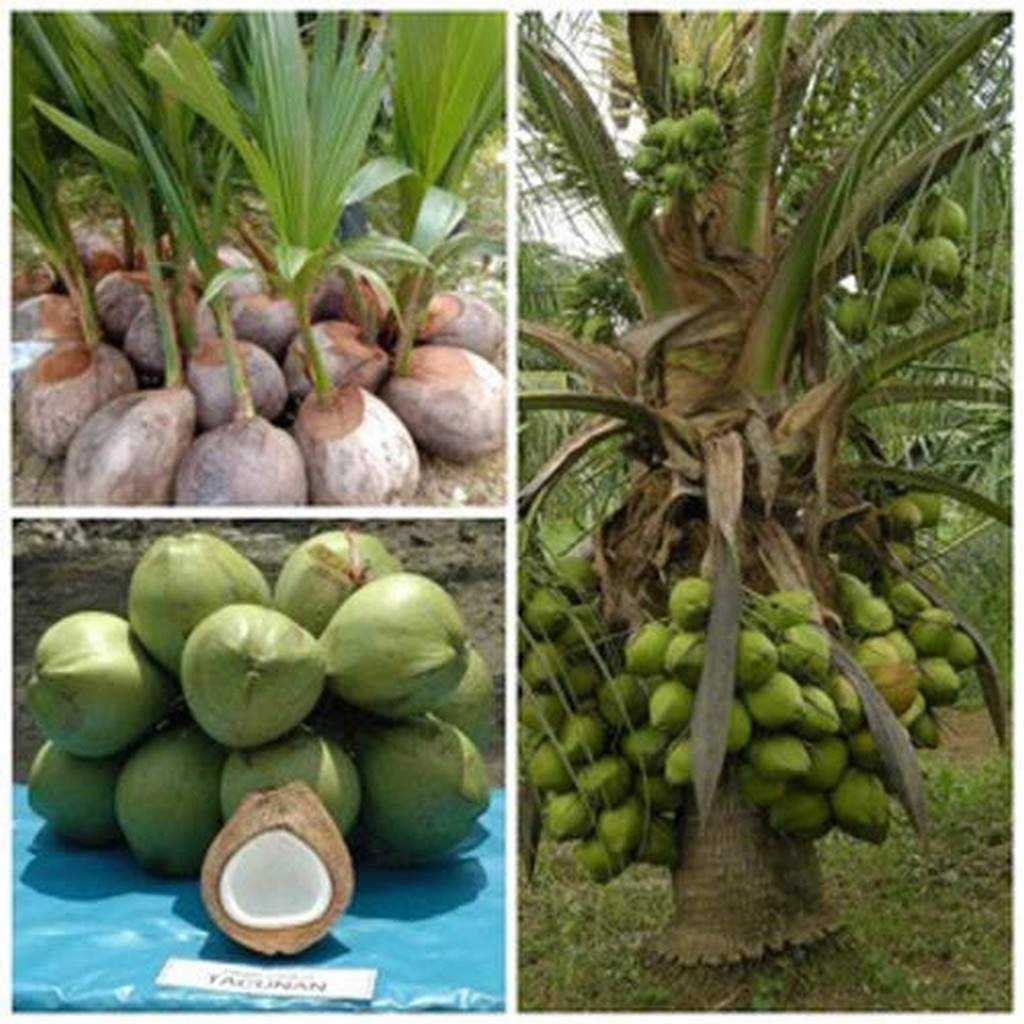
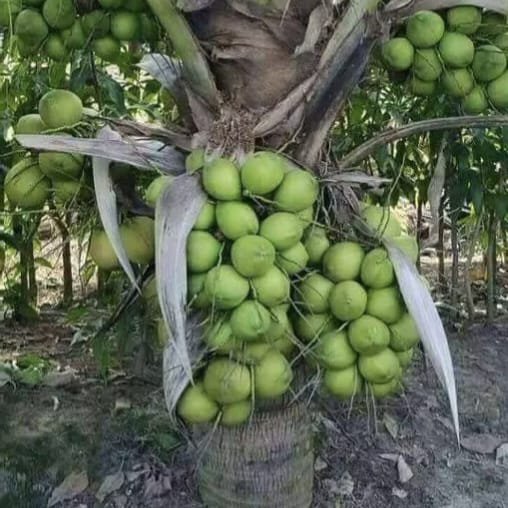
Original price was: ₹1,999.00.₹1,200.00Current price is: ₹1,200.00.Vietnamese coconuts are grown from the North to the South, especially in coastal provinces. Ben Tre is a famous locality for coconut with the highest coconut planting area in the country. The condition for growing water coconuts is quite special. A large area of mangrove land is required.
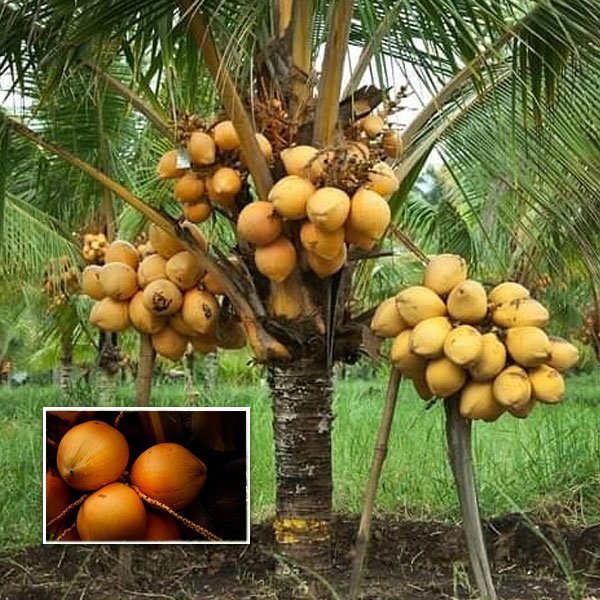

Kerala coconut plant
Original price was: ₹1,299.00.₹750.00Current price is: ₹750.00.-
Appearance:
The plant is a tall, graceful palm with a slender trunk and long, arching fronds.
-
Growth:
It typically grows up to 15-30 meters tall and can withstand strong winds and adapt to various soil types, including sandy and loamy soils.
-
Harvest:
Kerala coconuts are known for their high water content and rich flavor, and they are harvested year-round, with peak production during the summer.
-
Multiple Uses:Every part of the coconut plant is useful. The leaves are used for making sheds, baskets, and doormats, the husk is used for making coir, the shell can be used for ladles and spoons, and the fruit is used for making hair oil, drinks like coconut toddy, and dishes like appam.