
White Diamond Guava Plant
Original price was: ₹799.00.₹450.00Current price is: ₹450.00.Here’s a more detailed description:
-
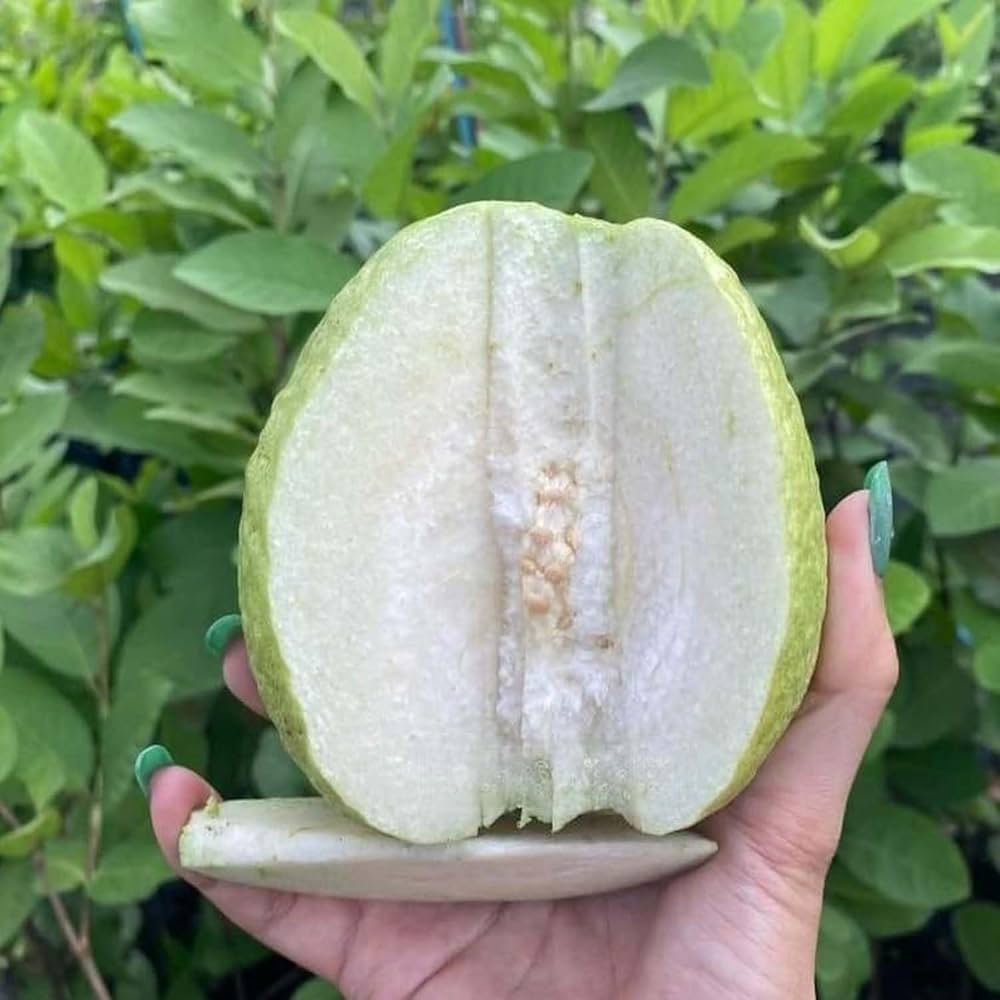
Size:White Diamond Guava fruits are medium to large, with some varieties reaching an average weight of 400-1000 grams per fruit.
-
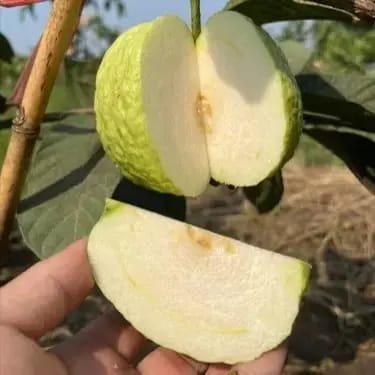
Flesh:The flesh is creamy white in color and has a sweet, juicy, and tender texture.
-
Flavor:The flavor is described as sweet and aromatic, often with a tropical and slightly floral taste.
-
Seed Content:White Diamond Guava is a seedless or near-seedless variety, meaning it produces very few seeds.
-
Plant:It’s a fast-growing evergreen shrub or small tree that can grow up to 3-10 meters tall.


Taiwan Pink Guava Plant
Original price was: ₹599.00.₹250.00Current price is: ₹250.00.Here’s a more detailed look:
-
Appearance:Ripe Taiwan pink guava has a pinkish-orange flesh and a smooth, pale green-yellow skin.
-
Taste:It’s described as sweet, with a pleasant tropical scent and a slightly tangy flavor.
-
Nutritional Value:It’s rich in vitamins, fiber, and antioxidants, making it a healthy and nutritious choice.
-
Growing:Taiwan pink guava plants thrive in tropical and subtropical climates with ample sunlight and warm temperatures. They also require well-draining soil.


Vnr Guava Plant
Original price was: ₹599.00.₹250.00Current price is: ₹250.00.Key Features:
- Large size: Fruits typically range from 300 to 1000 grams.
- Uniform color: Fruits have a consistent and appealing color.
- Thick pericarp: The outer layer of the fruit is thick, and the seed cavity is small.
- Early fruiting: Harvesting is suggested from the second year onwards.
- Good shelf life: Fruits can stay on the tree for 10-12 days and have a shelf life of 15 days, extending to 30 days under refrigeration.
- Good balance of acid and sugar: The fruit has a good balance of sweetness and acidity.
- High profitability: The variety is known for its high profitability.
- Staggered harvesting: Fruits can be harvested in stages as they ripen, ensuring a continuous supply.
- Suitable for long-distance transport: The thick pericarp and good shelf life make this variety suitable for long-distance transport.

Red Diamond Guava
Original price was: ₹699.00.₹400.00Current price is: ₹400.00.Key Features:
-
- Variety: Japanese Red Diamond Guava.
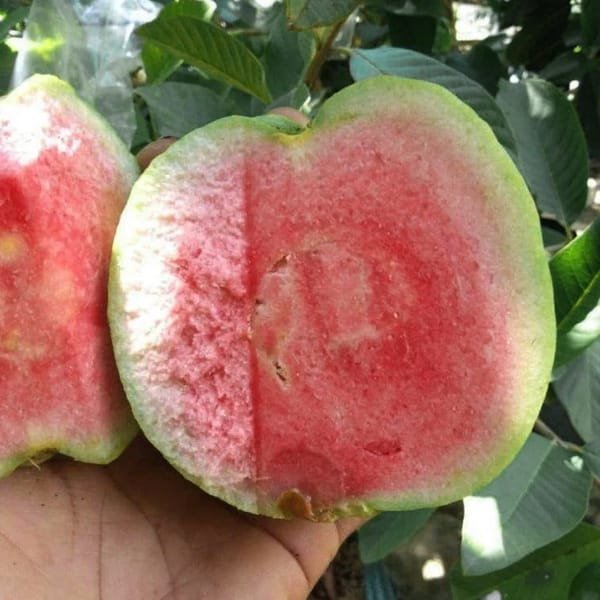
- Fruit: Medium to large fruits with bright pink flesh, seedless.
- Flavor: Sweet with a hint of tartness.
- Growth: Produces abundant fruits within 1-2 years.
- Plant: Compact tree with glossy green foliage, suitable for gardens or containers.
- Care: Low maintenance, drought-tolerant, and thrives in various soil conditions.
- Grafting: Grown using advanced grafting techniques for faster fruiting and strong root development.


Golden 8 Guava
Original price was: ₹999.00.₹350.00Current price is: ₹350.00.Key Characteristics:
- Appearance: Ripe Golden 8 guavas have a vibrant yellow skin that turns a golden hue.
- Flavor: The fruit is known for its sweet, tropical, and aromatic flavor with a hint of floral notes.
- Texture: The flesh is firm yet tender, and the fruit is juicy.
- Seed Content: Golden 8 guavas have relatively few seeds.
- Yield: The Golden 8 guava plant is known for its prolific fruiting and high yield, especially in warm, sunny climates.
- Adaptability: The plant can adapt to various soil types and climates, making it suitable for home gardeners.
- Nutritional Value: Guavas are a good source of vitamin C, fiber, and antioxidants.
- Uses: The fruit can be eaten fresh, used in juices, or incorporated into various culinary dishes.

Kasmiri Apple Ber Plant
Original price was: ₹799.00.₹270.00Current price is: ₹270.00.Key features of Kashmiri Apple Ber:
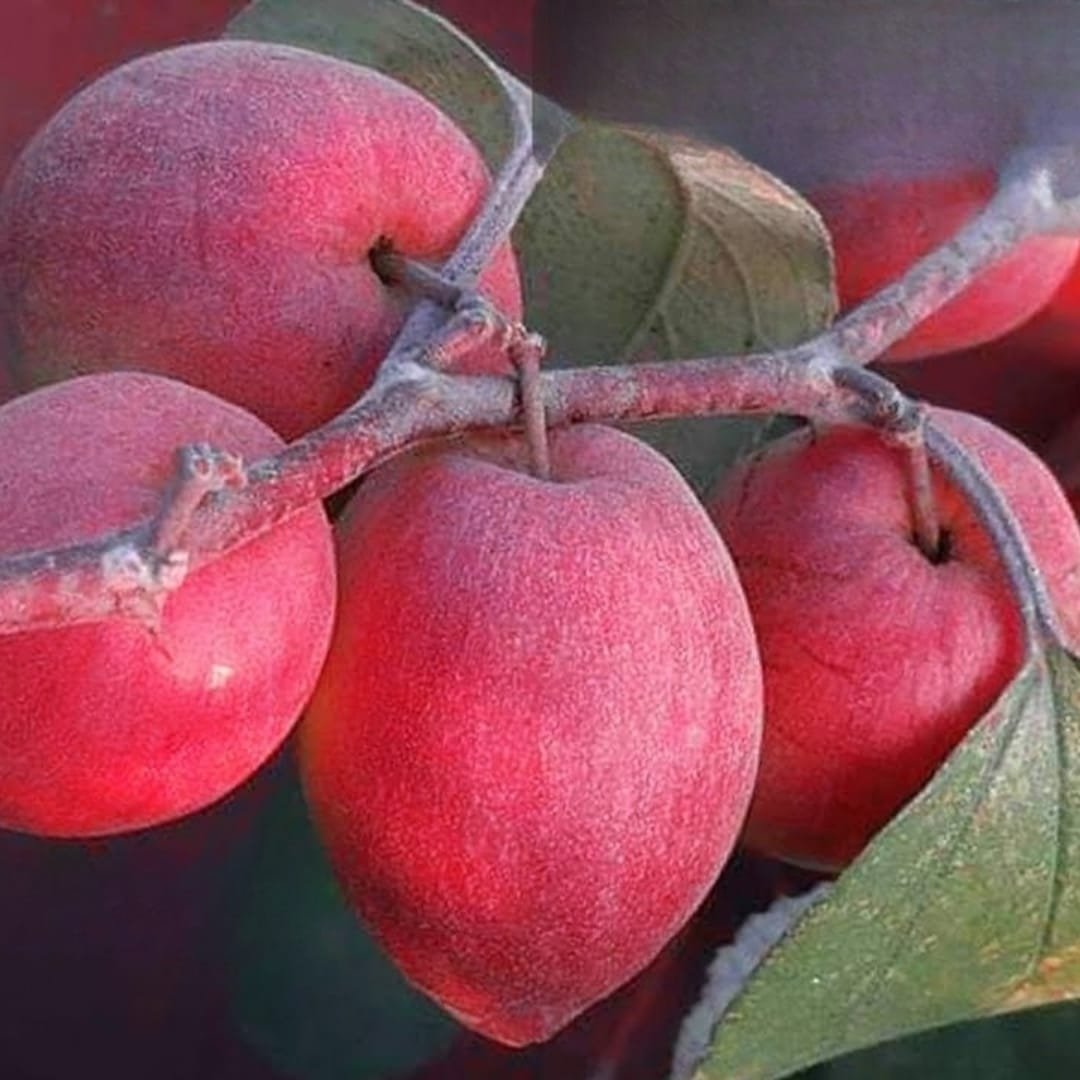
- Appearance: Small, oval-shaped fruit resembling a small apple.
- Taste: Sweet, crunchy, and juicy.
- Size: Small to medium, typically 150-200g in weight.
- Color: Red to reddish-brown when mature.
- Tree: Small, spreading tree with thorny branches, growing up to 15-25 feet tall.
- Harvest: Can be harvested in different seasons depending on the region.
- Other names: Jujube, Chinese date, Indian plum.


Ball Sundari Applr Ber Plant
Original price was: ₹799.00.₹250.00Current price is: ₹250.00.Key Characteristics:
- Fruit Appearance: Round, smooth, and glossy, resembling an apple.
- Flavor: Sweet and juicy.
- Size: Can reach 150-300g per fruit.
- Tree: Small, spreading tree with drooping branches.
- Cultivation: Can be grown as an intercrop in coconut farms, making it suitable for farmers with limited land.
- Uses: Fresh consumption, jams, preserves, and other sweet dishes.
- Nutritional Value: Rich in vitamins and minerals.
- Shelf Life: Long shelf life, can be stored for several months without losing quality.
Thai Green Apple ber
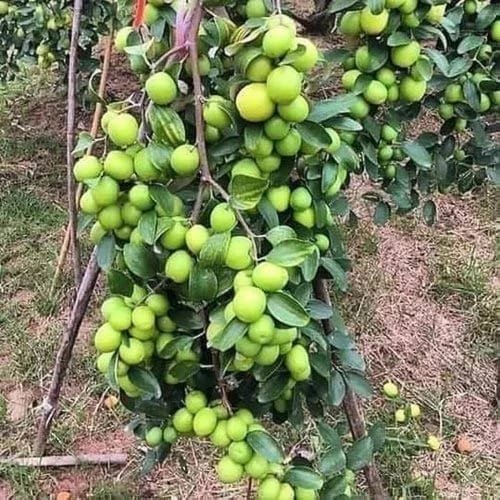
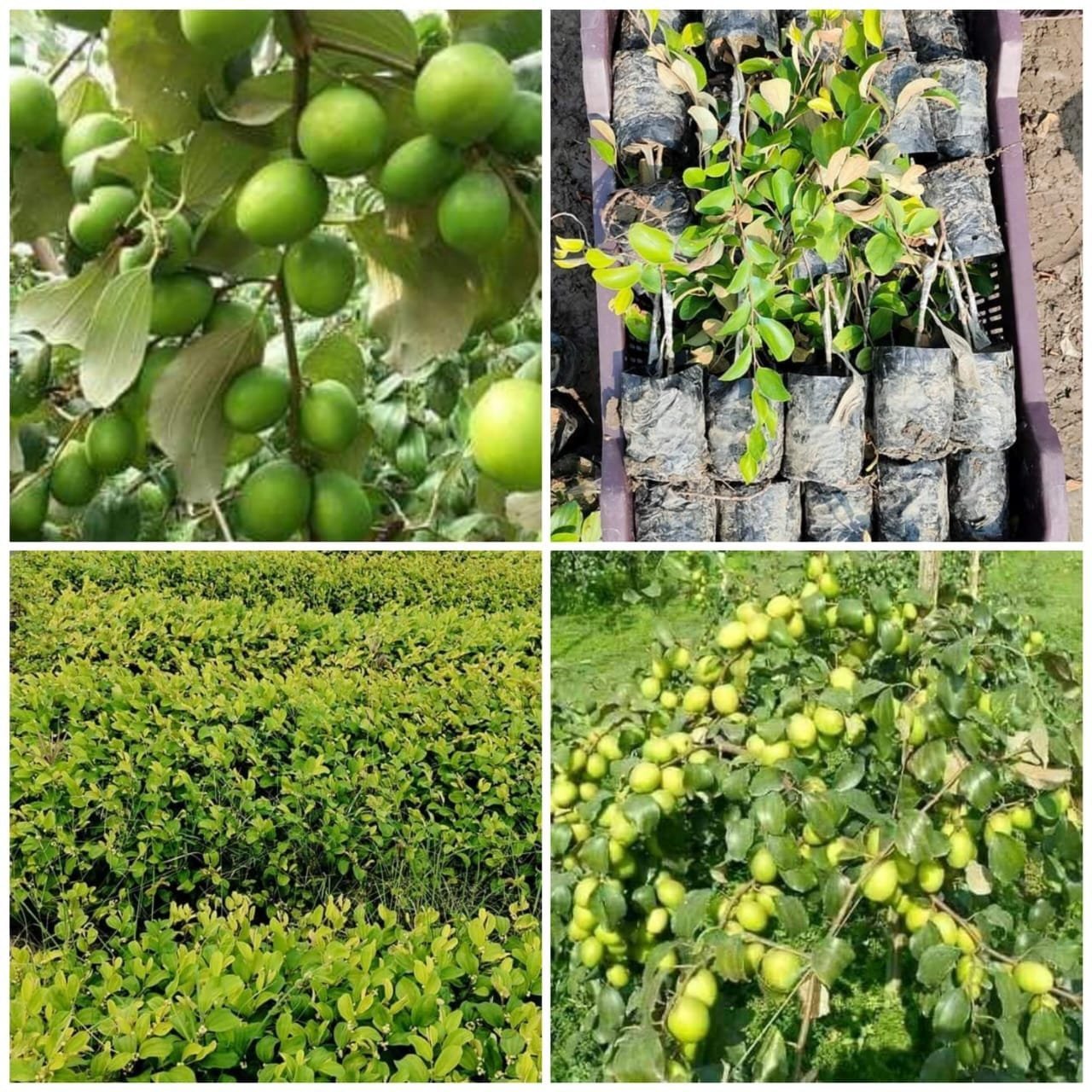
Original price was: ₹799.00.₹240.00Current price is: ₹240.00.Here’s a more detailed description:
Fruit:
- The fruit is typically green when unripe and can turn yellow or reddish-brown when ripe.
- It is round and looks like an apple, hence the name “Apple Ber”.
- The fruits are sweet, crispy, and juicy, weighing around 150-200 grams.
Plant:
- It’s a small tree or shrub with glossy green leaves.
- The branches can be thorny.
- It is drought-tolerant and can thrive in a variety of soil types.
- The plant grows rapidly and can start bearing fruit within 6 months.
Uses:
- The fruits are commonly eaten fresh, or used in jams, jellies, and desserts.
- The leaves are used as fodder for animals.
- The wood can be used as fuel.
- The roots can improve soil fertility.

Miss India Apple Ber
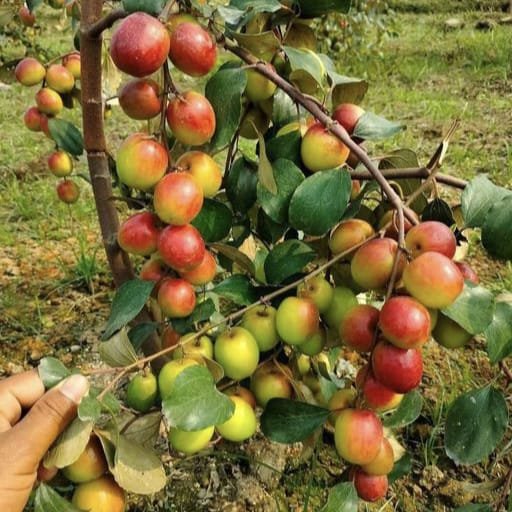
Original price was: ₹799.00.₹250.00Current price is: ₹250.00.Key features of Miss India apple ber:
-
- Taste: Sweet and tangy, with a crisp, crunchy texture.
- Fruit: Round, shiny, reddish-brown fruit.
- Taste: Sweet and tangy, with a crisp, crunchy texture.
- Growth: Can be grown in various Indian climates and soil types, both in gardens and pots.
- Early ripening: One of the first ber varieties to ripen in the season.
- Cultural significance: A favorite fruit in India, often used in festivals and as a sweet treat.
- Nutritional value: Rich in nutrients and antioxidants.
- Availability: Readily available for purchase as plants or fruits.