


Blood Orange Grafted Fruit Live Plant(Santra ) Pack of 1
Original price was: ₹1,299.00.₹550.00Current price is: ₹550.00.The Blood Orange Grafted Fruit Live Plant is an exotic citrus variety known for its deep red flesh, rich aroma, and sweet-tangy flavor. This grafted plant ensures early fruiting, high yield, and superior quality fruits. Packed with vitamin C, antioxidants, and anthocyanins, Blood Oranges boost immunity and promote heart health. Perfect for home gardens and farms, it thrives well in Indian climates and adds a unique, colorful, and nutritious twist to your fruit collection.
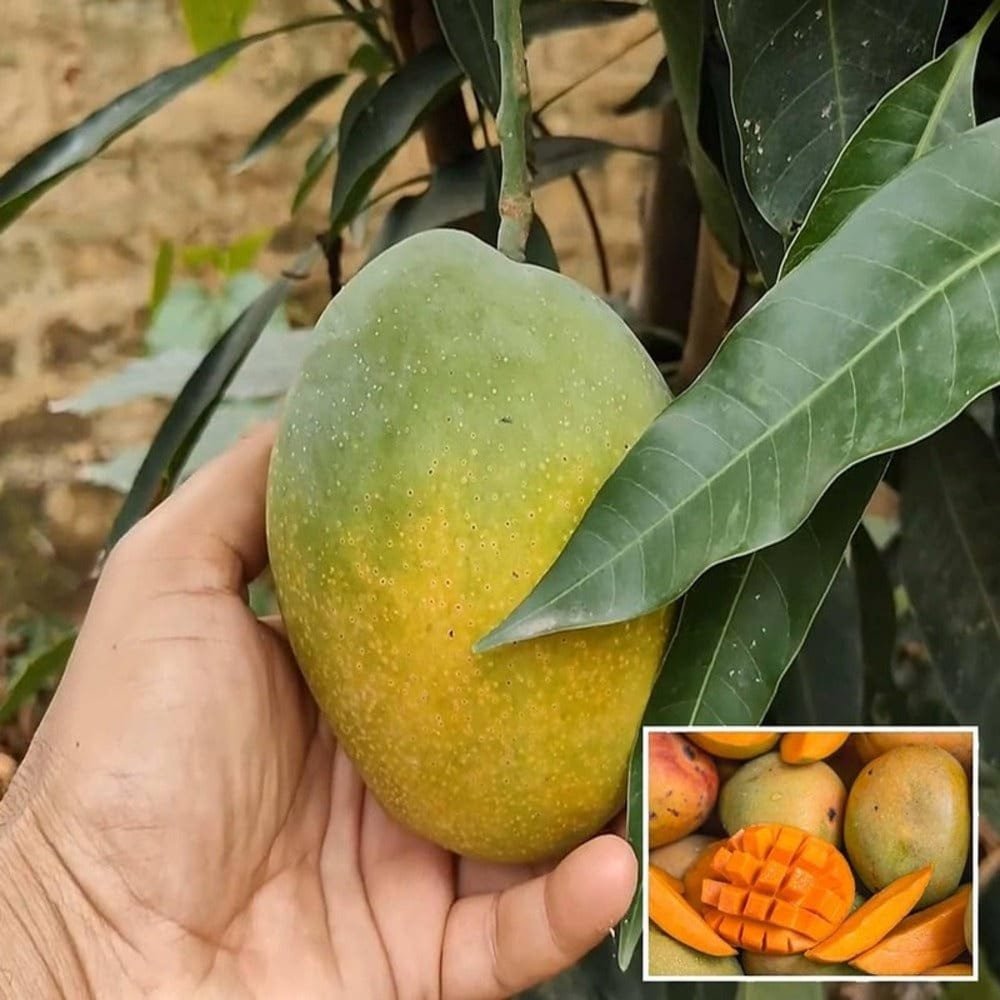
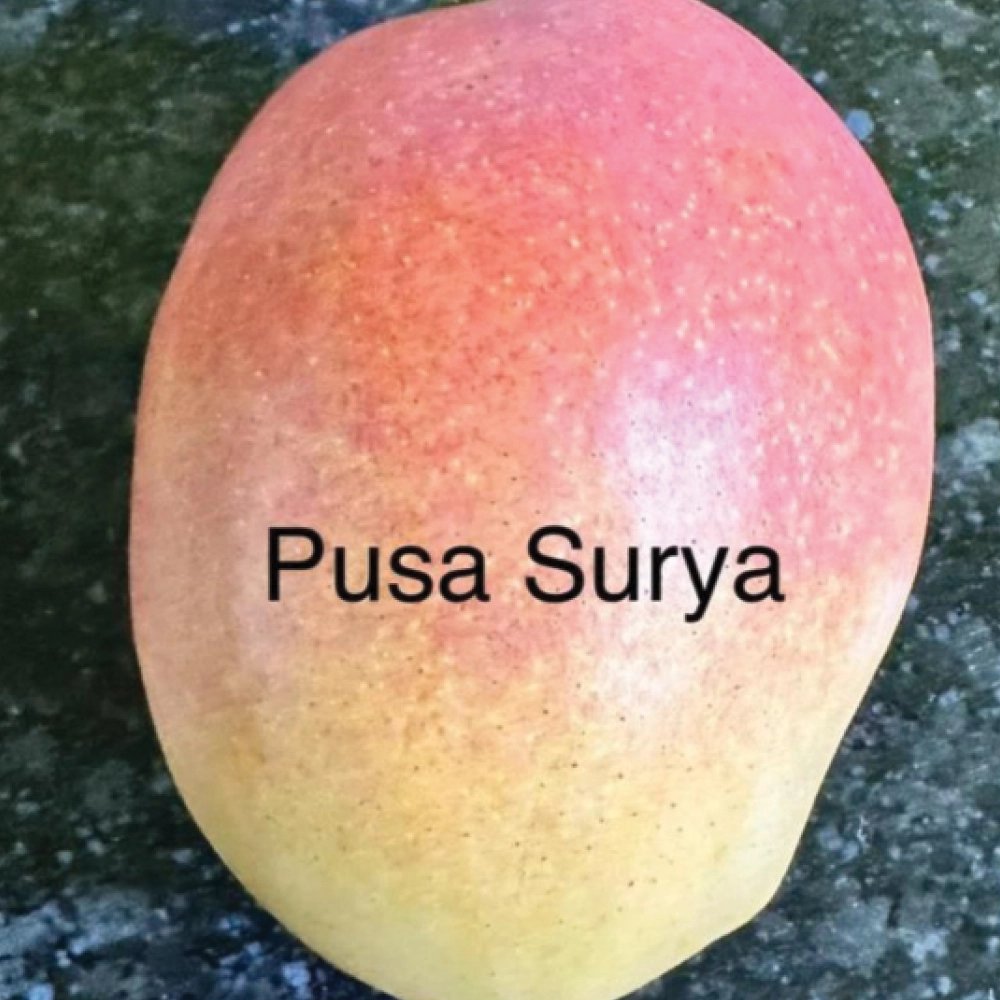
Pusa Surya Mango Plant (Pack of 1)
Original price was: ₹1,199.00.₹550.00Current price is: ₹550.00.The Pusa Surya Mango Plant is a premium hybrid variety developed by IARI, known for its vibrant reddish-yellow fruits, fiberless sweet pulp, and excellent aroma. This high-yielding, early-fruiting plant is resistant to common mango diseases and thrives perfectly in Indian tropical climates. Ideal for home gardens and farms, it produces juicy, flavorful mangoes rich in vitamin A, C, and antioxidants. The Pusa Surya Mango combines beauty, taste, and productivity, making it a standout choice for every mango lover.


Apricot fruit plant
Original price was: ₹999.00.₹550.00Current price is: ₹550.00.Apricot, Prunus armeniaca is a deciduous tree in the family Rosaceae grown for its edible fruit. The apricot tree has an erect growth habit and a spreading canopy. The leaves of the tree are ovate with a rounded base, pointed tip and serrated margin.


Kiwi grafted plant
Original price was: ₹999.00.₹550.00Current price is: ₹550.00.-
Growth Habit:Climbing vine or shrub, vigorous and woody.
-
Leaves:Deciduous, nearly circular, alternate arrangement, with long petioles. Young leaves and shoots have reddish hairs.
-
Flowers:Fragrant, white to cream-colored, dioecious (separate male and female flowers).
-
Fruit:Oval or ovoid, with a fibrous, dull greenish-brown skin covered in hairs. The flesh is bright green and juicy, with tiny black seeds.


Red surinam cherry plant
Original price was: ₹1,299.00.₹550.00Current price is: ₹550.00.- There are different types of cherry trees, including sweet cherry and sour cherry trees, and flowering cherry trees that don’t bear fruit but are valued for their flowers.
- Cherry trees thrive in areas with temperate climates and well-differentiated seasons.
- The flowers are pollinated by bees.


HRMN 99 apple plant
Original price was: ₹999.00.₹550.00Current price is: ₹550.00.- Low Chilling Requirement: HRMN-99 requires significantly fewer chilling hours (150-200 hours) compared to traditional apple varieties that need 1,000+ hours below 7°C.
- Hot Climate Tolerance: It can be successfully grown in areas with temperatures reaching 40-45°C.
- Self-Pollinating: This means it doesn’t require other apple trees for pollination.
- Yield: A well-grown plant (10-12 years old) can produce around 1 quintal of apples.
- Fruit Characteristics: Apples are sweet, yellow-red in color, and of normal size.
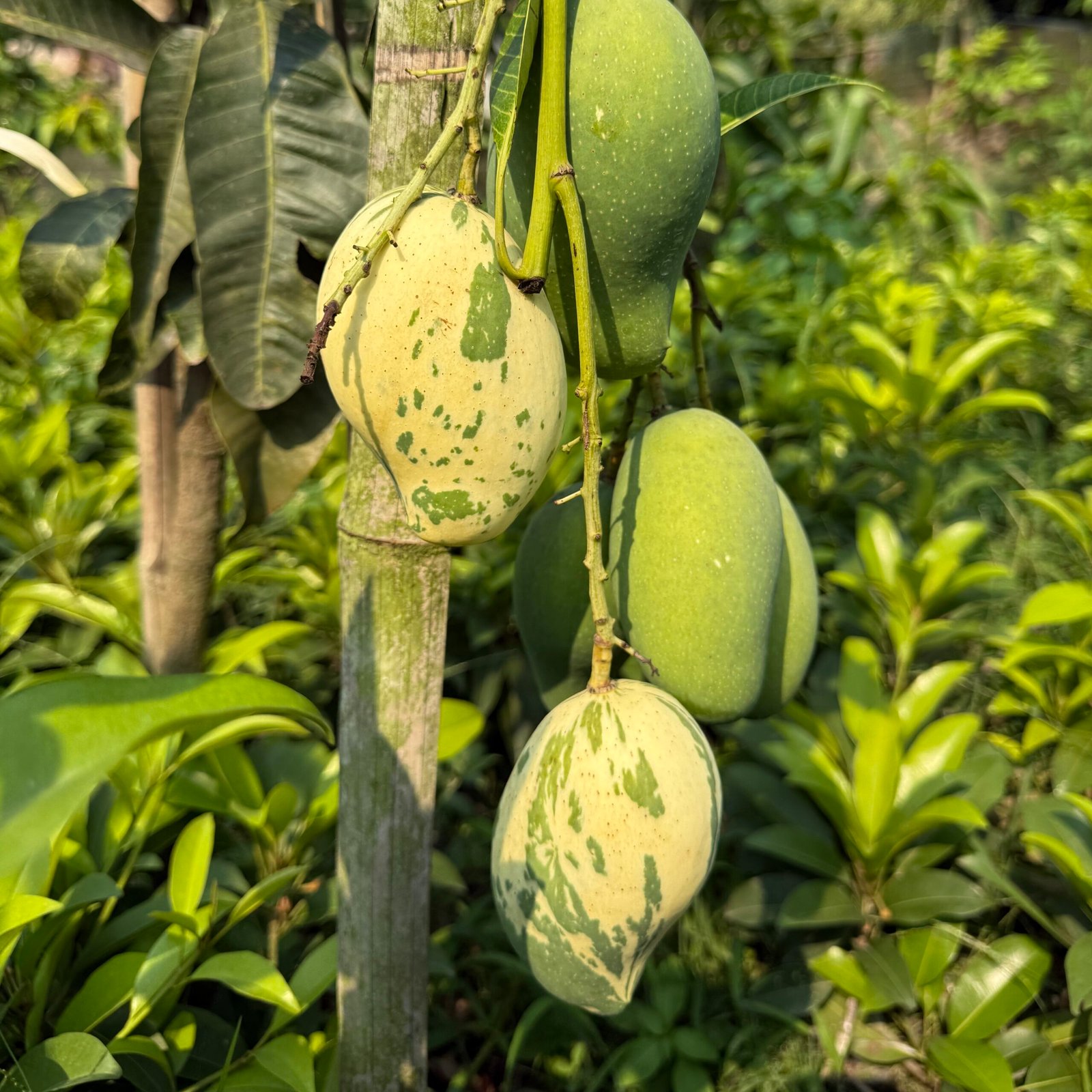
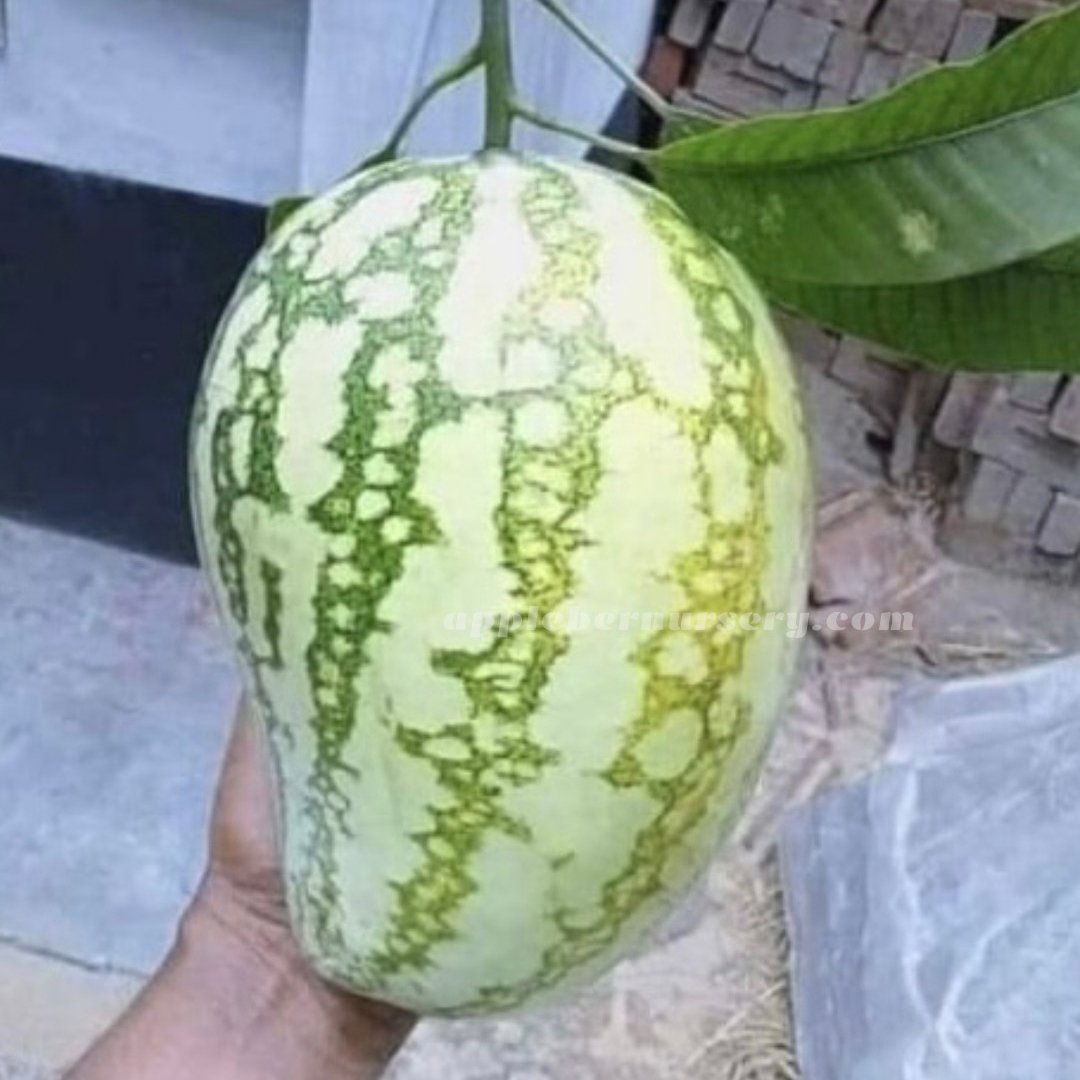
Verigeted Mango Plant
Original price was: ₹1,499.00.₹550.00Current price is: ₹550.00.Key features of a variegated mango:
- Color: The fruit and leaves show a mix of colors, most commonly green and creamy white, or yellow.
- Plant: It’s a medium to big tree.
- Fruit: The fruit is typically medium-sized, with smooth, golden-yellow skin when ripe.
- Taste: The fruit is known to be sweet.
- Other names: Also known as chalta khas or chitla in India.

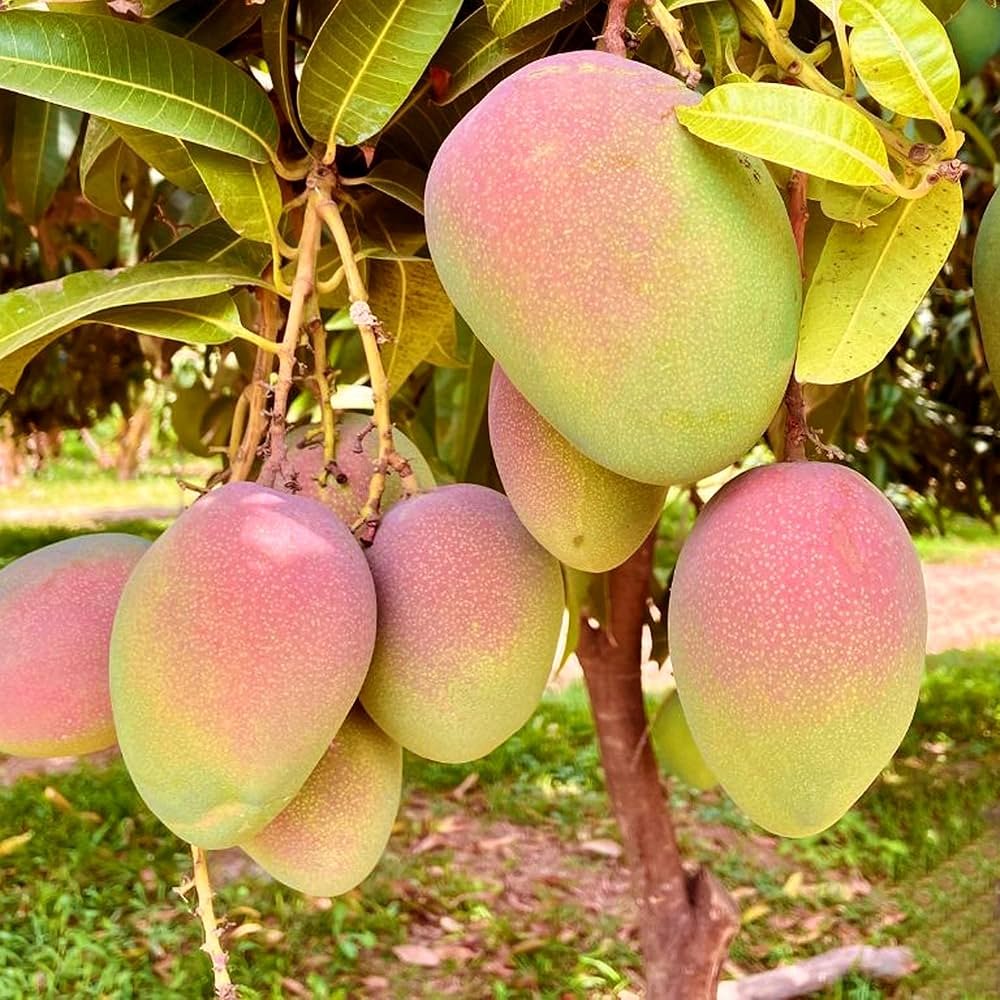
American Kent Mango Plant
Original price was: ₹1,499.00.₹550.00Current price is: ₹550.00.Appearance:
-
- Skin: Greenish-yellow with possible red blush.
- Shape: Oval.
- Size: Typically weighs 20 to 26 ounces (570–740 g).
Flavor and Texture:- Flavor: Sweet with hints of sour notes and tropical fruit.
- Texture: Juicy and tender, with limited fibers.
- Aroma: Often has a peach or tropical fruit aroma.
Origin and Growing:- Origin: Developed in south Florida, USA.
- Yield: Kent trees are known for producing a large crop.


Kasturi mango plant
Original price was: ₹1,499.00.₹550.00Current price is: ₹550.00.Here’s a more detailed description:
Appearance:
- Skin: Ripened Kasturi mangoes have a distinctive dark purple to almost black skin. Initially, the skin is green but turns darker as it matures
- Shape: They are oval-shaped with a slightly pointed end.
- Size: Kasturi mangoes are smaller than other varieties, typically measuring 4-6 cm long and 3-4 cm wide.