


Bombay lichi Plant
Original price was: ₹999.00.₹500.00Current price is: ₹500.00.- Tree: Vigorous trees that can reach an average height of 6.7 meters and a spread of 7-8 meters.
- Yield: Yields an average of 80-90 kg of fruit per tree.
- Fruit:
- Large, often obliquely heart-shaped.
- Carmine red tubercles on a uranium-green background at maturity.
- Each developed fruit is often attached to a tiny underdeveloped fruit at the stalk.
- Pulp: Greyish-white, soft, and juicy.
- TSS: 17%.
- Seeds: Elongated, smooth, measuring about 2.3 cm in length and 1.6 cm in width, weighing approximately 3.4 g.
- Large, often obliquely heart-shaped.


Brunei King Mango Plant
Original price was: ₹999.00.₹500.00Current price is: ₹500.00.Here’s a more detailed look:
- Size and Weight: Brunei King mangoes are notably large, often weighing 4-5 kg.
- Flesh: The flesh is described as luscious, fiberless, and creamy.
- Taste: The mangoes are known for their remarkably sweet taste.
- Tree Characteristics: The tree is grafted, ensuring early fruiting and disease resistance. It thrives in sunny locations with well-drained soil.
- Versatility: The Brunei King mango is suitable for fresh eating, juicing, and culinary uses.
- Ripening: The fruits mature in mid-September.
- Storage: It is considered a good mango for storing.


California Red Strawberry Healthy Fruit Live Plant (Pack of 1)
Original price was: ₹799.00.₹350.00Current price is: ₹350.00.The California Red Strawberry Plant produces bright red, aromatic, and juicy fruits packed with vitamins, antioxidants, and natural sweetness. Easy to grow in pots or gardens, it thrives in Indian climates and gives multiple harvests a year. Perfect for home gardeners who love fresh, organic strawberries bursting with flavor and health benefits!
Cashew nuts plant
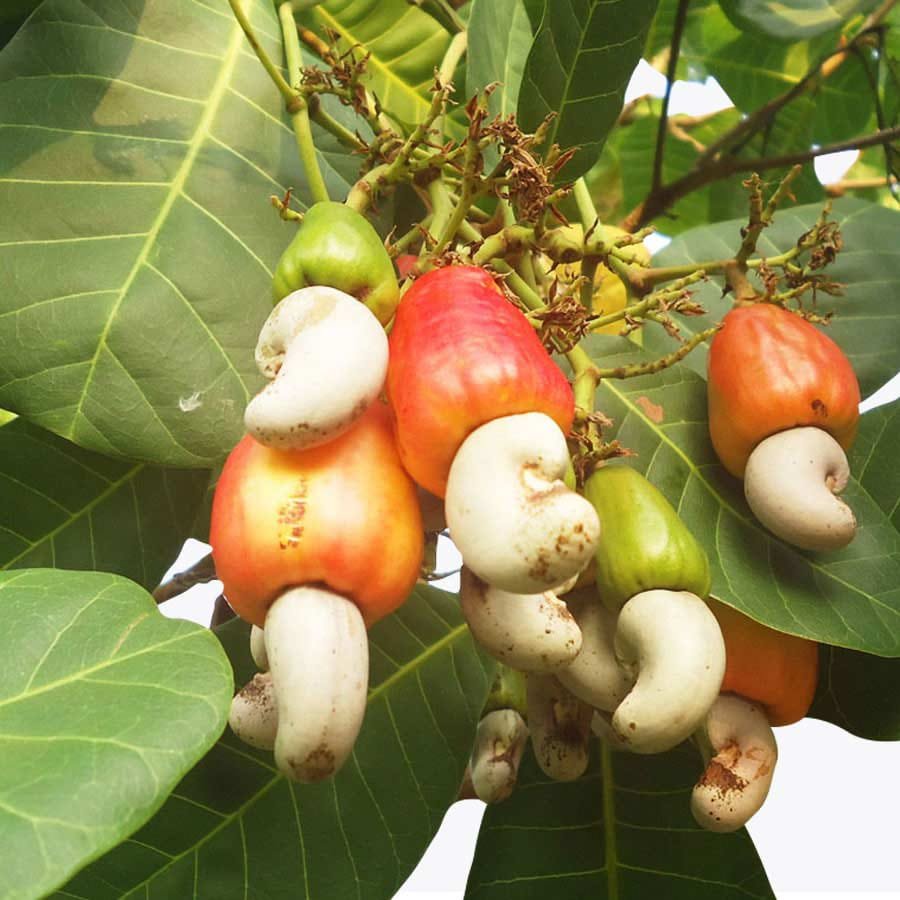
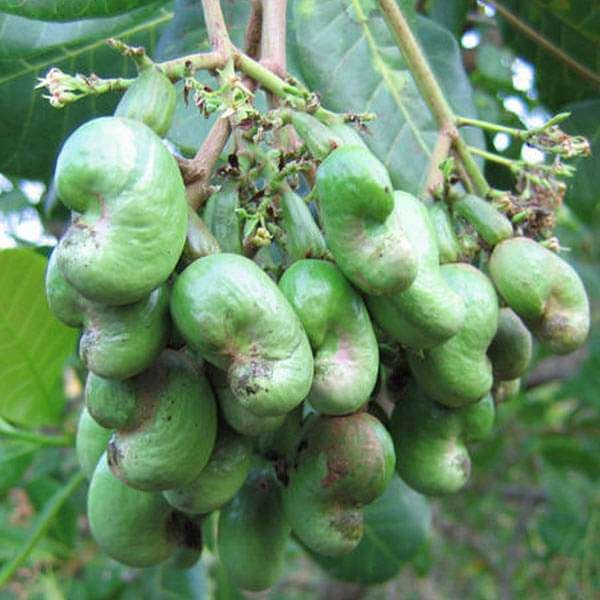
Original price was: ₹799.00.₹450.00Current price is: ₹450.00.The cashew plant, scientifically known as Anacardium occidentale, is an evergreen tree native to tropical regions of South America, particularly Brazil. It is characterized by its large size, reaching heights of up to 14 meters, and its distinctive cashew apple, a fleshy, pear-shaped fruit with a kidney-shaped nut (the cashew seed) attached to its end.


Chaina 3 litchi Plant
Original price was: ₹999.00.₹450.00Current price is: ₹450.00.-
Origin and Popularity:China 3 is a lychee variety favored in the Bengal region of India.
-
Ripening Time:It’s a late variety, with fruits ripening in late June in some areas, according to Wikipedia.
-
Fruit Characteristics:The fruits are larger than average, globose, and have a distinct skin color featuring red, orange, and green patches. The pulp is creamy white, soft, and succulent.
-
Tree Characteristics:The trees are relatively small, typically 5 to 6 meters tall, with smaller leaves. They have a tendency to alternate bearing, meaning they may not produce fruit every year, so proper management is important.
-
Growing Conditions:China 3 trees can tolerate high temperatures and varying soil moisture levels, which helps reduce fruit cracking.

Chinese ramrongon orange
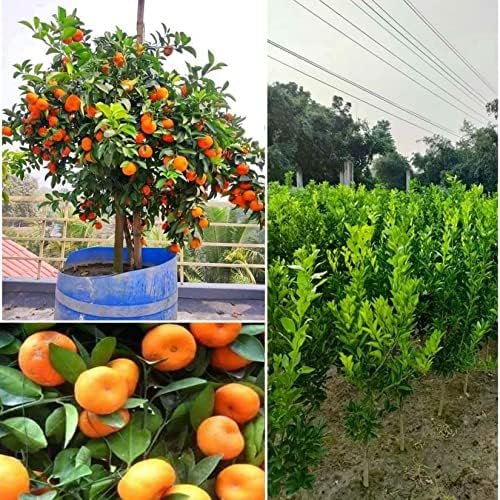
Original price was: ₹1,299.00.₹400.00Current price is: ₹400.00.- Grafting: Grafted Ram Rangan trees are favored for their faster fruit production and consistent quality compared to seed-grown varieties.
- Flavor and Taste: The fruits are known for their sweet, tangy, and juicy flavor.
- Growing Conditions: They thrive in well-watered soil with full sun exposure.
- Appearance: The plant boasts vibrant green foliage and can produce a good amount of fruit.
- Uses: Ram Rangan oranges can be enjoyed fresh, used in various recipes, or even made into juice.
CISH Ambika Mango Plant
Original price was: ₹1,199.00.₹600.00Current price is: ₹600.00.
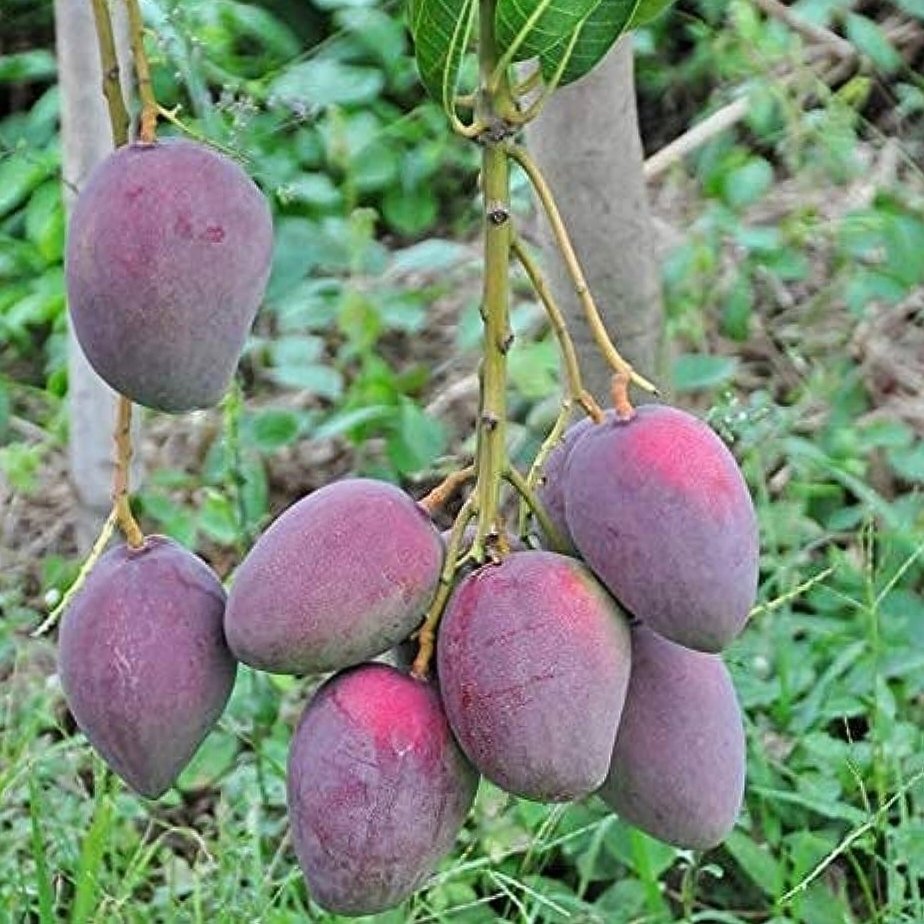
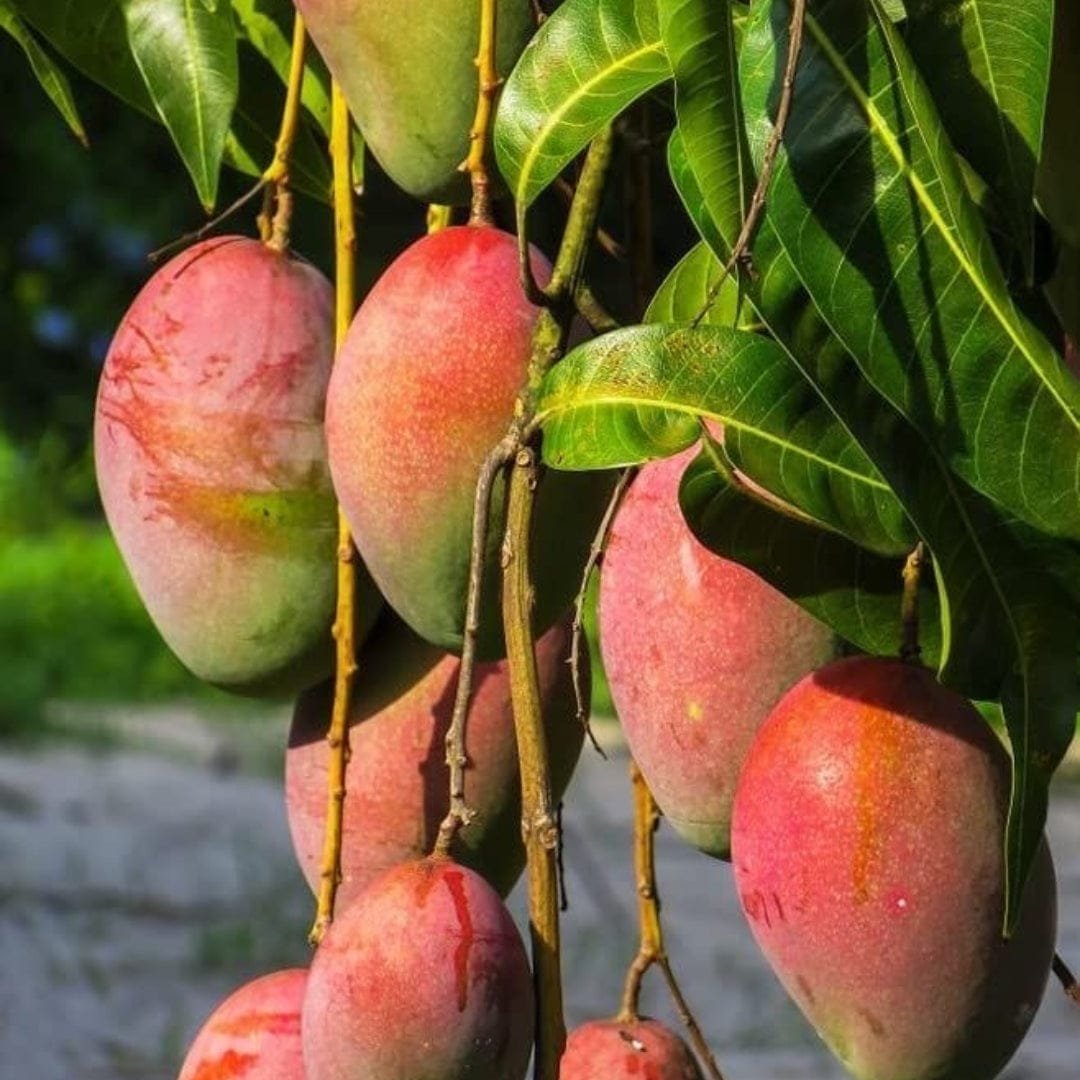
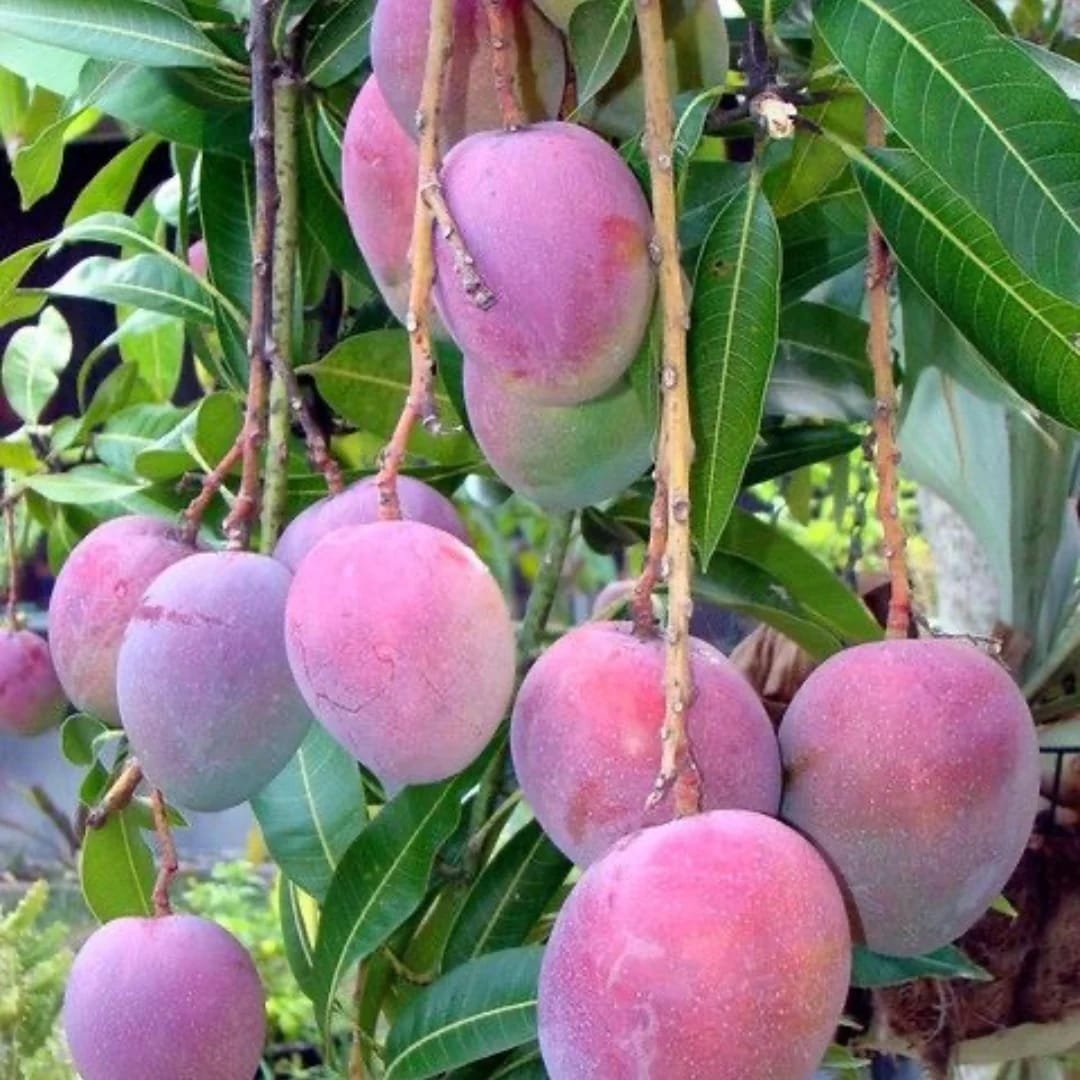
The CISH Ambika mango is a premium, late-season hybrid developed by the Central Institute for Subtropical Horticulture (CISH) in Lucknow, India. It is a cross between Amrapali and Janardan Pasand, highly prized for its dwarf growth habit, fiberless flesh, and attractive red-blushed yellow skin.
CISH Arunika Mango Plant
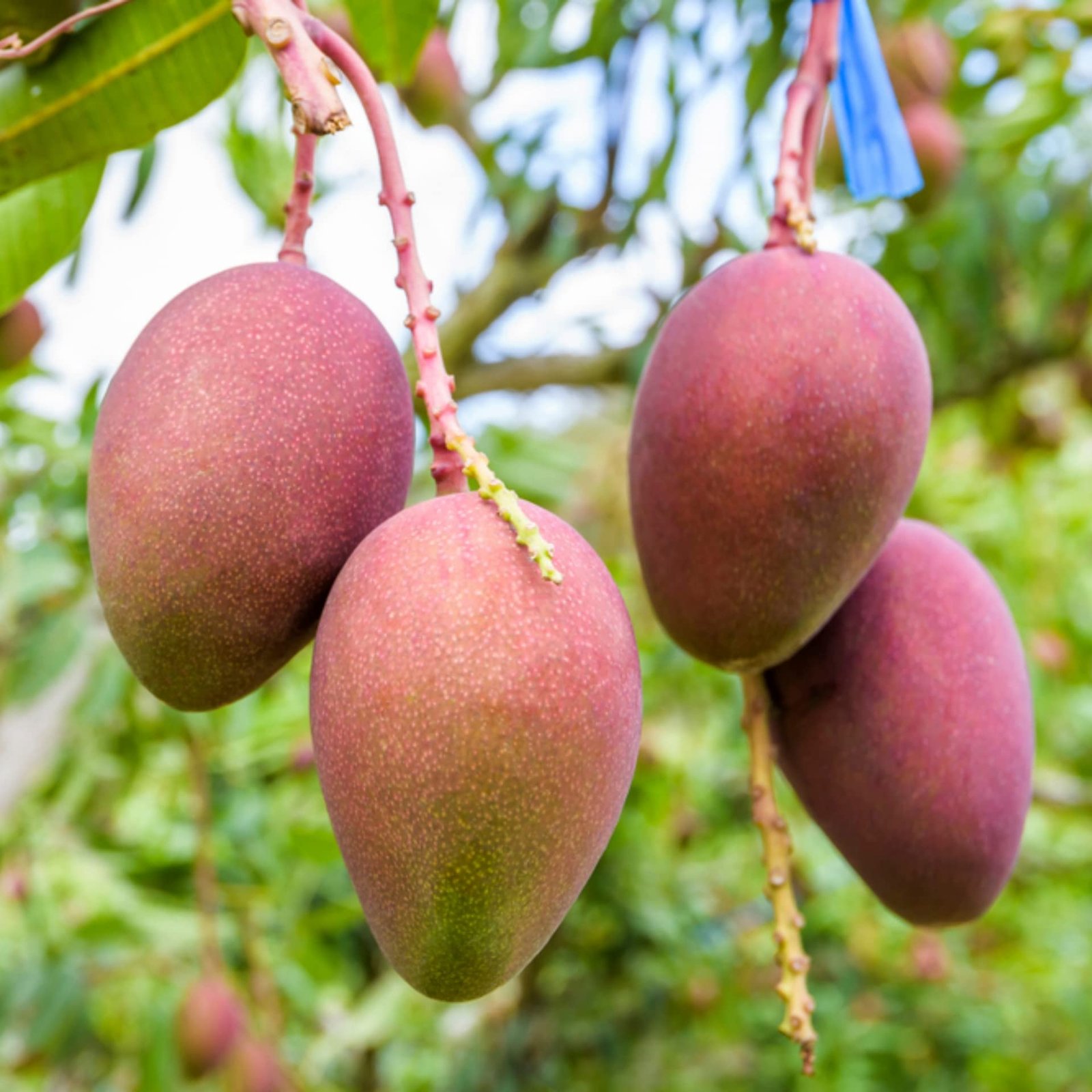
Original price was: ₹1,199.00.₹600.00Current price is: ₹600.00.The CISH Arunika mango is a premium, regular-bearing hybrid developed by ICAR-CISH (Lucknow) from a cross of ‘Amrapali’ and ‘Vanraj’. Highly prized for its vibrant red-blush skin and sweet, fiberless orange-yellow flesh, it has high pulp content and a semi-dwarf tree habit, making it ideal for both home gardens and orchards.
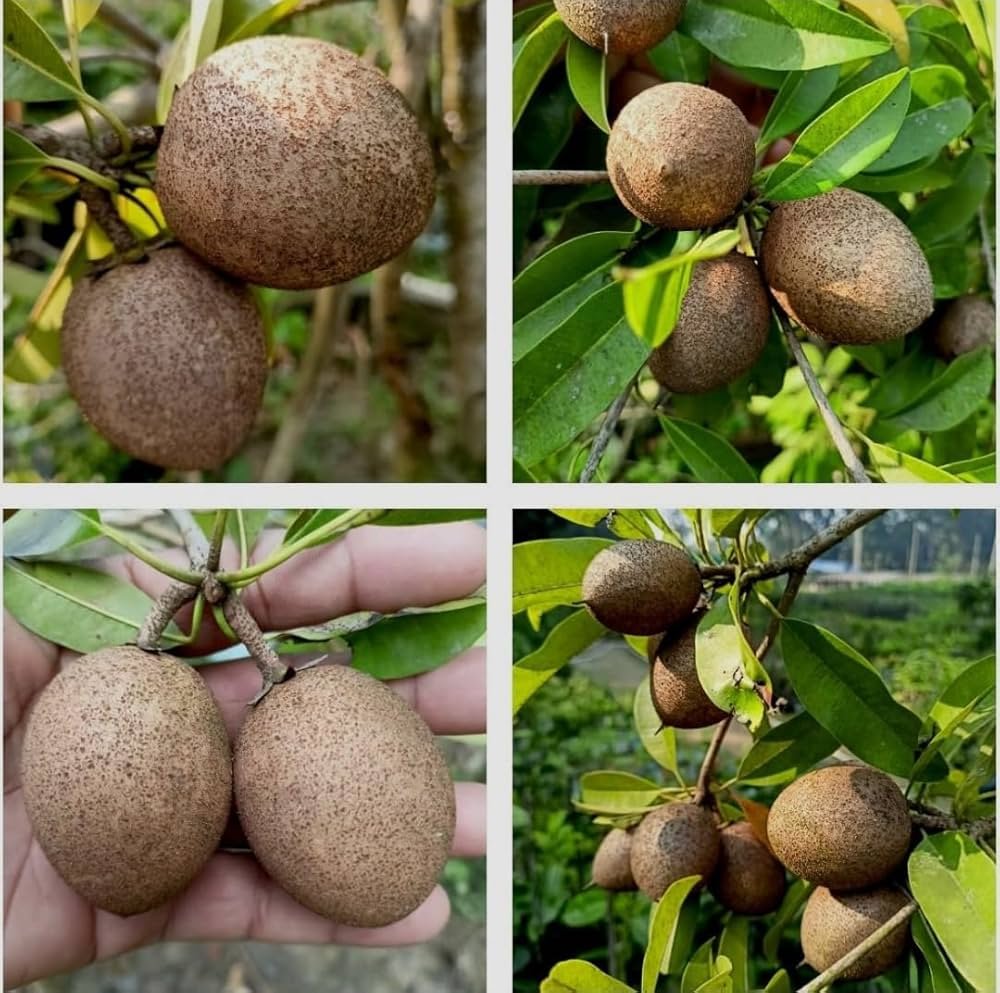
Cricket ball Chiku plant
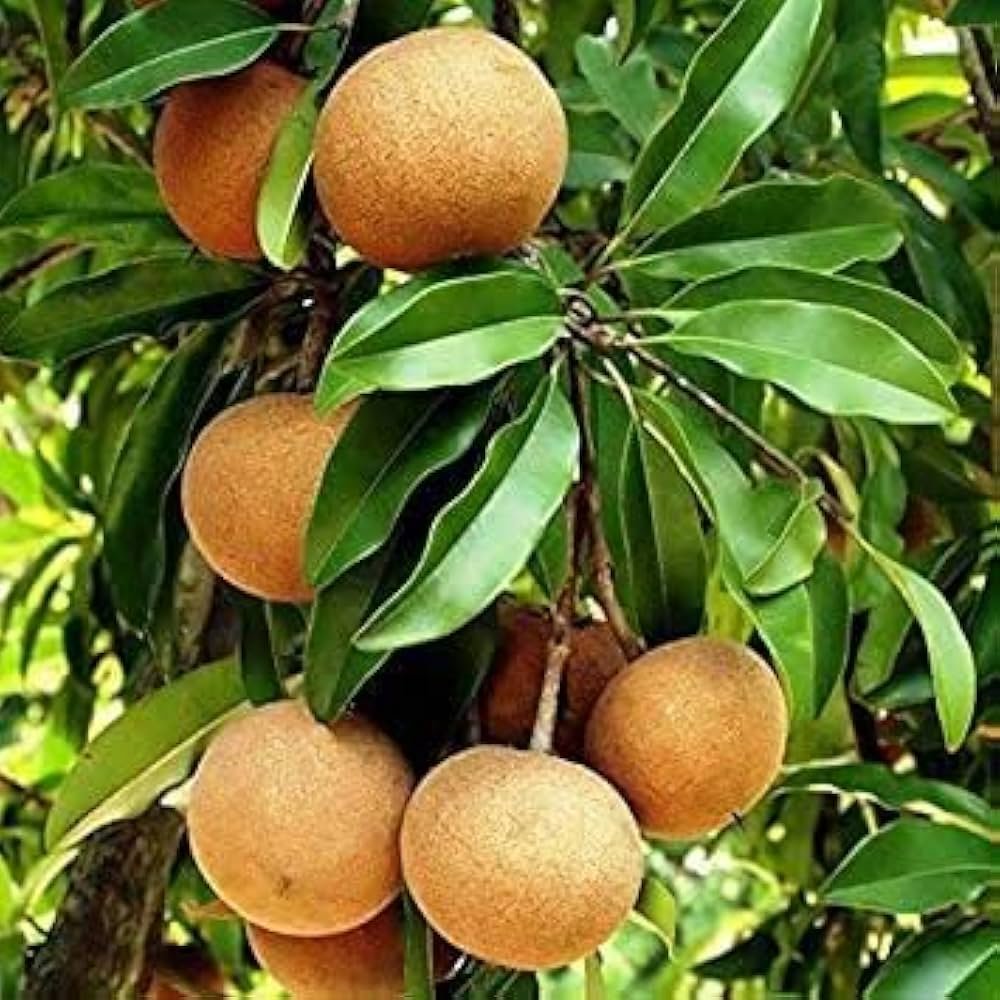
Original price was: ₹799.00.₹350.00Current price is: ₹350.00.- Size: The fruit is large and round, resembling a cricket ball in size and shape.
- Flavor: It has a sweet, caramel-like taste with a grainy texture.
- Appearance: The flesh is off-white to yellowish brown and has a soft, juicy texture.
- Nutritional Value: Rich in vitamins, minerals, and antioxidants.
- Tree: The sapota tree is evergreen and can grow up to 30-40 feet tall.
- Uses: The fruit is commonly eaten fresh or used in smoothies and desserts.
- Growing Conditions: Thrives in warm, tropical climates with well-drained soil and full sun.