
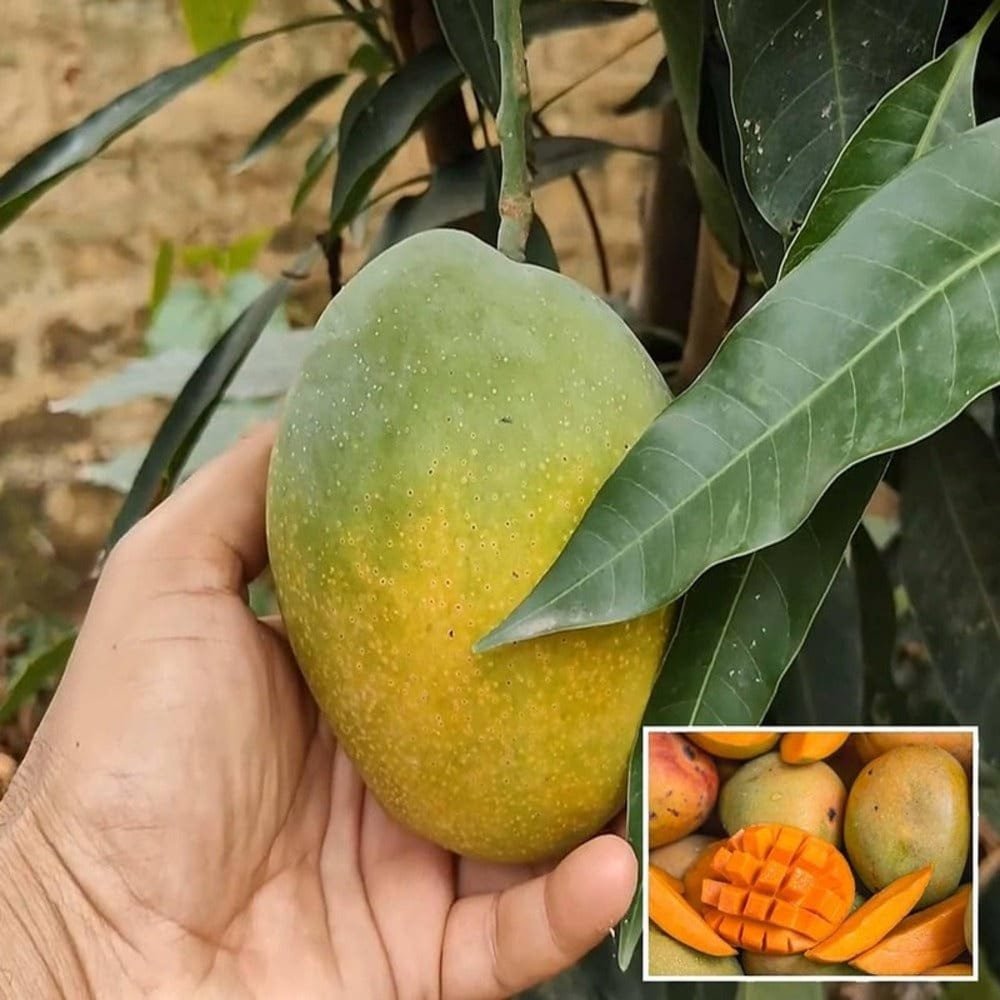
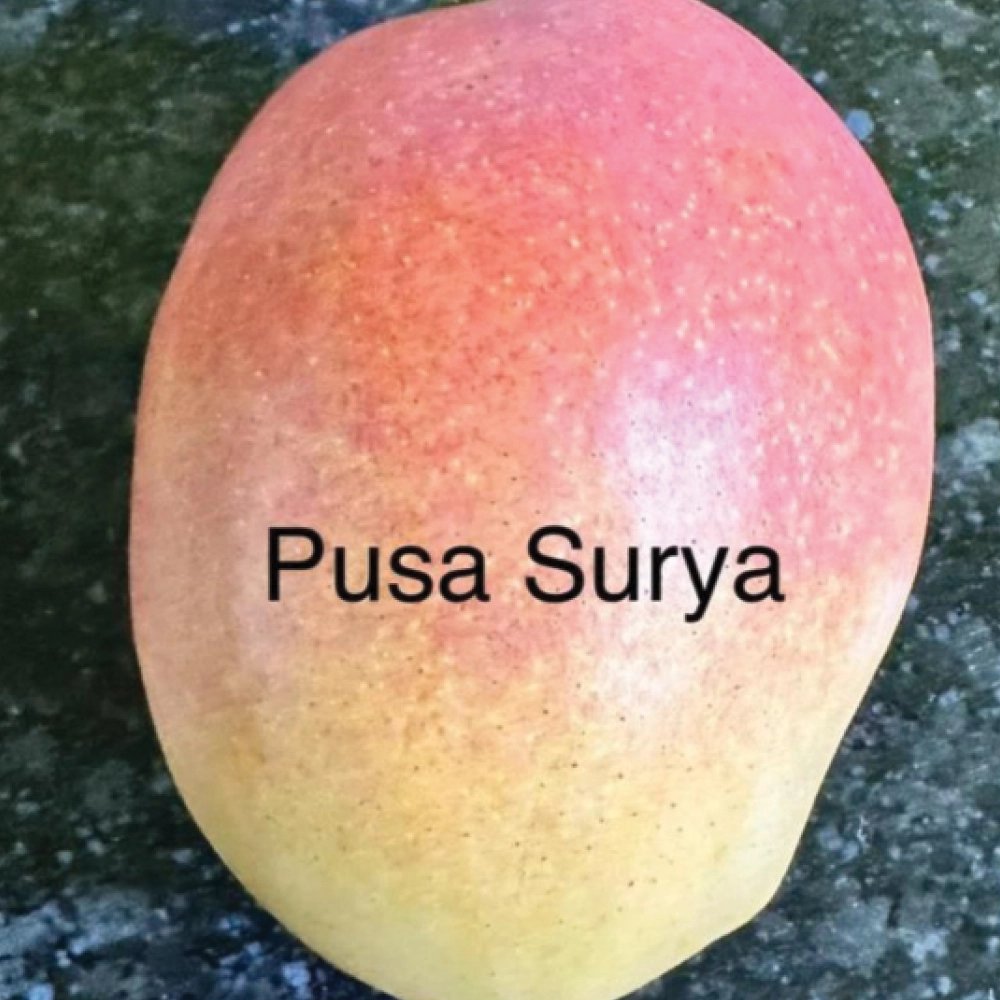
Pusa Surya Mango Plant (Pack of 1)
Original price was: ₹1,199.00.₹550.00Current price is: ₹550.00.The Pusa Surya Mango Plant is a premium hybrid variety developed by IARI, known for its vibrant reddish-yellow fruits, fiberless sweet pulp, and excellent aroma. This high-yielding, early-fruiting plant is resistant to common mango diseases and thrives perfectly in Indian tropical climates. Ideal for home gardens and farms, it produces juicy, flavorful mangoes rich in vitamin A, C, and antioxidants. The Pusa Surya Mango combines beauty, taste, and productivity, making it a standout choice for every mango lover.
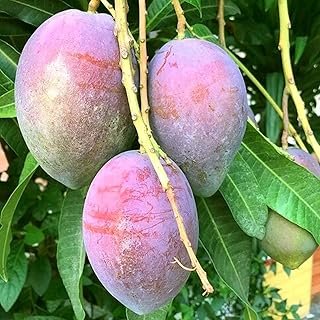
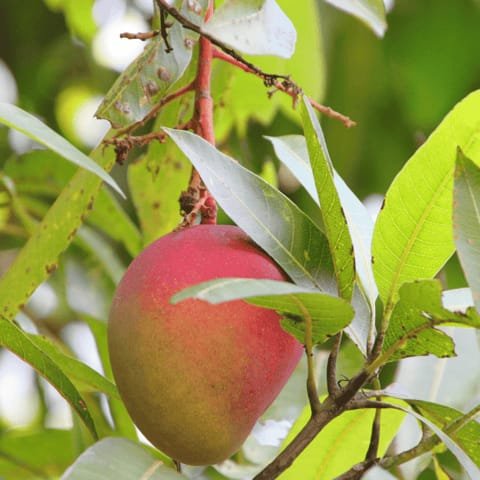
Pusa Arunima Mango Fruit plant (Pack of 1)
Original price was: ₹999.00.₹500.00Current price is: ₹500.00.The Pusa Arunima mango is a hybrid variety known for its attractive, elongated, and bright red-skinned fruit with orange pulp. It is a semi-vigorous plant, suitable for closer planting, and is a regular bearer, typically starting to fruit after 4 years. The fruit ripens late, usually in the first week of August, and is known for its sweetness and delicious flavor.
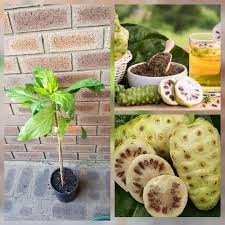
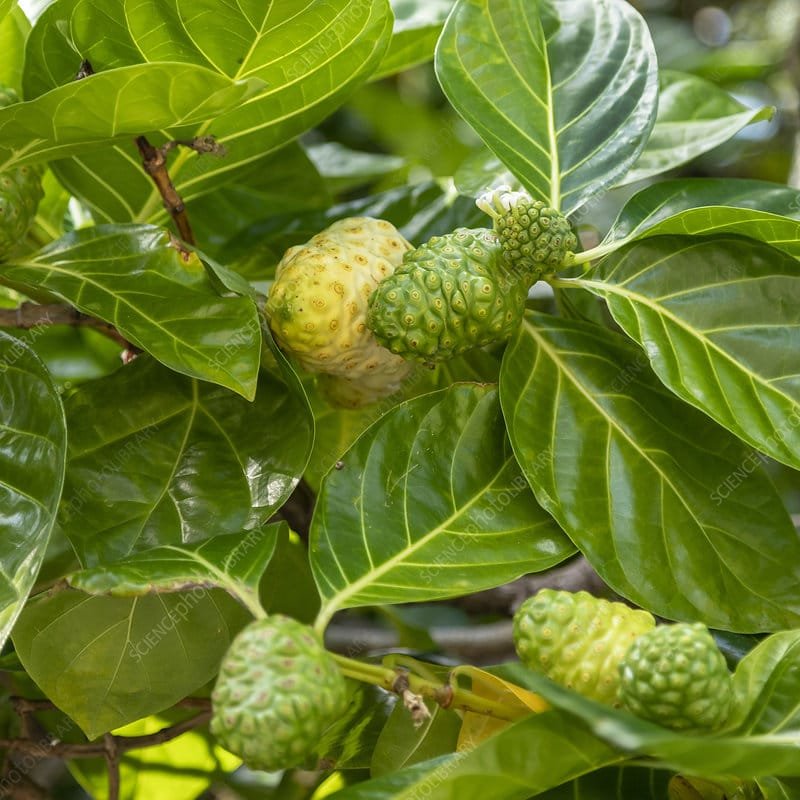
Noni fruit plant
Original price was: ₹999.00.₹450.00Current price is: ₹450.00.The Noni plant, scientifically known as Morinda citrifolia, is a tropical evergreen shrub or small tree that can grow up to 9 meters tall. It’s characterized by large, dark green, shiny, and deeply veined leaves. The plant produces fruits throughout the year, which are initially green, then turn yellow and eventually white as they ripen, emitting a pungent odor. The fruit is a multiple fruit, and its distinctive smell is why it’s sometimes called “cheese fruit”.


Almond plant
Original price was: ₹999.00.₹400.00Current price is: ₹400.00.The “almond plant” can refer to two different, though related, trees: the Indian almond (Terminalia catappa) and the almond tree (Prunus dulcis). The Indian almond is a large, deciduous tropical tree known for its broad, glossy leaves that turn vibrant colors before falling, and its edible seeds, also called almonds. The almond tree, native to the Middle East and Mediterranean, is cultivated for its edible nuts (also called almonds) and has a distinct appearance with a spreading canopy and a sturdy trunk.
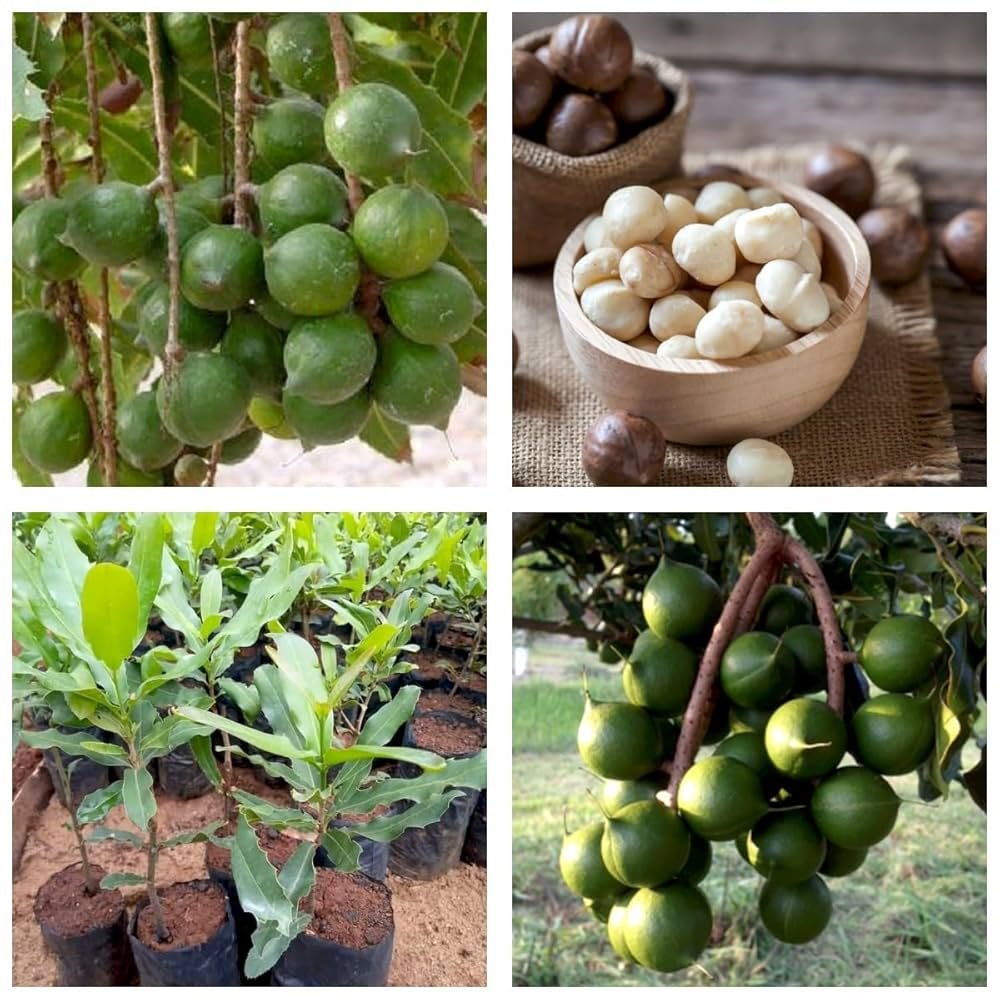
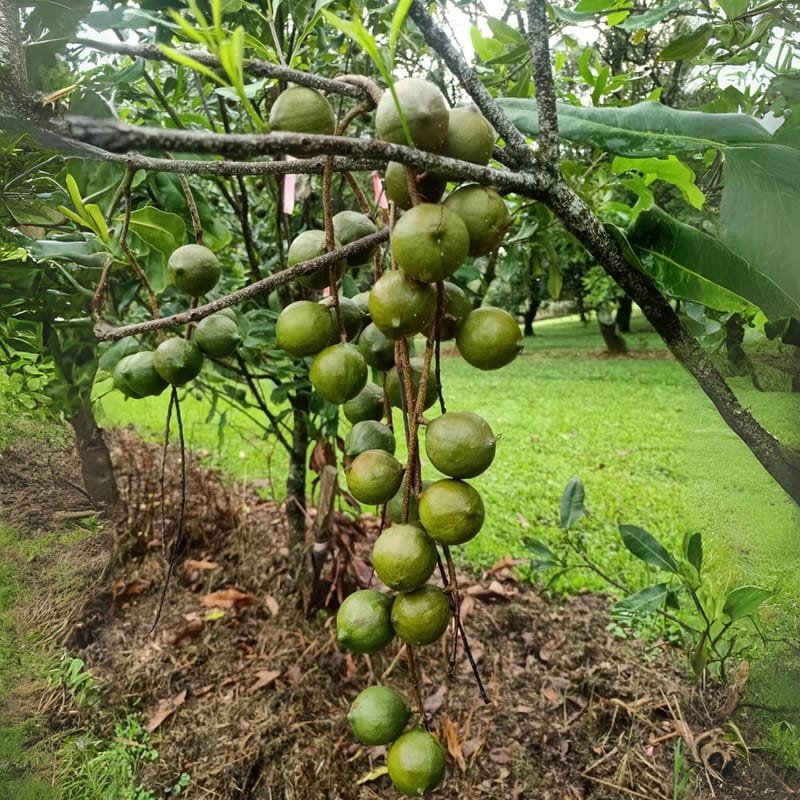
Macdomia nuts plant
Original price was: ₹1,599.00.₹999.00Current price is: ₹999.00.Physical descriptionMacadamia trees commonly grow to 18 metres (60 feet) high and 15 metres (49 feet) wide. They have shiny leathery leaves that are 20–30 cm (8–12 inches) long. Fragrant pink or white flowers are borne in clusters and are succeeded by bunches of up to 20 fruits.
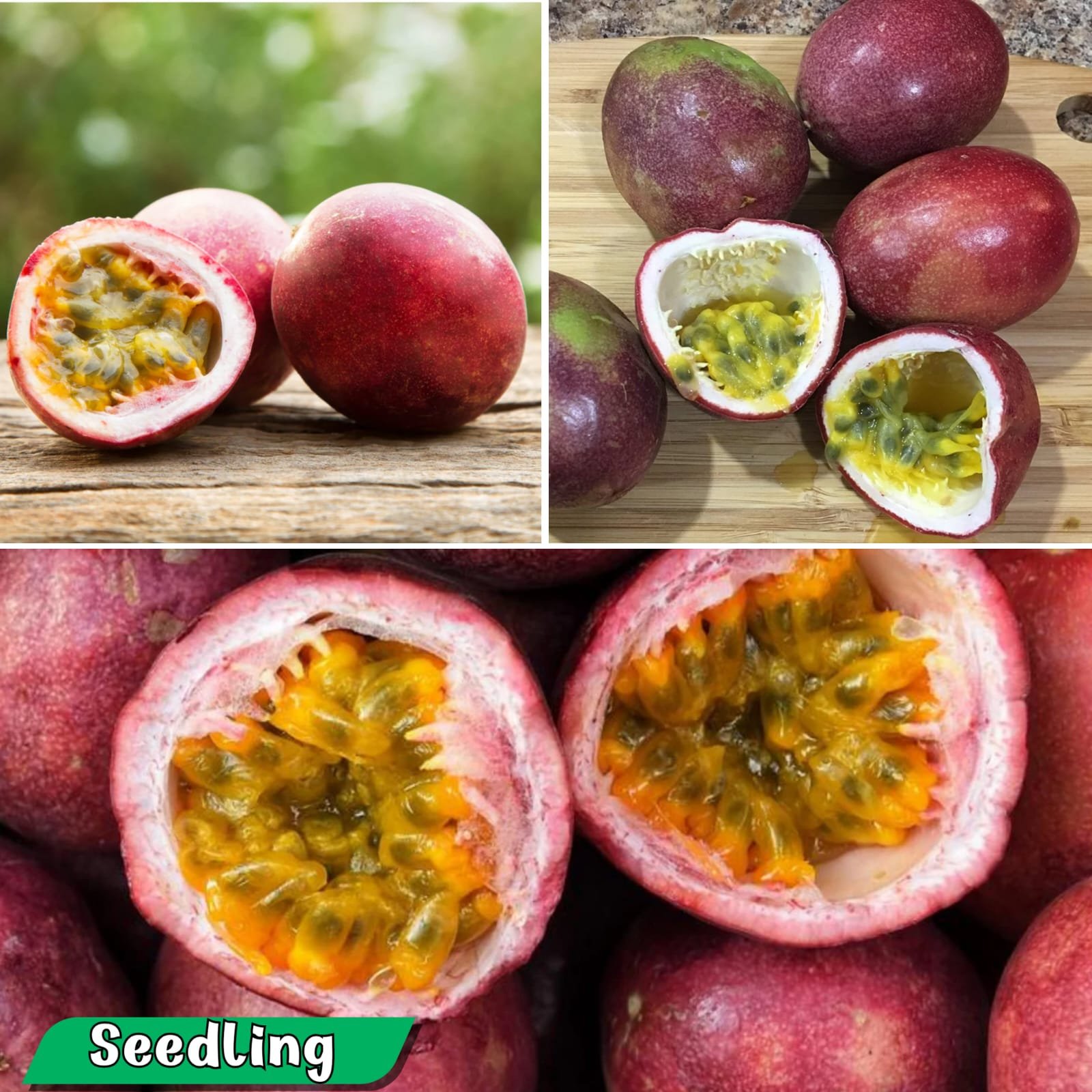
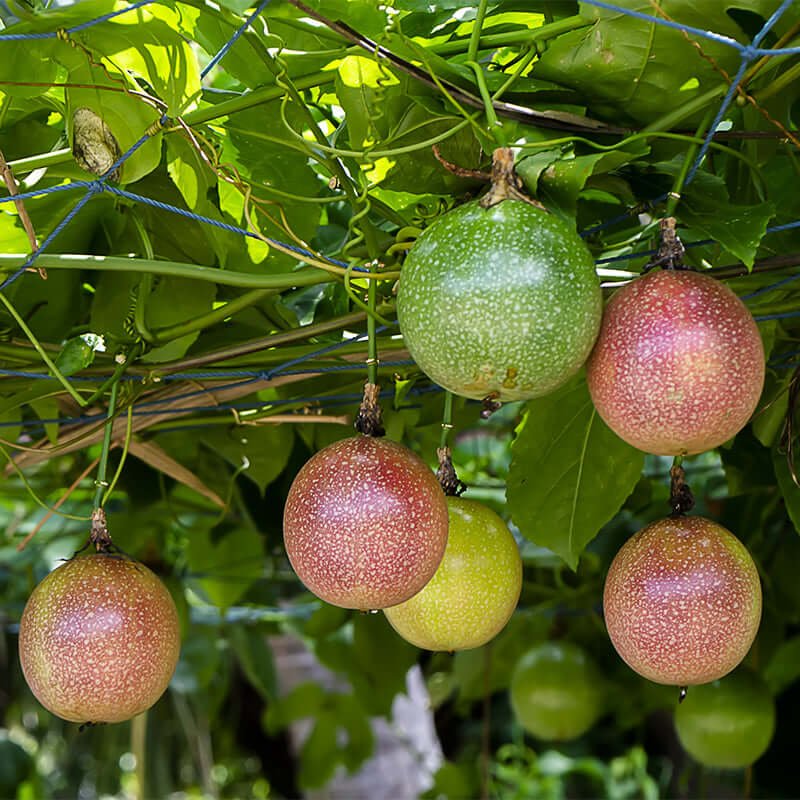
Passion fruit plant
Original price was: ₹799.00.₹450.00Current price is: ₹450.00.Most Passifloras are vines which can climb to 20 or 30 feet. The fruit varies in color from purple to yellow-orange and in shape from an egg to a tennis ball. Inside its quarter-inch protective rind are numerous small seeds covered by a juicy aromatic, sweet-acidic pulp.


Apricot fruit plant
Original price was: ₹999.00.₹550.00Current price is: ₹550.00.Apricot, Prunus armeniaca is a deciduous tree in the family Rosaceae grown for its edible fruit. The apricot tree has an erect growth habit and a spreading canopy. The leaves of the tree are ovate with a rounded base, pointed tip and serrated margin.
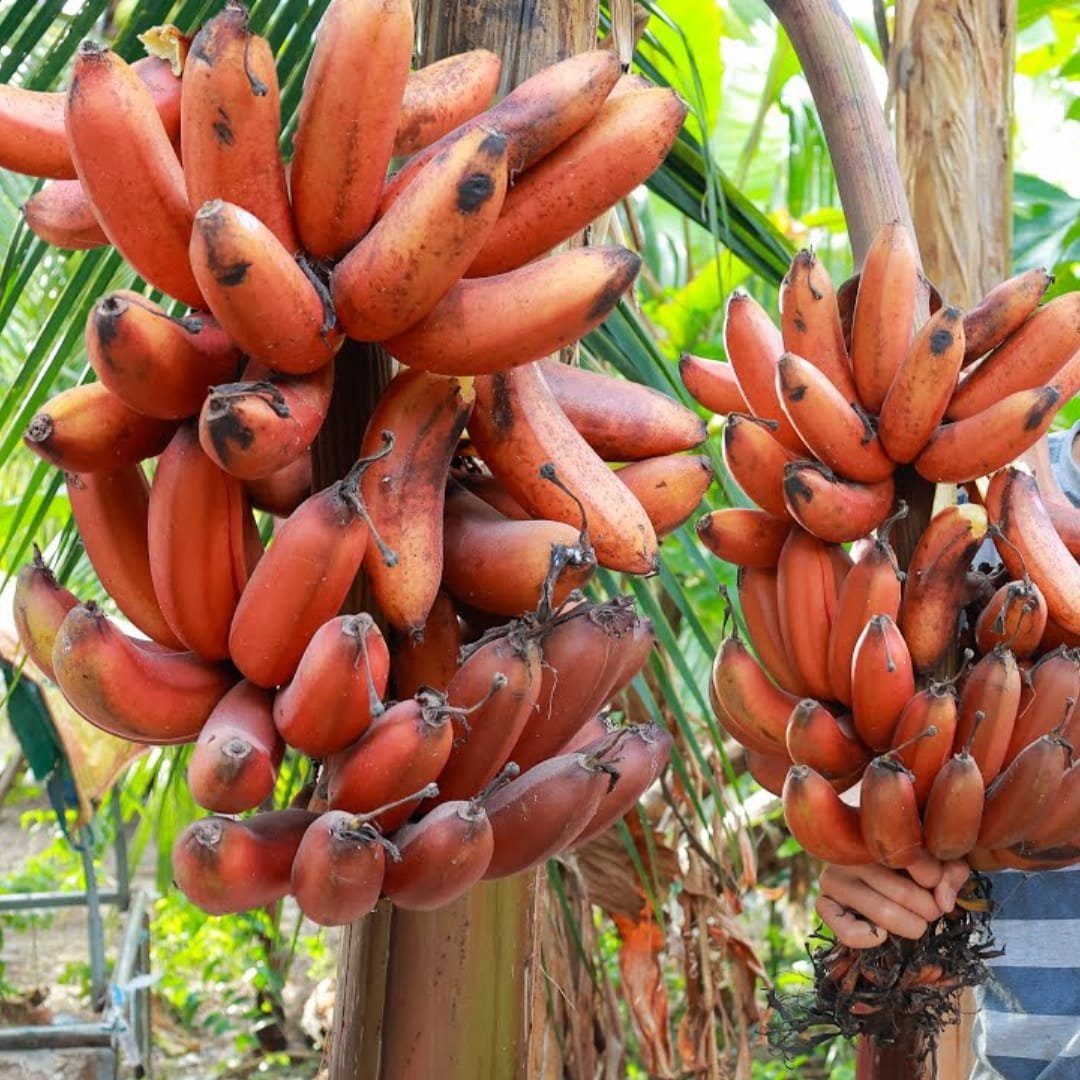
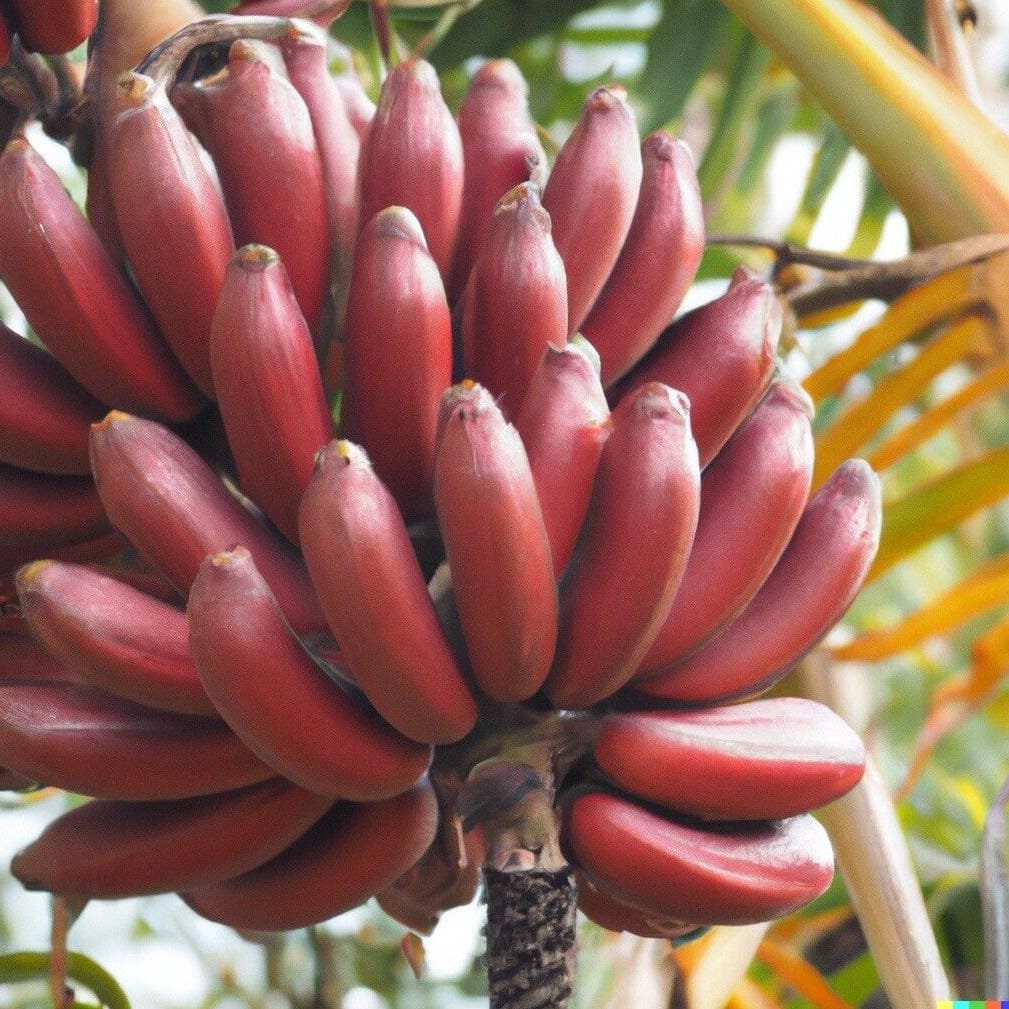
Red banana plant
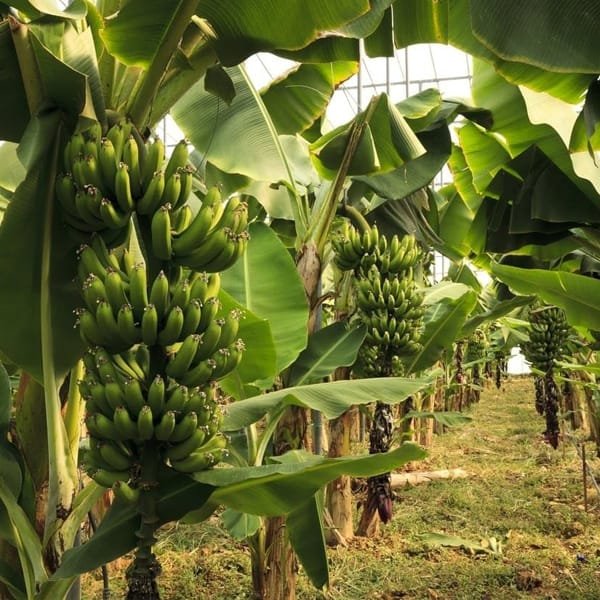
Original price was: ₹799.00.₹250.00Current price is: ₹250.00.The red banana plant, scientifically known as Musa acuminata ‘Red Dacca’, is a captivating tropical plant renowned for its striking reddish-purple fruit and lush green foliage. Originating from Southeast Asia, it is now cultivated globally, including India, the US, New Zealand, Australia, and the Pacific Islands.
G9 Banana plant
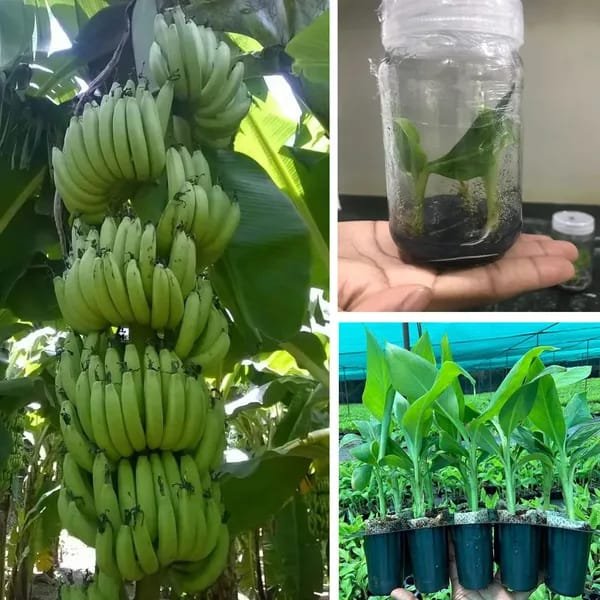
Original price was: ₹499.00.₹220.00Current price is: ₹220.00.The G9 banana plant, also known as Grand Naine, is a high-yielding Cavendish variety, recognized for its large, sweet, and creamy yellow fruits. It typically reaches a height of 6.5 to 7.5 feet. The G9 is well-suited to Indian climates and can be grown in gardens or pots. It’s known for its export quality, with 16 hands and 225-250 fruits per plant.