

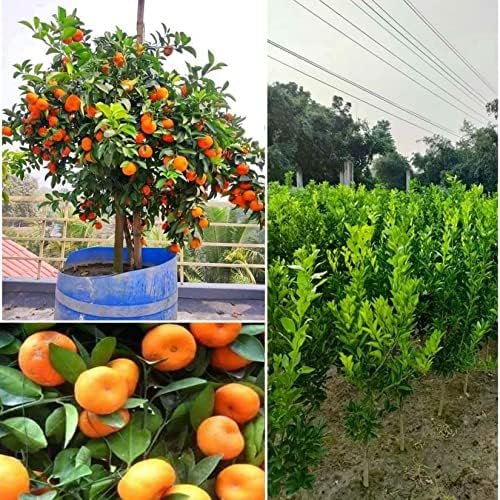
Chinese ramrongon orange
Original price was: ₹1,299.00.₹400.00Current price is: ₹400.00.- Grafting: Grafted Ram Rangan trees are favored for their faster fruit production and consistent quality compared to seed-grown varieties.
- Flavor and Taste: The fruits are known for their sweet, tangy, and juicy flavor.
- Growing Conditions: They thrive in well-watered soil with full sun exposure.
- Appearance: The plant boasts vibrant green foliage and can produce a good amount of fruit.
- Uses: Ram Rangan oranges can be enjoyed fresh, used in various recipes, or even made into juice.
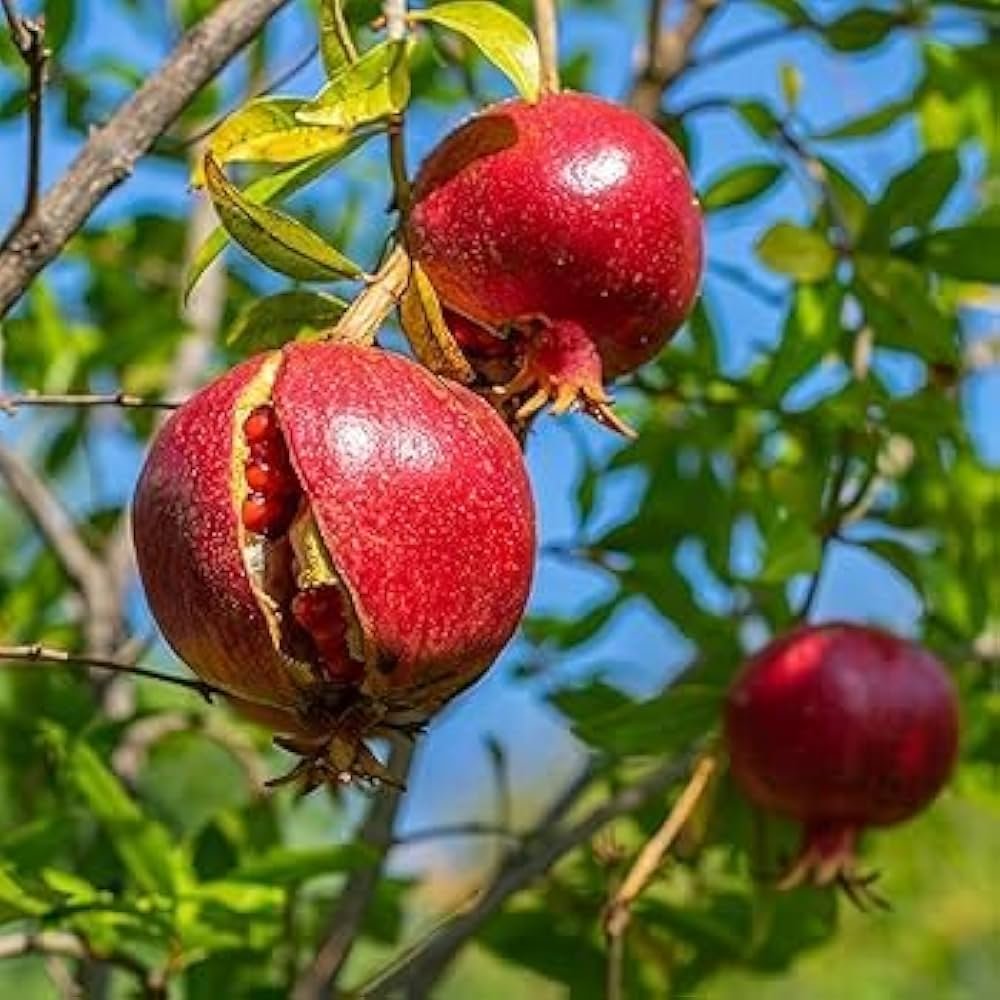
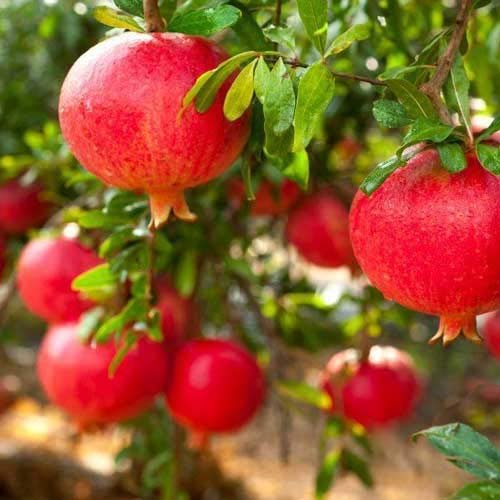
Super bhagwa pomegrate plant
Original price was: ₹999.00.₹400.00Current price is: ₹400.00.- The plant can be grafted or micropropagated.
- Super Bhagwa is a popular choice among pomegranate enthusiasts.
- It is well-suited for the topography and agro-climate of arid and semi-arid regions.
- The plants are supplied as ready-to-plant polybag plants or primary hardened rooted plants.
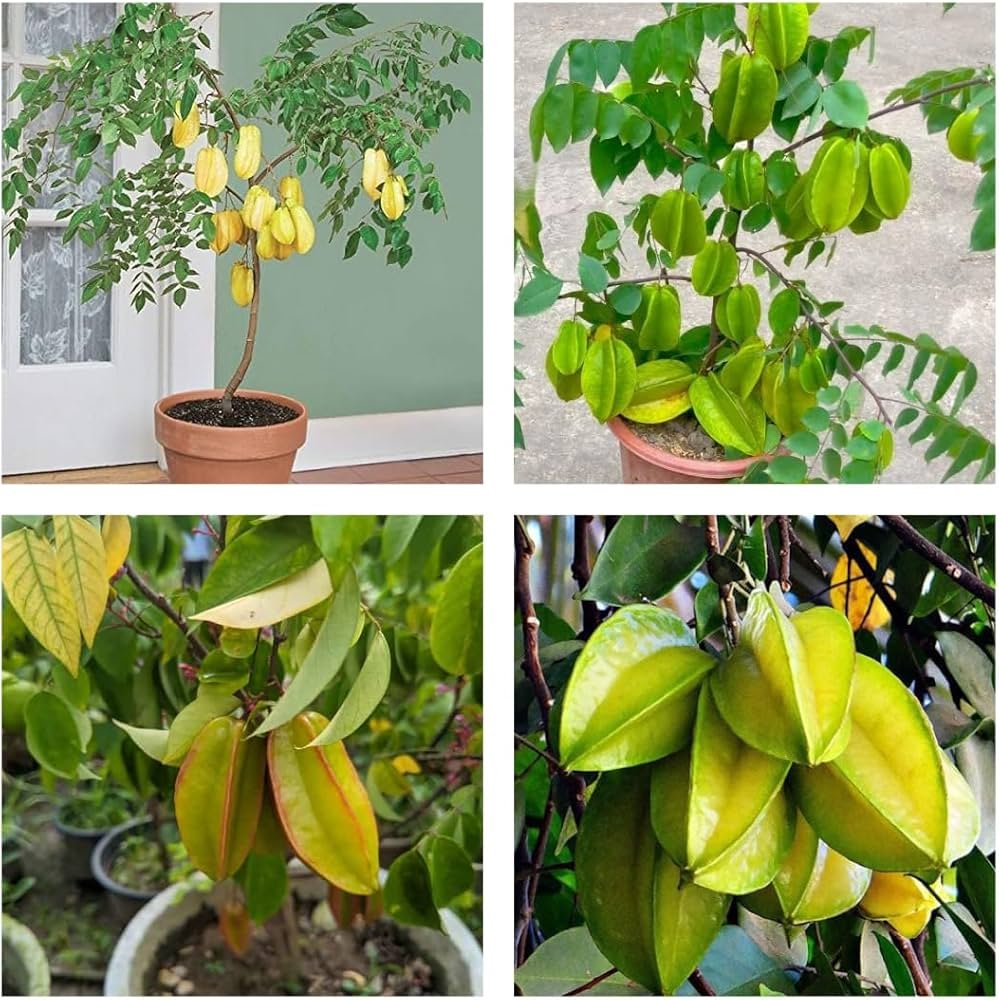

Sweet all time star fruit
Original price was: ₹799.00.₹400.00Current price is: ₹400.00.-
Appearance:Sweet star fruit has a waxy, smooth skin that can be light green to yellow. The flesh is a translucent yellow or light yellow. When sliced, it reveals its signature star-shaped cross-section.
-
Taste and Texture:The sweet star fruit is known for its mild, sweet taste. It’s also juicy and crisp.
-
Nutritional Value:Star fruit is rich in Vitamin C, potassium, and antioxidants. It’s also low in calories and sodium.
-
Culinary Uses:Sweet star fruit can be eaten fresh, used in salads, desserts, or beverages. It can also be cooked into jams, chutneys, or stir-fries.
-
Plant Details:The sweet star fruit tree thrives in tropical climates and can grow up to 15 feet tall. It produces clusters of small, lilac-colored flowers that give way to the star-shaped fruit.
-
Growing Conditions:Sweet star fruit plants prefer well-draining, slightly acidic to neutral soil.
-
Potential Benefits:Some studies suggest that star fruit may have beneficial effects on digestion, immunity, and inflammation.
-
Important Note:People with kidney disease should avoid eating star fruit, as it can be harmful due to the presence of certain toxins.
Kari patta plant
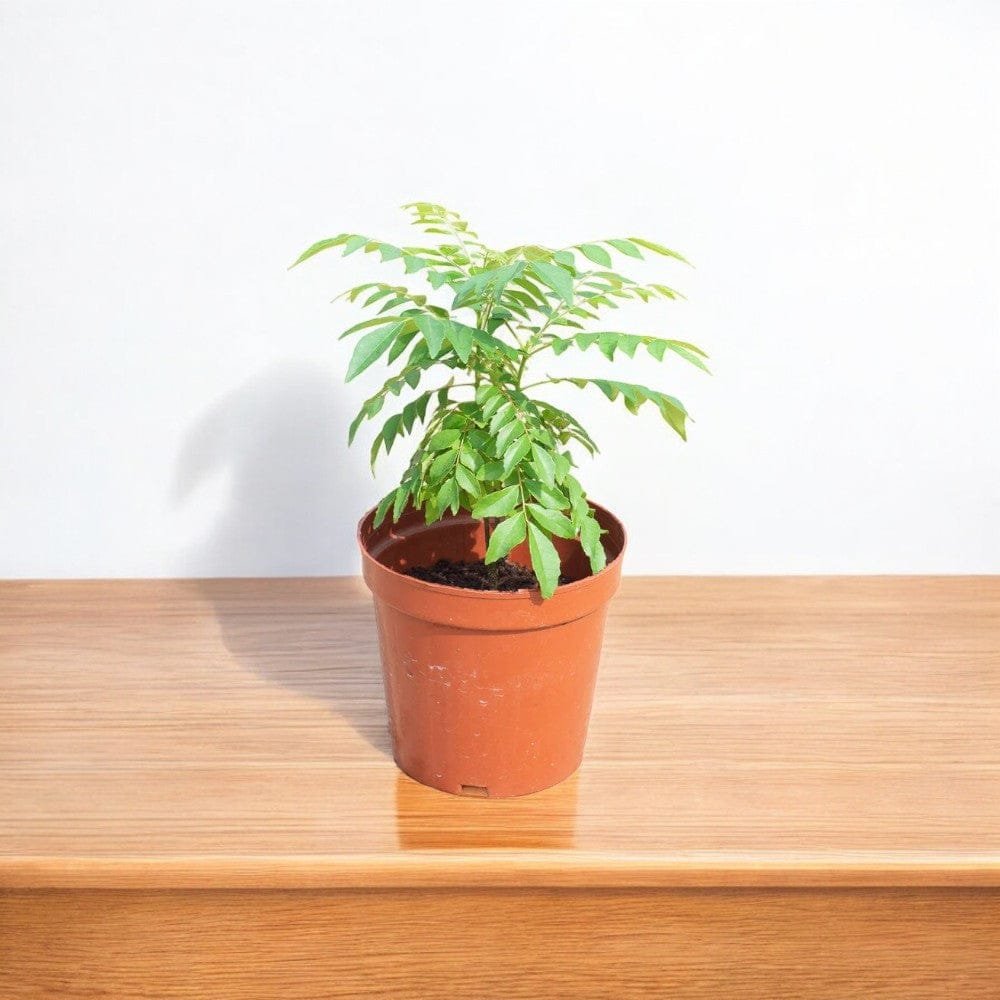
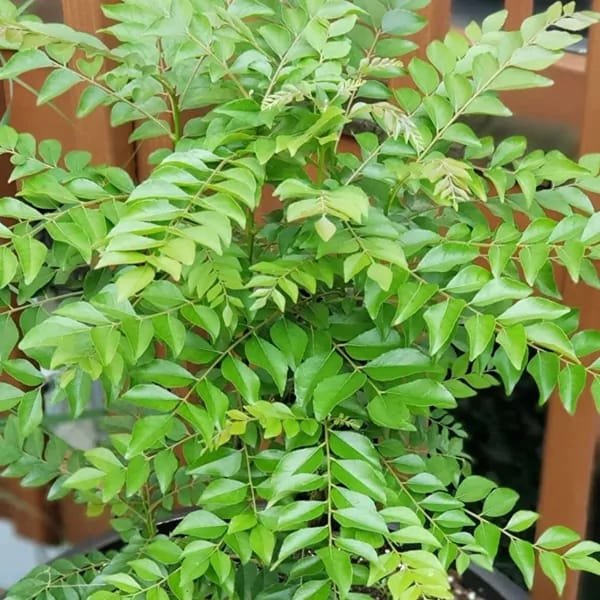
Original price was: ₹799.00.₹400.00Current price is: ₹400.00.The Kari Patta plant, also known as Curry Leaf plant or Murraya koenigii, is a small, aromatic tree or shrub native to India and Sri Lanka. It is widely cultivated for its fragrant, pinnate leaves, which are a staple in Indian and Southeast Asian cuisine. These leaves are characterized by their shiny, dark green leaflets and are known for their distinct, pungent aroma when bruised or fried.
Olive plant
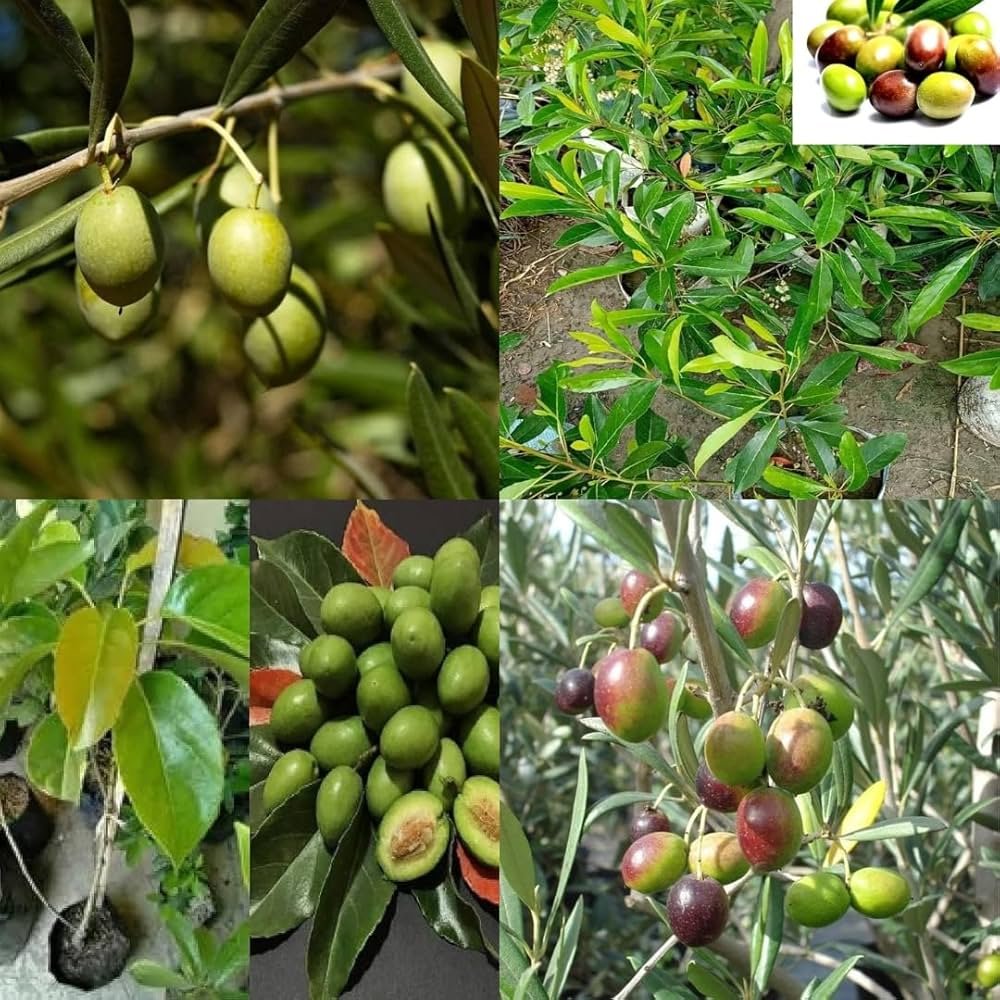
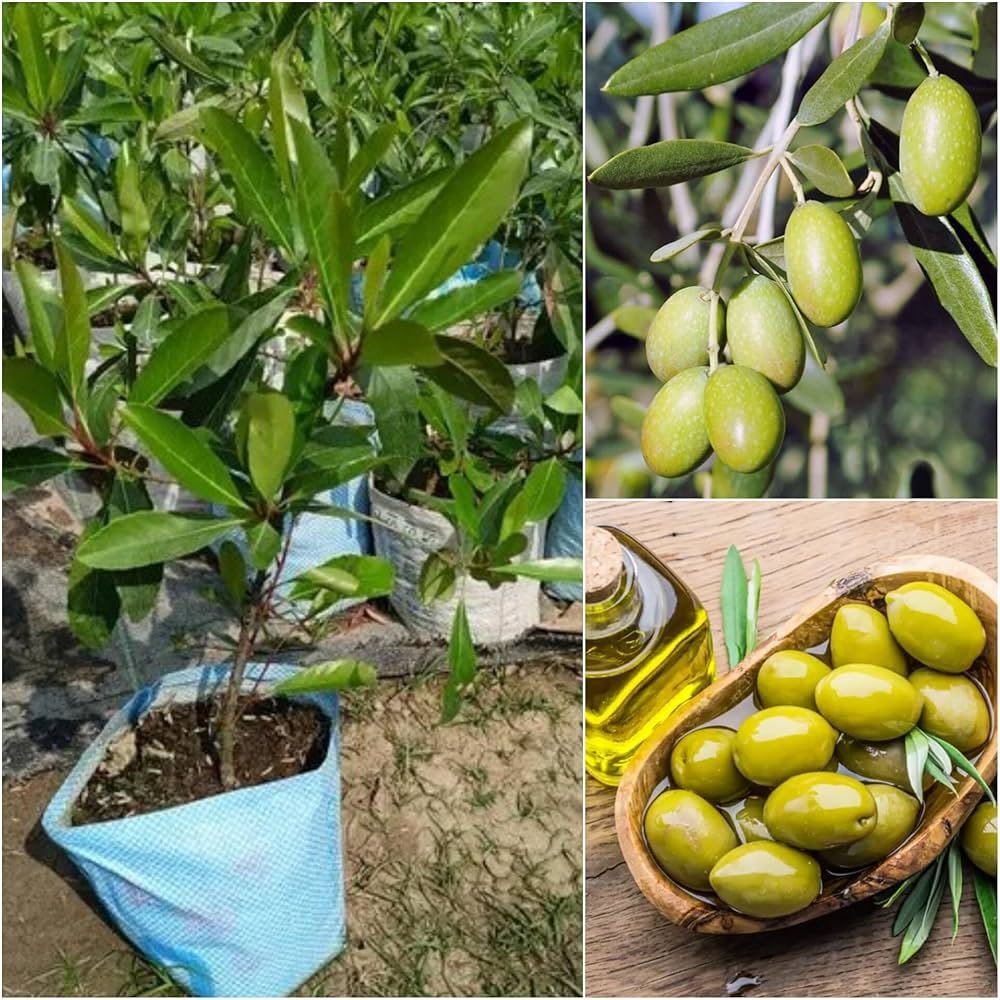
Original price was: ₹799.00.₹400.00Current price is: ₹400.00.The olive plant, scientifically known as Olea europaea, is a small, evergreen tree or shrub cultivated for its edible fruits (olives) and oil. It’s characterized by a gnarled trunk, silvery-gray bark, and narrow, leathery leaves with a distinctive silvery underside. Olive trees are known for their resilience and longevity, with some individuals living for centuries.


Almond plant
Original price was: ₹999.00.₹400.00Current price is: ₹400.00.The “almond plant” can refer to two different, though related, trees: the Indian almond (Terminalia catappa) and the almond tree (Prunus dulcis). The Indian almond is a large, deciduous tropical tree known for its broad, glossy leaves that turn vibrant colors before falling, and its edible seeds, also called almonds. The almond tree, native to the Middle East and Mediterranean, is cultivated for its edible nuts (also called almonds) and has a distinct appearance with a spreading canopy and a sturdy trunk.
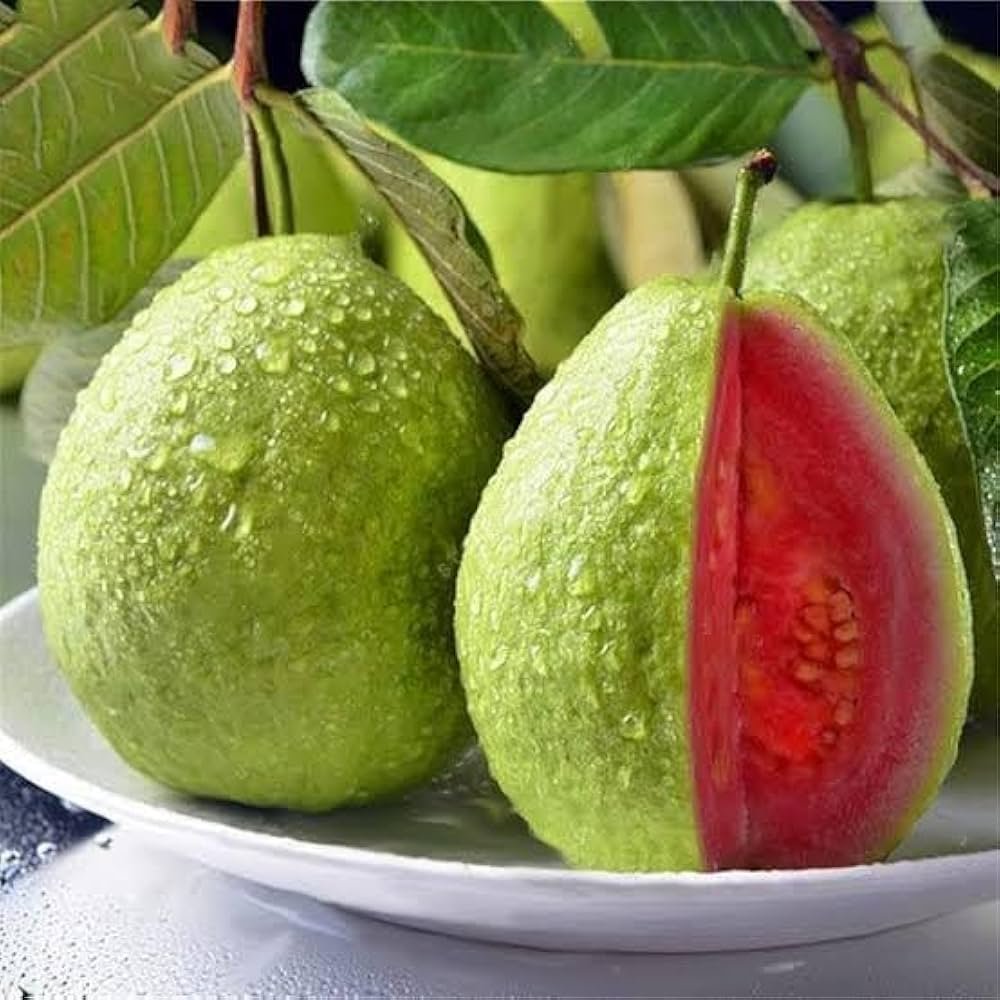
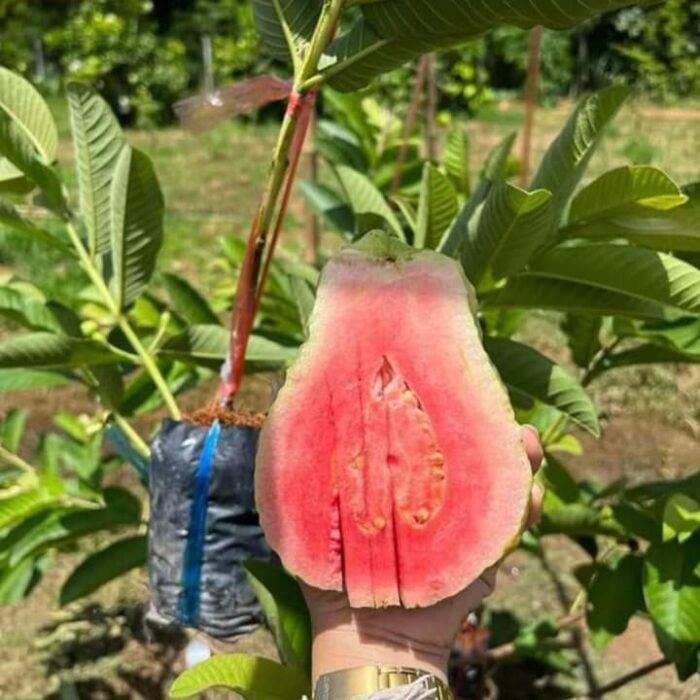
Red Diamond Guava Plant (Pack of 1)
Original price was: ₹799.00.₹400.00Current price is: ₹400.00.Hand-selected guava fruit seeds ensure robust growth and high yield. Tropical Flavor: Enjoy the authentic taste of guava, perfect for juices, jams, and fresh eating. Easy to Grow: Suitable for both experienced gardeners and beginners, with straightforward cultivation requirements. Nutrient-Rich: Packed with vitamins, fiber, and antioxidants for a healthy addition to your diet.
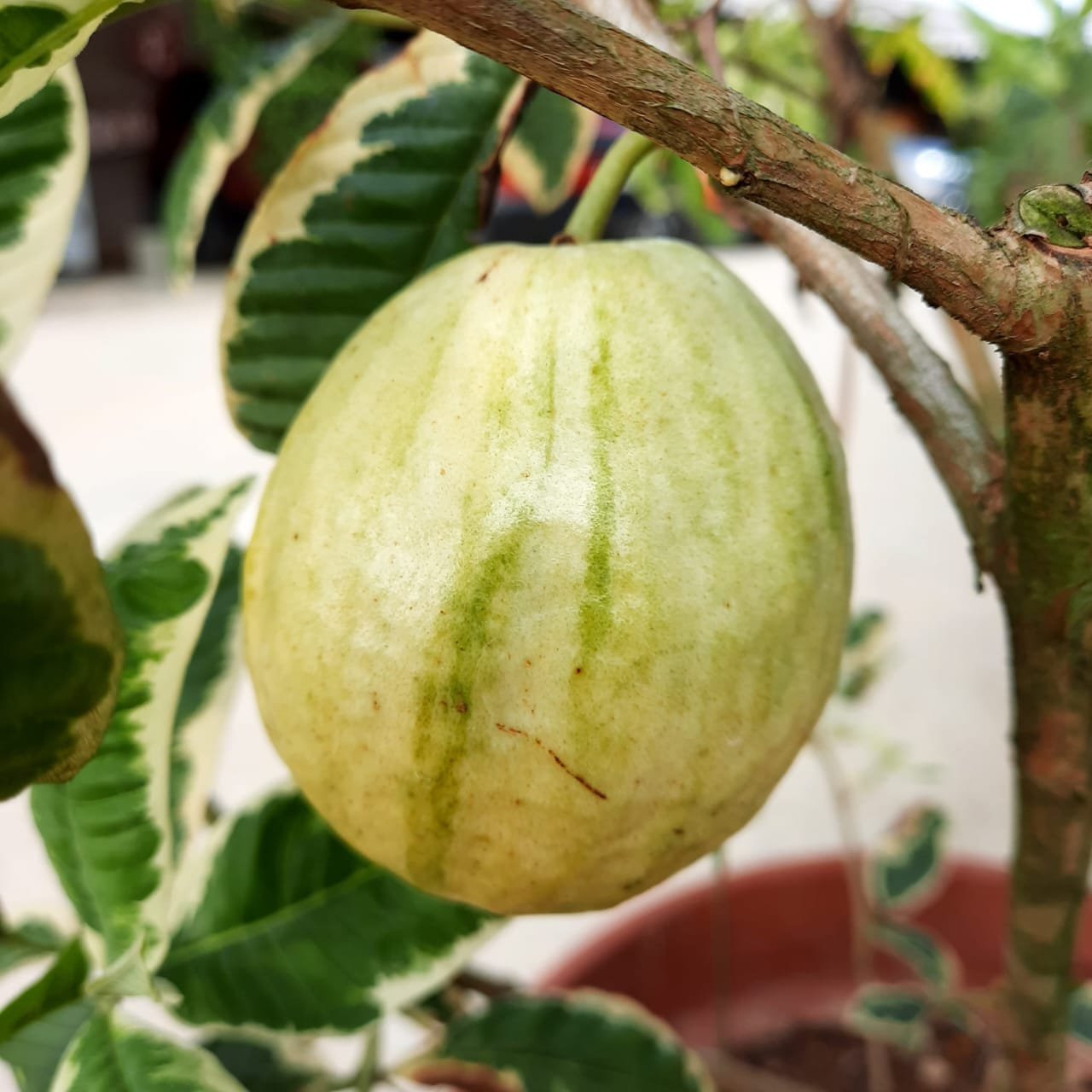
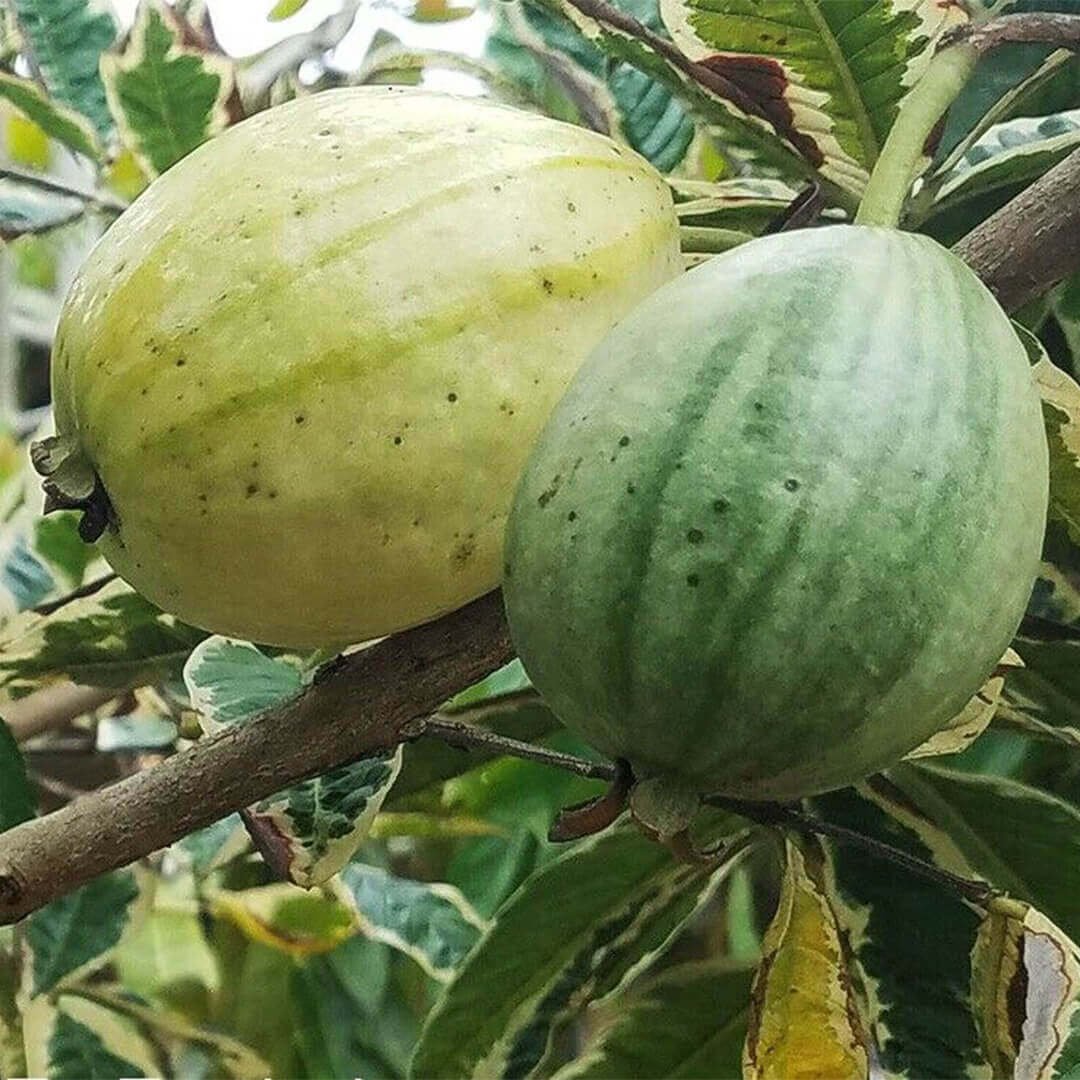
Variegated Guava Plant (Pack of 1)
Original price was: ₹799.00.₹400.00Current price is: ₹400.00.-
Flesh:
Creamy white or pale pink, with a soft, juicy, and sometimes smooth texture.
-
Taste:
A balance of sweetness and tanginess, often described as aromatic with notes of papaya, pear, or strawberry mixed with a classic guava flavor.
-
Seeds:
Contains small, edible seeds, with some varieties having fewer or easier-to-separate seeds.
Red Strawberry Guava Plant (Pack of 1)
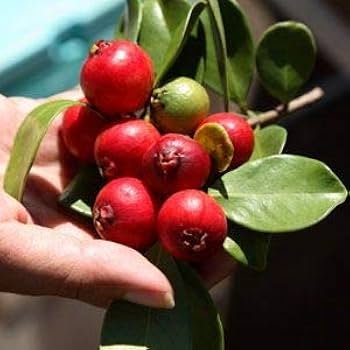
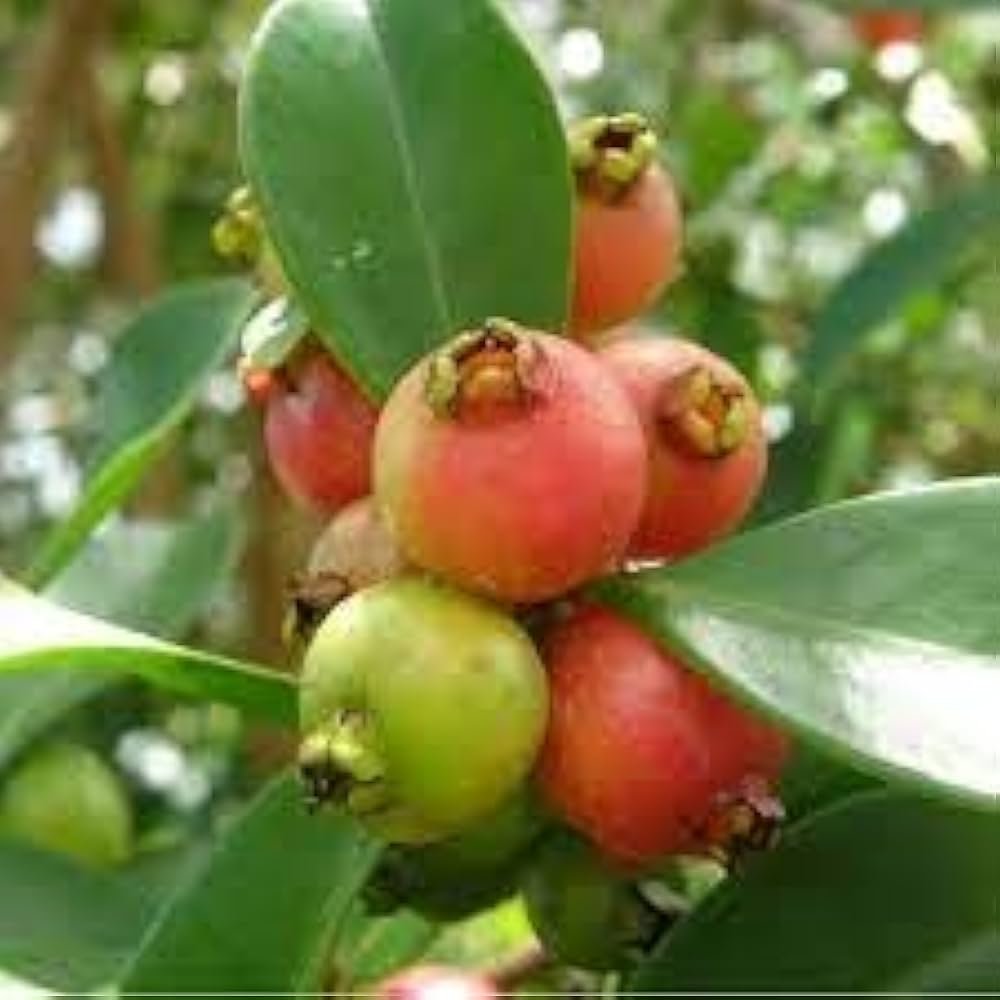
Original price was: ₹999.00.₹400.00Current price is: ₹400.00.The Red Strawberry Guava Plant (Psidium cattleianum) is a beautiful tropical fruit plant that produces small, round, deep red fruits with a unique sweet strawberry-like flavor and guava aroma. Native to South America, it’s rich in vitamin C, antioxidants, and fiber, promoting health and immunity. This evergreen, easy-to-grow plant thrives in warm climates and makes an excellent choice for home gardens, pots, or farms. Its glossy leaves, fragrant white flowers, and delicious fruits make it both ornamental and productive, offering a perfect blend of beauty, taste, and nutrition.