

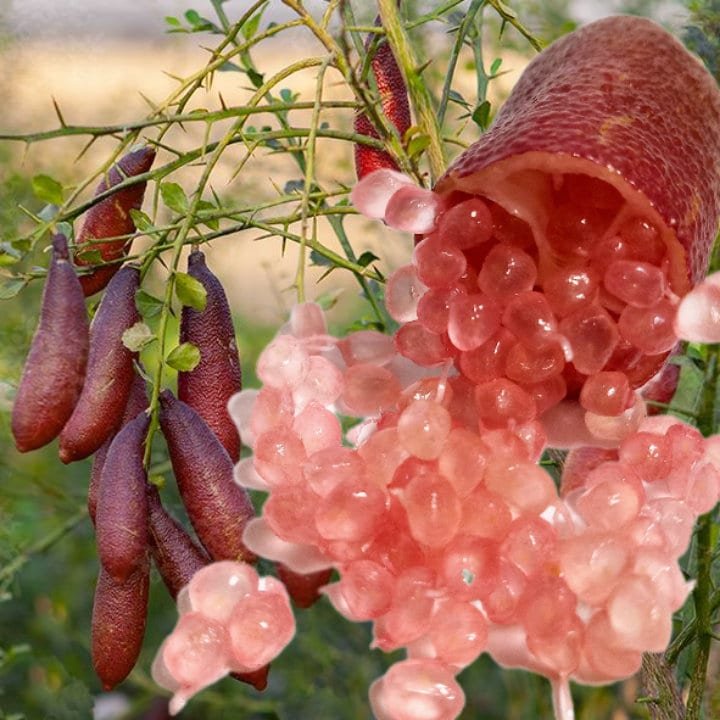
Australian Red Finger Lemon Plant (Pack of 1)
Original price was: ₹999.00.₹500.00Current price is: ₹500.00.The Australian Red Finger Lemon Plant is a rare and exotic citrus variety known for its finger-shaped fruits filled with vibrant red, pearl-like juice vesicles called citrus caviar. Native to Australia, it offers a tangy, lemon-lime flavor perfect for gourmet dishes, desserts, and drinks. Rich in vitamin C and antioxidants, this plant is both nutritious and ornamental, thriving well in Indian climates. Compact and easy to grow, the Australian Red Finger Lemon adds a touch of luxury, beauty, and flavor to any home garden.
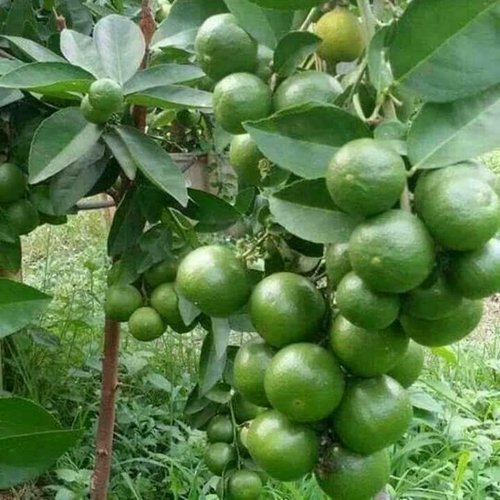
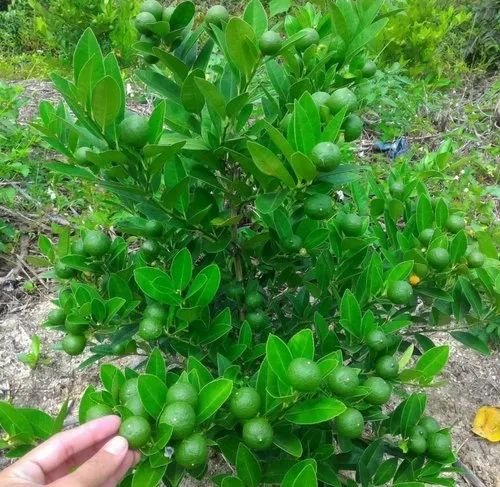
Pakistani pati lemon plant (Pack of 1)
Original price was: ₹999.00.₹500.00Current price is: ₹500.00.ThePakistani pati lemon plant ,also known as the Pati lemon, is a vigorous, compact evergreen tree that yields medium-sized, round, bright yellow lemons with smooth skin. It’s known for high fruit yield, producing bunches of juicy, often seedless, fruits multiple times a year.
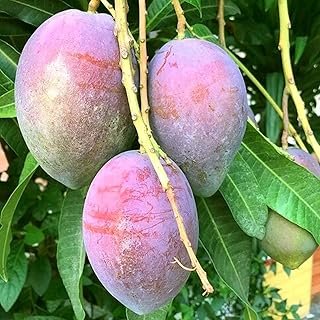
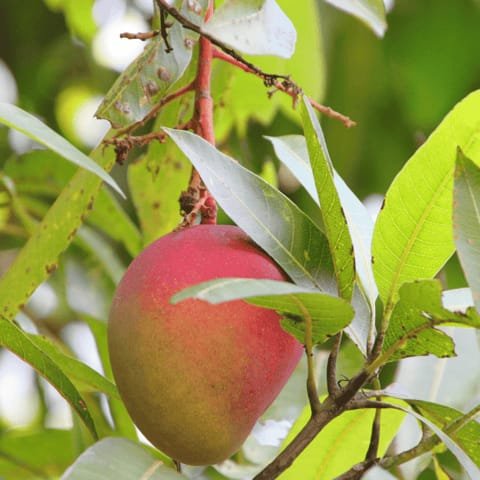
Pusa Arunima Mango Fruit plant (Pack of 1)
Original price was: ₹999.00.₹500.00Current price is: ₹500.00.The Pusa Arunima mango is a hybrid variety known for its attractive, elongated, and bright red-skinned fruit with orange pulp. It is a semi-vigorous plant, suitable for closer planting, and is a regular bearer, typically starting to fruit after 4 years. The fruit ripens late, usually in the first week of August, and is known for its sweetness and delicious flavor.


Sweet Imli plant
Original price was: ₹999.00.₹500.00Current price is: ₹500.00.-
-
Taste:
The fruit is sweeter and less sour than regular tamarind, making it a popular snack or ingredient in dishes.
-
Uses:
The pulp is used in chutneys, sauces, beverages, and desserts, particularly in Indian and Southeast Asian cuisine.
-
-
Growth:
Sweet tamarind trees typically require full sunlight, well-drained soil, and moderate watering, especially during their early years.
-
Fruiting:
It can take 3-5 years for a sweet tamarind tree to begin bearing fruit.
-
Cultivation:It is grown in tropical and subtropical regions, including India, Southeast Asia, and Africa.

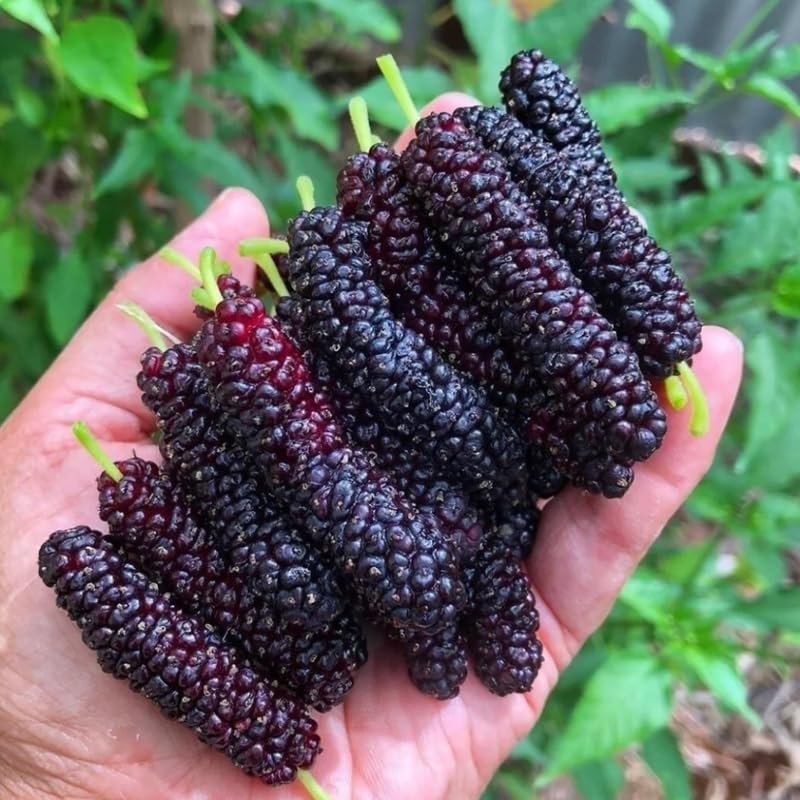
Pakistani Long mulberry plant
Original price was: ₹799.00.₹500.00Current price is: ₹500.00.-
Fruit:
Long mulberries produce elongated, cylindrical berries, typically white, red, or purple in color when ripe. The flavor is sweet and slightly tart, depending on the variety.
-
Plant Characteristics:
They are deciduous trees or large shrubs, reaching heights of 10-20 feet with a similar spread. They have heart-shaped, glossy green leaves, which may have a serrated edge.
-
Flowers:
Long mulberries produce small, inconspicuous, greenish-yellow flowers in catkins, which are clustered, and bloom in late spring to early summer.
-
Growth Habits:They are fast-growing when young, but their growth slows down as they mature, rarely exceeding 10-15 meters in height.
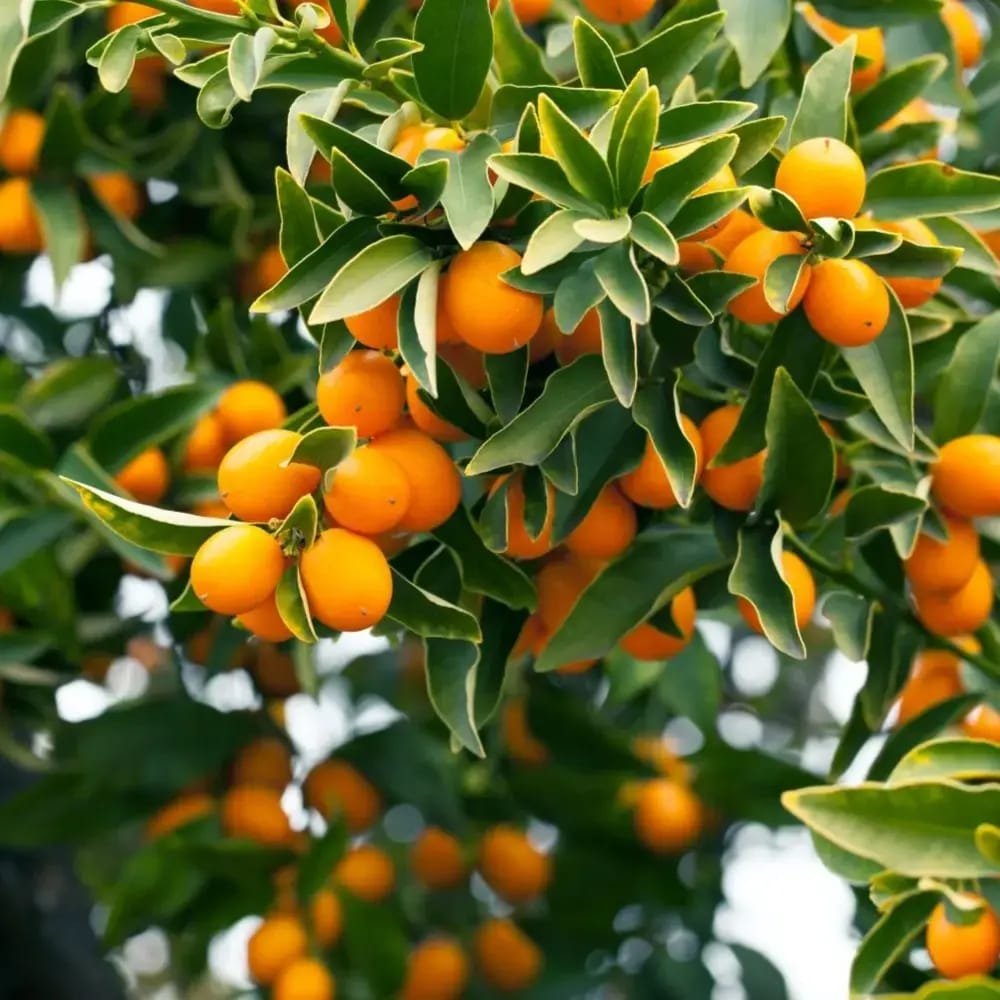
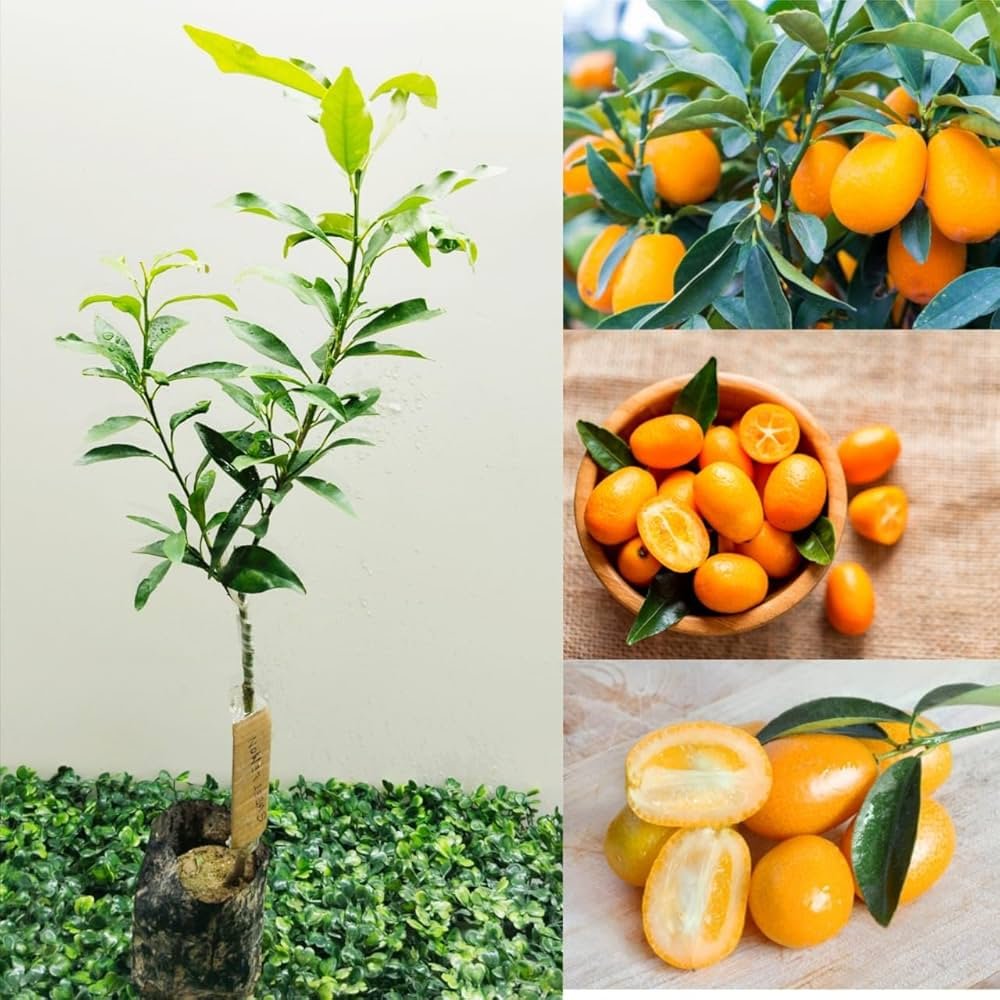
Sweet lemon plant / original grafted plant
Original price was: ₹999.00.₹500.00Current price is: ₹500.00.- Persian Sweet Lemon: Known for its sweet, fragrant, and floral aroma.
- Meyer Lemon: A hybrid variety of lemon with a sweet, fragrant, and thin-skinned fruit.


Kg 10 jamun Plant
Original price was: ₹1,199.00.₹500.00Current price is: ₹500.00.- Large, sweet, and juicy fruits: KG-10 is specifically bred for producing larger and sweeter jamun fruits compared to traditional varieties.
- Deep purple color: The fruits develop a rich, dark purple hue when ripe.
- Thrives in warm climates: This variety is best suited for tropical and subtropical climates.
- Easy care: While KG-10 is generally easy to grow, it does require well-draining soil and regular watering.
- Versatile usage: The fruit can be used in various ways, from fresh consumption to making jams, juices, and preserves.


Bombay lichi Plant
Original price was: ₹999.00.₹500.00Current price is: ₹500.00.- Tree: Vigorous trees that can reach an average height of 6.7 meters and a spread of 7-8 meters.
- Yield: Yields an average of 80-90 kg of fruit per tree.
- Fruit:
- Large, often obliquely heart-shaped.
- Carmine red tubercles on a uranium-green background at maturity.
- Each developed fruit is often attached to a tiny underdeveloped fruit at the stalk.
- Pulp: Greyish-white, soft, and juicy.
- TSS: 17%.
- Seeds: Elongated, smooth, measuring about 2.3 cm in length and 1.6 cm in width, weighing approximately 3.4 g.
- Large, often obliquely heart-shaped.
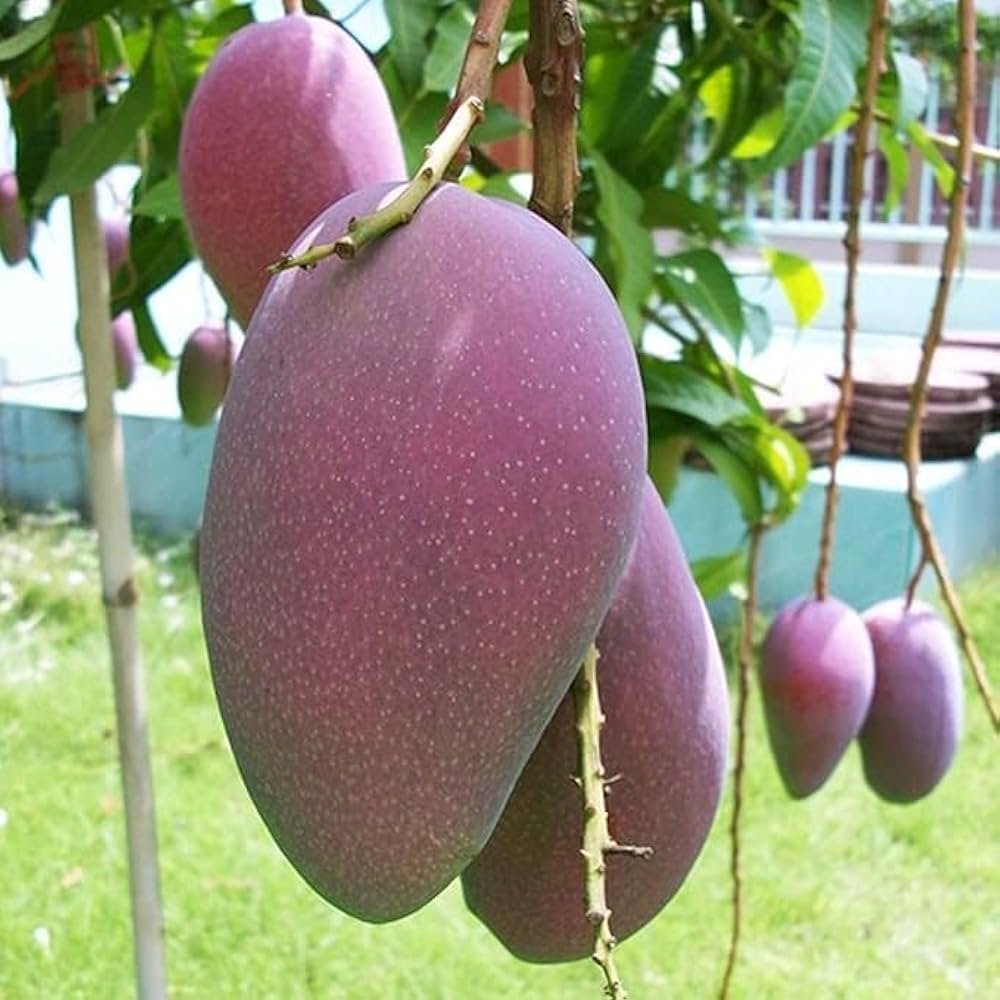

BN 7 Mango Plant
Original price was: ₹1,500.00.₹500.00Current price is: ₹500.00.Characteristics:
-
Appearance:
BN7 mangoes are large, often weighing 1 kg to 1.4 kg. They have a vibrant golden hue and a rich aroma.
-
Taste:
The mangoes are known for their sweetness, creamy texture, and delicious taste.
-
Texture:
The flesh is firm and juicy, with minimal fiber.
-
Yield:
BN7 is a high-yielding variety, making it suitable for home gardens, orchards, and farms.
-
Plant:
BN7 is a grafted plant, which means it matures faster and starts bearing fruit within 2-3 years.
- Plant Height: The plant height, including the pot, is typically 3 feet or more.
- Sunlight: The plant thrives in direct sunlight but can tolerate low indirect light.
- Soil and Climate: BN7 mango plants can adapt to various Indian climates and soil types.