
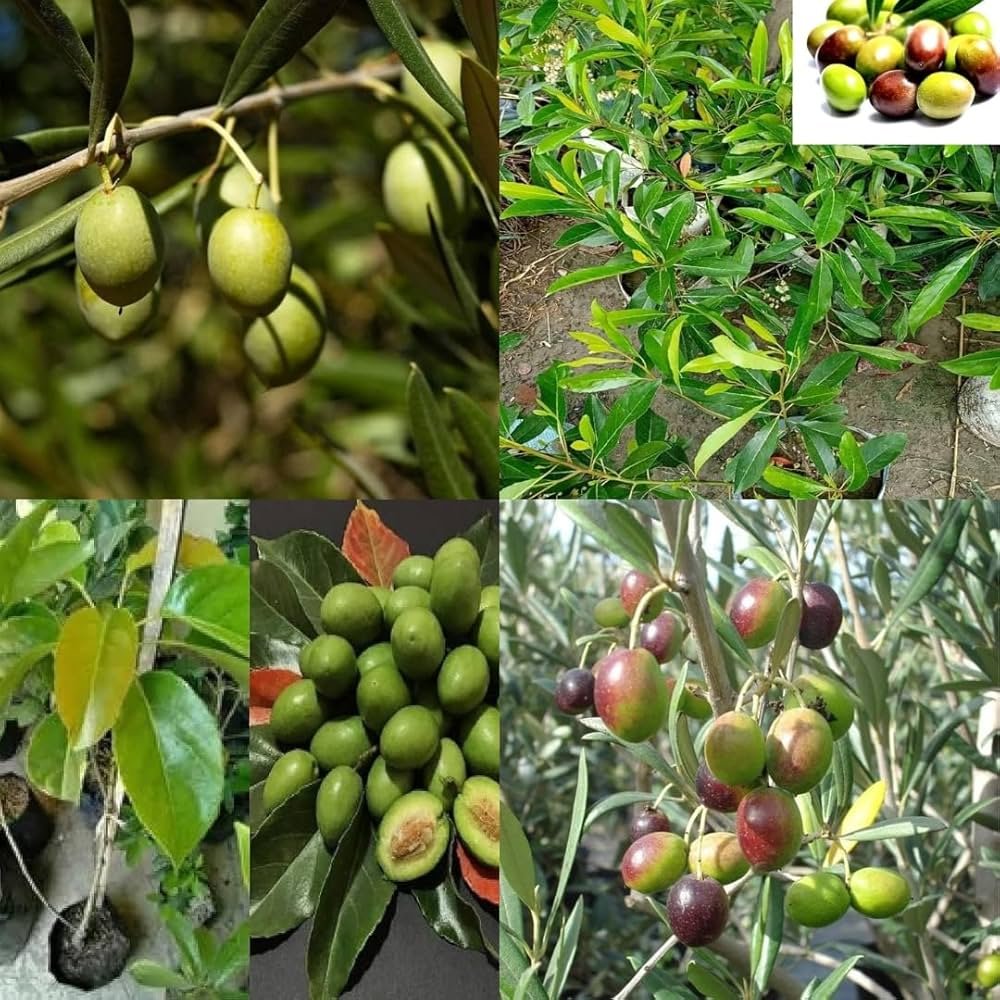
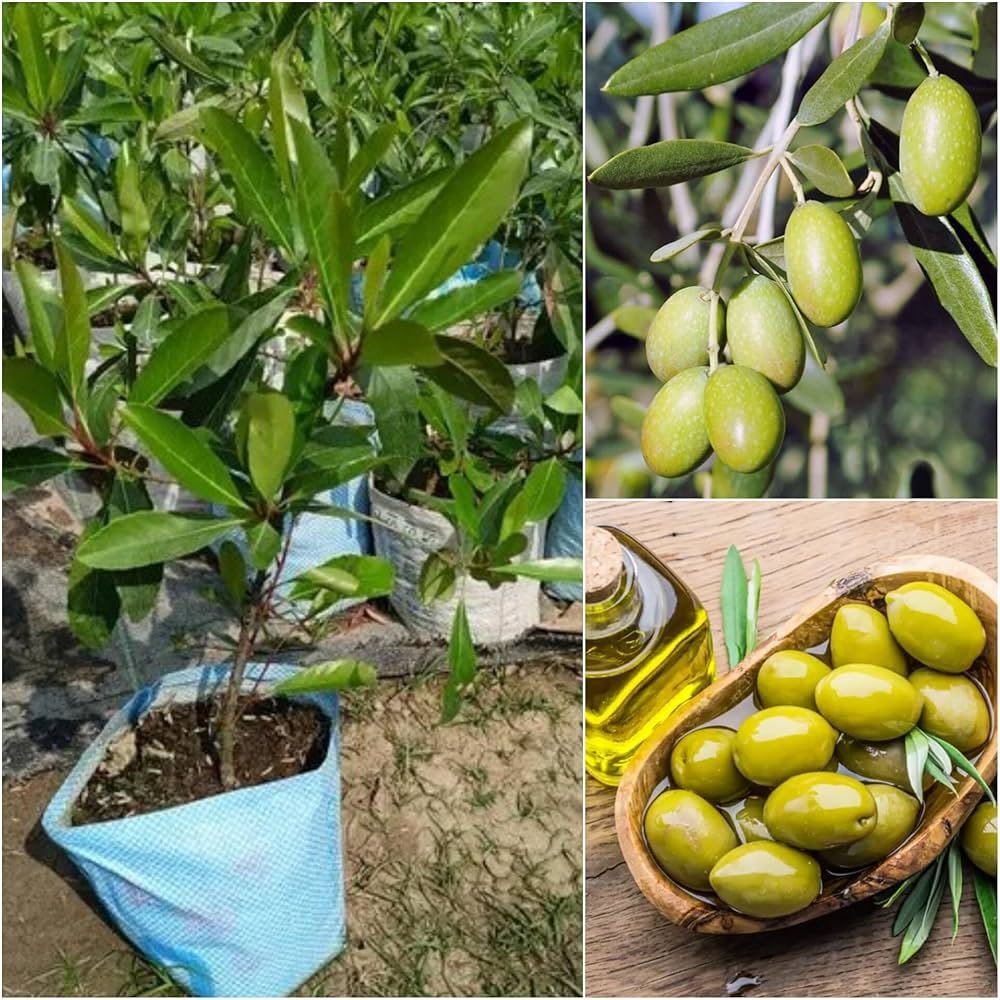
Olive plant
Original price was: ₹799.00.₹400.00Current price is: ₹400.00.The olive plant, scientifically known as Olea europaea, is a small, evergreen tree or shrub cultivated for its edible fruits (olives) and oil. It’s characterized by a gnarled trunk, silvery-gray bark, and narrow, leathery leaves with a distinctive silvery underside. Olive trees are known for their resilience and longevity, with some individuals living for centuries.
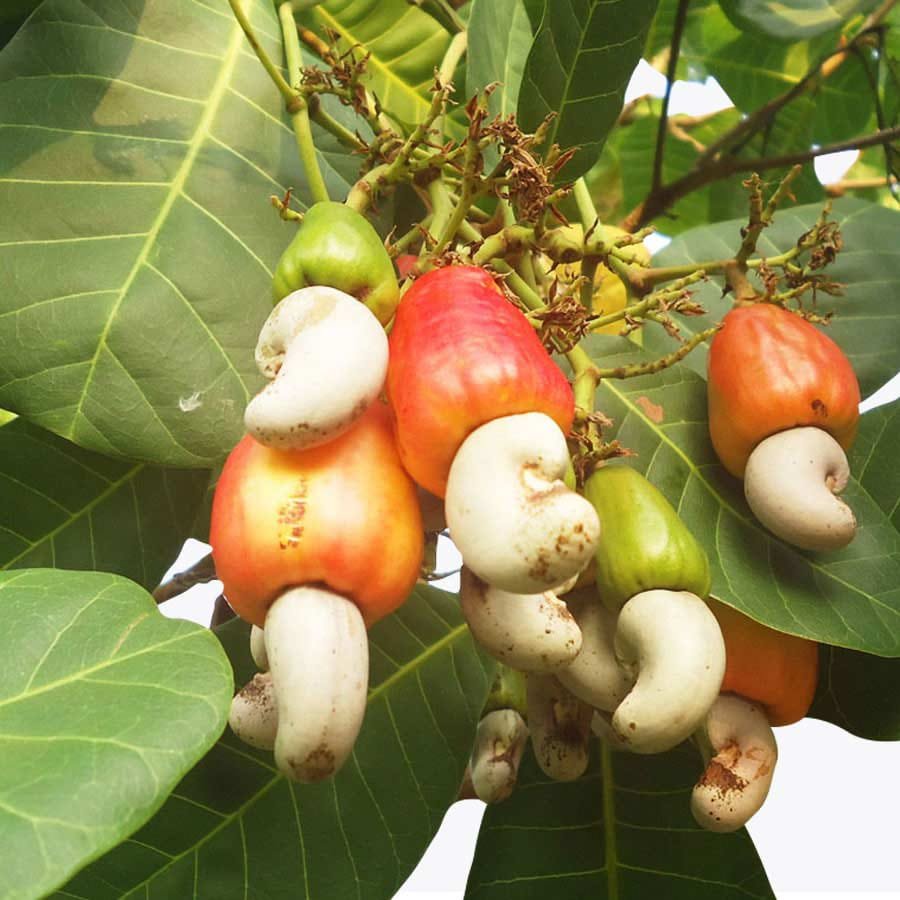
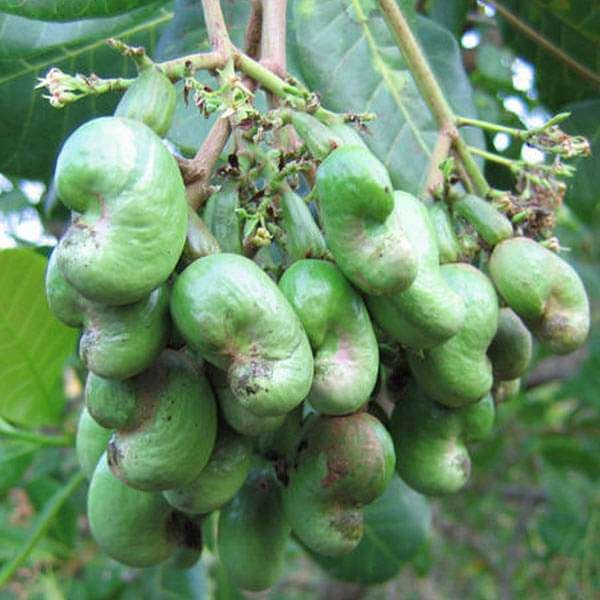
Cashew nuts plant
Original price was: ₹799.00.₹450.00Current price is: ₹450.00.The cashew plant, scientifically known as Anacardium occidentale, is an evergreen tree native to tropical regions of South America, particularly Brazil. It is characterized by its large size, reaching heights of up to 14 meters, and its distinctive cashew apple, a fleshy, pear-shaped fruit with a kidney-shaped nut (the cashew seed) attached to its end.
Per-simmon plant
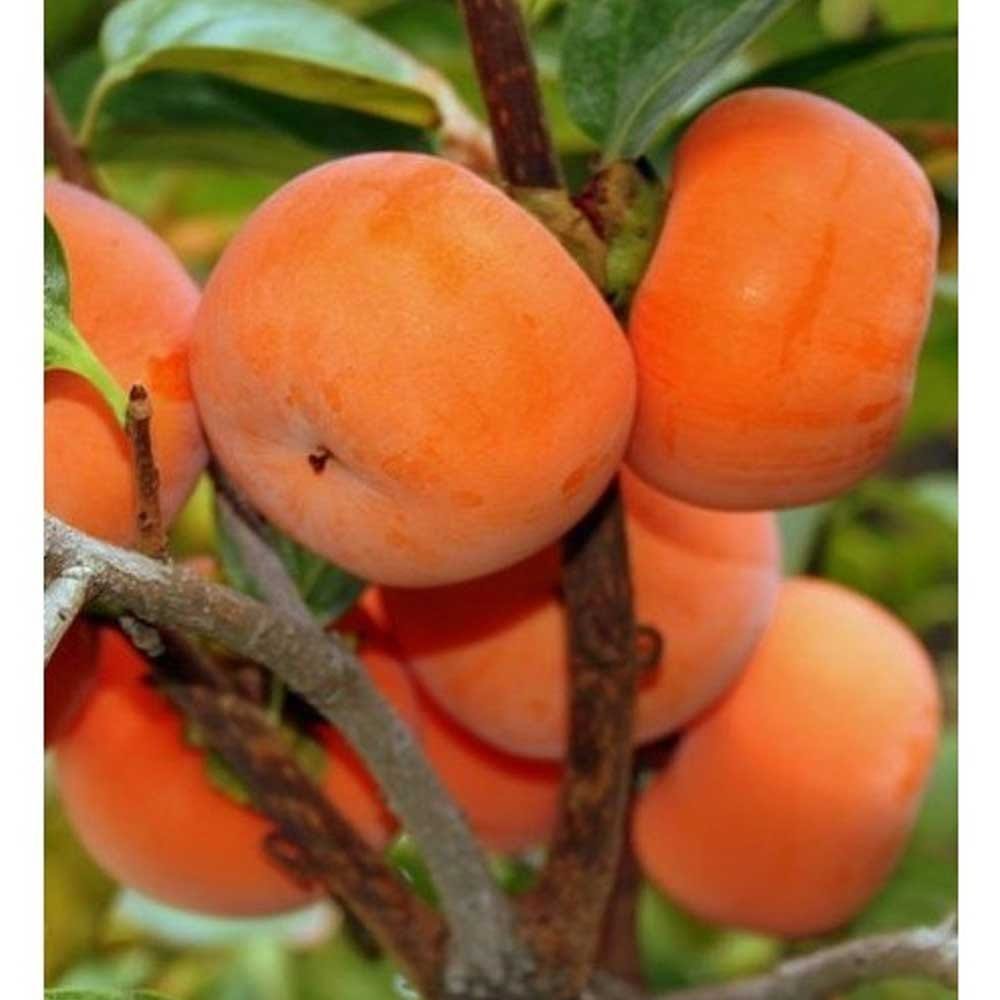
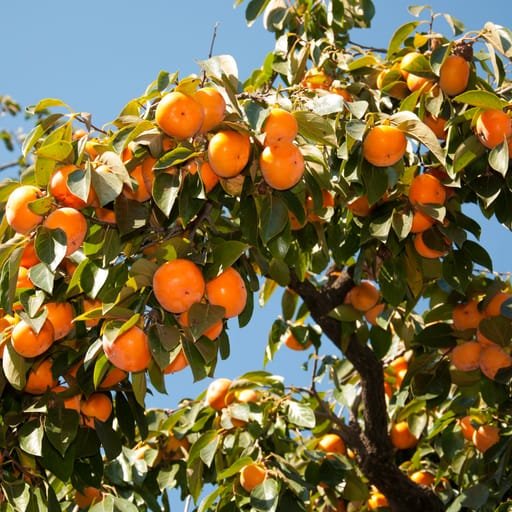
Original price was: ₹799.00.₹600.00Current price is: ₹600.00.Persimmon plants, often called “Japani Phal” in India, are deciduous trees that can grow up to 15 meters (50 feet) tall. They are known for their glossy, dark green, oval-shaped leaves that turn vibrant shades of yellow, orange, or red in the fall. The trees produce small, creamy-white or yellow, bell-shaped flowers, followed by round or oblong, bright orange fruits when ripe.
Pune fig (anjeer) plant
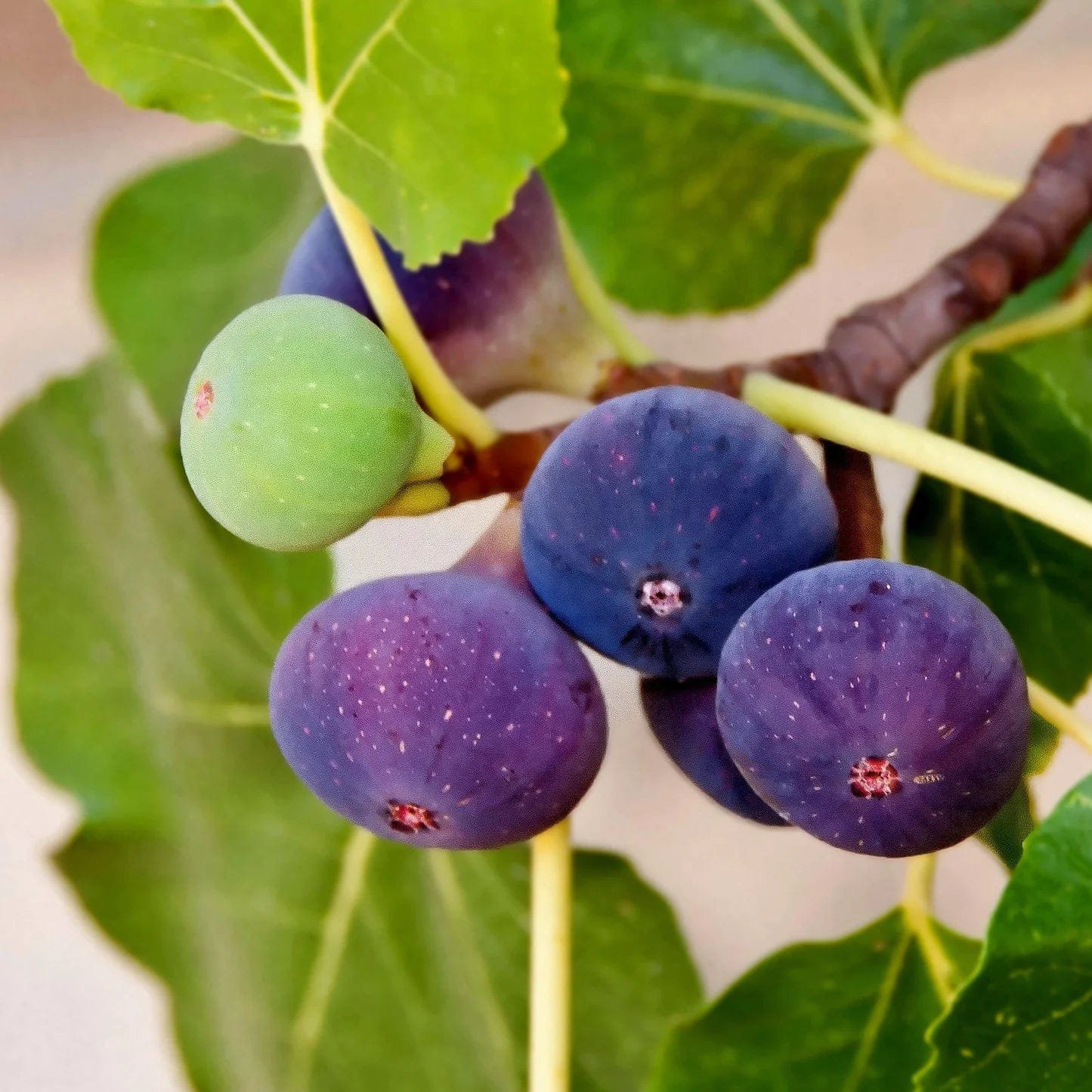
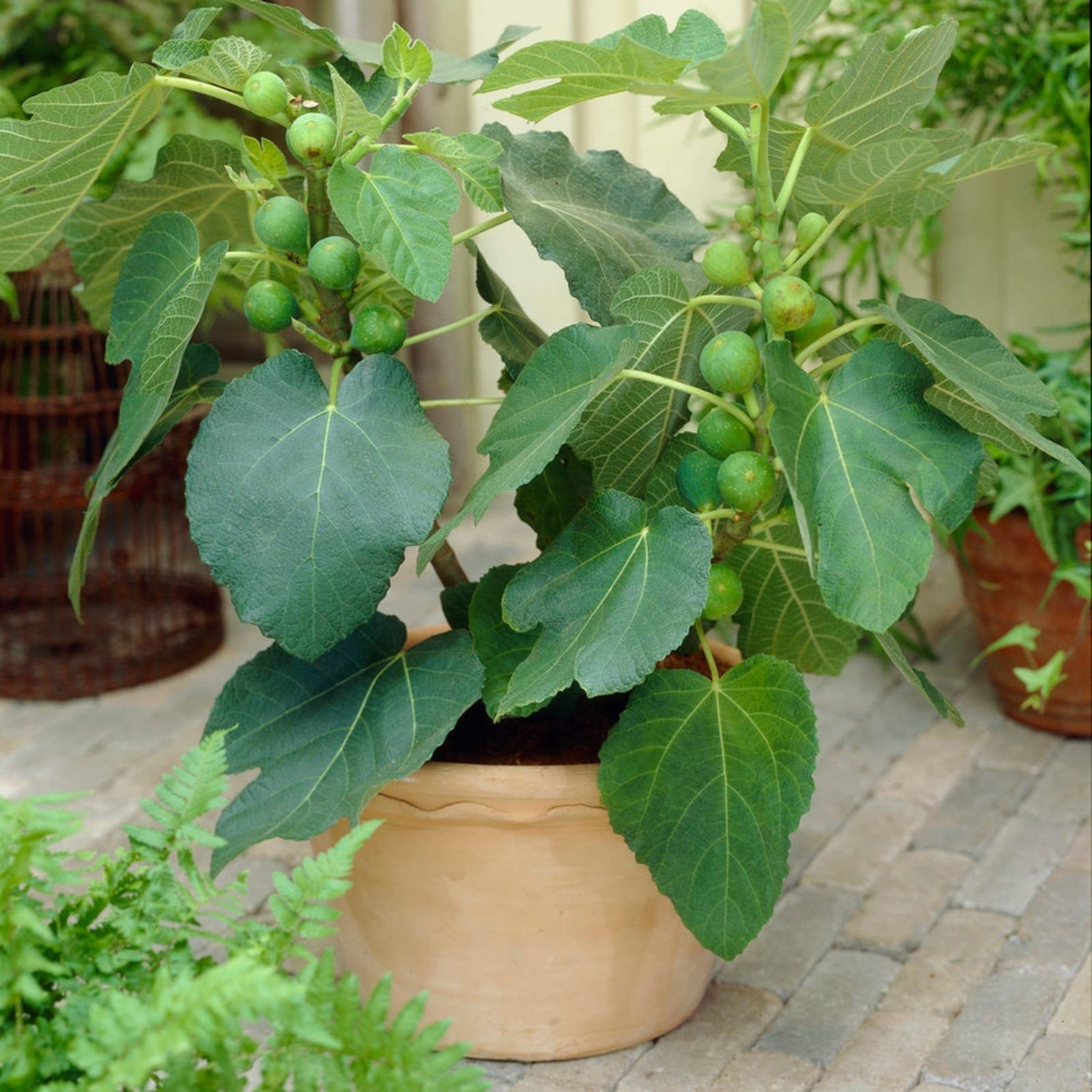
Original price was: ₹799.00.₹380.00Current price is: ₹380.00.The Pune fig, also known as Anjeer in India, is a variety of the common fig (Ficus carica) that is popular in the Pune region of western India, known for its sweet and juicy fruit. It’s a fast-growing tree that produces large, sweet figs, often ready for harvest in early and late summer. Pune Red figs are characterized by their bell shape, thin skin, light purple color with red flesh, and sweet, rich flavor.
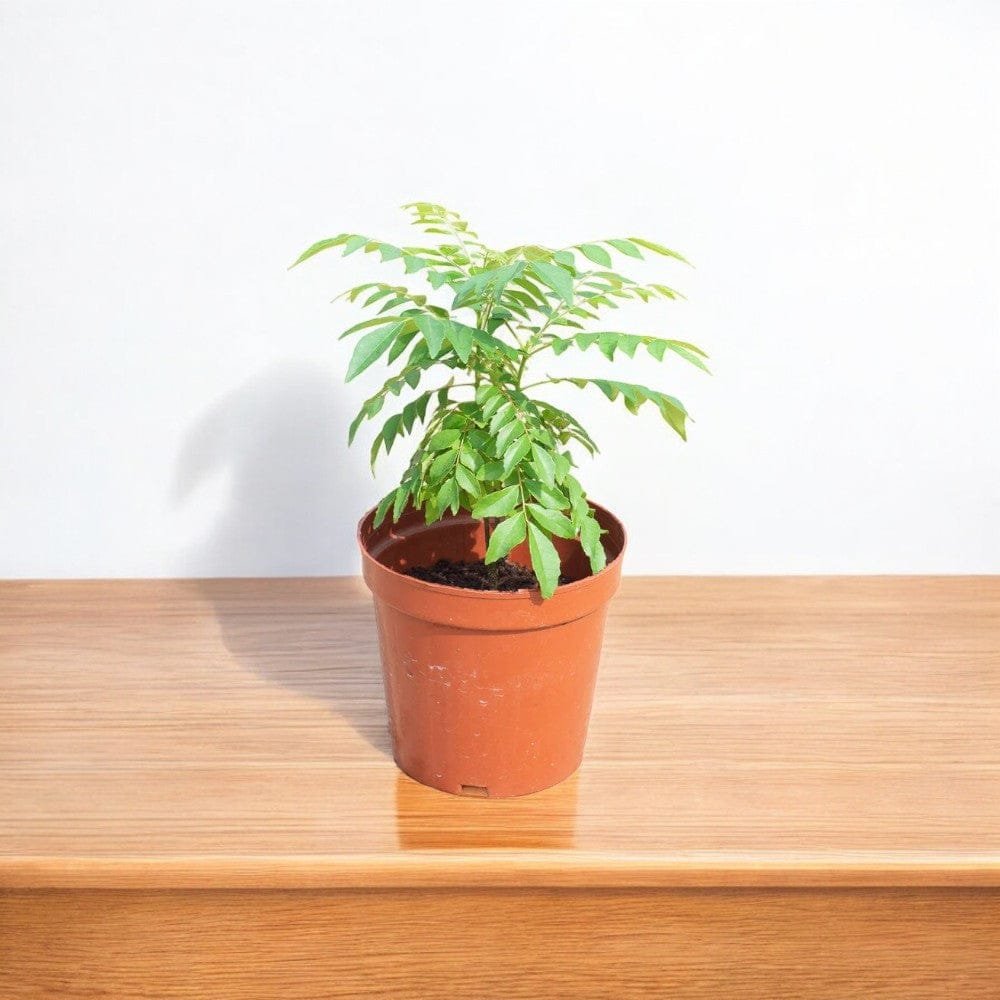
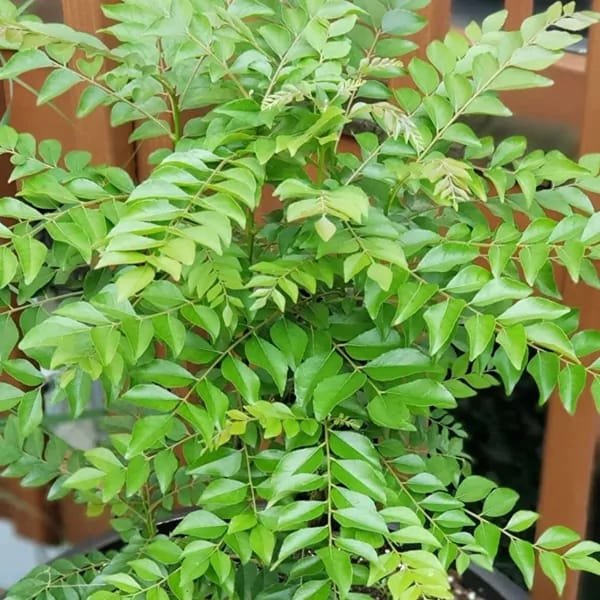
Kari patta plant
Original price was: ₹799.00.₹400.00Current price is: ₹400.00.The Kari Patta plant, also known as Curry Leaf plant or Murraya koenigii, is a small, aromatic tree or shrub native to India and Sri Lanka. It is widely cultivated for its fragrant, pinnate leaves, which are a staple in Indian and Southeast Asian cuisine. These leaves are characterized by their shiny, dark green leaflets and are known for their distinct, pungent aroma when bruised or fried.

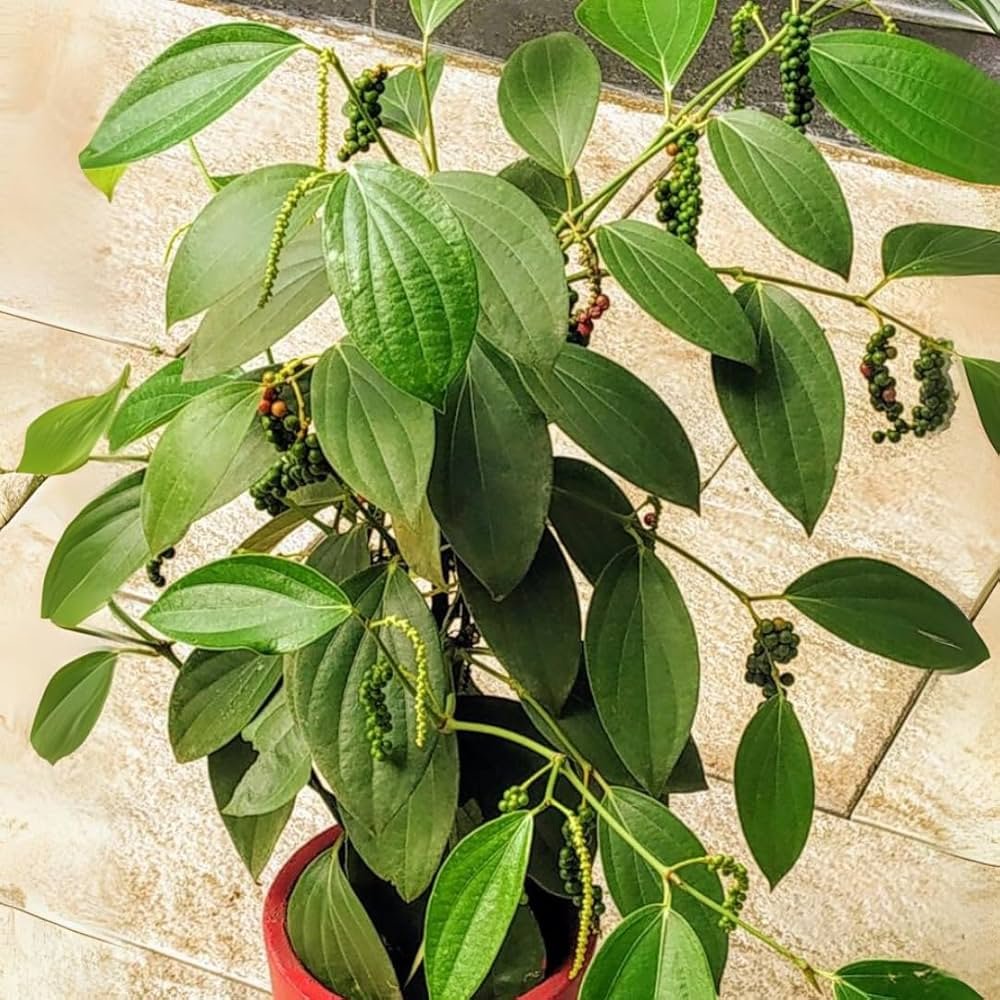
Black peper plant
Original price was: ₹799.00.₹450.00Current price is: ₹450.00.The black pepper plant, scientifically known as Piper nigrum, is a flowering vine, native to the Malabar Coast of India, that is cultivated for its fruit, the peppercorn. These peppercorns are dried and used as a spice and seasoning. The plant is a perennial, woody climber, reaching up to 10 meters (33 ft) in its natural habitat, but typically maintained at a more manageable 3-4 meters (10-13 ft) when cultivated. It features glossy, green, heart-shaped leaves and produces small white flowers on long spikes. The fruits, known as peppercorns, are small, round, and turn from green to red when ripe.
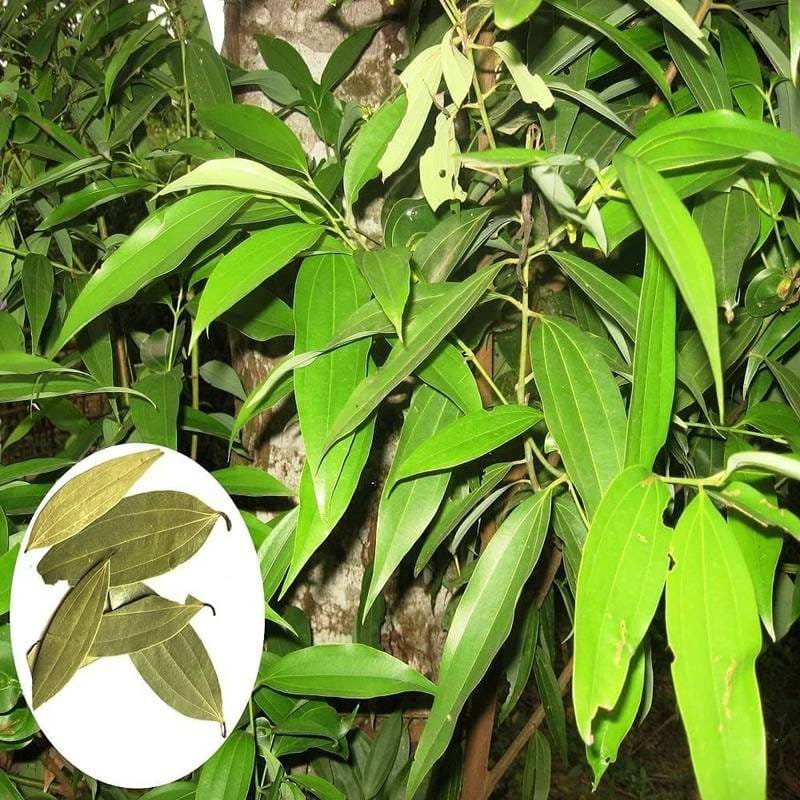
Bay leaf plant
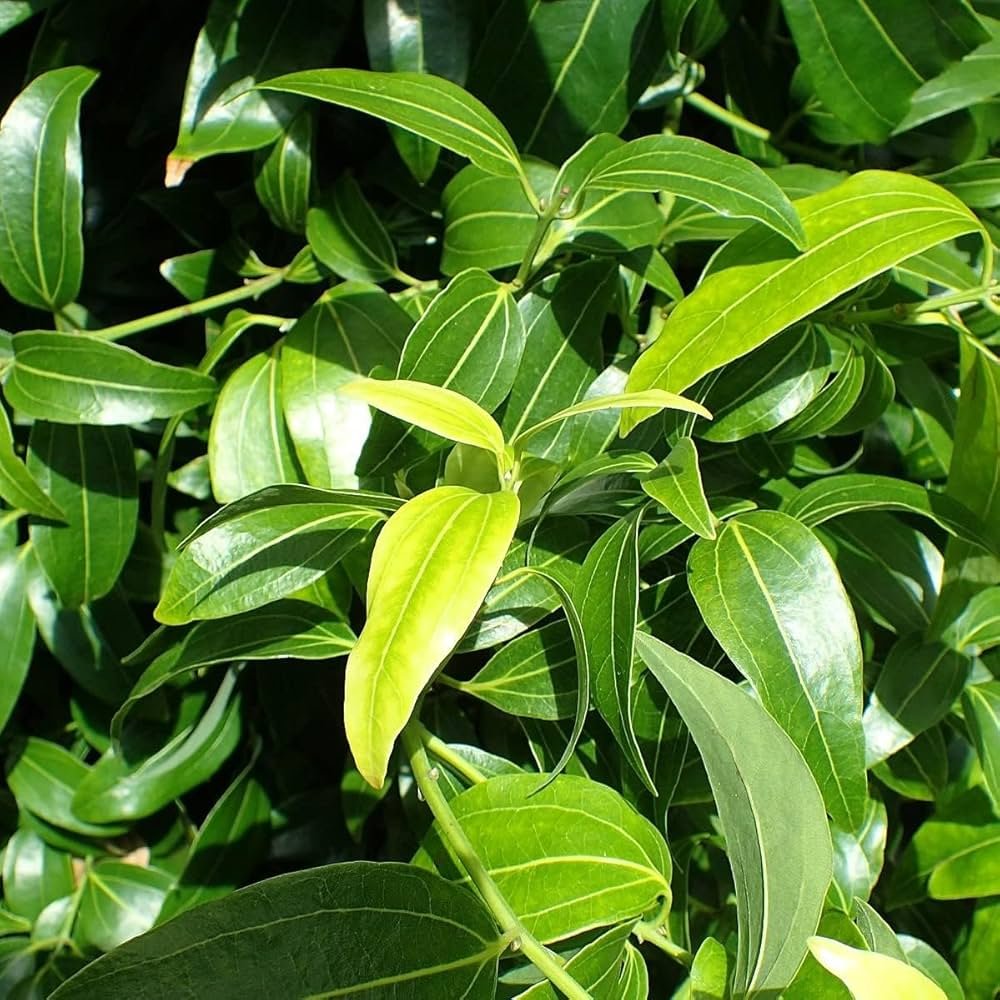
Original price was: ₹699.00.₹350.00Current price is: ₹350.00.he bay leaf plant, scientifically known as Laurus nobilis, is an evergreen shrub or small tree native to the Mediterranean region. It is characterized by its aromatic, dark green, elliptical leaves with a smooth, glossy surface. When dried, the leaves become brittle, slightly curled, and olive-green. The plant produces small, creamy-yellow flowers in early summer, followed by dark purple, one-seeded berries. Bay leaves are widely used for culinary purposes, adding a distinct flavor to dishes, and are also valued for their medicinal and aromatic properties.
Elachi plant
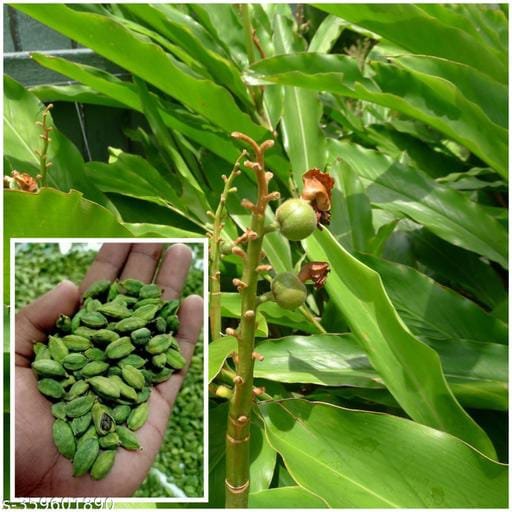
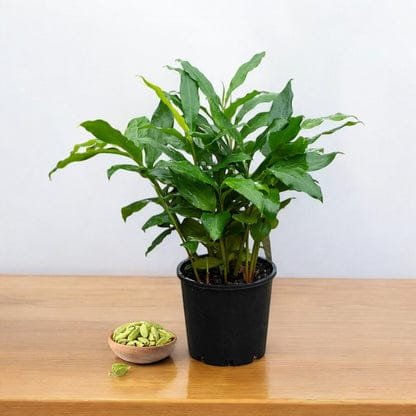
₹799.00The Elaichi (or Cardamom) plant is a perennial herb, reaching heights of 5 to 10 feet, with a preference for warm, humid climates and partial shade. It has long, lance-shaped green leaves and produces small, fragrant flowers that eventually develop into the seed pods containing the prized cardamom spice. The plant thrives in rich, loamy, slightly acidic soil and requires consistent moisture.
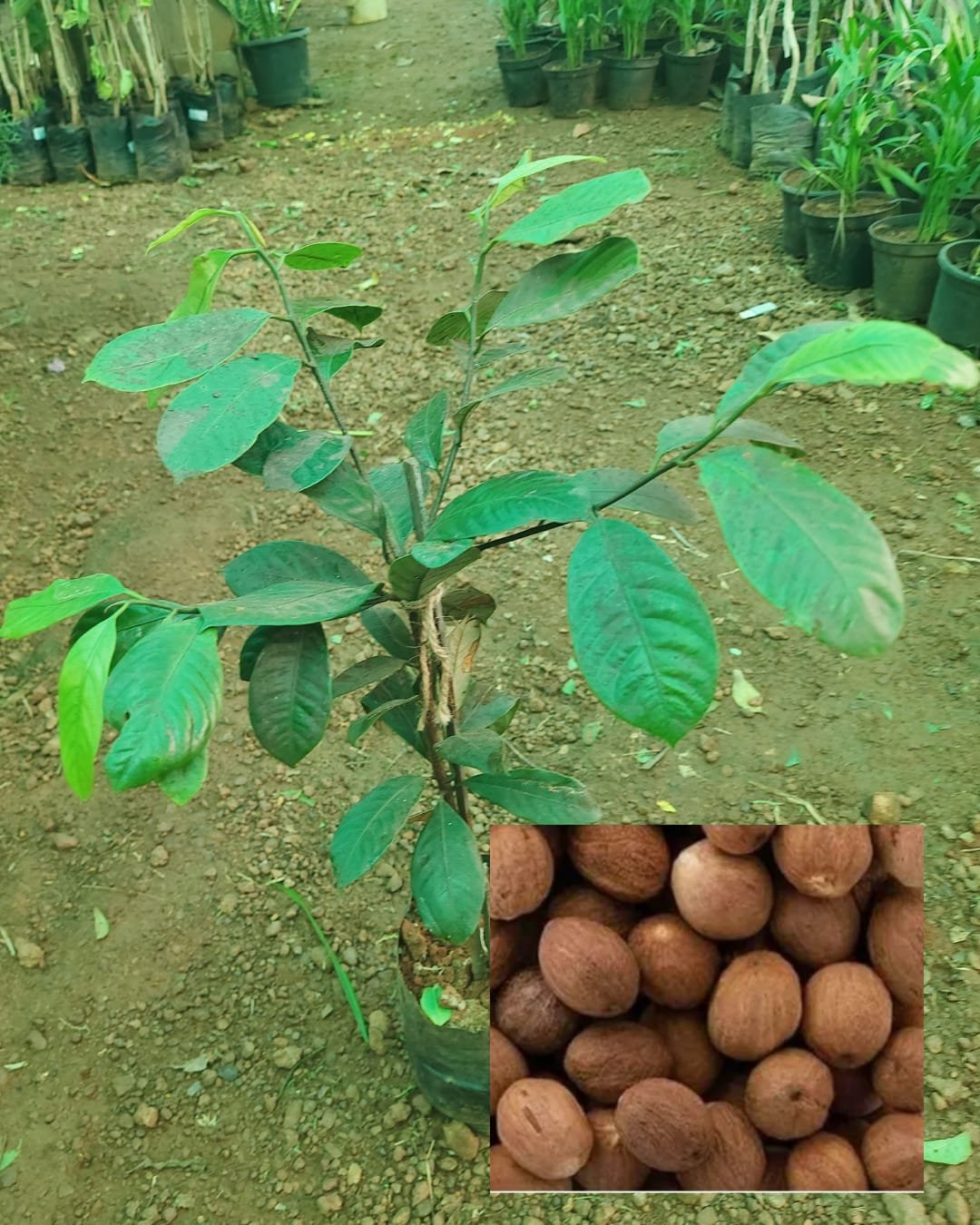
Jayfal plant
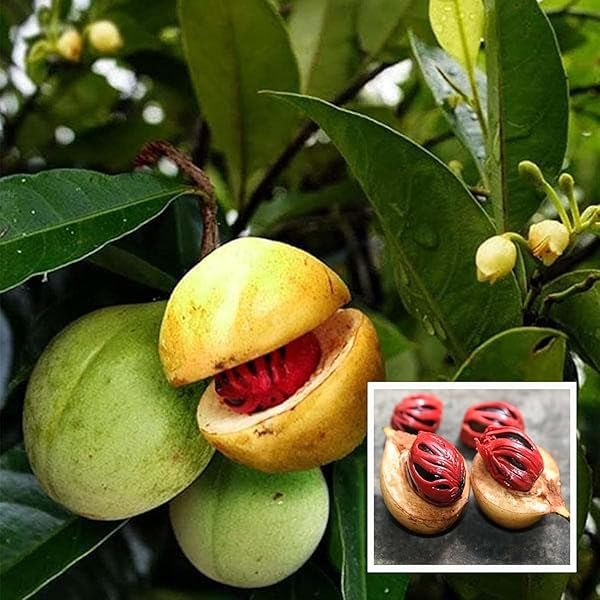
Original price was: ₹799.00.₹450.00Current price is: ₹450.00.The Jaiphal plant, also known as nutmeg (Myristica fragrans), is a tropical evergreen tree that produces the spice nutmeg. It is a small to medium-sized tree, reaching 5-13 meters in height, with smooth, dark green, shiny leaves. The plant yields oval-shaped, reddish-yellow fruits that contain a single, purplish-brown seed (nutmeg) encased in a bright red, lacy covering called mace.