Sort by
Red sandalwood plant
-
Appearance:
Red Sandalwood is a medium-sized tree with a straight trunk and dense crown. Its leaves are pinnate and typically green.
-
Heartwood:
The heartwood is the most prized part of the tree, known for its deep, reddish-brown color and rich, aromatic scent.
-
Bark:
The bark is dark grayish.
-
Growth:It’s a relatively slow-growing tree, reaching maturity in about 10-15 years.
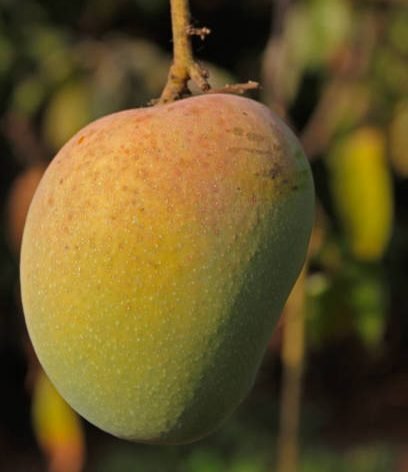
Alphonso mango Plant
Fruit:
- Oval-shaped, 4 to 6 inches long.
- Bright yellow-orange skin when ripe, with a red blush.
- Sweet, juicy, and aromatic flesh.
- A symmetrical evergreen tree, capable of reaching heights of 90 feet and widths of 80 feet, according to the University of Hawaii System.
- Prefers full sunlight and well-drained soil.
- Can be grown in home gardens, orchards, or terrace plantations.
Pakistani Long mulberry plant
-
Fruit:
Long mulberries produce elongated, cylindrical berries, typically white, red, or purple in color when ripe. The flavor is sweet and slightly tart, depending on the variety.
-
Plant Characteristics:
They are deciduous trees or large shrubs, reaching heights of 10-20 feet with a similar spread. They have heart-shaped, glossy green leaves, which may have a serrated edge.
-
Flowers:
Long mulberries produce small, inconspicuous, greenish-yellow flowers in catkins, which are clustered, and bloom in late spring to early summer.
-
Growth Habits:They are fast-growing when young, but their growth slows down as they mature, rarely exceeding 10-15 meters in height.
Sweet all time star fruit
-
Appearance:Sweet star fruit has a waxy, smooth skin that can be light green to yellow. The flesh is a translucent yellow or light yellow. When sliced, it reveals its signature star-shaped cross-section.
-
Taste and Texture:The sweet star fruit is known for its mild, sweet taste. It’s also juicy and crisp.
-
Nutritional Value:Star fruit is rich in Vitamin C, potassium, and antioxidants. It’s also low in calories and sodium.
-
Culinary Uses:Sweet star fruit can be eaten fresh, used in salads, desserts, or beverages. It can also be cooked into jams, chutneys, or stir-fries.
-
Plant Details:The sweet star fruit tree thrives in tropical climates and can grow up to 15 feet tall. It produces clusters of small, lilac-colored flowers that give way to the star-shaped fruit.
-
Growing Conditions:Sweet star fruit plants prefer well-draining, slightly acidic to neutral soil.
-
Potential Benefits:Some studies suggest that star fruit may have beneficial effects on digestion, immunity, and inflammation.
-
Important Note:People with kidney disease should avoid eating star fruit, as it can be harmful due to the presence of certain toxins.
Pear (babugosha) plant
- Appearance: Green skin, pear-shaped.
- Taste: Sweet, slightly tart, and juicy.
- Texture: Slightly granular.
- Nutritional value: Good source of fiber, vitamins C and K, and potassium.
- Versatility: Can be eaten fresh, used in salads, desserts, and savory dishes.
- Health benefits: Supports digestion, heart health, and weight management.
Golden Custard apple plant
- Botanical Name: Annona squamosa
- Common Names: Sugar apple, sweetsop, custard apple
- Type: Small, semi-evergreen tree
- Height: Up to 8 meters (26 feet)
- Leaves: Leathery, smooth, dark green to wooly green
- Flowers: Pale yellow to greenish, fragrant
- Bark: Light brown with visible scars
Olive plant
The olive plant, scientifically known as Olea europaea, is a small, evergreen tree or shrub cultivated for its edible fruits (olives) and oil. It’s characterized by a gnarled trunk, silvery-gray bark, and narrow, leathery leaves with a distinctive silvery underside. Olive trees are known for their resilience and longevity, with some individuals living for centuries.
Red banana plant
The red banana plant, scientifically known as Musa acuminata ‘Red Dacca’, is a captivating tropical plant renowned for its striking reddish-purple fruit and lush green foliage. Originating from Southeast Asia, it is now cultivated globally, including India, the US, New Zealand, Australia, and the Pacific Islands.
Noni fruit plant
The Noni plant, scientifically known as Morinda citrifolia, is a tropical evergreen shrub or small tree that can grow up to 9 meters tall. It’s characterized by large, dark green, shiny, and deeply veined leaves. The plant produces fruits throughout the year, which are initially green, then turn yellow and eventually white as they ripen, emitting a pungent odor. The fruit is a multiple fruit, and its distinctive smell is why it’s sometimes called “cheese fruit”.