

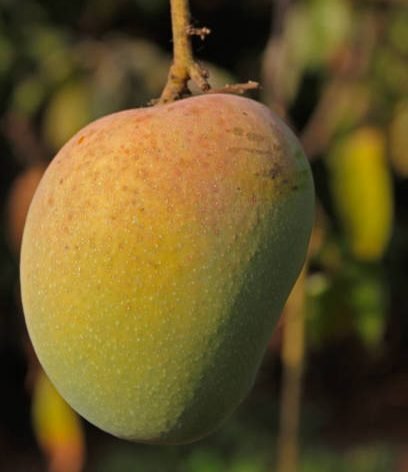
Alphonso mango Plant
Original price was: ₹999.00.₹450.00Current price is: ₹450.00.Fruit:
- Oval-shaped, 4 to 6 inches long.
- Bright yellow-orange skin when ripe, with a red blush.
- Sweet, juicy, and aromatic flesh.
- A symmetrical evergreen tree, capable of reaching heights of 90 feet and widths of 80 feet, according to the University of Hawaii System.
- Prefers full sunlight and well-drained soil.
- Can be grown in home gardens, orchards, or terrace plantations.
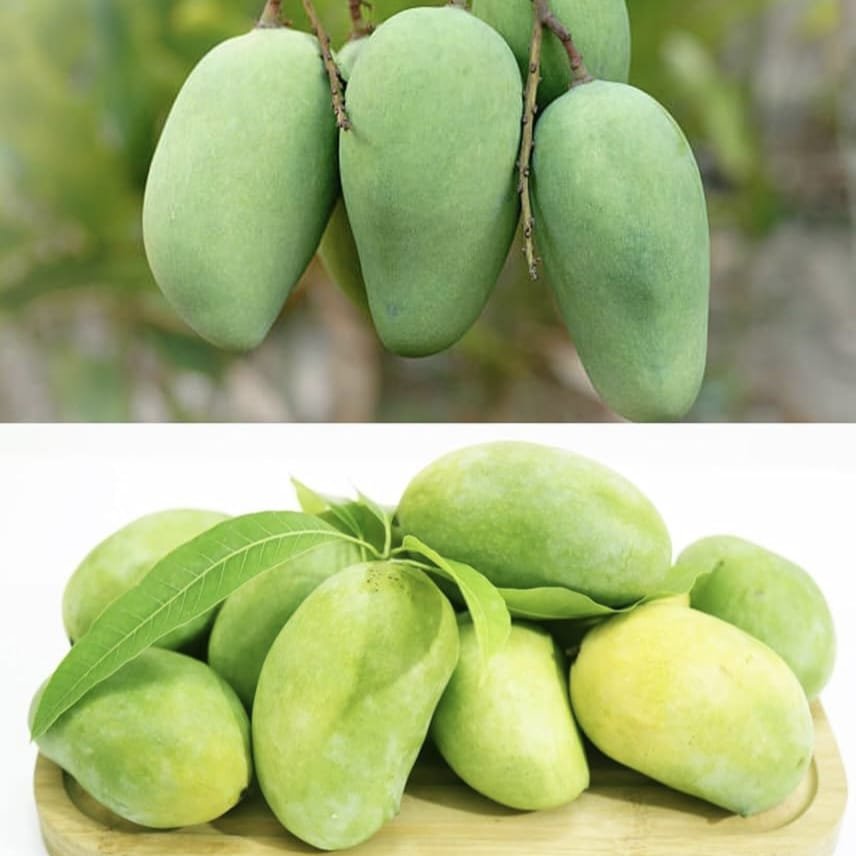
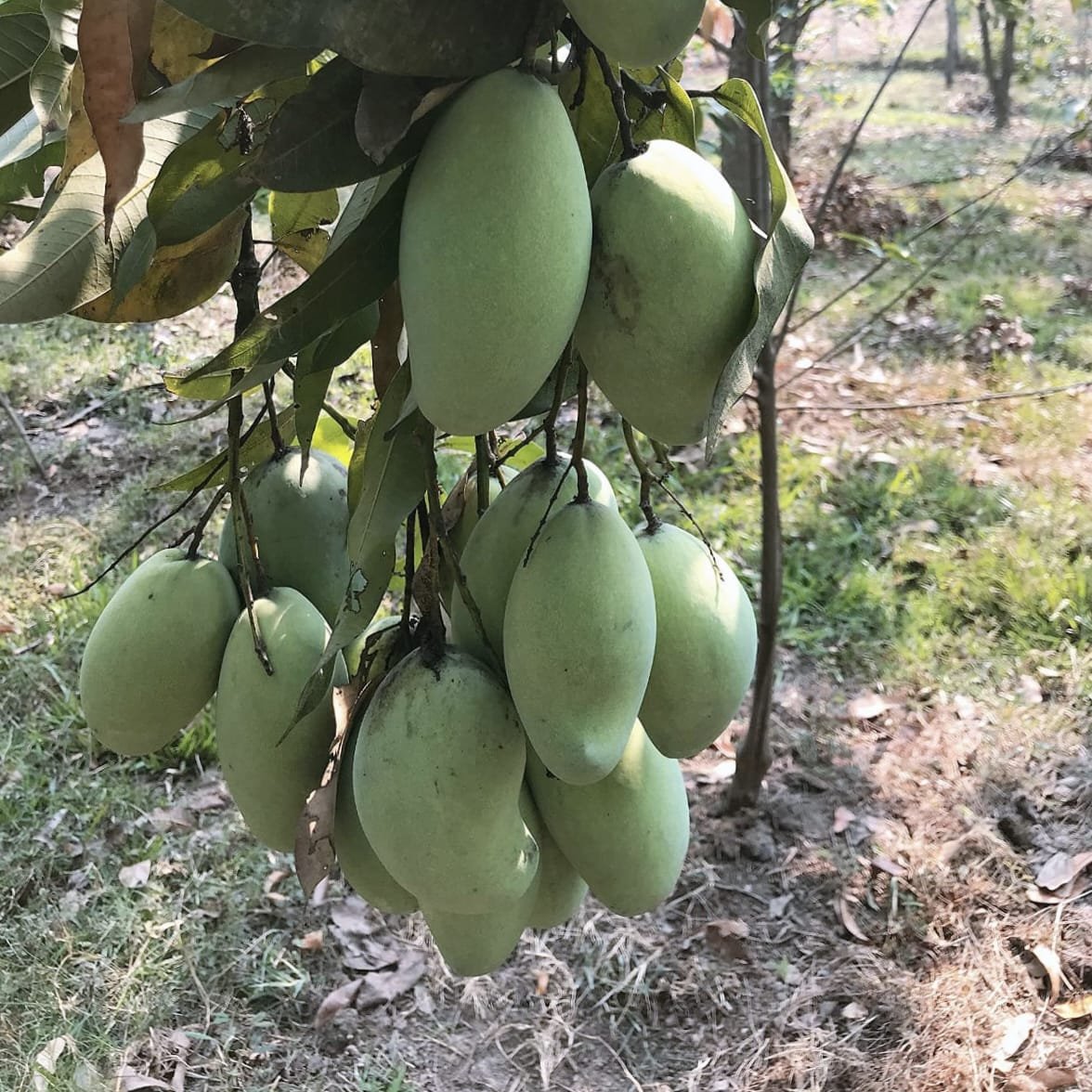
Amropali mango plant
Original price was: ₹999.00.₹380.00Current price is: ₹380.00.- Cross-Pollination: While Amrapali is partially self-pollinating, cross-pollination with other mango varieties can increase fruit set and yield.
- Disease Resistance: Amrapali mangoes are known to be relatively resistant to diseases.
- High Yield: Amrapali mango trees can yield a significant number of fruits per plant, especially with proper care and pruning.
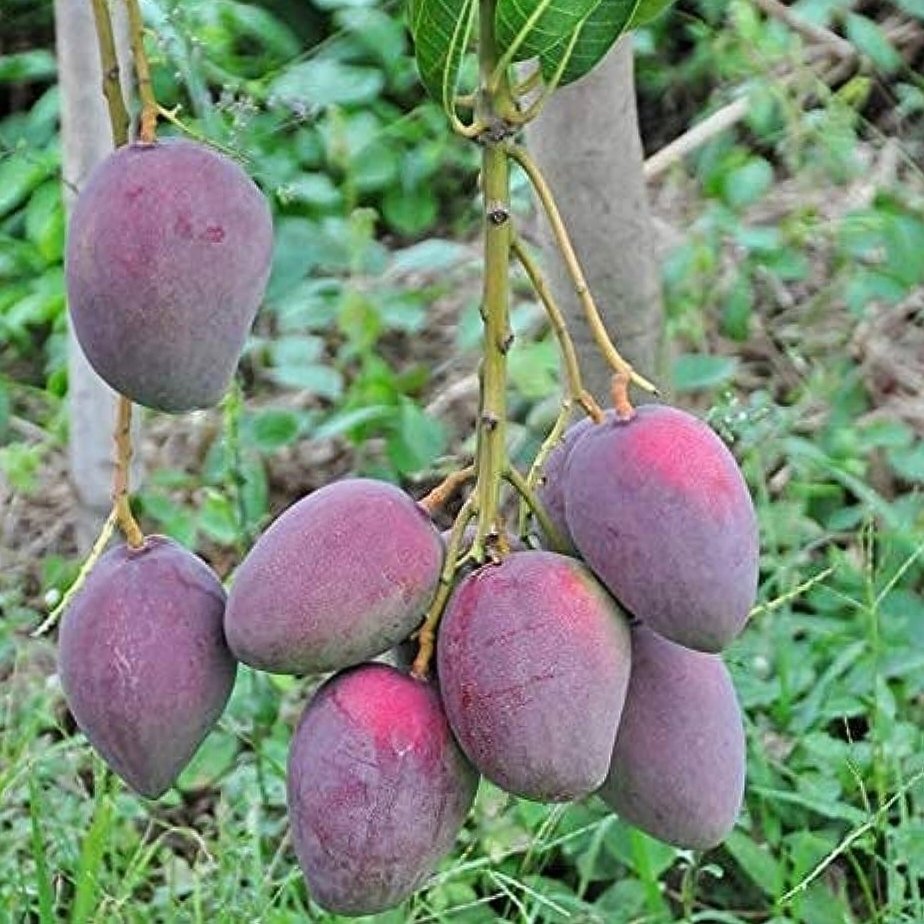
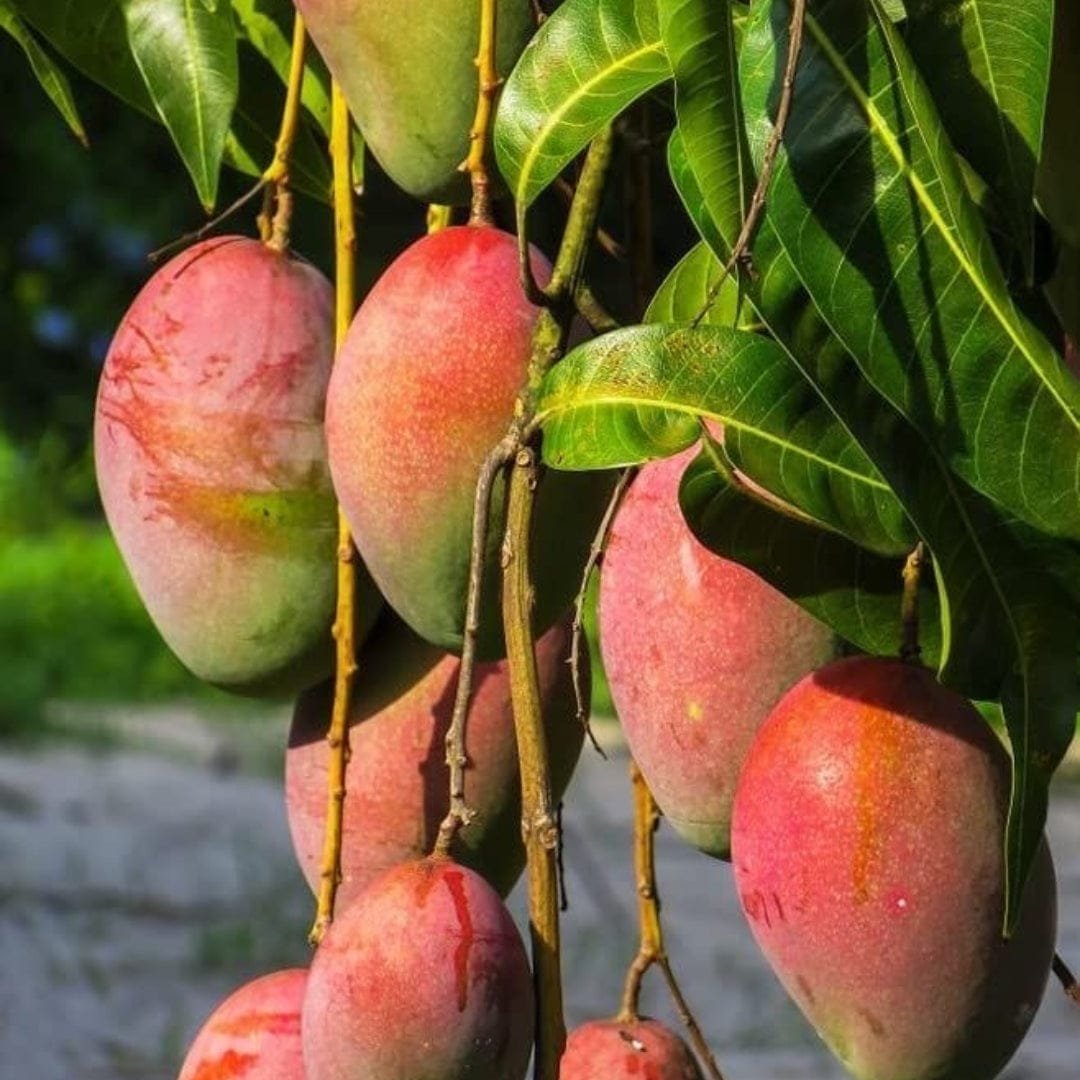
CISH Ambika Mango Plant
Original price was: ₹1,199.00.₹600.00Current price is: ₹600.00.
The CISH Ambika mango is a premium, late-season hybrid developed by the Central Institute for Subtropical Horticulture (CISH) in Lucknow, India. It is a cross between Amrapali and Janardan Pasand, highly prized for its dwarf growth habit, fiberless flesh, and attractive red-blushed yellow skin.
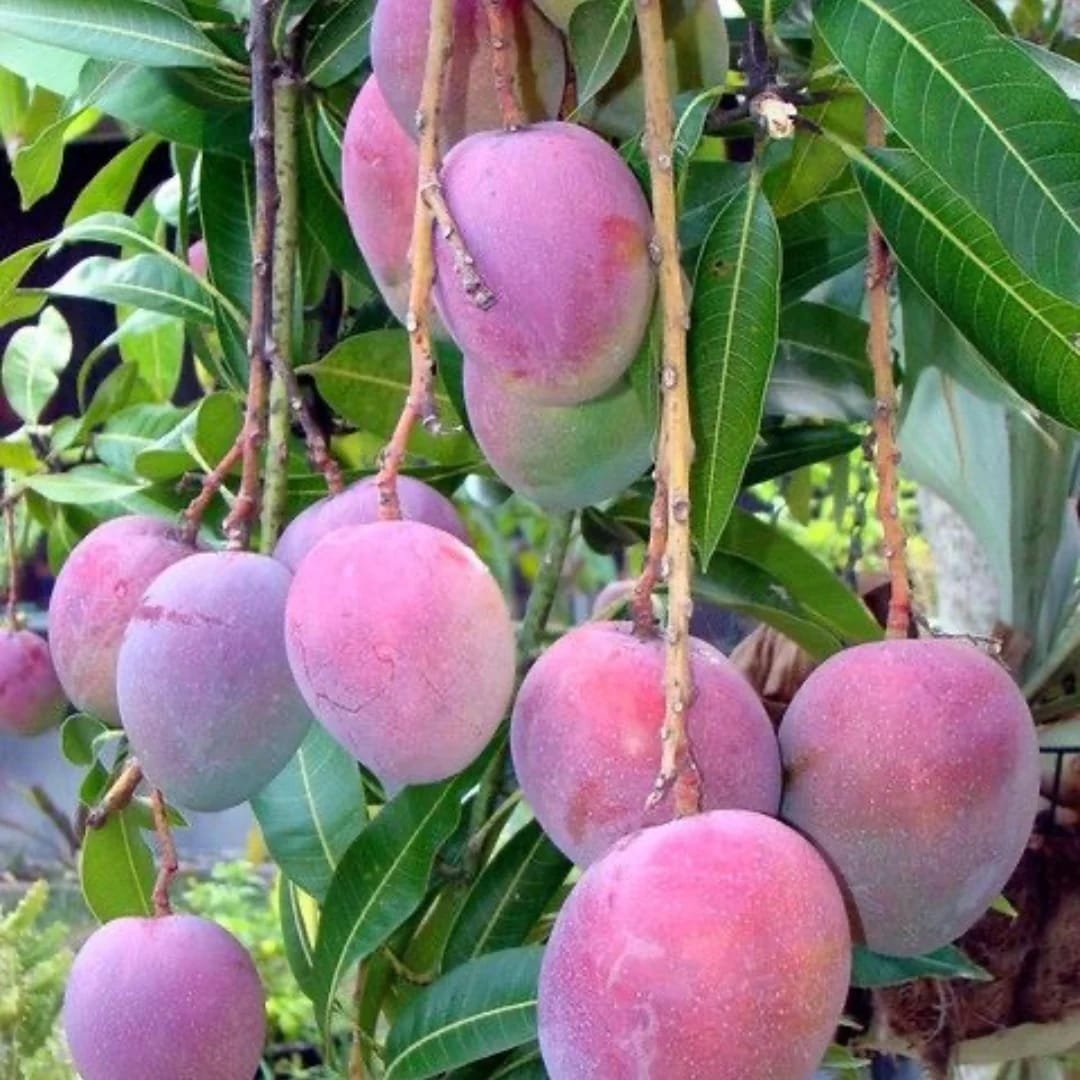
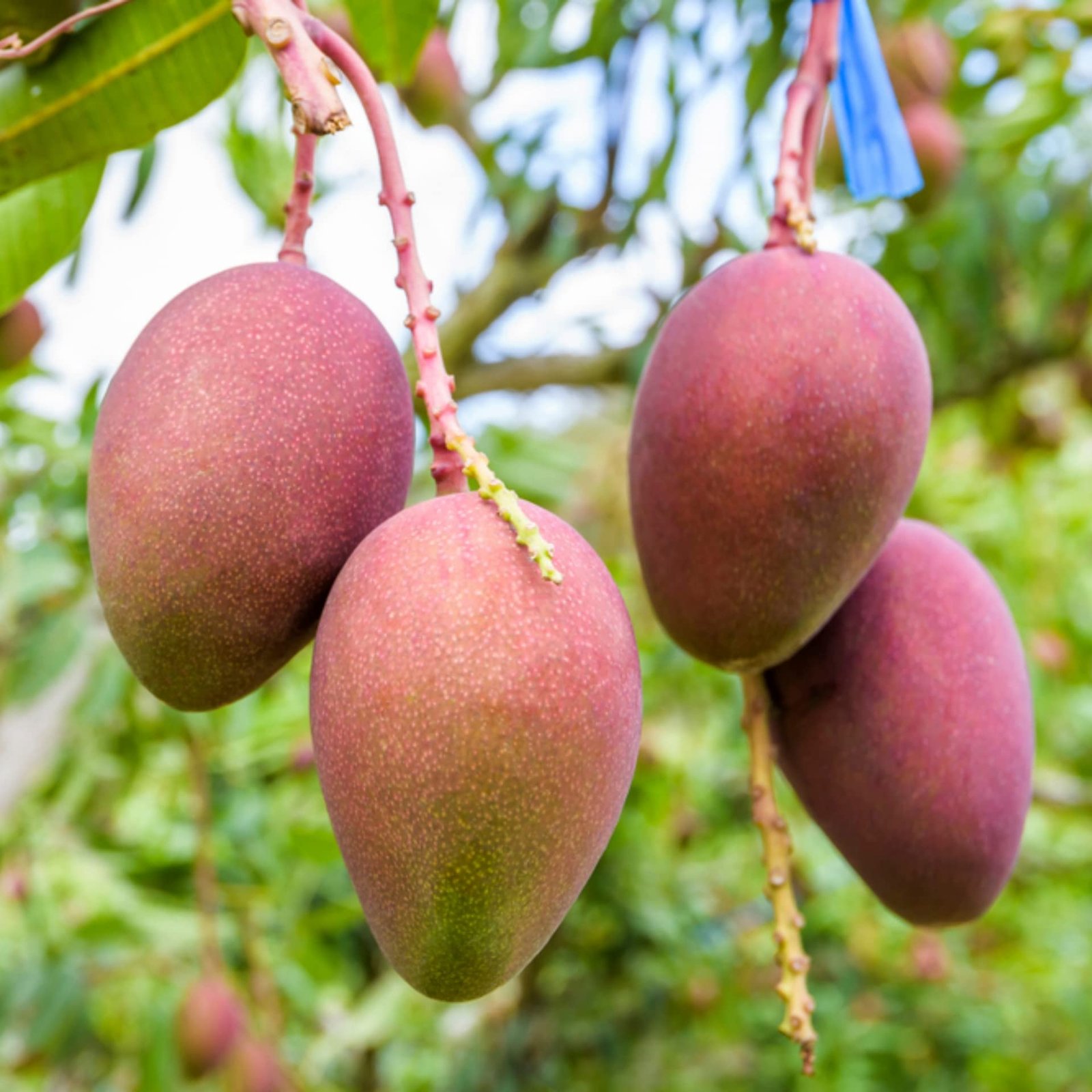
CISH Arunika Mango Plant
Original price was: ₹1,199.00.₹600.00Current price is: ₹600.00.The CISH Arunika mango is a premium, regular-bearing hybrid developed by ICAR-CISH (Lucknow) from a cross of ‘Amrapali’ and ‘Vanraj’. Highly prized for its vibrant red-blush skin and sweet, fiberless orange-yellow flesh, it has high pulp content and a semi-dwarf tree habit, making it ideal for both home gardens and orchards.


Himsagar mango Plant
Original price was: ₹999.00.₹450.00Current price is: ₹450.00.- Scientific Name: Mangifera indica.
- Common Name: Himsagar Mango.
- Origin: Primarily grown in West Bengal, India.
- Growth: Medium to large-sized evergreen tree with a dense crown and spreading canopy.
- Foliage: Dark green, glossy leaves.
- Fruit: Large, oblong, thin-skinned, golden yellow when ripe, sweet, juicy, and aromatic. The flesh is also described as exceptionally juicy, fiberless, and has notes of honey and citrus.
- Season: Typically starts in May and extends into June.


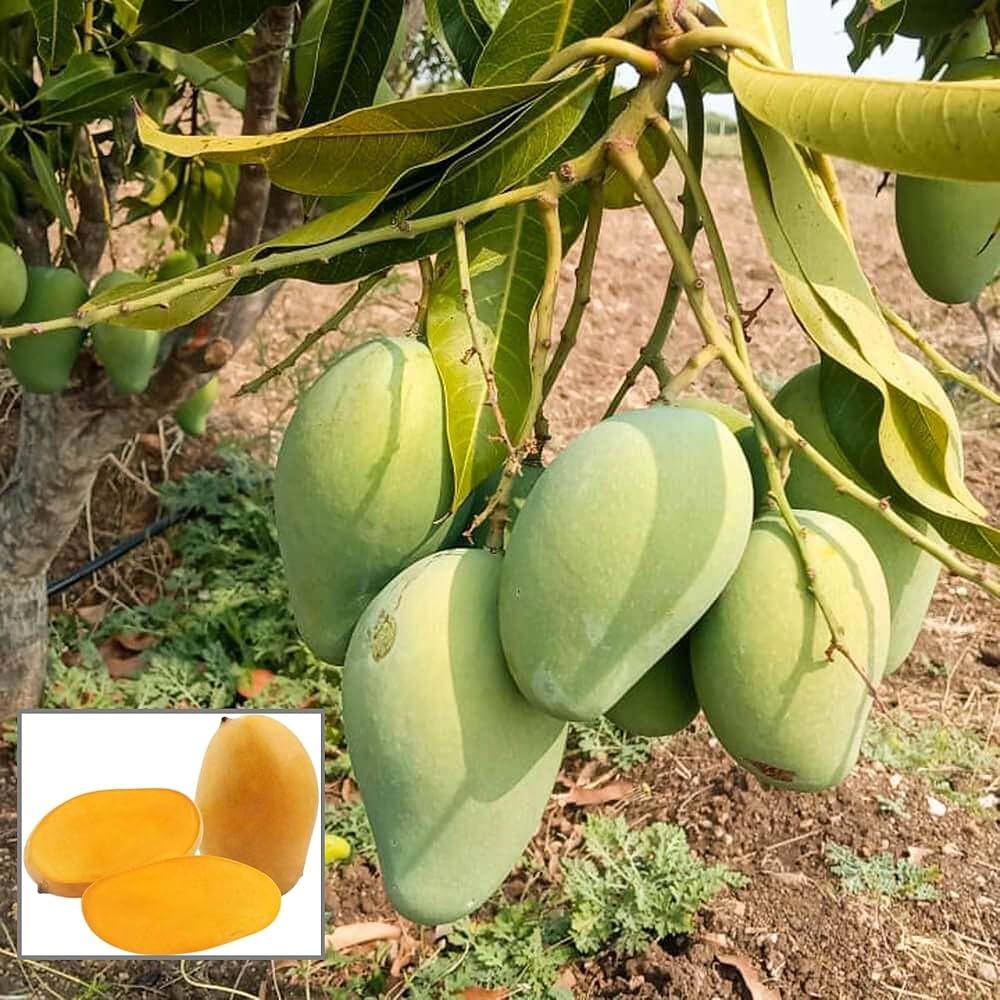
Langra mango Plant
Original price was: ₹999.00.₹380.00Current price is: ₹380.00.- Langra mangoes were first cultivated in Banaras, India, 250-300 years ago.
- The tree is also valued for its wood, which is used for furniture and other decorative purposes.
- The name “Langra” is thought to be derived from the Hindi word “Langda,” meaning lame, referencing a farmer who had a limp and grew the variety.
Mallika mango Plant
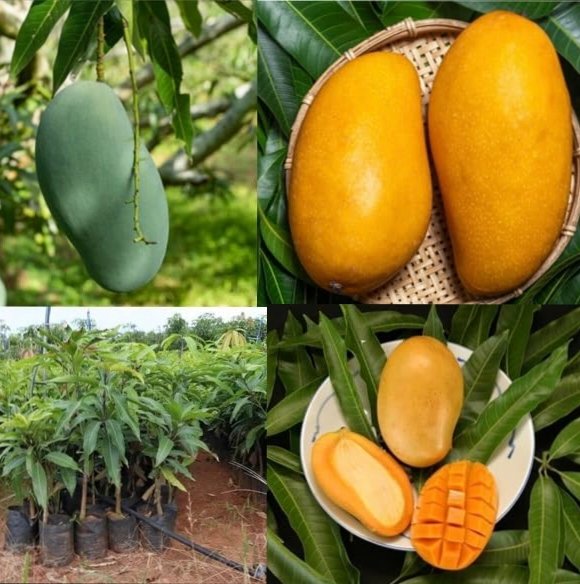
Original price was: ₹799.00.₹350.00Current price is: ₹350.00.- The Mallika mango tree is well-suited for smaller gardens or balcony planting due to its moderate growth and semi-dwarf size.
- It can be grown in pots with appropriate care, including a big container and regular watering.
- The tree is known for its ability to yield many fruits with relatively low maintenance.
- Mallika mangoes are known for their vibrant yellow to orange-yellow skin and juicy, fiber-free flesh.
- The fruits are generally 10-18 oz in weight.
- Mallika mangoes are versatile and can be used in various culinary applications.
- According to plantsship.net, Mallika mango trees are partially self-pollinating, but cross-pollination can increase fruit yield.
Pusa Arunima Mango Fruit plant (Pack of 1)
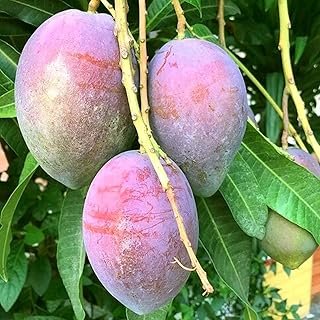
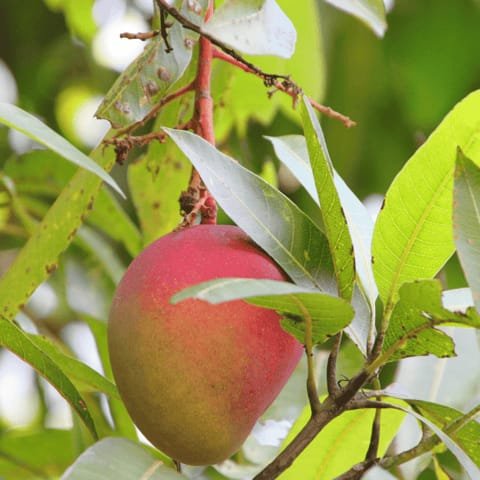
Original price was: ₹999.00.₹500.00Current price is: ₹500.00.The Pusa Arunima mango is a hybrid variety known for its attractive, elongated, and bright red-skinned fruit with orange pulp. It is a semi-vigorous plant, suitable for closer planting, and is a regular bearer, typically starting to fruit after 4 years. The fruit ripens late, usually in the first week of August, and is known for its sweetness and delicious flavor.
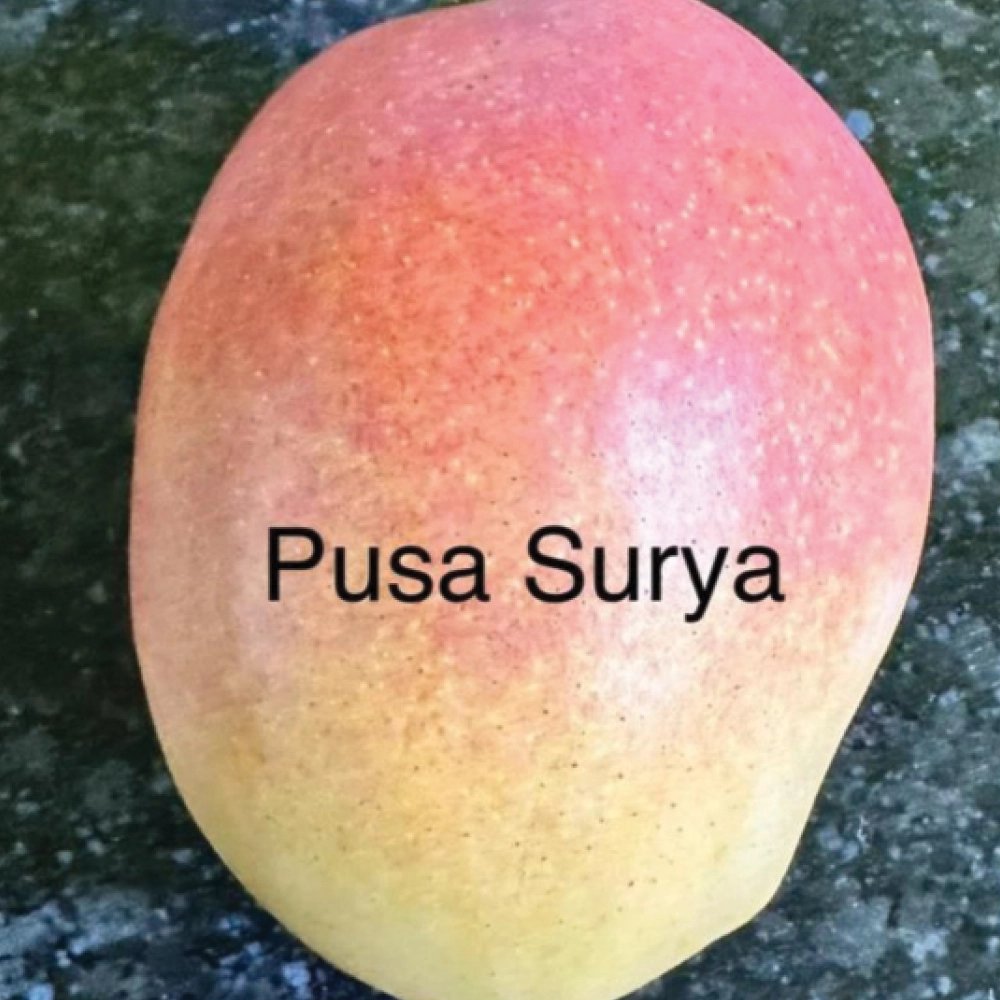
Pusa Surya Mango Plant (Pack of 1)
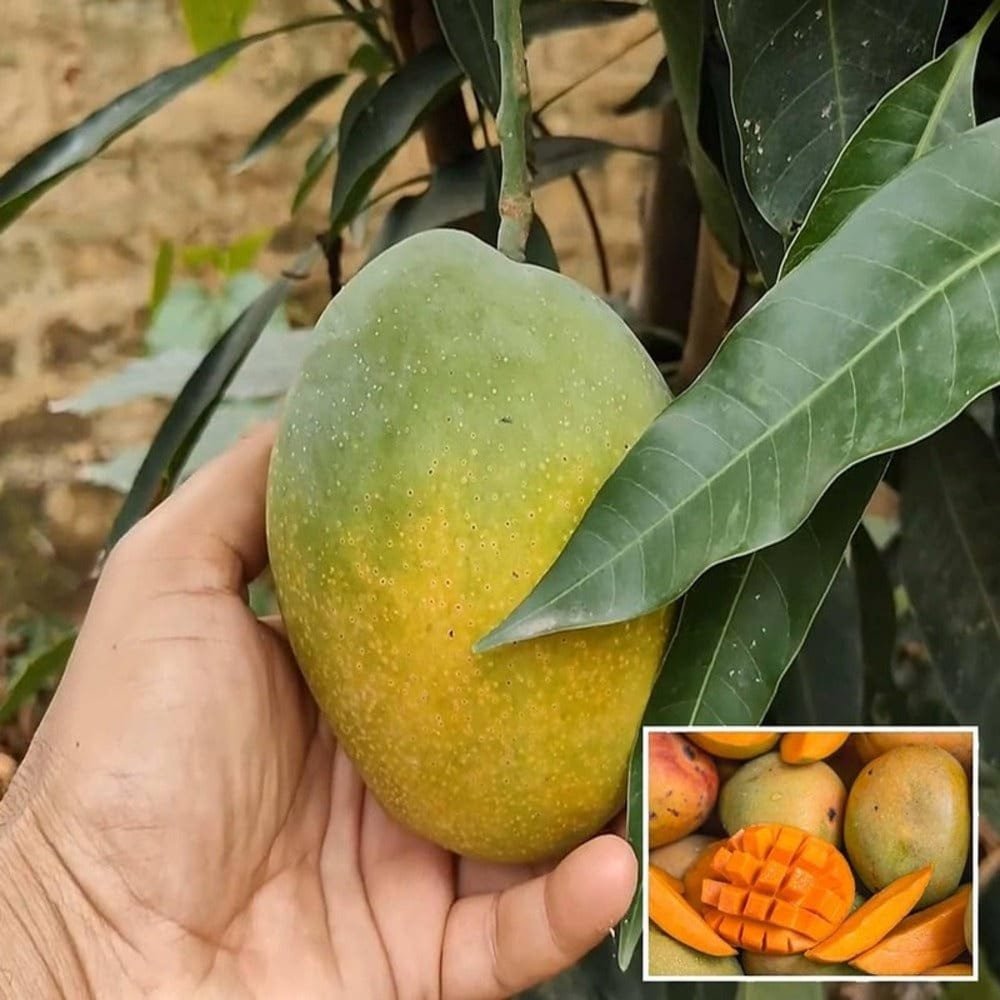
Original price was: ₹1,199.00.₹550.00Current price is: ₹550.00.The Pusa Surya Mango Plant is a premium hybrid variety developed by IARI, known for its vibrant reddish-yellow fruits, fiberless sweet pulp, and excellent aroma. This high-yielding, early-fruiting plant is resistant to common mango diseases and thrives perfectly in Indian tropical climates. Ideal for home gardens and farms, it produces juicy, flavorful mangoes rich in vitamin A, C, and antioxidants. The Pusa Surya Mango combines beauty, taste, and productivity, making it a standout choice for every mango lover.