
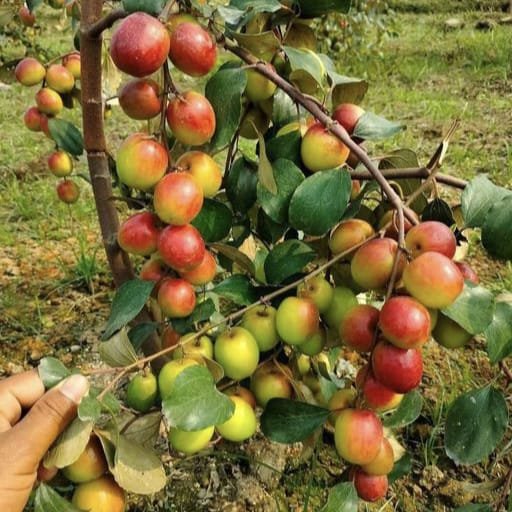

Miss India Apple Ber
Original price was: ₹799.00.₹250.00Current price is: ₹250.00.-
- Taste: Sweet and tangy, with a crisp, crunchy texture.
- Fruit: Round, shiny, reddish-brown fruit.
- Taste: Sweet and tangy, with a crisp, crunchy texture.
- Growth: Can be grown in various Indian climates and soil types, both in gardens and pots.
- Early ripening: One of the first ber varieties to ripen in the season.
- Cultural significance: A favorite fruit in India, often used in festivals and as a sweet treat.
- Nutritional value: Rich in nutrients and antioxidants.
- Availability: Readily available for purchase as plants or fruits.
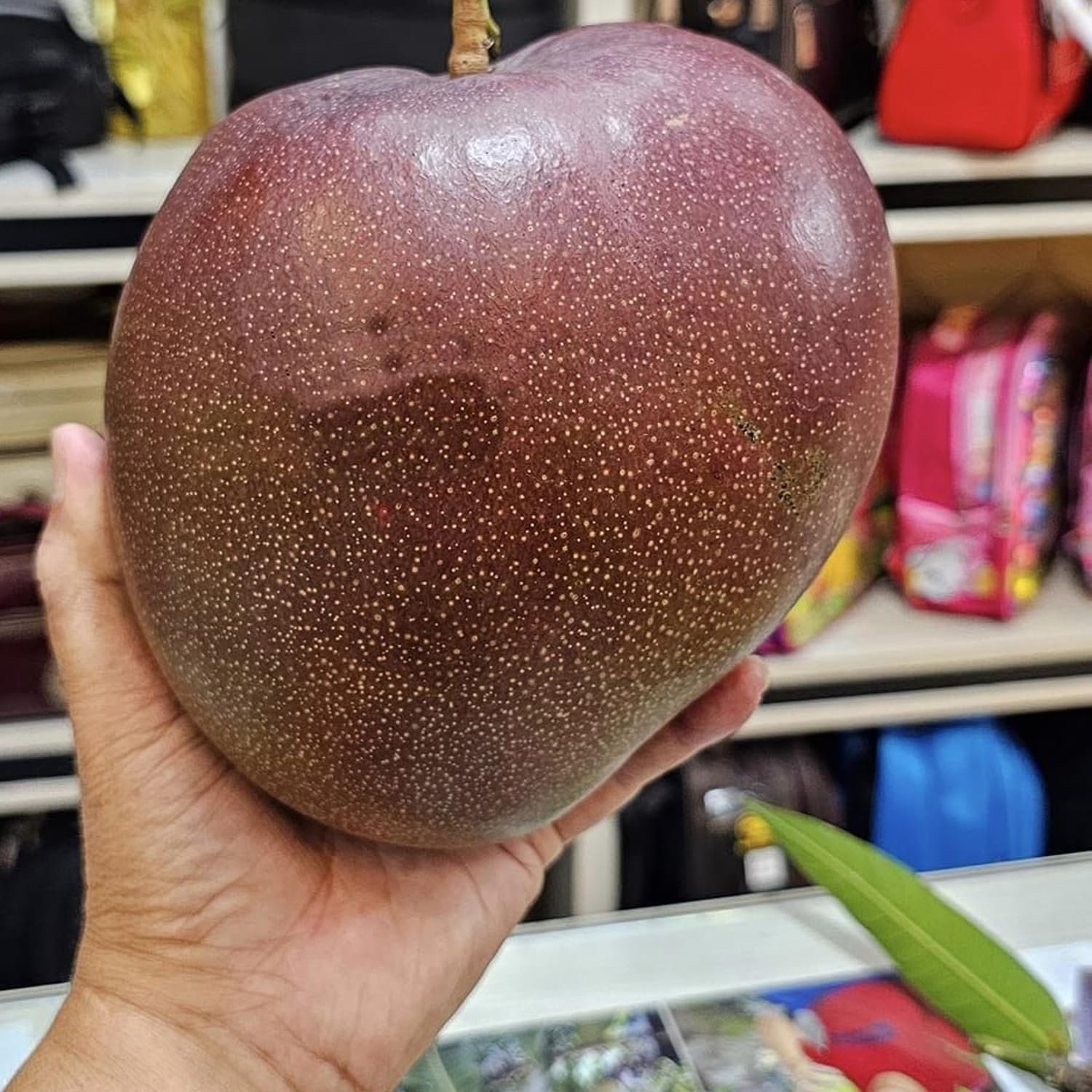
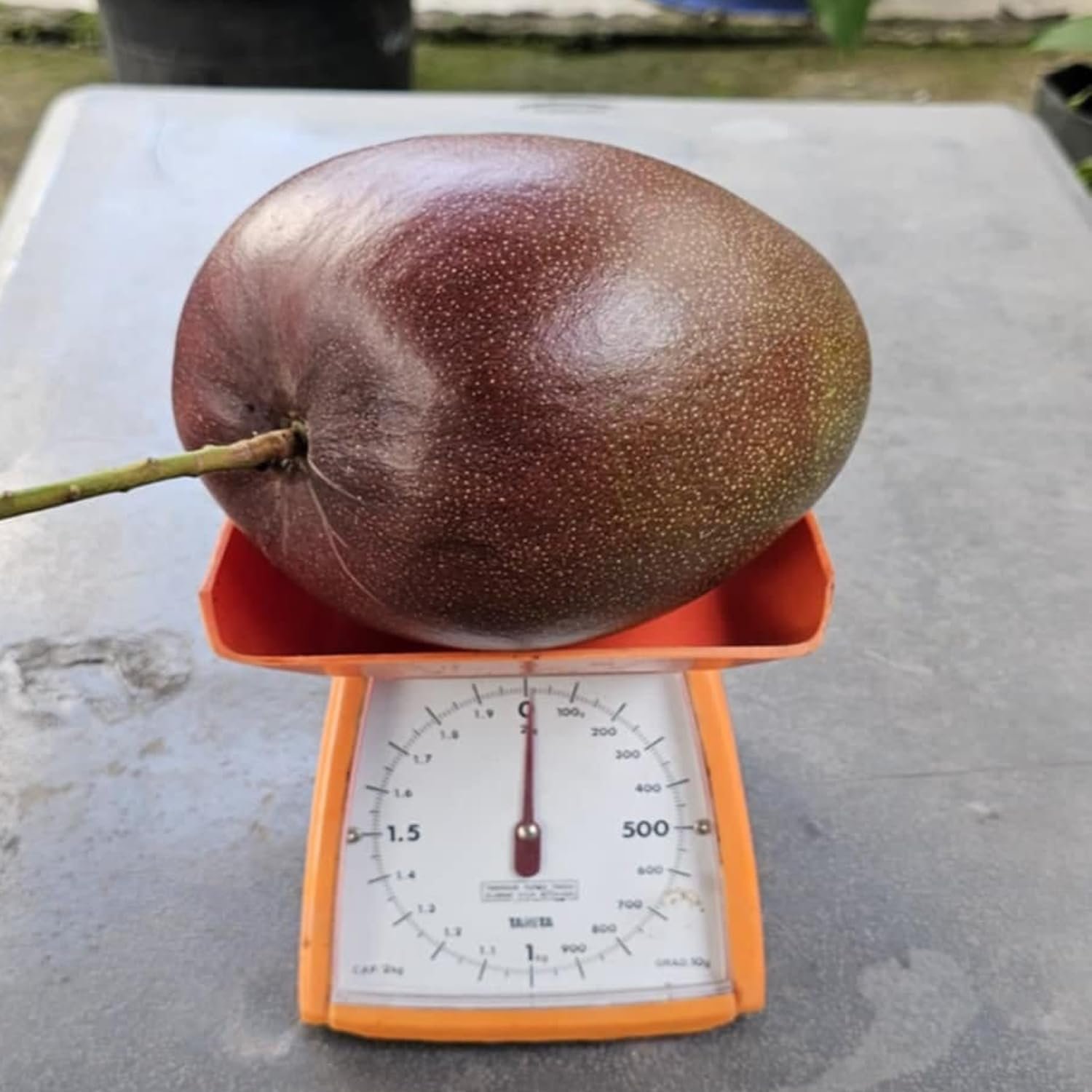
Hong zu mango plant
Original price was: ₹6,000.00.₹4,000.00Current price is: ₹4,000.00.Appearance:
- Size: Large, averaging 18-21 centimeters in length and 7-10 centimeters in diameter, with weights between 900 and 1500 grams.
- Skin: Smooth, semi-thin, leathery, and tightly adhered to the flesh. colour deep red.
Taste and Texture:
- Flesh: Deep yellow, dense, aqueous, and almost fiberless.
- Texture: Soft, tender, and succulent when ripe.
- Flavor: Sweet, tropical, and fruity with hints of coconut, pineapple, stone fruit, and citrus.
- Aroma: Light floral aroma with honeyed nuances.


Brunei King Mango Plant
Original price was: ₹999.00.₹500.00Current price is: ₹500.00.Here’s a more detailed look:
- Size and Weight: Brunei King mangoes are notably large, often weighing 4-5 kg.
- Flesh: The flesh is described as luscious, fiberless, and creamy.
- Taste: The mangoes are known for their remarkably sweet taste.
- Tree Characteristics: The tree is grafted, ensuring early fruiting and disease resistance. It thrives in sunny locations with well-drained soil.
- Versatility: The Brunei King mango is suitable for fresh eating, juicing, and culinary uses.
- Ripening: The fruits mature in mid-September.
- Storage: It is considered a good mango for storing.
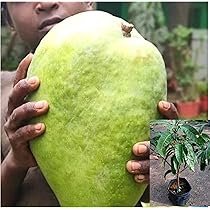
4 KG Mango Plant
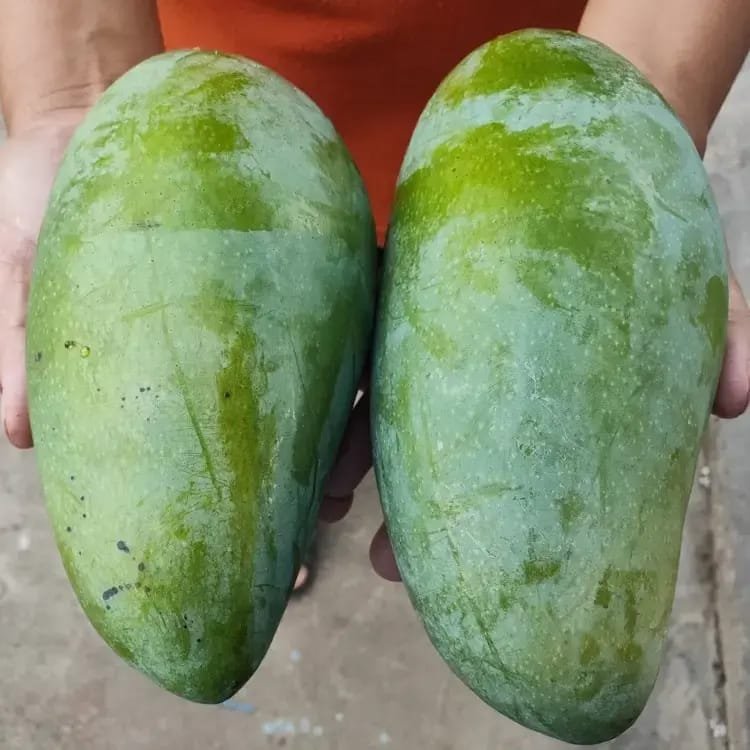
Original price was: ₹999.00.₹500.00Current price is: ₹500.00.The 4 kg mango is a rare, exotic fruit variety (Mangifera indica) famous for producing individual mangoes that weigh up to \(4\text{ kg}\) to \(4.5\text{ kg}\) each. Cultivated mainly for home gardens and rare fruit collections, it features a sweet flavor, smooth texture, and very thick pulp.
Bari 13 mango plant
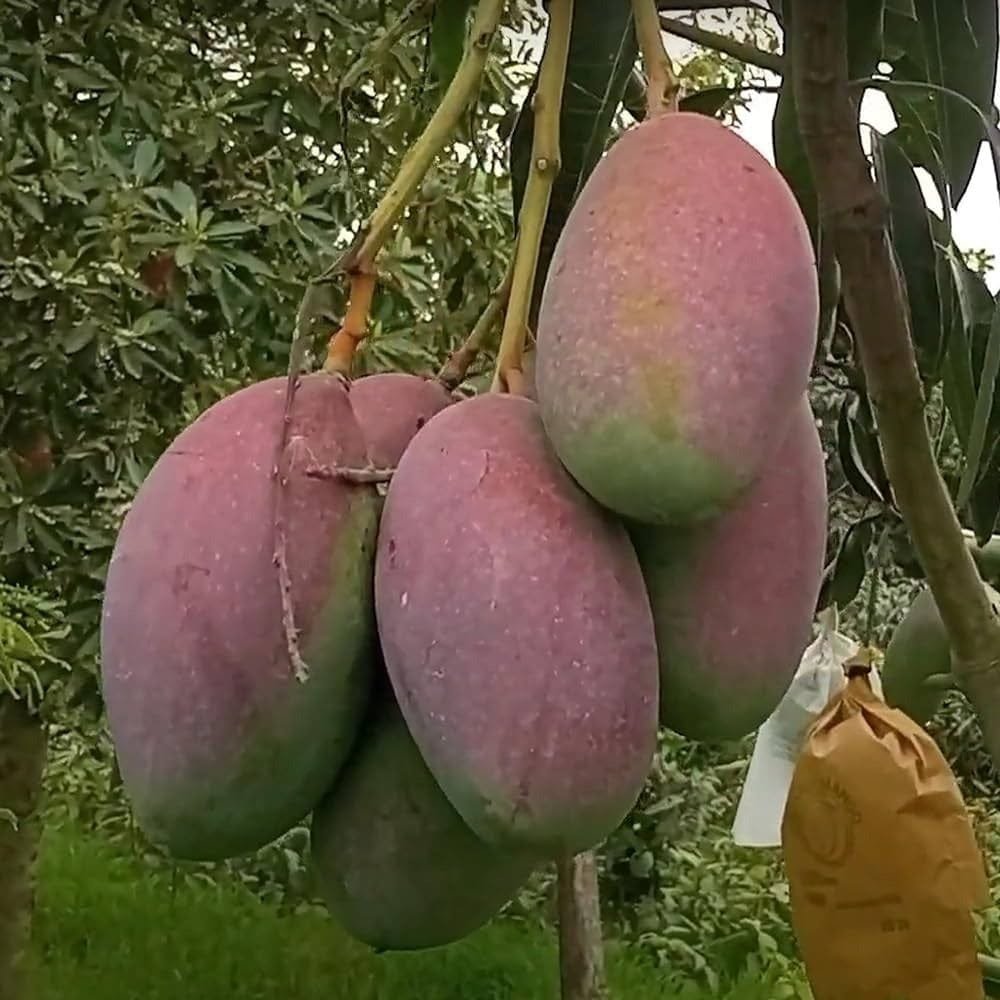
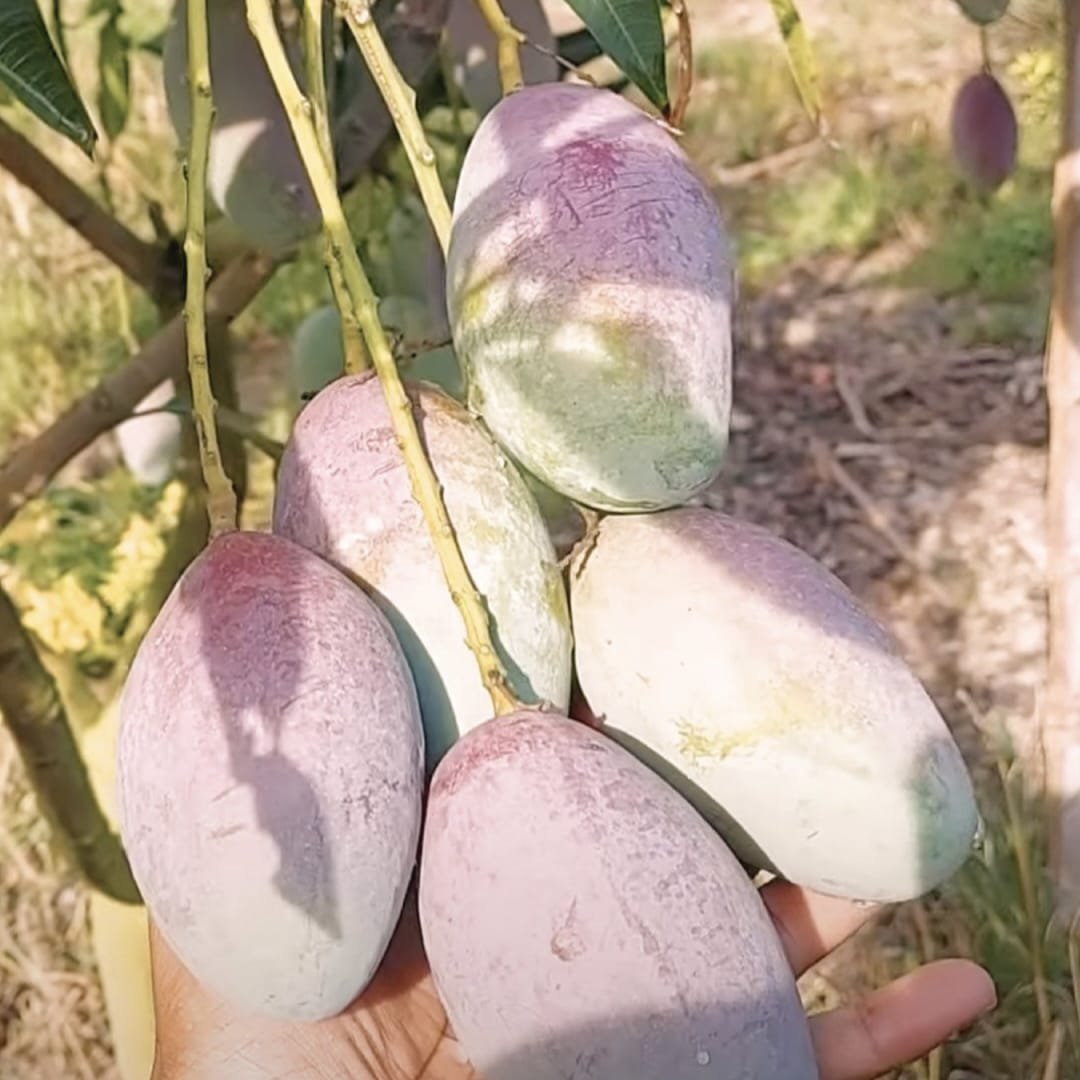
Original price was: ₹999.00.₹500.00Current price is: ₹500.00.Key Features:
-
Grafted for faster fruiting:Bari 13 mangoes are grafted, meaning they produce fruit much sooner than mangoes grown from seeds.
-
High yield:This variety is known for its abundant fruit production, making it a good choice for both personal and commercial use.
-
Sweet and aromatic flavor:The mangoes have a delicious, sweet, and aromatic flavor, making them a favorite among mango lovers.


Q-jai mango plant
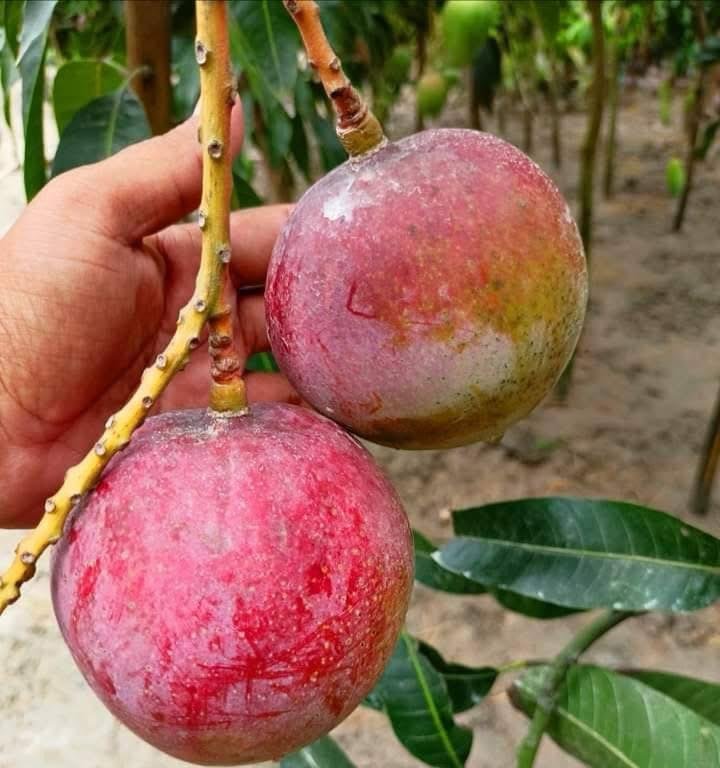
Original price was: ₹999.00.₹500.00Current price is: ₹500.00.Key Characteristics:
- Large Size: Q-jai mangoes are known for their substantial size, with individual fruits potentially weighing over one and a half kilograms.
- Sweet and Juicy: They are highly prized for their intense sweetness and juicy texture, often described as a “crunchy” and “nutty” flavor with a pleasant aroma.
- Reduced Fibers: Q-jai mangoes are noted for having relatively little fiber, making them a smooth and enjoyable eating experience.
- Easy to Grow: Grafted plants can bear fruit early and are suitable for various Indian climates and soil types, according to some sellers.
- Grafted Variety: Grafting ensures consistent fruit quality and increased yields.
- Thai Origin: The “Q Jai” or “Kujai” name suggests a Thai origin and is a popular variety in India.

American red palmar mango
Original price was: ₹1,199.00.₹500.00Current price is: ₹500.00.Appearance:
- Size: American Red Palmer mangoes are large, with some specimens reaching several pounds in weight.
- Shape: Oblong or slightly elongated.
- Color: Ranging from purple to red to yellow when ripe, with a distinctive red-purple blush.
Taste and Texture:
- Flavor: Mild and aromatic, with a sweet taste.
- Texture: Firm flesh with minimal fiber
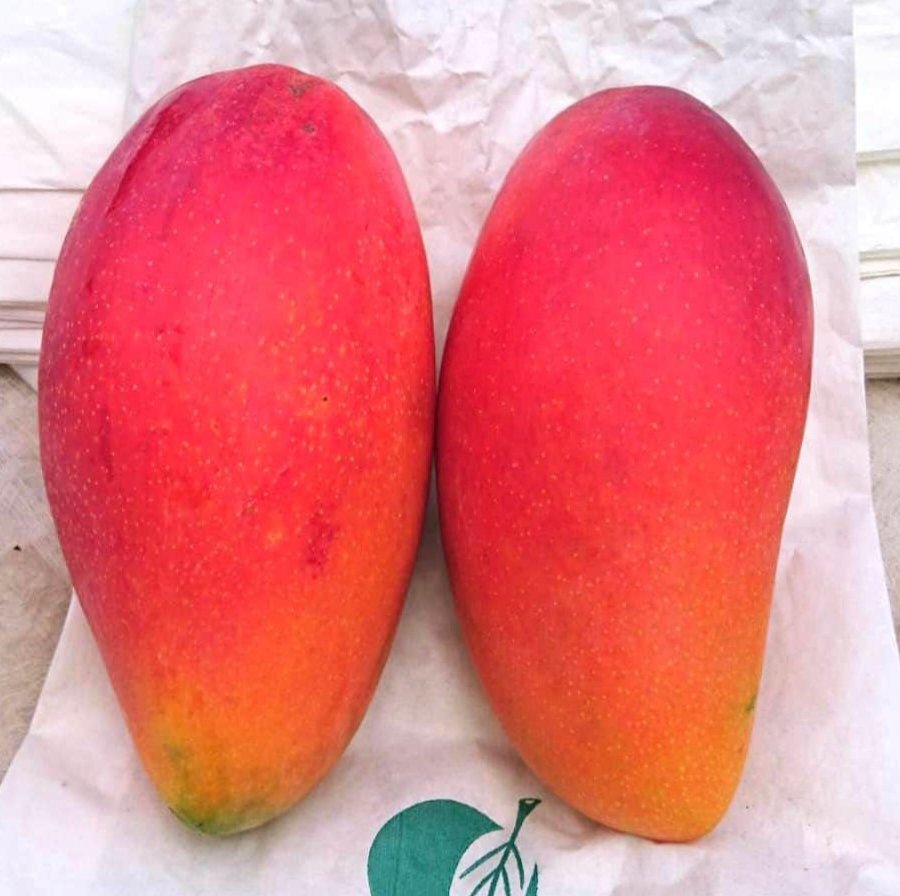
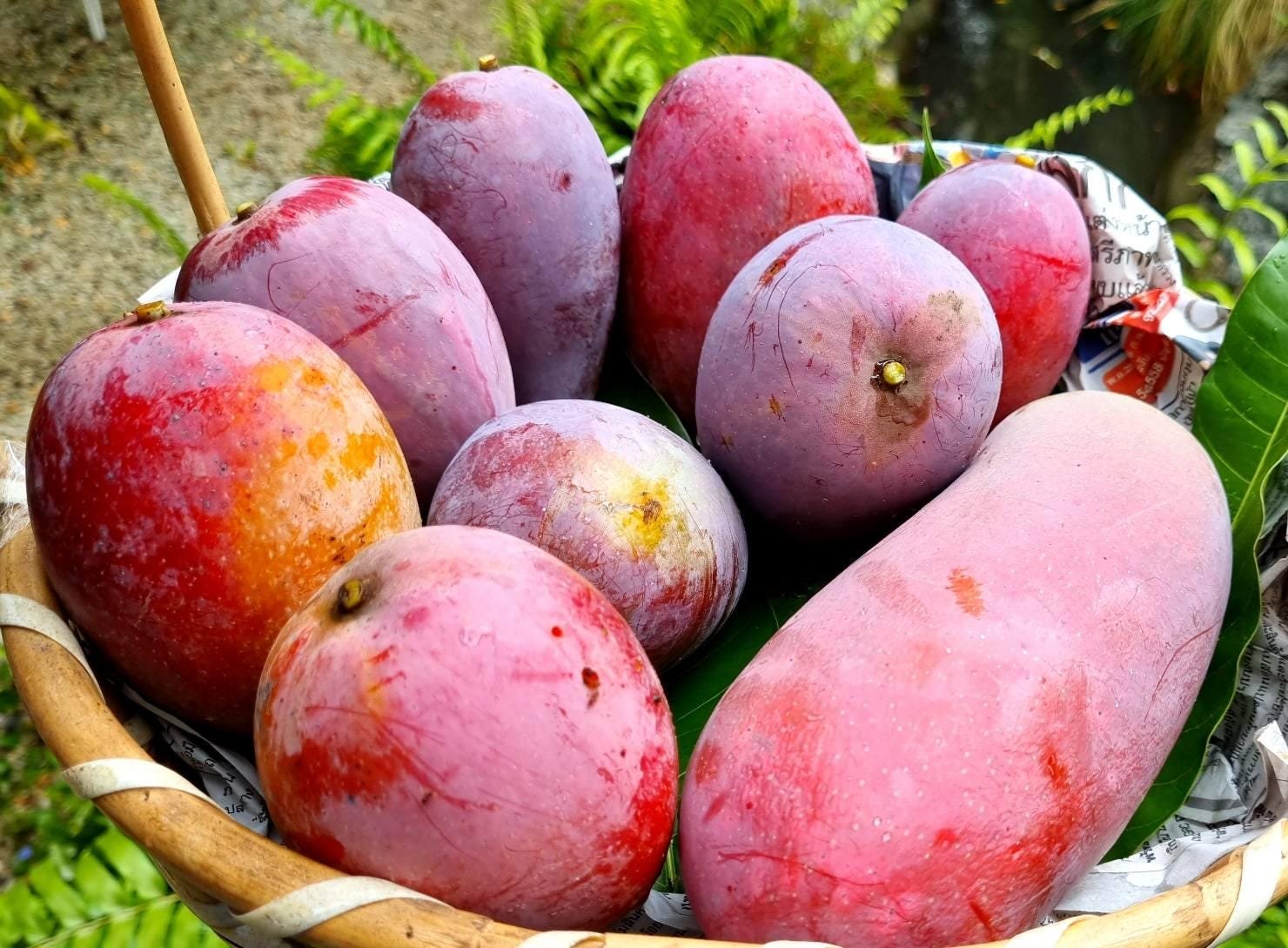
Hong Long Mango Plant
Original price was: ₹2,999.00.₹1,300.00Current price is: ₹1,300.00.The Hong Long mango (also known as the Red Dragon or Hong Siang mango) is a premium, heavy-fruiting variety native to Taiwan and popularized in Southeast Asia. Highly sought after by fruit connoisseurs, it is famous for its vibrant red-blushed skin, exceptional sweetness, and smooth, fiberless flesh.
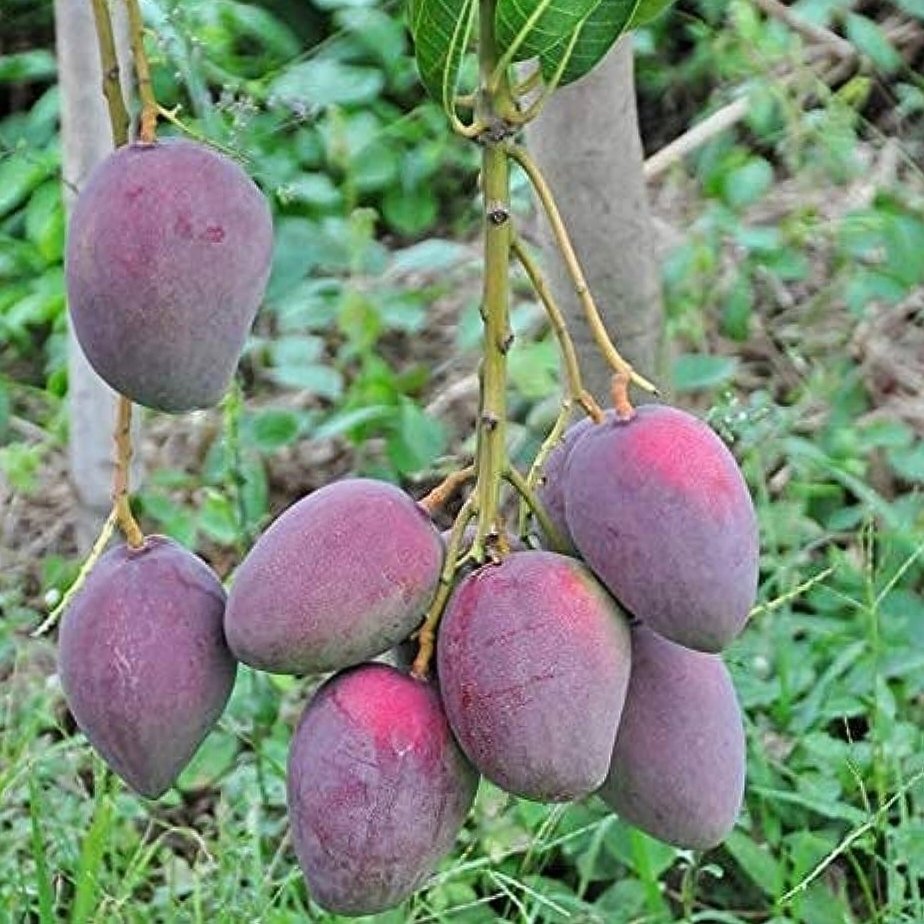
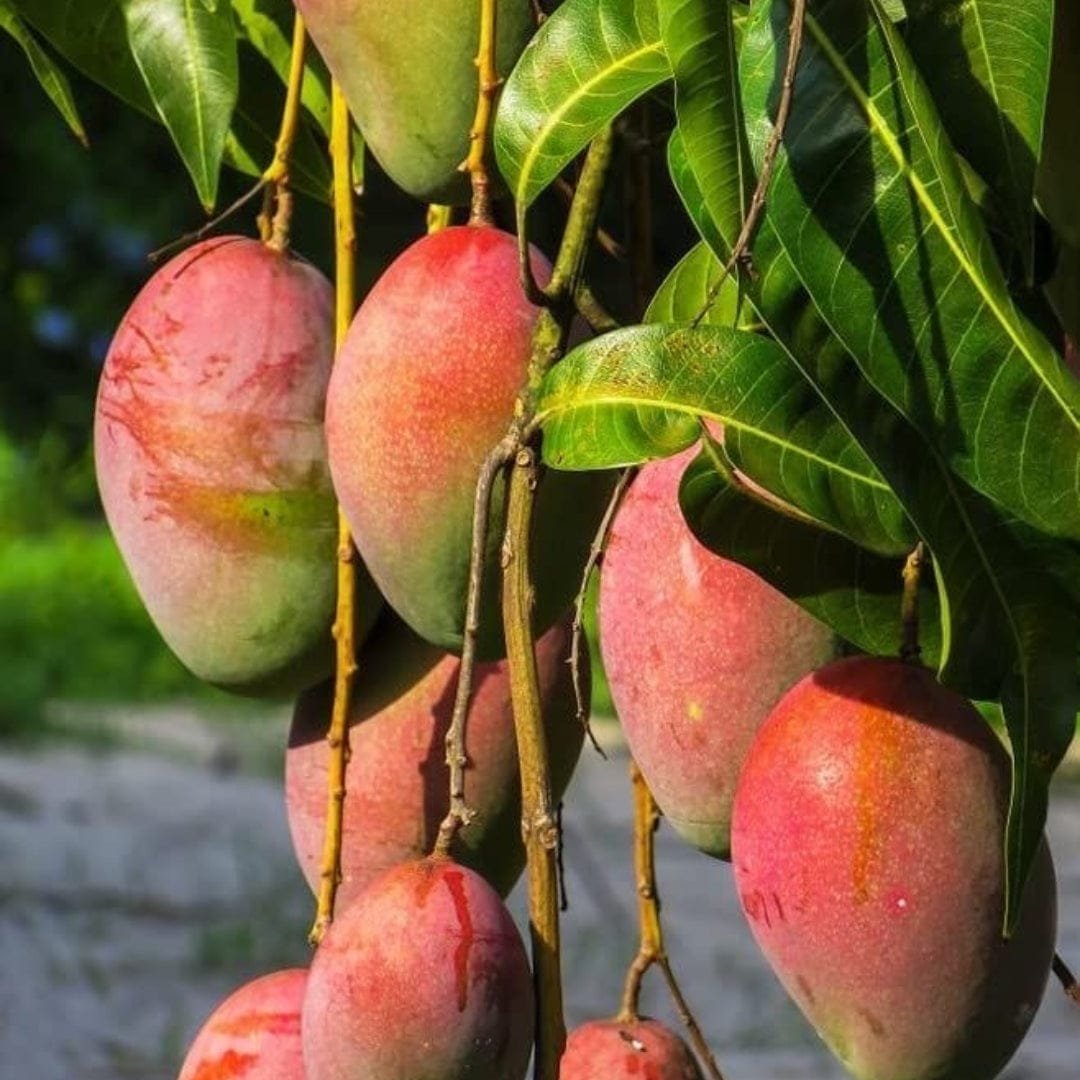
CISH Ambika Mango Plant
Original price was: ₹1,199.00.₹600.00Current price is: ₹600.00.
The CISH Ambika mango is a premium, late-season hybrid developed by the Central Institute for Subtropical Horticulture (CISH) in Lucknow, India. It is a cross between Amrapali and Janardan Pasand, highly prized for its dwarf growth habit, fiberless flesh, and attractive red-blushed yellow skin.