Sort by
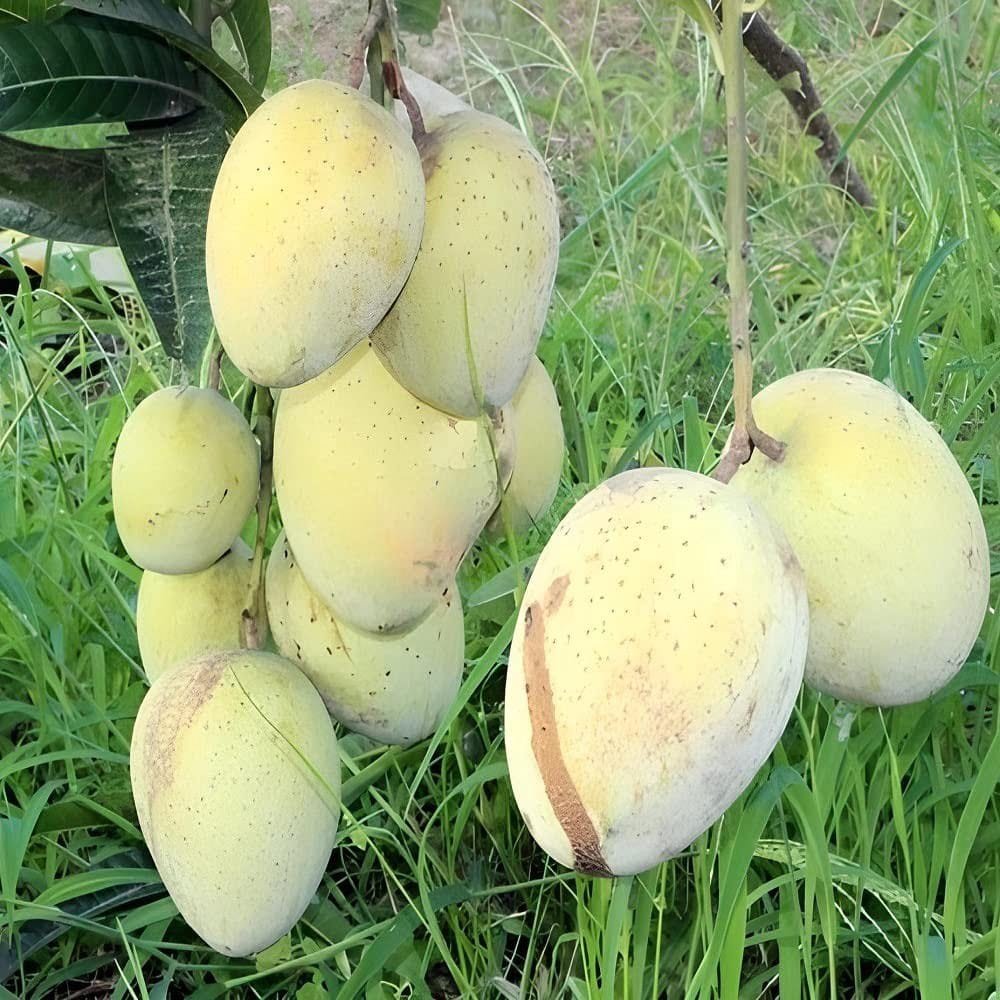
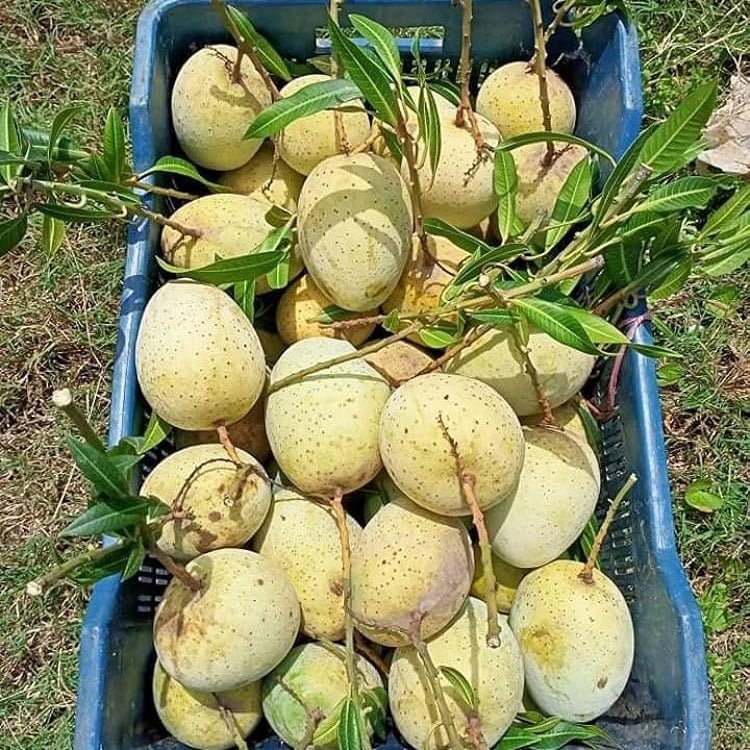
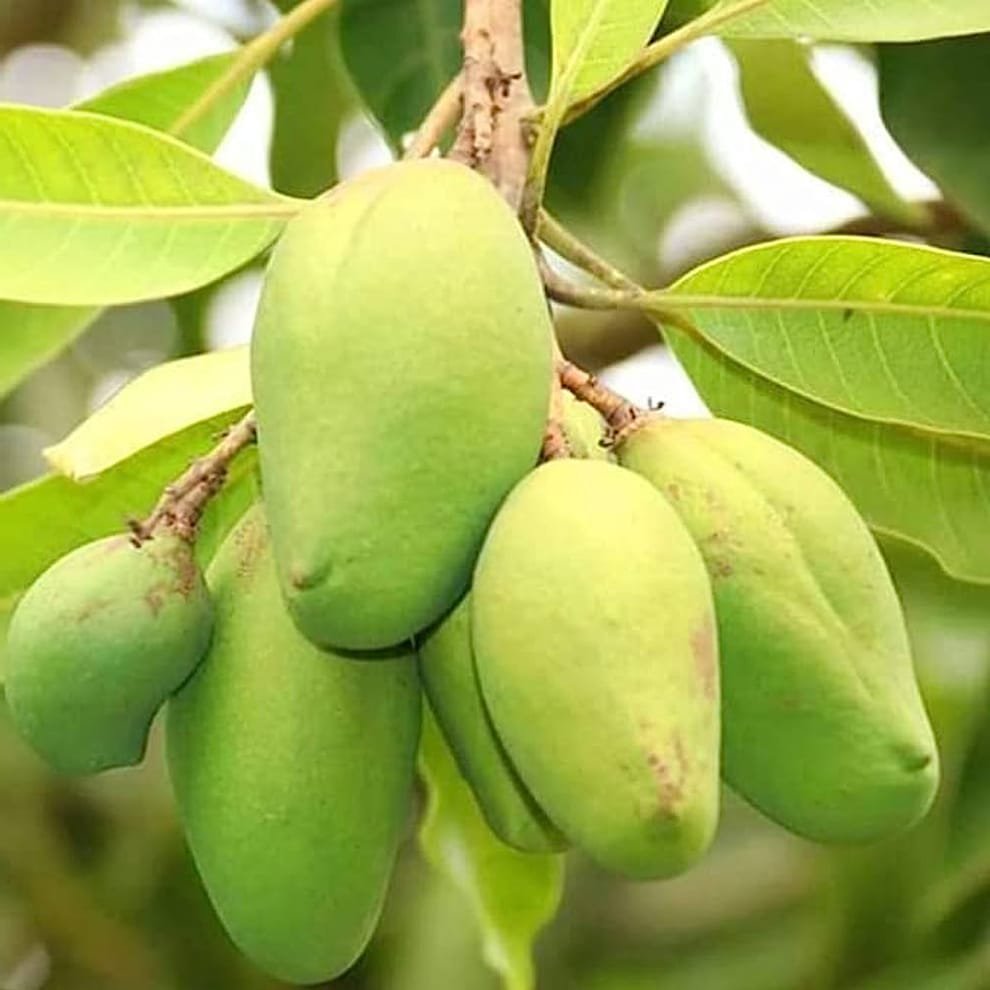
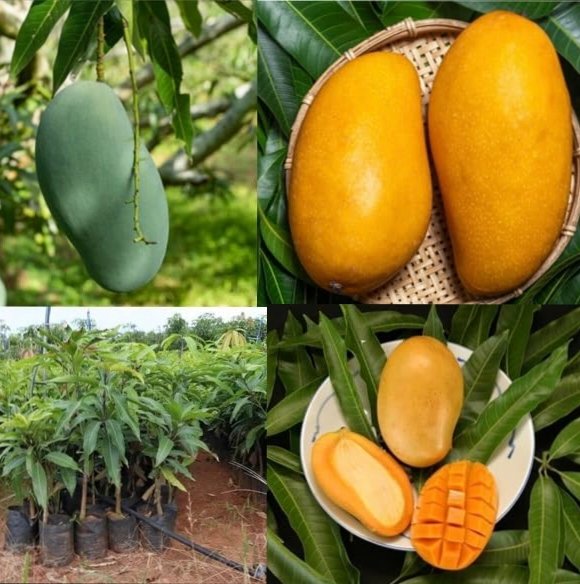
Gormati mango plant
-
Origin and Popularity:
Gourmoti is a natural seedling variation that’s very popular in Bangladesh and known for its exceptional flavor.
-
Fruit Characteristics:
The fruits have a golden skin and are known for their juicy, flavorful flesh and sweet taste. They are a late-season variety, ripening in September.
-
Taste and Texture:
The Gourmoti mango has a sweet, fragrant, and juicy taste, with very little fiber. It’s considered sweeter than the Langra mango due to its higher soluble sugar content.
-
Tree Characteristics:
The tree itself resembles an Ashwina mango tree.
-
Cultivation:The plant can grow in almost all Indian climates and soils, making it suitable for both gardens and pots. Grafted plants are available for earlier fruiting.
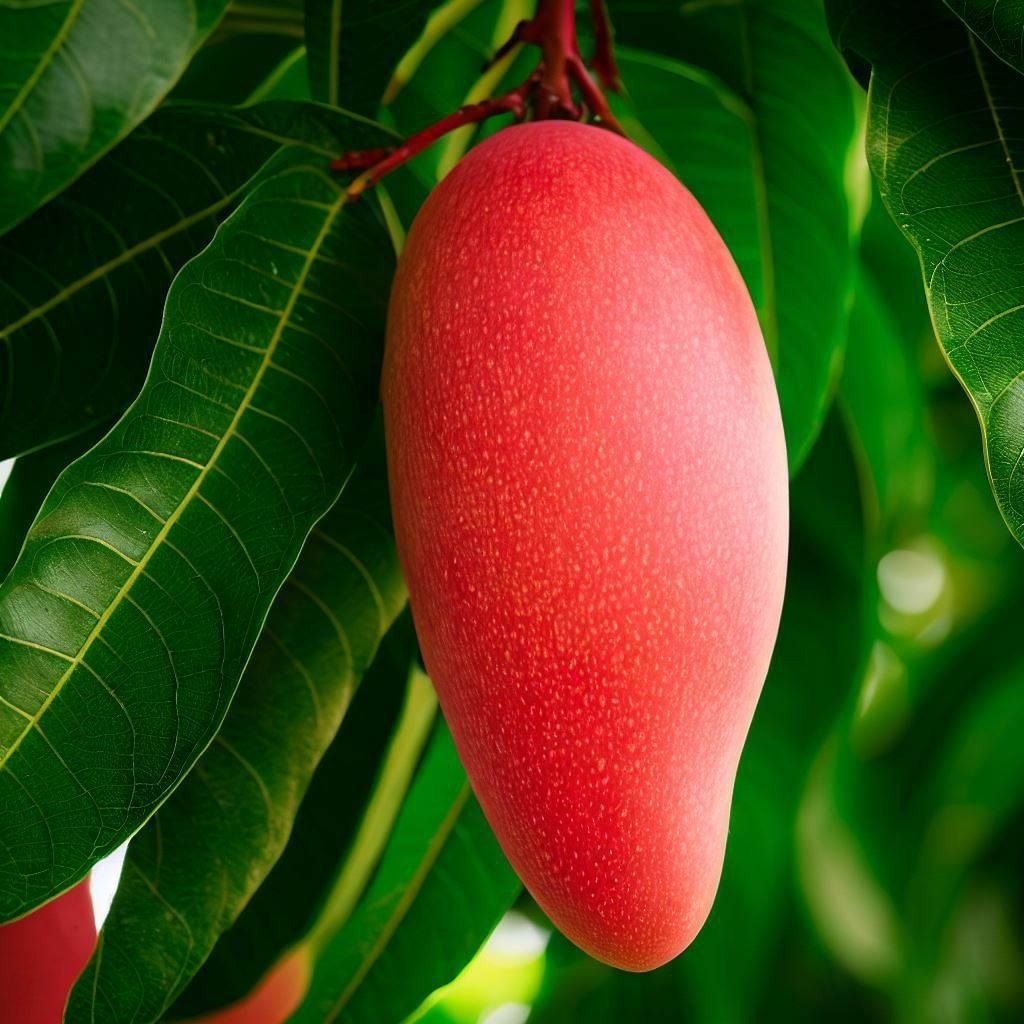
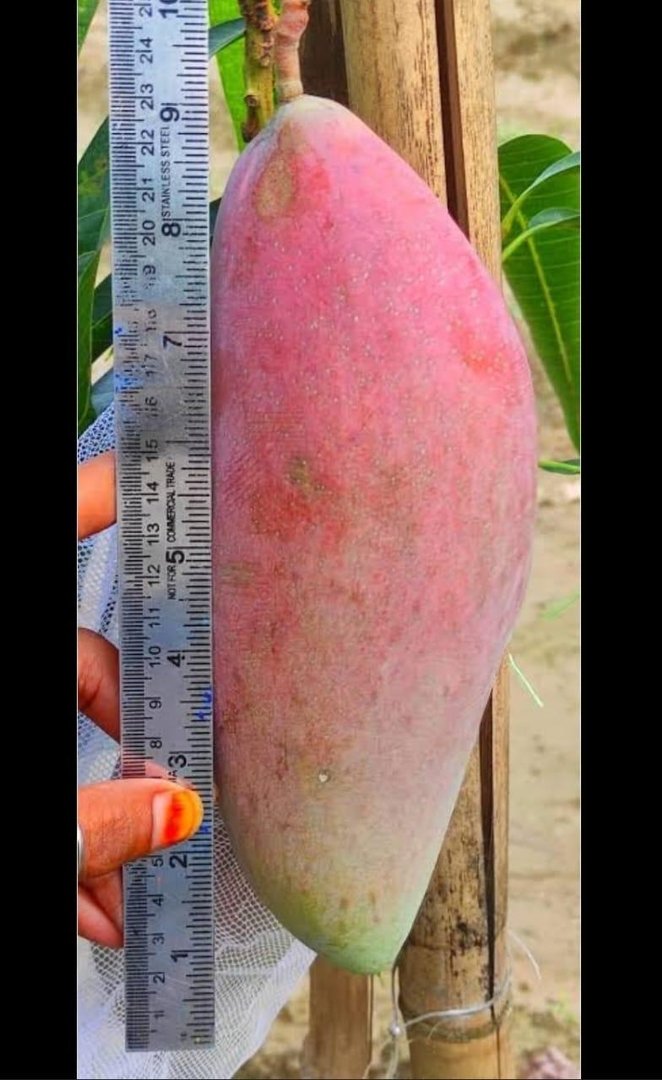
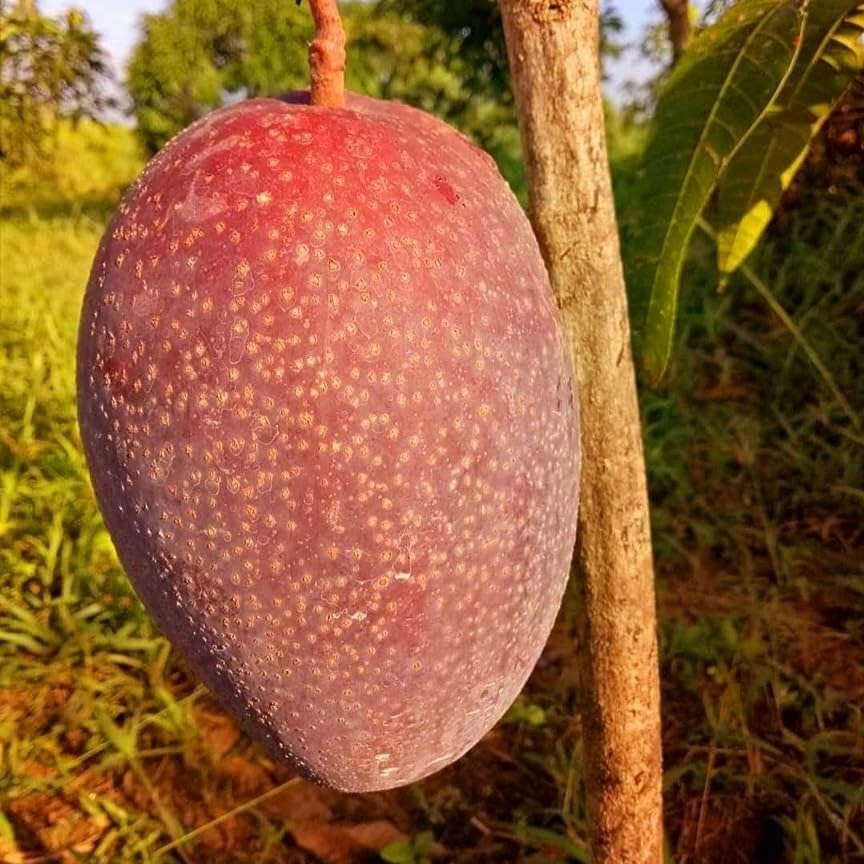
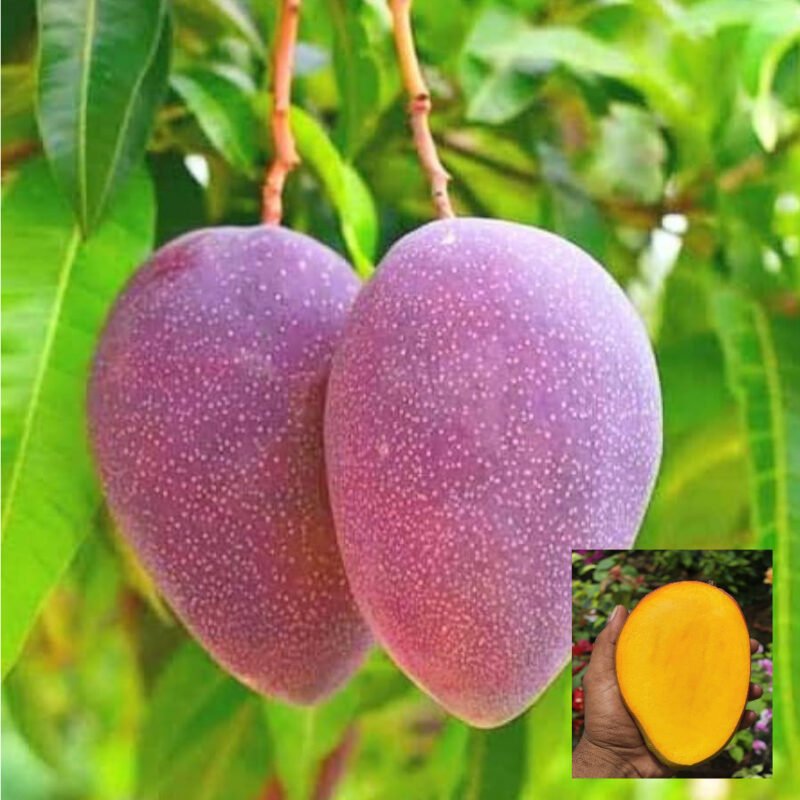
Redivori mango plant
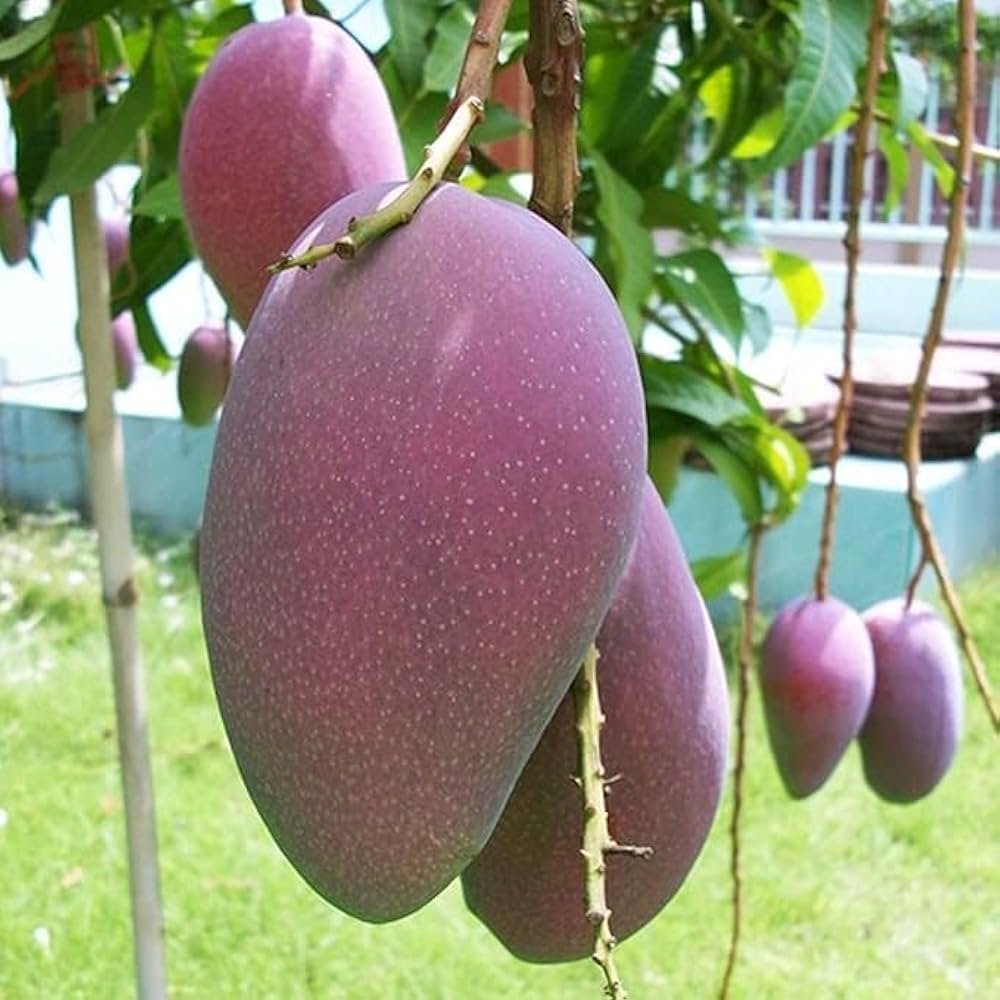
- . Size and Weight: Red Ivory mangoes are known for their large size, with fruits potentially weighing up to 2 kg.
- . Color: The mangoes have a distinctive and vibrant reddish-orange color.
- Flavor and Texture: The flesh is sweet, juicy, and fragrant, with a soft, tender texture and few fibers.
- . Skin: The skin is thin and smooth.
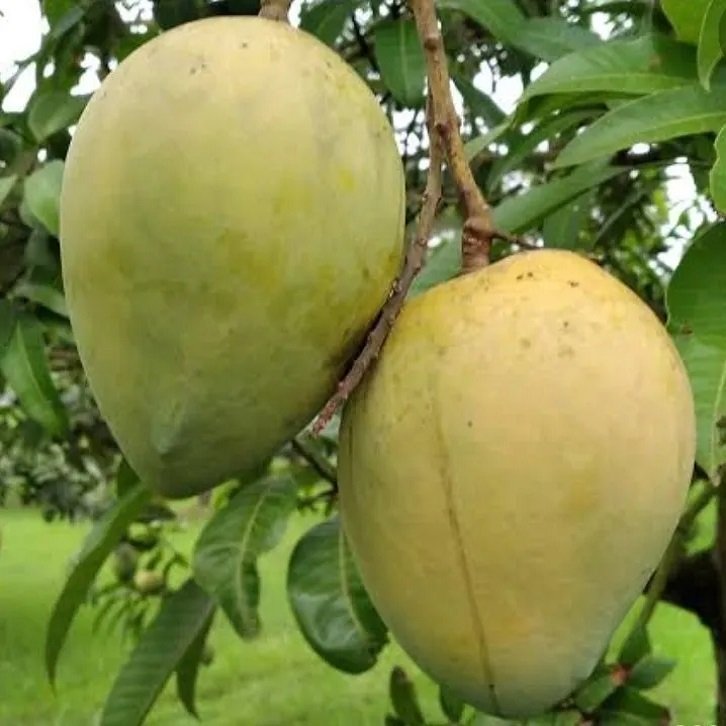
Bari 11 mango plant
Here’s a more detailed look at the Bari 11 mango:
- Sweet and Juicy: Bari 11 mangoes are known for their sweet and juicy flesh.
- Golden-Yellow Skin: The skin of ripe Bari 11 mangoes is typically a bright golden-yellow.
- Smooth Texture: The flesh has a smooth, non-fibrous texture, making it easy to enjoy.
- Aromatic Fragrance: The fruit has a pleasant, aromatic fragrance that fills the air when it’s ripe.
- All-Season Bearing: Bari 11 mangoes can bear fruit throughout the year, with some varieties having multiple harvests.
- Grafted Trees: Trees are typically grafted to ensure they bear fruit earlier than those grown from seeds.
- Vigorous Trees: Bari 11 mango trees are vigorous growers, capable of reaching heights of up to 30 feet.
- Tropical Climates: They thrive in warm, tropical climates and require plenty of sunlight and well-drained soil.
Miyazaki mango plant
The most expensive mango in the world
- . Demand:
The mangoes are popular in high-end restaurants and fruit boutiques in Japan.
- . Cultivation in India:
Some Indian farmers are now cultivating Miyazaki mangoes, aiming to export them to international markets. - . Health Benefits:
They are a good source of antioxidants, beta-carotene, and folic acid, and may offer some health benefits. - . Harvest Season:
The fruit is typically harvested during the summer months, around May to July.
Hari Vanga Mango Plant
Here’s a more detailed look:
-
Origin and Popularity:
The Haribhanga mango originated in Bangladesh and gained popularity in the early 2000s, especially in the Rangpur district.
-
Appearance:
These mangoes are round in shape and have a vibrant orange-yellow color when ripe.
-
Taste and Texture:
They are known for their exceptionally sweet taste, smooth, firm flesh, and lack of fiber.
-
Weight:
Haribhanga mangoes are generally fleshy and can weigh between 200 and 400 grams, with some reaching up to 700 grams.
-
Cultivation:
Cultivation of Haribhanga mangoes has gained significant traction in recent years, with the Department of Agriculture Extension (DAE) working to further develop this variety.
-
Gifting:Haribhanga mangoes have even been gifted as mementos of friendship, with Bangladesh sending 2600 kilograms to India in 2021.
BN 7 Mango Plant
Characteristics:
-
Appearance:
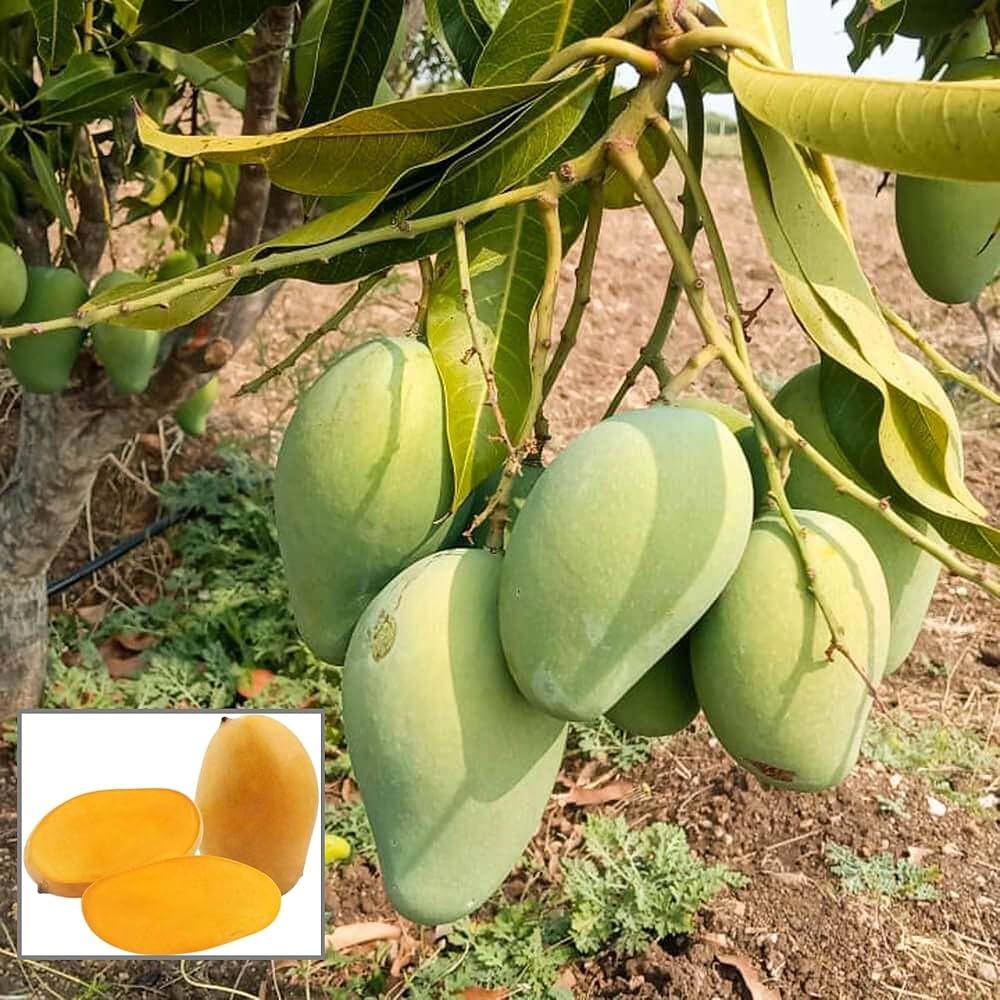
BN7 mangoes are large, often weighing 1 kg to 1.4 kg. They have a vibrant golden hue and a rich aroma.
-
Taste:
The mangoes are known for their sweetness, creamy texture, and delicious taste.
-
Texture:
The flesh is firm and juicy, with minimal fiber.
-
Yield:
BN7 is a high-yielding variety, making it suitable for home gardens, orchards, and farms.
-
Plant:
BN7 is a grafted plant, which means it matures faster and starts bearing fruit within 2-3 years.
- Plant Height: The plant height, including the pot, is typically 3 feet or more.
- Sunlight: The plant thrives in direct sunlight but can tolerate low indirect light.
- Soil and Climate: BN7 mango plants can adapt to various Indian climates and soil types.
Mallika mango Plant
- The Mallika mango tree is well-suited for smaller gardens or balcony planting due to its moderate growth and semi-dwarf size.
- It can be grown in pots with appropriate care, including a big container and regular watering.
- The tree is known for its ability to yield many fruits with relatively low maintenance.
- Mallika mangoes are known for their vibrant yellow to orange-yellow skin and juicy, fiber-free flesh.
- The fruits are generally 10-18 oz in weight.
- Mallika mangoes are versatile and can be used in various culinary applications.
- According to plantsship.net, Mallika mango trees are partially self-pollinating, but cross-pollination can increase fruit yield.
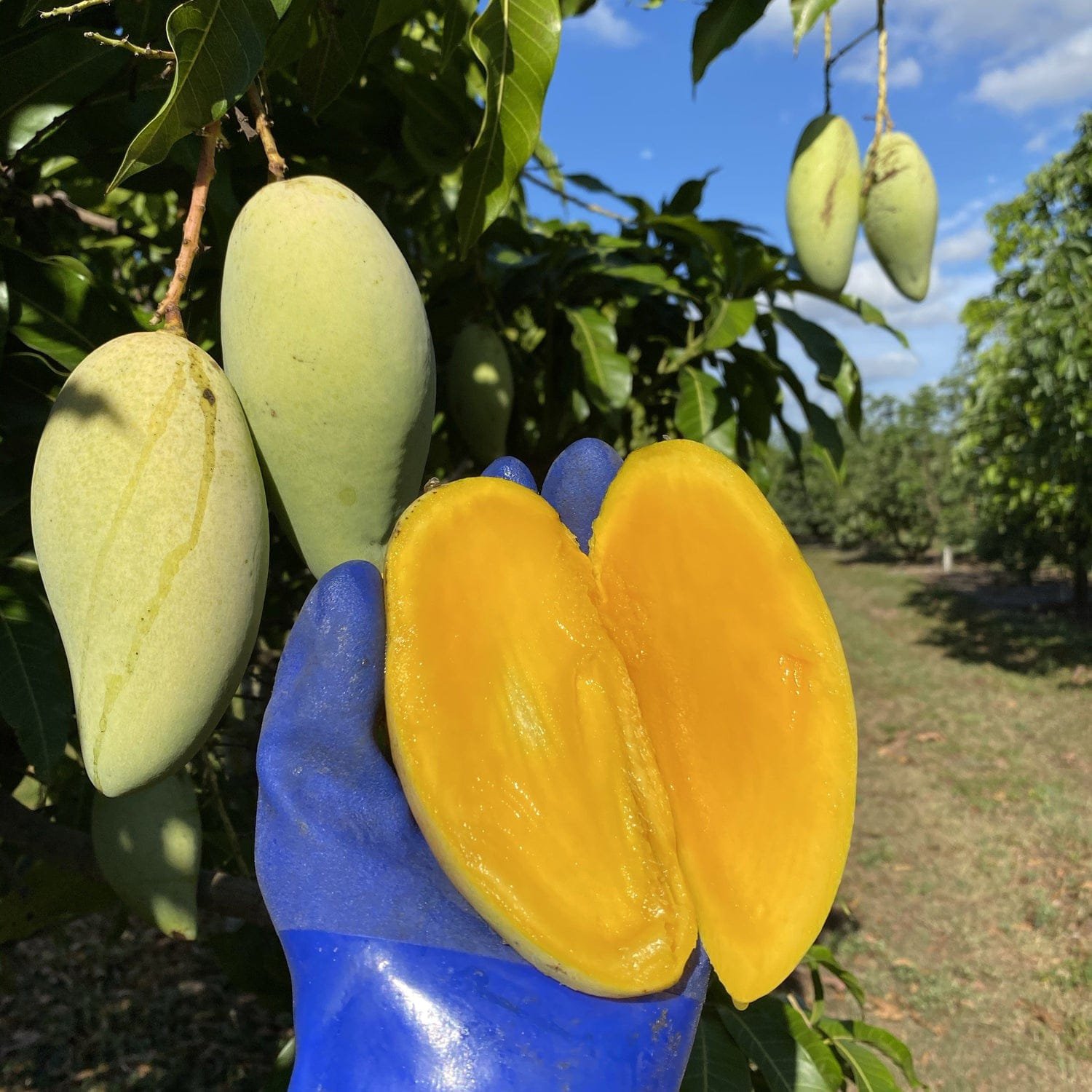
Nam Docmai Mango Plant
Key Features:
- Origin: Thailand
- Shape: Elongated with a prominent beak
- Color: Yellow with green spots when ripe
- Flavor: Rich, sweet, and flavorful with a pleasant aroma
- Texture: Soft, juicy, and fiberless
- Popularity: One of the most popular mango varieties in Thailand and also grown commercially in other regions like Australia
- Tree: Medium-sized, potentially reaching heights of over six meters
- Seed: Polyembryonic seeded variety with a thin, flat seed
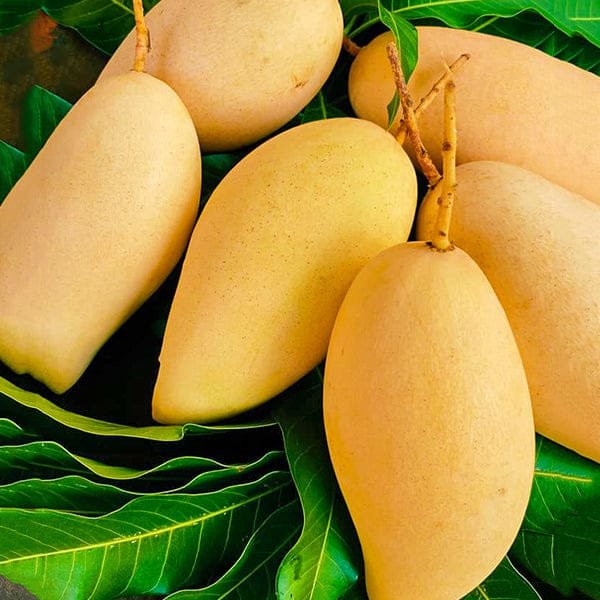
King of chakapat mango plant
- Taste: Delightfully sweet, with a subtle tanginess, offering a refreshing, juicy flavor.
- Texture: Soft, buttery, and smooth when fully ripe, with no fibers.
- Origin: From Thailand, known as the “Mango King” in its home country.
- Tree: Large, often reaching heights of 30 to 100 feet, with a broad canopy.