

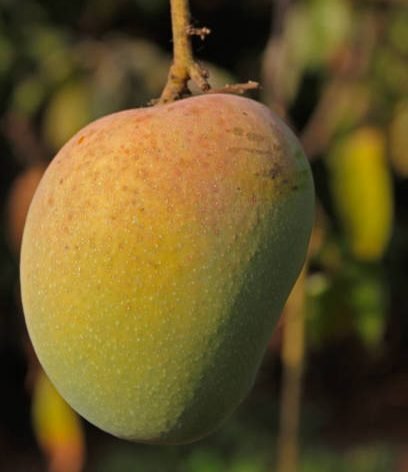
Alphonso mango Plant
Original price was: ₹999.00.₹450.00Current price is: ₹450.00.Fruit:
- Oval-shaped, 4 to 6 inches long.
- Bright yellow-orange skin when ripe, with a red blush.
- Sweet, juicy, and aromatic flesh.
Tree Characteristics:
- A symmetrical evergreen tree, capable of reaching heights of 90 feet and widths of 80 feet, according to the University of Hawaii System.
- Prefers full sunlight and well-drained soil.
- Can be grown in home gardens, orchards, or terrace plantations.
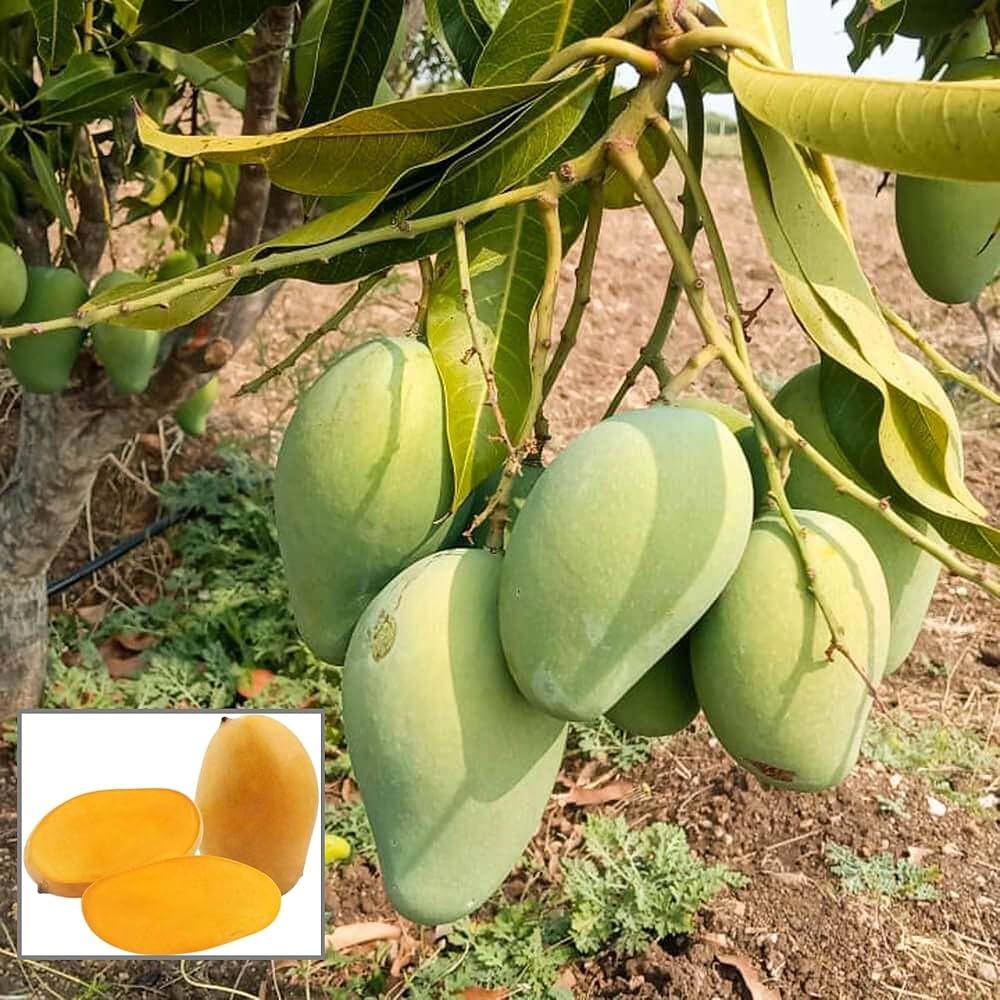
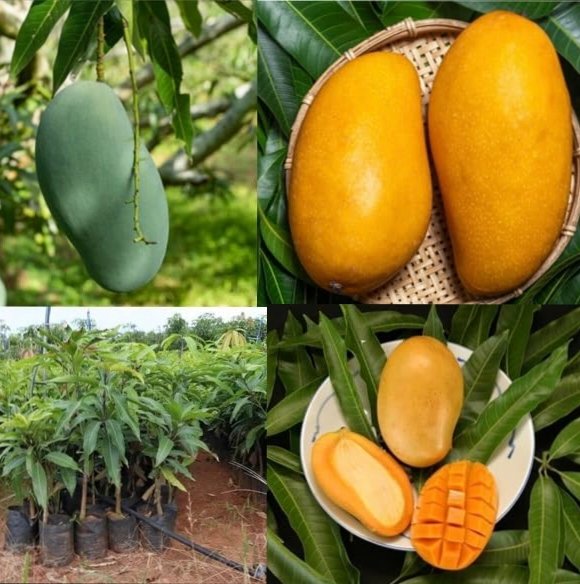
Mallika mango Plant
Original price was: ₹799.00.₹350.00Current price is: ₹350.00.- The Mallika mango tree is well-suited for smaller gardens or balcony planting due to its moderate growth and semi-dwarf size.
- It can be grown in pots with appropriate care, including a big container and regular watering.
- The tree is known for its ability to yield many fruits with relatively low maintenance.
- Mallika mangoes are known for their vibrant yellow to orange-yellow skin and juicy, fiber-free flesh.
- The fruits are generally 10-18 oz in weight.
- Mallika mangoes are versatile and can be used in various culinary applications.
- According to plantsship.net, Mallika mango trees are partially self-pollinating, but cross-pollination can increase fruit yield.
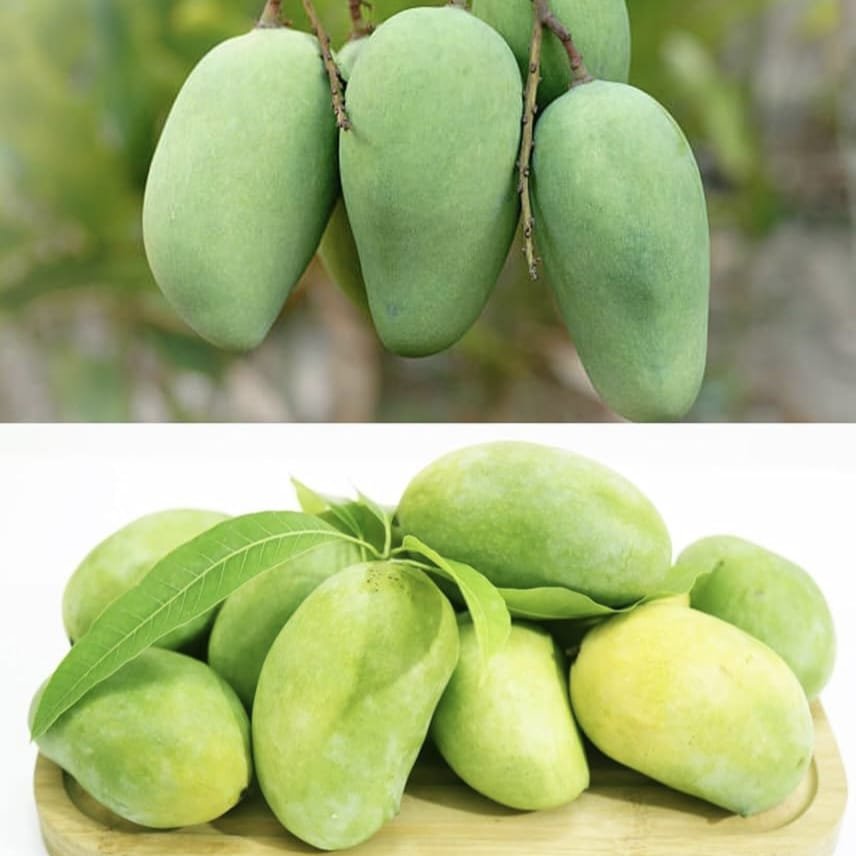
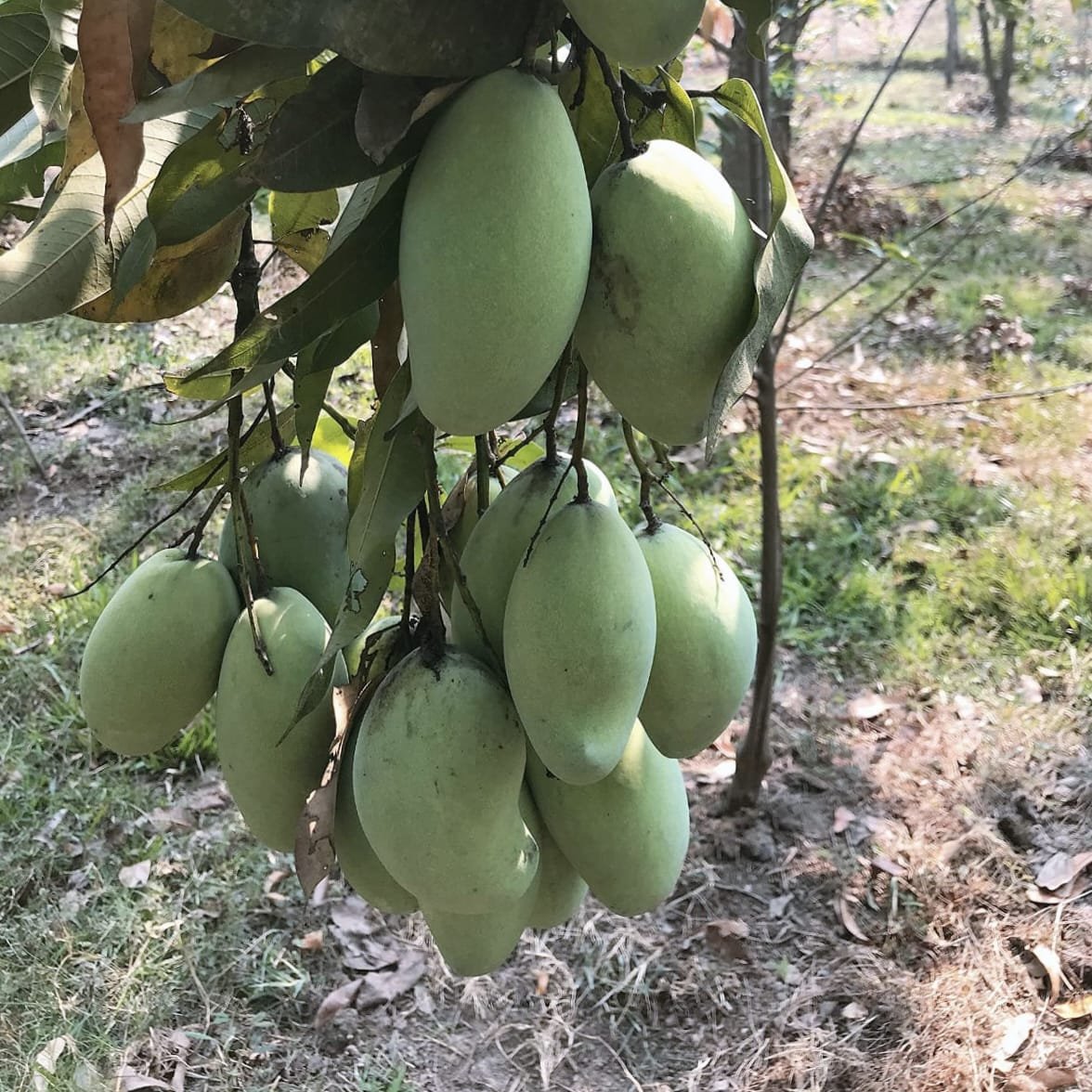
Amropali mango plant
Original price was: ₹999.00.₹380.00Current price is: ₹380.00.- Cross-Pollination: While Amrapali is partially self-pollinating, cross-pollination with other mango varieties can increase fruit set and yield.
- Disease Resistance: Amrapali mangoes are known to be relatively resistant to diseases.
- High Yield: Amrapali mango trees can yield a significant number of fruits per plant, especially with proper care and pruning.


Langra mango Plant
Original price was: ₹999.00.₹380.00Current price is: ₹380.00.- Langra mangoes were first cultivated in Banaras, India, 250-300 years ago.
- The tree is also valued for its wood, which is used for furniture and other decorative purposes.
- The name “Langra” is thought to be derived from the Hindi word “Langda,” meaning lame, referencing a farmer who had a limp and grew the variety.


Himsagar mango Plant
Original price was: ₹999.00.₹450.00Current price is: ₹450.00.Plant Characteristics:
- Scientific Name: Mangifera indica.
- Common Name: Himsagar Mango.
- Origin: Primarily grown in West Bengal, India.
- Growth: Medium to large-sized evergreen tree with a dense crown and spreading canopy.
- Foliage: Dark green, glossy leaves.
- Fruit: Large, oblong, thin-skinned, golden yellow when ripe, sweet, juicy, and aromatic. The flesh is also described as exceptionally juicy, fiberless, and has notes of honey and citrus.
- Season: Typically starts in May and extends into June.
Red sandalwood plant
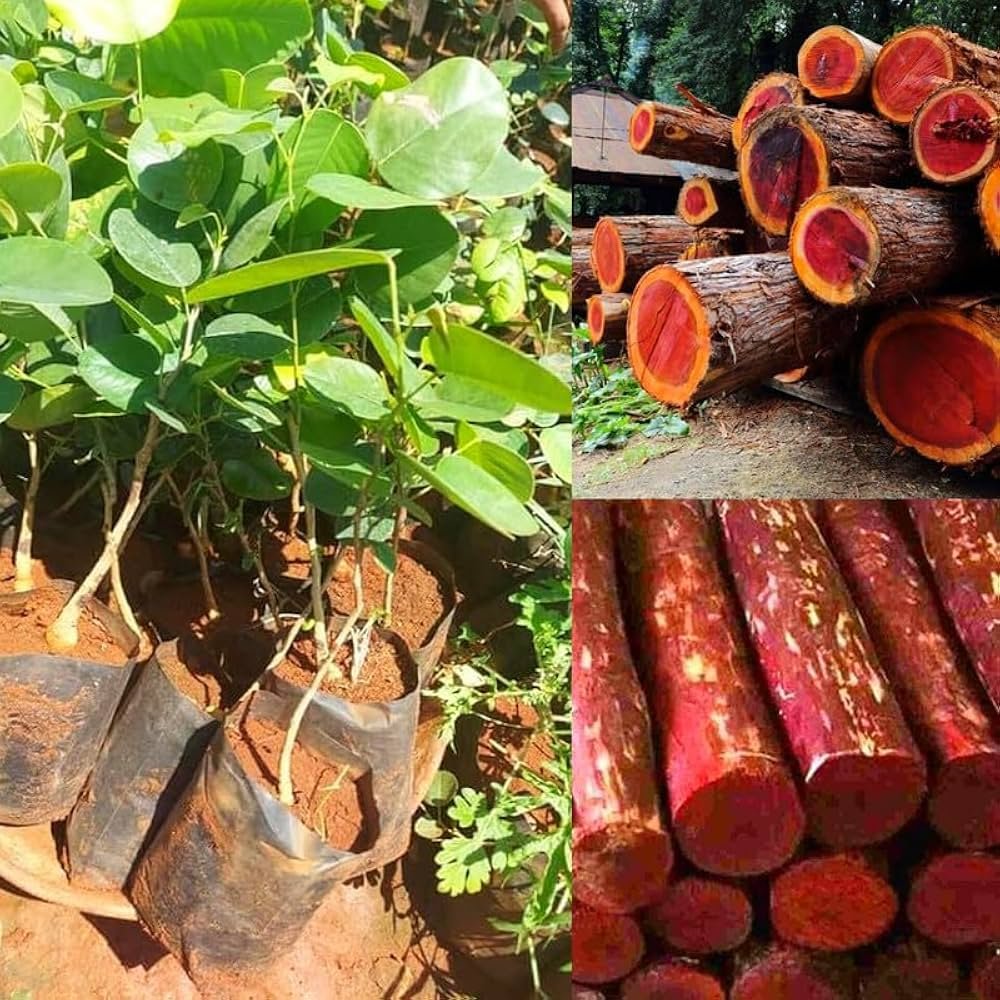
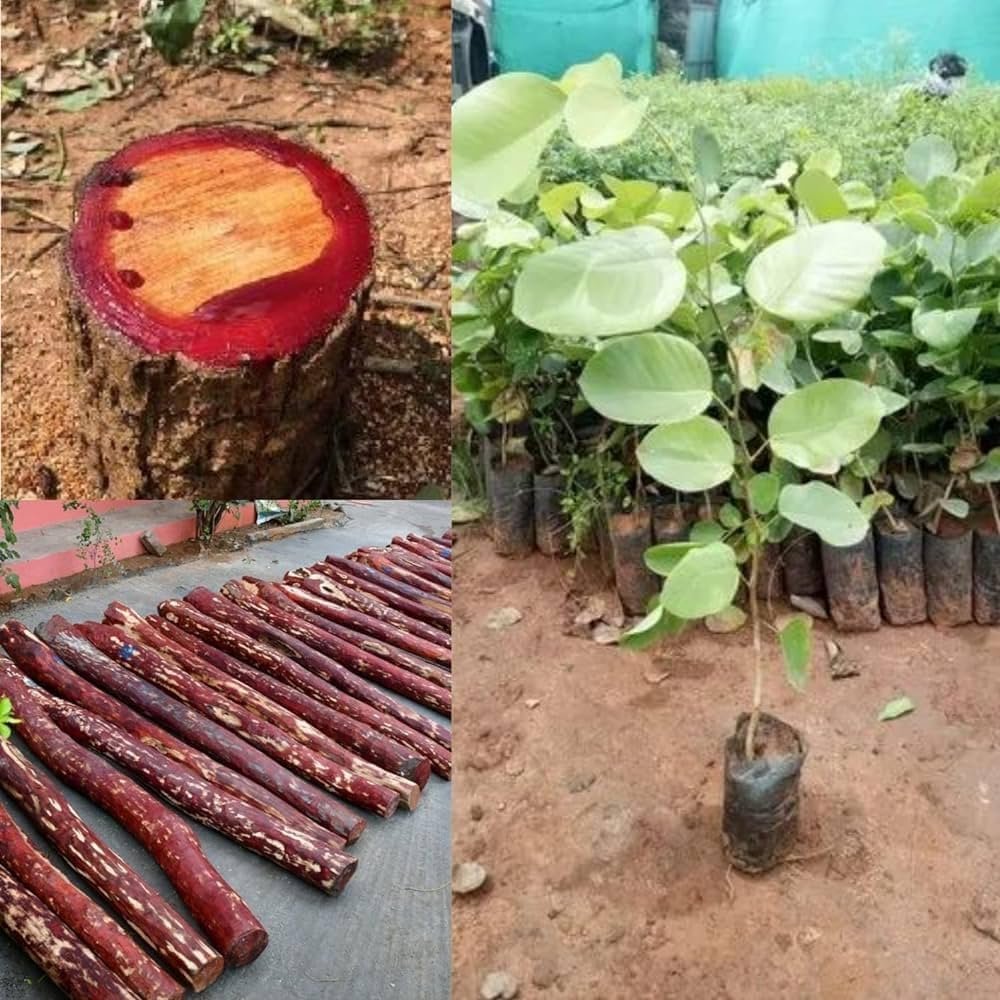
Original price was: ₹999.00.₹499.00Current price is: ₹499.00.Plant Characteristics:
-
Appearance:
Red Sandalwood is a medium-sized tree with a straight trunk and dense crown. Its leaves are pinnate and typically green.
-
Heartwood:
The heartwood is the most prized part of the tree, known for its deep, reddish-brown color and rich, aromatic scent.
-
Bark:
The bark is dark grayish.
-
Growth:It’s a relatively slow-growing tree, reaching maturity in about 10-15 years.

White sandalwood plant
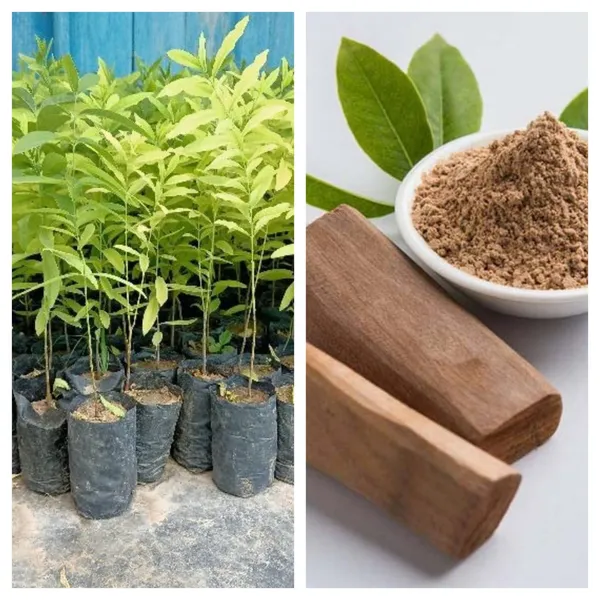
Original price was: ₹799.00.₹350.00Current price is: ₹350.00.Key features of White Chandan:
- Fragrant Heartwood: The core wood of the tree is aromatic and produces sandalwood oil.
- Partial Parasite: Sandalwood trees are partial root parasites, meaning they require a host plant for nutrients.
- Medicinal Properties: Sandalwood has been used traditionally for its anti-inflammatory, antimicrobial, and cooling properties.
- Cultural Significance: Sandalwood paste is used in religious rituals, especially for applying tilak (a dot on the forehead) on sacred idols and in Sufi traditions.
- Slow Growth: Sandalwood trees are known for their slow growth rate.
- Versatile Uses: The oil is used in aromatherapy, skincare, and incense, while the wood is used in carving and religious practices.
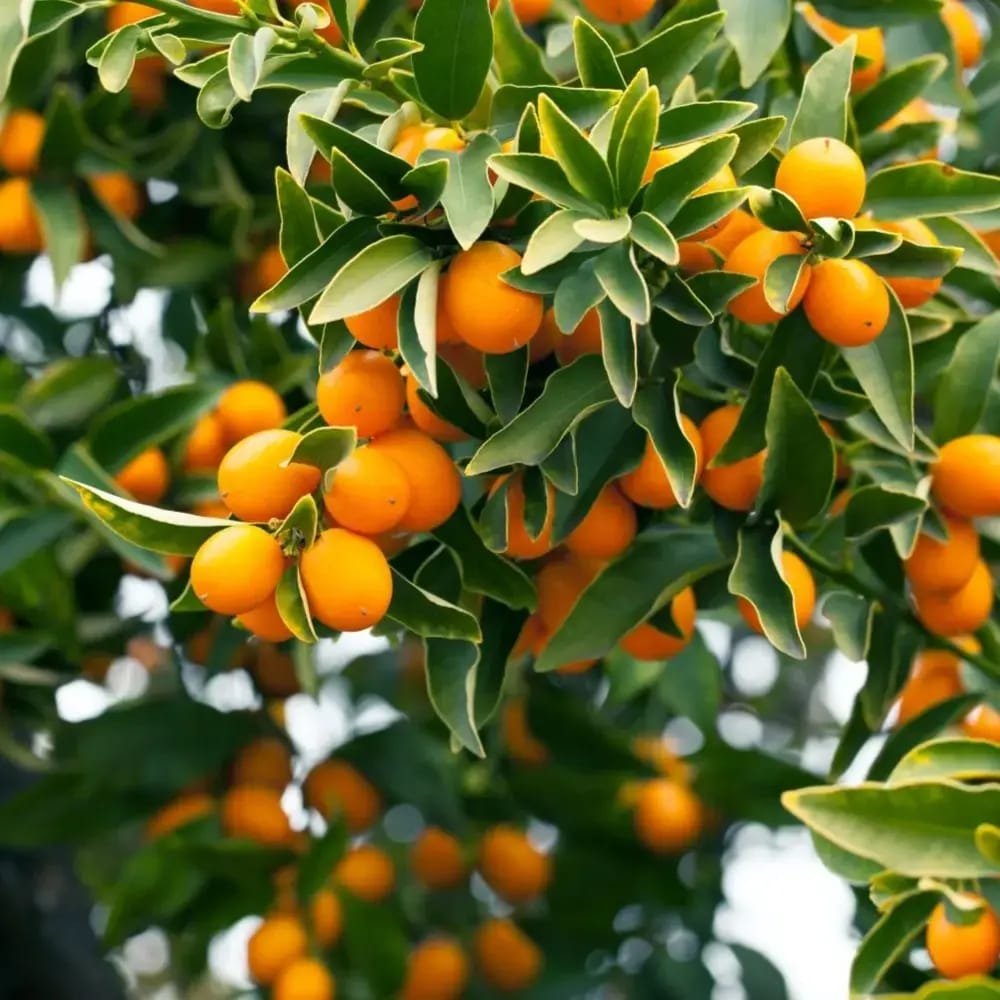
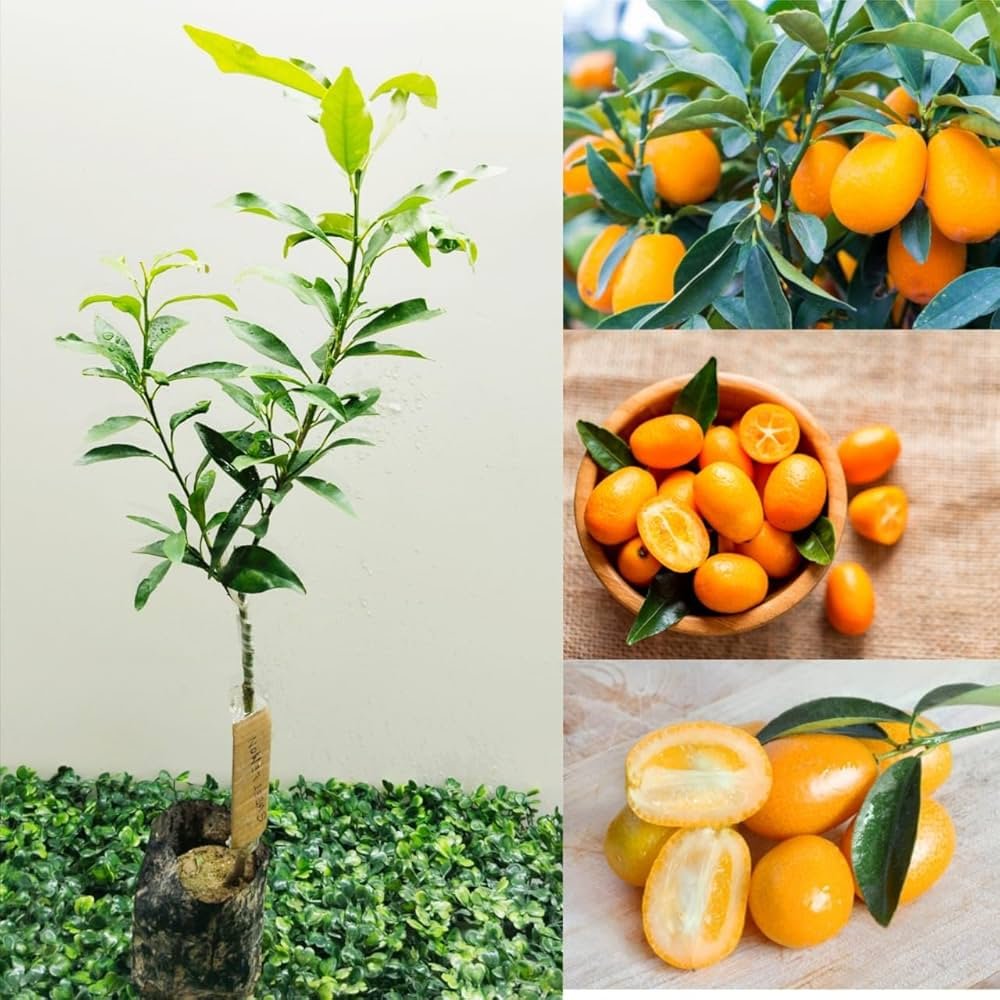
Sweet lemon plant / original grafted plant
Original price was: ₹999.00.₹500.00Current price is: ₹500.00.Examples of Sweet Lemons:
- Persian Sweet Lemon: Known for its sweet, fragrant, and floral aroma.
- Meyer Lemon: A hybrid variety of lemon with a sweet, fragrant, and thin-skinned fruit.

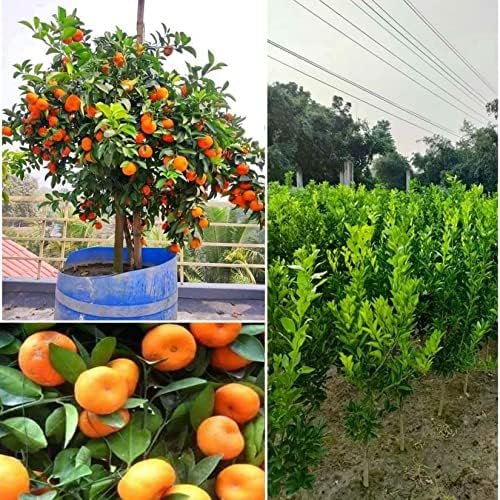
Chinese ramrongon orange
Original price was: ₹1,299.00.₹400.00Current price is: ₹400.00.Here’s a more detailed look at the plant:
- Grafting: Grafted Ram Rangan trees are favored for their faster fruit production and consistent quality compared to seed-grown varieties.
- Flavor and Taste: The fruits are known for their sweet, tangy, and juicy flavor.
- Growing Conditions: They thrive in well-watered soil with full sun exposure.
- Appearance: The plant boasts vibrant green foliage and can produce a good amount of fruit.
- Uses: Ram Rangan oranges can be enjoyed fresh, used in various recipes, or even made into juice.