
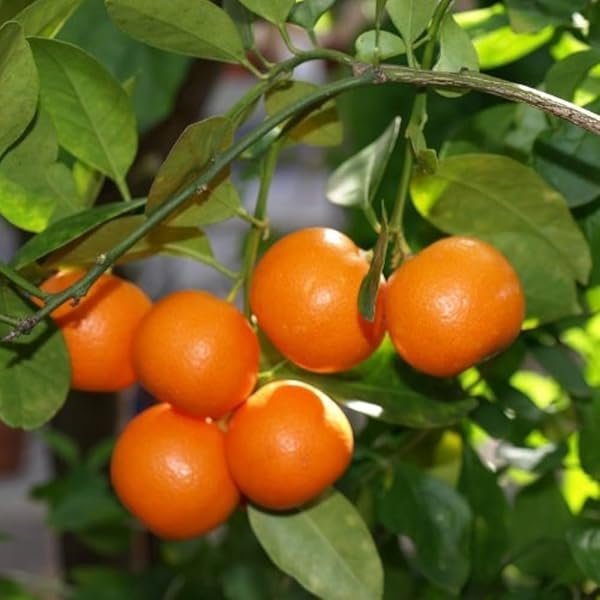
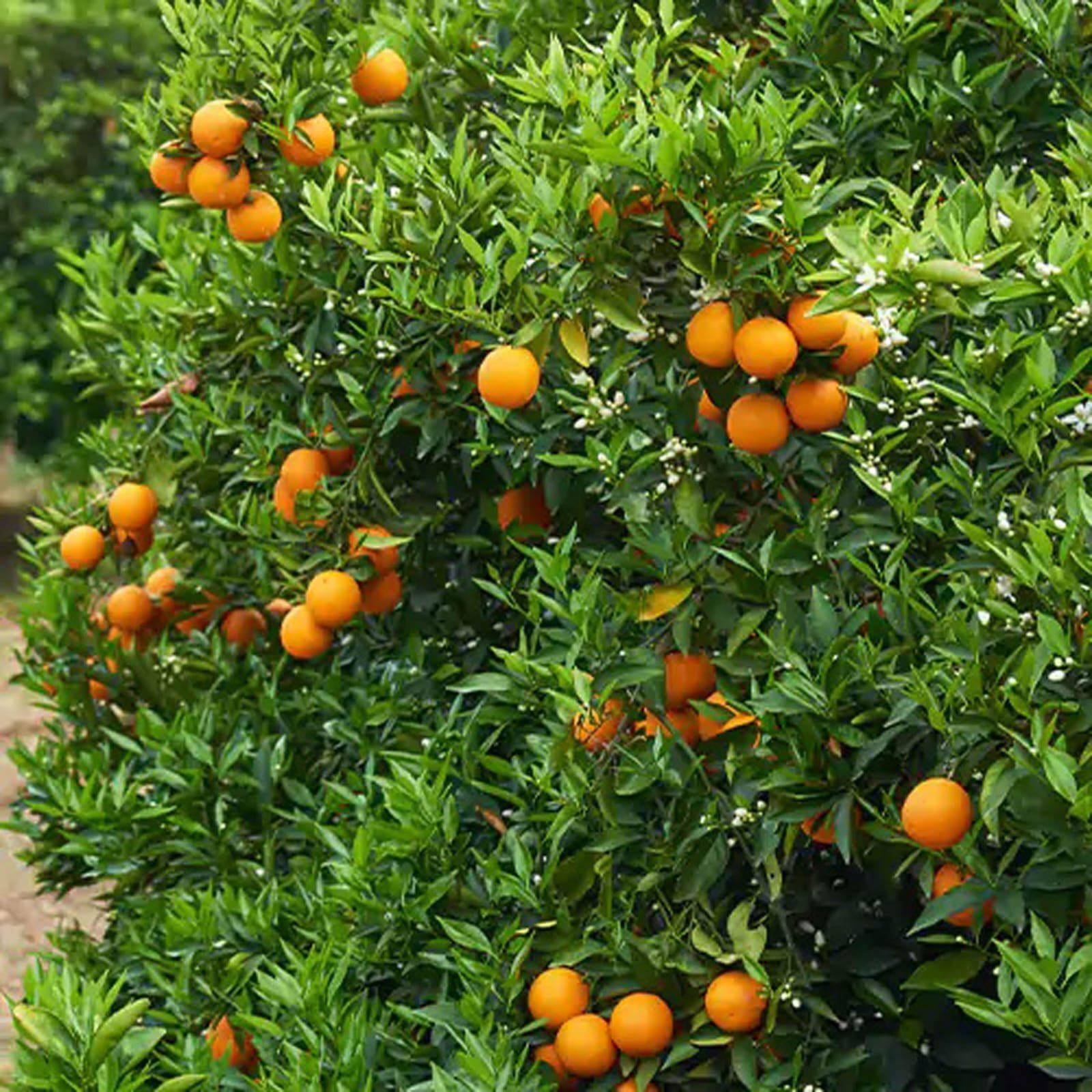
Bhutani chatki orange (plant height 2 feet) original grafted plant
Original price was: ₹799.00.₹400.00Current price is: ₹400.00.Here’s a more detailed look at its characteristics:
- Origin: Bhutan.
- Flavor: Distinctly sweet and sour.
- Appearance: Thin, easy-to-peel skin and juicy, sweet-tart flesh.
- Health Benefits: Good source of vitamin C and antioxidants.
- Cultivation: Adaptable to various Indian climates and soil types, suitable for garden or pot cultivation.
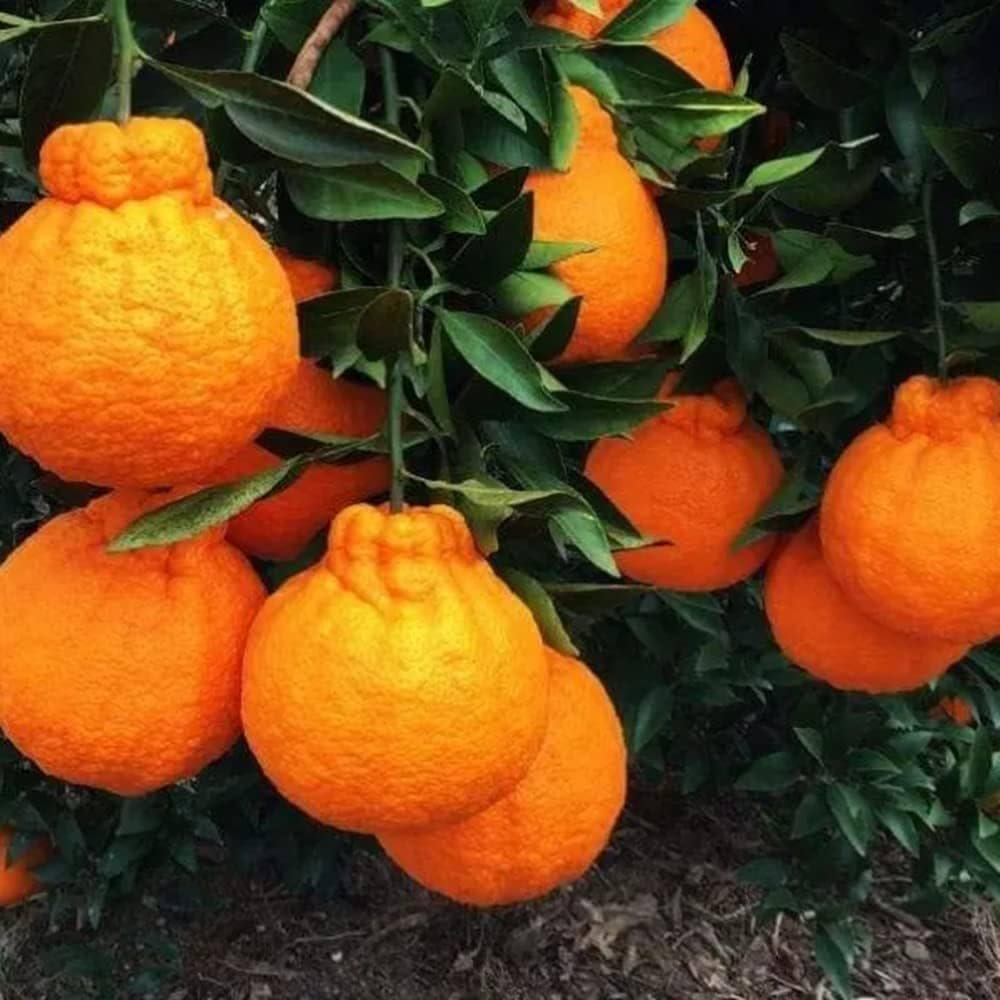
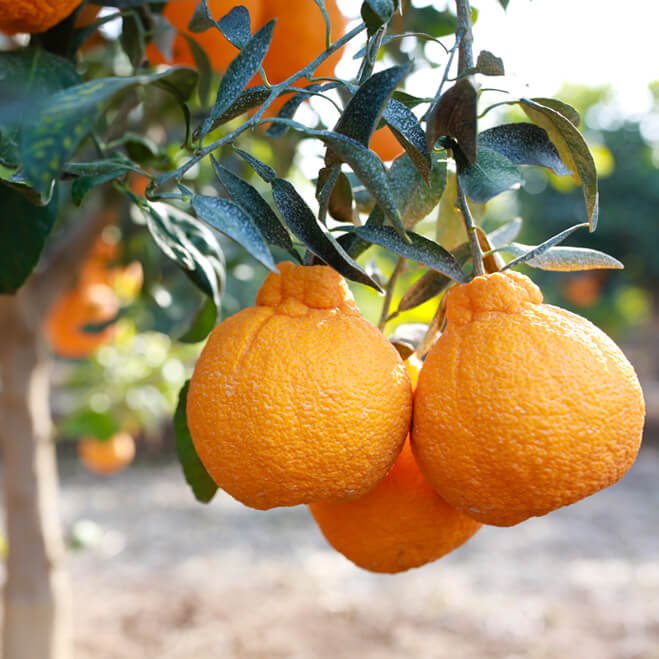
Dekopon orange original grafted plant
Original price was: ₹999.00.₹450.00Current price is: ₹450.00.Here’s a more detailed look:
Key Features:
-
Size and Shape:Dekopons are large for mandarins, averaging 8-10 cm in diameter. They have a round, oval, or oblate shape with a distinct protruding neck or bump (the “topknot”).
-
Flavor:They are known for their exceptionally high sugar content (13-18 degrees Brix) and low acidity, resulting in a very sweet and rich flavor. Some people describe it as resembling eating candy.
-
Appearance:The skin is bright orange, textured, and easy to peel. The flesh is juicy, seedless, and firm.
-
Origin:Dekopon is a hybrid between Kiyomi and ponkan, developed in Japan in the 1970s.
-
Other Names:Dekopon is also known as Shiranui or Sumo Orange.
-
Growth:Dekopon plants are high-yielding and thrive in well-drained soil and full sunlight.
-
Uses:Dekopons can be eaten fresh, added to salads, or used in various recipes. Their juice can be used in marinades, dressings, and glazes.
Washington navel orange (plant height 2-2.5) original grafted plant
Original price was: ₹999.00.₹450.00Current price is: ₹450.00.Key features of the Washington navel orange:
-
- Seedless: A defining characteristic that makes it easy to eat and enjoy.
- Seedless: A defining characteristic that makes it easy to eat and enjoy.
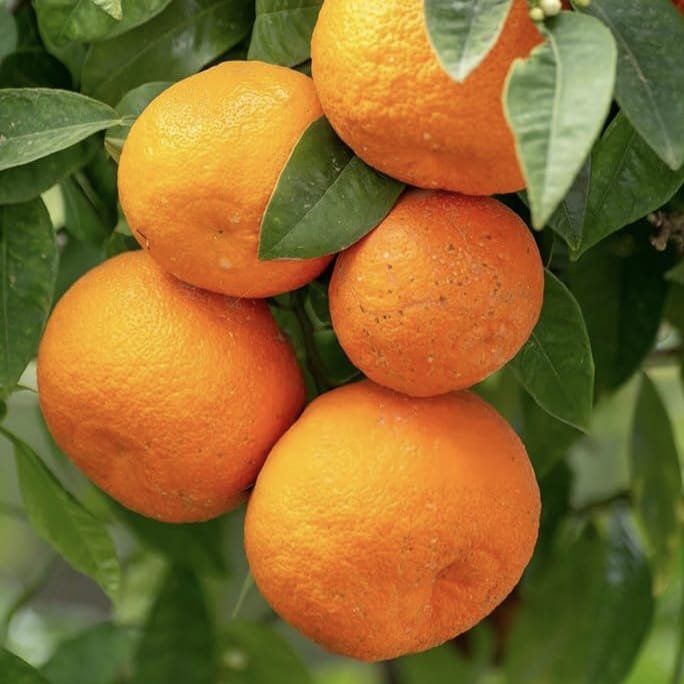
- Thick peel: Easy to peel and remove, making it convenient for snacking.
- Sweet and tangy flavor: The pulp is juicy, sweet, and slightly tangy, making it a refreshing and delicious fruit.
- Medium to large size: Typically 3 to 4 inches in diameter.
- Bright orange color: The peel is a vibrant orange, and the flesh has a deep orange color.
- Ripening season: Generally matures in late fall to winter, often between November and January.
- Low acid: It is known for being sweet and low in acid, contributing to its pleasant taste.
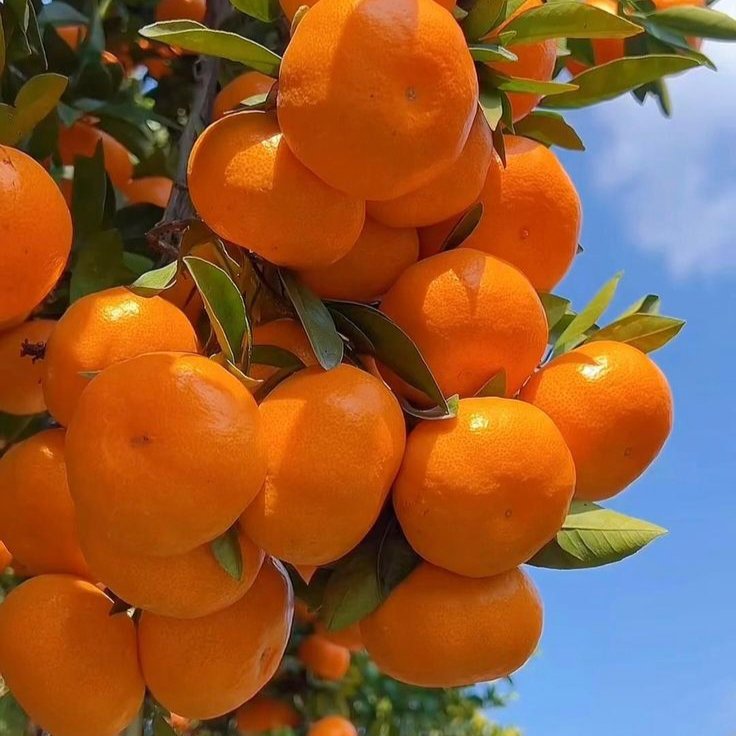
Darjeeling jaint orange (plant hight 2 feet) original grafted plant
Original price was: ₹999.00.₹400.00Current price is: ₹400.00.Here’s a more detailed look:
-
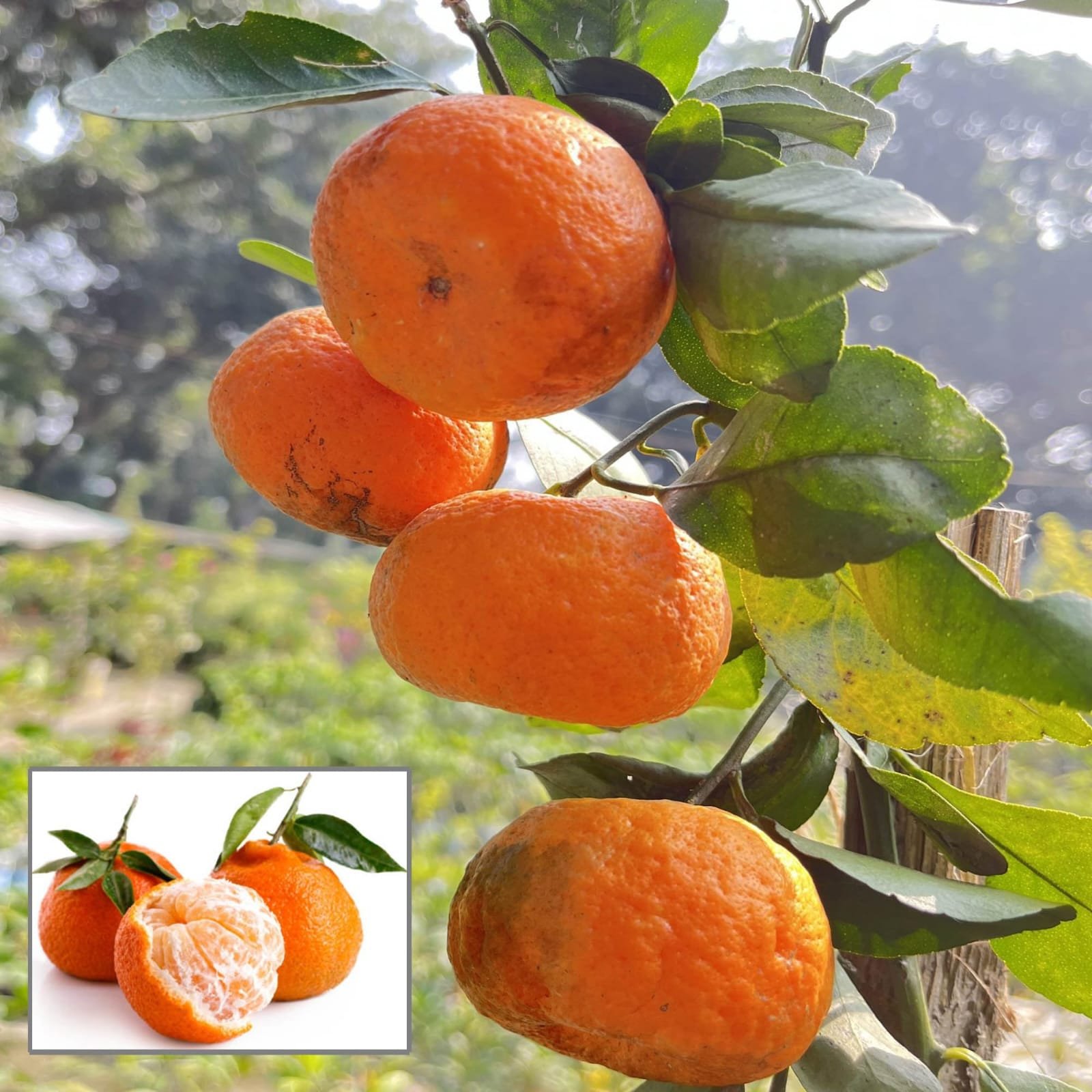
Origin and Characteristics:Darjeeling Giant Oranges are a specific variety grown in the Darjeeling region of India, known for their large size and sweet taste. They are known for their thin peel and abundant juice.
-
Taste and Flavor:These oranges are prized for their distinct flavor profile, offering a balance of sweetness and tanginess.
-
Cultivation:Darjeeling Giant Oranges thrive in warm, subtropical climates and can adapt to various soil types.
-
Grafting:To ensure superior performance and disease resistance, the Darjeeling Giant Orange is often grafted, combining the hardiness of a strong rootstock with the desirable characteristics of the fruit variety.
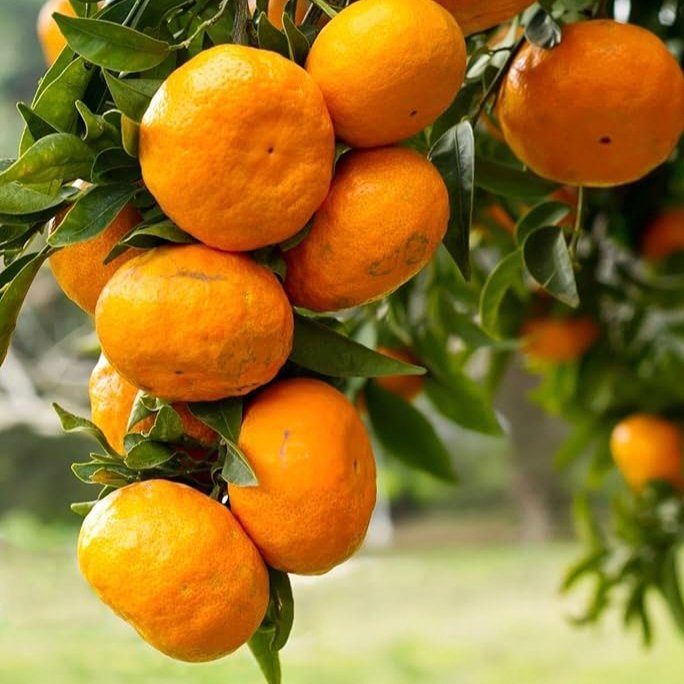
Nagpur mandarin orange (plant hight 2 feet) original grafted plant
Original price was: ₹999.00.₹450.00Current price is: ₹450.00.Key Characteristics:
- Appearance: Medium-sized, globose to moderately oblate fruits with a deep yellowish-orange color and a pockmarked exterior.
- Flavor: Sweet, juicy, and mildly aromatic.
- Season: Two harvest seasons: Ambiya crop (September to December) with a slightly sour taste and Mrig crop (January) with a sweeter taste.
- Cultivation: Primarily cultivated in the Nagpur region of India.
- Nutritional Value: Rich in vitamins and antioxidants.
- Uses: Fresh consumption, juicing, desserts, and as a flavor booster in culinary dishes.


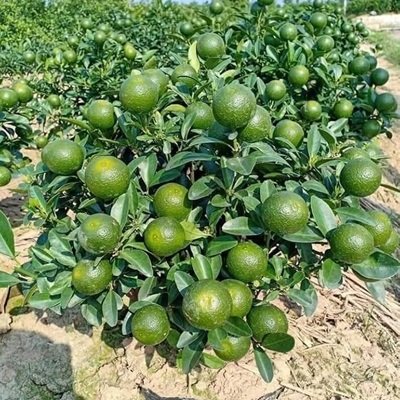
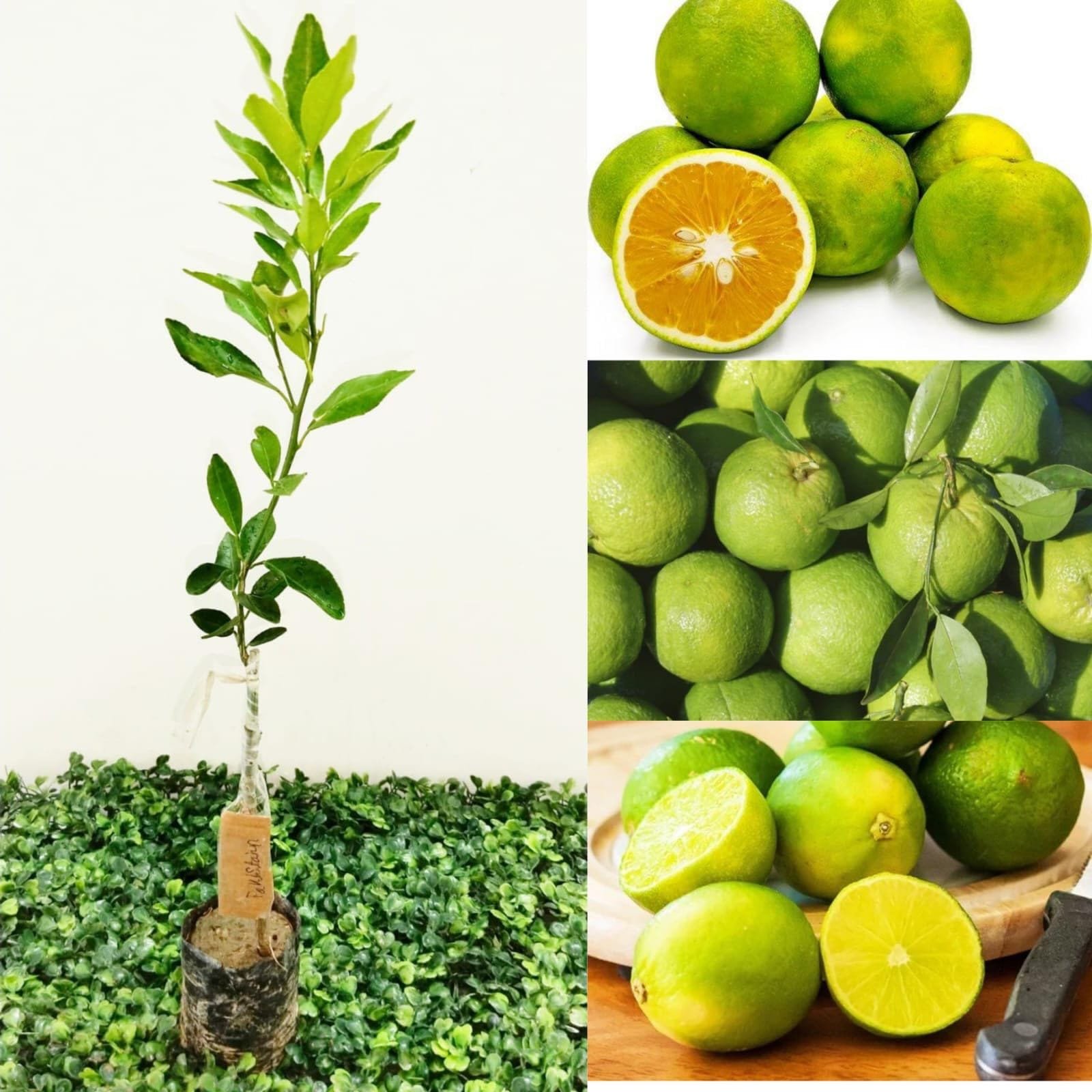
Vietnam all time malta (plant hight 2-2.5) original grafted plant
Original price was: ₹799.00.₹300.00Current price is: ₹300.00.Here’s a more detailed description:
What it is:
- Variety: “Vietnam All Time Malta” is a particular strain of sweet lime (Mosambi) introduced from Vietnam.
- Citrus: It belongs to the citrus family (Rutaceae) and is a type of sweet lime.
- All-Time: This variety is known for its consistent fruiting throughout the year.
- Malta: “Malta” is a common term in India for a sweet citrus fruit, often used interchangeably with “Mosambi”.
- Grafted: “Vietnam All Time Malta” plants are often grafted for faster fruiting and higher yields.
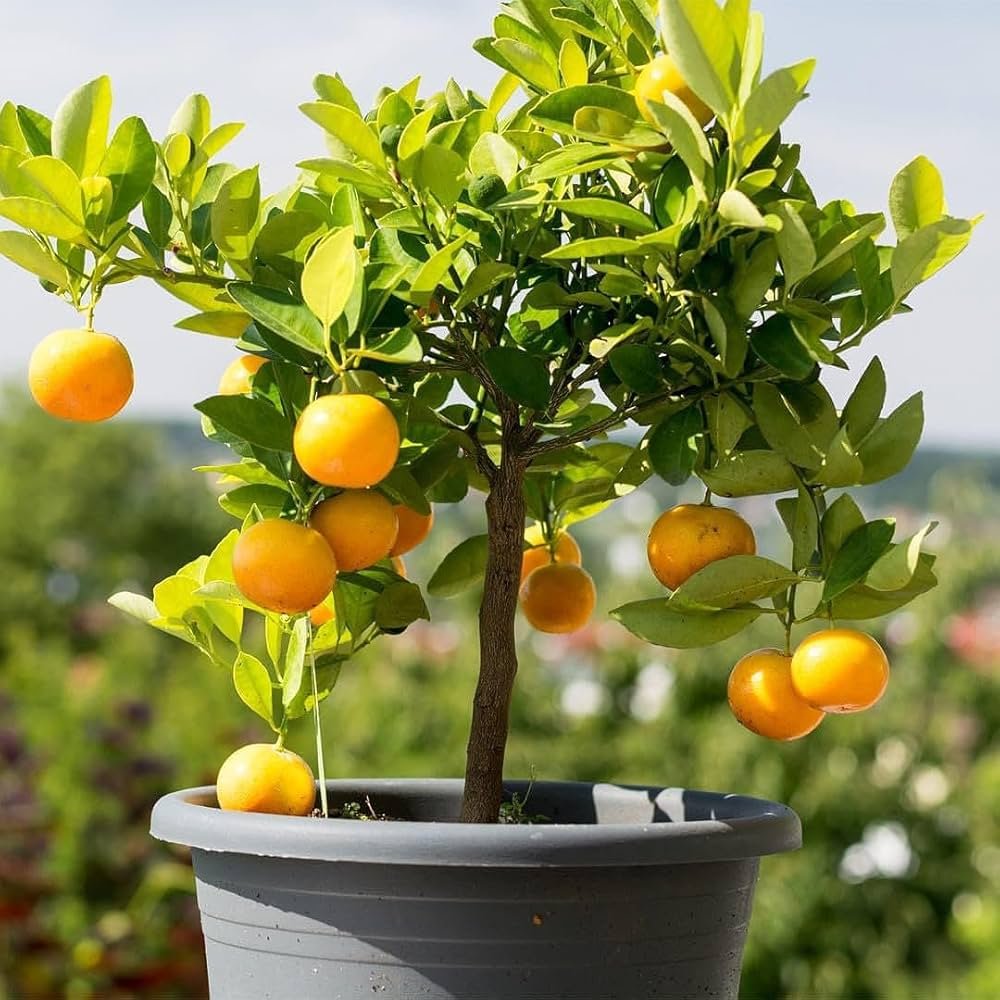
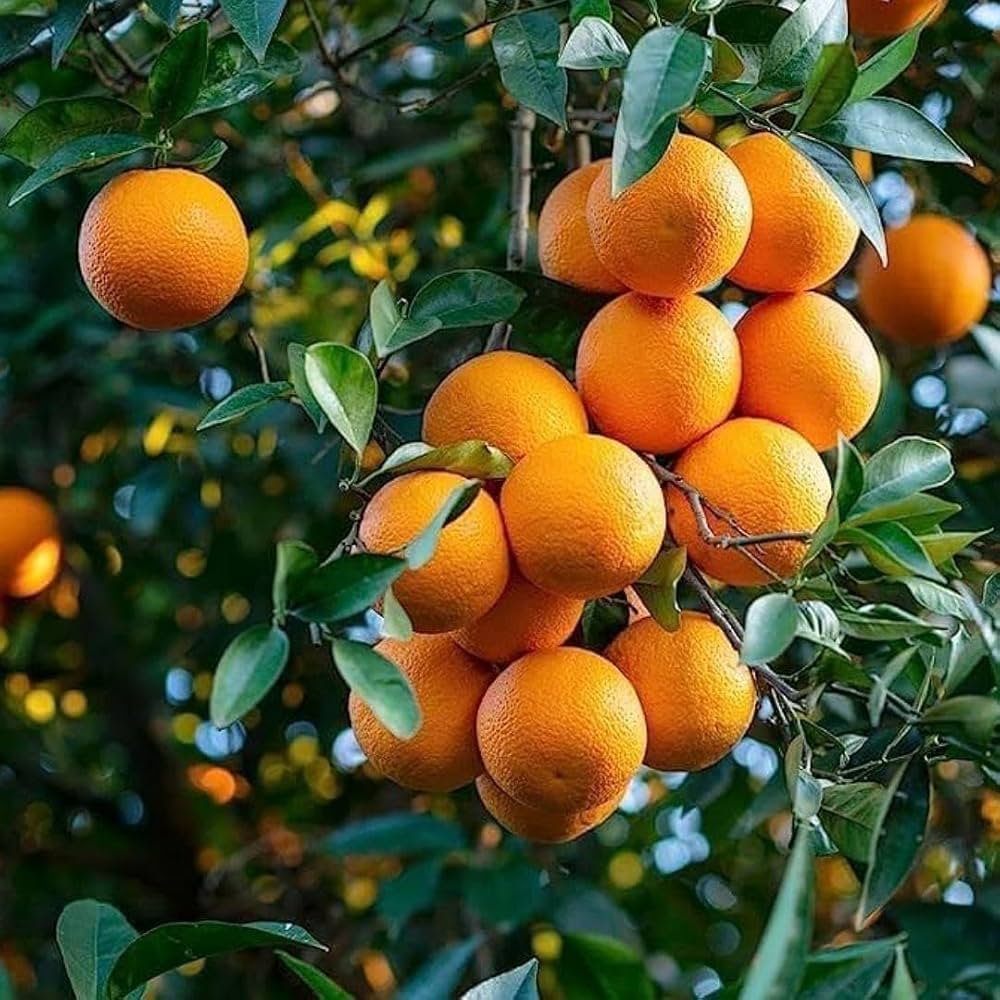
Pakistani malta (plant hight 2 feet) original grafted plant
Original price was: ₹799.00.₹400.00Current price is: ₹400.00.Here’s a more detailed description:
-
Fruit:
Pakistani Malta fruits are sweet and tangy, making them a popular choice for fresh consumption, juices, salads, and desserts.
-
Plant:
The trees are evergreen, with lush foliage, and produce a bountiful harvest of fruits.
-
Care:
The plants are relatively low-maintenance and can grow in various well-draining soil types.
-
Other names:
Pakistani Malta is also known as Mosambi.
-
Benefits:The fruit is known for its health benefits, including being a source of fiber, vitamins, and minerals.
African yellow malta (plant hight 2-2.5 feet) original grafted plant
Original price was: ₹999.00.₹400.00Current price is: ₹400.00.Here’s a more detailed description:
- Appearance: The African Yellow Malta tree is a small to medium-sized evergreen with glossy, dark green leaves. The fruits are a vibrant yellow, with a slightly pebbled or textured rind.
- Flavor: The flesh is juicy and sweet, with a slightly tangy flavor.
- Health Benefits: The fruit is a good source of vitamin C and antioxidants.
- Growing Conditions: It thrives in well-drained soil and plenty of sunlight, making it suitable for warm climates.
- Cultivation: It’s well-adapted to hot and dry climates and can be grown in pots or in the ground.
- Maintenance: It is relatively low-maintenance, requiring minimal pruning and care.
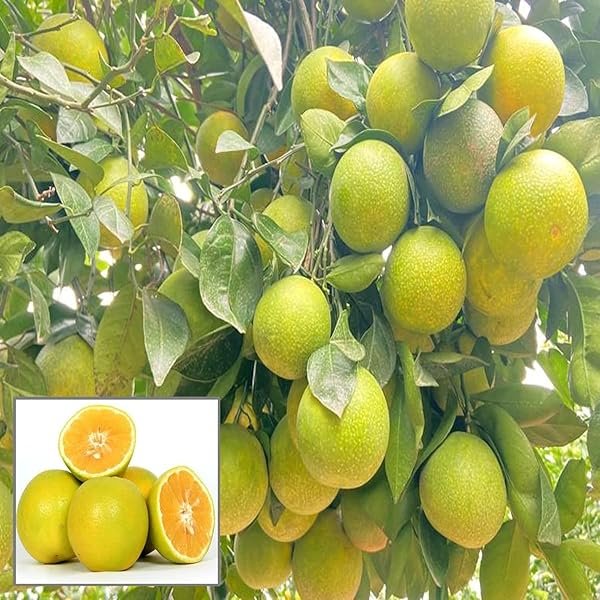
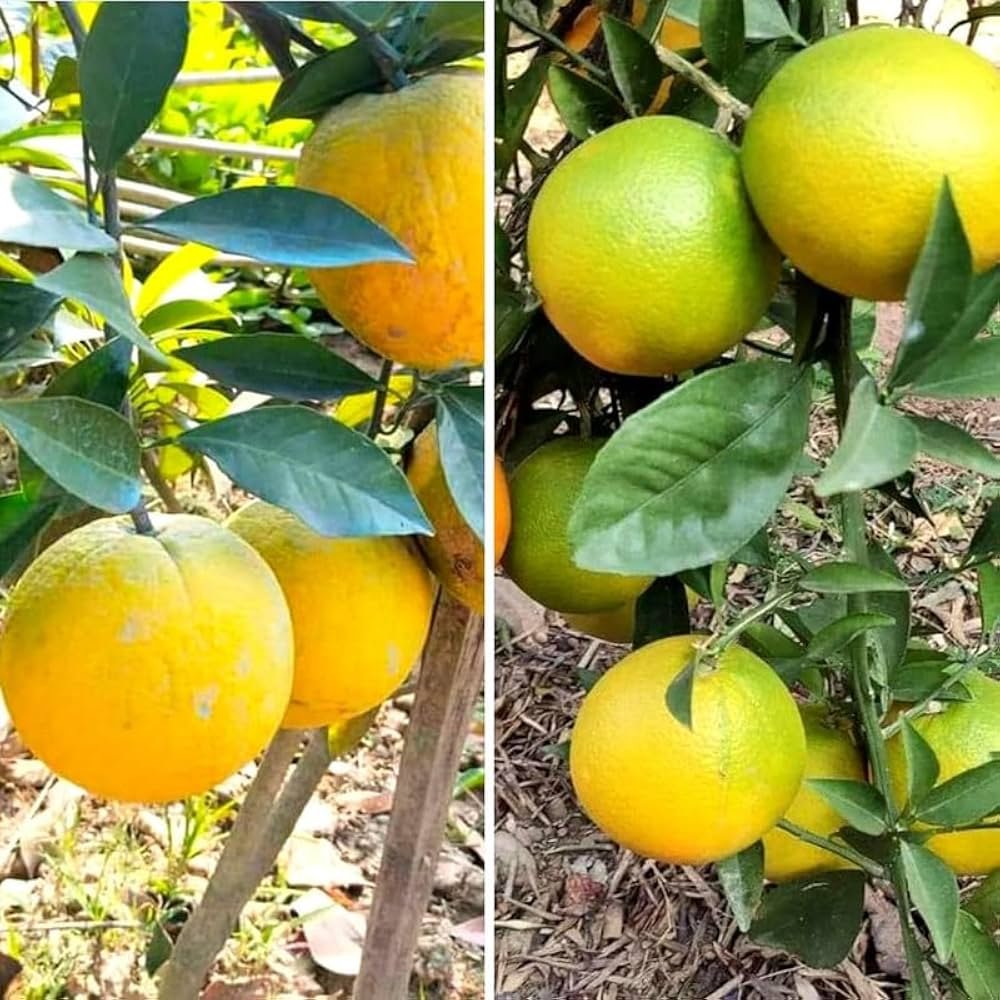
Mishoriya malta lemon plant (Hight 1.5-2 feet) Original grafted plant
Original price was: ₹999.00.₹400.00Current price is: ₹400.00.Here’s a more detailed description:
-
Fruit:Misoriyo Malta is a type of Mosambi, a citrus fruit, also known as sweet orange or Malta in some regions.
-
Color:The fruits are typically yellow both on the outside and inside.
-
Juice:They are known for having a higher juice content compared to other varieties of Mosambi.
-
Bearing:Misoriyo Malta is an “all-time” variety, meaning it can produce fruit throughout the year, with flowers and fruit at different stages on the same branch.