
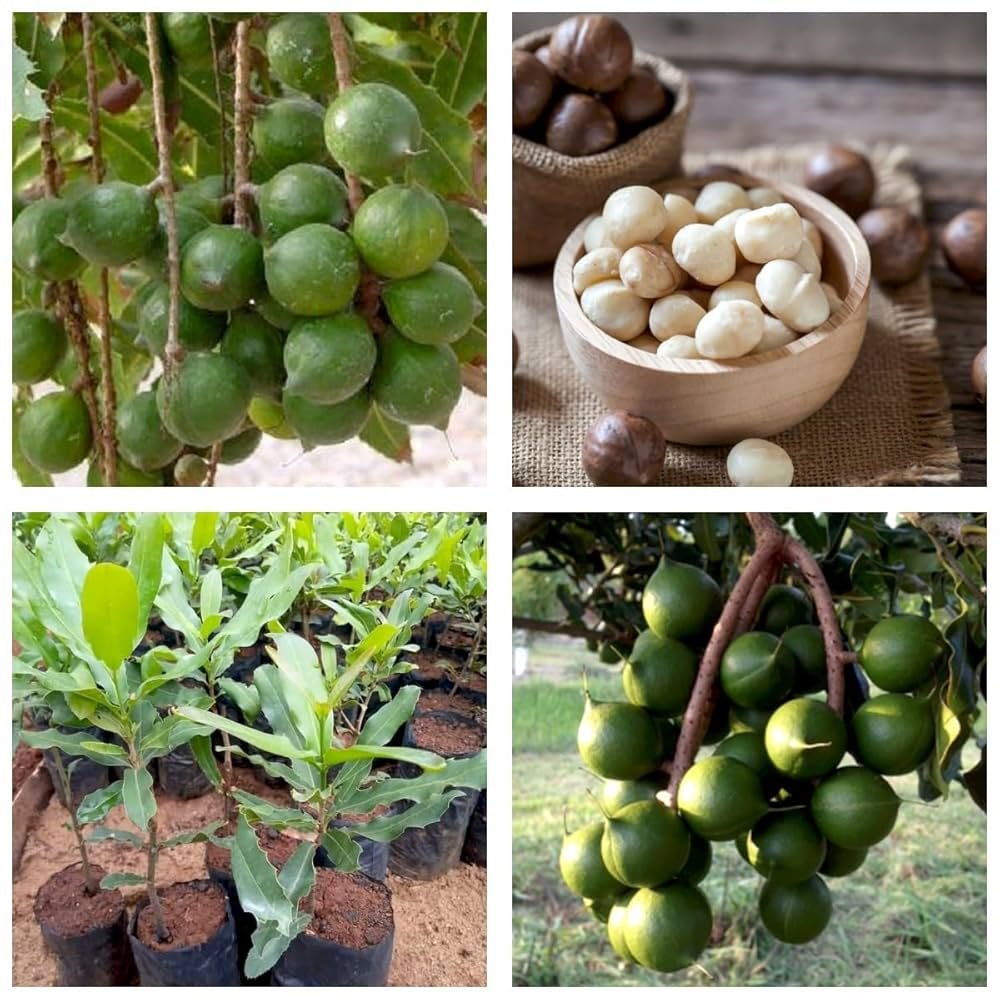
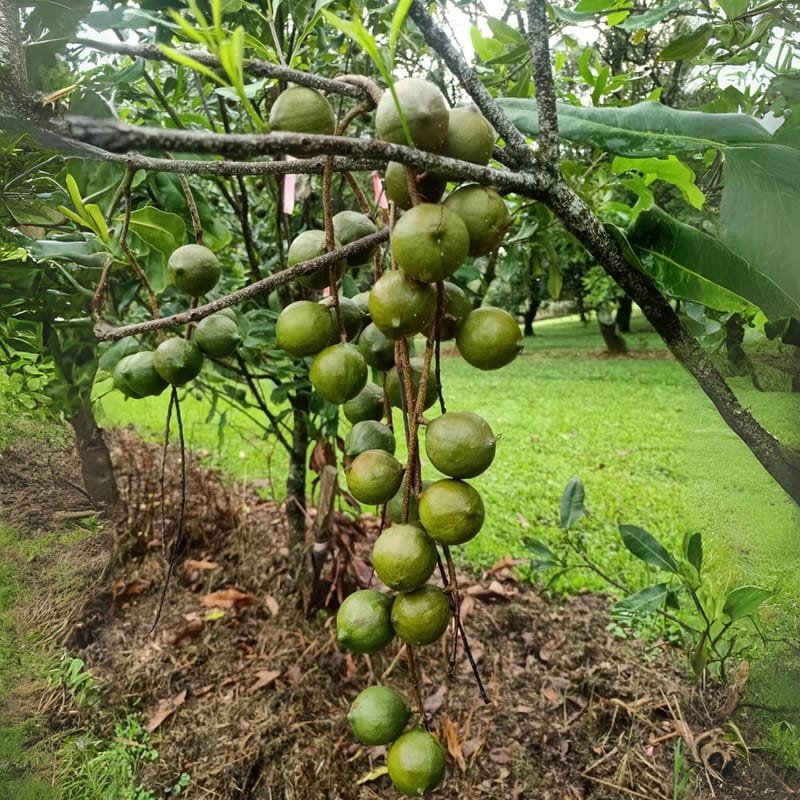
Macdomia nuts plant
Original price was: ₹1,599.00.₹999.00Current price is: ₹999.00.Physical descriptionMacadamia trees commonly grow to 18 metres (60 feet) high and 15 metres (49 feet) wide. They have shiny leathery leaves that are 20–30 cm (8–12 inches) long. Fragrant pink or white flowers are borne in clusters and are succeeded by bunches of up to 20 fruits.
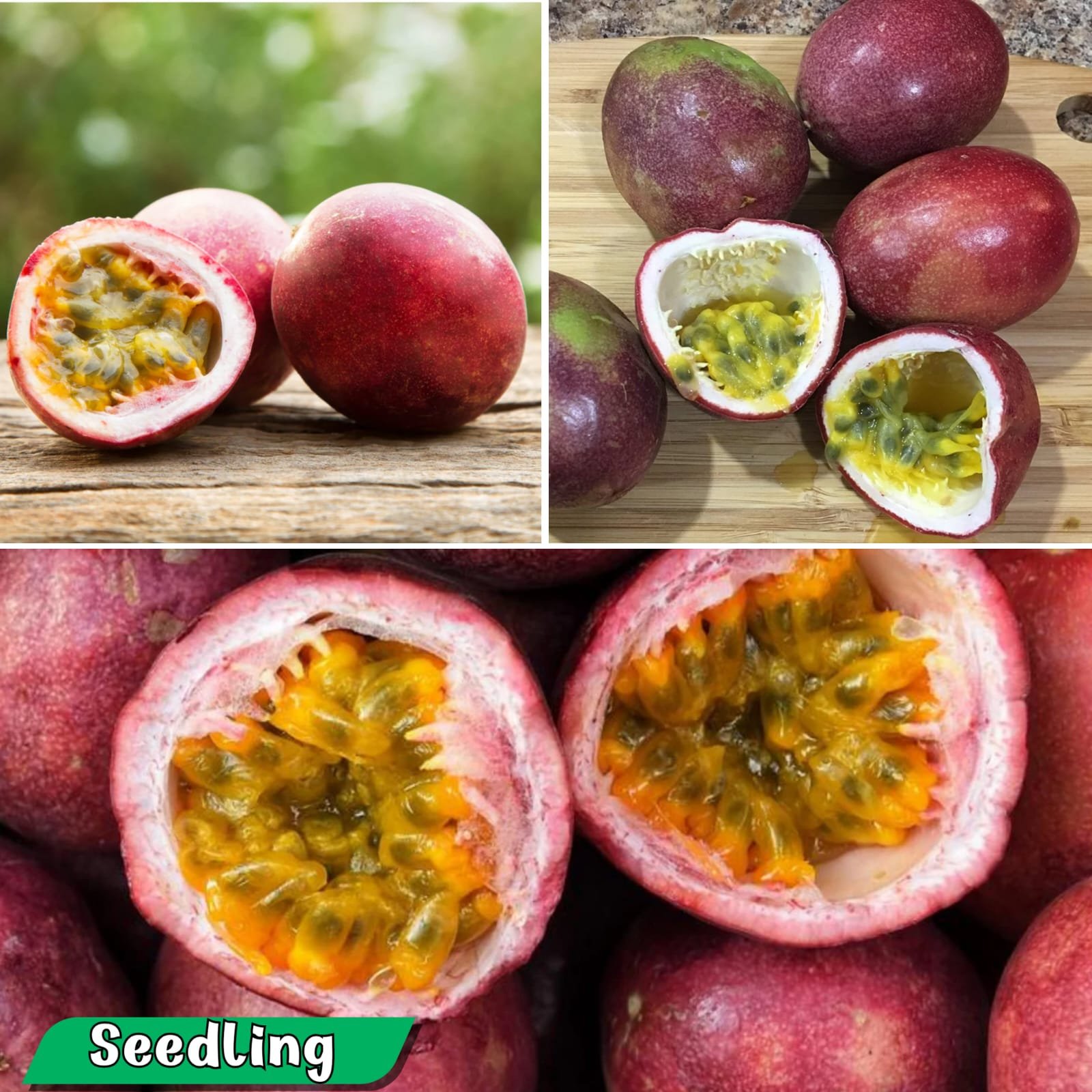
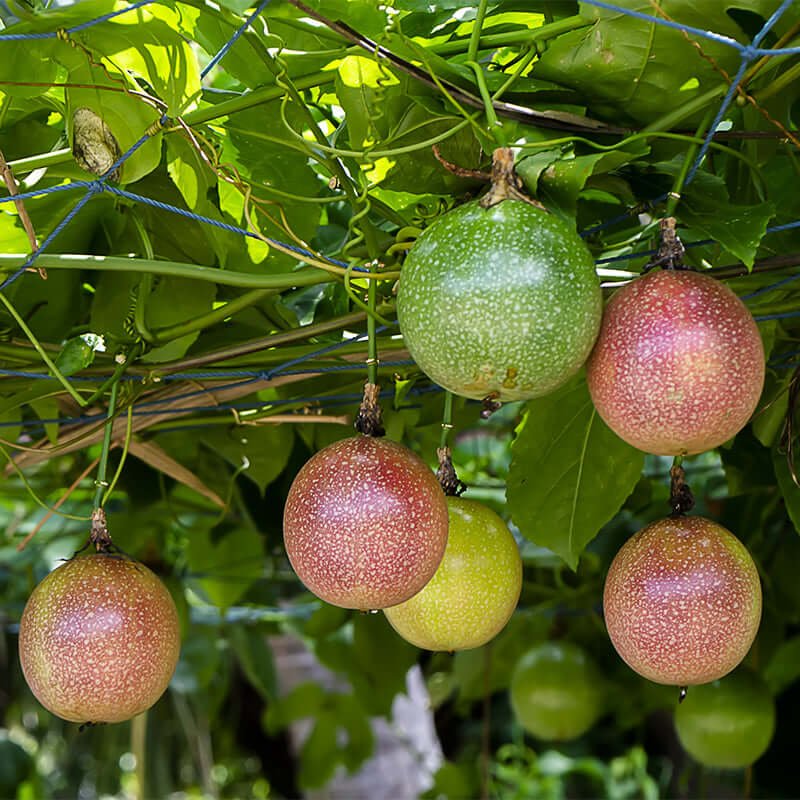
Passion fruit plant
Original price was: ₹799.00.₹450.00Current price is: ₹450.00.Most Passifloras are vines which can climb to 20 or 30 feet. The fruit varies in color from purple to yellow-orange and in shape from an egg to a tennis ball. Inside its quarter-inch protective rind are numerous small seeds covered by a juicy aromatic, sweet-acidic pulp.
Red banana plant
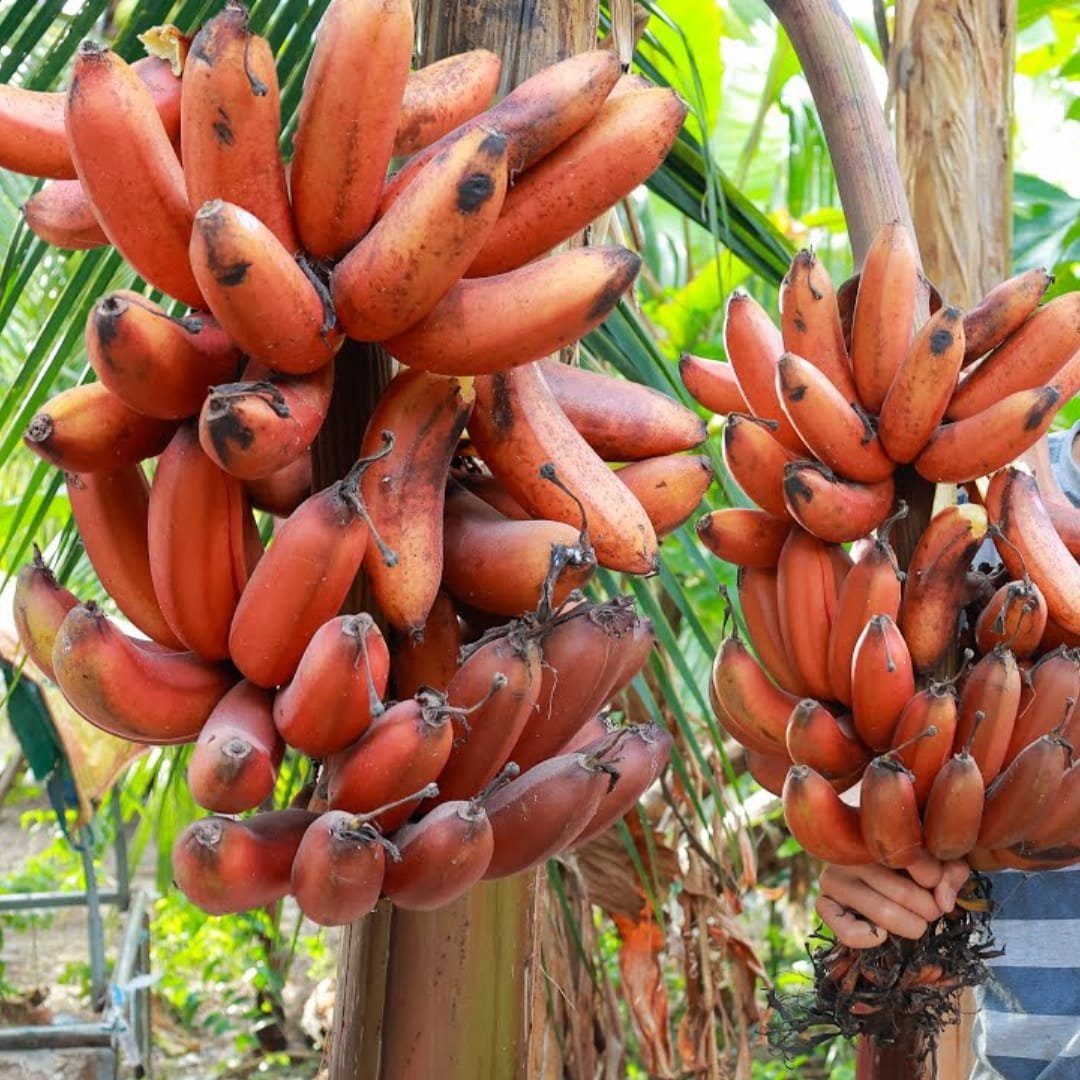
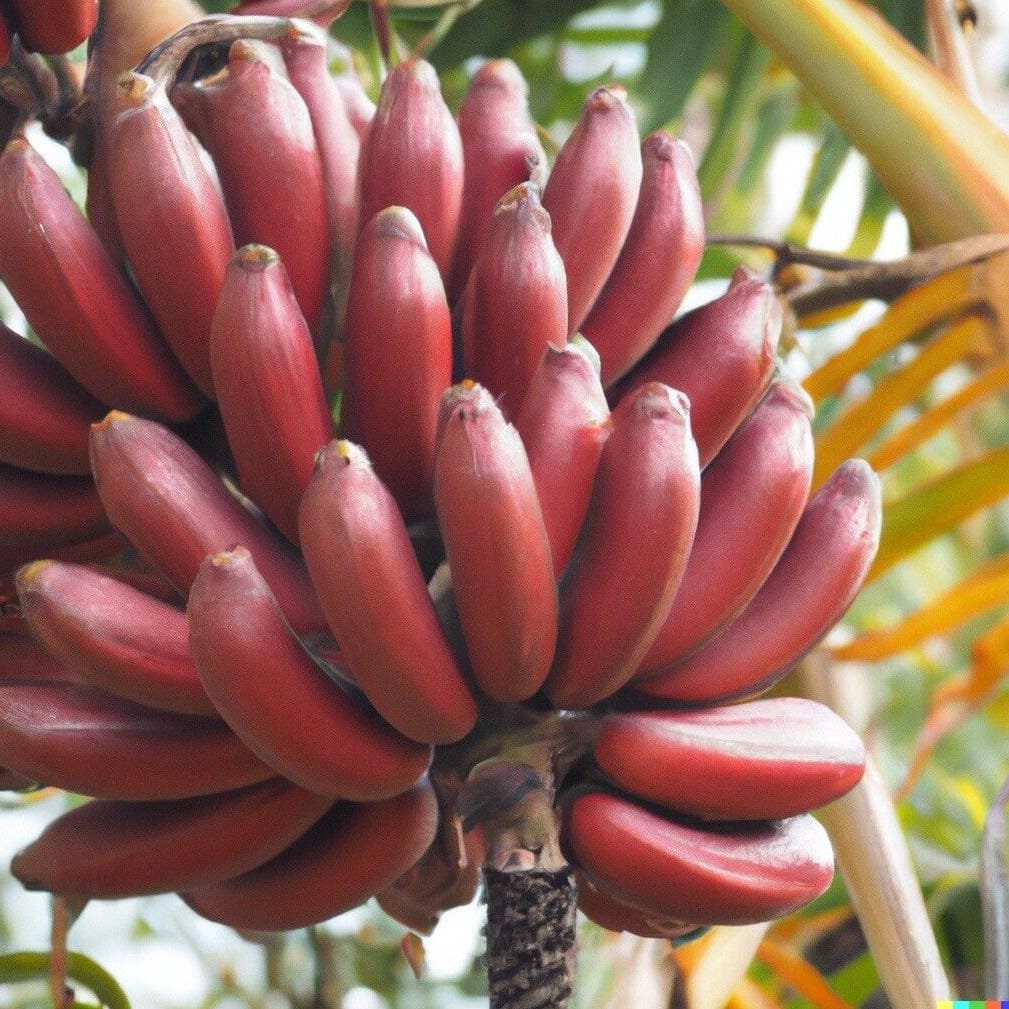
Original price was: ₹799.00.₹250.00Current price is: ₹250.00.The red banana plant, scientifically known as Musa acuminata ‘Red Dacca’, is a captivating tropical plant renowned for its striking reddish-purple fruit and lush green foliage. Originating from Southeast Asia, it is now cultivated globally, including India, the US, New Zealand, Australia, and the Pacific Islands.
Cashew nuts plant
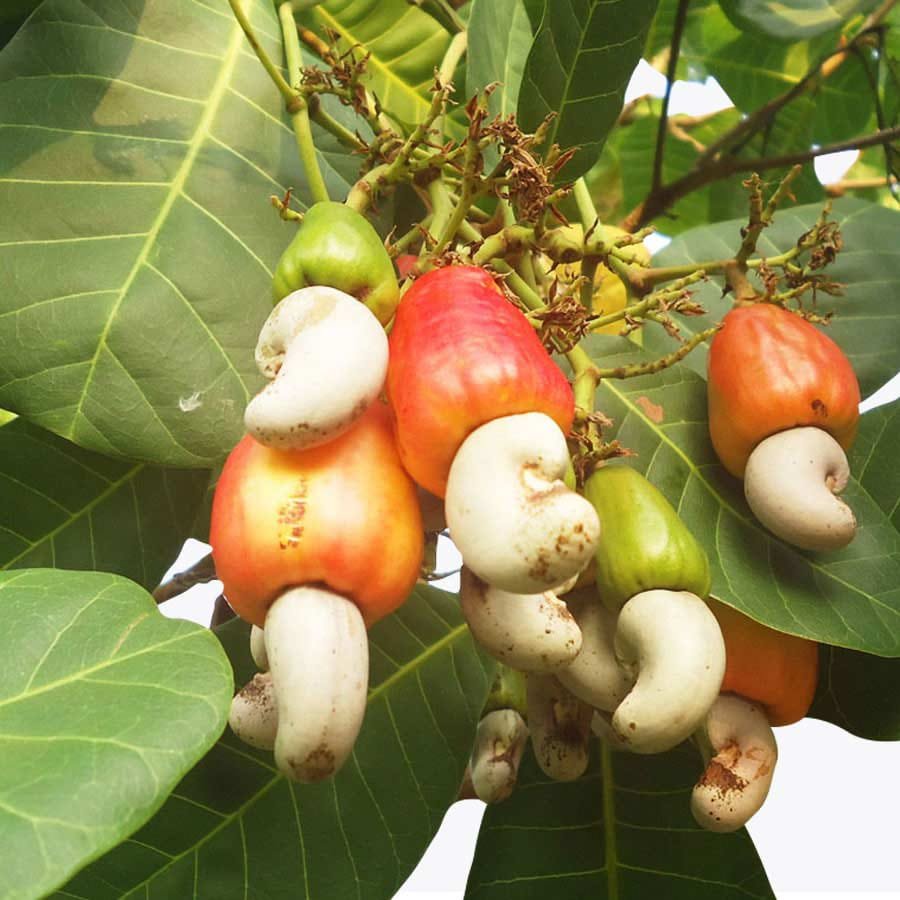
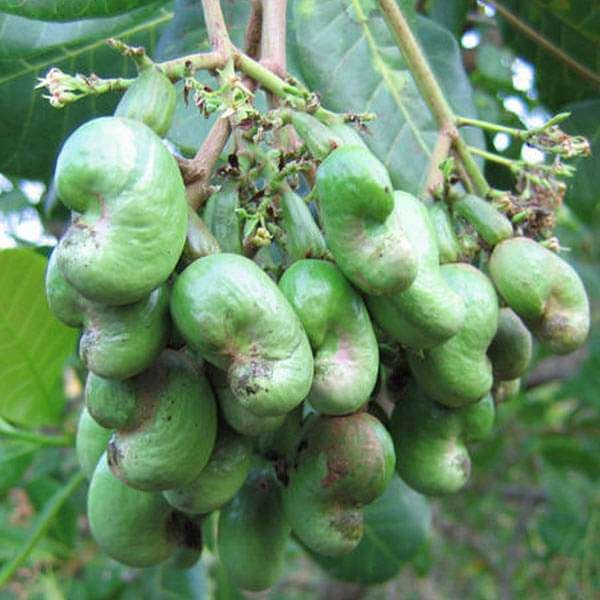
Original price was: ₹799.00.₹450.00Current price is: ₹450.00.The cashew plant, scientifically known as Anacardium occidentale, is an evergreen tree native to tropical regions of South America, particularly Brazil. It is characterized by its large size, reaching heights of up to 14 meters, and its distinctive cashew apple, a fleshy, pear-shaped fruit with a kidney-shaped nut (the cashew seed) attached to its end.
Per-simmon plant
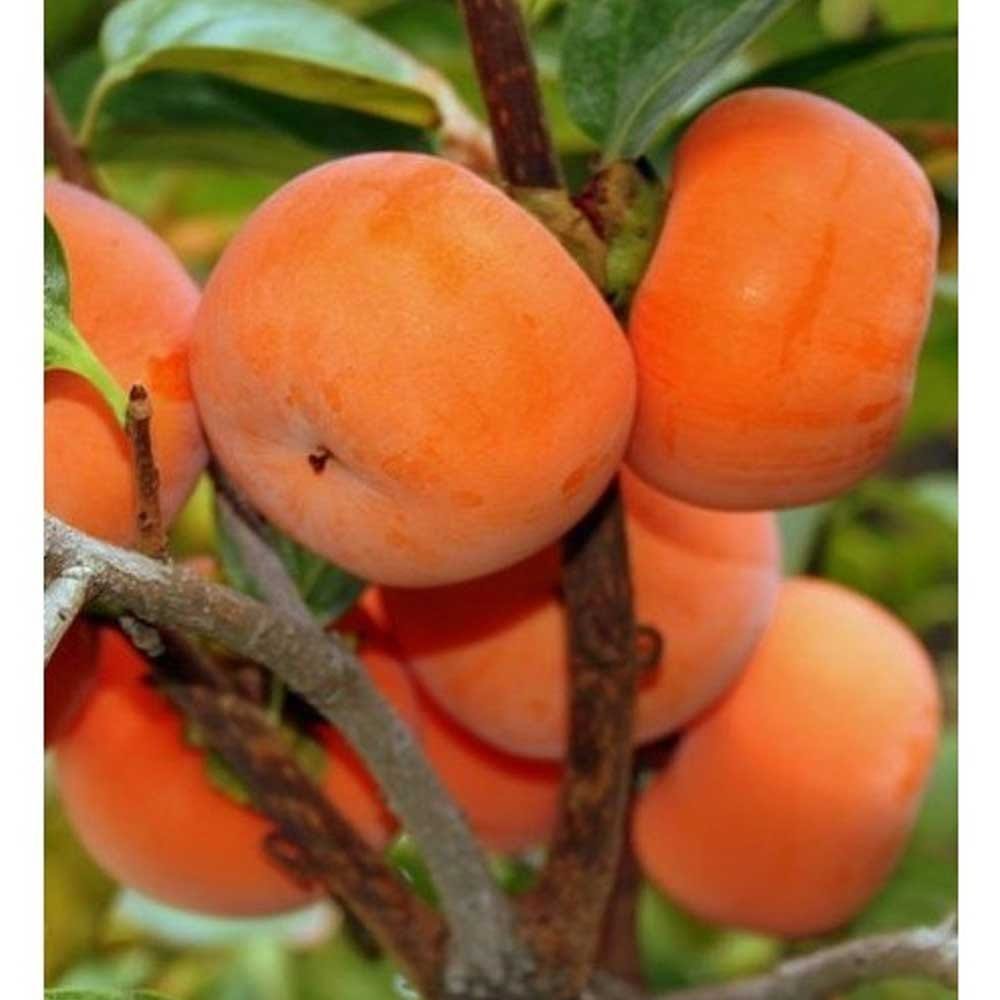
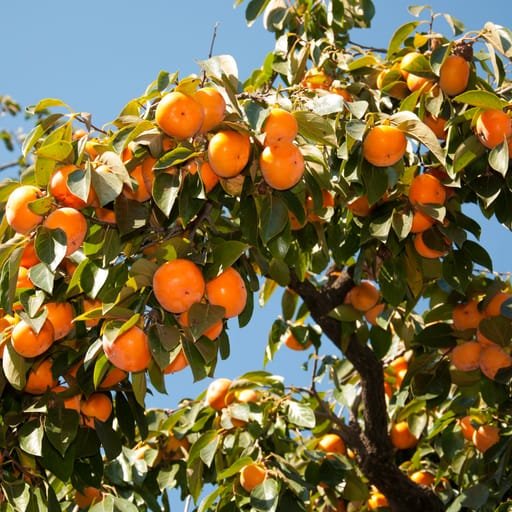
Original price was: ₹799.00.₹600.00Current price is: ₹600.00.Persimmon plants, often called “Japani Phal” in India, are deciduous trees that can grow up to 15 meters (50 feet) tall. They are known for their glossy, dark green, oval-shaped leaves that turn vibrant shades of yellow, orange, or red in the fall. The trees produce small, creamy-white or yellow, bell-shaped flowers, followed by round or oblong, bright orange fruits when ripe.

Kari patta plant
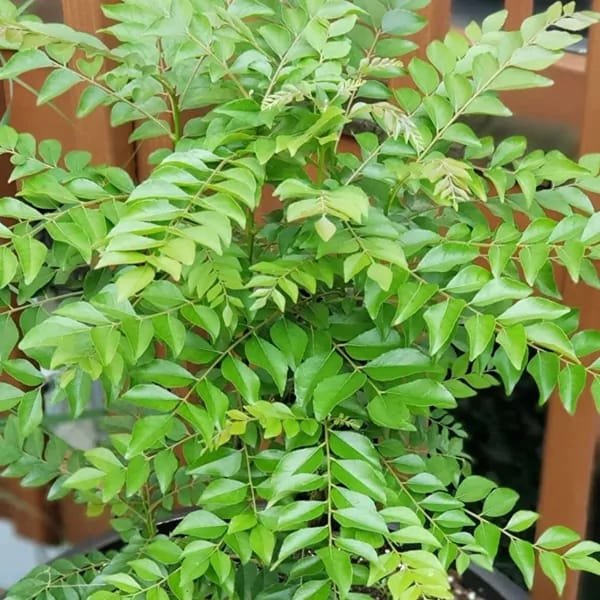
Original price was: ₹799.00.₹400.00Current price is: ₹400.00.The Kari Patta plant, also known as Curry Leaf plant or Murraya koenigii, is a small, aromatic tree or shrub native to India and Sri Lanka. It is widely cultivated for its fragrant, pinnate leaves, which are a staple in Indian and Southeast Asian cuisine. These leaves are characterized by their shiny, dark green leaflets and are known for their distinct, pungent aroma when bruised or fried.
Bay leaf plant
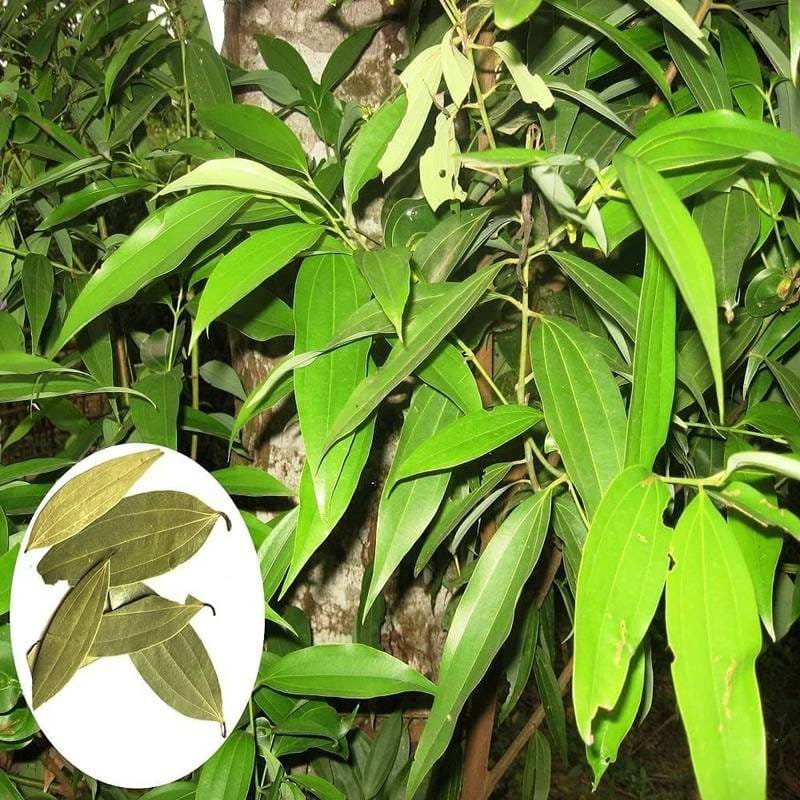
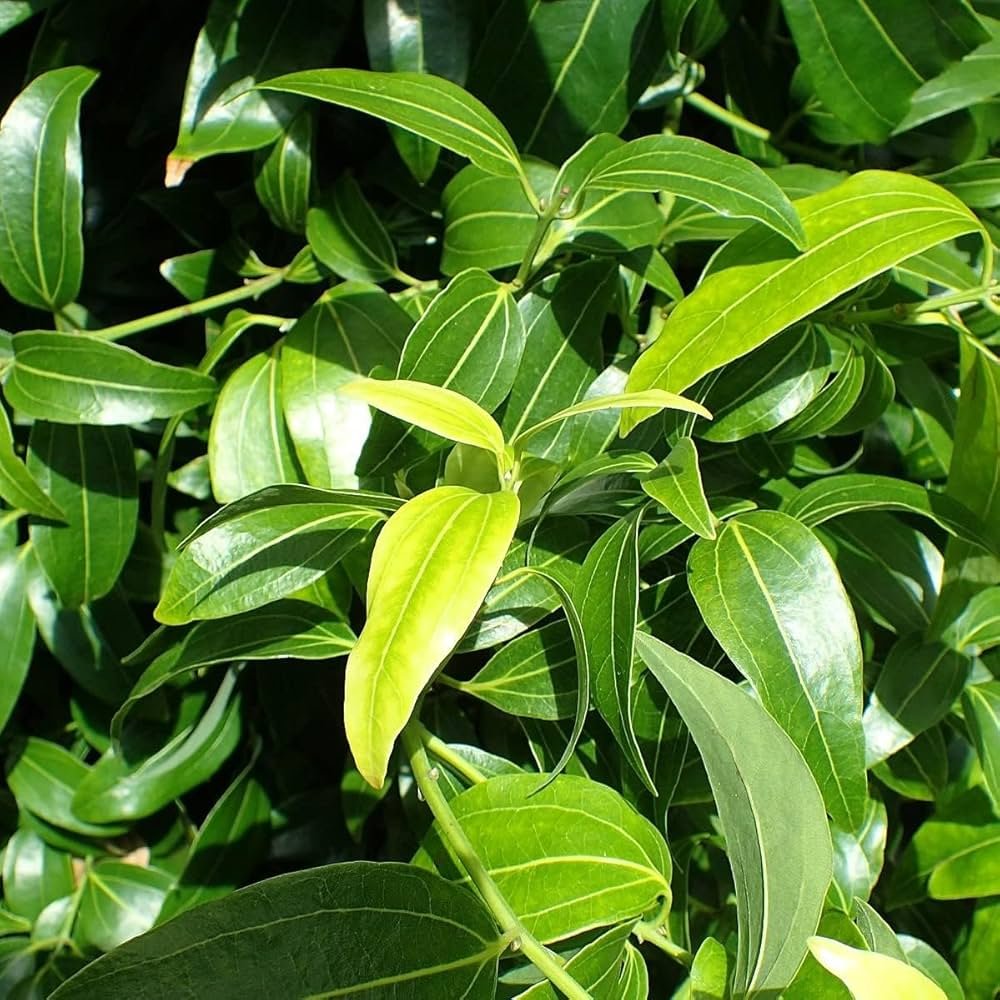
Original price was: ₹699.00.₹350.00Current price is: ₹350.00.he bay leaf plant, scientifically known as Laurus nobilis, is an evergreen shrub or small tree native to the Mediterranean region. It is characterized by its aromatic, dark green, elliptical leaves with a smooth, glossy surface. When dried, the leaves become brittle, slightly curled, and olive-green. The plant produces small, creamy-yellow flowers in early summer, followed by dark purple, one-seeded berries. Bay leaves are widely used for culinary purposes, adding a distinct flavor to dishes, and are also valued for their medicinal and aromatic properties.
Jayfal plant
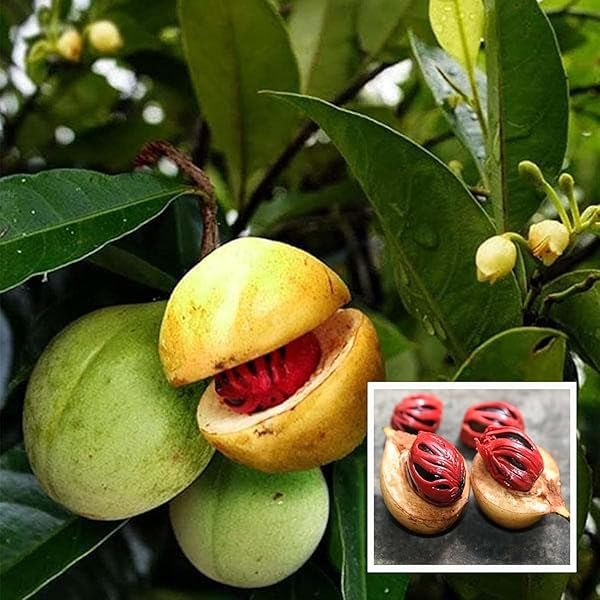
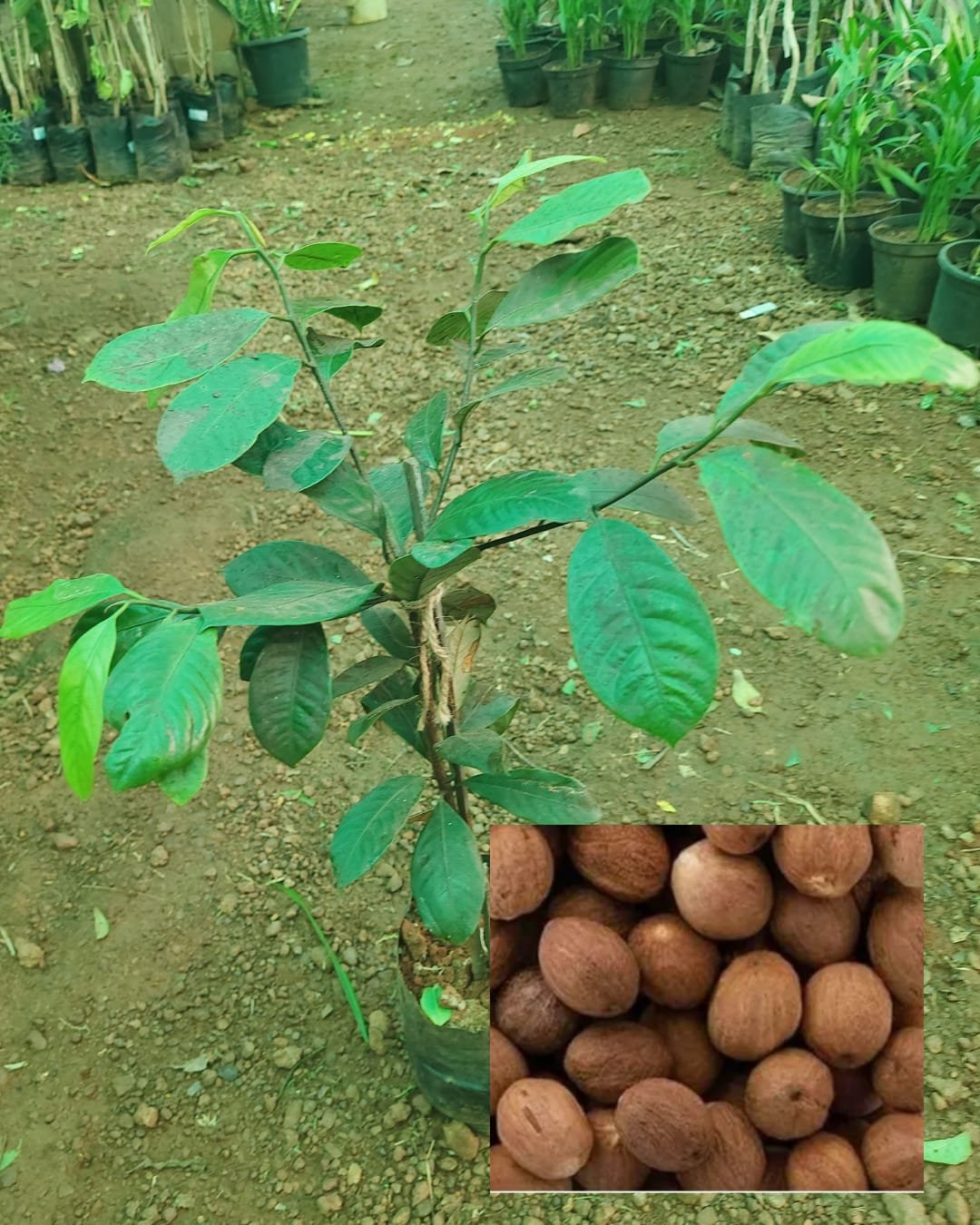
Original price was: ₹799.00.₹450.00Current price is: ₹450.00.The Jaiphal plant, also known as nutmeg (Myristica fragrans), is a tropical evergreen tree that produces the spice nutmeg. It is a small to medium-sized tree, reaching 5-13 meters in height, with smooth, dark green, shiny leaves. The plant yields oval-shaped, reddish-yellow fruits that contain a single, purplish-brown seed (nutmeg) encased in a bright red, lacy covering called mace.
Dalchini plant
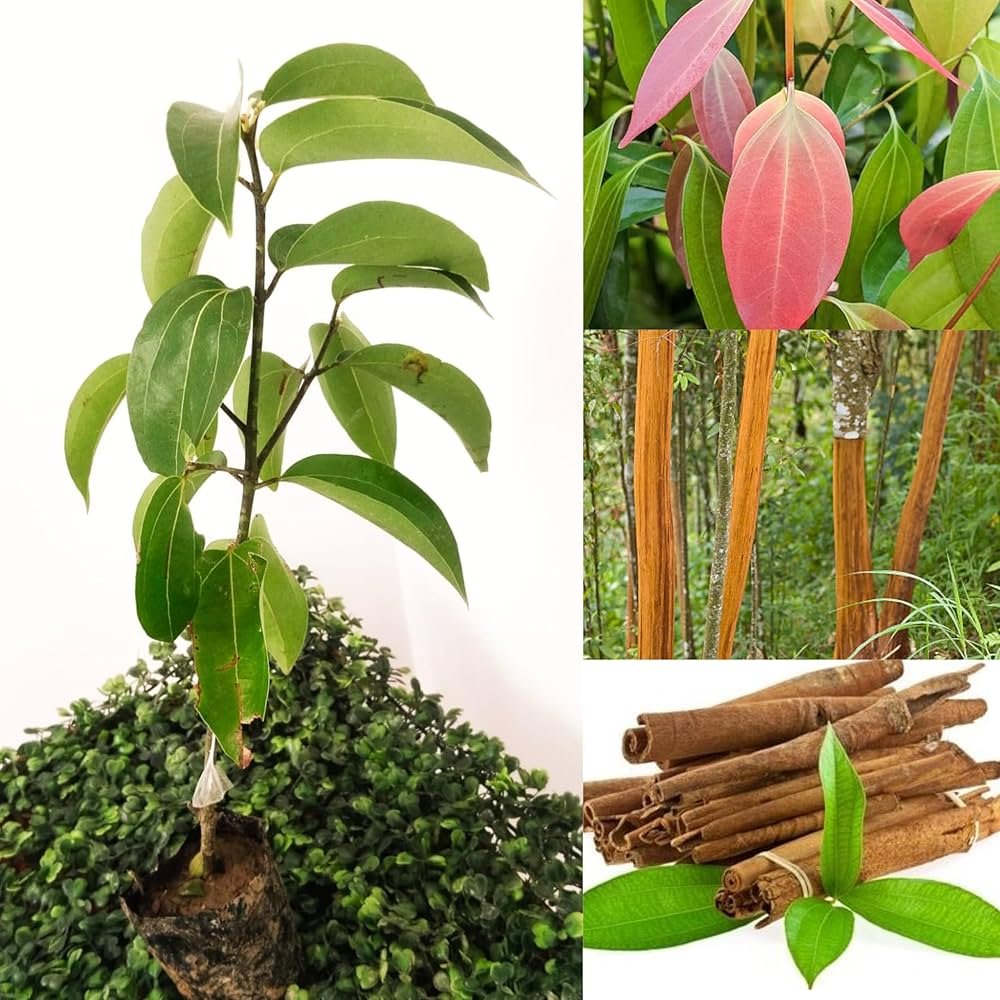
Original price was: ₹799.00.₹369.00Current price is: ₹369.00.The Dalchini plant, also known as the true cinnamon or Ceylon cinnamon tree, is a small, evergreen tree native to Sri Lanka. It’s famous for its aromatic bark, which is dried and used as the spice cinnamon. The tree features glossy, dark green leaves and small, inconspicuous flowers. It thrives in warm, humid climates and can grow up to 30 feet tall, though it’s often cultivated to be smaller. The bark is the most valuable part, offering a warm, sweet flavor and various health benefits.