
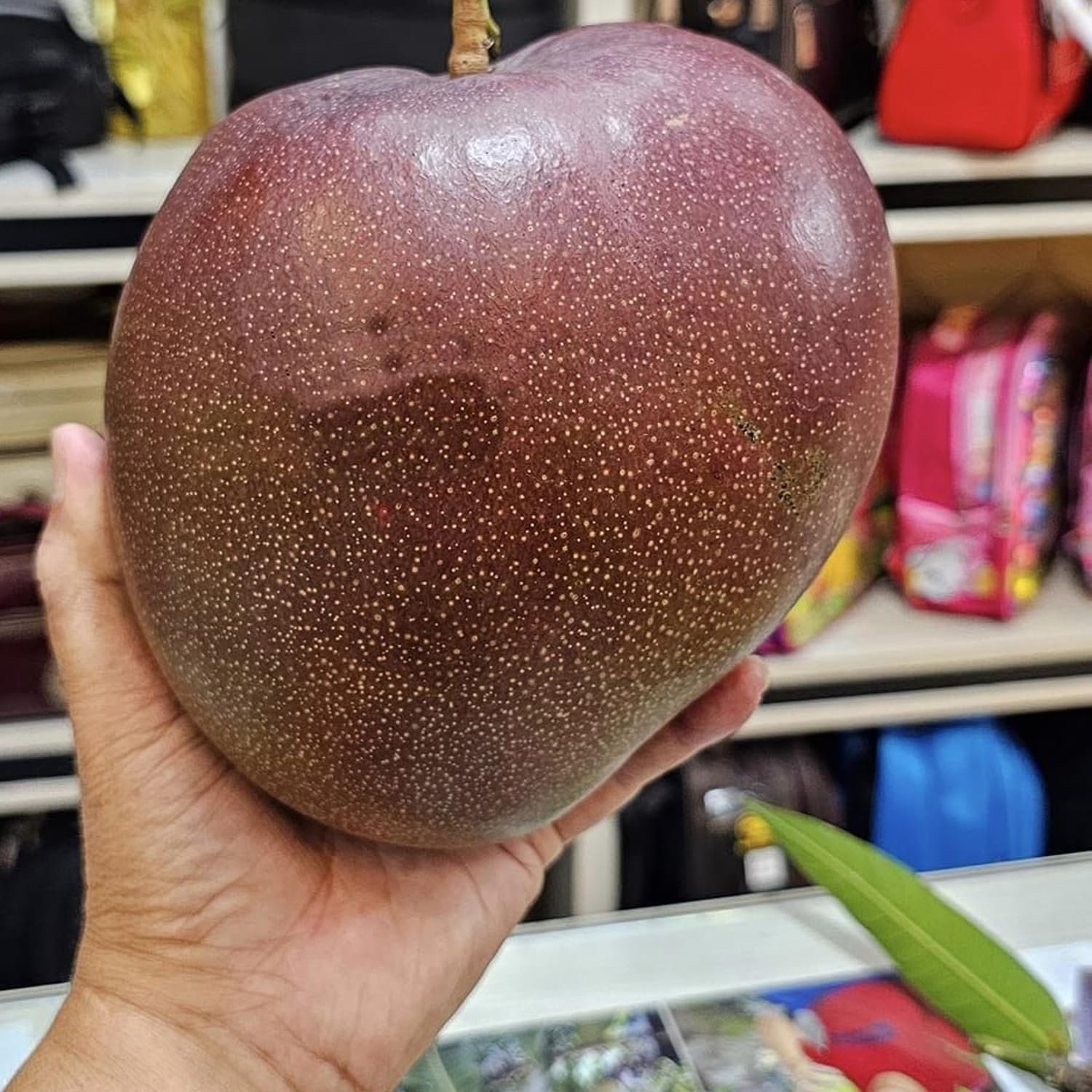
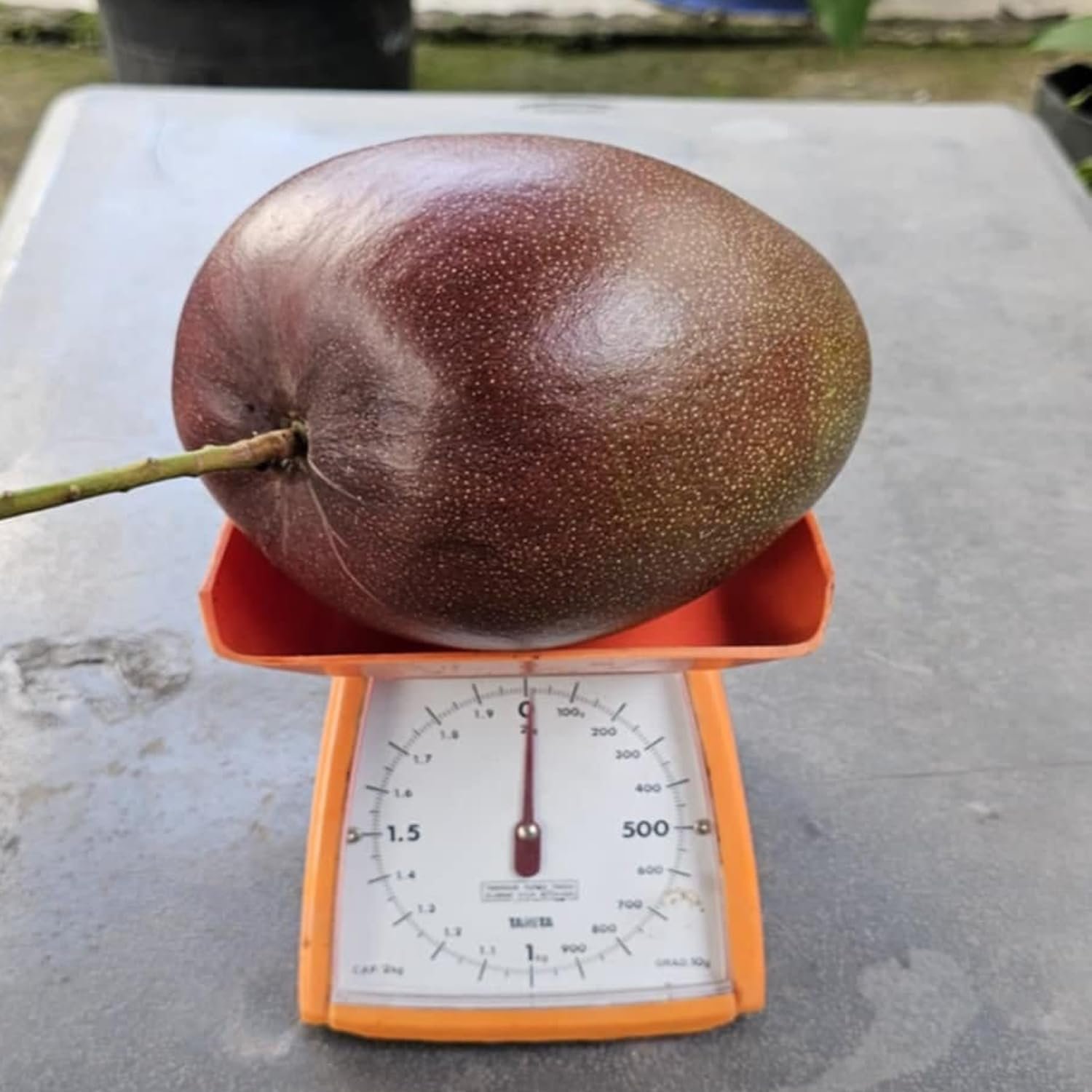
Hong zu mango plant
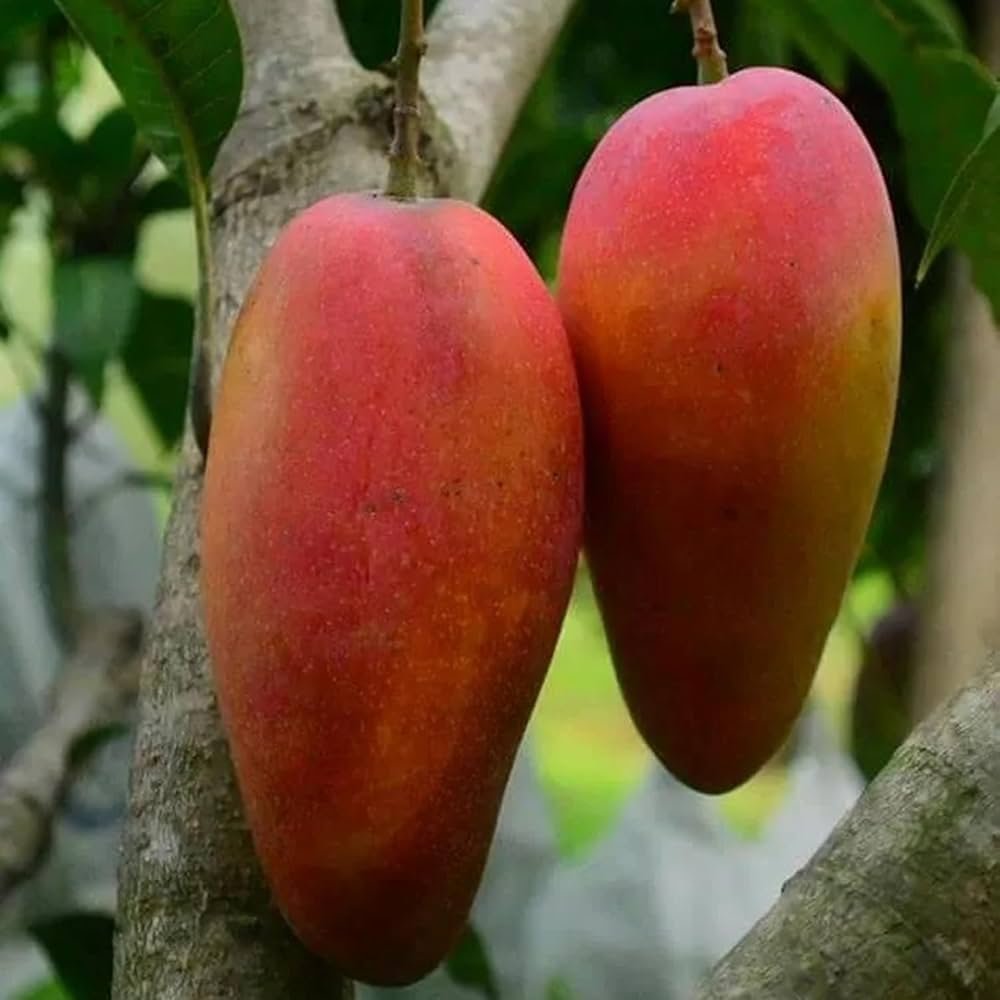
Original price was: ₹6,000.00.₹4,000.00Current price is: ₹4,000.00.Appearance:
- Size: Large, averaging 18-21 centimeters in length and 7-10 centimeters in diameter, with weights between 900 and 1500 grams.
- Skin: Smooth, semi-thin, leathery, and tightly adhered to the flesh. colour deep red.
Taste and Texture:
- Flesh: Deep yellow, dense, aqueous, and almost fiberless.
- Texture: Soft, tender, and succulent when ripe.
- Flavor: Sweet, tropical, and fruity with hints of coconut, pineapple, stone fruit, and citrus.
- Aroma: Light floral aroma with honeyed nuances.
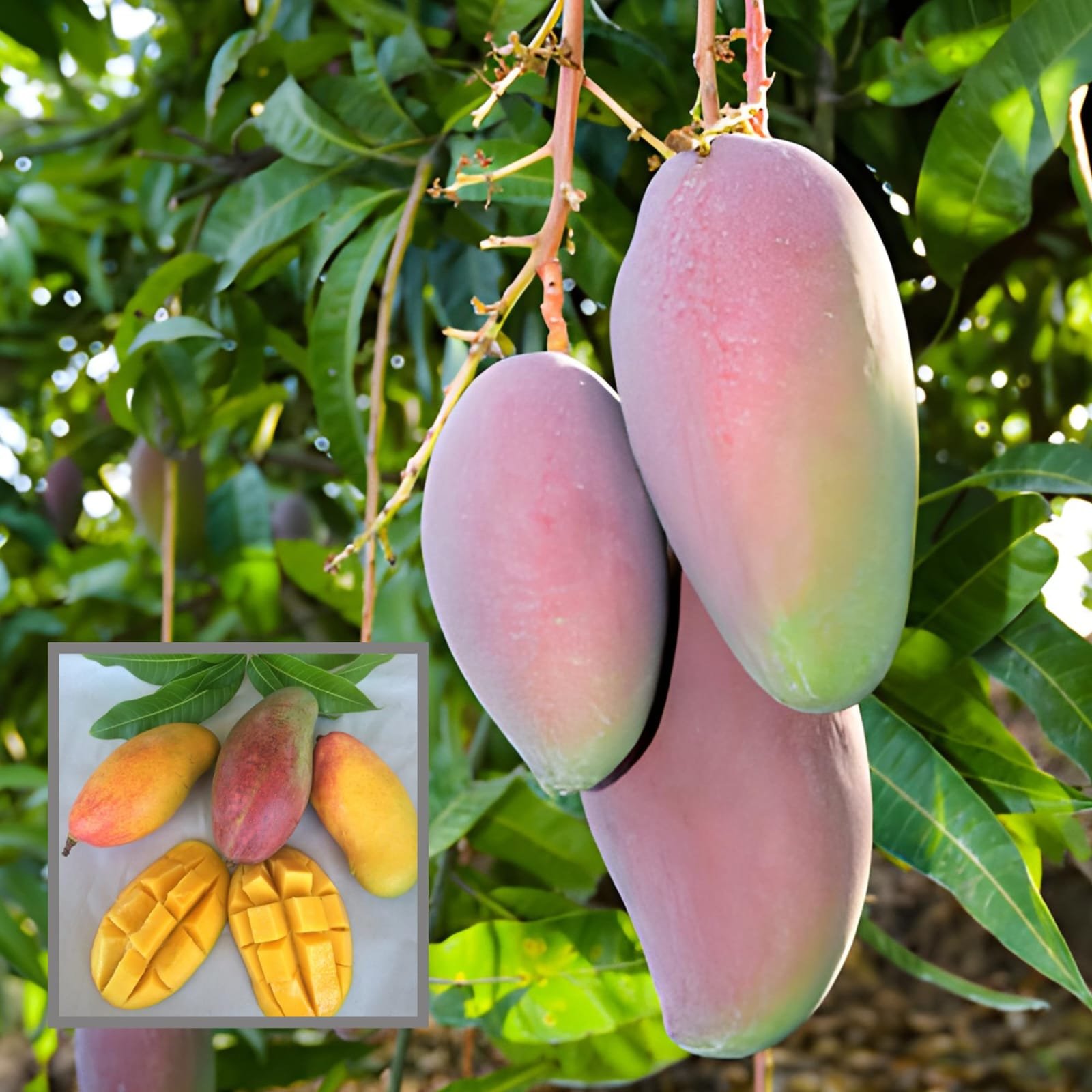
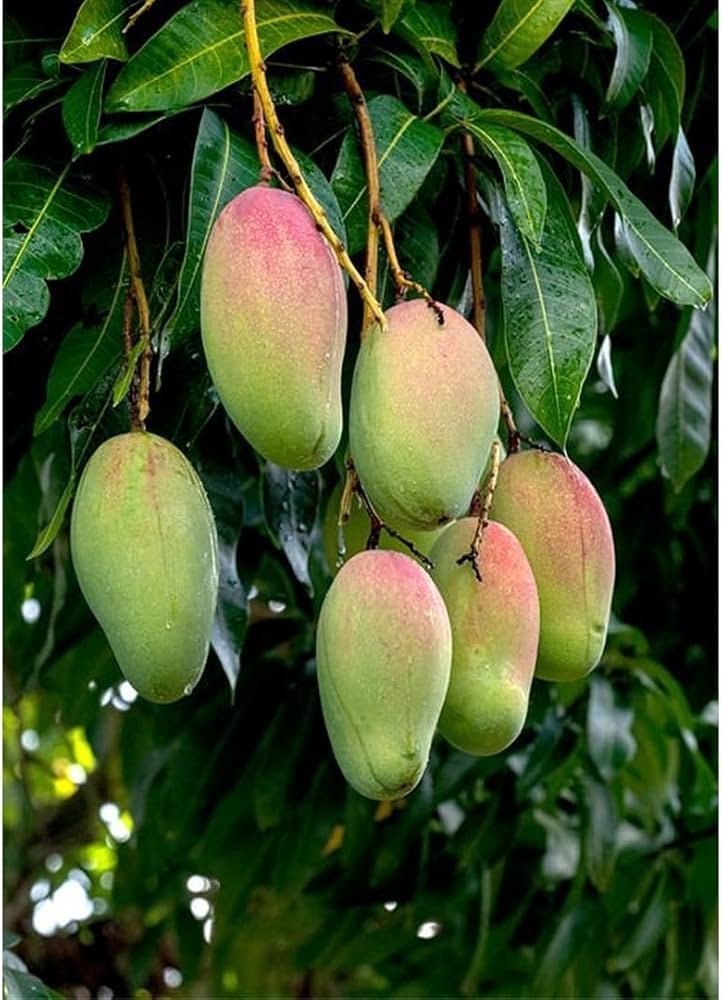
Velencia Pride Mango Plant
Original price was: ₹2,999.00.₹1,200.00Current price is: ₹1,200.00.Appearance:
- Shape: Elongated, oblong with a characteristic “S-shape,” a rounded apex, and a prominent beak.
- Size: Large, typically weighing between 600 and 900 grams.
- Skin: Semi-thin, leathery, and smooth with a leathery texture, ripening from green to bright yellow-orange with red-pink blush.
- Lenticels: Small, pale-yellow dots are often visible on the skin.

Xi sai Mango Plant
Original price was: ₹2,999.00.₹1,000.00Current price is: ₹1,000.00.Origin and Characteristics:
- Origin: Taiwan.
- Size: Medium to large.
- Appearance: Thin, smooth, taut skin that ripens to golden yellow and dark red.
- Flavor: Pleasant aroma, sweet, and sometimes tangy towards the seed.
- Flesh: Yellow and firm.
Verigeted Mango Plant
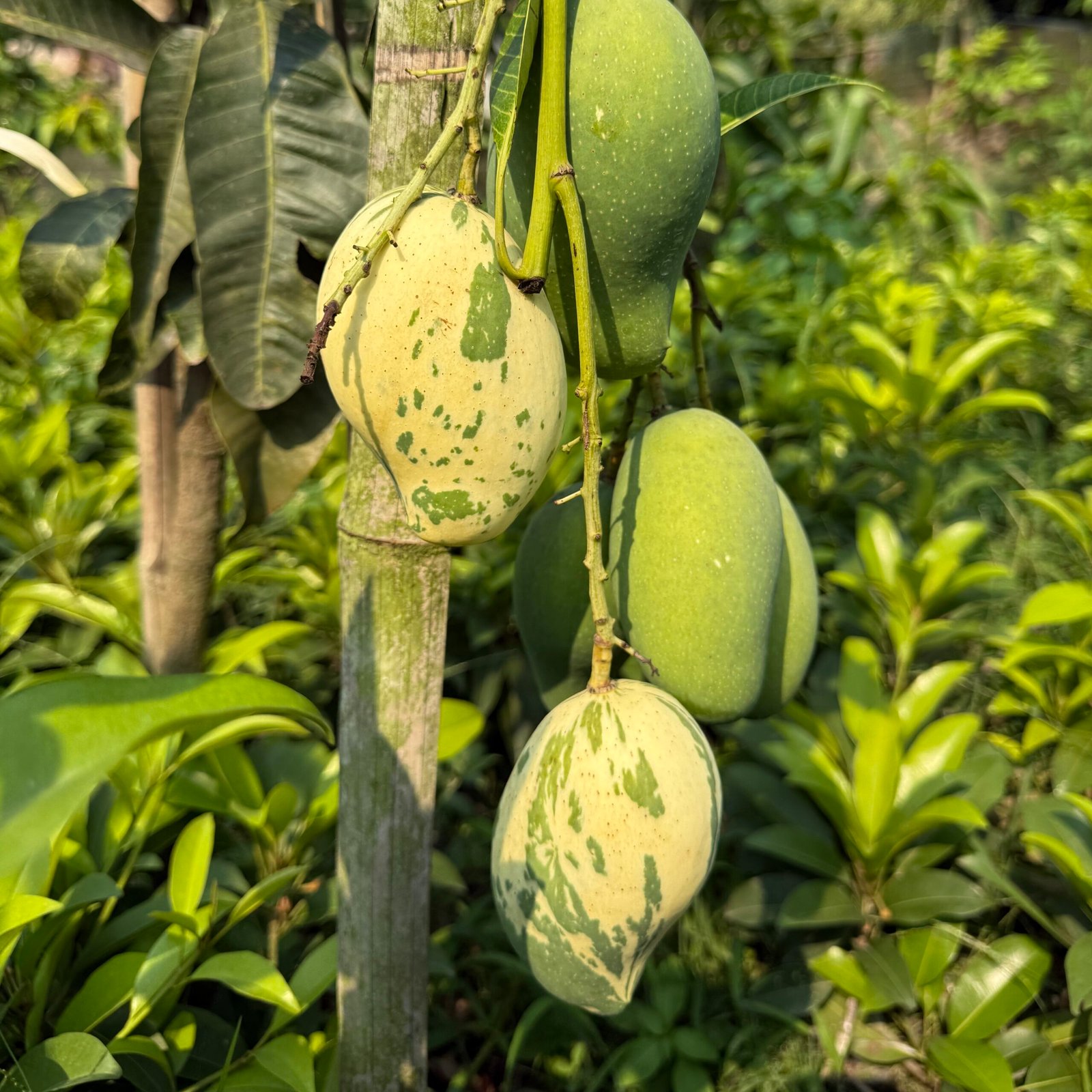
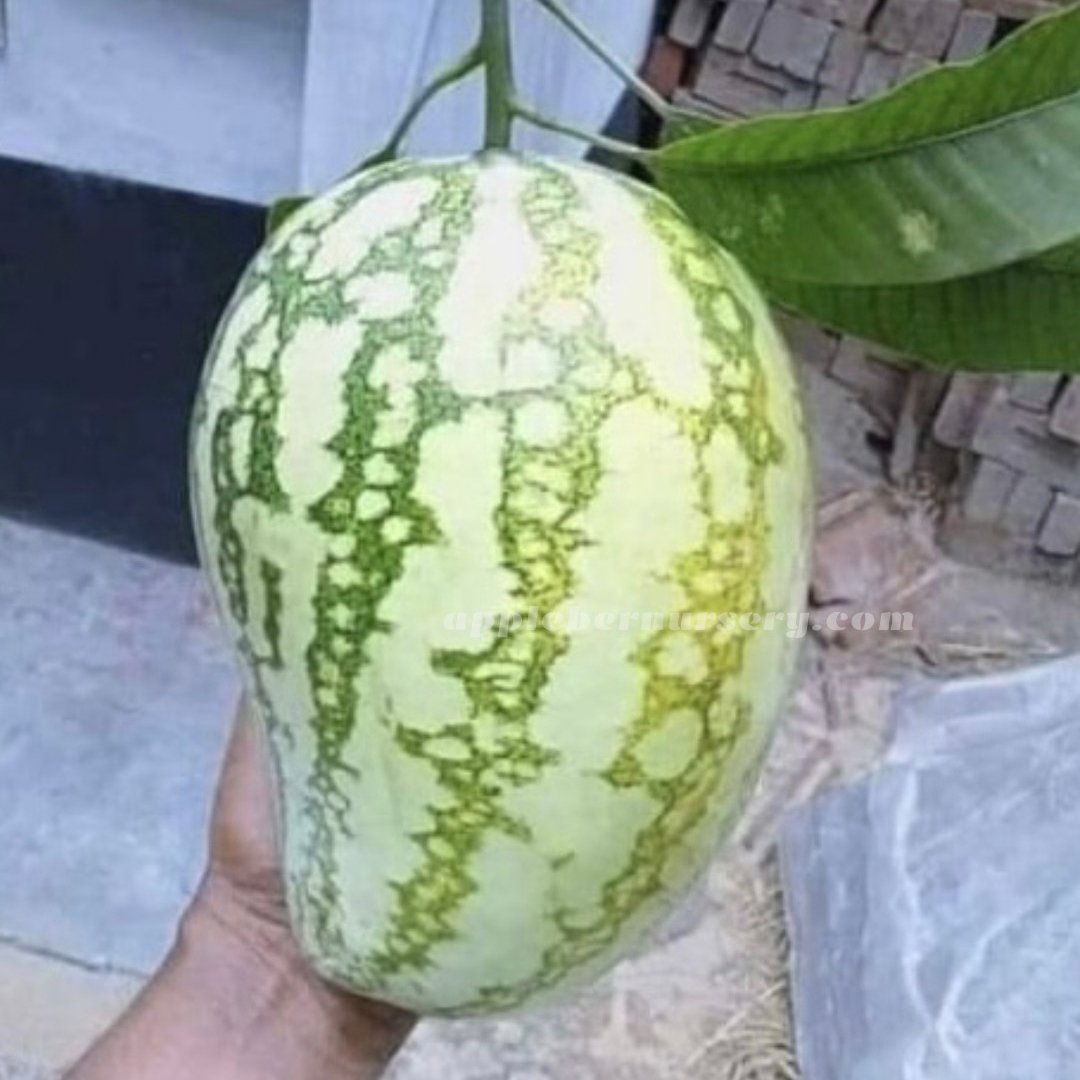
Original price was: ₹1,499.00.₹550.00Current price is: ₹550.00.Key features of a variegated mango:
- Color: The fruit and leaves show a mix of colors, most commonly green and creamy white, or yellow.
- Plant: It’s a medium to big tree.
- Fruit: The fruit is typically medium-sized, with smooth, golden-yellow skin when ripe.
- Taste: The fruit is known to be sweet.
- Other names: Also known as chalta khas or chitla in India.

American Kent Mango Plant
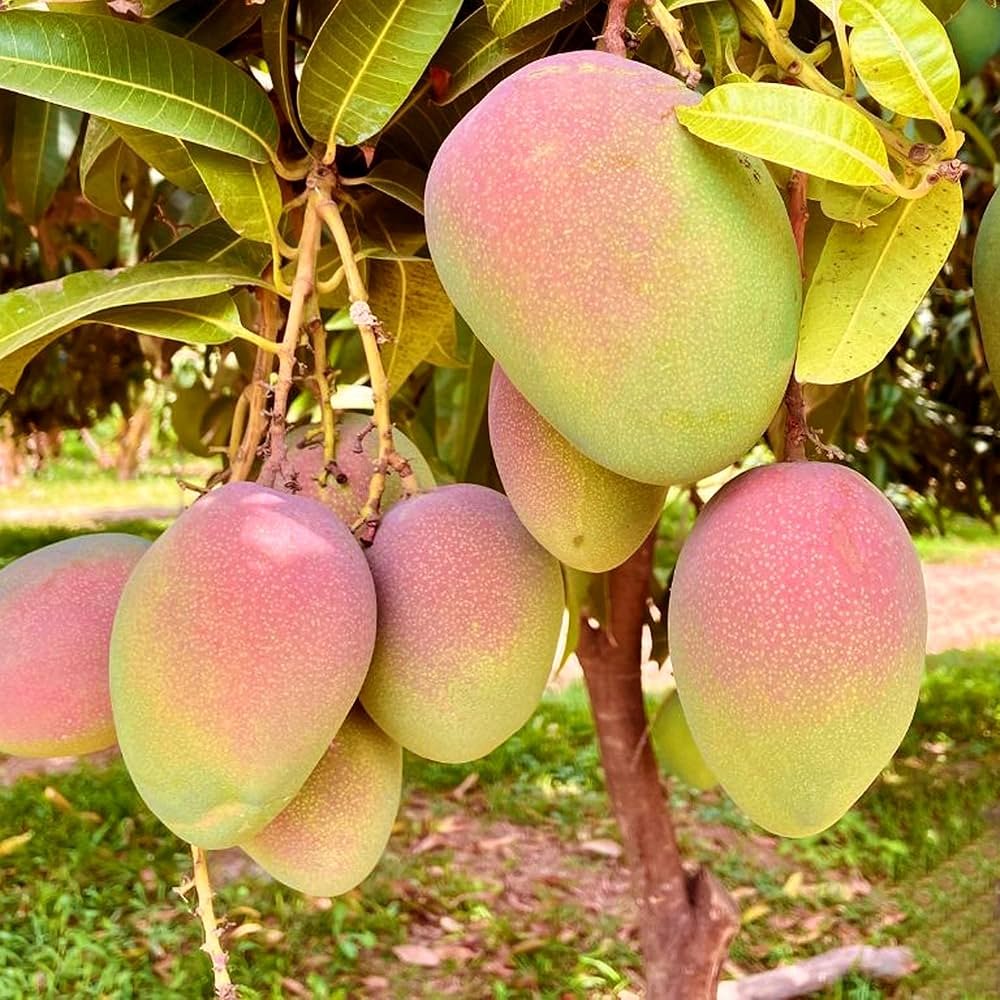
Original price was: ₹1,499.00.₹550.00Current price is: ₹550.00.Appearance:
-
- Skin: Greenish-yellow with possible red blush.
- Shape: Oval.
- Size: Typically weighs 20 to 26 ounces (570–740 g).
Flavor and Texture:- Flavor: Sweet with hints of sour notes and tropical fruit.
- Texture: Juicy and tender, with limited fibers.
- Aroma: Often has a peach or tropical fruit aroma.
Origin and Growing:- Origin: Developed in south Florida, USA.
- Yield: Kent trees are known for producing a large crop.
Namdocmai Mango Plant
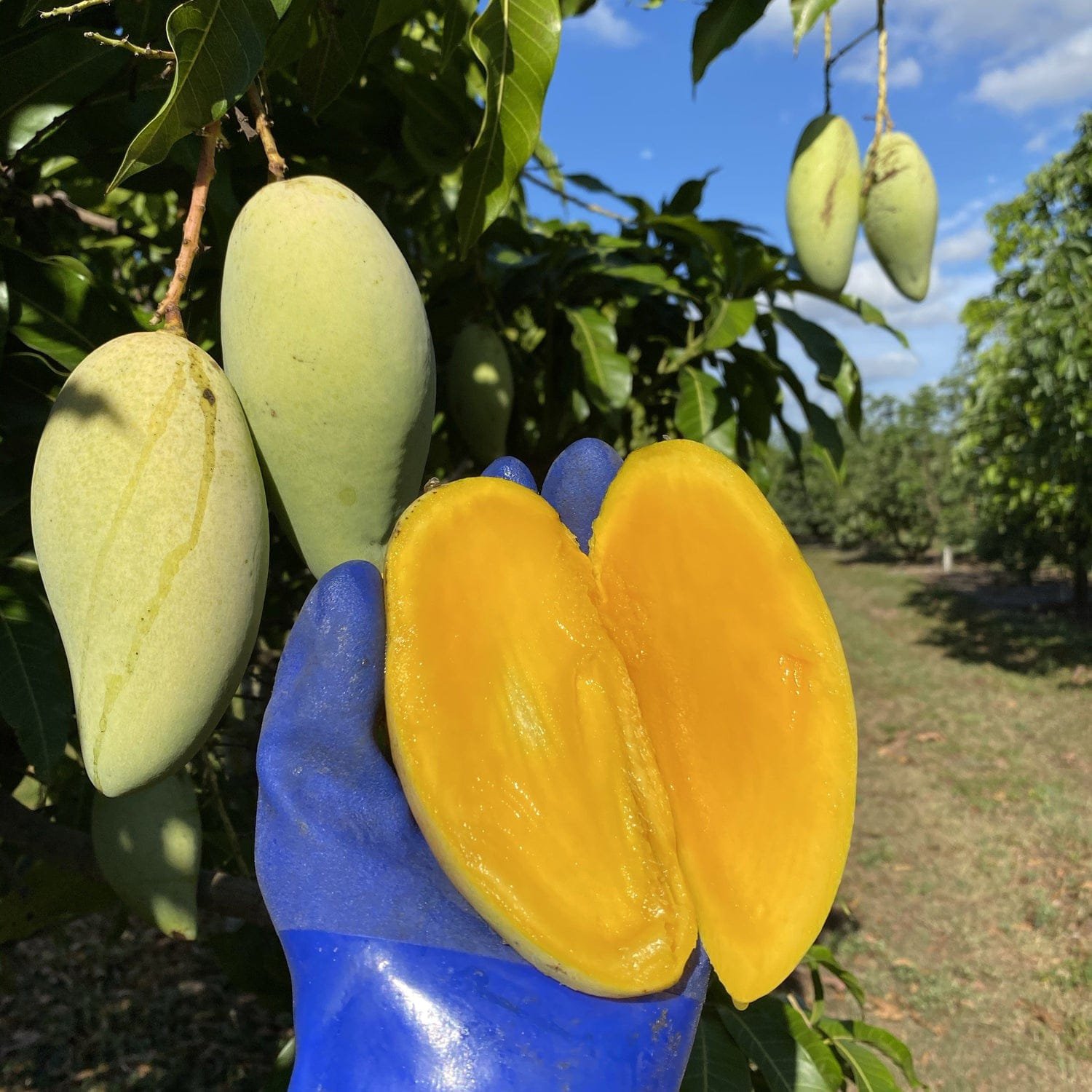
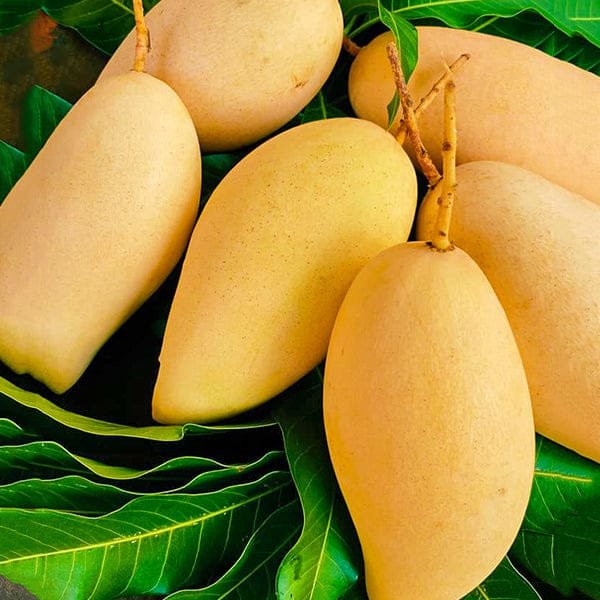
Original price was: ₹1,000.00.₹450.00Current price is: ₹450.00.Key Features:
- Origin: Thailand
- Shape: Elongated with a prominent beak
- Color: Yellow with green spots when ripe
- Flavor: Rich, sweet, and flavorful with a pleasant aroma
- Texture: Soft, juicy, and fiberless
- Popularity: One of the most popular mango varieties in Thailand and also grown commercially in other regions like Australia
- Tree: Medium-sized, potentially reaching heights of over six meters
- Seed: Polyembryonic seeded variety with a thin, flat seed

BN 7 Mango Plant
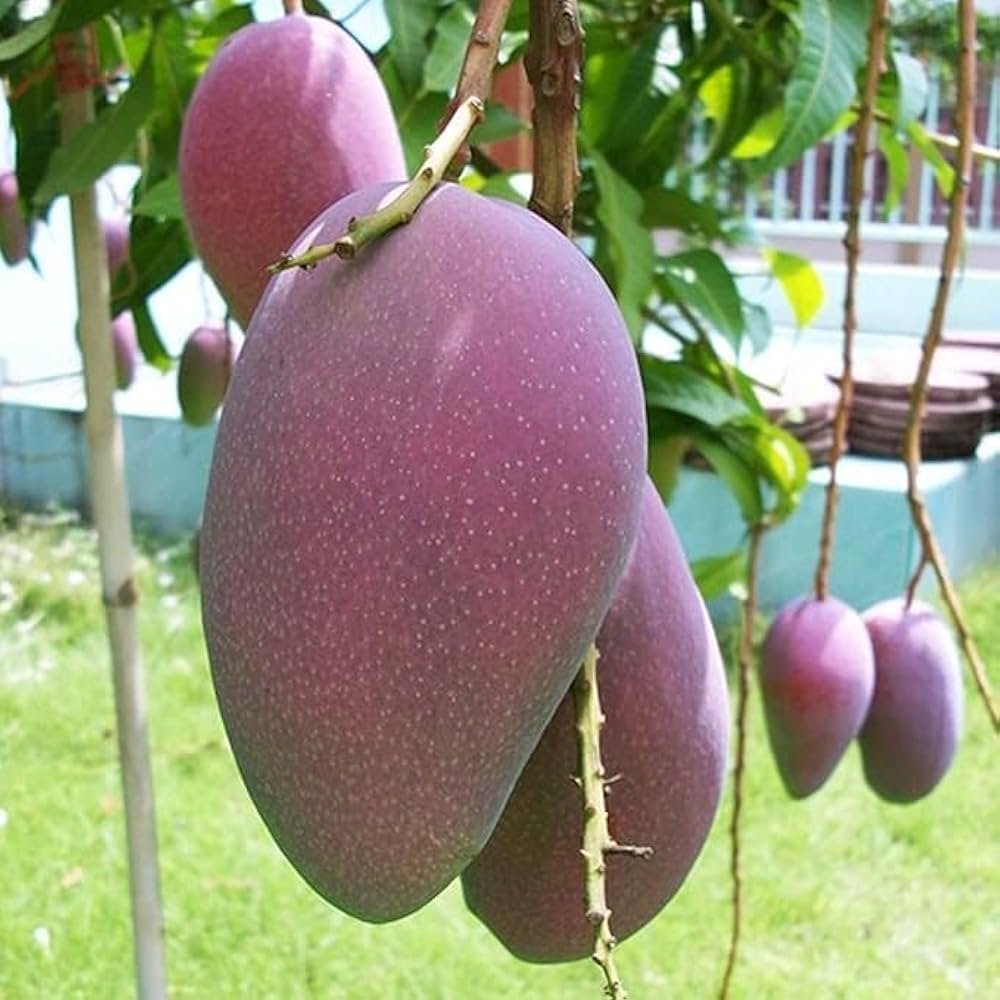
Original price was: ₹1,500.00.₹500.00Current price is: ₹500.00.Characteristics:
-
Appearance:
BN7 mangoes are large, often weighing 1 kg to 1.4 kg. They have a vibrant golden hue and a rich aroma.
-
Taste:
The mangoes are known for their sweetness, creamy texture, and delicious taste.
-
Texture:
The flesh is firm and juicy, with minimal fiber.
-
Yield:
BN7 is a high-yielding variety, making it suitable for home gardens, orchards, and farms.
-
Plant:
BN7 is a grafted plant, which means it matures faster and starts bearing fruit within 2-3 years.
- Plant Height: The plant height, including the pot, is typically 3 feet or more.
- Sunlight: The plant thrives in direct sunlight but can tolerate low indirect light.
- Soil and Climate: BN7 mango plants can adapt to various Indian climates and soil types.
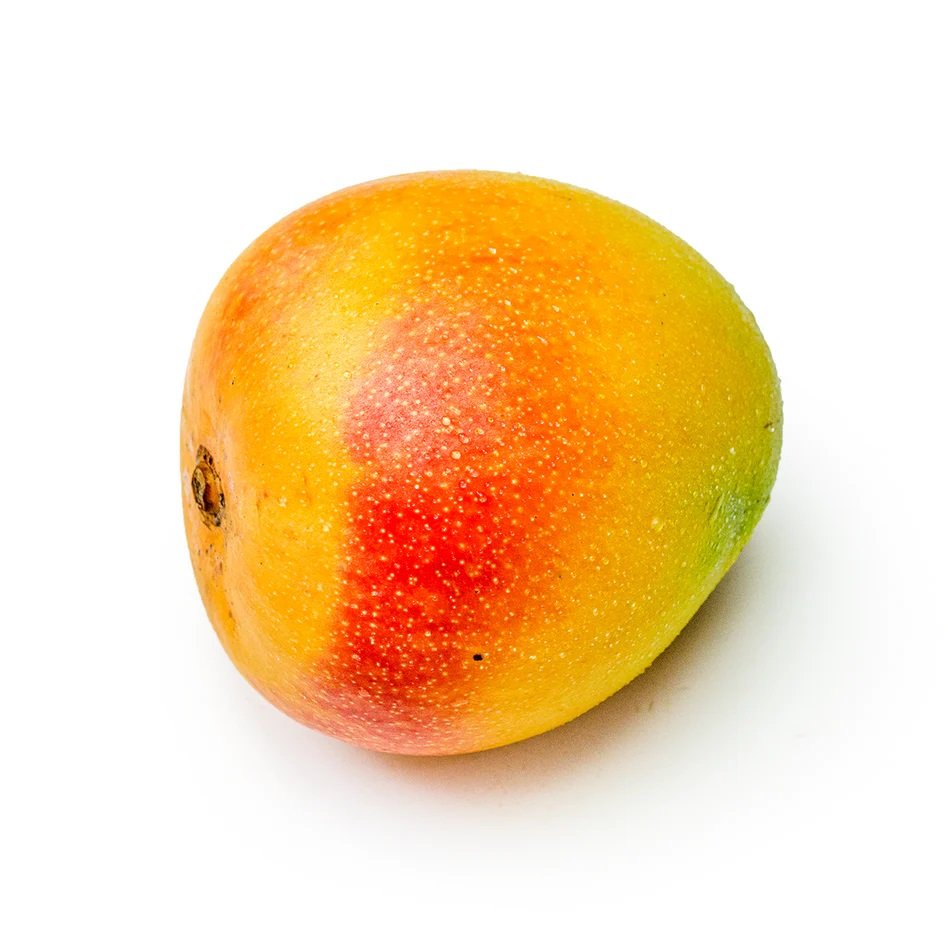
R2 E2 Mango Plant
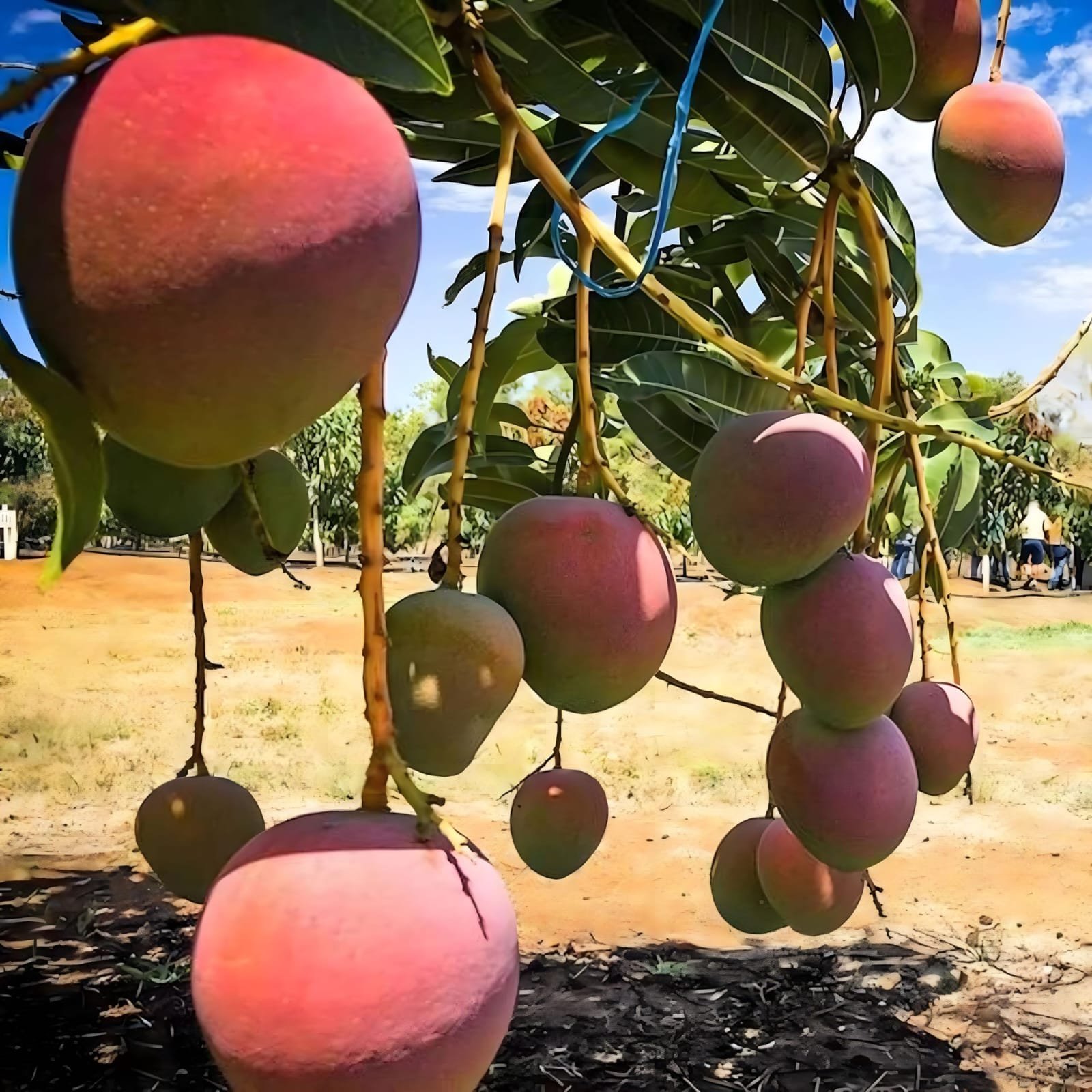
Original price was: ₹2,000.00.₹500.00Current price is: ₹500.00.Key characteristics of R2E2 mangoes:
- Origin: Australia
- Size: Large
- Flavor: Tangy-sweet, juicy, with a tropical taste
- Appearance: Vibrant hues, smooth skin
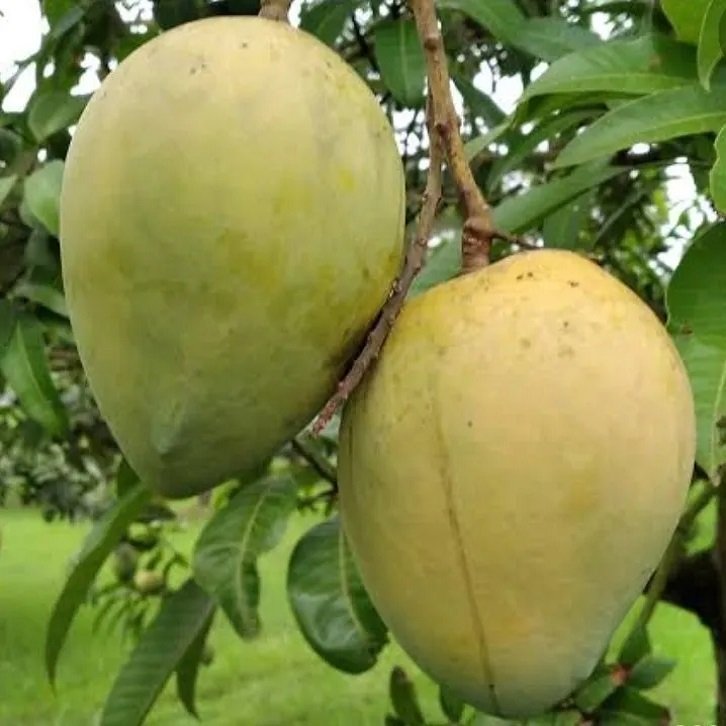

Hari Vanga Mango Plant
Original price was: ₹999.00.₹450.00Current price is: ₹450.00.Here’s a more detailed look:
-
Origin and Popularity:
The Haribhanga mango originated in Bangladesh and gained popularity in the early 2000s, especially in the Rangpur district.
-
Appearance:
These mangoes are round in shape and have a vibrant orange-yellow color when ripe.
-
Taste and Texture:
They are known for their exceptionally sweet taste, smooth, firm flesh, and lack of fiber.
-
Weight:
Haribhanga mangoes are generally fleshy and can weigh between 200 and 400 grams, with some reaching up to 700 grams.
-
Cultivation:
Cultivation of Haribhanga mangoes has gained significant traction in recent years, with the Department of Agriculture Extension (DAE) working to further develop this variety.
-
Gifting:Haribhanga mangoes have even been gifted as mementos of friendship, with Bangladesh sending 2600 kilograms to India in 2021.