


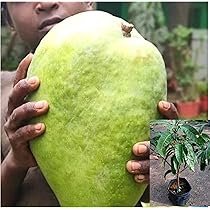
Brunei King Mango Plant
Original price was: ₹999.00.₹500.00Current price is: ₹500.00.Here’s a more detailed look:
- Size and Weight: Brunei King mangoes are notably large, often weighing 4-5 kg.
- Flesh: The flesh is described as luscious, fiberless, and creamy.
- Taste: The mangoes are known for their remarkably sweet taste.
- Tree Characteristics: The tree is grafted, ensuring early fruiting and disease resistance. It thrives in sunny locations with well-drained soil.
- Versatility: The Brunei King mango is suitable for fresh eating, juicing, and culinary uses.
- Ripening: The fruits mature in mid-September.
- Storage: It is considered a good mango for storing.
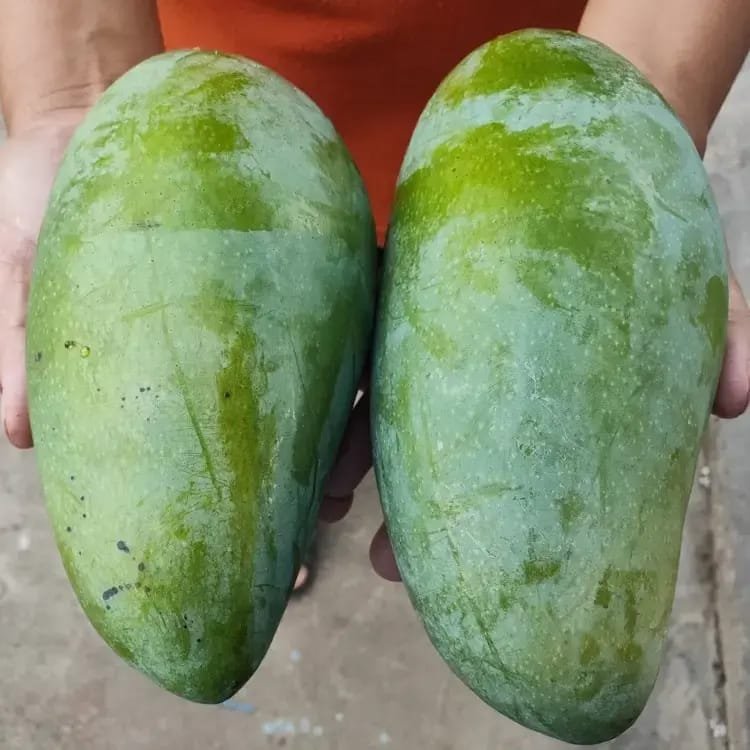
4 KG Mango Plant
Original price was: ₹999.00.₹500.00Current price is: ₹500.00.The 4 kg mango is a rare, exotic fruit variety (Mangifera indica) famous for producing individual mangoes that weigh up to \(4\text{ kg}\) to \(4.5\text{ kg}\) each. Cultivated mainly for home gardens and rare fruit collections, it features a sweet flavor, smooth texture, and very thick pulp.

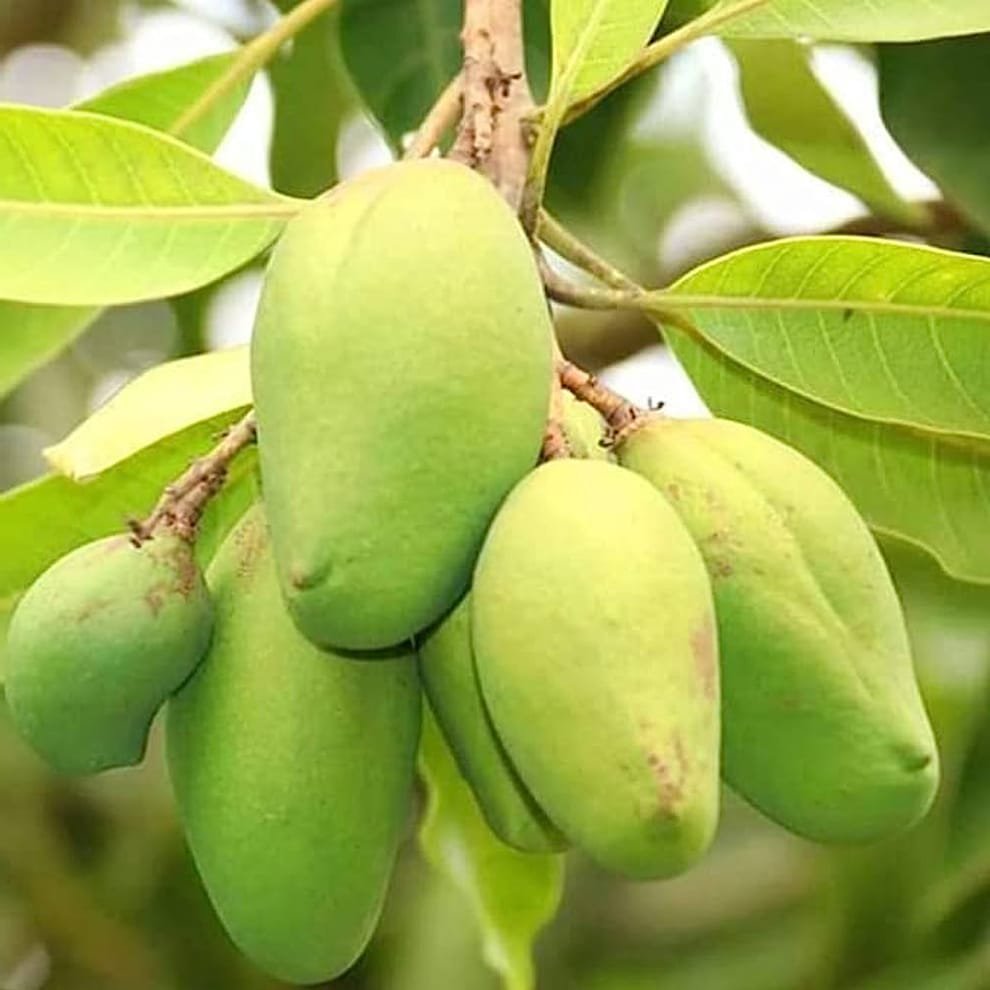
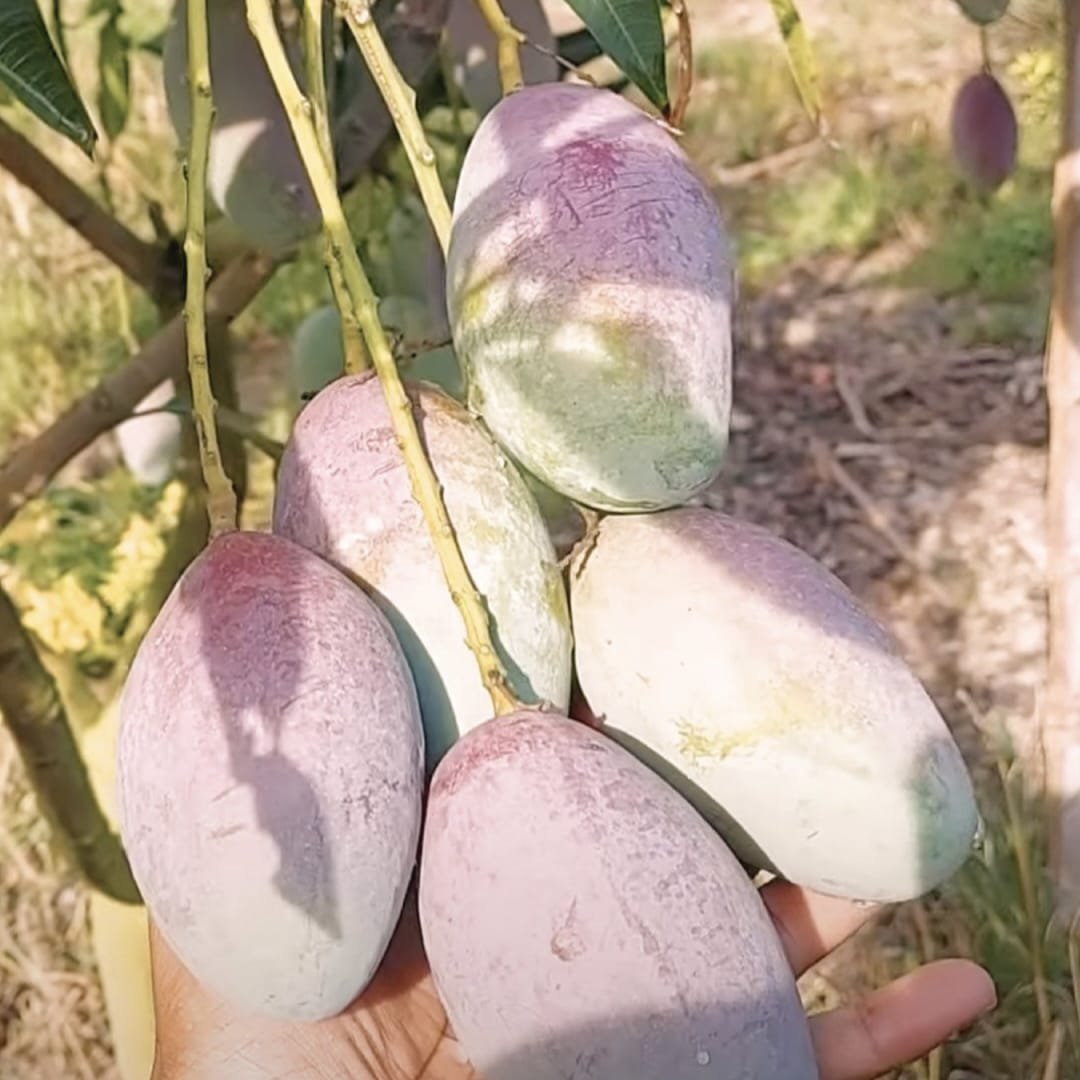
Bari 11 mango plant
Original price was: ₹999.00.₹500.00Current price is: ₹500.00.Here’s a more detailed look at the Bari 11 mango:
- Sweet and Juicy: Bari 11 mangoes are known for their sweet and juicy flesh.
- Golden-Yellow Skin: The skin of ripe Bari 11 mangoes is typically a bright golden-yellow.
- Smooth Texture: The flesh has a smooth, non-fibrous texture, making it easy to enjoy.
- Aromatic Fragrance: The fruit has a pleasant, aromatic fragrance that fills the air when it’s ripe.
- All-Season Bearing: Bari 11 mangoes can bear fruit throughout the year, with some varieties having multiple harvests.
- Grafted Trees: Trees are typically grafted to ensure they bear fruit earlier than those grown from seeds.
- Vigorous Trees: Bari 11 mango trees are vigorous growers, capable of reaching heights of up to 30 feet.
- Tropical Climates: They thrive in warm, tropical climates and require plenty of sunlight and well-drained soil.
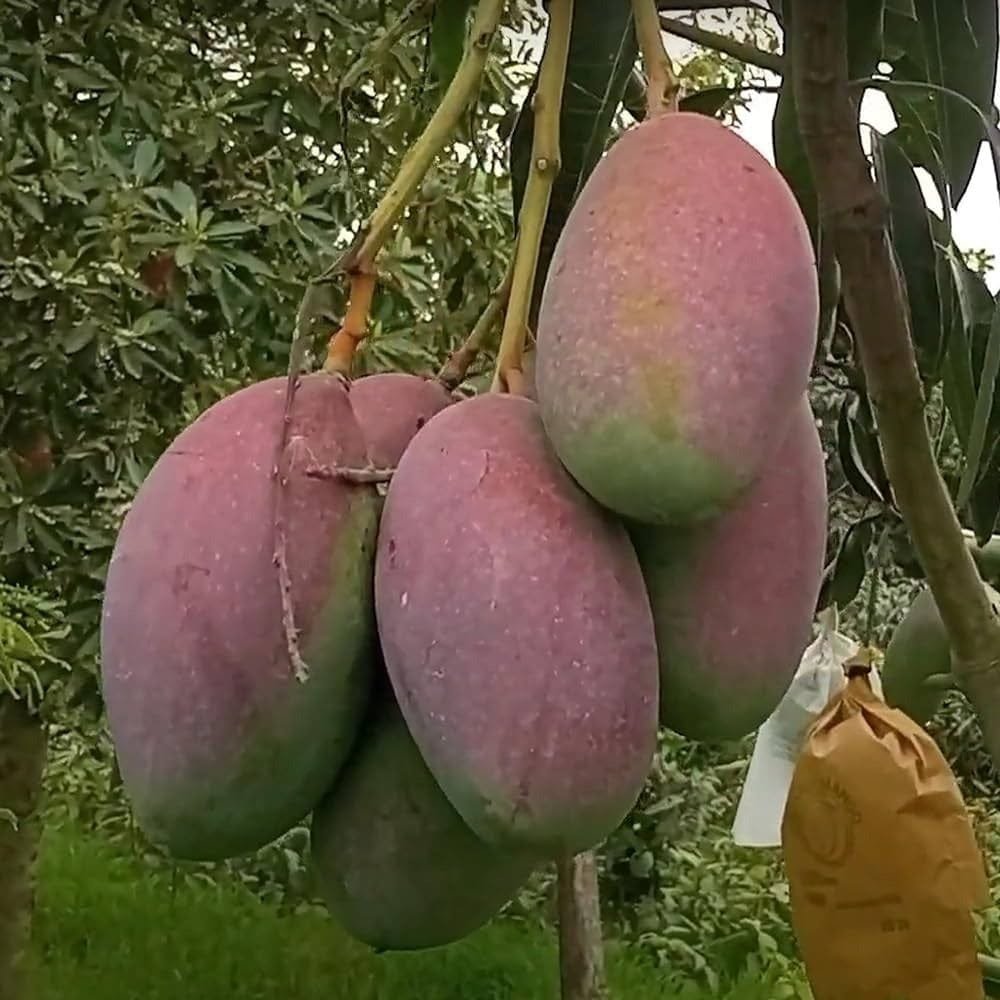
Bari 13 mango plant
Original price was: ₹999.00.₹500.00Current price is: ₹500.00.Key Features:
-
Grafted for faster fruiting:Bari 13 mangoes are grafted, meaning they produce fruit much sooner than mangoes grown from seeds.
-
High yield:This variety is known for its abundant fruit production, making it a good choice for both personal and commercial use.
-
Sweet and aromatic flavor:The mangoes have a delicious, sweet, and aromatic flavor, making them a favorite among mango lovers.


Bari 4 mango plant
Original price was: ₹999.00.₹450.00Current price is: ₹450.00.Here’s a more detailed look at Bari 4 mangoes
1. Flavor: Sweet, tropical, and refreshing.Color: Golden-red hue.Fiber: Not very fibrous, making them easy to eat.
2. Nutrients: High in fiber, magnesium, and potassium.
3. Plant: Can be grown in various Indian climates and soil types, suitable for gardens or pots.
4.Source: Bangladesh Agricultural Research Institute (BARI).


Kasturi mango plant
Original price was: ₹1,499.00.₹550.00Current price is: ₹550.00.Here’s a more detailed description:
Appearance:
- Skin: Ripened Kasturi mangoes have a distinctive dark purple to almost black skin. Initially, the skin is green but turns darker as it matures
- Shape: They are oval-shaped with a slightly pointed end.
- Size: Kasturi mangoes are smaller than other varieties, typically measuring 4-6 cm long and 3-4 cm wide.


Q-jai mango plant
Original price was: ₹999.00.₹500.00Current price is: ₹500.00.Key Characteristics:
- Large Size: Q-jai mangoes are known for their substantial size, with individual fruits potentially weighing over one and a half kilograms.
- Sweet and Juicy: They are highly prized for their intense sweetness and juicy texture, often described as a “crunchy” and “nutty” flavor with a pleasant aroma.
- Reduced Fibers: Q-jai mangoes are noted for having relatively little fiber, making them a smooth and enjoyable eating experience.
- Easy to Grow: Grafted plants can bear fruit early and are suitable for various Indian climates and soil types, according to some sellers.
- Grafted Variety: Grafting ensures consistent fruit quality and increased yields.
- Thai Origin: The “Q Jai” or “Kujai” name suggests a Thai origin and is a popular variety in India.

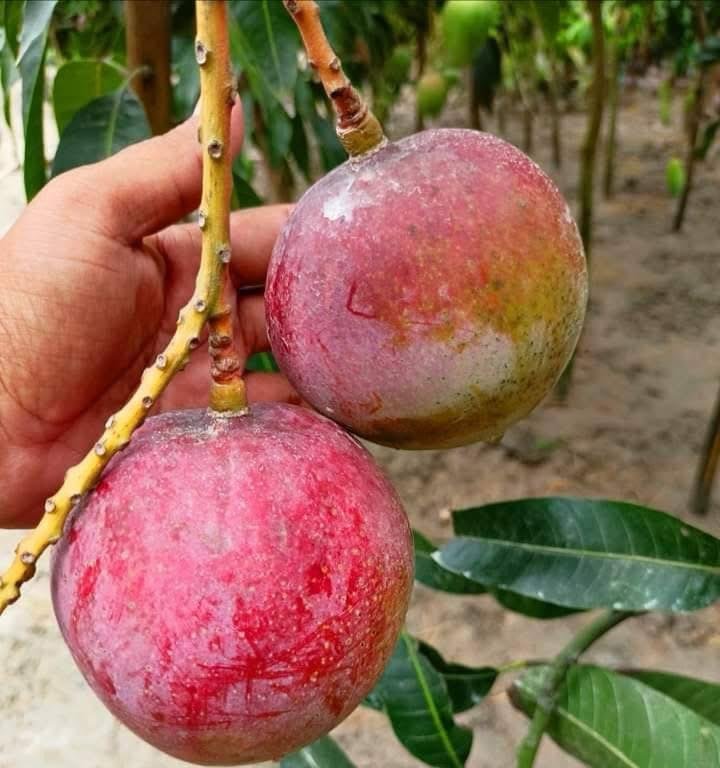
American red palmar mango
Original price was: ₹1,199.00.₹500.00Current price is: ₹500.00.Appearance:
- Size: American Red Palmer mangoes are large, with some specimens reaching several pounds in weight.
- Shape: Oblong or slightly elongated.
- Color: Ranging from purple to red to yellow when ripe, with a distinctive red-purple blush.
Taste and Texture:
- Flavor: Mild and aromatic, with a sweet taste.
- Texture: Firm flesh with minimal fiber
Thai banana mango plant
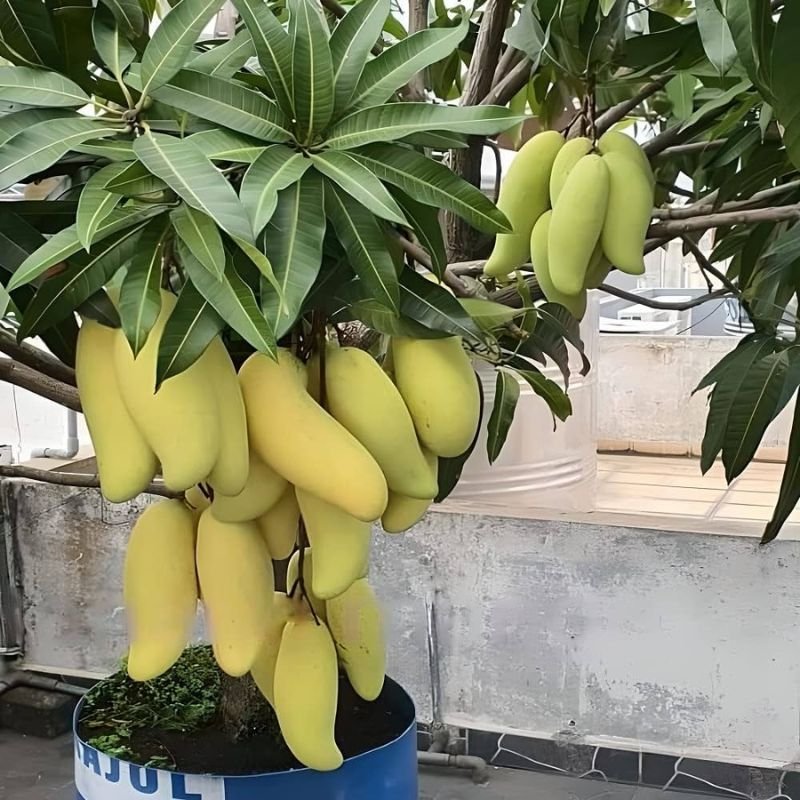
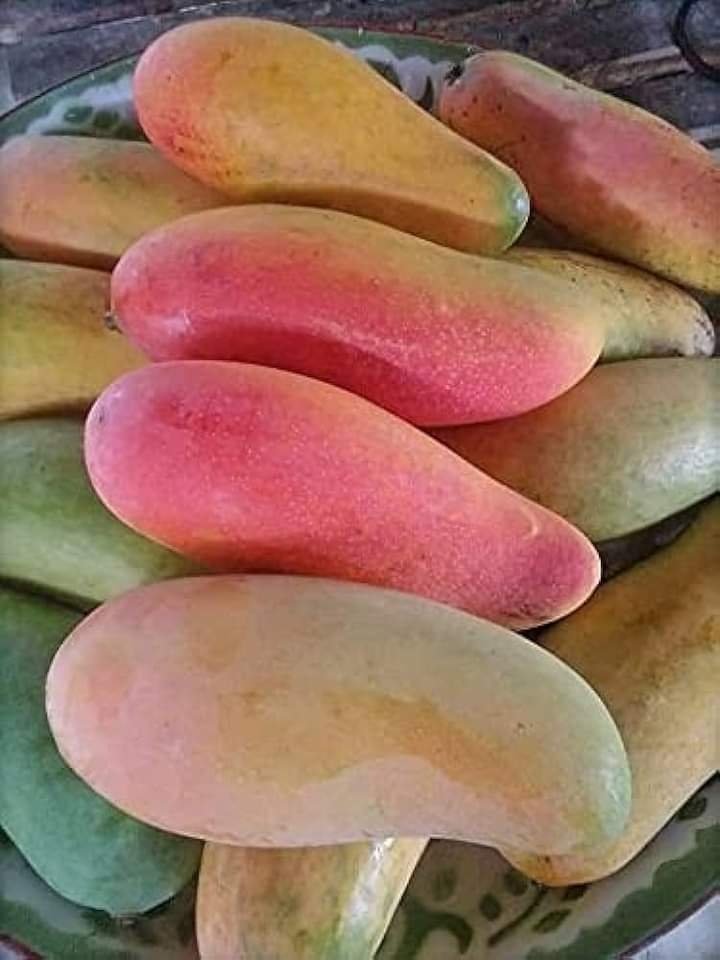
Original price was: ₹999.00.₹450.00Current price is: ₹450.00.- Appearance: Large, oblong-shaped fruit with a thin, smooth, yellow skin. Some varieties may have shades of red or green.
- Flavor: Sweet, fruity, with hints of mango, citrus, and even banana.
- Texture: Juicy and fiberless flesh, making it ideal for fresh consumption or incorporating into recipes.
- Weight: Fruits typically weigh between 350 to 450 grams.