


Himsagar mango Plant
Original price was: ₹999.00.₹450.00Current price is: ₹450.00.- Scientific Name: Mangifera indica.
- Common Name: Himsagar Mango.
- Origin: Primarily grown in West Bengal, India.
- Growth: Medium to large-sized evergreen tree with a dense crown and spreading canopy.
- Foliage: Dark green, glossy leaves.
- Fruit: Large, oblong, thin-skinned, golden yellow when ripe, sweet, juicy, and aromatic. The flesh is also described as exceptionally juicy, fiberless, and has notes of honey and citrus.
- Season: Typically starts in May and extends into June.

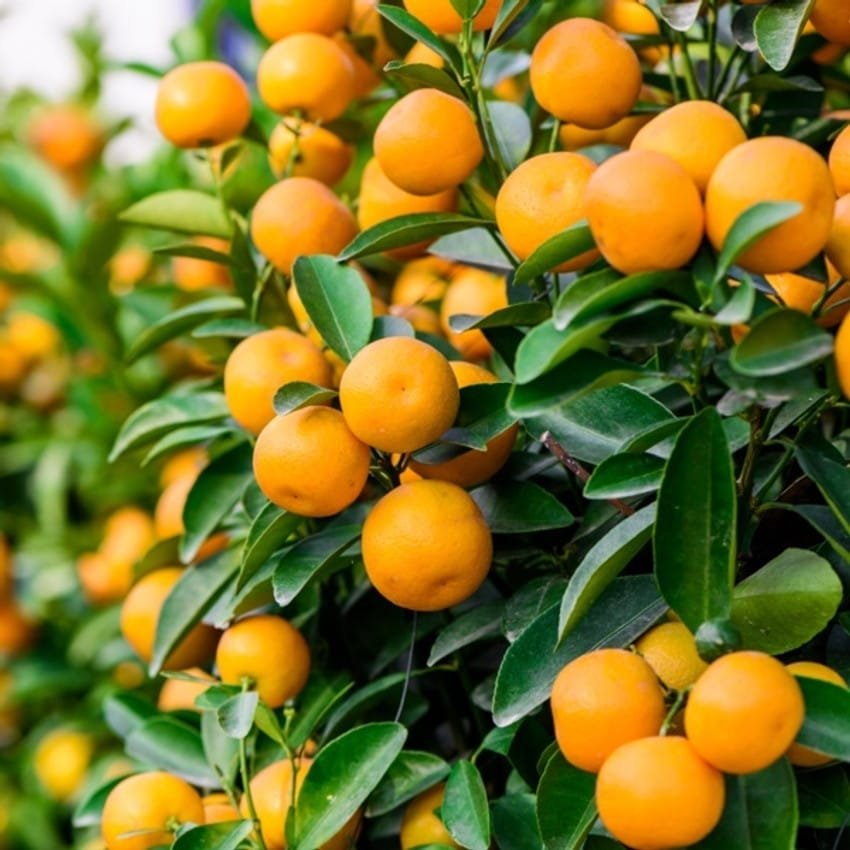
Kumbh kat lemon plant
Original price was: ₹799.00.₹380.00Current price is: ₹380.00.-
-
Appearance:
Kumquats are small, oval-shaped citrus fruits, about the size of a small olive or grape. They are typically bright orange or yellow-orange in color.
-
-
Taste:
The peel is sweet and slightly tangy, while the flesh is more tart.
-
Edible:
Kumquats are unique in that the entire fruit, including the peel, is edible.
-
Uses:
They can be eaten whole, used in salads, desserts, or savory dishes, and can also be made into jams, marmalades, and chutneys.
-
Varieties:
There are different varieties, such as the Nagami kumquat (elongated, tart) and the Marumi kumquat (rounder, sweeter).
-
Growing:Kumquats grow on small, evergreen trees that prefer full sun and well-draining soil.

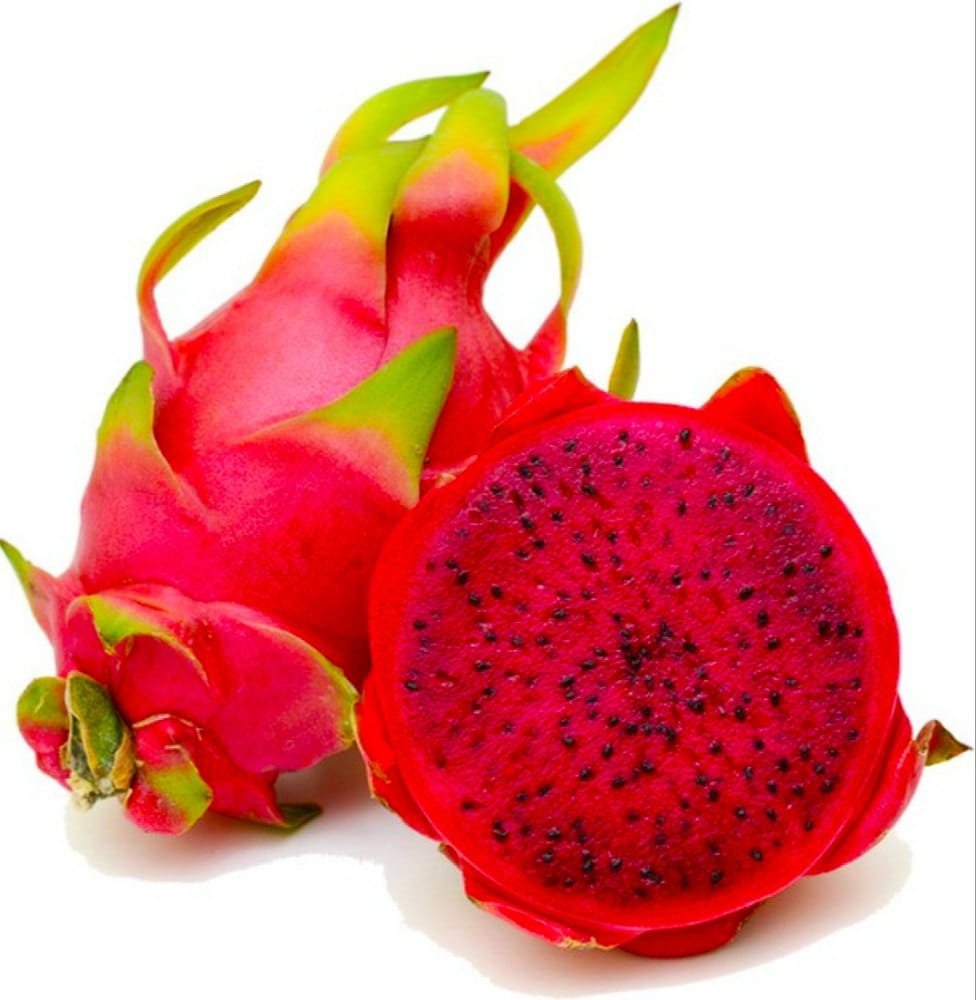
Jamboo red dragon Plant
Original price was: ₹499.00.₹250.00Current price is: ₹250.00.-
Appearance:
The skin ranges from bright pink to magenta and is covered in overlapping green, scale-like leaves.
-
Taste:
The flesh is white and has a mild, slightly sweet flavor with a texture similar to a ripe kiwi. The tiny black seeds add a slight crunch.
-
Size and Shape:
Red dragon fruits are typically oval to oblong in shape, with a range of sizes from small to medium.
-
Other notes:The Jambu Red variety is known for its striking appearance and sweet, berry-like flavor. It’s also a popular choice for fruit lovers due to its unique taste and visual appeal.
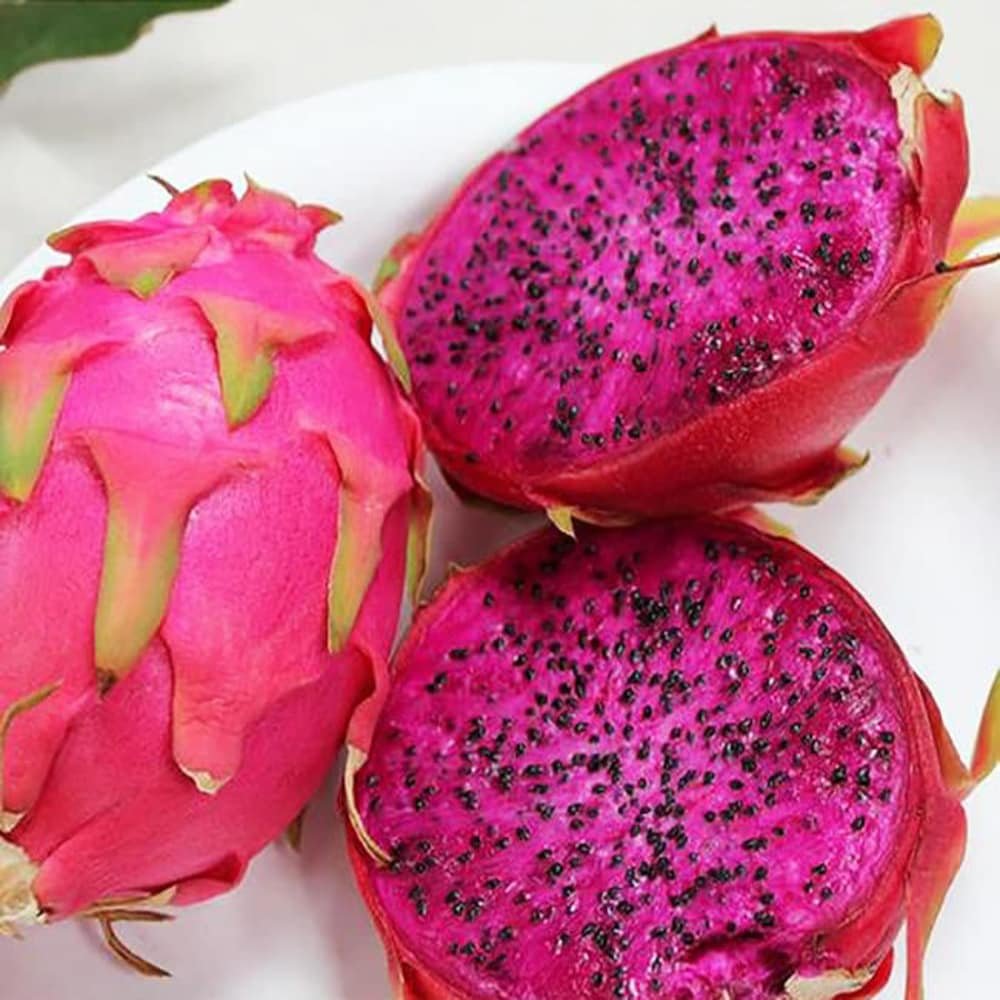

Pink dragon Fruit Plant
Original price was: ₹499.00.₹200.00Current price is: ₹200.00.-
Appearance:Pink dragon fruit features a distinctive, vibrant pink skin covered in green scales or “spikes,” resembling a dragon’s scales, hence the name. The flesh can be either white or pink, with many tiny black seeds scattered throughout.
-
Taste:The fruit has a mild, slightly sweet flavor, often described as a mix between a pear and a kiwi, with a subtle melon-like taste. Some also note a hint of kiwi.
-
Texture:The flesh is juicy and soft, similar to a ripe kiwi, with a light crunch from the black seeds.
-
Nutrition:Dragon fruit is a good source of fiber, vitamins, and antioxidants.


Bombay lichi Plant
Original price was: ₹999.00.₹500.00Current price is: ₹500.00.- Tree: Vigorous trees that can reach an average height of 6.7 meters and a spread of 7-8 meters.
- Yield: Yields an average of 80-90 kg of fruit per tree.
- Fruit:
- Large, often obliquely heart-shaped.
- Carmine red tubercles on a uranium-green background at maturity.
- Each developed fruit is often attached to a tiny underdeveloped fruit at the stalk.
- Pulp: Greyish-white, soft, and juicy.
- TSS: 17%.
- Seeds: Elongated, smooth, measuring about 2.3 cm in length and 1.6 cm in width, weighing approximately 3.4 g.
- Large, often obliquely heart-shaped.


Chaina 3 litchi Plant
Original price was: ₹999.00.₹450.00Current price is: ₹450.00.-
Origin and Popularity:China 3 is a lychee variety favored in the Bengal region of India.
-
Ripening Time:It’s a late variety, with fruits ripening in late June in some areas, according to Wikipedia.
-
Fruit Characteristics:The fruits are larger than average, globose, and have a distinct skin color featuring red, orange, and green patches. The pulp is creamy white, soft, and succulent.
-
Tree Characteristics:The trees are relatively small, typically 5 to 6 meters tall, with smaller leaves. They have a tendency to alternate bearing, meaning they may not produce fruit every year, so proper management is important.
-
Growing Conditions:China 3 trees can tolerate high temperatures and varying soil moisture levels, which helps reduce fruit cracking.

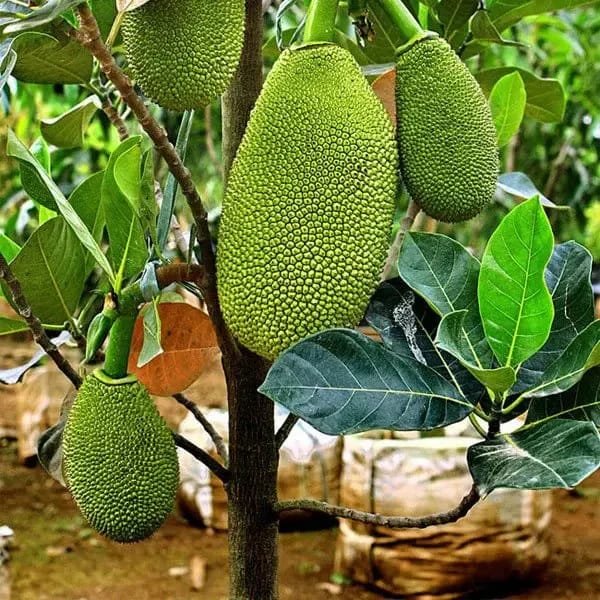
Vietnam Superly Early Jackfruit Plant
Original price was: ₹999.00.₹460.00Current price is: ₹460.00.-
Early Fruiting:This variety is known for its rapid fruiting, sometimes called “One-Year Jackfruit Tree,” as it can produce edible fruit within a year of planting.
-
Sweetness:The fruit is described as very sweet and firm, with a taste reminiscent of honey.
-
Size:The fruits are medium-sized, making them easier to handle and transport compared to larger jackfruit varieties.
-
Twice-a-Year Fruiting:The tree can bear fruit twice a year, typically in clusters.
-
Small to Medium Tree Size:The tree is not a large, tall-growing variety, making it suitable for smaller spaces like home gardens and terrace gardens.
-
Easy to Grow:The plant is relatively easy to care for, thriving in full sunlight and well-drained soil.
Namdocmai Mango Plant
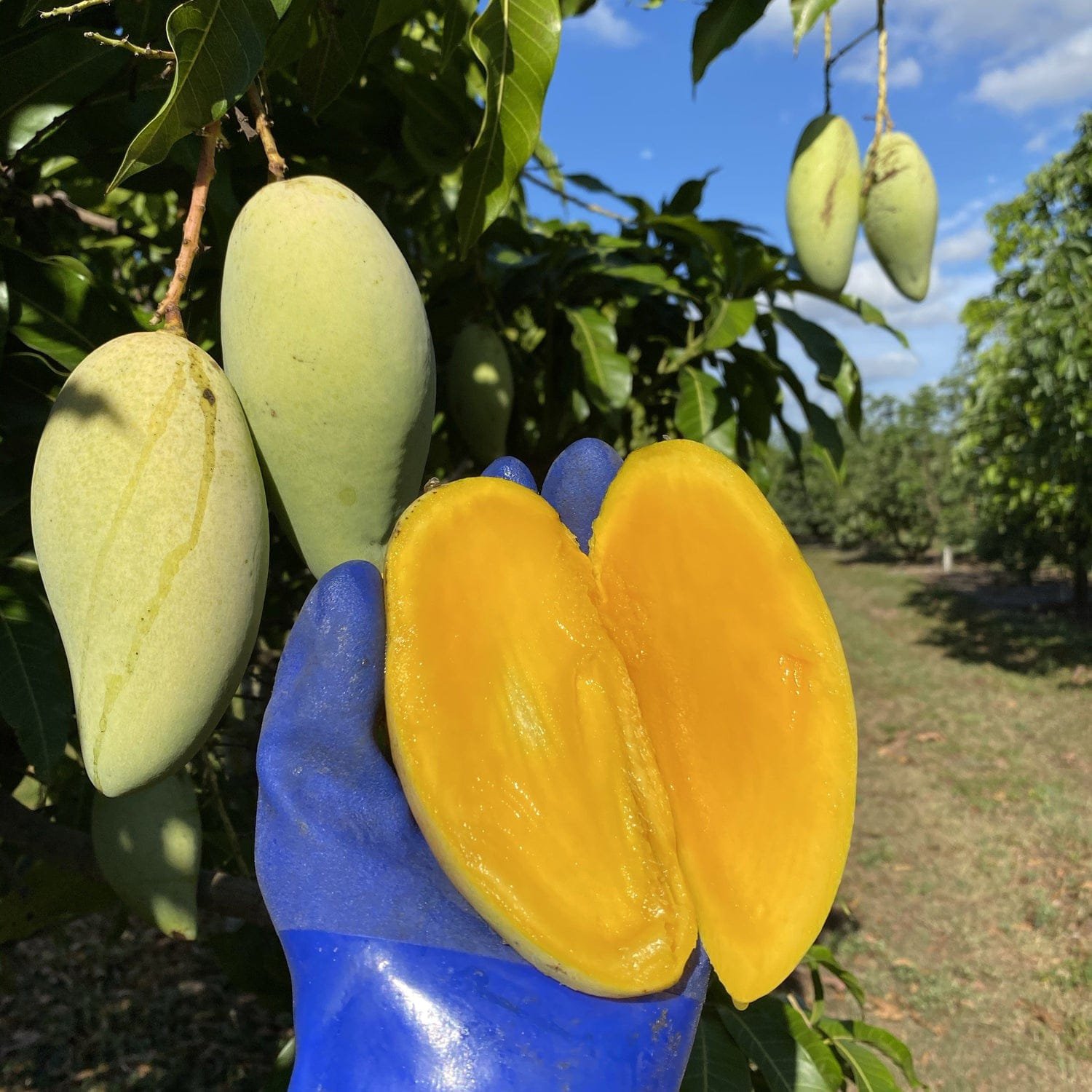
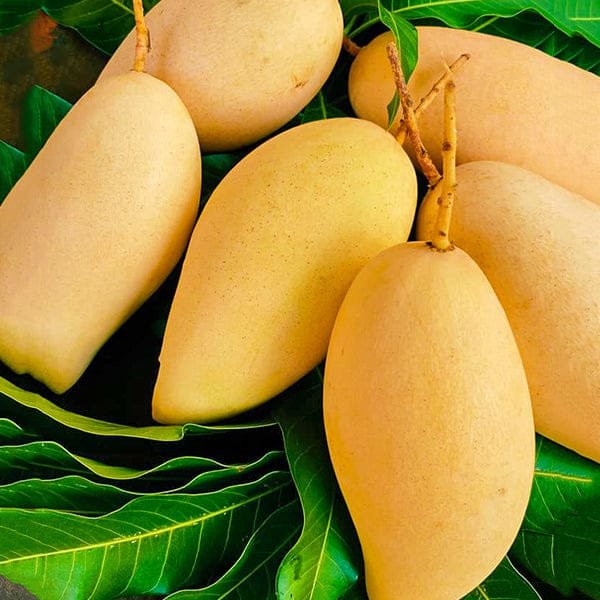
Original price was: ₹1,000.00.₹450.00Current price is: ₹450.00.Key Features:
- Origin: Thailand
- Shape: Elongated with a prominent beak
- Color: Yellow with green spots when ripe
- Flavor: Rich, sweet, and flavorful with a pleasant aroma
- Texture: Soft, juicy, and fiberless
- Popularity: One of the most popular mango varieties in Thailand and also grown commercially in other regions like Australia
- Tree: Medium-sized, potentially reaching heights of over six meters
- Seed: Polyembryonic seeded variety with a thin, flat seed
R2 E2 Mango Plant
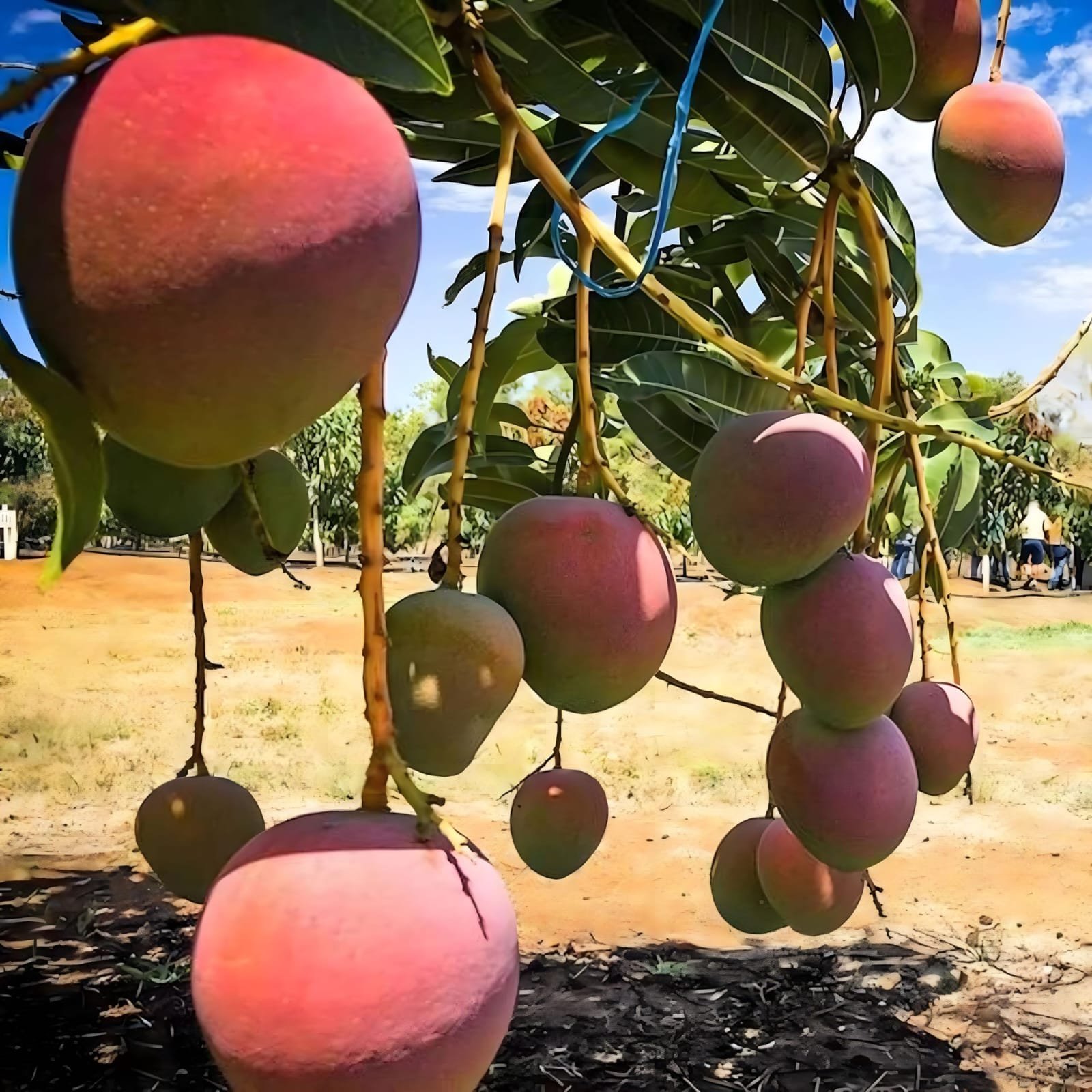
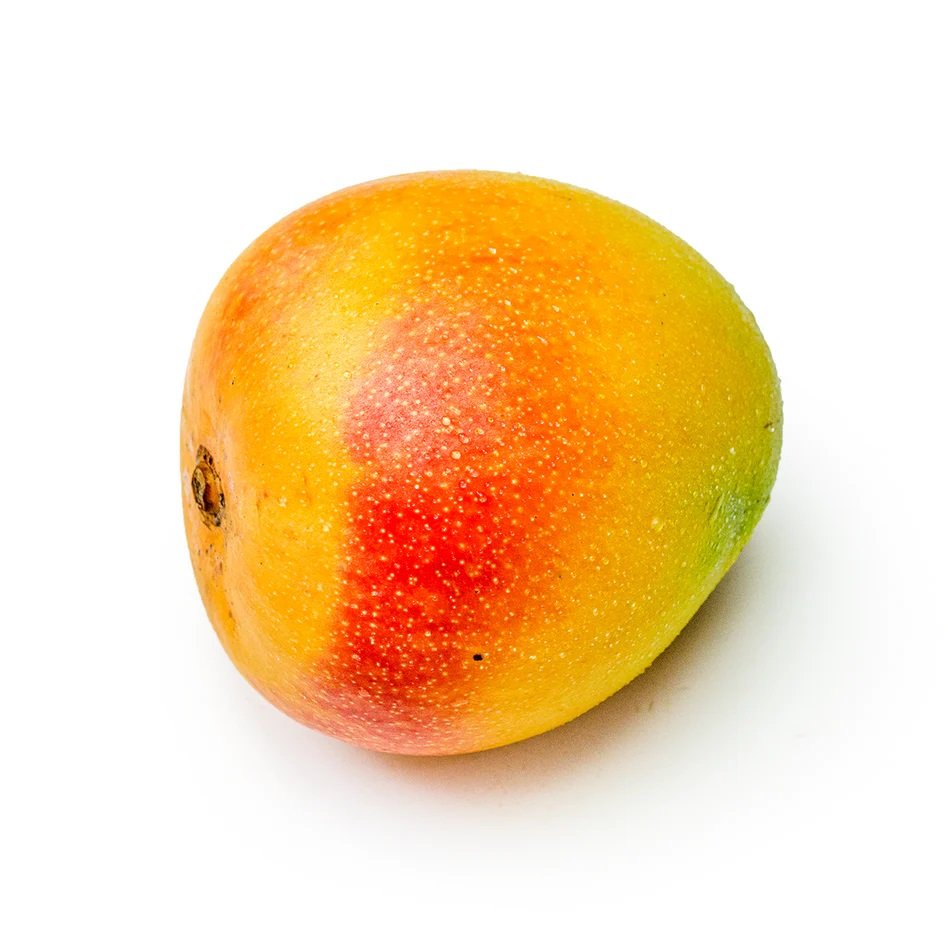
Original price was: ₹2,000.00.₹500.00Current price is: ₹500.00.Key characteristics of R2E2 mangoes:
- Origin: Australia
- Size: Large
- Flavor: Tangy-sweet, juicy, with a tropical taste
- Appearance: Vibrant hues, smooth skin