
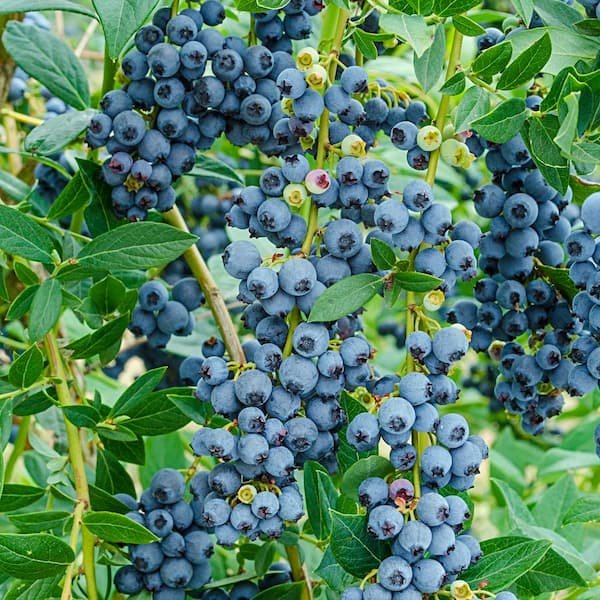
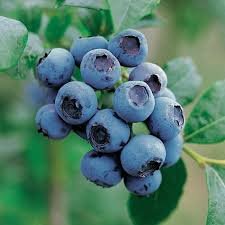
Blue berry plant
Original price was: ₹6,000.00.₹4,000.00Current price is: ₹4,000.00.-
Size:
Highbush blueberries can reach heights of 2-5 meters (6.6-16.4 feet), while lowbush blueberries are typically 35-60 centimeters (13.8-23.6 inches) tall.
-
Leaves:
Blueberry plants have simple, elliptical leaves that are arranged alternately along the stems.
-
Flowers:
They produce clusters of small, urn-shaped flowers, which can be white, pale pink, or red.
-
Fruit:
The fruits are true berries with many small seeds and are a deep indigo to black color when ripe.
-
Root system:
Blueberries have shallow root systems, which benefit from mulch and fertilizer.
-
Soil preferences:
They prefer well-drained, sandy or loam soils.
-
Light requirements:Blueberry plants thrive in full sun but can tolerate some partial shade.


Red Jackfruit Plant
Original price was: ₹999.00.₹450.00Current price is: ₹450.00.- Flesh Color: Red or maroon-colored flesh.
- Taste: Sweet, with a flavor that’s often described as a mix of banana, pineapple, and mango.
- Nutrient Content: High in vitamins, minerals, and antioxidants.
- Size: Jackfruit is the largest tree-borne fruit in the world, reaching up to 60 cm (about 2 feet) long and weighing up to 18 kg (about 40 pounds).
- Uses: Red Jackfruit is used in various culinary preparations, including jams, jellies, chutneys, and as a flavor in ice cream and beverages.
- Health Benefits: Jackfruit is a good source of B vitamins, potassium, and vitamin C.
- Growth Habit: Jackfruit trees are large and evergreen, with glossy, leathery leaves.
- Cultivation: Red Jackfruit trees are typically planted in full sunlight and require minimal pruning.
- Harvesting: Fruiting typically begins 3-5 years after planting.


Turkey Fig Plants
Original price was: ₹999.00.₹480.00Current price is: ₹480.00.- Sunlight: Requires full sun (6-8 hours of direct sunlight per day).
- Soil: Prefers well-drained, organically rich soil that is neutral to acidic.
- Watering: Needs regular watering, especially during the growing season.
- Hardiness: ‘Brown Turkey’ is considered more cold-hardy than other fig cultivars, but still requires protection from temperatures below 10°F.
- Pruning: Light pruning each winter may be necessary to maintain an attractive shape.
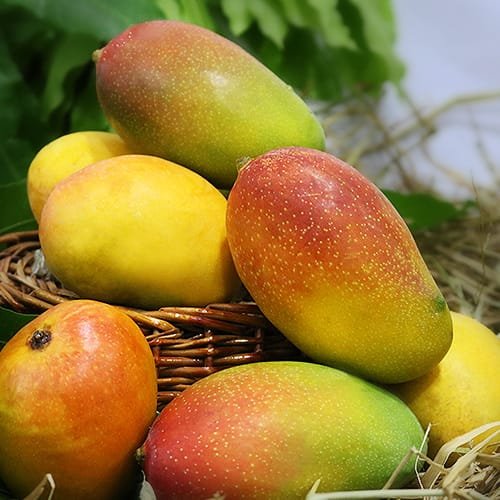
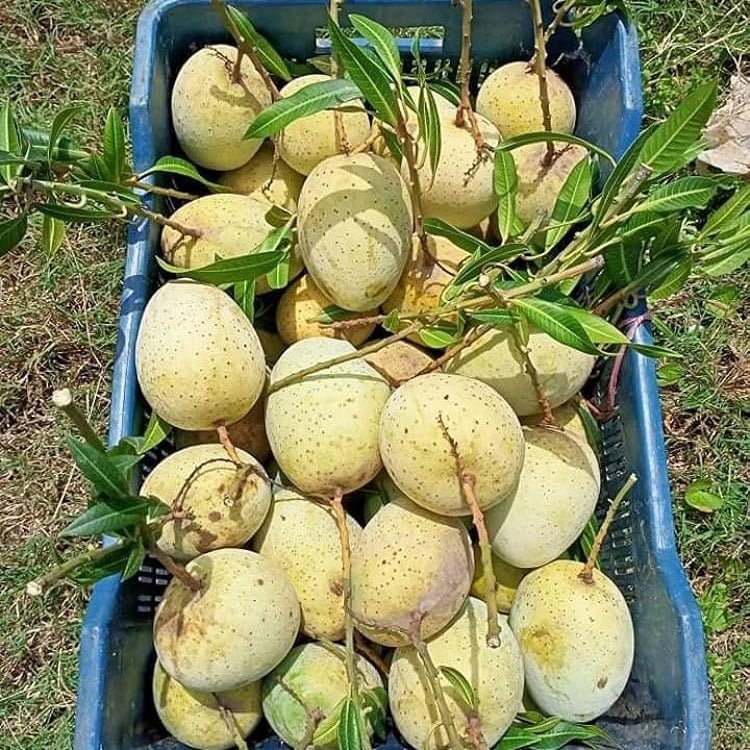
Subarnarekha mango Plant
Original price was: ₹789.00.₹380.00Current price is: ₹380.00.- Suvarnarekha mangoes are popular in Srikakulam and Visakhapatnam districts.
- They have a good keeping quality, making them suitable for export.
- The fruit is light cadmium yellow with a blush of jasper red and abundant small, light-colored dots.
- The skin is medium thick and can be easily separated.
- The fruit is sweet and has abundant, good-quality juice.
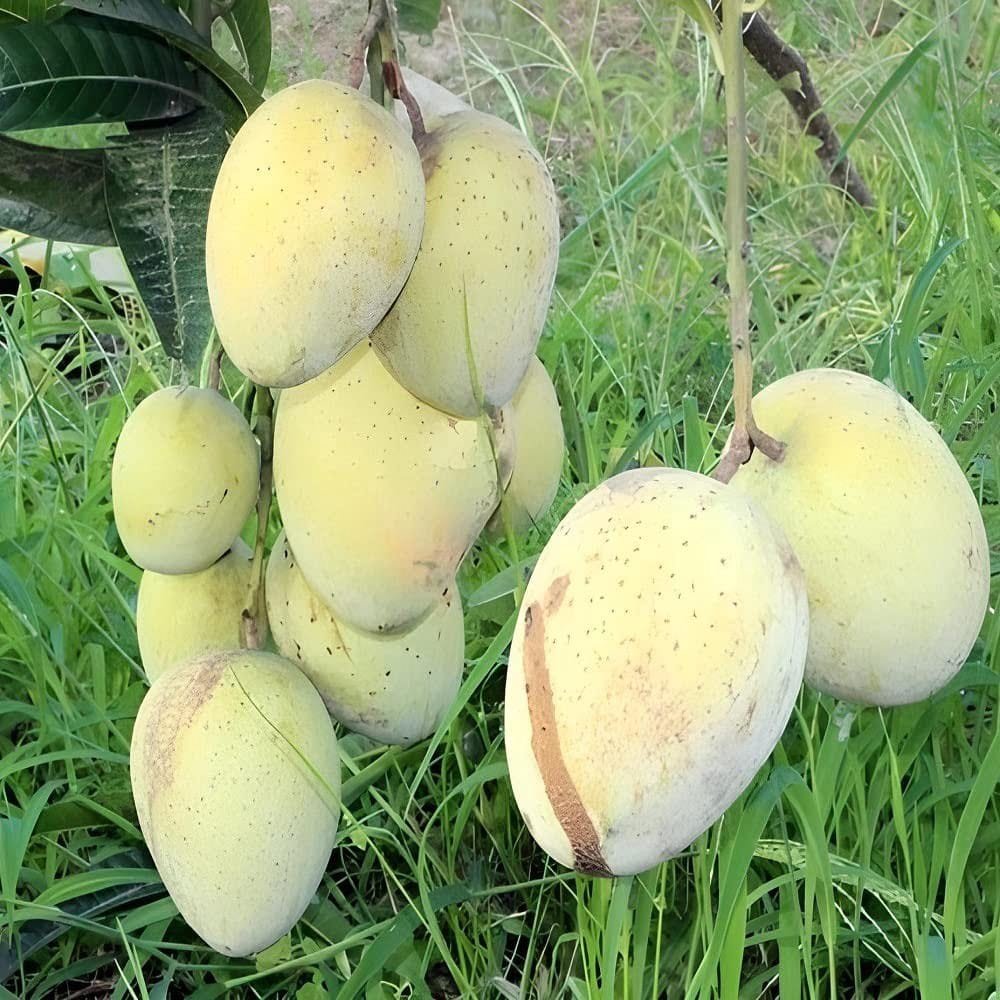
Gormati mango plant
Original price was: ₹799.00.₹450.00Current price is: ₹450.00.-
Origin and Popularity:
Gourmoti is a natural seedling variation that’s very popular in Bangladesh and known for its exceptional flavor.
-
Fruit Characteristics:
The fruits have a golden skin and are known for their juicy, flavorful flesh and sweet taste. They are a late-season variety, ripening in September.
-
Taste and Texture:
The Gourmoti mango has a sweet, fragrant, and juicy taste, with very little fiber. It’s considered sweeter than the Langra mango due to its higher soluble sugar content.
-
Tree Characteristics:
The tree itself resembles an Ashwina mango tree.
-
Cultivation:The plant can grow in almost all Indian climates and soils, making it suitable for both gardens and pots. Grafted plants are available for earlier fruiting.
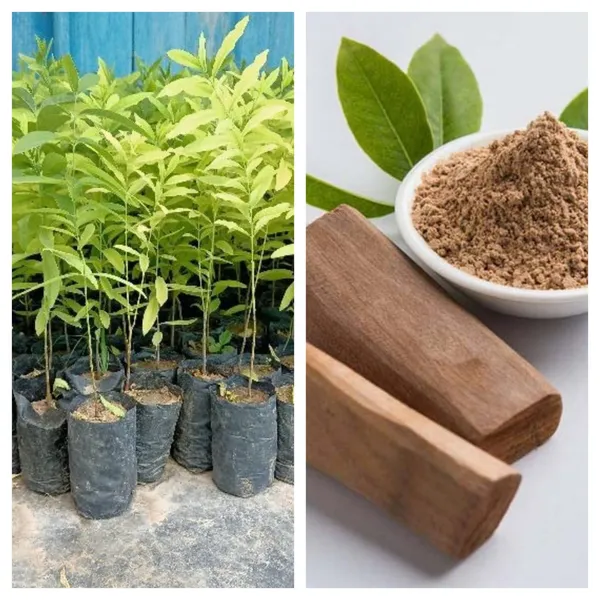

White sandalwood plant
Original price was: ₹799.00.₹350.00Current price is: ₹350.00.- Fragrant Heartwood: The core wood of the tree is aromatic and produces sandalwood oil.
- Partial Parasite: Sandalwood trees are partial root parasites, meaning they require a host plant for nutrients.
- Medicinal Properties: Sandalwood has been used traditionally for its anti-inflammatory, antimicrobial, and cooling properties.
- Cultural Significance: Sandalwood paste is used in religious rituals, especially for applying tilak (a dot on the forehead) on sacred idols and in Sufi traditions.
- Slow Growth: Sandalwood trees are known for their slow growth rate.
- Versatile Uses: The oil is used in aromatherapy, skincare, and incense, while the wood is used in carving and religious practices.


Chaina 3 litchi Plant
Original price was: ₹999.00.₹450.00Current price is: ₹450.00.-
Origin and Popularity:China 3 is a lychee variety favored in the Bengal region of India.
-
Ripening Time:It’s a late variety, with fruits ripening in late June in some areas, according to Wikipedia.
-
Fruit Characteristics:The fruits are larger than average, globose, and have a distinct skin color featuring red, orange, and green patches. The pulp is creamy white, soft, and succulent.
-
Tree Characteristics:The trees are relatively small, typically 5 to 6 meters tall, with smaller leaves. They have a tendency to alternate bearing, meaning they may not produce fruit every year, so proper management is important.
-
Growing Conditions:China 3 trees can tolerate high temperatures and varying soil moisture levels, which helps reduce fruit cracking.
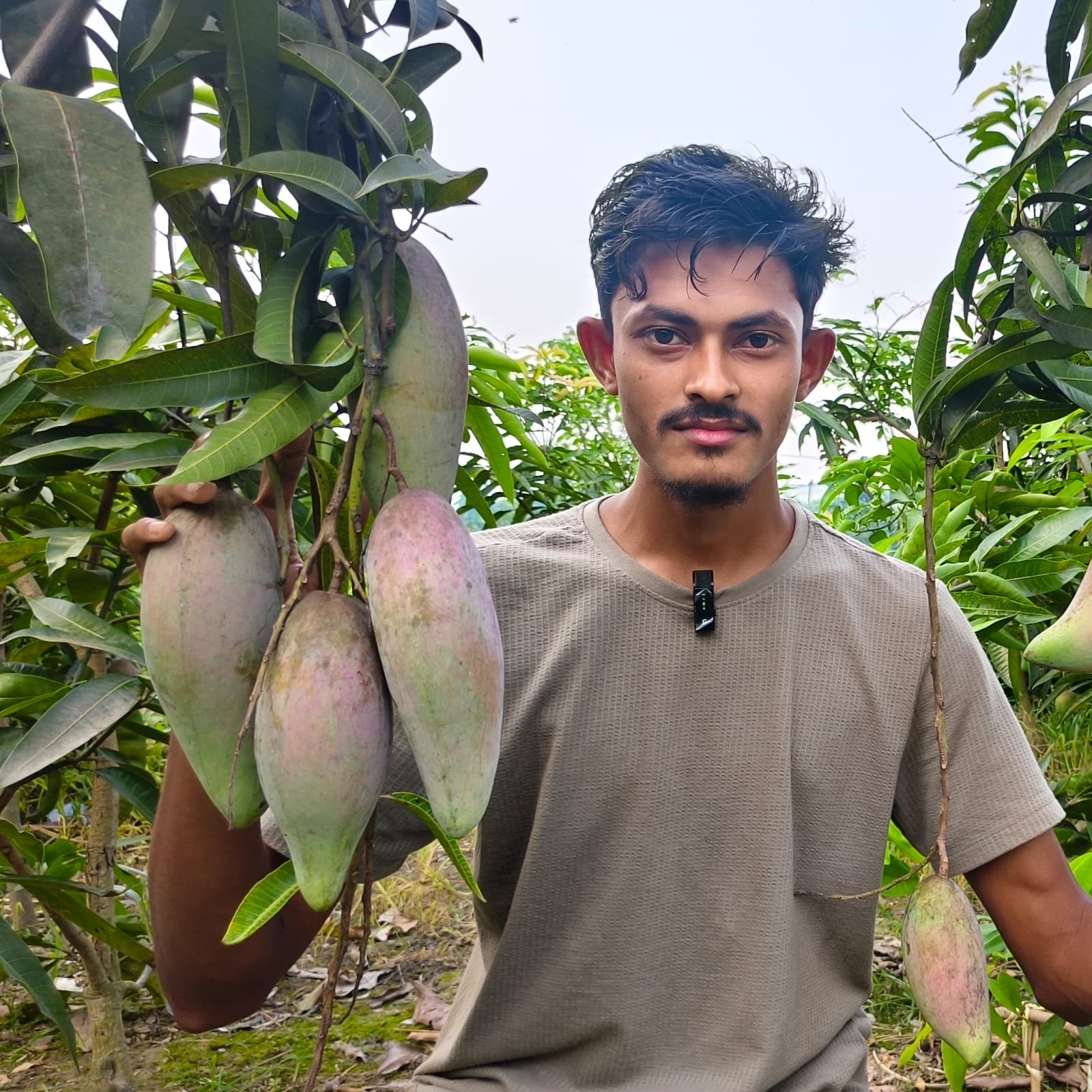
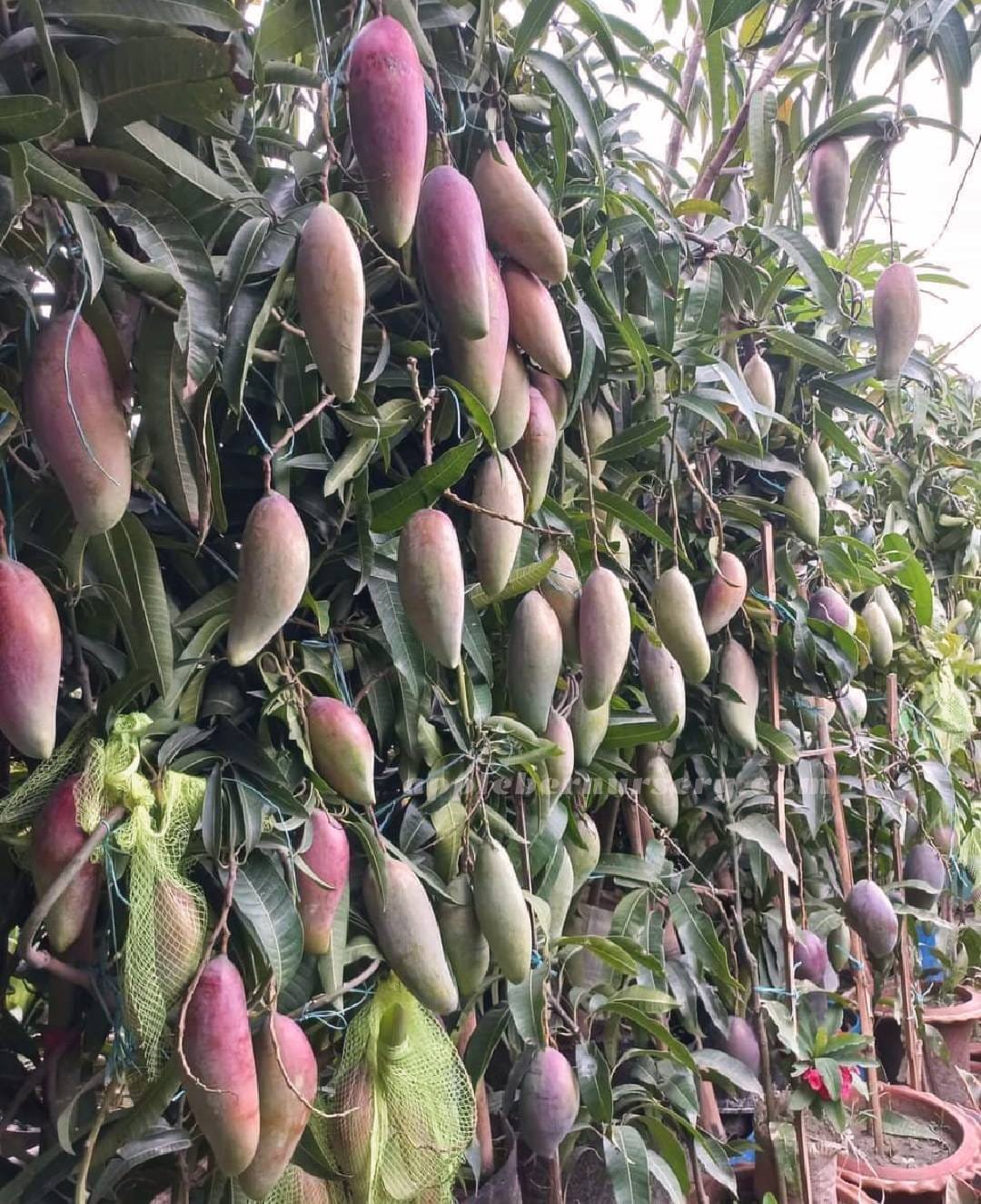
Redivori mango plant
Original price was: ₹999.00.₹500.00Current price is: ₹500.00.- . Size and Weight: Red Ivory mangoes are known for their large size, with fruits potentially weighing up to 2 kg.
- . Color: The mangoes have a distinctive and vibrant reddish-orange color.
- Flavor and Texture: The flesh is sweet, juicy, and fragrant, with a soft, tender texture and few fibers.
- . Skin: The skin is thin and smooth.

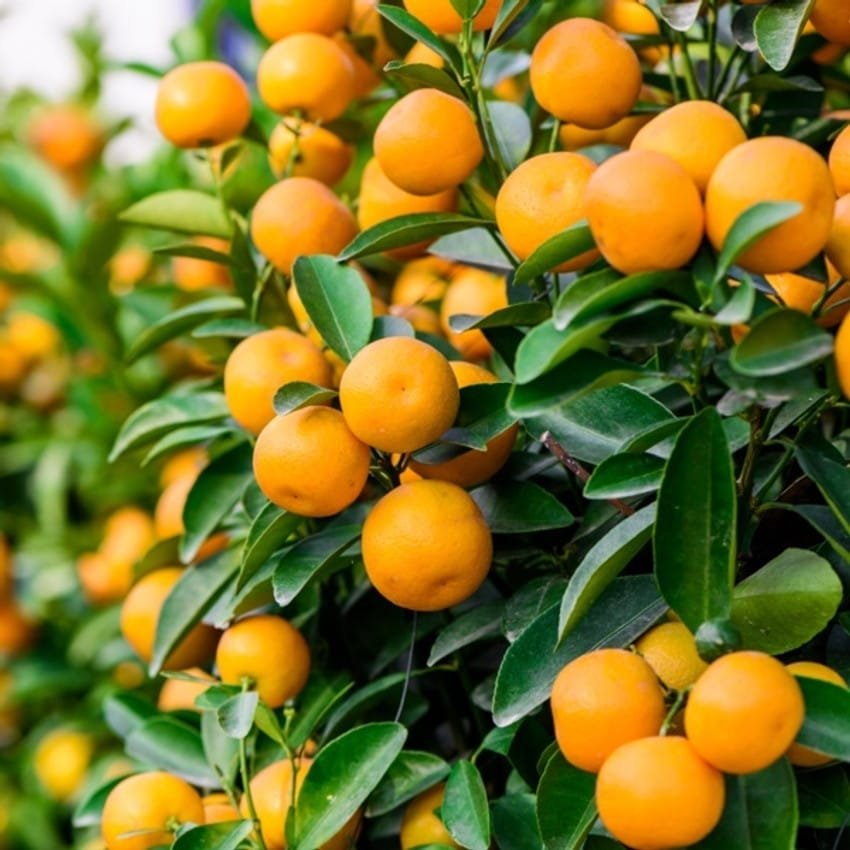
Kumbh kat lemon plant
Original price was: ₹799.00.₹380.00Current price is: ₹380.00.-
-
Appearance:
Kumquats are small, oval-shaped citrus fruits, about the size of a small olive or grape. They are typically bright orange or yellow-orange in color.
-
-
Taste:
The peel is sweet and slightly tangy, while the flesh is more tart.
-
Edible:
Kumquats are unique in that the entire fruit, including the peel, is edible.
-
Uses:
They can be eaten whole, used in salads, desserts, or savory dishes, and can also be made into jams, marmalades, and chutneys.
-
Varieties:
There are different varieties, such as the Nagami kumquat (elongated, tart) and the Marumi kumquat (rounder, sweeter).
-
Growing:Kumquats grow on small, evergreen trees that prefer full sun and well-draining soil.