

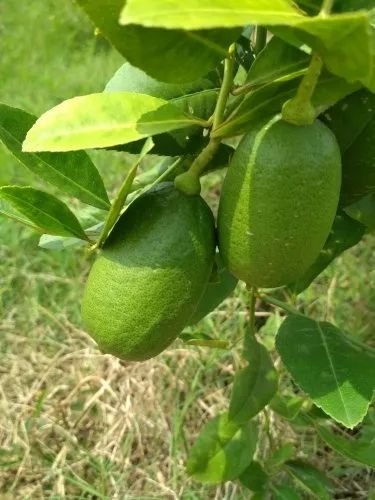
Kagji lemon plant
Original price was: ₹699.00.₹350.00Current price is: ₹350.00.Origin and Cultivation:
- Kagzi lemons are native to Southeast Asia.
- They are adaptable to various climates and can thrive in pots, making them suitable for urban gardening.
- They are known for their ability to produce fruit year-round.

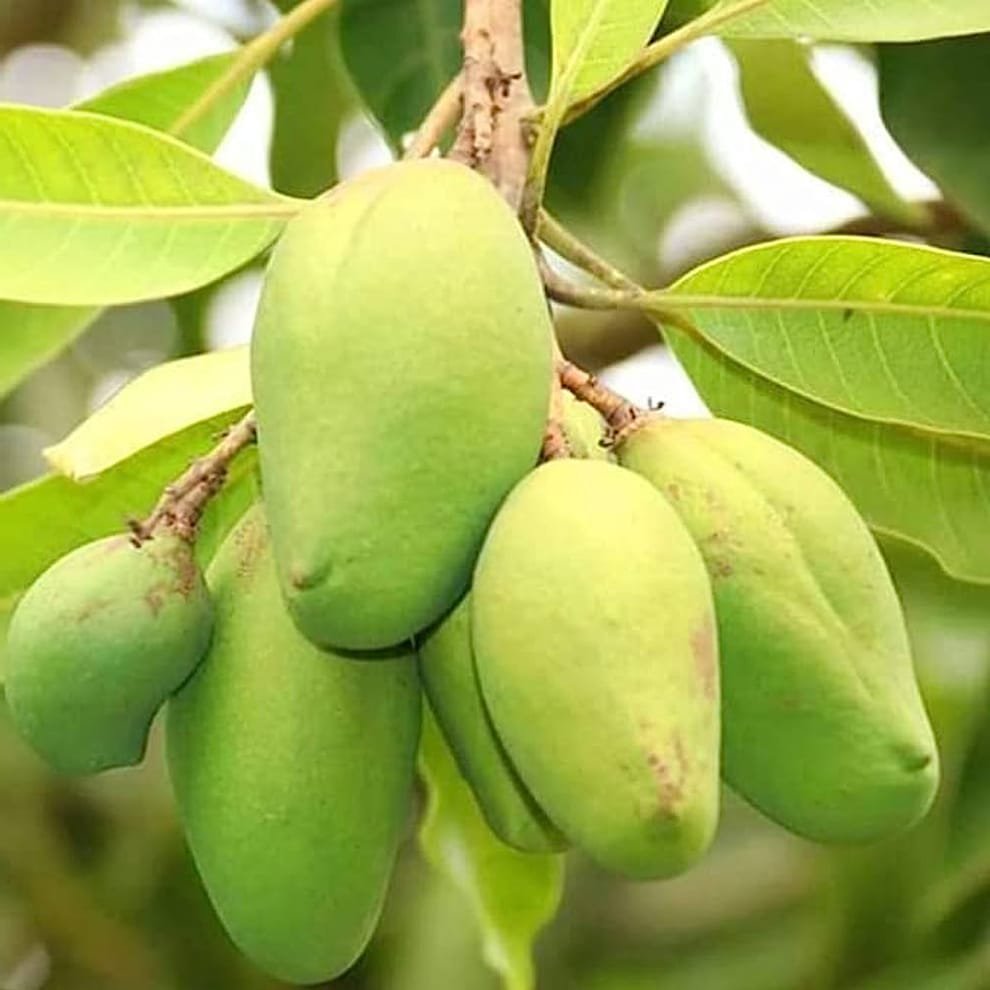
Bari 11 mango plant
Original price was: ₹999.00.₹500.00Current price is: ₹500.00.Here’s a more detailed look at the Bari 11 mango:
- Sweet and Juicy: Bari 11 mangoes are known for their sweet and juicy flesh.
- Golden-Yellow Skin: The skin of ripe Bari 11 mangoes is typically a bright golden-yellow.
- Smooth Texture: The flesh has a smooth, non-fibrous texture, making it easy to enjoy.
- Aromatic Fragrance: The fruit has a pleasant, aromatic fragrance that fills the air when it’s ripe.
- All-Season Bearing: Bari 11 mangoes can bear fruit throughout the year, with some varieties having multiple harvests.
- Grafted Trees: Trees are typically grafted to ensure they bear fruit earlier than those grown from seeds.
- Vigorous Trees: Bari 11 mango trees are vigorous growers, capable of reaching heights of up to 30 feet.
- Tropical Climates: They thrive in warm, tropical climates and require plenty of sunlight and well-drained soil.
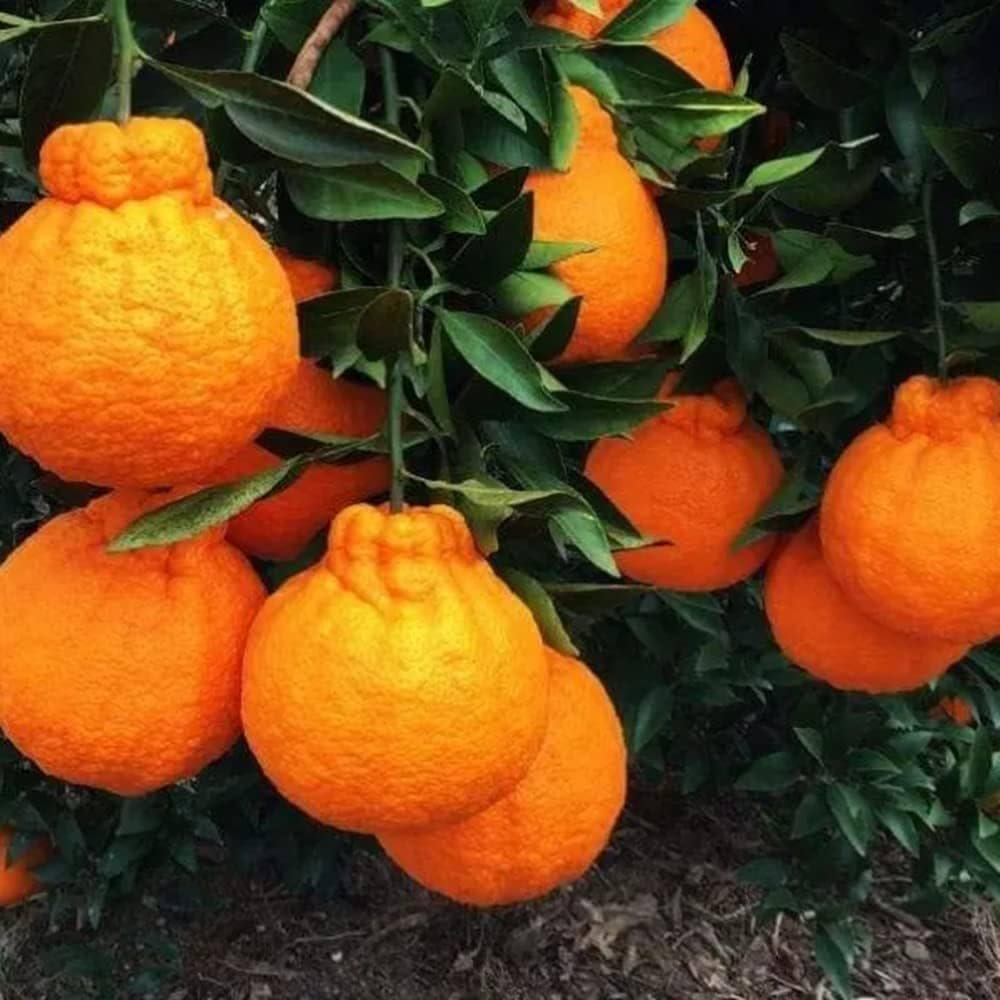
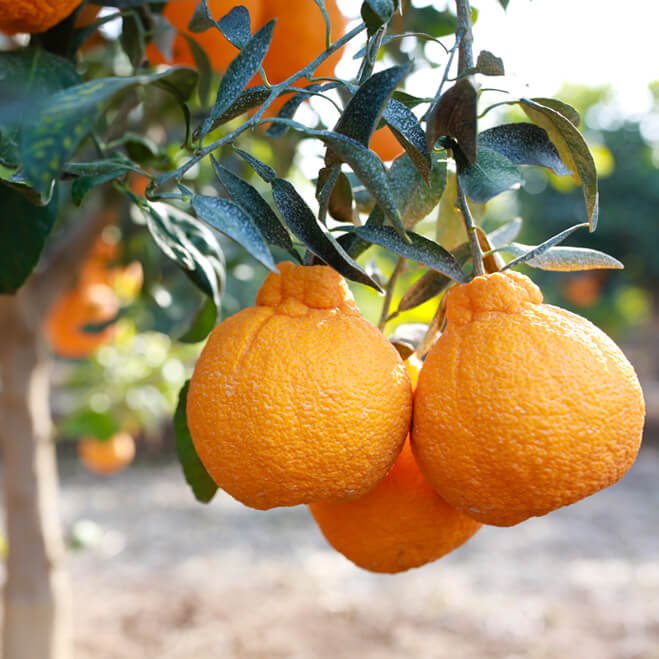
Dekopon orange original grafted plant
Original price was: ₹999.00.₹450.00Current price is: ₹450.00.-
Size and Shape:Dekopons are large for mandarins, averaging 8-10 cm in diameter. They have a round, oval, or oblate shape with a distinct protruding neck or bump (the “topknot”).
-
Flavor:They are known for their exceptionally high sugar content (13-18 degrees Brix) and low acidity, resulting in a very sweet and rich flavor. Some people describe it as resembling eating candy.
-
Appearance:The skin is bright orange, textured, and easy to peel. The flesh is juicy, seedless, and firm.
-
Origin:Dekopon is a hybrid between Kiyomi and ponkan, developed in Japan in the 1970s.
-
Other Names:Dekopon is also known as Shiranui or Sumo Orange.
-
Growth:Dekopon plants are high-yielding and thrive in well-drained soil and full sunlight.
-
Uses:Dekopons can be eaten fresh, added to salads, or used in various recipes. Their juice can be used in marinades, dressings, and glazes.
jaboticaba red hybrid plant
Original price was: ₹2,799.00.₹1,600.00Current price is: ₹1,600.00.-
Fast Fruiting:
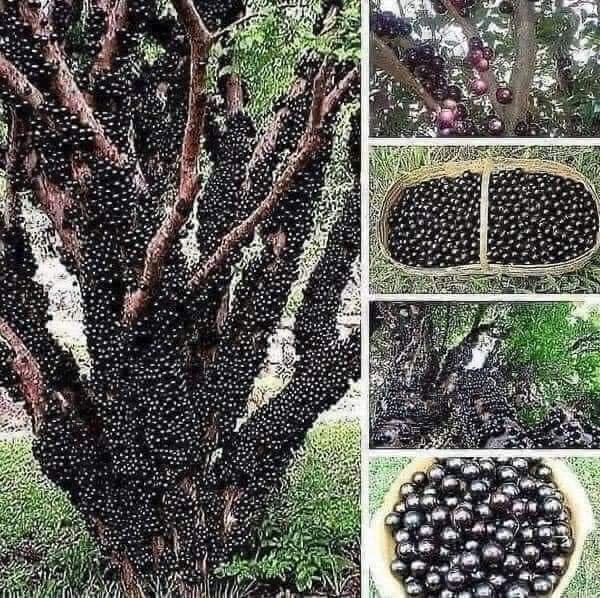
The Jaboticaba Red Hybrid is a fast-bearing variety, meaning it starts producing fruit within 3 years of planting.
-
Hybrid:
It is a hybrid created by crossing Plinia Cauliflora and Plinia Aureana.
-
Fruit:
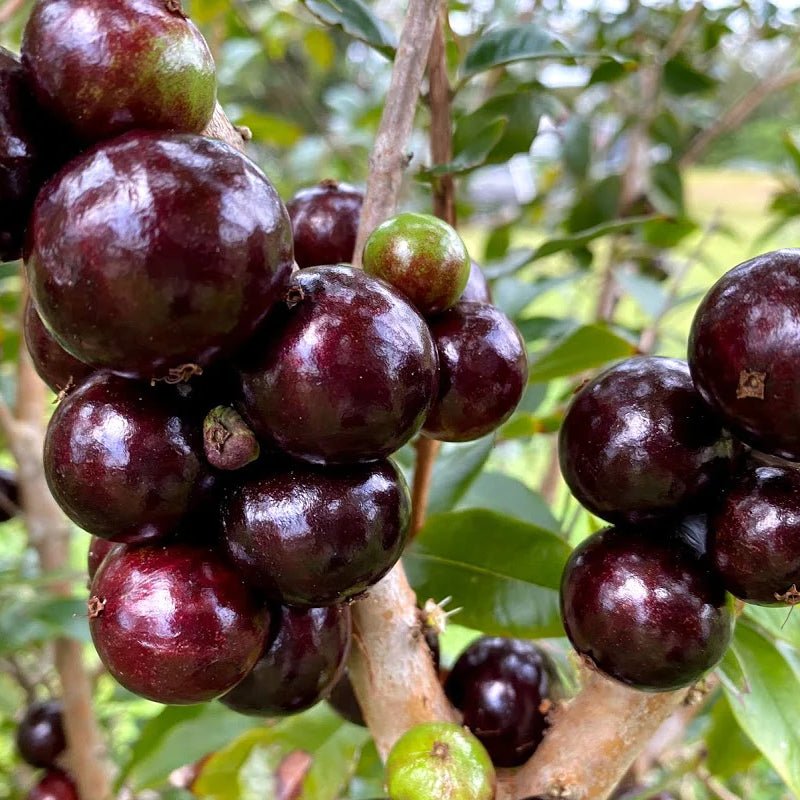
The fruit is a thick-skinned berry, resembling a grape in size and shape. The fruit typically measures 3-4 cm in diameter. The skin is thick and purple, with a sweet, white or rosy pink, gelatinous flesh.
-
Health Benefits:
The fruit is rich in antioxidants, anti-inflammatory compounds, and has anti-aging properties.
-
Plant Type:
Jaboticaba trees are evergreen and can grow to a height of 15 meters if not pruned.
-
Growth Habits:
Jaboticaba trees prefer moist, rich, lightly acidic soil. They can tolerate mild, brief frosts, but not below 26°F.
-
Cultivation:The tree can be cultivated from seeds or by grafting.
Cricket ball Chiku plant
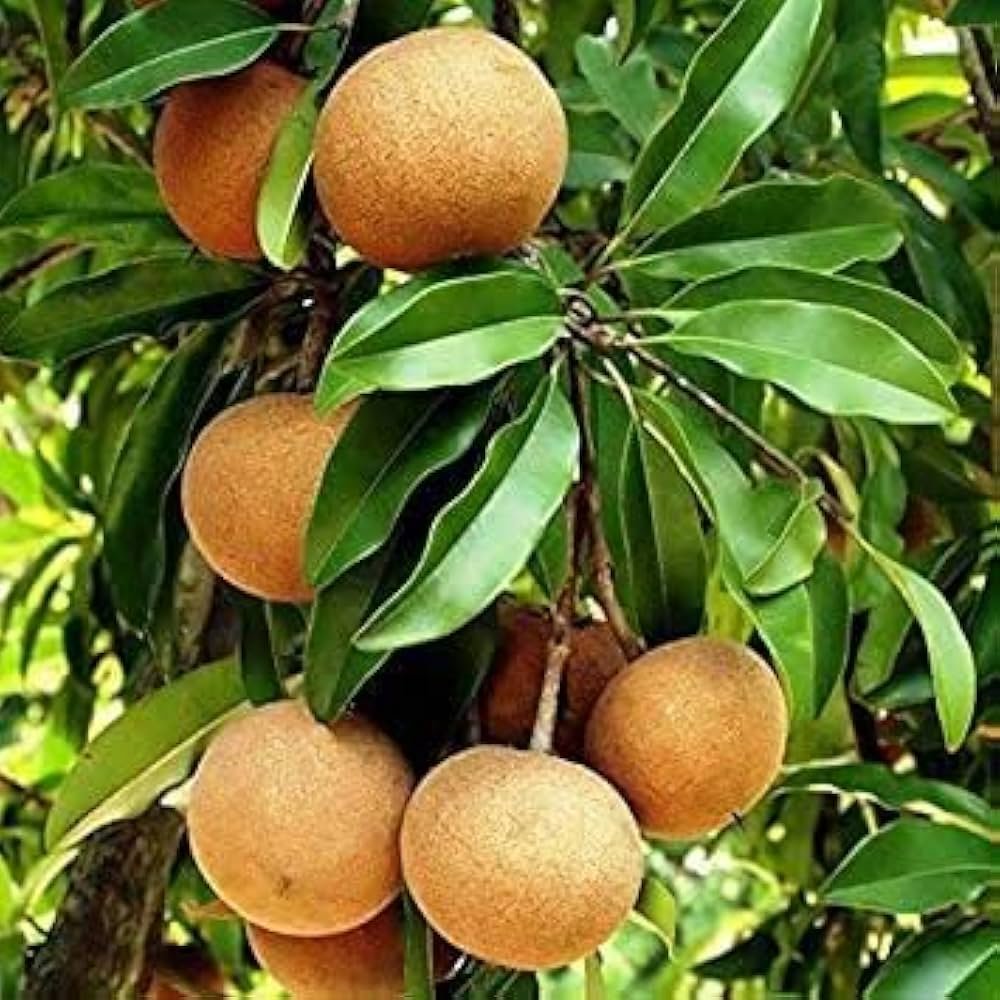
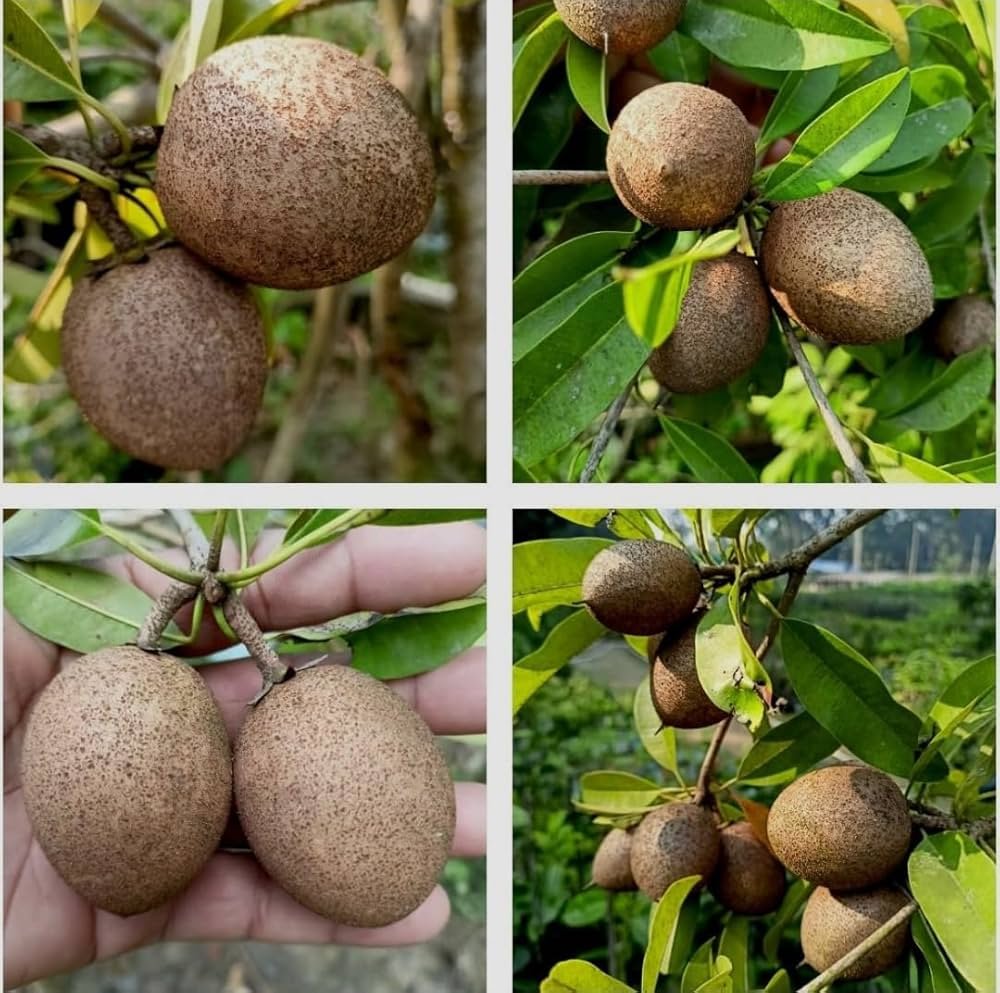
Original price was: ₹799.00.₹350.00Current price is: ₹350.00.- Size: The fruit is large and round, resembling a cricket ball in size and shape.
- Flavor: It has a sweet, caramel-like taste with a grainy texture.
- Appearance: The flesh is off-white to yellowish brown and has a soft, juicy texture.
- Nutritional Value: Rich in vitamins, minerals, and antioxidants.
- Tree: The sapota tree is evergreen and can grow up to 30-40 feet tall.
- Uses: The fruit is commonly eaten fresh or used in smoothies and desserts.
- Growing Conditions: Thrives in warm, tropical climates with well-drained soil and full sun.
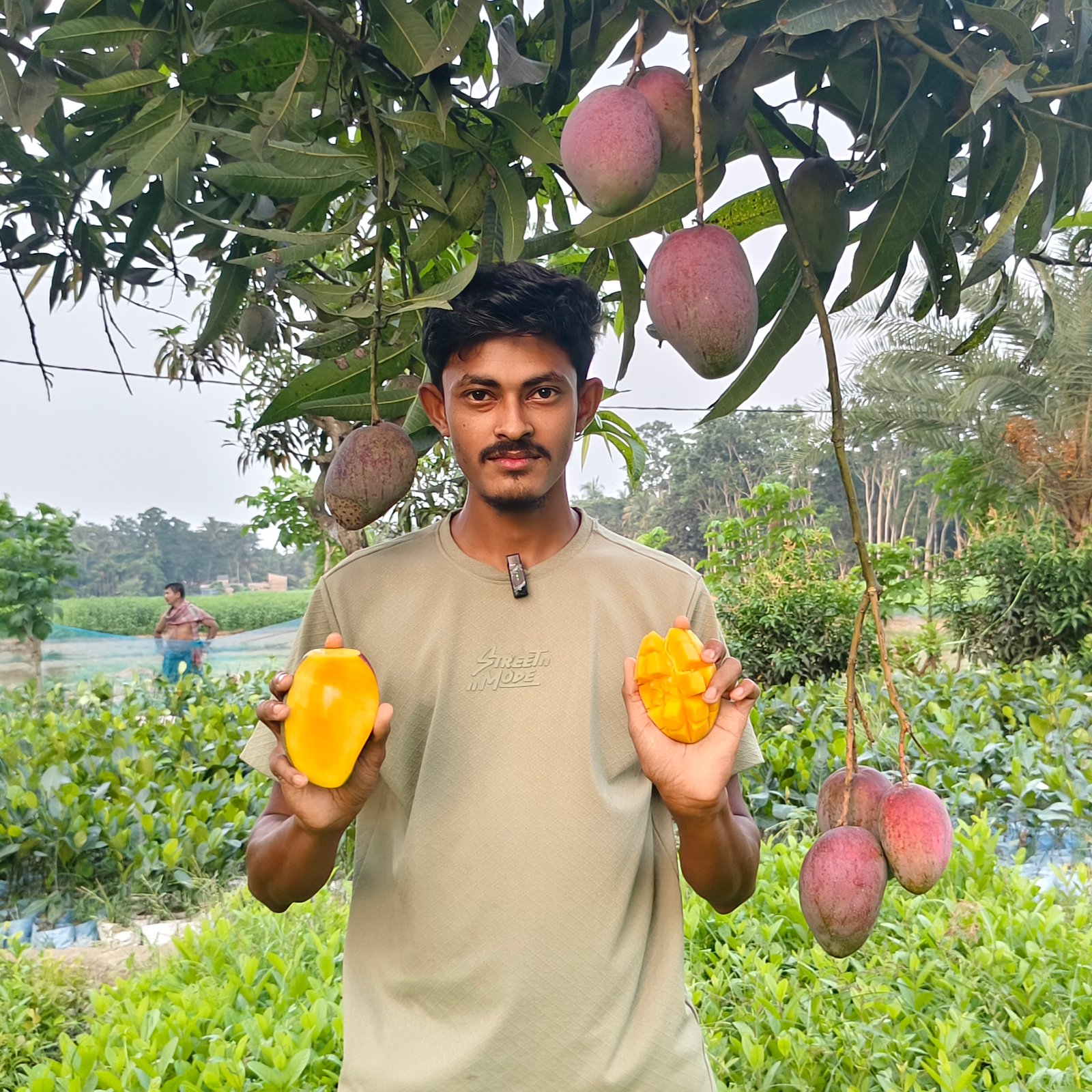
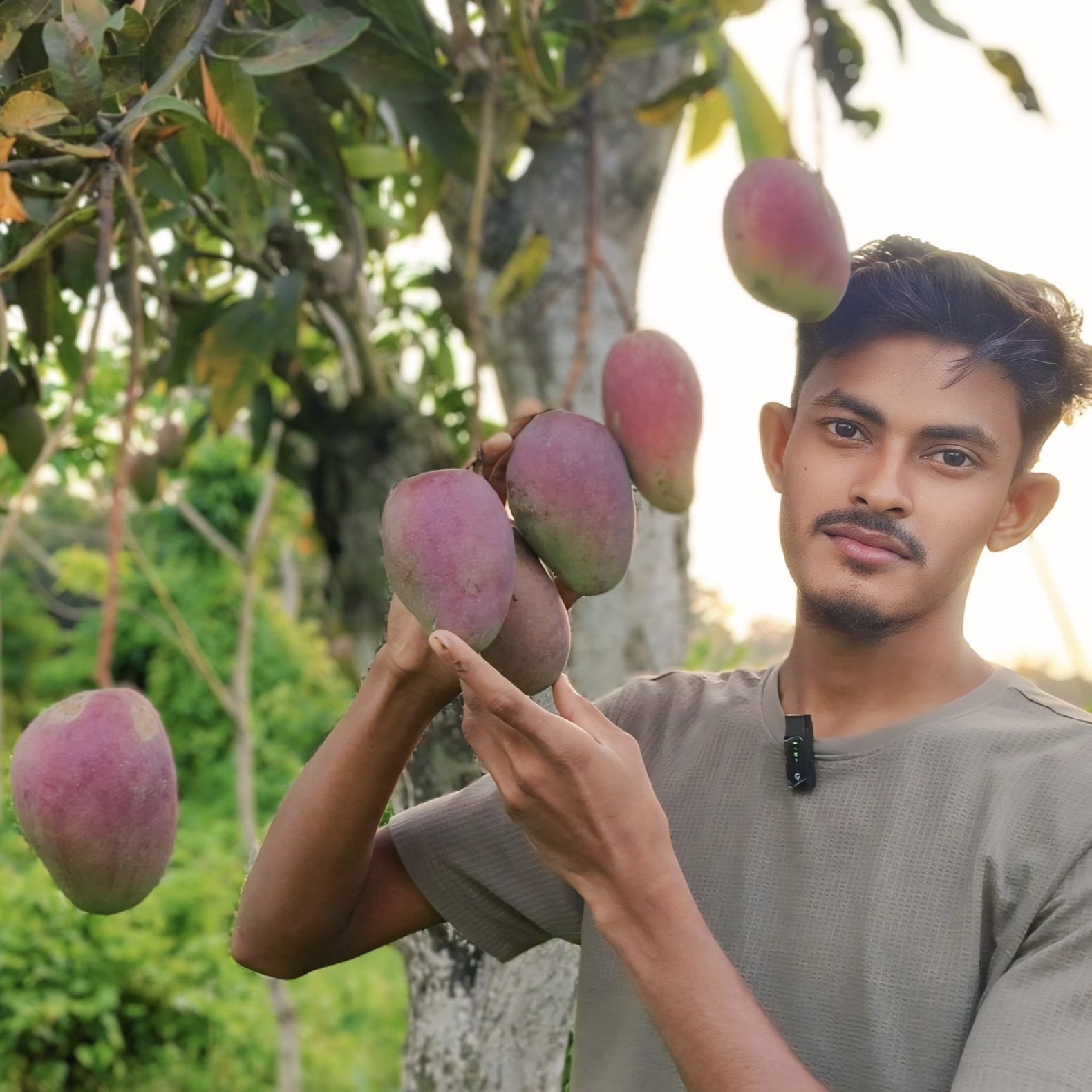
Miyazaki mango plant
Original price was: ₹1,000.00.₹550.00Current price is: ₹550.00.The most expensive mango in the world
- . Demand:
The mangoes are popular in high-end restaurants and fruit boutiques in Japan.
- . Cultivation in India:
Some Indian farmers are now cultivating Miyazaki mangoes, aiming to export them to international markets. - . Health Benefits:
They are a good source of antioxidants, beta-carotene, and folic acid, and may offer some health benefits. - . Harvest Season:
The fruit is typically harvested during the summer months, around May to July.


Sweet all time amra plant
Original price was: ₹999.00.₹480.00Current price is: ₹480.00.-
Growth Habit:
The Hog Plum tree can grow up to 70 feet tall in its natural habitat, but can be pruned to a smaller size.
-
Leaves:
The plant typically drops most of its compound leaves before flowering.
-
Fruits:The fruits are about 4 cm (1.6 inches) long and have a leathery yellow-green skin.
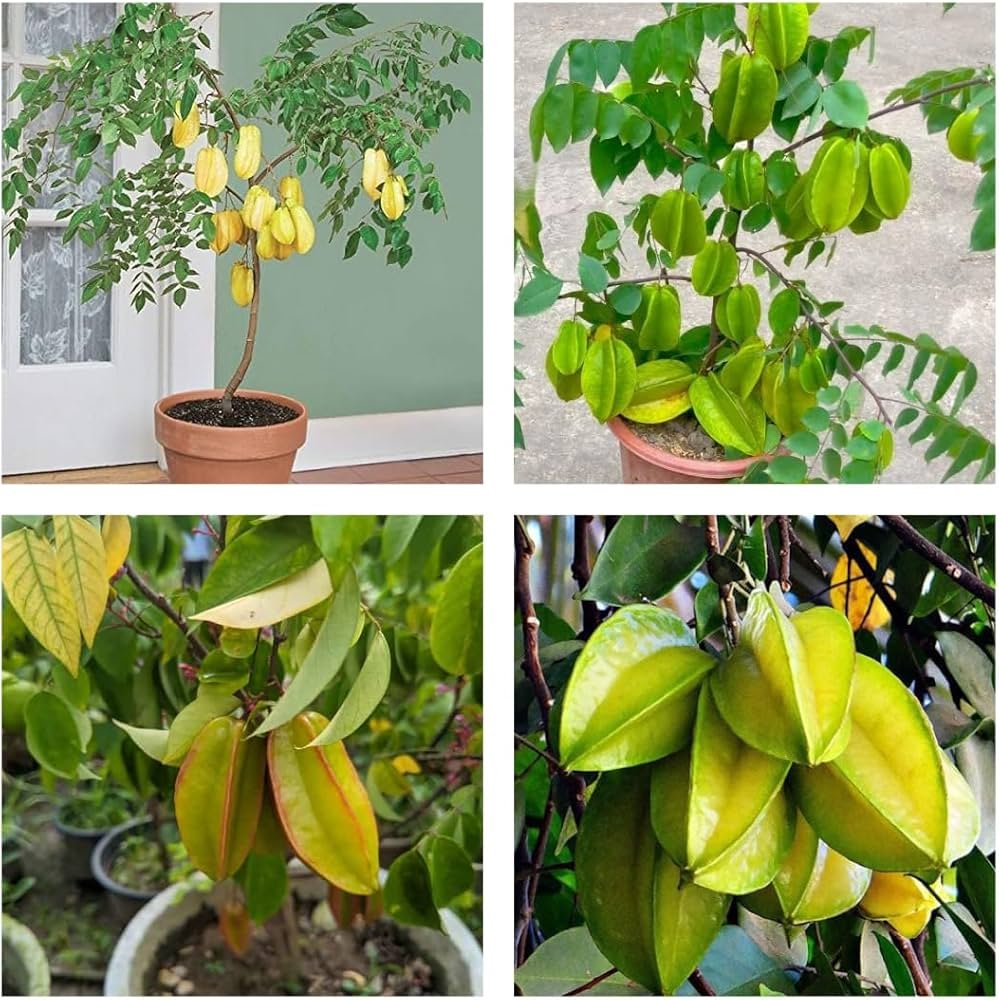

Sweet all time star fruit
Original price was: ₹799.00.₹400.00Current price is: ₹400.00.-
Appearance:Sweet star fruit has a waxy, smooth skin that can be light green to yellow. The flesh is a translucent yellow or light yellow. When sliced, it reveals its signature star-shaped cross-section.
-
Taste and Texture:The sweet star fruit is known for its mild, sweet taste. It’s also juicy and crisp.
-
Nutritional Value:Star fruit is rich in Vitamin C, potassium, and antioxidants. It’s also low in calories and sodium.
-
Culinary Uses:Sweet star fruit can be eaten fresh, used in salads, desserts, or beverages. It can also be cooked into jams, chutneys, or stir-fries.
-
Plant Details:The sweet star fruit tree thrives in tropical climates and can grow up to 15 feet tall. It produces clusters of small, lilac-colored flowers that give way to the star-shaped fruit.
-
Growing Conditions:Sweet star fruit plants prefer well-draining, slightly acidic to neutral soil.
-
Potential Benefits:Some studies suggest that star fruit may have beneficial effects on digestion, immunity, and inflammation.
-
Important Note:People with kidney disease should avoid eating star fruit, as it can be harmful due to the presence of certain toxins.


Sweet Imli plant
Original price was: ₹999.00.₹500.00Current price is: ₹500.00.-
-
Taste:
The fruit is sweeter and less sour than regular tamarind, making it a popular snack or ingredient in dishes.
-
Uses:
The pulp is used in chutneys, sauces, beverages, and desserts, particularly in Indian and Southeast Asian cuisine.
-
-
Growth:
Sweet tamarind trees typically require full sunlight, well-drained soil, and moderate watering, especially during their early years.
-
Fruiting:
It can take 3-5 years for a sweet tamarind tree to begin bearing fruit.
-
Cultivation:It is grown in tropical and subtropical regions, including India, Southeast Asia, and Africa.