
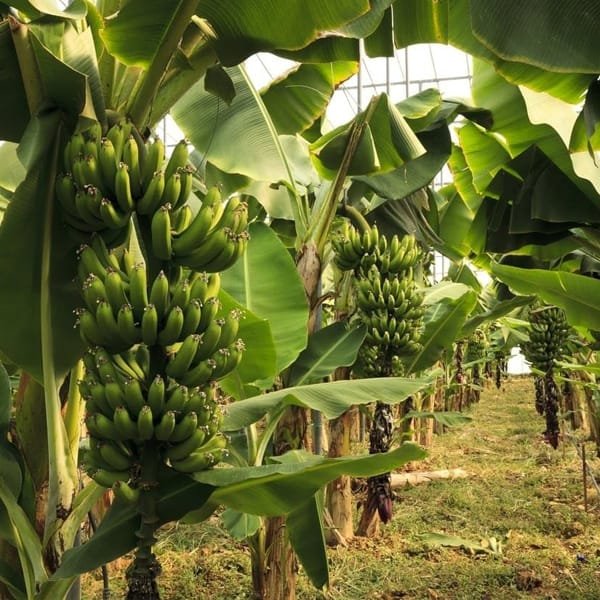
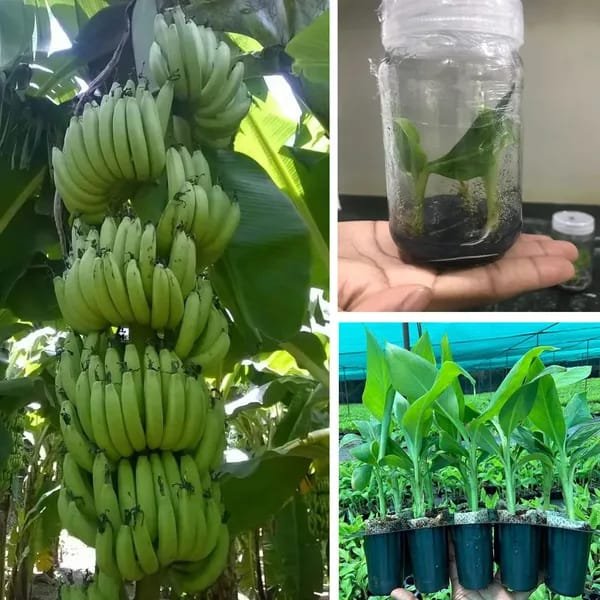
G9 Banana plant
Original price was: ₹499.00.₹220.00Current price is: ₹220.00.The G9 banana plant, also known as Grand Naine, is a high-yielding Cavendish variety, recognized for its large, sweet, and creamy yellow fruits. It typically reaches a height of 6.5 to 7.5 feet. The G9 is well-suited to Indian climates and can be grown in gardens or pots. It’s known for its export quality, with 16 hands and 225-250 fruits per plant.


Ganesh Sweet Pomegranate (Anaar) Fruit Plant (Pack of 1)
Original price was: ₹1,199.00.₹400.00Current price is: ₹400.00.Cloud Farm is your destination for premium plant saplings and nursery items. We specialize in offering a wide variety of healthy, vibrant plants that are perfect for any garden or indoor space. Our saplings are carefully selected and nurtured to ensure they thrive in their new homes. Whether you’re a seasoned gardener or just starting out, Cloud Farm has everything you need to create a beautiful and sustainable garden.
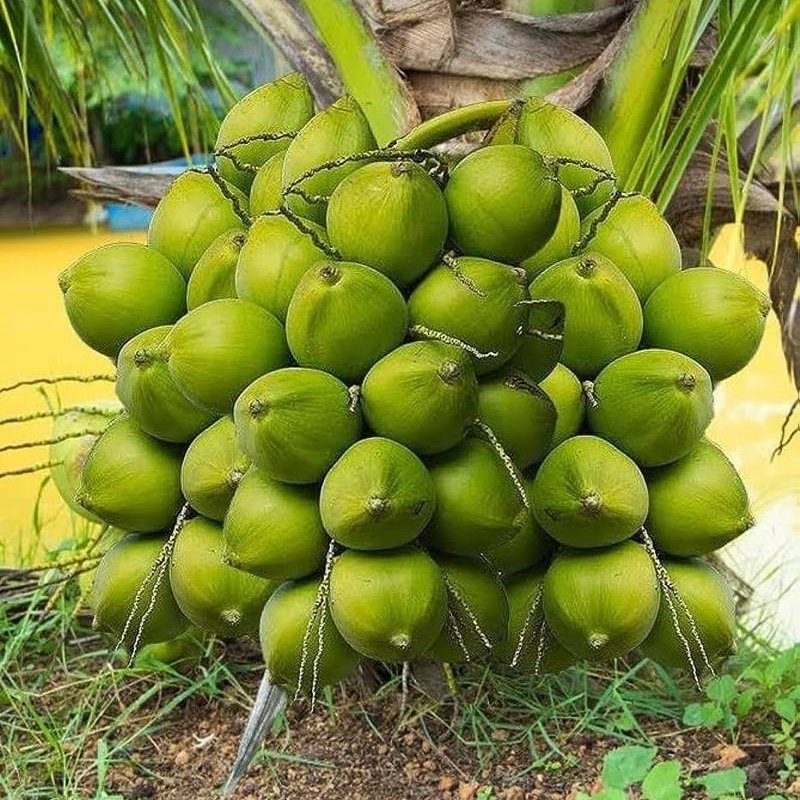
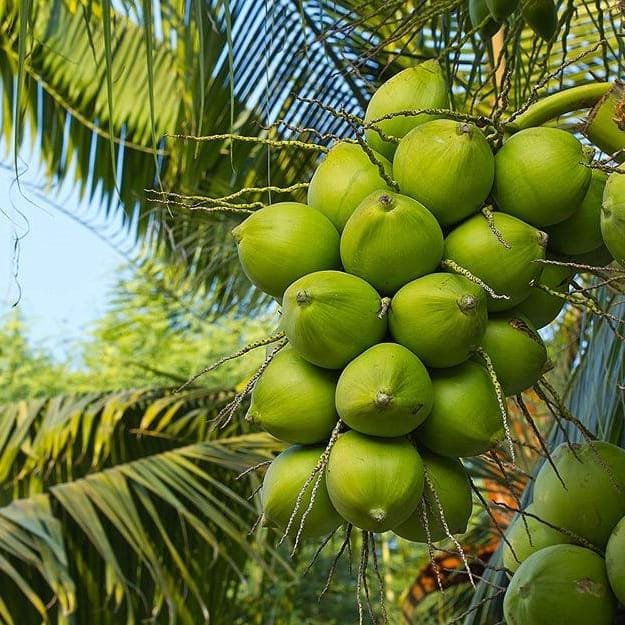
Gangabardhan coconut plant
Original price was: ₹2,199.00.₹1,300.00Current price is: ₹1,300.00.- Dwarf Variety: Gangabardhan is a dwarf variety of coconut tree, meaning it’s shorter in stature than traditional coconut palms.
- Rapid Growth and Early Fruiting: It’s known for its fast growth and starts bearing fruit relatively early, often within a few years.
- High Yield: The Gangabardhan variety is recognized for its good yield of coconuts.
- Suitable for Gardens and Farms: It’s a versatile plant that can thrive in both garden and farm settings.
- Relatively Low Maintenance: It requires moderate watering and thrives in full sun.
- Aesthetic Appeal: The plant’s lush greenery and tropical appearance add a touch of charm to any garden.


Golden 8 Guava
Original price was: ₹999.00.₹350.00Current price is: ₹350.00.- Appearance: Ripe Golden 8 guavas have a vibrant yellow skin that turns a golden hue.
- Flavor: The fruit is known for its sweet, tropical, and aromatic flavor with a hint of floral notes.
- Texture: The flesh is firm yet tender, and the fruit is juicy.
- Seed Content: Golden 8 guavas have relatively few seeds.
- Yield: The Golden 8 guava plant is known for its prolific fruiting and high yield, especially in warm, sunny climates.
- Adaptability: The plant can adapt to various soil types and climates, making it suitable for home gardeners.
- Nutritional Value: Guavas are a good source of vitamin C, fiber, and antioxidants.
- Uses: The fruit can be eaten fresh, used in juices, or incorporated into various culinary dishes.

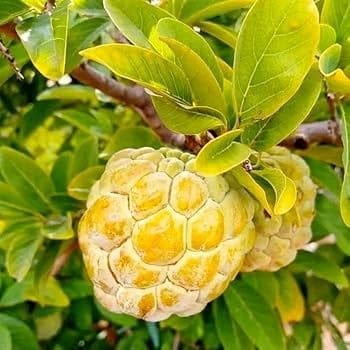
Golden Custard apple plant
Original price was: ₹999.00.₹450.00Current price is: ₹450.00.- Botanical Name: Annona squamosa
- Common Names: Sugar apple, sweetsop, custard apple
- Type: Small, semi-evergreen tree
- Height: Up to 8 meters (26 feet)
- Leaves: Leathery, smooth, dark green to wooly green
- Flowers: Pale yellow to greenish, fragrant
- Bark: Light brown with visible scars
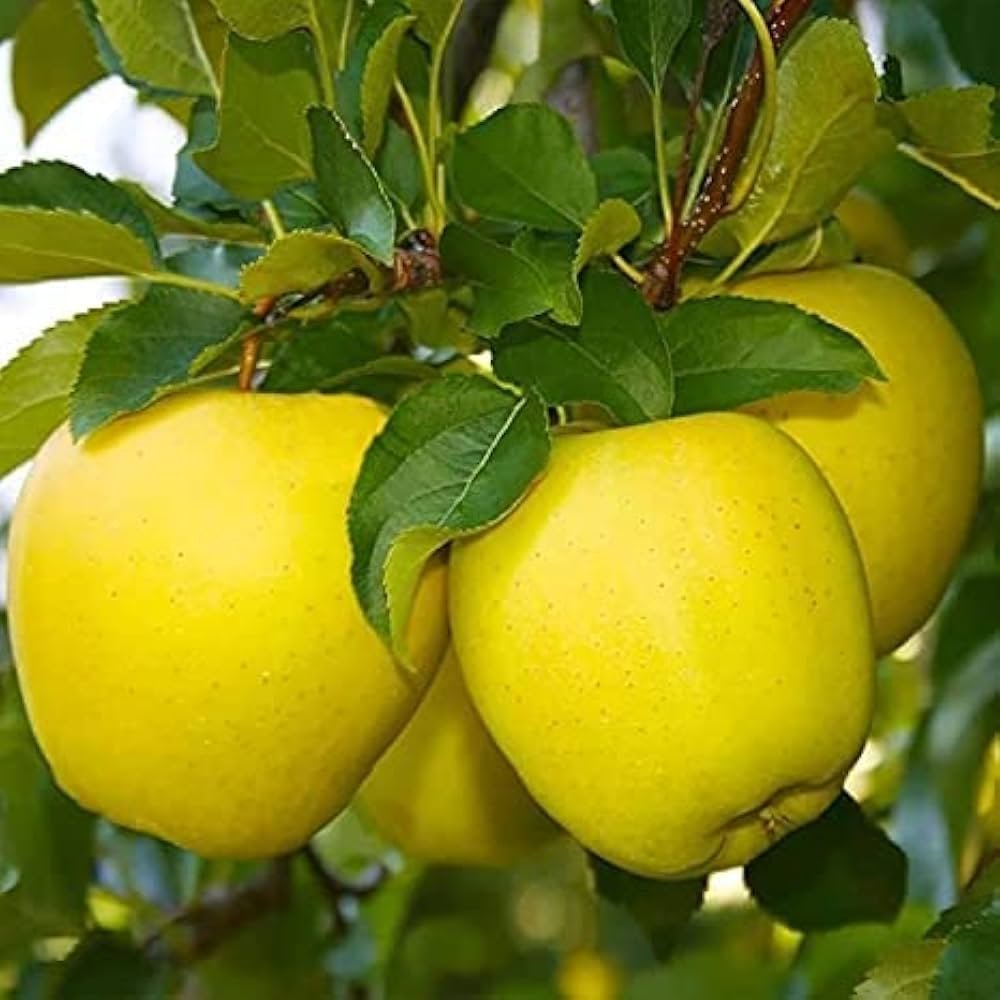
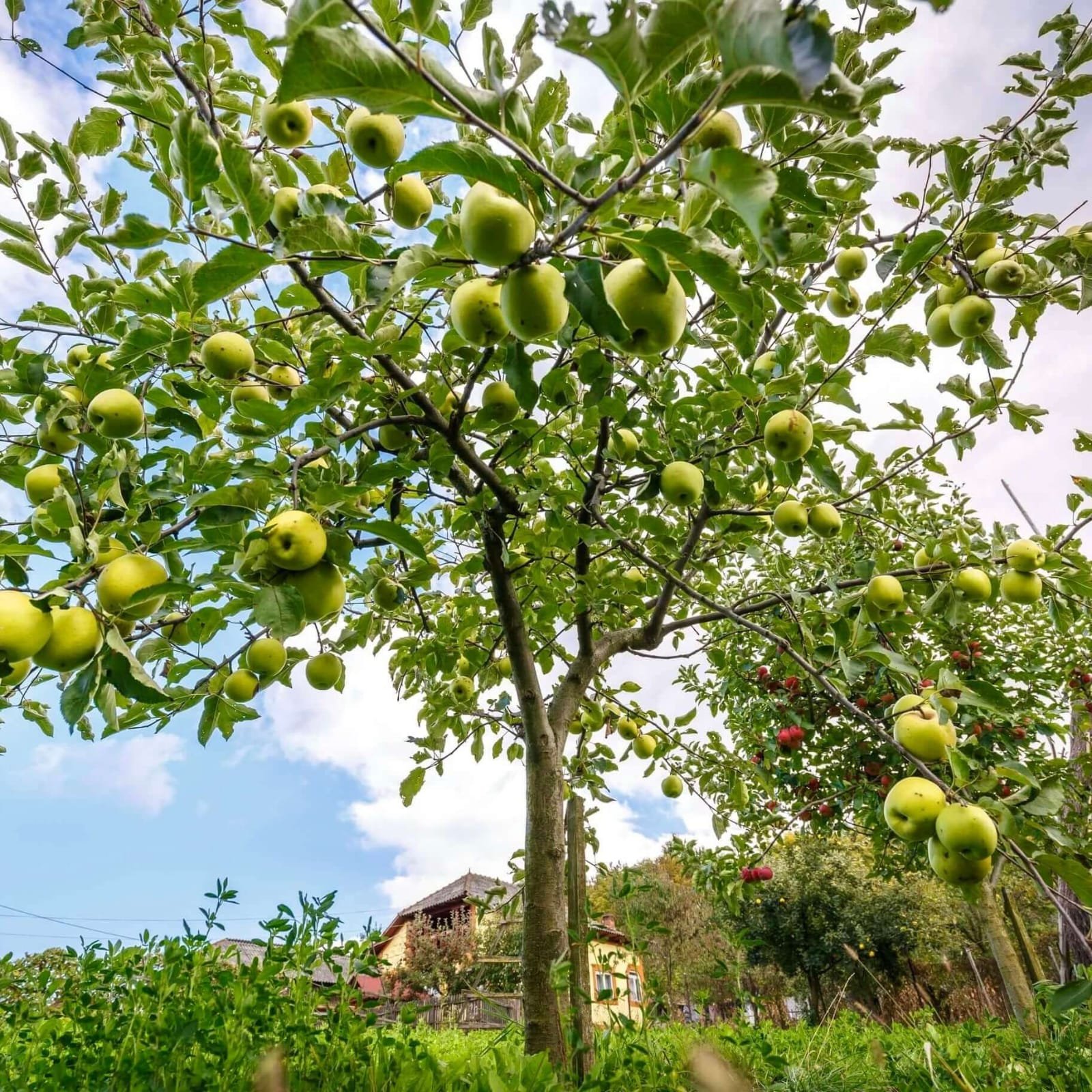
Golden Dorset Apple Plant
Original price was: ₹1,299.00.₹750.00Current price is: ₹750.00.- Appearance: Medium to large size, round to slightly conical shape, golden yellow skin with a pink blush, pale yellow flesh.
- Flavor: Sweet and slightly tangy with tropical undertones.
- Texture: Crisp and juicy.
- Ripening Time: Early season, typically late June to early July.
- Growing Requirements: Thrives in warm climates with low chill hours.
- Culinary Uses: Great for fresh eating, snacking, baking, and making cider.


Gondhoraj Pati Lemon Healthy Plant (Pack of 1)
Original price was: ₹599.00.₹320.00Current price is: ₹320.00.The Gondhoraj Pati Lemon Plant, famously known as the King of Lemons, is a premium Indian citrus variety cherished for its intense aroma, mild tangy flavor, and refreshing fragrance. Native to Bengal, this evergreen plant produces elongated green-yellow lemons rich in vitamin C and antioxidants, ideal for flavoring dishes, drinks, and salads. Easy to grow in Indian climates, it adds both taste and beauty to home gardens. Bring home the Gondhoraj Lemon Plant and enjoy the royal fragrance of Bengal’s most aromatic lemon.
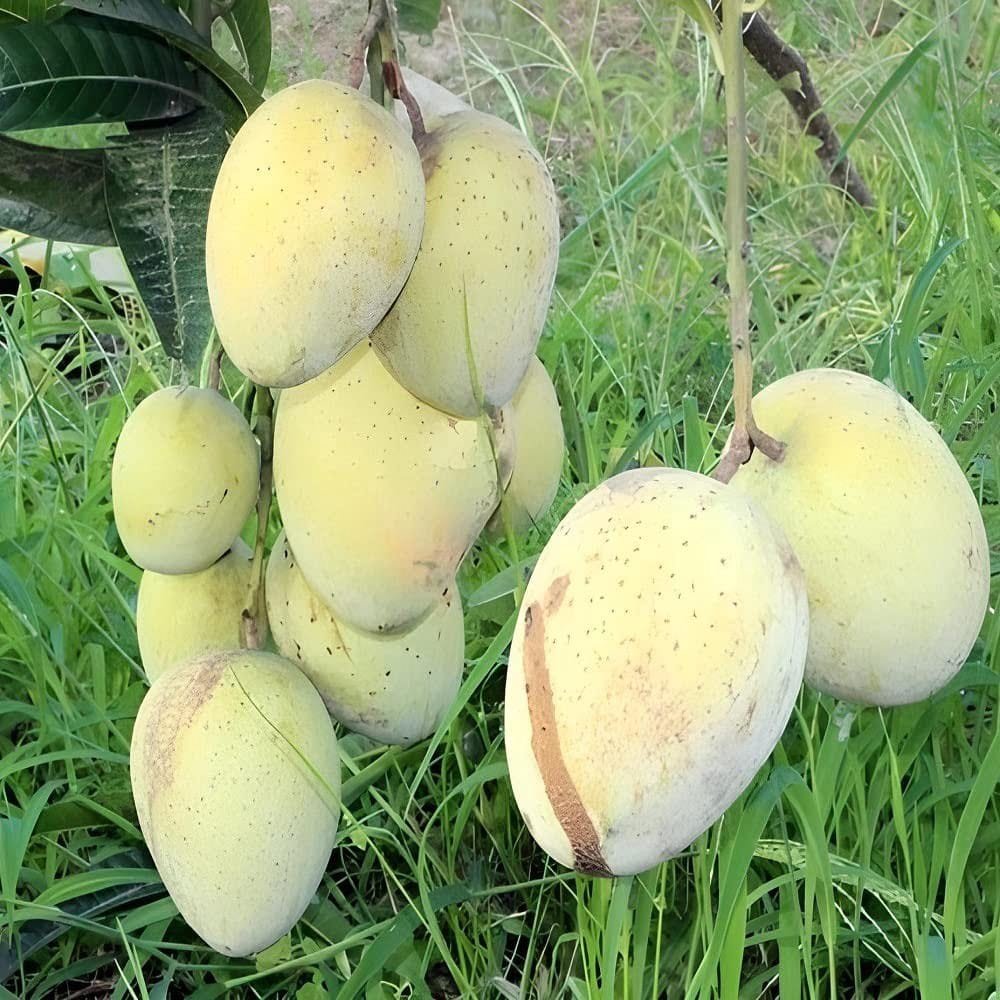
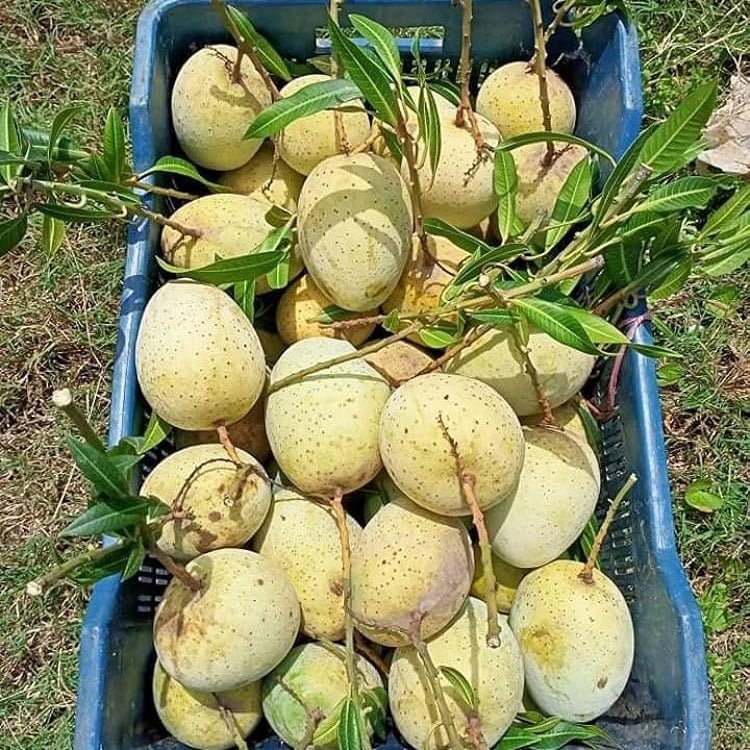
Gormati mango plant
Original price was: ₹799.00.₹450.00Current price is: ₹450.00.-
Origin and Popularity:
Gourmoti is a natural seedling variation that’s very popular in Bangladesh and known for its exceptional flavor.
-
Fruit Characteristics:
The fruits have a golden skin and are known for their juicy, flavorful flesh and sweet taste. They are a late-season variety, ripening in September.
-
Taste and Texture:
The Gourmoti mango has a sweet, fragrant, and juicy taste, with very little fiber. It’s considered sweeter than the Langra mango due to its higher soluble sugar content.
-
Tree Characteristics:
The tree itself resembles an Ashwina mango tree.
-
Cultivation:The plant can grow in almost all Indian climates and soils, making it suitable for both gardens and pots. Grafted plants are available for earlier fruiting.


Green amla plant
Original price was: ₹699.00.₹300.00Current price is: ₹300.00.- Size: Amla trees are generally medium-sized, reaching heights of 1-8 meters (3.5-26 feet).
- Bark: The bark is mottled, adding to the plant’s unique appearance.
- Leaves: The leaves are simple, light green, and closely set on the branchlets, sometimes resembling a pinnate pattern.
- Flowers: The flowers are greenish-yellow and inconspicuous.
- Fruit: The fruit is small, round, and light greenish-yellow, with a smooth surface and six vertical furrows or stripes. The fruit can be up to 26 mm (1 inch) in diameter and has a sour, bitter, and astringent taste.
- Lifespan: Amla trees can live for 60-70 years or even longer.