Sort by
Pear (babugosha) plant
- Appearance: Green skin, pear-shaped.
- Taste: Sweet, slightly tart, and juicy.
- Texture: Slightly granular.
- Nutritional value: Good source of fiber, vitamins C and K, and potassium.
- Versatility: Can be eaten fresh, used in salads, desserts, and savory dishes.
- Health benefits: Supports digestion, heart health, and weight management.
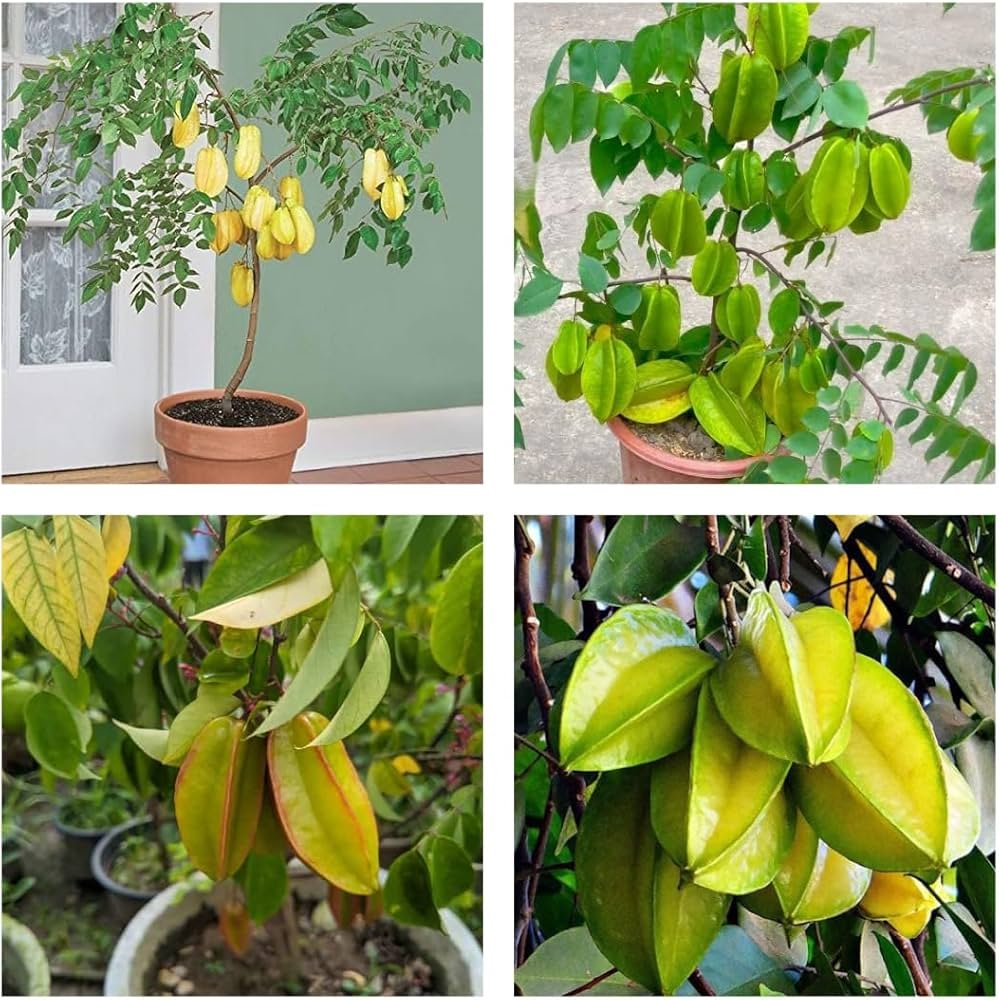
Sweet all time star fruit
-
Appearance:Sweet star fruit has a waxy, smooth skin that can be light green to yellow. The flesh is a translucent yellow or light yellow. When sliced, it reveals its signature star-shaped cross-section.
-
Taste and Texture:The sweet star fruit is known for its mild, sweet taste. It’s also juicy and crisp.
-
Nutritional Value:Star fruit is rich in Vitamin C, potassium, and antioxidants. It’s also low in calories and sodium.
-
Culinary Uses:Sweet star fruit can be eaten fresh, used in salads, desserts, or beverages. It can also be cooked into jams, chutneys, or stir-fries.
-
Plant Details:The sweet star fruit tree thrives in tropical climates and can grow up to 15 feet tall. It produces clusters of small, lilac-colored flowers that give way to the star-shaped fruit.
-
Growing Conditions:Sweet star fruit plants prefer well-draining, slightly acidic to neutral soil.
-
Potential Benefits:Some studies suggest that star fruit may have beneficial effects on digestion, immunity, and inflammation.
-
Important Note:People with kidney disease should avoid eating star fruit, as it can be harmful due to the presence of certain toxins.
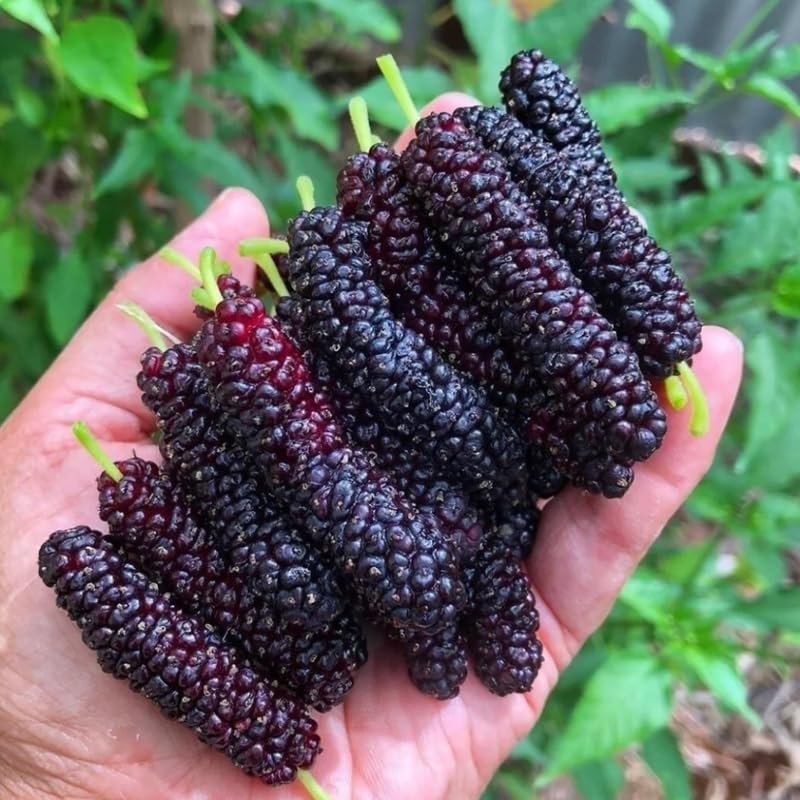
Pakistani Long mulberry plant
-
Fruit:
Long mulberries produce elongated, cylindrical berries, typically white, red, or purple in color when ripe. The flavor is sweet and slightly tart, depending on the variety.
-
Plant Characteristics:
They are deciduous trees or large shrubs, reaching heights of 10-20 feet with a similar spread. They have heart-shaped, glossy green leaves, which may have a serrated edge.
-
Flowers:
Long mulberries produce small, inconspicuous, greenish-yellow flowers in catkins, which are clustered, and bloom in late spring to early summer.
-
Growth Habits:They are fast-growing when young, but their growth slows down as they mature, rarely exceeding 10-15 meters in height.
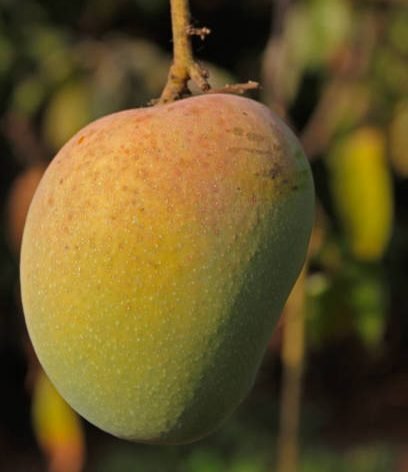
Alphonso mango Plant
Fruit:
- Oval-shaped, 4 to 6 inches long.
- Bright yellow-orange skin when ripe, with a red blush.
- Sweet, juicy, and aromatic flesh.
- A symmetrical evergreen tree, capable of reaching heights of 90 feet and widths of 80 feet, according to the University of Hawaii System.
- Prefers full sunlight and well-drained soil.
- Can be grown in home gardens, orchards, or terrace plantations.
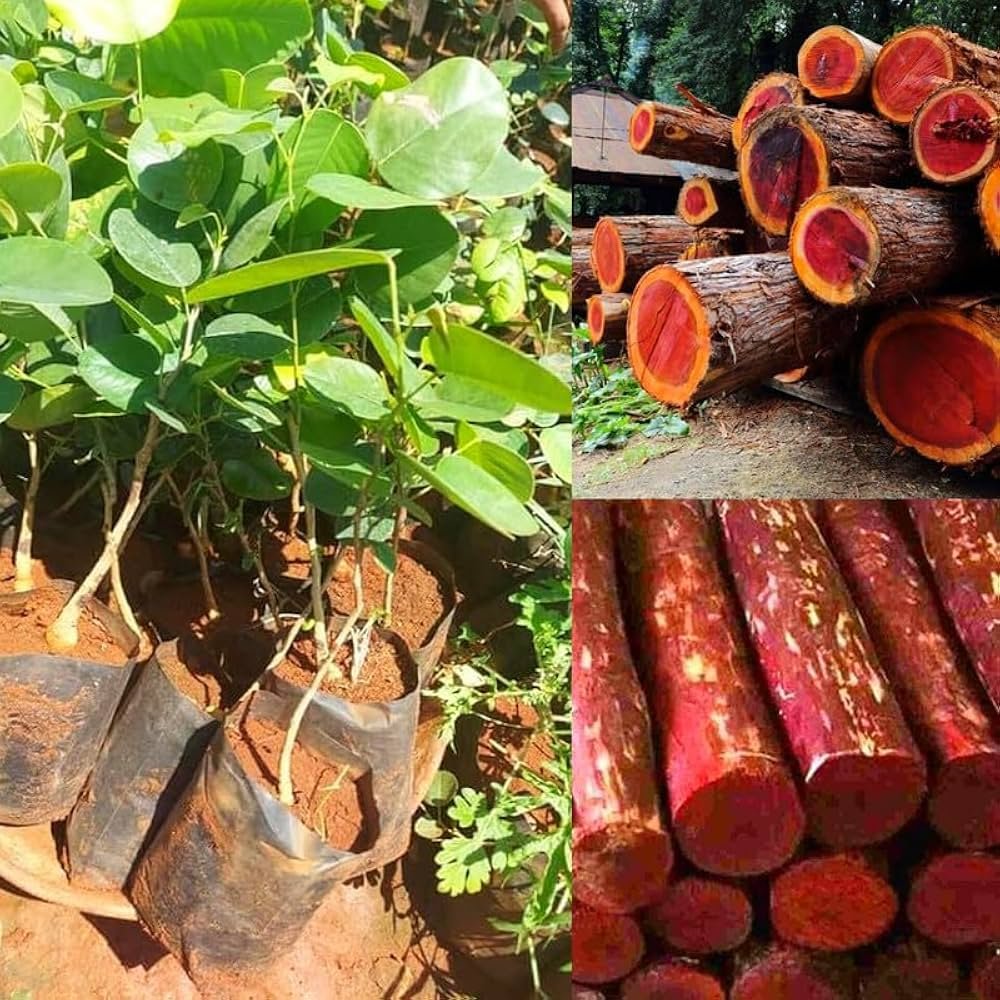
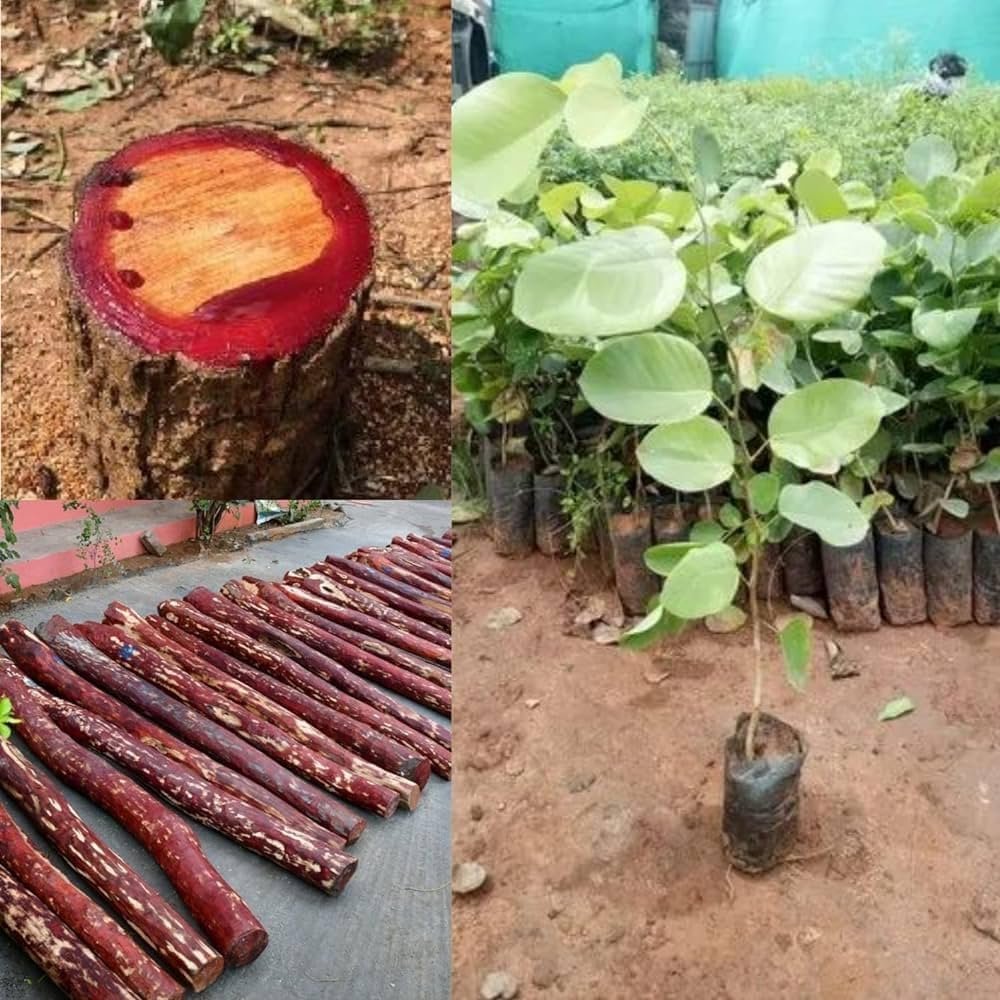
Red sandalwood plant
-
Appearance:
Red Sandalwood is a medium-sized tree with a straight trunk and dense crown. Its leaves are pinnate and typically green.
-
Heartwood:
The heartwood is the most prized part of the tree, known for its deep, reddish-brown color and rich, aromatic scent.
-
Bark:
The bark is dark grayish.
-
Growth:It’s a relatively slow-growing tree, reaching maturity in about 10-15 years.
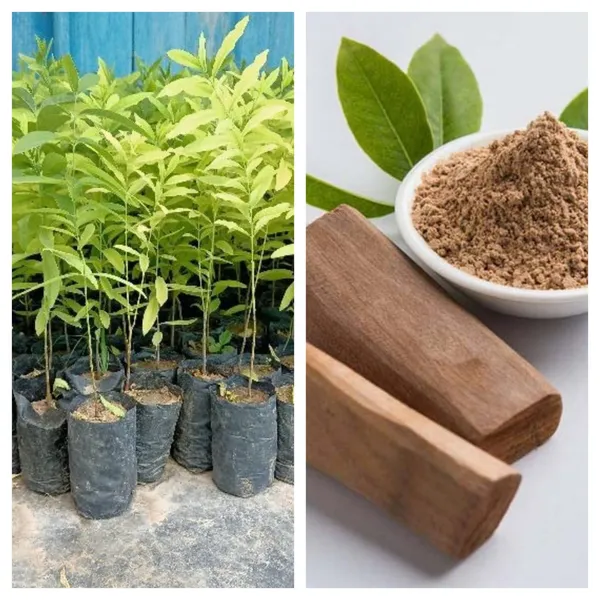
White sandalwood plant
- Fragrant Heartwood: The core wood of the tree is aromatic and produces sandalwood oil.
- Partial Parasite: Sandalwood trees are partial root parasites, meaning they require a host plant for nutrients.
- Medicinal Properties: Sandalwood has been used traditionally for its anti-inflammatory, antimicrobial, and cooling properties.
- Cultural Significance: Sandalwood paste is used in religious rituals, especially for applying tilak (a dot on the forehead) on sacred idols and in Sufi traditions.
- Slow Growth: Sandalwood trees are known for their slow growth rate.
- Versatile Uses: The oil is used in aromatherapy, skincare, and incense, while the wood is used in carving and religious practices.
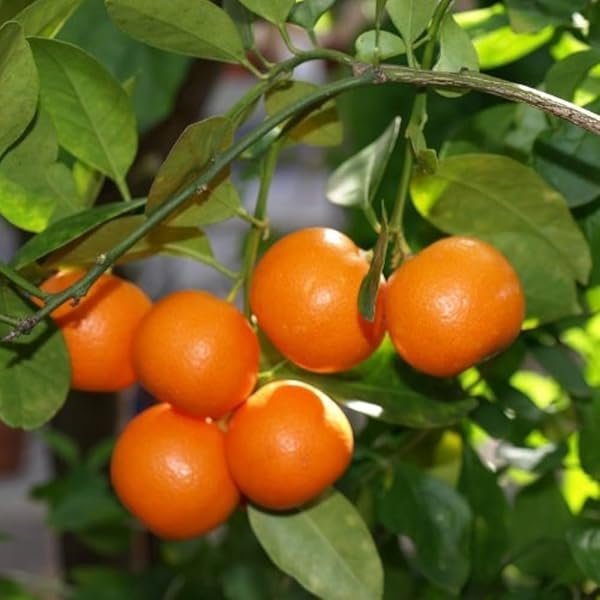
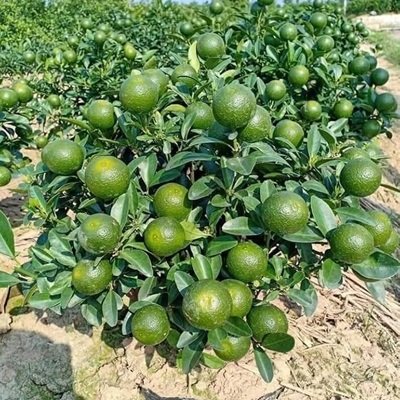
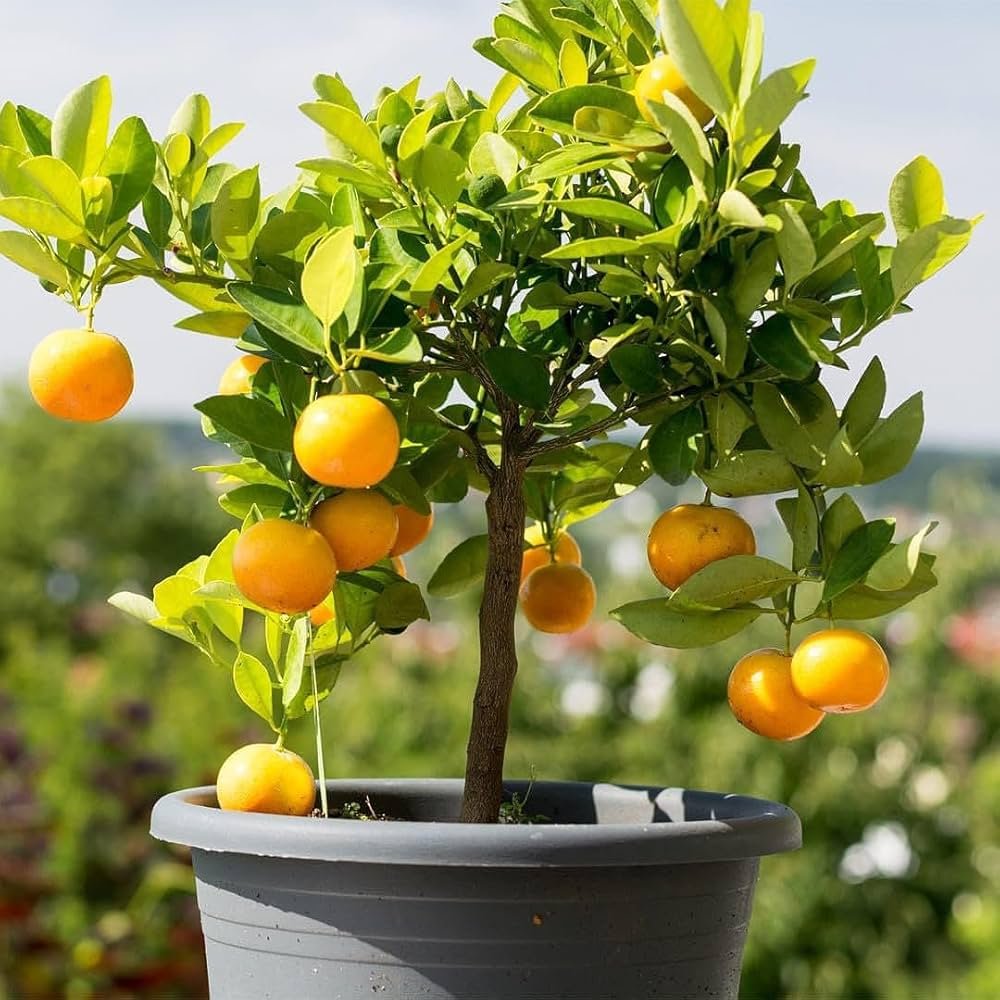
Bhutani chatki orange (plant height 2 feet) original grafted plant
Here’s a more detailed look at its characteristics:
- Origin: Bhutan.
- Flavor: Distinctly sweet and sour.
- Appearance: Thin, easy-to-peel skin and juicy, sweet-tart flesh.
- Health Benefits: Good source of vitamin C and antioxidants.
- Cultivation: Adaptable to various Indian climates and soil types, suitable for garden or pot cultivation.
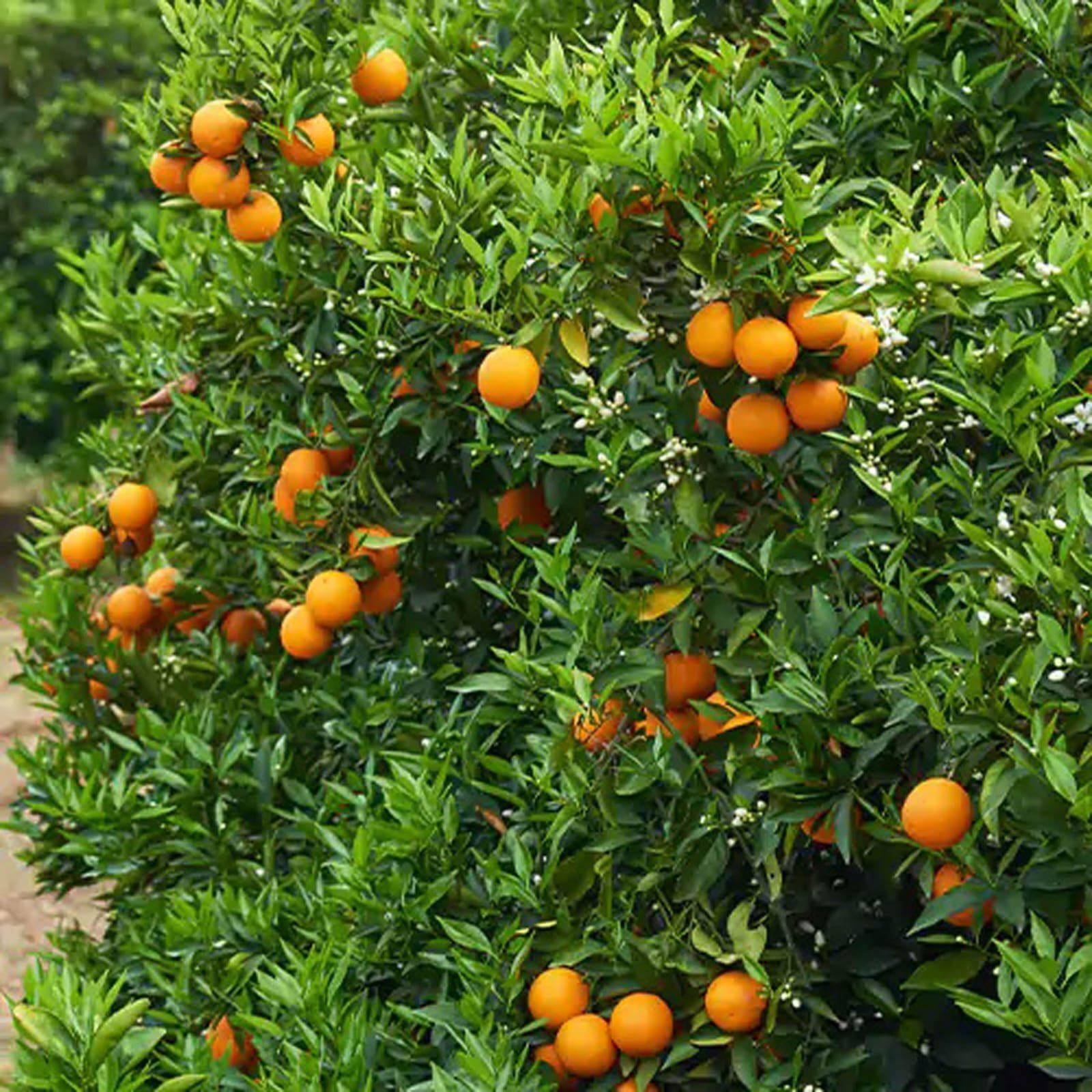
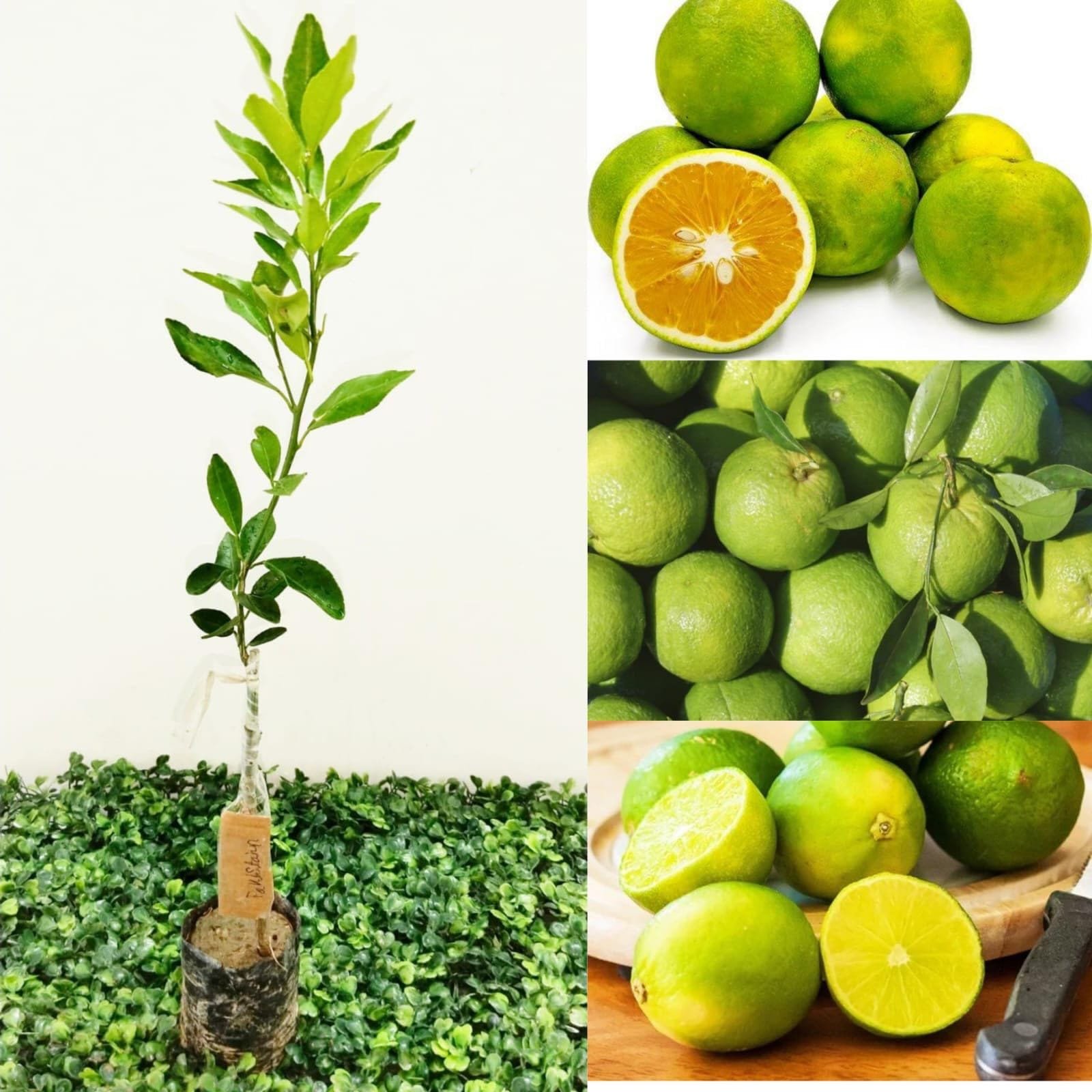
Pakistani malta (plant hight 2 feet) original grafted plant
-
Fruit:
Pakistani Malta fruits are sweet and tangy, making them a popular choice for fresh consumption, juices, salads, and desserts.
-
Plant:
The trees are evergreen, with lush foliage, and produce a bountiful harvest of fruits.
-
Care:
The plants are relatively low-maintenance and can grow in various well-draining soil types.
-
Other names:
Pakistani Malta is also known as Mosambi.
-
Benefits:The fruit is known for its health benefits, including being a source of fiber, vitamins, and minerals.
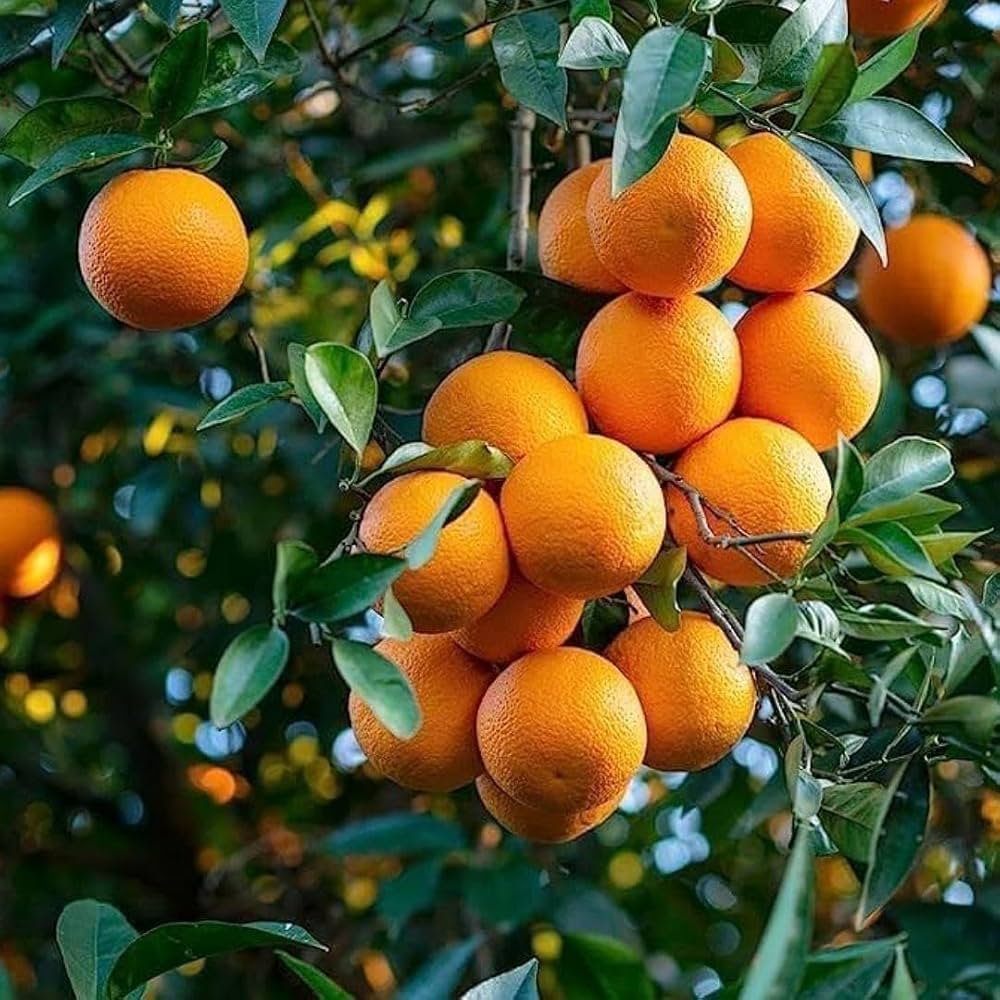
African yellow malta (plant hight 2-2.5 feet) original grafted plant
- Appearance: The African Yellow Malta tree is a small to medium-sized evergreen with glossy, dark green leaves. The fruits are a vibrant yellow, with a slightly pebbled or textured rind.
- Flavor: The flesh is juicy and sweet, with a slightly tangy flavor.
- Health Benefits: The fruit is a good source of vitamin C and antioxidants.
- Growing Conditions: It thrives in well-drained soil and plenty of sunlight, making it suitable for warm climates.
- Cultivation: It’s well-adapted to hot and dry climates and can be grown in pots or in the ground.
- Maintenance: It is relatively low-maintenance, requiring minimal pruning and care.