



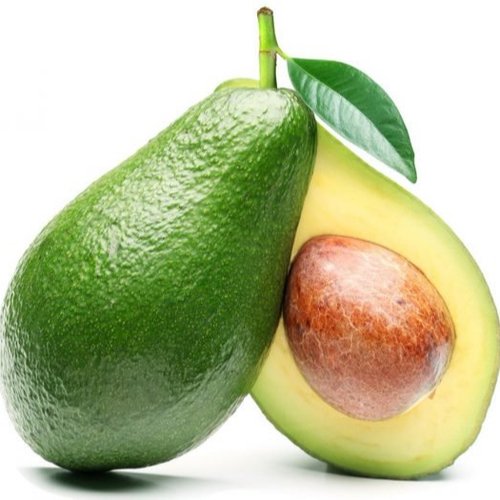
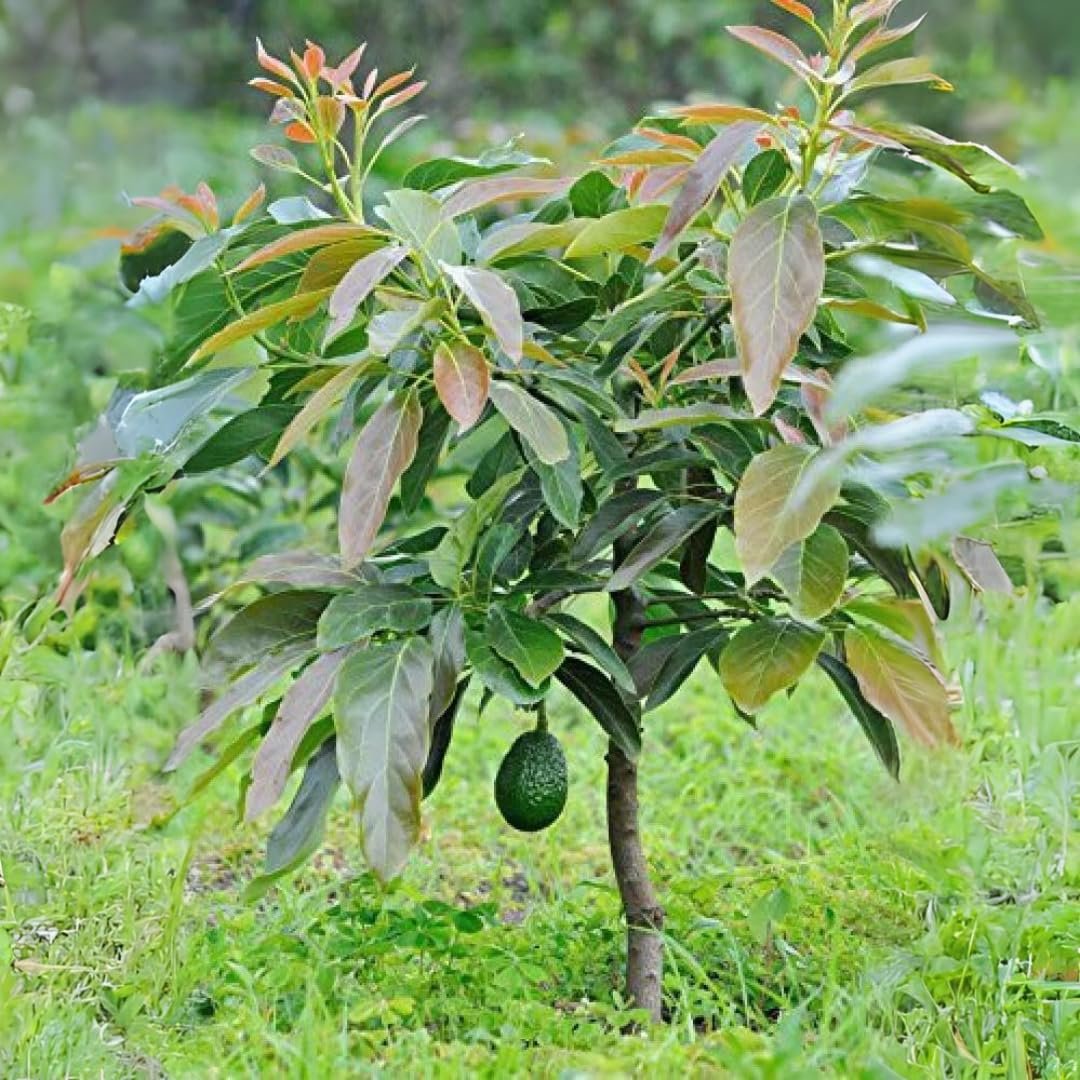
Avocado Sri Lankan green plant
Original price was: ₹2,999.00.₹1,599.00Current price is: ₹1,599.00.- The fruit is edible and a popular food source in Sri Lanka.
- The fruit can be used in various preparations, including salads, guacamole, and smoothies.
- Avocados are known for their nutritious value, being rich in healthy fats and other beneficial nutrients.
- The tree is also valued for its ornamental and folk-medicinal properties.
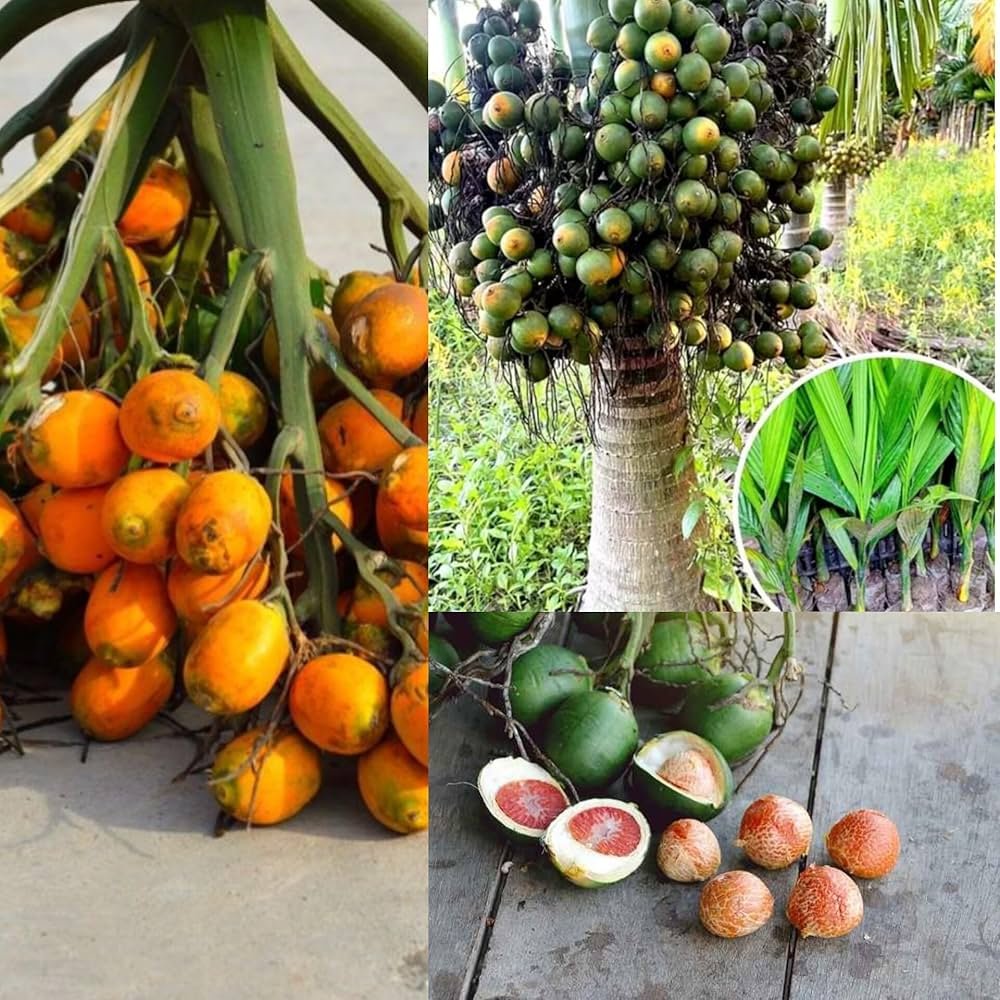
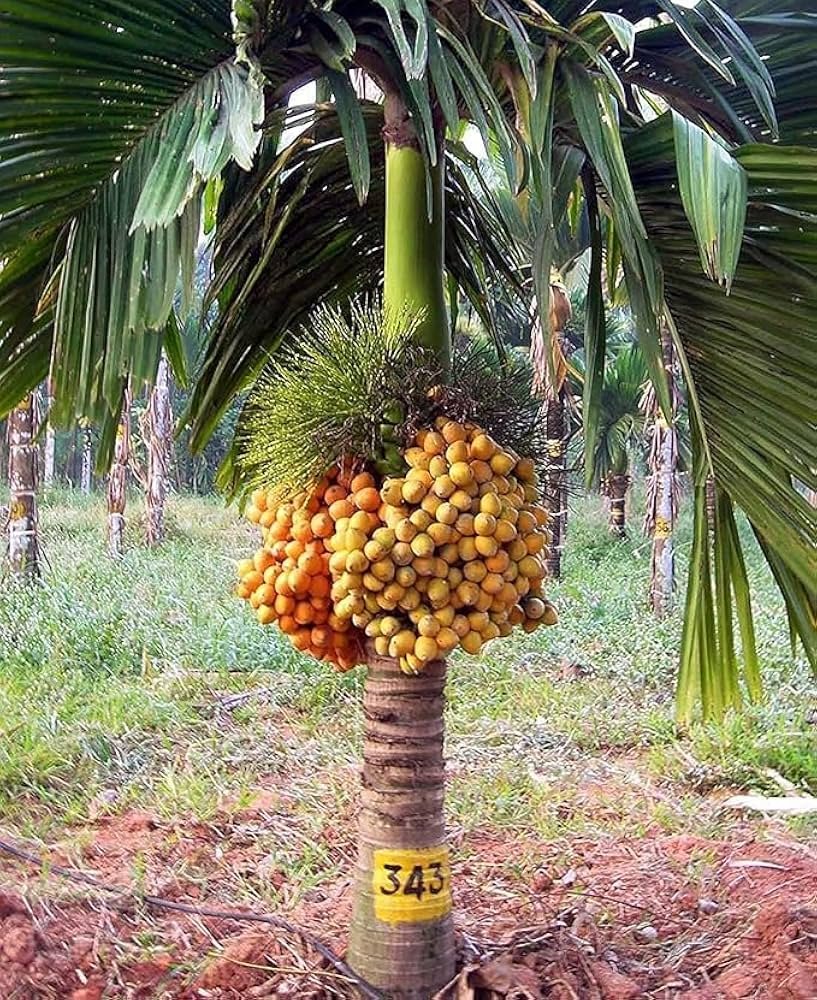
Hybrid Erica nut plant
Original price was: ₹799.00.₹299.00Current price is: ₹299.00.-
Increased Yield:
Hybrid arecanut plants generally have a higher yield potential compared to traditional varieties.
-
Improved Disease Resistance:
They are often bred to be more resistant to common diseases that affect arecanut plants.
-
Enhanced Nut Quality:
Hybrids can be selected for improved nut size, shape, and overall quality.
-
Adaptability:Some hybrids are bred to be more adaptable to different climates and soil conditions.
Vietnam coconut plant
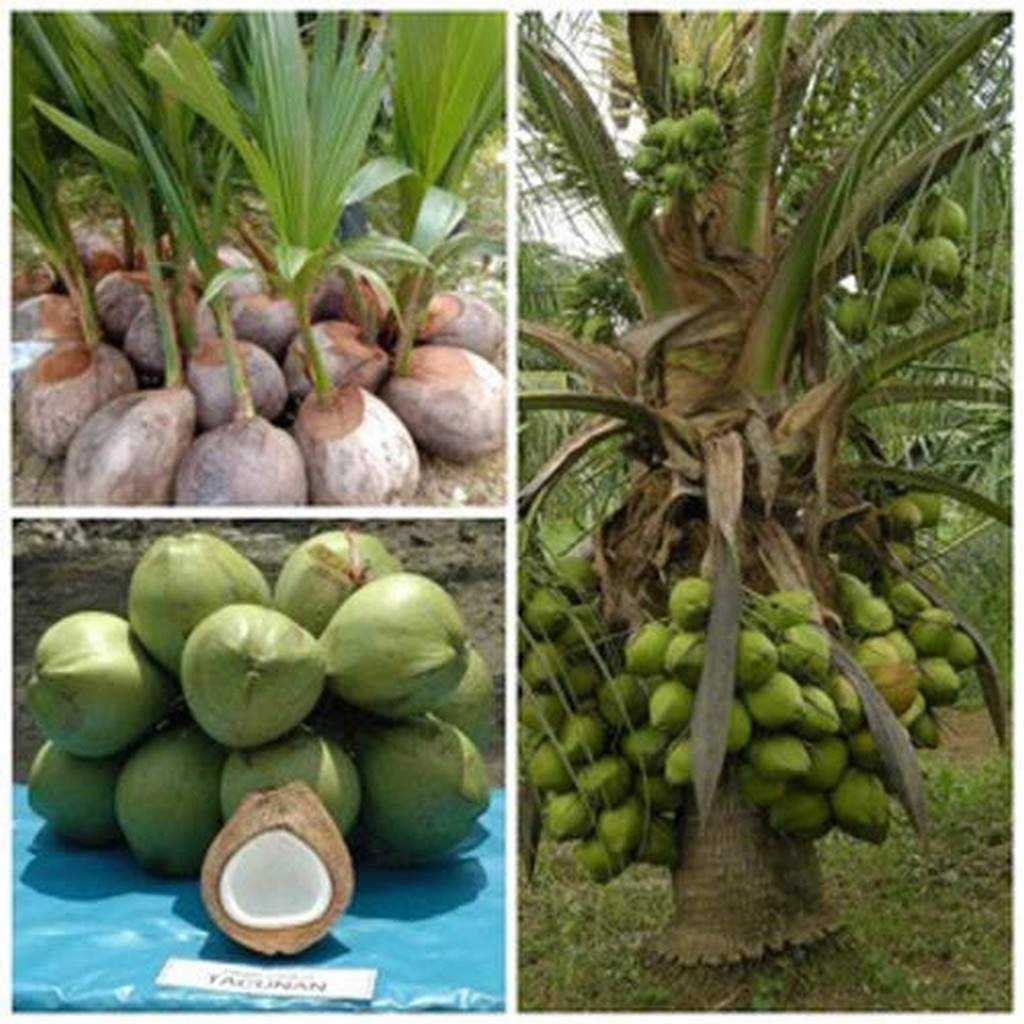
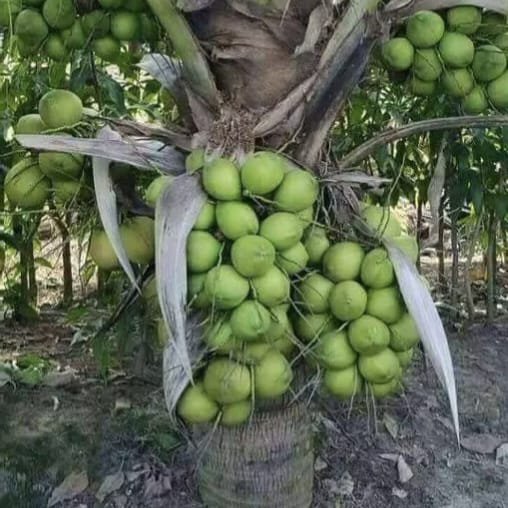
Original price was: ₹1,999.00.₹899.00Current price is: ₹899.00.Vietnamese coconuts are grown from the North to the South, especially in coastal provinces. Ben Tre is a famous locality for coconut with the highest coconut planting area in the country. The condition for growing water coconuts is quite special. A large area of mangrove land is required.

Kerala coconut plant
Original price was: ₹1,299.00.₹599.00Current price is: ₹599.00.-
Appearance:
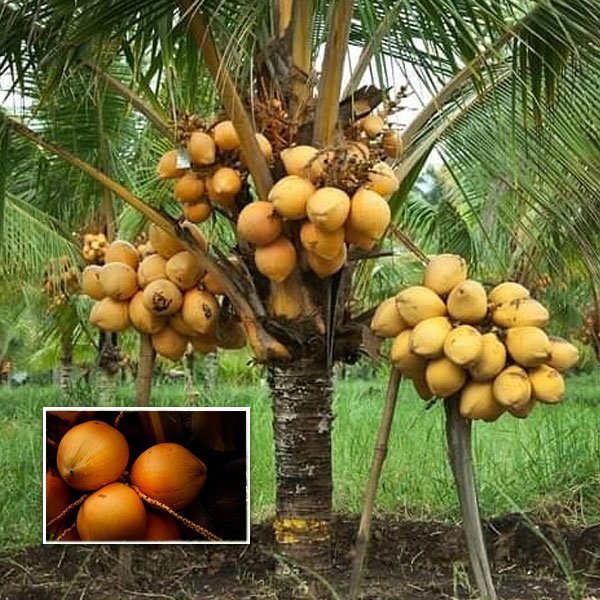
The plant is a tall, graceful palm with a slender trunk and long, arching fronds.
-
Growth:
It typically grows up to 15-30 meters tall and can withstand strong winds and adapt to various soil types, including sandy and loamy soils.
-
Harvest:
Kerala coconuts are known for their high water content and rich flavor, and they are harvested year-round, with peak production during the summer.
-
Multiple Uses:Every part of the coconut plant is useful. The leaves are used for making sheds, baskets, and doormats, the husk is used for making coir, the shell can be used for ladles and spoons, and the fruit is used for making hair oil, drinks like coconut toddy, and dishes like appam.
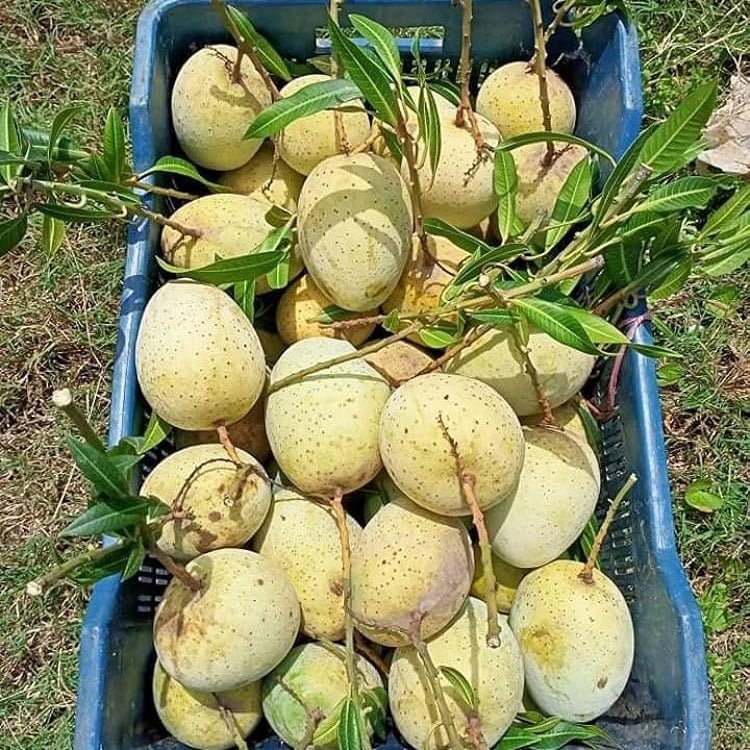
Gormati mango plant
Original price was: ₹799.00.₹449.00Current price is: ₹449.00.-
Origin and Popularity:
Gourmoti is a natural seedling variation that’s very popular in Bangladesh and known for its exceptional flavor.
-
Fruit Characteristics:
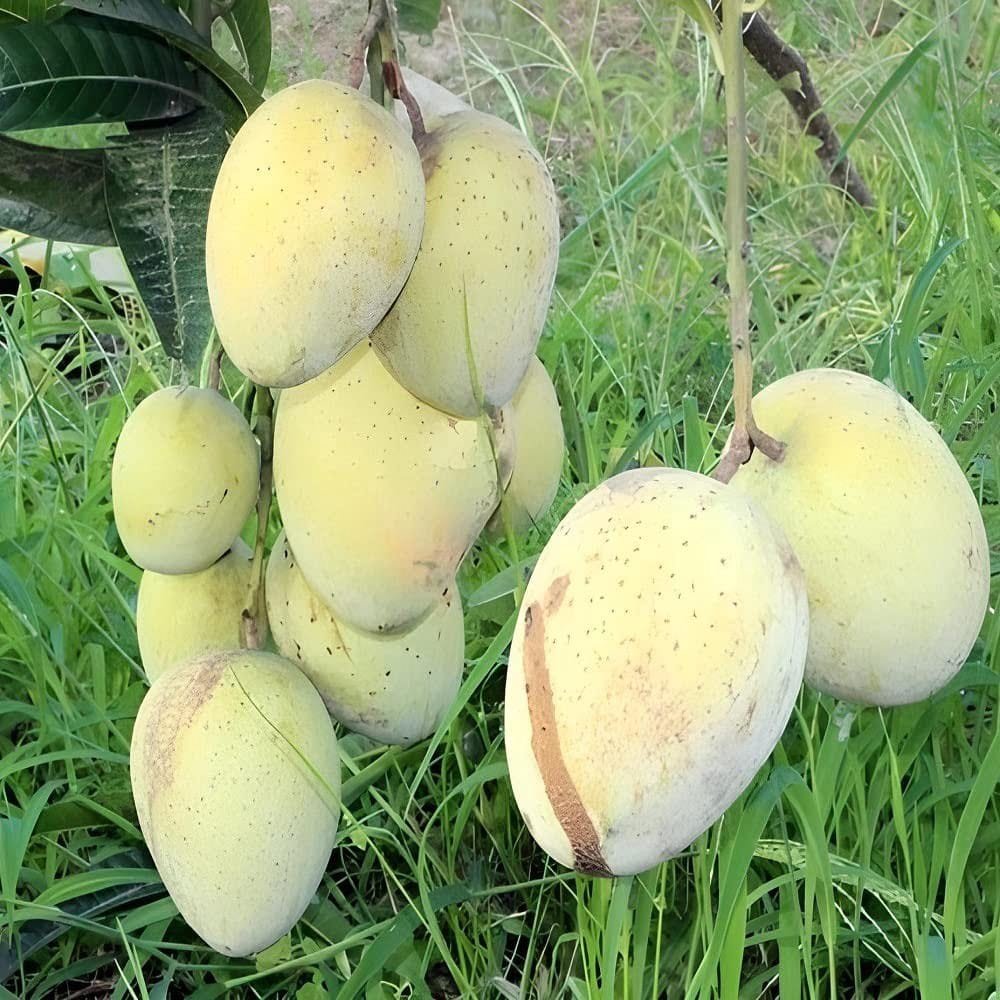
The fruits have a golden skin and are known for their juicy, flavorful flesh and sweet taste. They are a late-season variety, ripening in September.
-
Taste and Texture:
The Gourmoti mango has a sweet, fragrant, and juicy taste, with very little fiber. It’s considered sweeter than the Langra mango due to its higher soluble sugar content.
-
Tree Characteristics:
The tree itself resembles an Ashwina mango tree.
-
Cultivation:The plant can grow in almost all Indian climates and soils, making it suitable for both gardens and pots. Grafted plants are available for earlier fruiting.
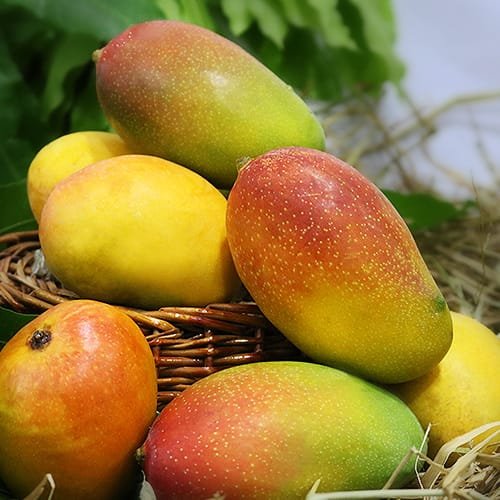
Subarnarekha mango Plant
Original price was: ₹789.00.₹399.00Current price is: ₹399.00.- Suvarnarekha mangoes are popular in Srikakulam and Visakhapatnam districts.
- They have a good keeping quality, making them suitable for export.
- The fruit is light cadmium yellow with a blush of jasper red and abundant small, light-colored dots.
- The skin is medium thick and can be easily separated.
- The fruit is sweet and has abundant, good-quality juice.
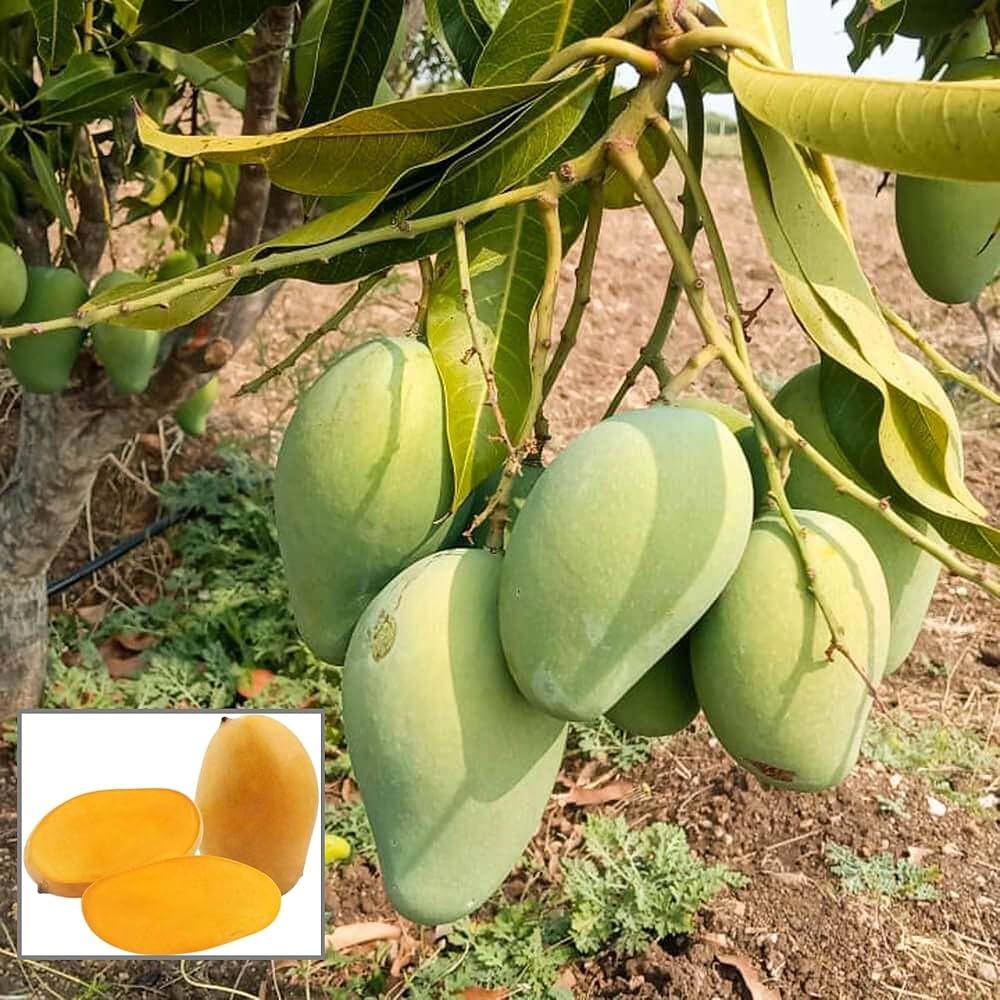
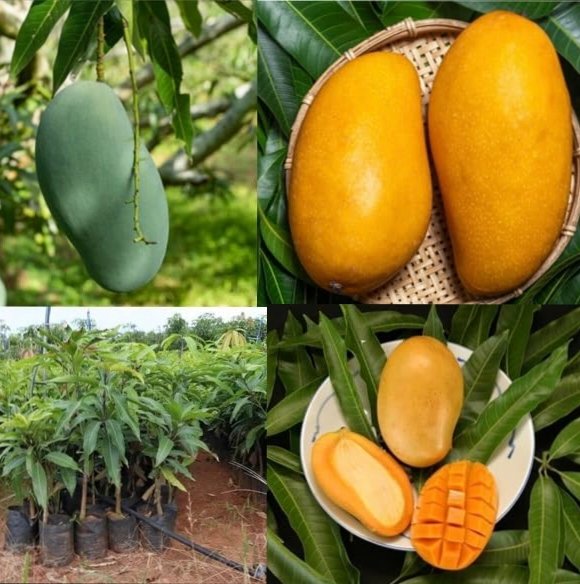
Mallika mango Plant
Original price was: ₹799.00.₹349.00Current price is: ₹349.00.- The Mallika mango tree is well-suited for smaller gardens or balcony planting due to its moderate growth and semi-dwarf size.
- It can be grown in pots with appropriate care, including a big container and regular watering.
- The tree is known for its ability to yield many fruits with relatively low maintenance.
- Mallika mangoes are known for their vibrant yellow to orange-yellow skin and juicy, fiber-free flesh.
- The fruits are generally 10-18 oz in weight.
- Mallika mangoes are versatile and can be used in various culinary applications.
- According to plantsship.net, Mallika mango trees are partially self-pollinating, but cross-pollination can increase fruit yield.
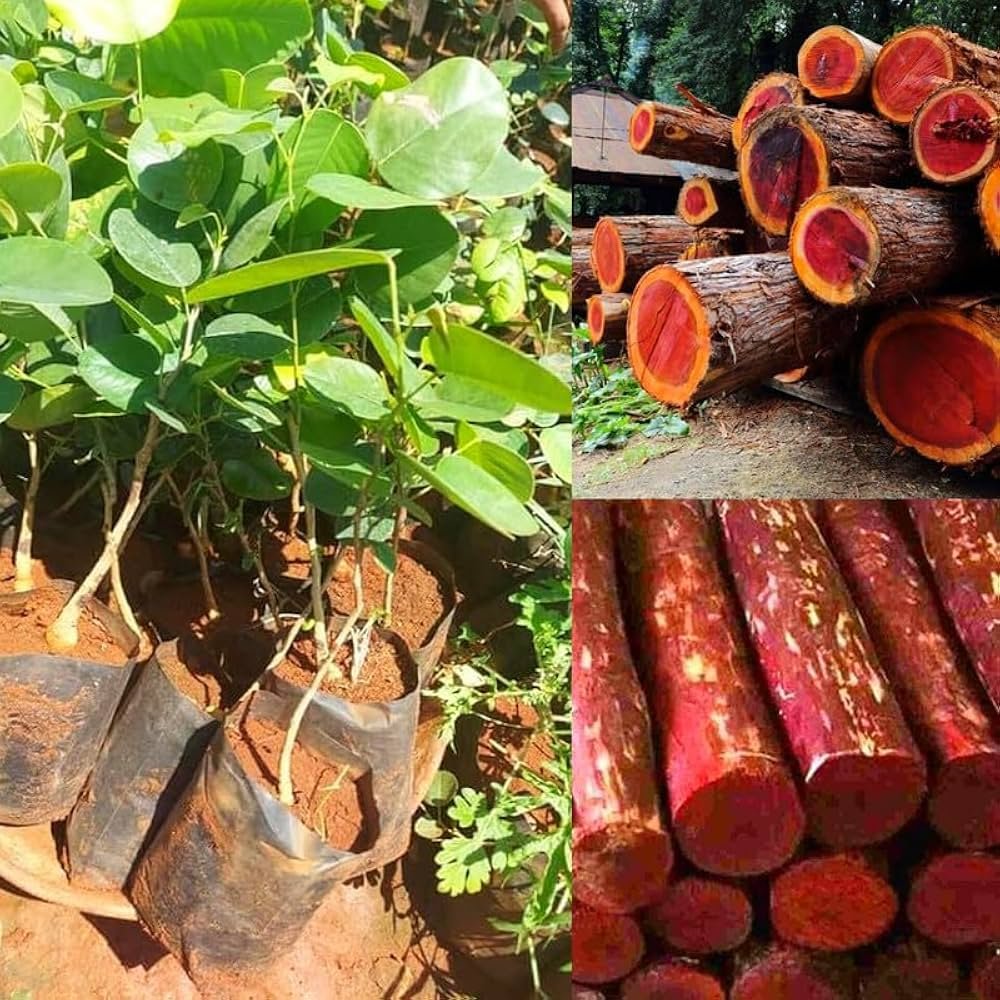
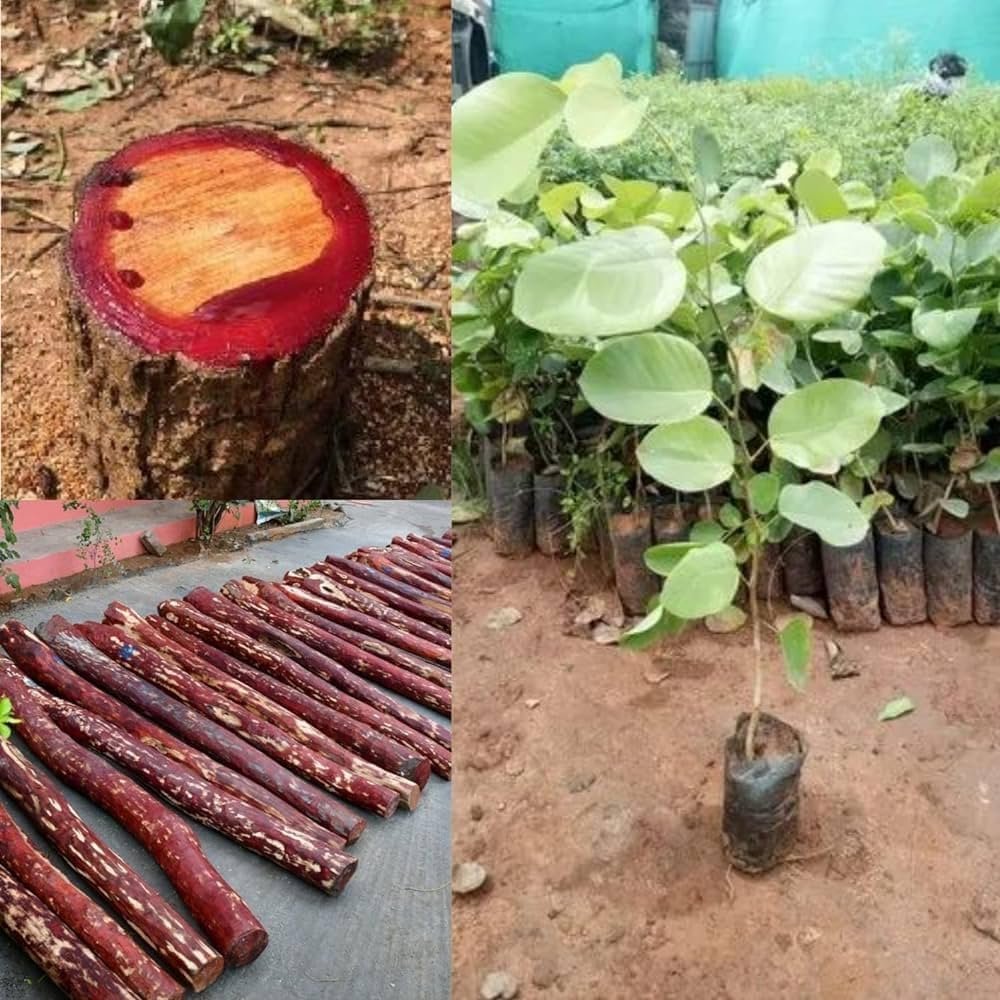
Red sandalwood plant
Original price was: ₹999.00.₹499.00Current price is: ₹499.00.-
Appearance:
Red Sandalwood is a medium-sized tree with a straight trunk and dense crown. Its leaves are pinnate and typically green.
-
Heartwood:
The heartwood is the most prized part of the tree, known for its deep, reddish-brown color and rich, aromatic scent.
-
Bark:
The bark is dark grayish.
-
Growth:It’s a relatively slow-growing tree, reaching maturity in about 10-15 years.
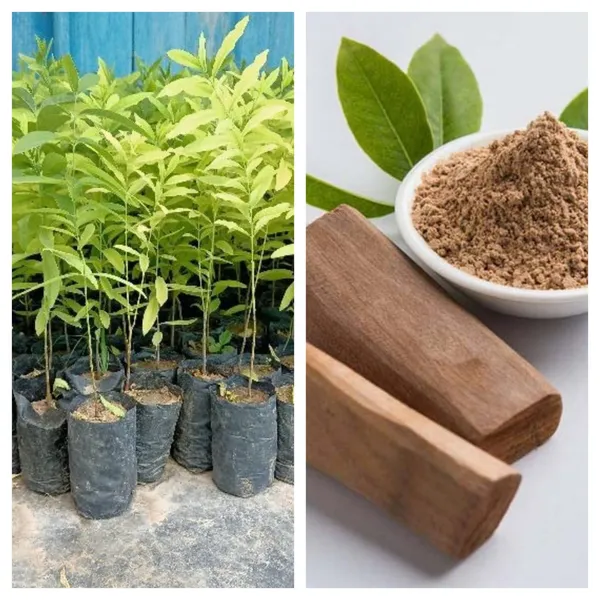

White sandalwood plant
Original price was: ₹799.00.₹499.00Current price is: ₹499.00.- Fragrant Heartwood: The core wood of the tree is aromatic and produces sandalwood oil.
- Partial Parasite: Sandalwood trees are partial root parasites, meaning they require a host plant for nutrients.
- Medicinal Properties: Sandalwood has been used traditionally for its anti-inflammatory, antimicrobial, and cooling properties.
- Cultural Significance: Sandalwood paste is used in religious rituals, especially for applying tilak (a dot on the forehead) on sacred idols and in Sufi traditions.
- Slow Growth: Sandalwood trees are known for their slow growth rate.
- Versatile Uses: The oil is used in aromatherapy, skincare, and incense, while the wood is used in carving and religious practices.