Sort by
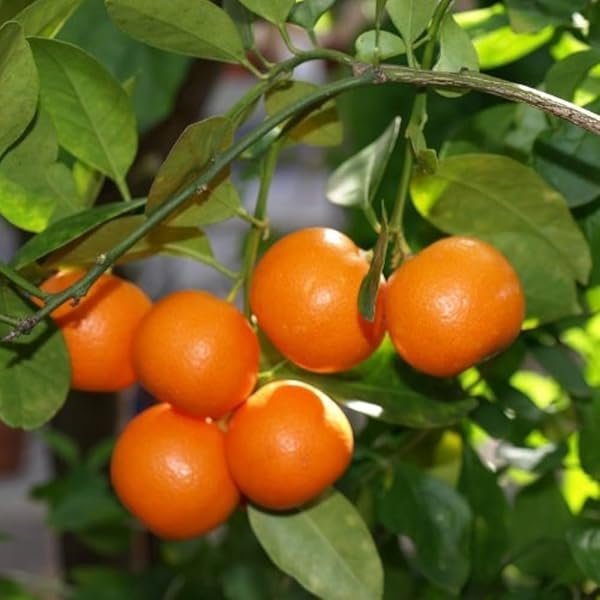
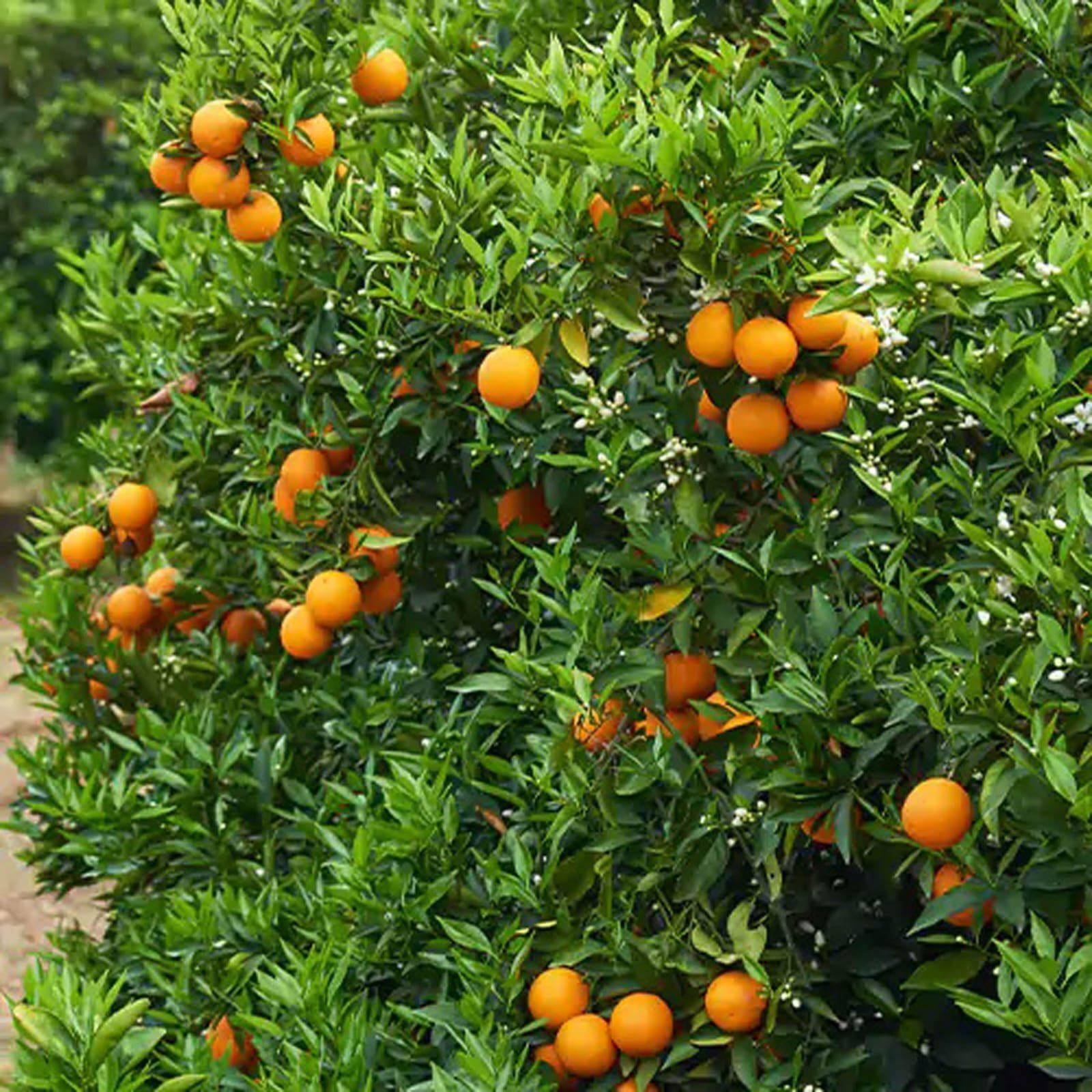
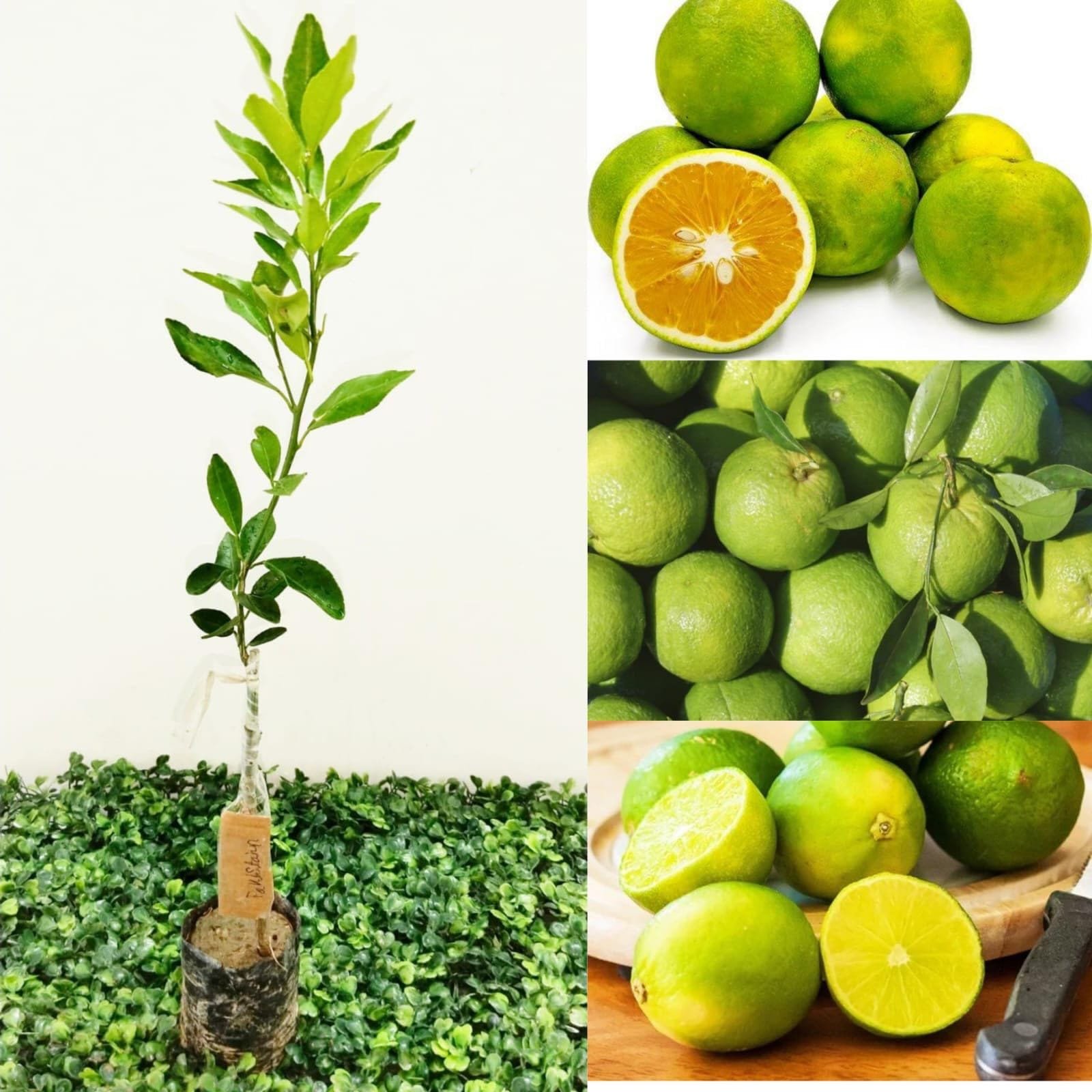
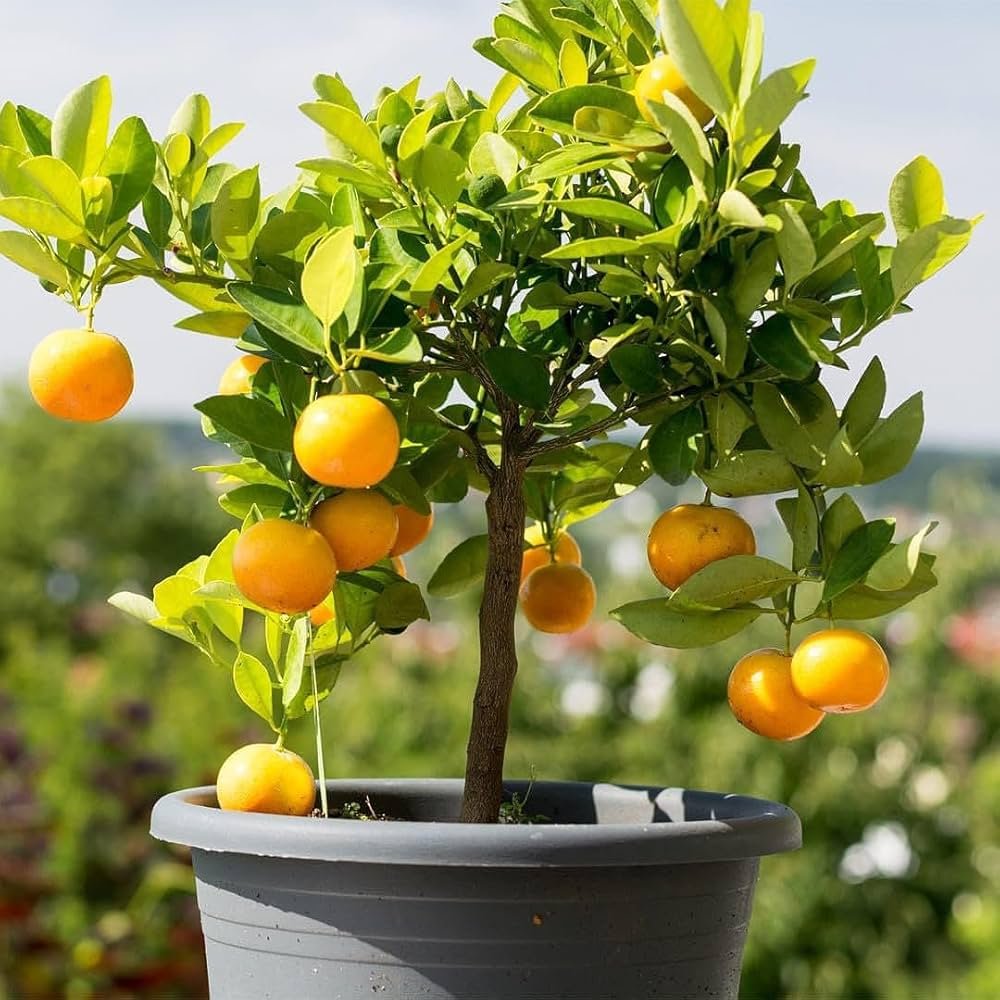
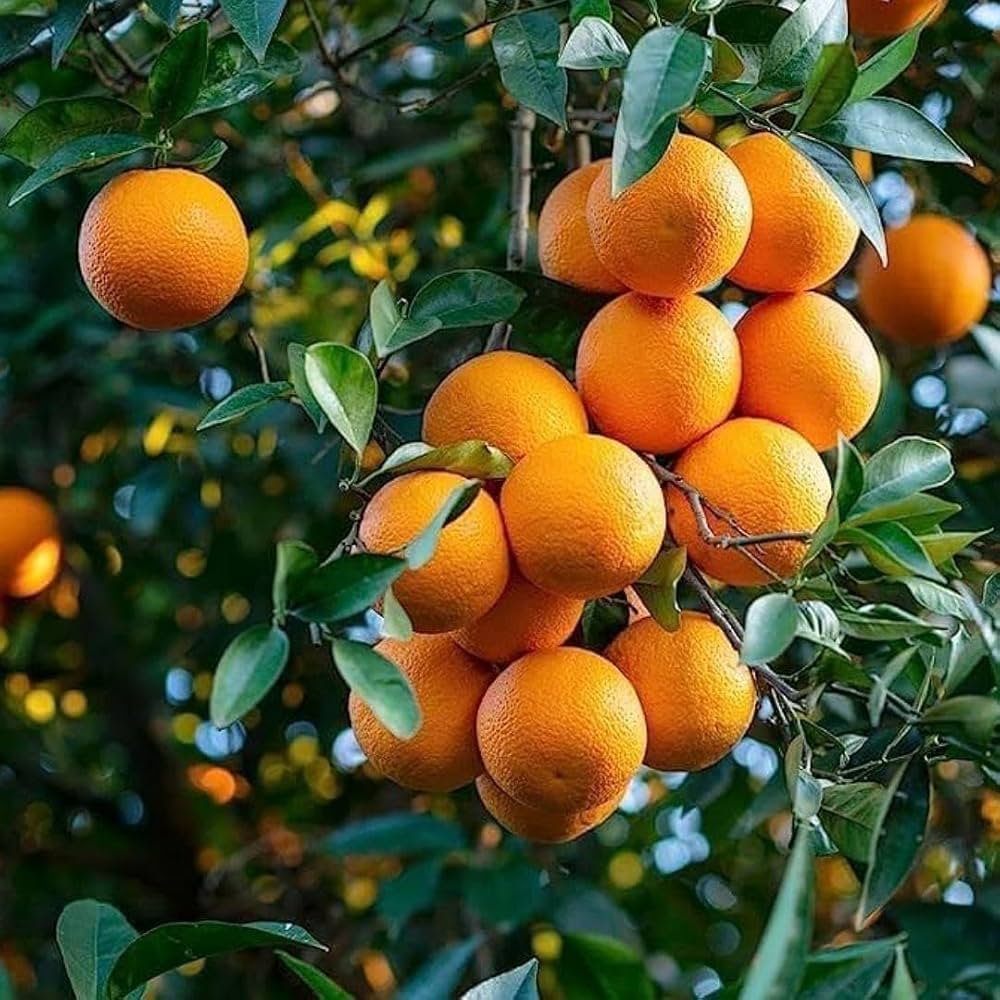
Pakistani malta (plant hight 2 feet) original grafted plant
-
Fruit:
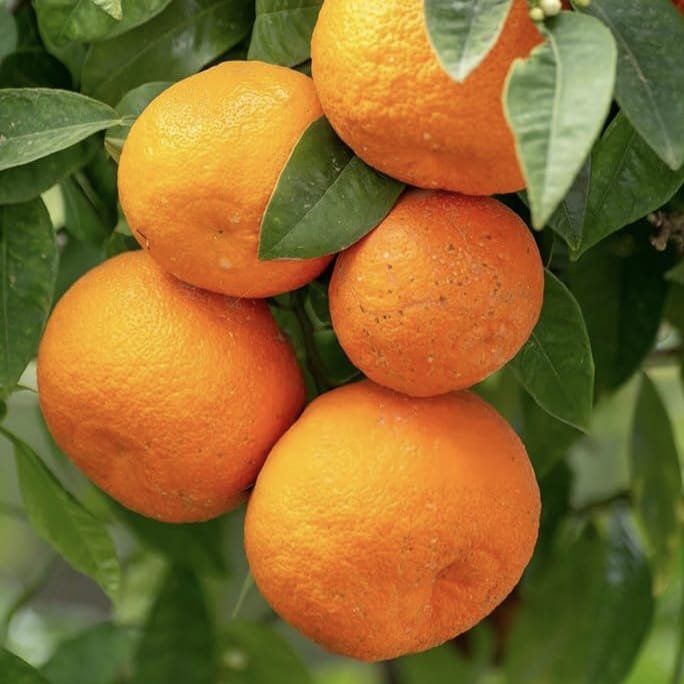
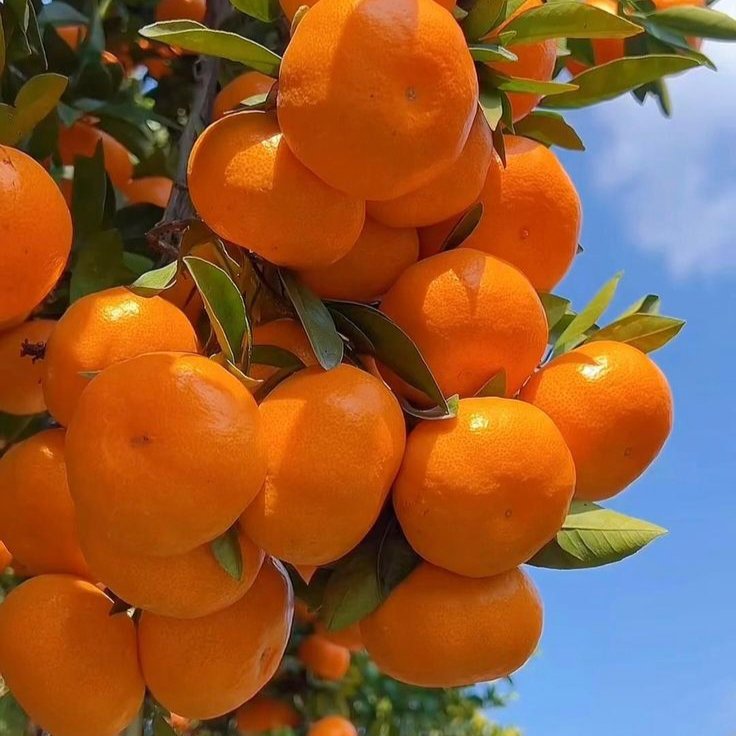
Pakistani Malta fruits are sweet and tangy, making them a popular choice for fresh consumption, juices, salads, and desserts.
-
Plant:
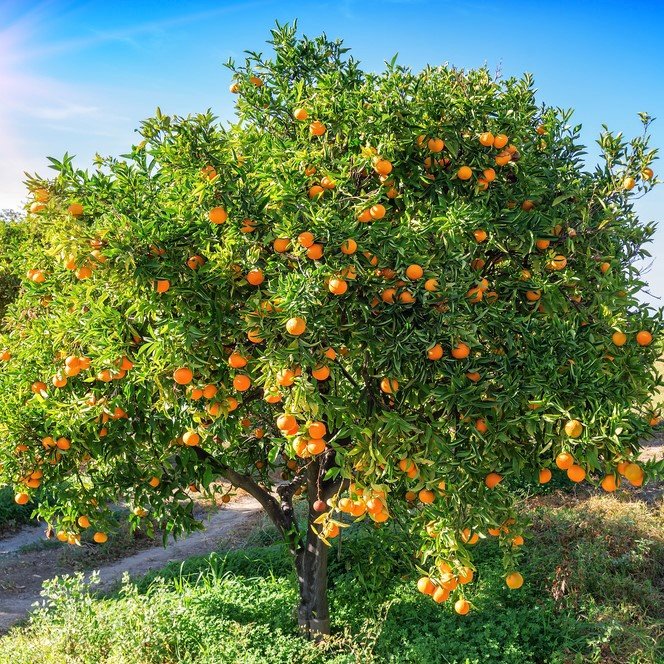
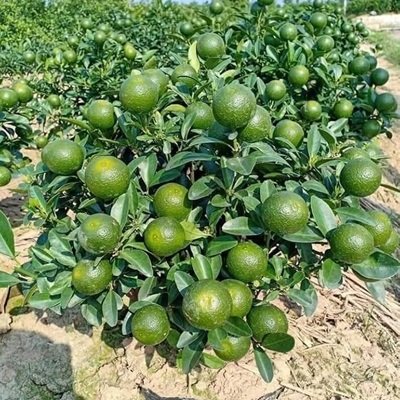
The trees are evergreen, with lush foliage, and produce a bountiful harvest of fruits.
-
Care:
The plants are relatively low-maintenance and can grow in various well-draining soil types.
-
Other names:
Pakistani Malta is also known as Mosambi.
-
Benefits:The fruit is known for its health benefits, including being a source of fiber, vitamins, and minerals.
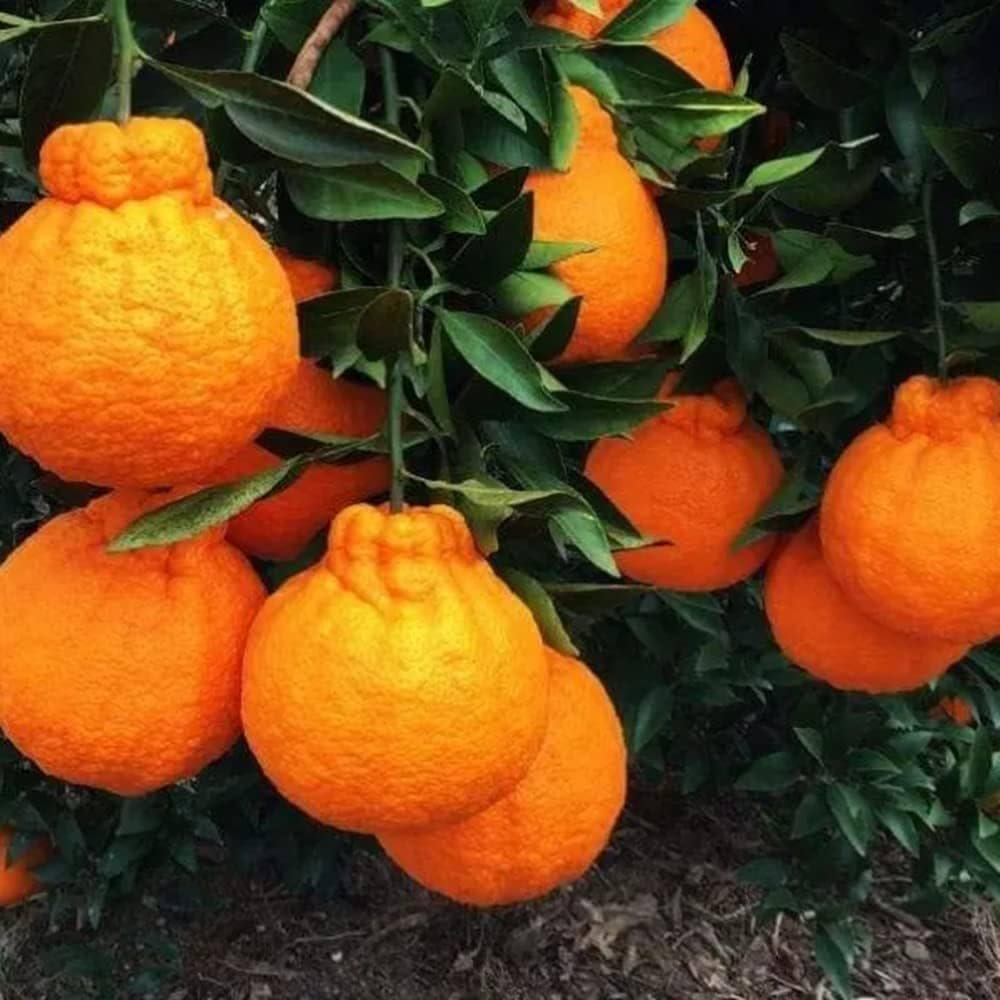
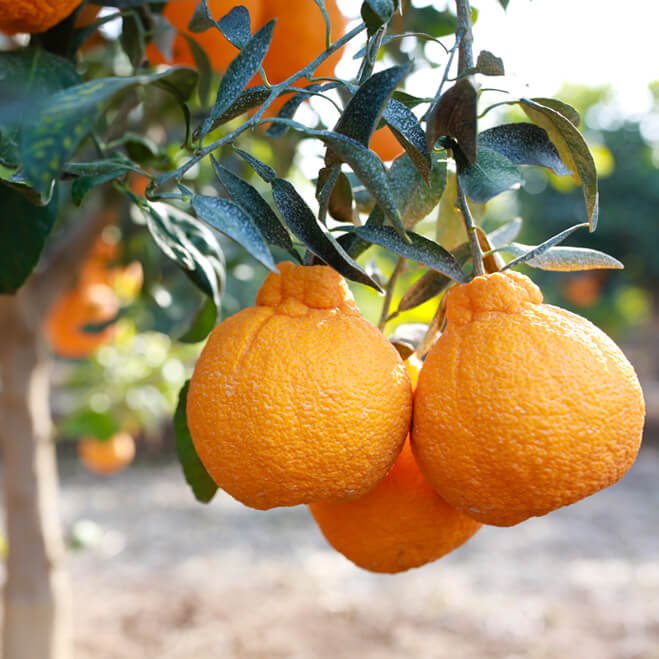
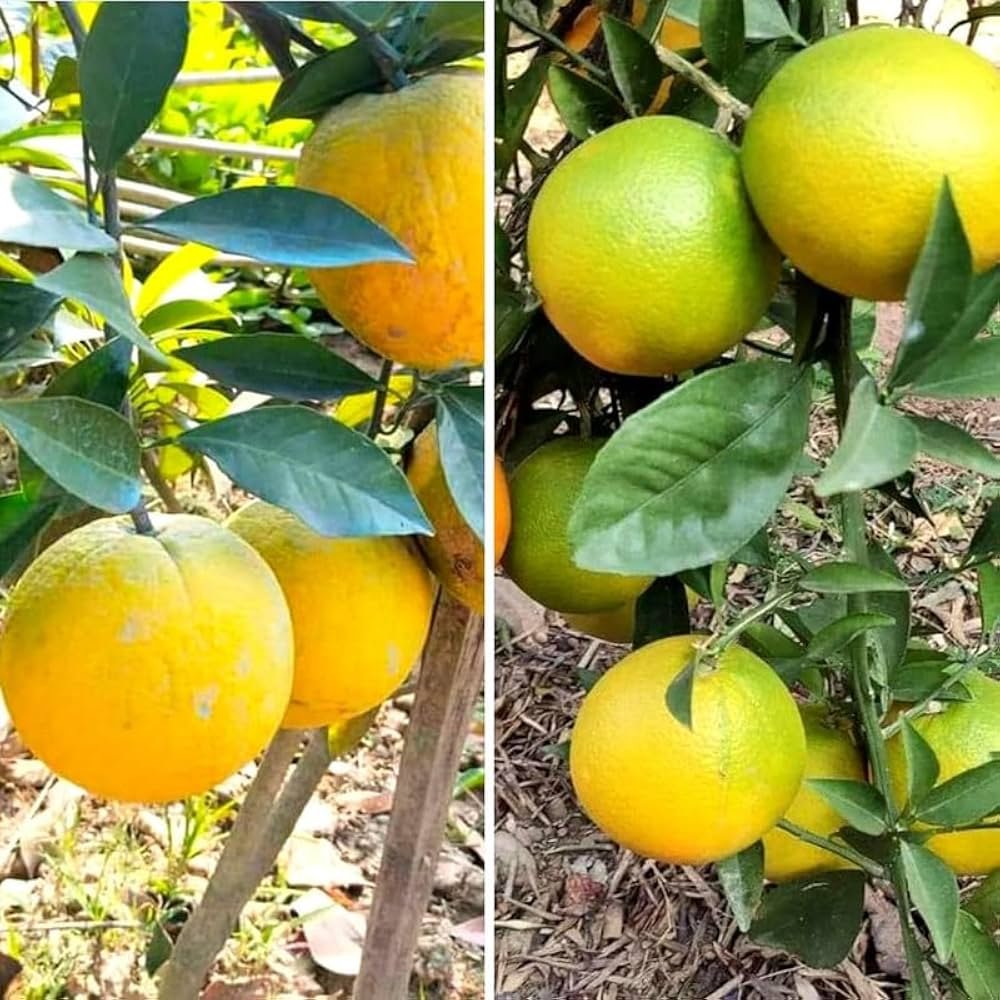
African yellow malta (plant hight 2-2.5 feet) original grafted plant
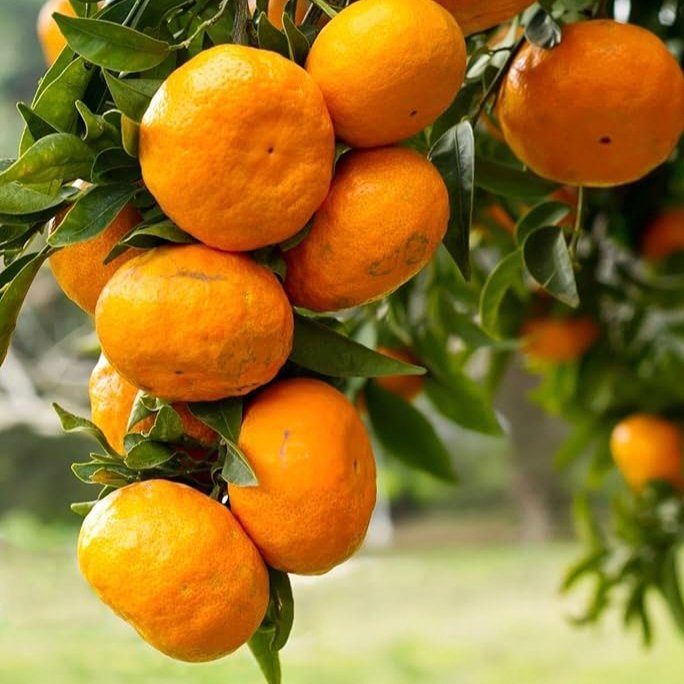
- Appearance: The African Yellow Malta tree is a small to medium-sized evergreen with glossy, dark green leaves. The fruits are a vibrant yellow, with a slightly pebbled or textured rind.
- Flavor: The flesh is juicy and sweet, with a slightly tangy flavor.
- Health Benefits: The fruit is a good source of vitamin C and antioxidants.
- Growing Conditions: It thrives in well-drained soil and plenty of sunlight, making it suitable for warm climates.
- Cultivation: It’s well-adapted to hot and dry climates and can be grown in pots or in the ground.
- Maintenance: It is relatively low-maintenance, requiring minimal pruning and care.
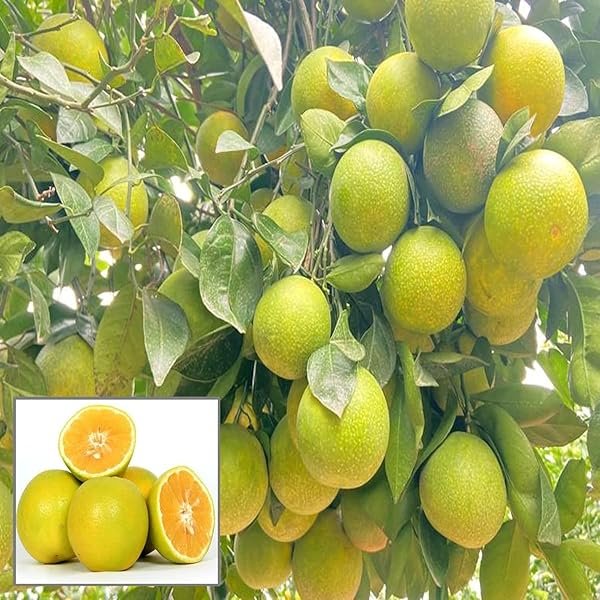
Mishoriya malta lemon plant (Hight 1.5-2 feet) Original grafted plant
-
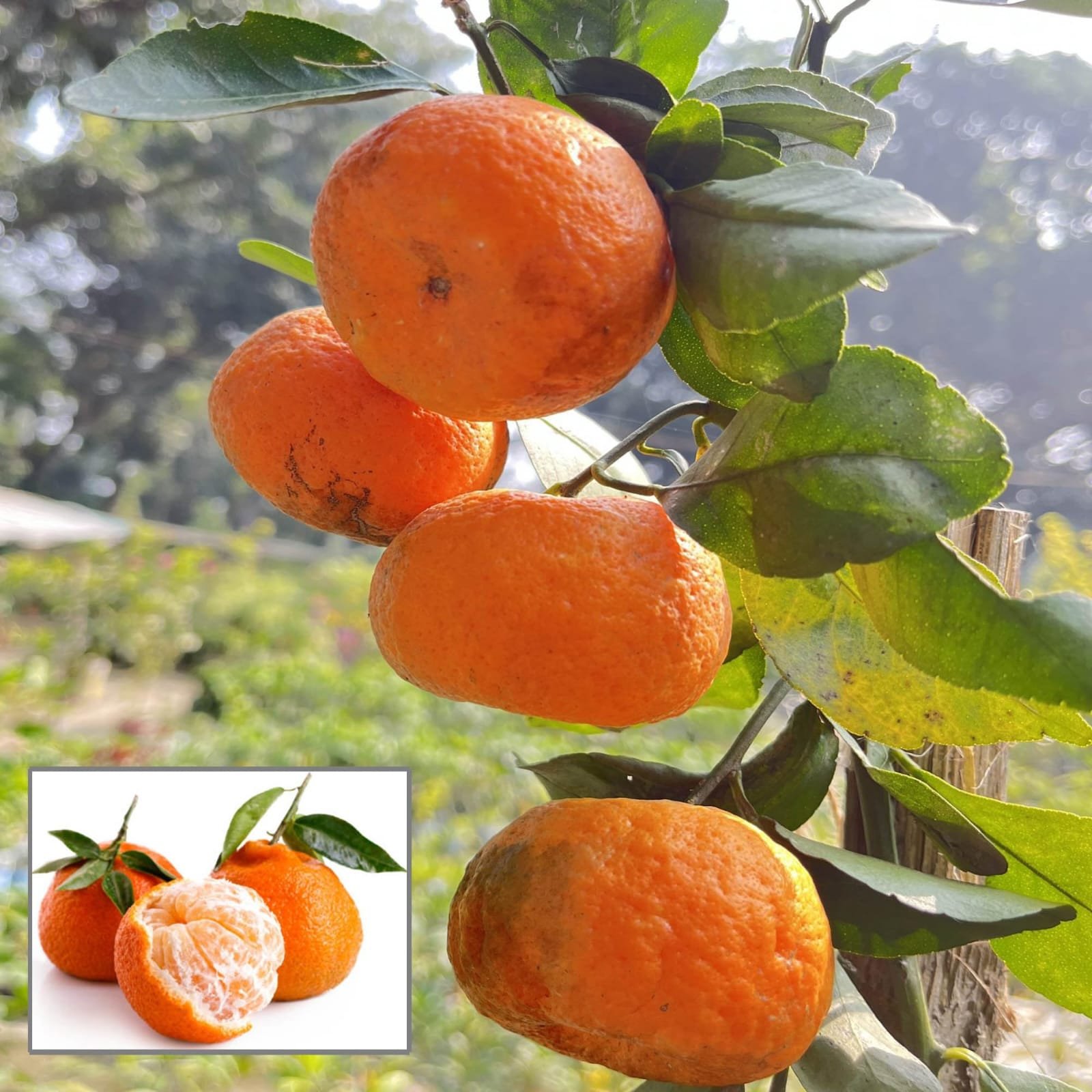
Fruit:Misoriyo Malta is a type of Mosambi, a citrus fruit, also known as sweet orange or Malta in some regions.
-
Color:The fruits are typically yellow both on the outside and inside.
-
Juice:They are known for having a higher juice content compared to other varieties of Mosambi.
-
Bearing:Misoriyo Malta is an “all-time” variety, meaning it can produce fruit throughout the year, with flowers and fruit at different stages on the same branch.
Malta bari 1 mousambi plant
- Sunlight: Needs full sunlight.
- Soil: Prefers well-drained soil.
- Watering: Requires regular watering, especially during hot and dry periods.
- Fertilizing: Regular fertilization is recommended.
Red king Guava plant
-
Taste:
Red king guava is known for its sweet, aromatic, and juicy taste. Some describe it as a combination of pear and strawberry, with tropical notes.
-
Seeds:
While some varieties have a relatively high seed content, the Red Diamond is praised for being almost seedless, with only a small number of seeds per fruit.
-
Plant Characteristics:
The Red Diamond guava plant is a medium-sized tree with spreading branches and dark green foliage. It thrives in tropical and subtropical climates and requires well-draining soil and full sunlight.
-
Benefits:
Red king guava is a good source of Vitamin C, antioxidants, and dietary fiber. It’s often used for snacking, smoothies, or making jams and juices.
-
Availability:
Red guavas are available year-round in tropical regions.
Kumbh kat lemon plant
-
-
Appearance:
Kumquats are small, oval-shaped citrus fruits, about the size of a small olive or grape. They are typically bright orange or yellow-orange in color.
-
-
Taste:
The peel is sweet and slightly tangy, while the flesh is more tart.
-
Edible:
Kumquats are unique in that the entire fruit, including the peel, is edible.
-
Uses:
They can be eaten whole, used in salads, desserts, or savory dishes, and can also be made into jams, marmalades, and chutneys.
-
Varieties:
There are different varieties, such as the Nagami kumquat (elongated, tart) and the Marumi kumquat (rounder, sweeter).
-
Growing:Kumquats grow on small, evergreen trees that prefer full sun and well-draining soil.
Red pati lemon plant
Growing Conditions
- Sunlight: The plant thrives in full sunlight for at least 2-3 hours daily.
- Watering: Moderate watering is recommended, typically around half a glass of water twice a week.
- Fertilization: Regular fertilization with a general-purpose liquid fertilizer is beneficial.
- Soil: Well-drained soil is essential.
- Planting: Red pati lemon plants are typically grafted to ensure consistent fruit production and are often sold as grafted plants.
- Pruning: Pruning can help maintain the tree’s shape and size.
Kagji lemon plant
Origin and Cultivation:
- Kagzi lemons are native to Southeast Asia.
- They are adaptable to various climates and can thrive in pots, making them suitable for urban gardening.
- They are known for their ability to produce fruit year-round.
Seedless lemon plant
Appearance:
- Shape: Ovoid or oval, similar to regular lemons.
- Size: Medium, typically ranging from 40 to 50 grams.
- Color: Bright yellow or greenish-yellow.
- Skin: Smooth and porous.
Features:
- Juice: They are known for their high juice content, around 52%.
- Seeds: The defining characteristic is the complete absence of seeds.
- Origin: Seedless lemons can originate from hybrid varieties or be naturally seedless cultivars.