
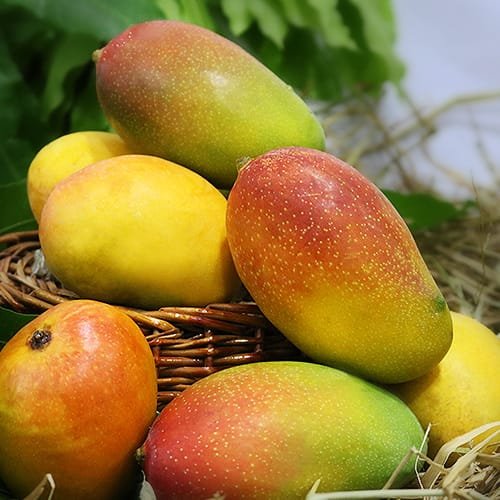
Subarnarekha mango Plant
Original price was: ₹789.00.₹380.00Current price is: ₹380.00.- Suvarnarekha mangoes are popular in Srikakulam and Visakhapatnam districts.
- They have a good keeping quality, making them suitable for export.
- The fruit is light cadmium yellow with a blush of jasper red and abundant small, light-colored dots.
- The skin is medium thick and can be easily separated.
- The fruit is sweet and has abundant, good-quality juice.
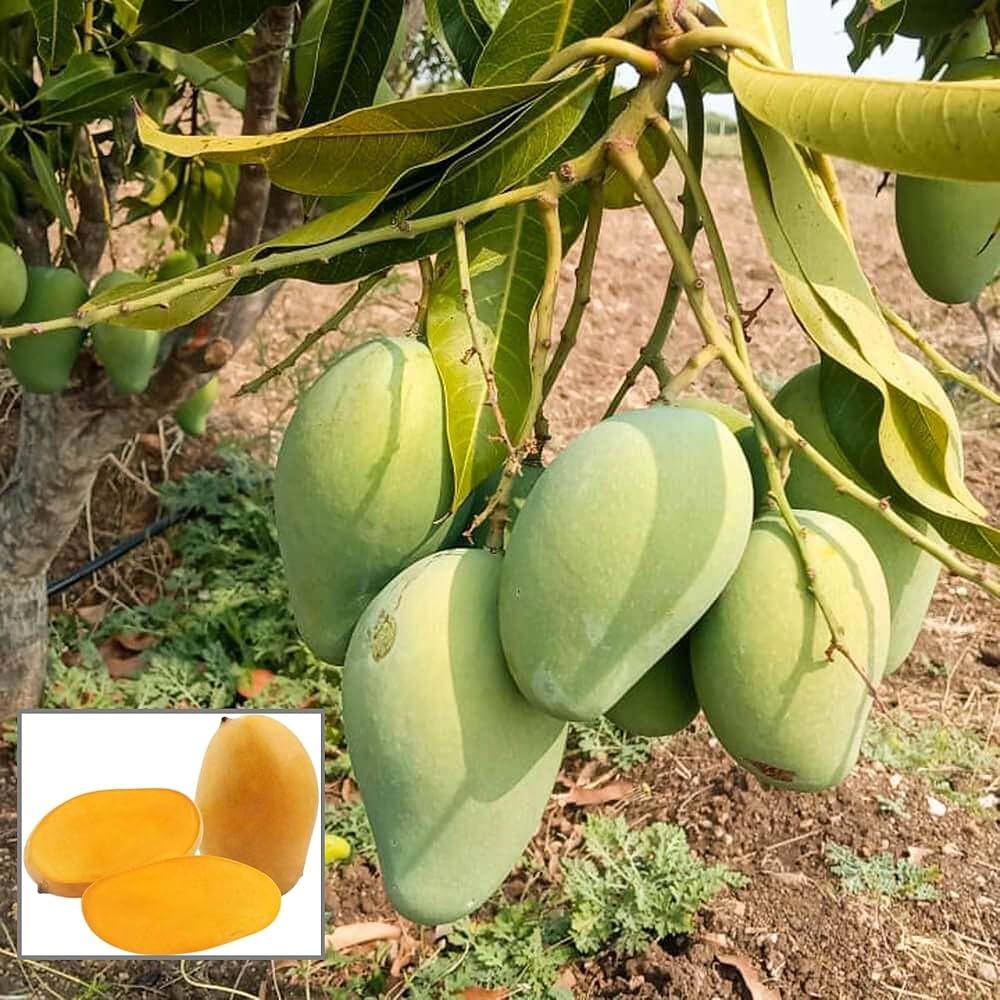
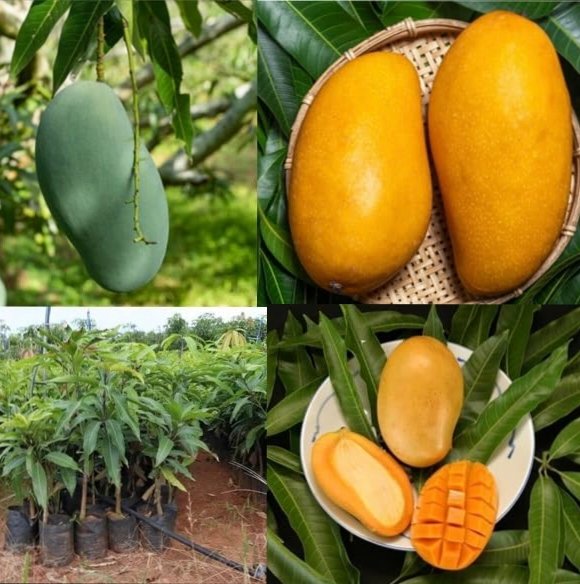
Mallika mango Plant
Original price was: ₹799.00.₹350.00Current price is: ₹350.00.- The Mallika mango tree is well-suited for smaller gardens or balcony planting due to its moderate growth and semi-dwarf size.
- It can be grown in pots with appropriate care, including a big container and regular watering.
- The tree is known for its ability to yield many fruits with relatively low maintenance.
- Mallika mangoes are known for their vibrant yellow to orange-yellow skin and juicy, fiber-free flesh.
- The fruits are generally 10-18 oz in weight.
- Mallika mangoes are versatile and can be used in various culinary applications.
- According to plantsship.net, Mallika mango trees are partially self-pollinating, but cross-pollination can increase fruit yield.
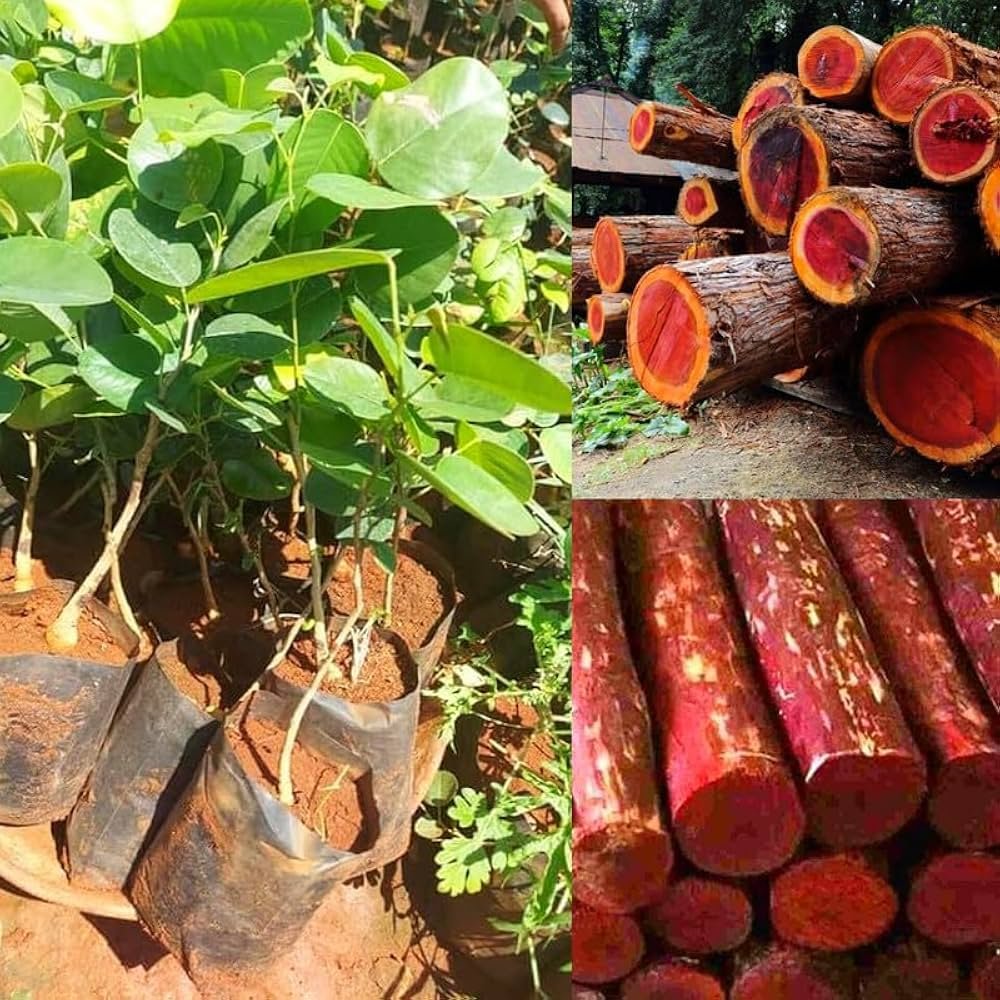
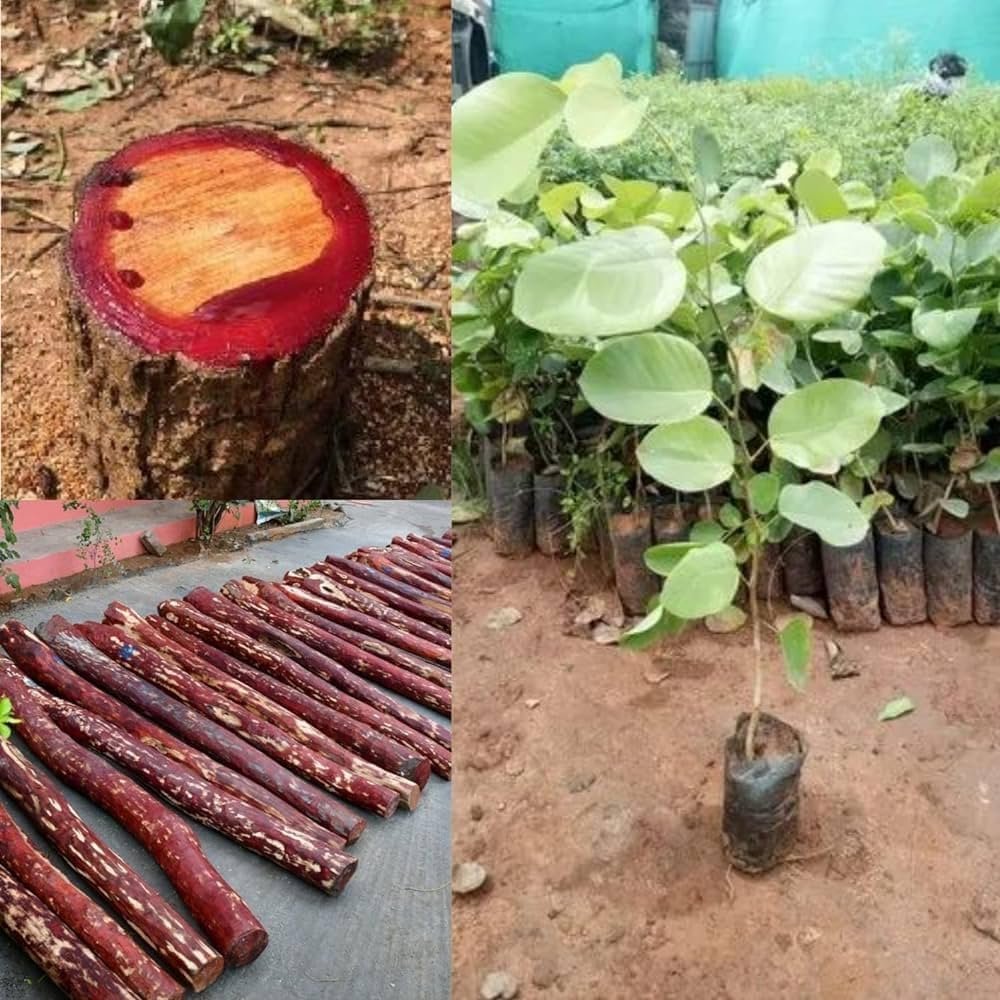
Red sandalwood plant
Original price was: ₹999.00.₹499.00Current price is: ₹499.00.Plant Characteristics:
-
Appearance:
Red Sandalwood is a medium-sized tree with a straight trunk and dense crown. Its leaves are pinnate and typically green.
-
Heartwood:
The heartwood is the most prized part of the tree, known for its deep, reddish-brown color and rich, aromatic scent.
-
Bark:
The bark is dark grayish.
-
Growth:It’s a relatively slow-growing tree, reaching maturity in about 10-15 years.
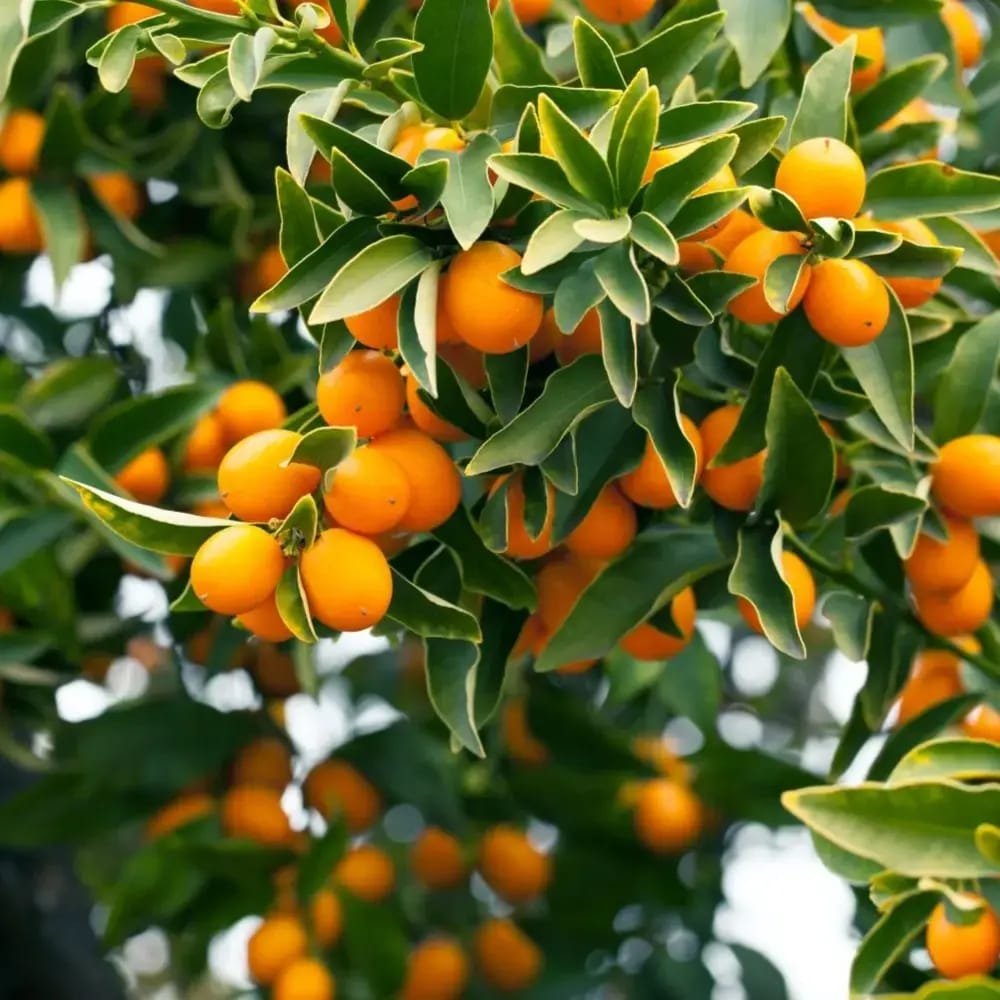
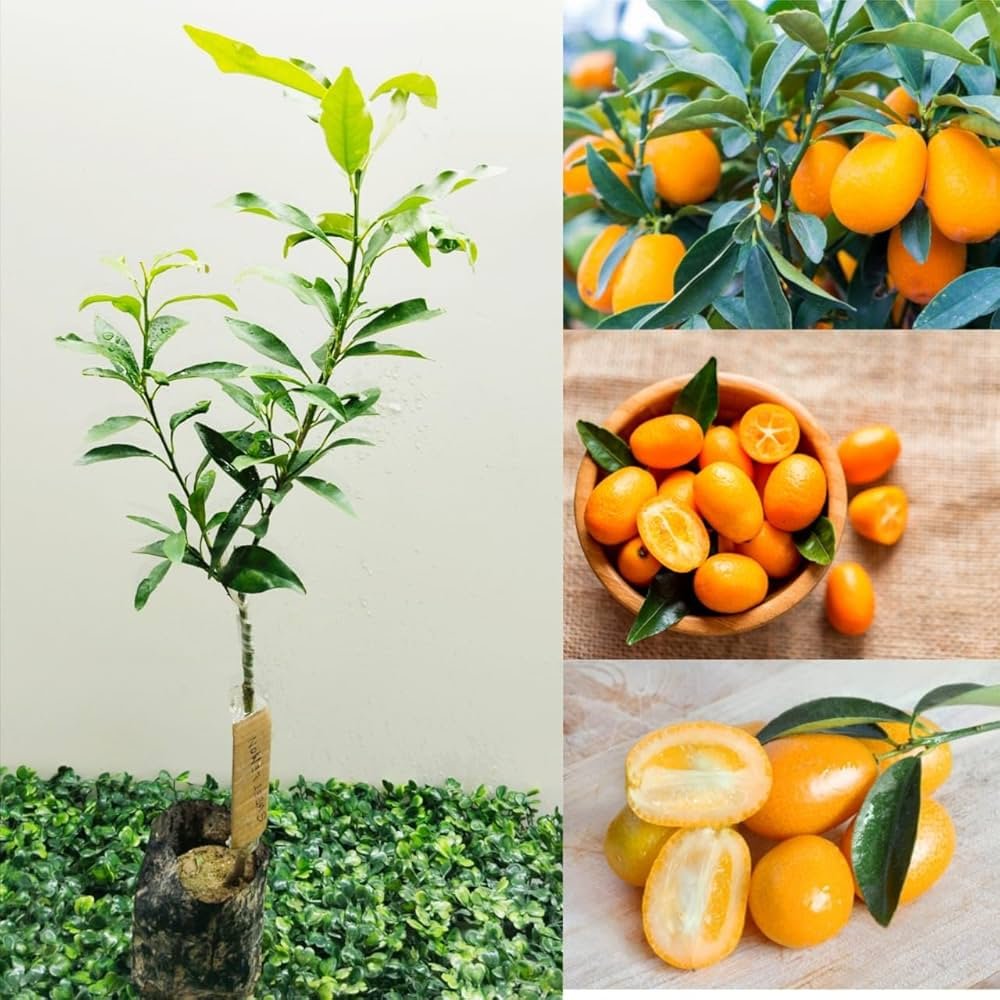
Sweet lemon plant / original grafted plant
Original price was: ₹999.00.₹500.00Current price is: ₹500.00.Examples of Sweet Lemons:
- Persian Sweet Lemon: Known for its sweet, fragrant, and floral aroma.
- Meyer Lemon: A hybrid variety of lemon with a sweet, fragrant, and thin-skinned fruit.
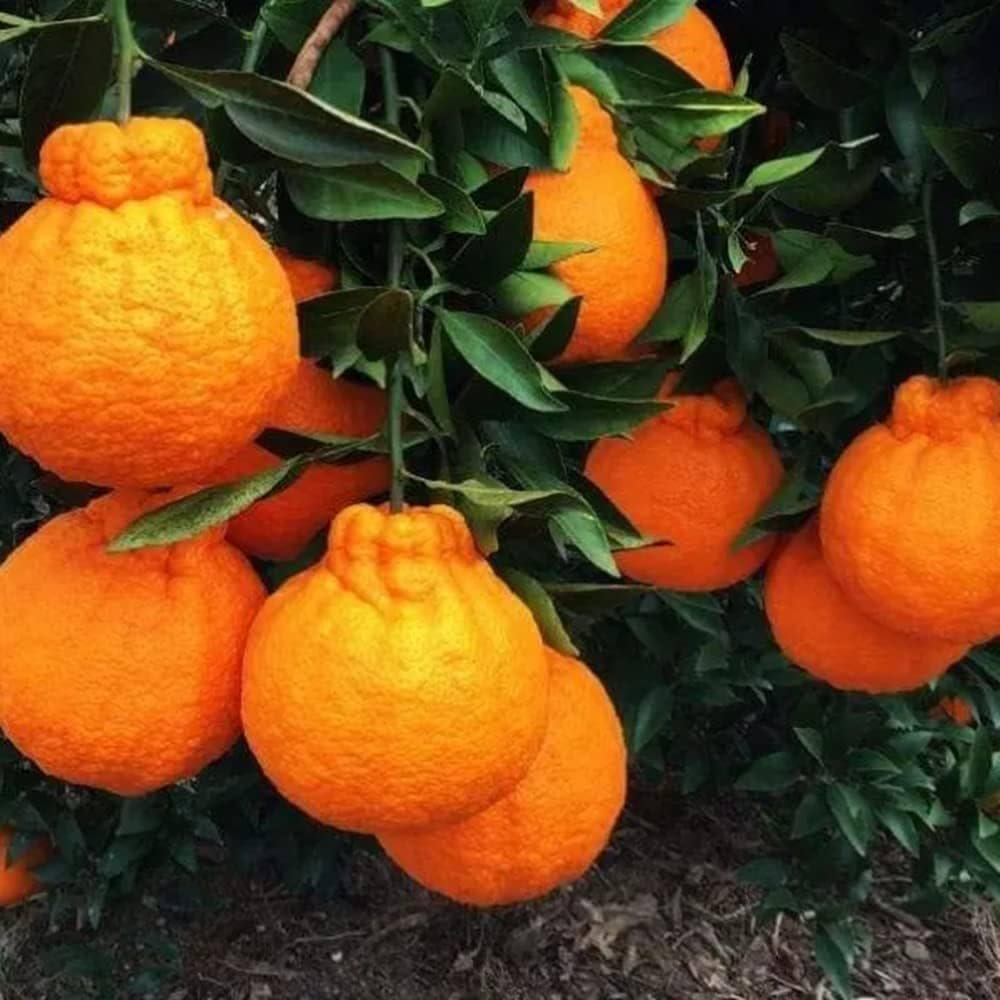
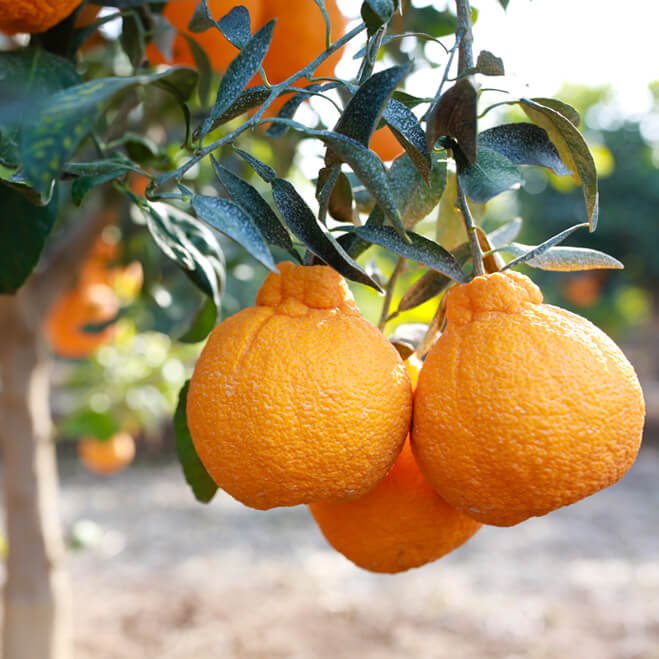
Dekopon orange original grafted plant
Original price was: ₹999.00.₹450.00Current price is: ₹450.00.Here’s a more detailed look:
Key Features:
-
Size and Shape:Dekopons are large for mandarins, averaging 8-10 cm in diameter. They have a round, oval, or oblate shape with a distinct protruding neck or bump (the “topknot”).
-
Flavor:They are known for their exceptionally high sugar content (13-18 degrees Brix) and low acidity, resulting in a very sweet and rich flavor. Some people describe it as resembling eating candy.
-
Appearance:The skin is bright orange, textured, and easy to peel. The flesh is juicy, seedless, and firm.
-
Origin:Dekopon is a hybrid between Kiyomi and ponkan, developed in Japan in the 1970s.
-
Other Names:Dekopon is also known as Shiranui or Sumo Orange.
-
Growth:Dekopon plants are high-yielding and thrive in well-drained soil and full sunlight.
-
Uses:Dekopons can be eaten fresh, added to salads, or used in various recipes. Their juice can be used in marinades, dressings, and glazes.
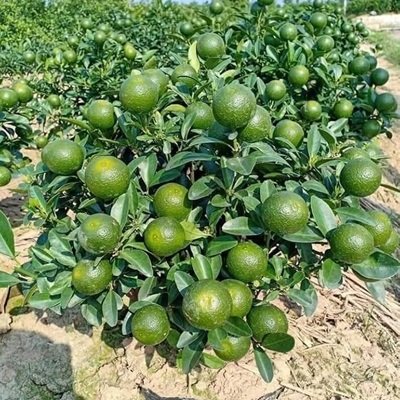
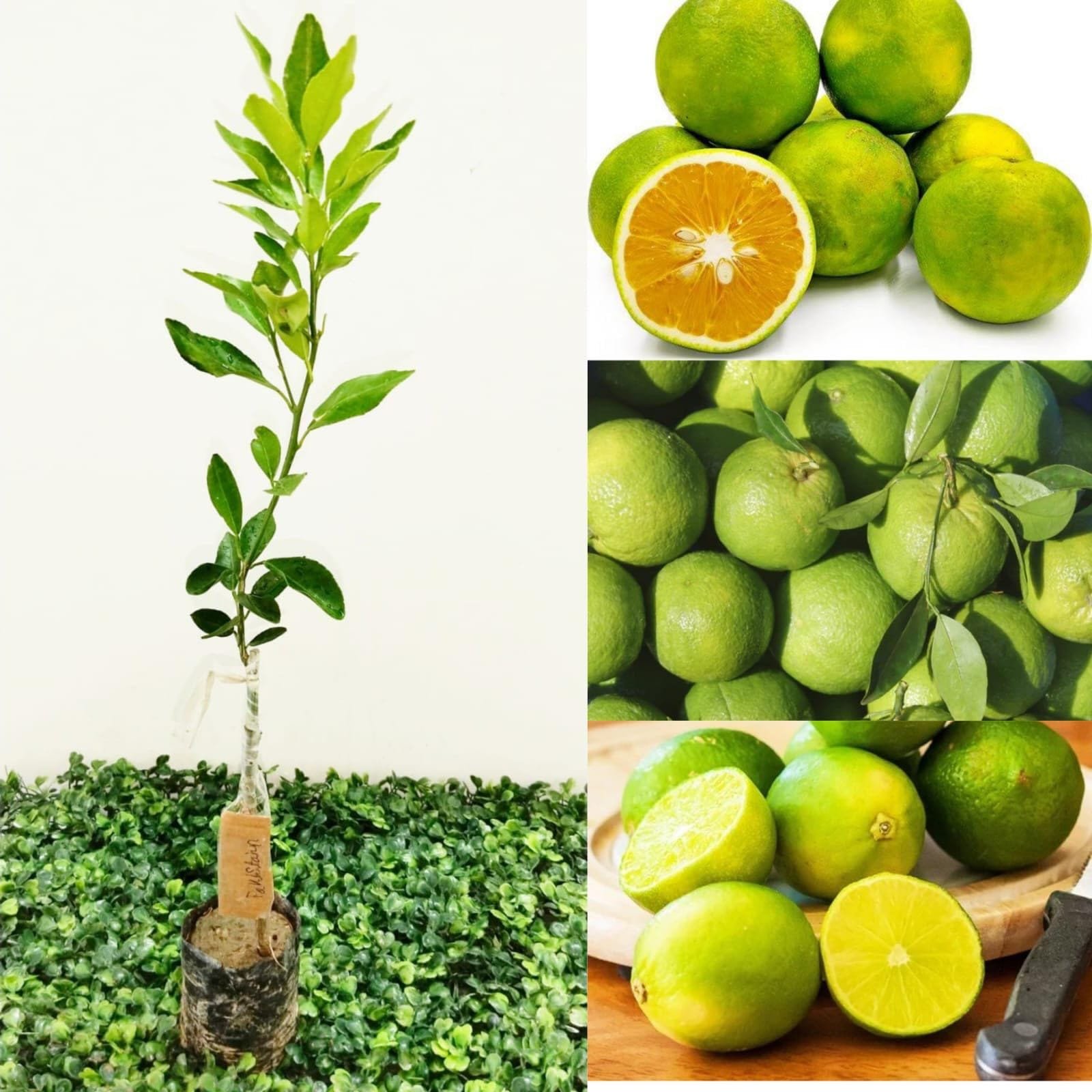
Pakistani malta (plant hight 2 feet) original grafted plant
Original price was: ₹799.00.₹400.00Current price is: ₹400.00.Here’s a more detailed description:
-
Fruit:
Pakistani Malta fruits are sweet and tangy, making them a popular choice for fresh consumption, juices, salads, and desserts.
-
Plant:
The trees are evergreen, with lush foliage, and produce a bountiful harvest of fruits.
-
Care:
The plants are relatively low-maintenance and can grow in various well-draining soil types.
-
Other names:
Pakistani Malta is also known as Mosambi.
-
Benefits:The fruit is known for its health benefits, including being a source of fiber, vitamins, and minerals.
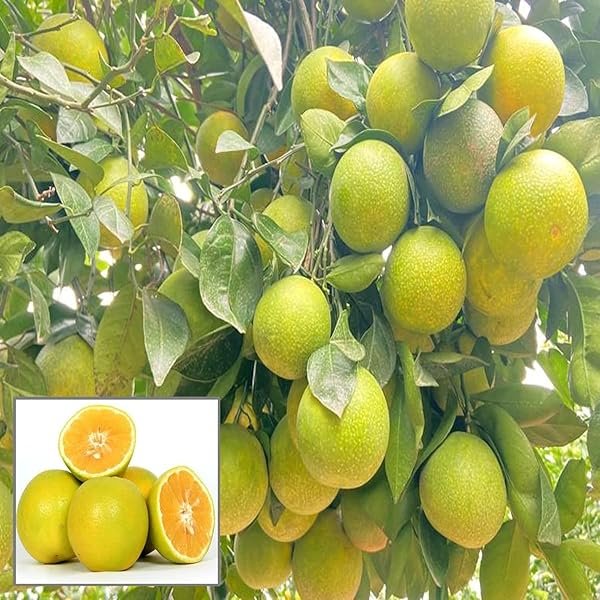
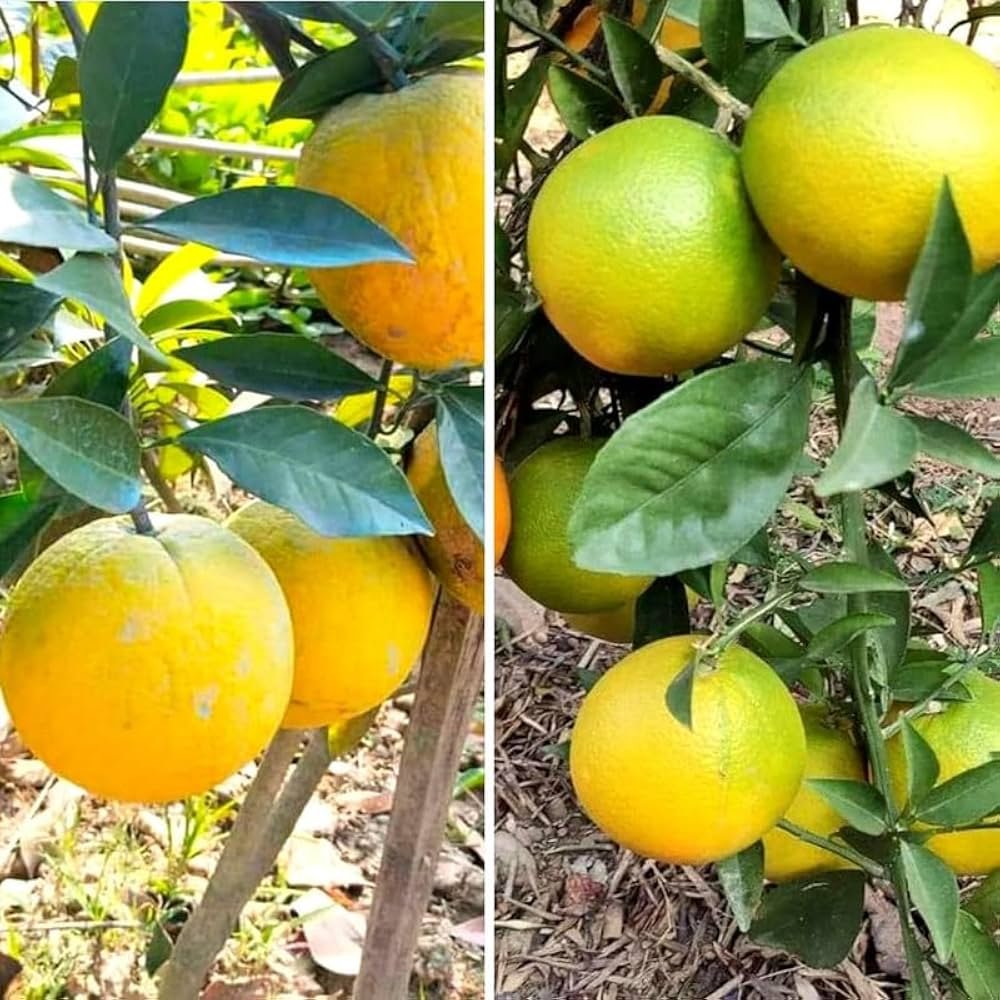
Mishoriya malta lemon plant (Hight 1.5-2 feet) Original grafted plant
Original price was: ₹999.00.₹400.00Current price is: ₹400.00.Here’s a more detailed description:
-
Fruit:Misoriyo Malta is a type of Mosambi, a citrus fruit, also known as sweet orange or Malta in some regions.
-
Color:The fruits are typically yellow both on the outside and inside.
-
Juice:They are known for having a higher juice content compared to other varieties of Mosambi.
-
Bearing:Misoriyo Malta is an “all-time” variety, meaning it can produce fruit throughout the year, with flowers and fruit at different stages on the same branch.


Malta bari 1 mousambi plant
Original price was: ₹999.00.₹300.00Current price is: ₹300.00.Care:
- Sunlight: Needs full sunlight.
- Soil: Prefers well-drained soil.
- Watering: Requires regular watering, especially during hot and dry periods.
- Fertilizing: Regular fertilization is recommended.
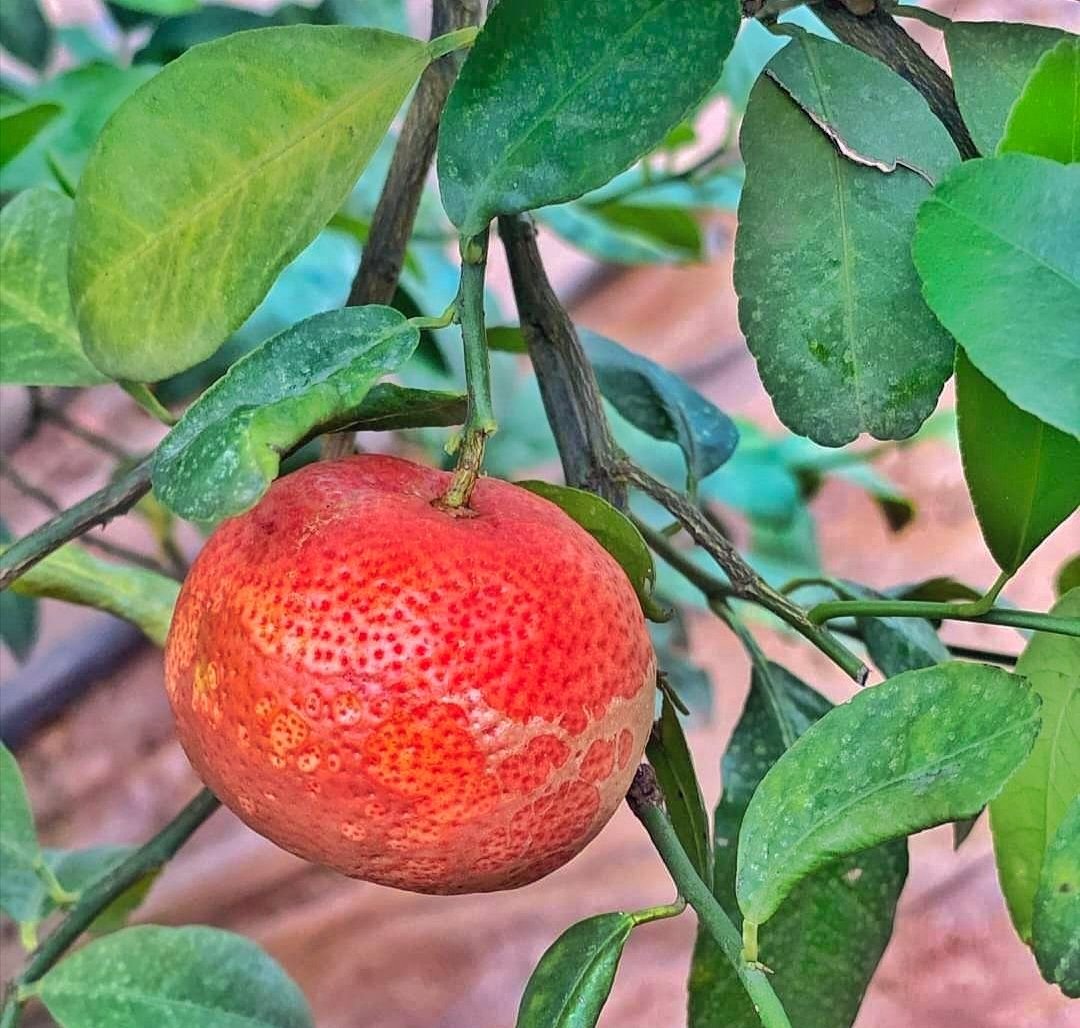
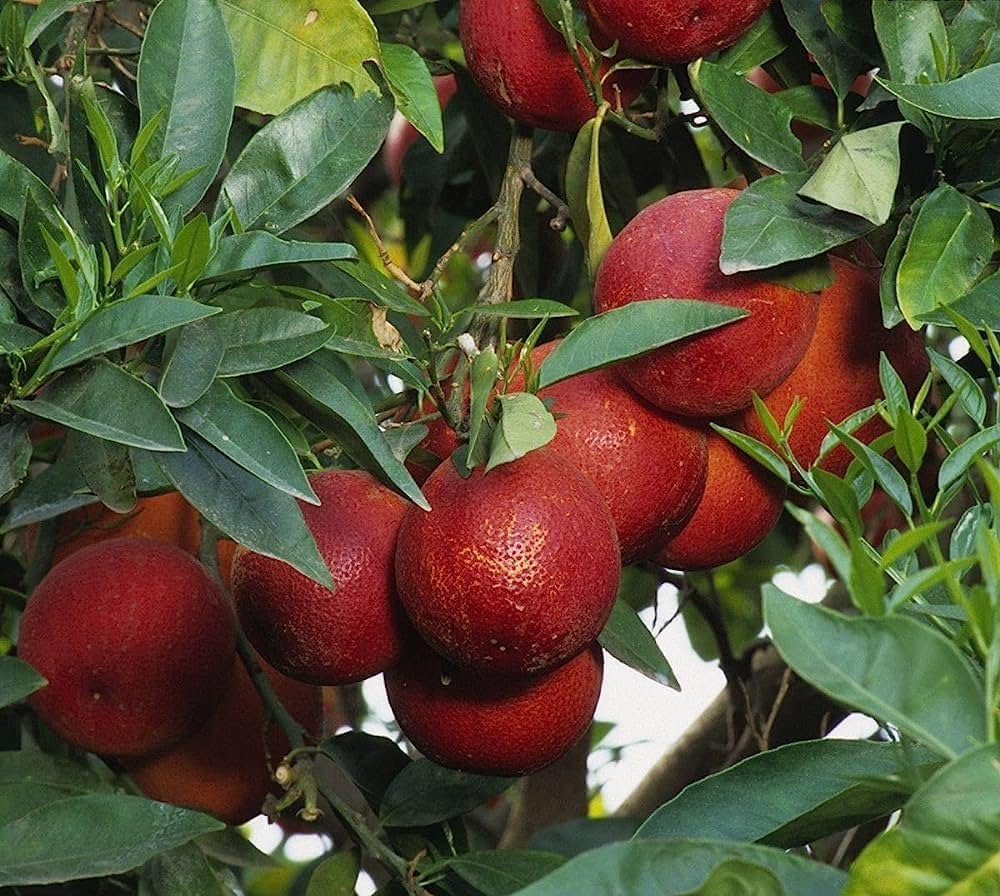
Red pati lemon plant
Original price was: ₹999.00.₹280.00Current price is: ₹280.00.Growing Conditions
- Sunlight: The plant thrives in full sunlight for at least 2-3 hours daily.
- Watering: Moderate watering is recommended, typically around half a glass of water twice a week.
- Fertilization: Regular fertilization with a general-purpose liquid fertilizer is beneficial.
- Soil: Well-drained soil is essential.
- Planting: Red pati lemon plants are typically grafted to ensure consistent fruit production and are often sold as grafted plants.
- Pruning: Pruning can help maintain the tree’s shape and size.