

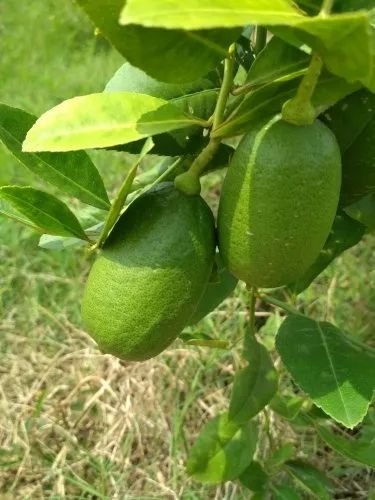
Kagji lemon plant
Original price was: ₹699.00.₹350.00Current price is: ₹350.00.Origin and Cultivation:
- Kagzi lemons are native to Southeast Asia.
- They are adaptable to various climates and can thrive in pots, making them suitable for urban gardening.
- They are known for their ability to produce fruit year-round.


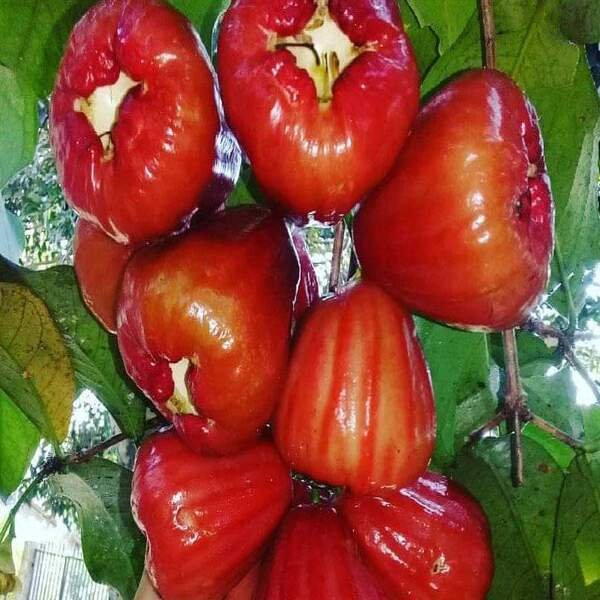
White water apple Plant
Original price was: ₹799.00.₹350.00Current price is: ₹350.00.Here’s a more detailed description:
- Appearance: The fruit is bell-shaped, with a thin, waxy skin that can range from red to green in color.
- Flesh: The flesh is white, juicy, and has a crisp texture.
- Taste: It has a sweet, low acidic taste, with a rose-scented aroma.
- Texture: The flesh has a loose weave, similar to a soft, juicy pear.
- Seed: The center holds a seed, often situated in a cotton-candy-like mesh.
- Size: Water apples typically measure about 5-8 cm in diameter.
- Other Names: Also known as rose apple, bell fruit, or wax apple.
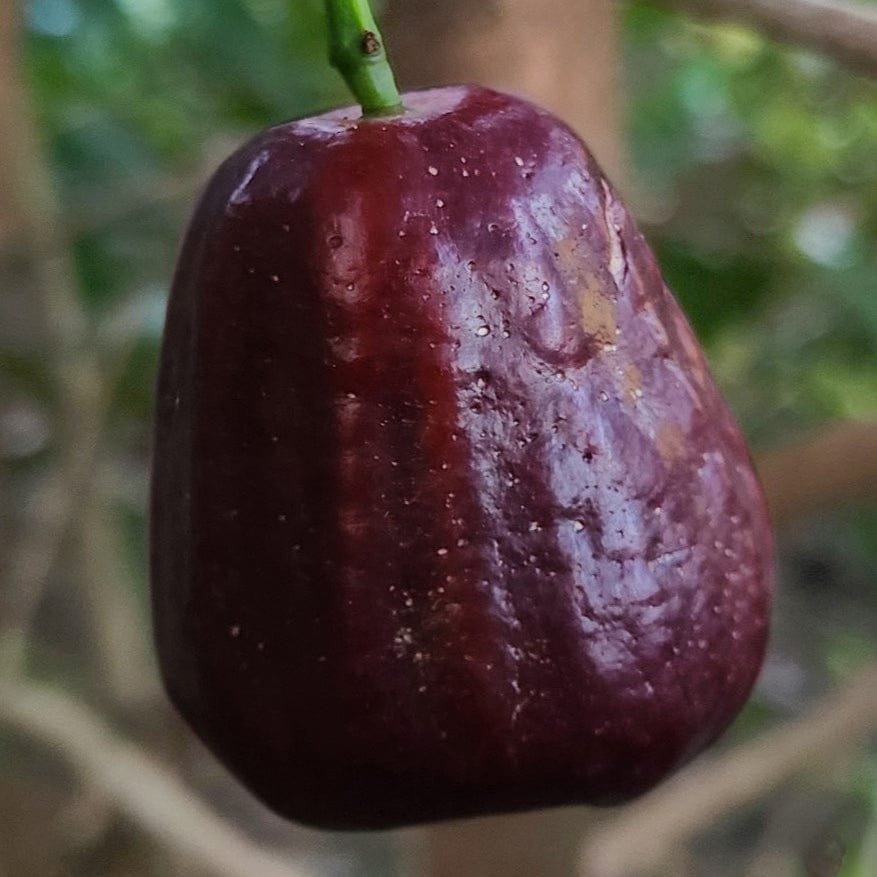
Dalhari chamba water apple Plant
Original price was: ₹1,299.00.₹450.00Current price is: ₹450.00.Key Features:
- Variety: A type of water apple (Syzygium samarangense).
- Taste & Size: Known for its large size and sweet flavor, making it a superior water guava.
- Productivity: High productivity, yielding 100-200 kilograms of fruit per season after reaching three or four years of age.
- Cultivation: Relatively easy to cultivate, suitable for home gardeners and commercial growers.
- Fruiting: Can bear fruit within 7 months to 1 year after planting.
- Commercial Value: The productivity and quality of the fruit make Dalhari a good choice for commercial cultivation.


Red Rubi Longan Plant
Original price was: ₹1,999.00.₹850.00Current price is: ₹850.00.Appearance:
- Size: Similar to a ping pong ball, about 1.5 inches in diameter.
- Color: Ruby-red to deep red skin, setting it apart from common longan varieties.
- Texture: Thin, leathery skin that is easy to peel.
- Flesh: Translucent white, juicy, and succulent.
- Seed: Small, round, and glossy black (typical of longan fruits).
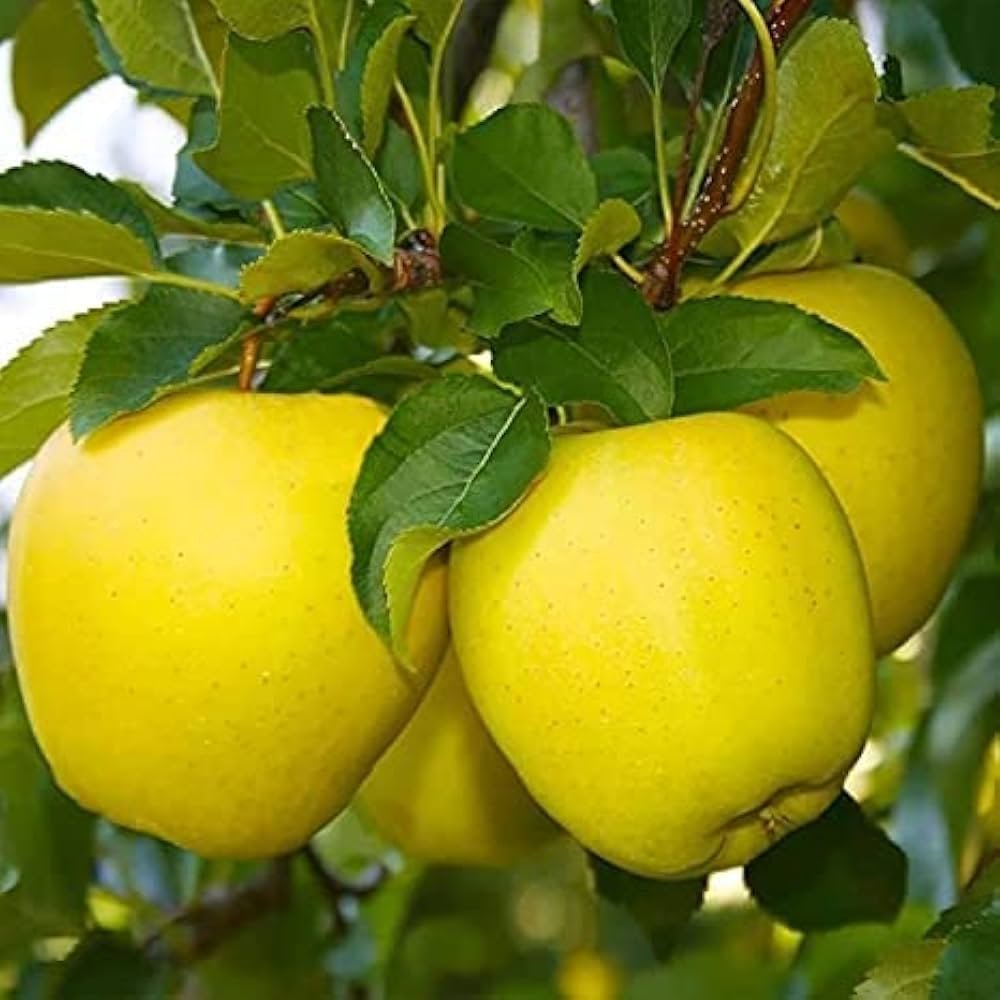
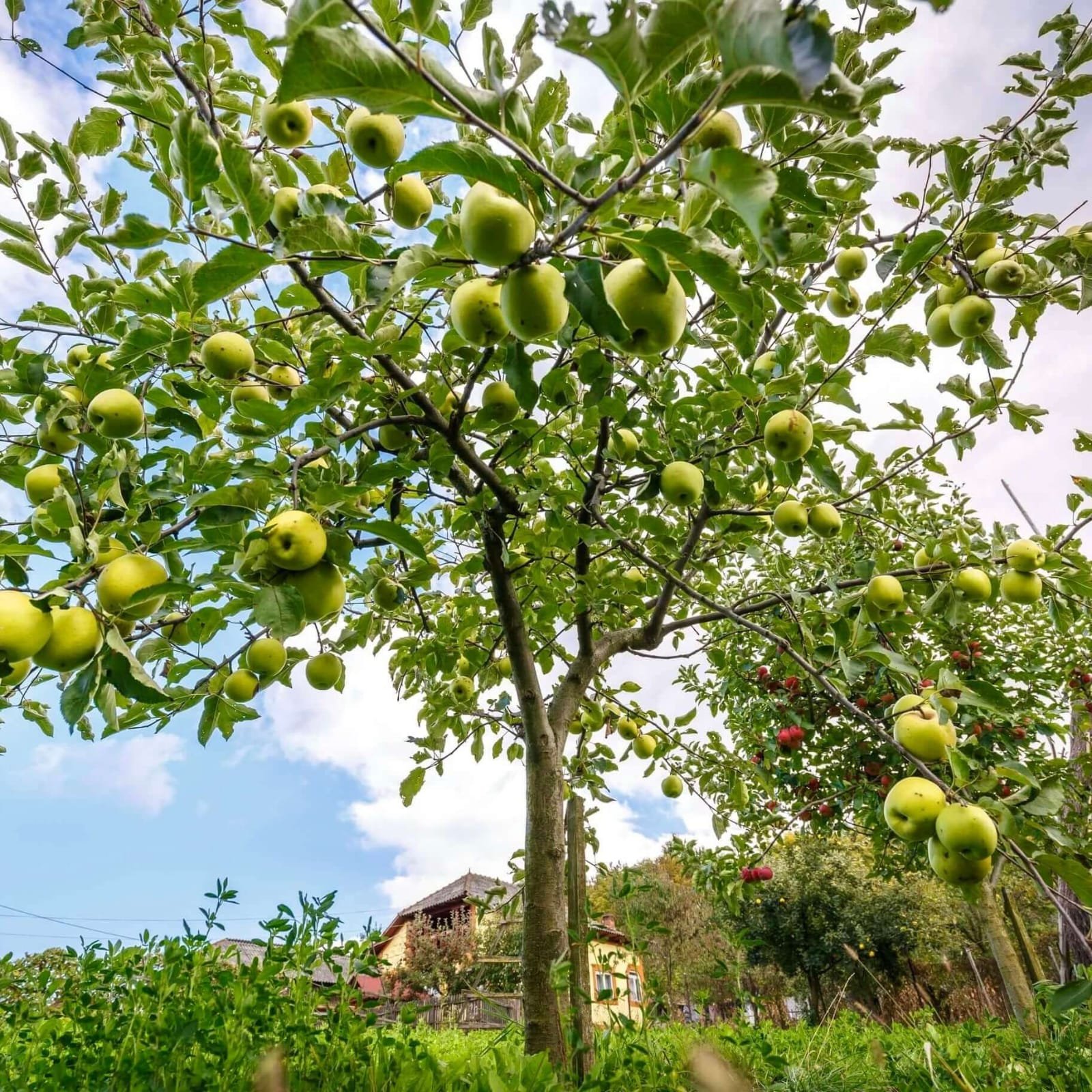
Golden Dorset Apple Plant
Original price was: ₹1,299.00.₹750.00Current price is: ₹750.00.Key Features:
- Appearance: Medium to large size, round to slightly conical shape, golden yellow skin with a pink blush, pale yellow flesh.
- Flavor: Sweet and slightly tangy with tropical undertones.
- Texture: Crisp and juicy.
- Ripening Time: Early season, typically late June to early July.
- Growing Requirements: Thrives in warm climates with low chill hours.
- Culinary Uses: Great for fresh eating, snacking, baking, and making cider.


Anna apple plant
Original price was: ₹999.00.₹600.00Current price is: ₹600.00.Here’s a more detailed description:
- Appearance: Anna apples have a round-conical shape and a thin, multicolored skin that is bright yellow-green with varying degrees of red blush, especially on the sun-exposed side.
- Taste: They have a sweet, mildly tangy flavor, often described as a balanced mix of sour and sweet, similar to a Gala apple.
- Texture: The flesh is crisp, succulent, and creamy.
- Use: Anna apples are versatile and can be enjoyed fresh, used in pies, applesauce, and other culinary creations.
- Storage: They store well for 6-8 weeks in the refrigerator.
- Tree Characteristics: Anna apple trees have a moderate growth habit, reaching 15 to 30 feet tall and wide. They require full sun exposure and well-drained soil, according to Monrovia Plant.
- Chill Hours: Anna apple trees have a low chill requirement, making them suitable for warmer climates. They need around 200 chill hours.
- Pollination: Anna apples are self-fertile, but having another apple tree nearby can improve fruit production.
- Harvest: Anna apples ripen in June and July.
Cricket ball Chiku plant
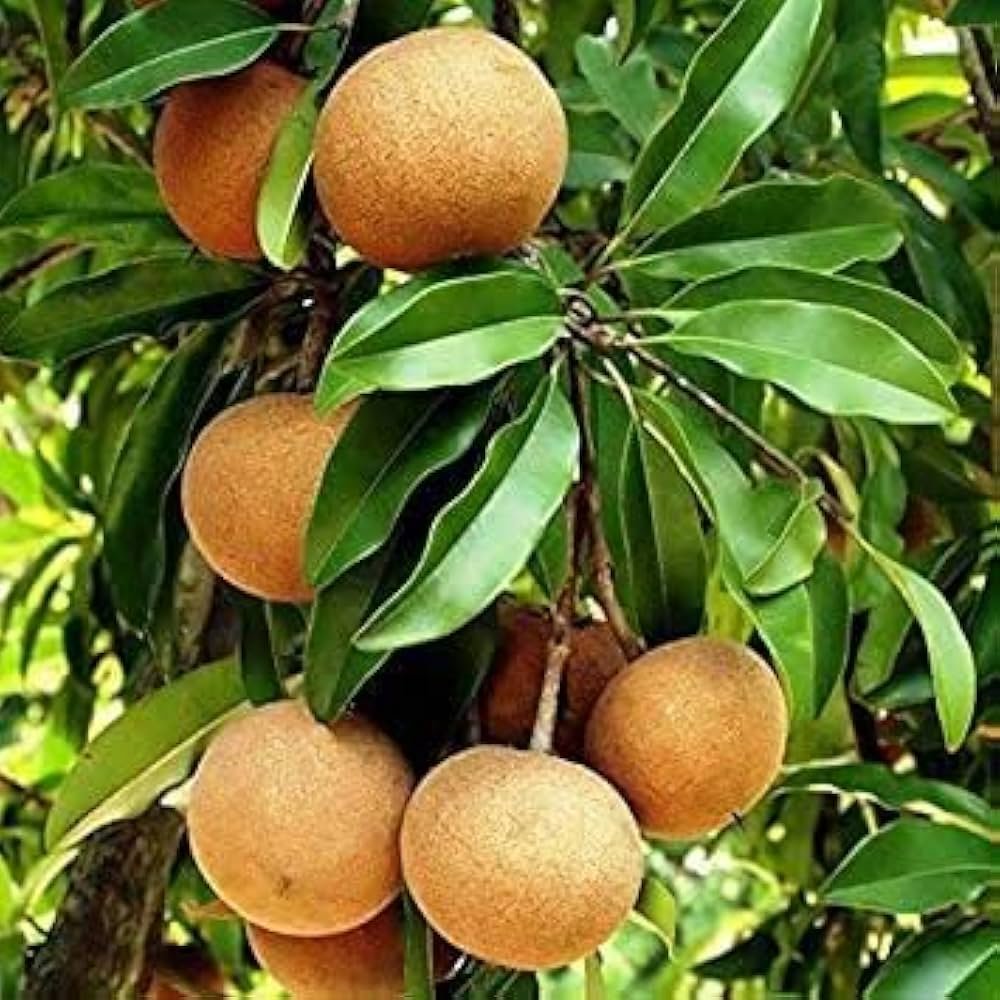
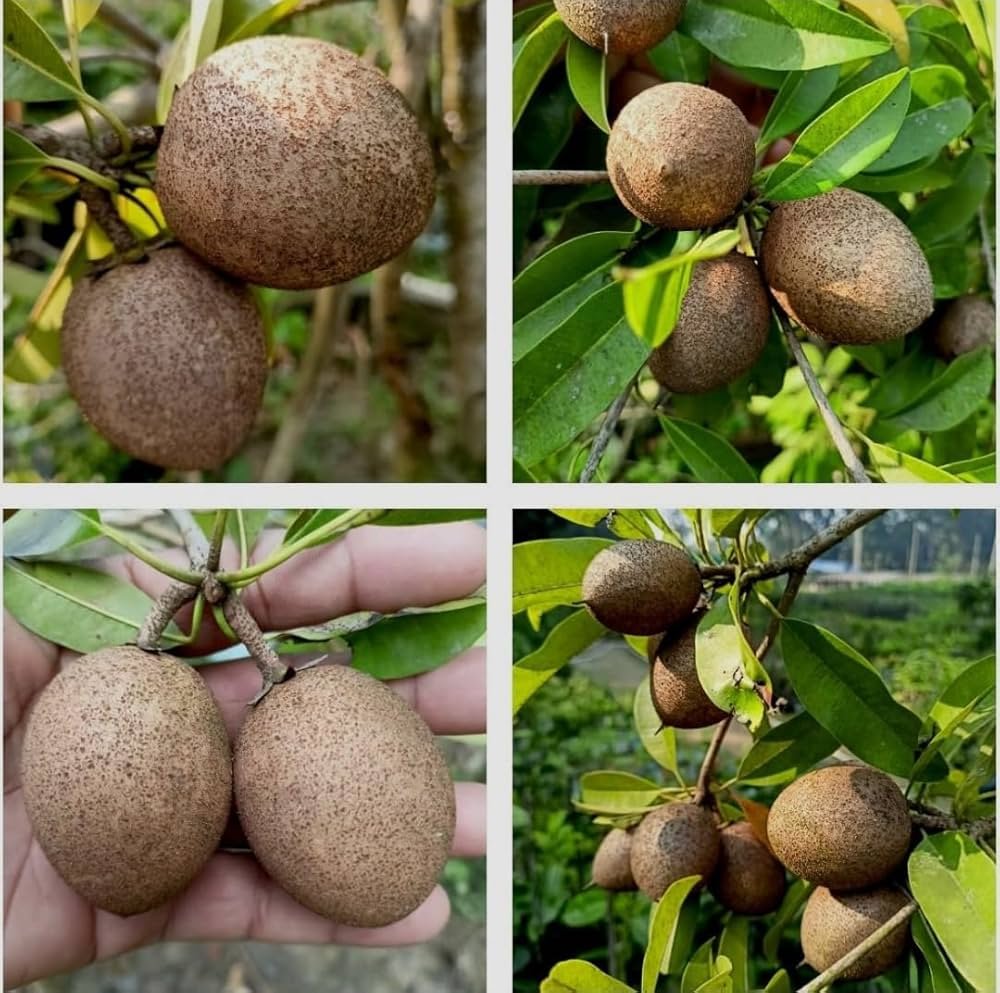
Original price was: ₹799.00.₹350.00Current price is: ₹350.00.Key Features of Cricket Ball Chiku:
- Size: The fruit is large and round, resembling a cricket ball in size and shape.
- Flavor: It has a sweet, caramel-like taste with a grainy texture.
- Appearance: The flesh is off-white to yellowish brown and has a soft, juicy texture.
- Nutritional Value: Rich in vitamins, minerals, and antioxidants.
- Tree: The sapota tree is evergreen and can grow up to 30-40 feet tall.
- Uses: The fruit is commonly eaten fresh or used in smoothies and desserts.
- Growing Conditions: Thrives in warm, tropical climates with well-drained soil and full sun.

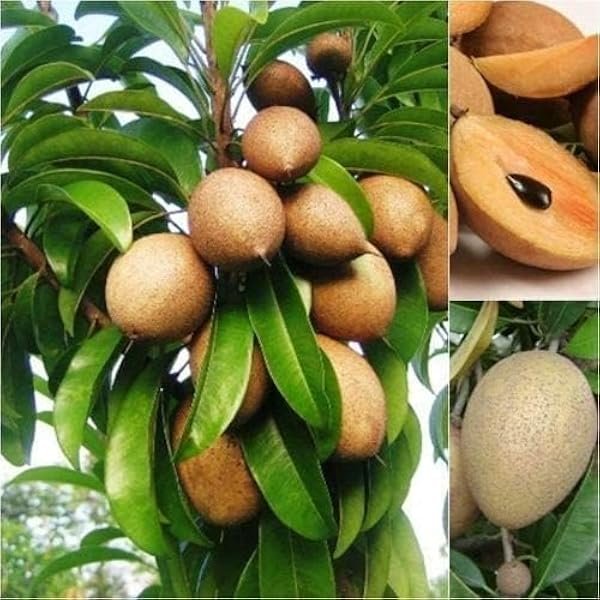
Kalapati Chiku Plant
Original price was: ₹999.00.₹350.00Current price is: ₹350.00.Cultivation:
- Climate: Thrives in warm, tropical climates.
- Sunlight: Requires at least 6 hours of sunlight per day, either direct or indirect.
- Soil: Prefers well-drained soil, loamy soil being ideal.
- Watering: Needs regular watering, especially during the first two years of growth.
- Fertilization: Benefits from balanced fertilizer applications every 2-3 months during the growing season.
- Pests and Diseases: Can be susceptible to pests like aphids and mealybugs, so monitoring and pest control measures may be needed.


Red Jackfruit Plant
Original price was: ₹999.00.₹450.00Current price is: ₹450.00.Key Characteristics of Red Jackfruit:
- Flesh Color: Red or maroon-colored flesh.
- Taste: Sweet, with a flavor that’s often described as a mix of banana, pineapple, and mango.
- Nutrient Content: High in vitamins, minerals, and antioxidants.
- Size: Jackfruit is the largest tree-borne fruit in the world, reaching up to 60 cm (about 2 feet) long and weighing up to 18 kg (about 40 pounds).
- Uses: Red Jackfruit is used in various culinary preparations, including jams, jellies, chutneys, and as a flavor in ice cream and beverages.
- Health Benefits: Jackfruit is a good source of B vitamins, potassium, and vitamin C.
- Growth Habit: Jackfruit trees are large and evergreen, with glossy, leathery leaves.
- Cultivation: Red Jackfruit trees are typically planted in full sunlight and require minimal pruning.
- Harvesting: Fruiting typically begins 3-5 years after planting.