
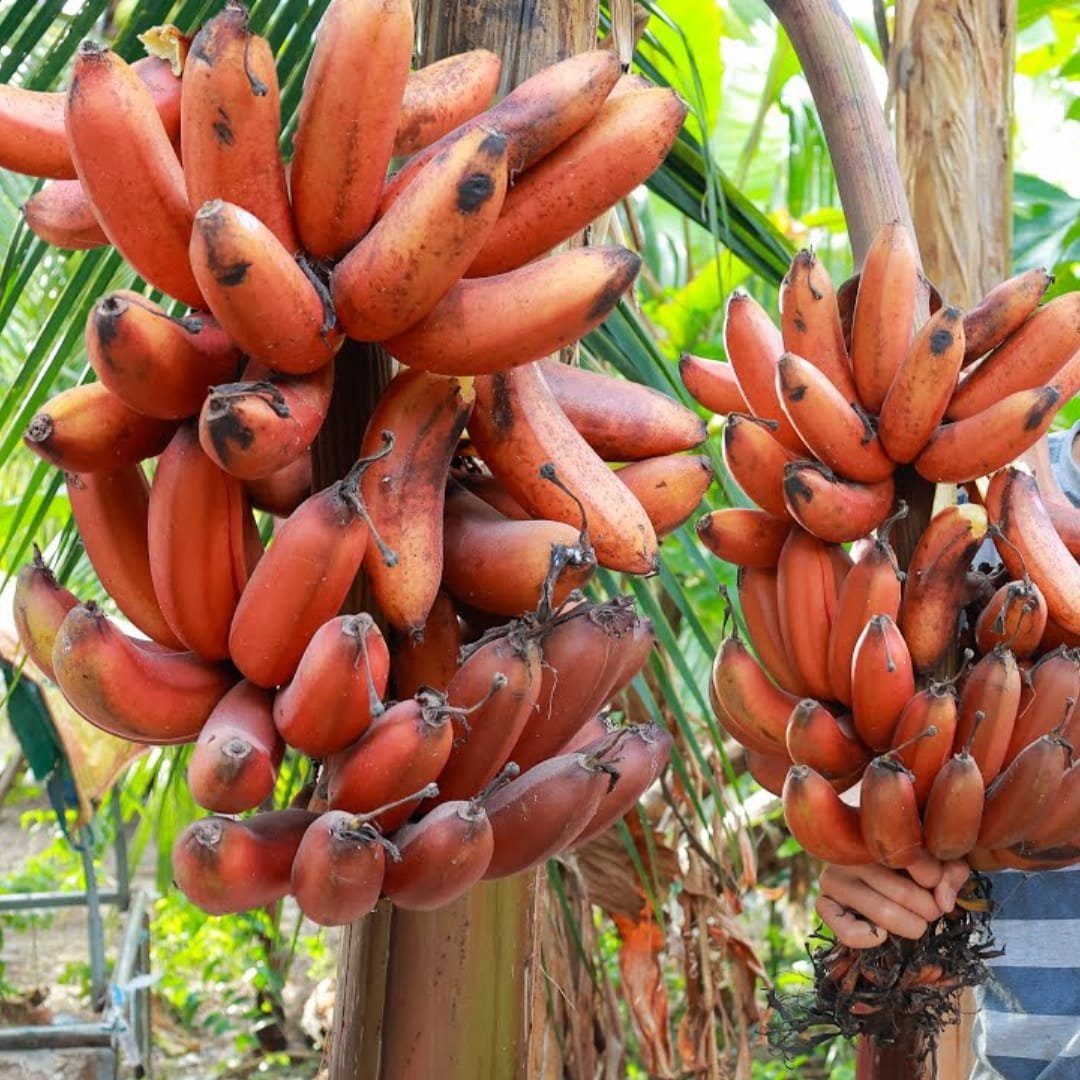
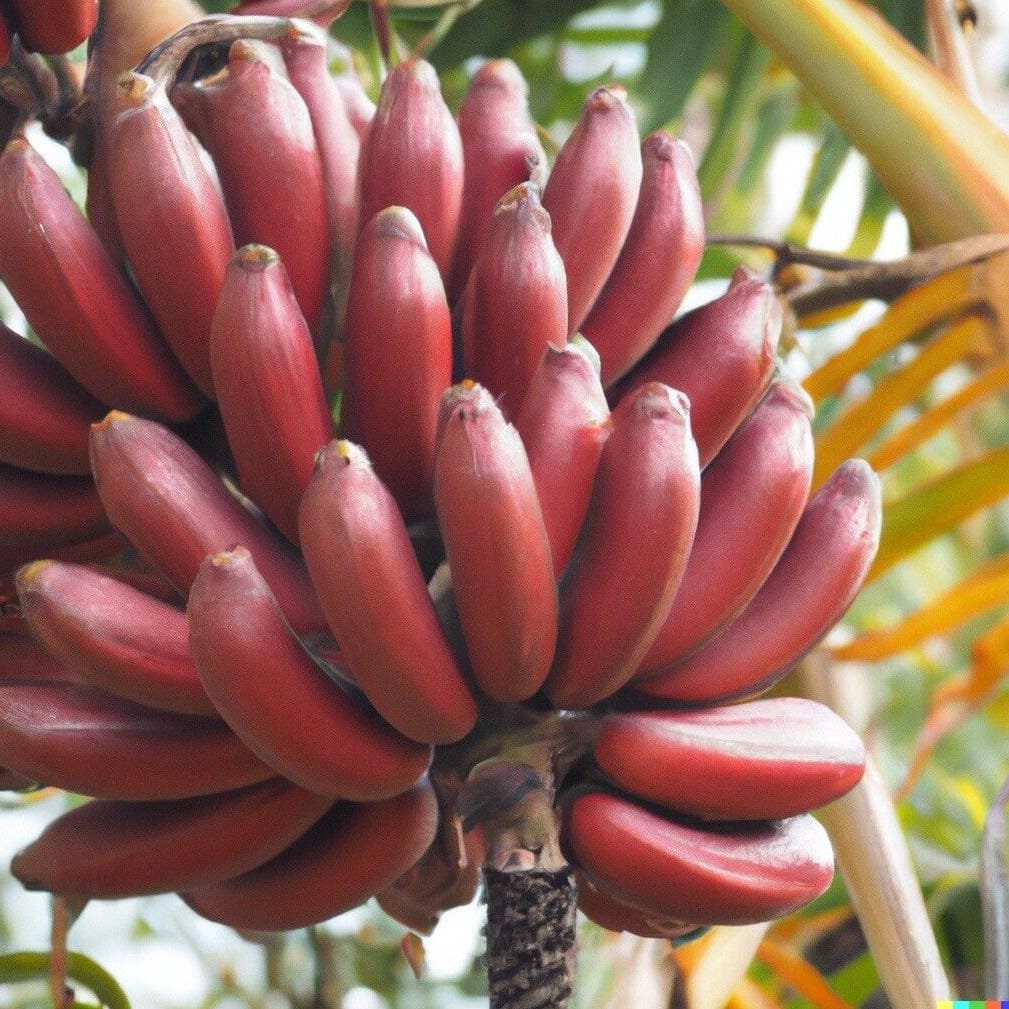
Red banana plant
Original price was: ₹799.00.₹250.00Current price is: ₹250.00.The red banana plant, scientifically known as Musa acuminata ‘Red Dacca’, is a captivating tropical plant renowned for its striking reddish-purple fruit and lush green foliage. Originating from Southeast Asia, it is now cultivated globally, including India, the US, New Zealand, Australia, and the Pacific Islands.
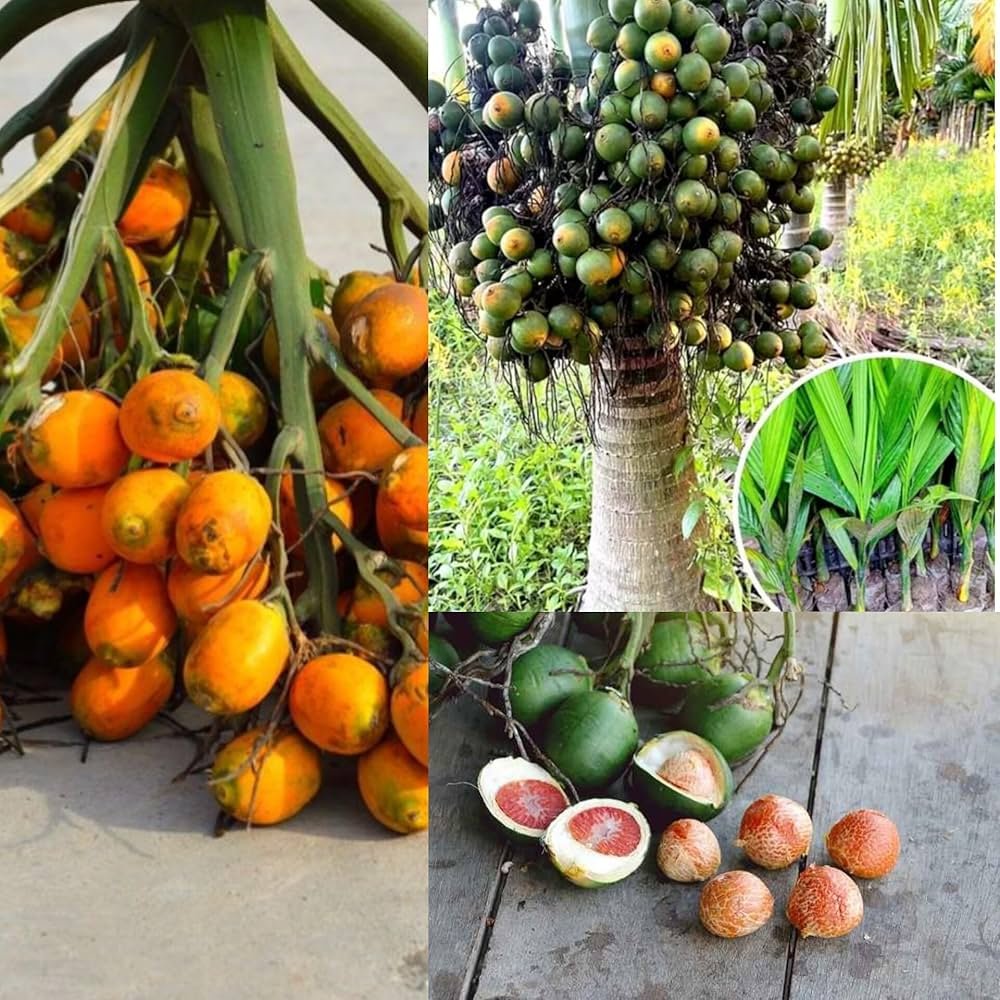
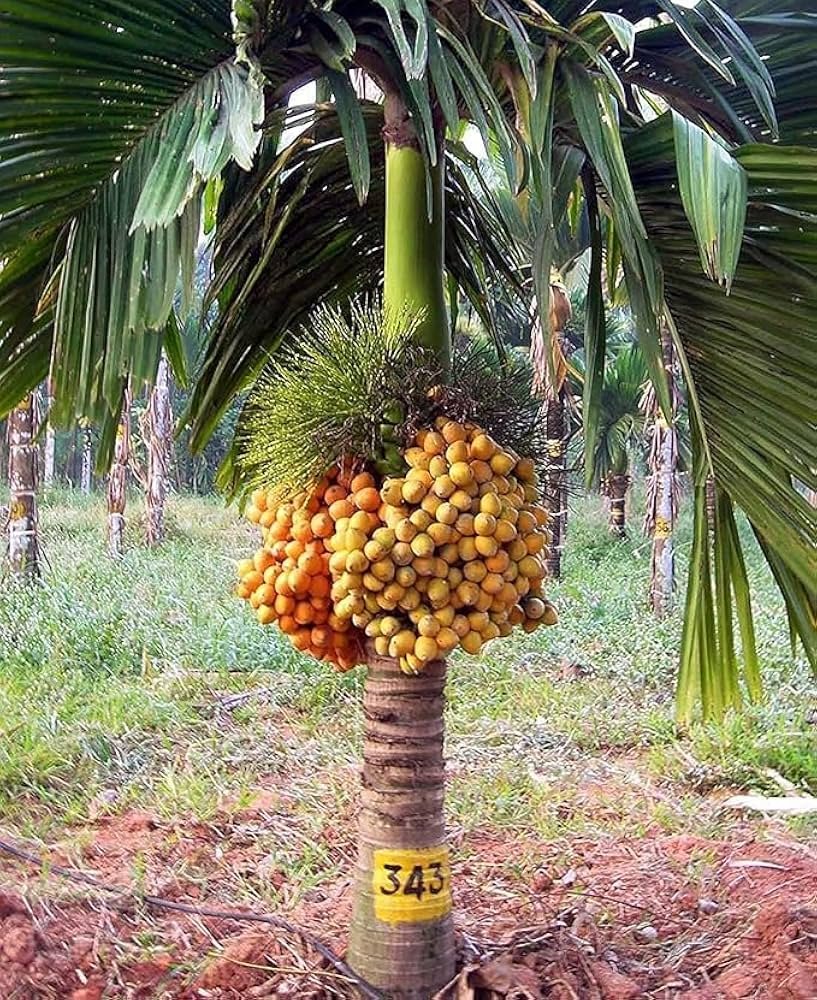
Hybrid Erica nut plant
Original price was: ₹799.00.₹250.00Current price is: ₹250.00.-
Increased Yield:
Hybrid arecanut plants generally have a higher yield potential compared to traditional varieties.
-
Improved Disease Resistance:
They are often bred to be more resistant to common diseases that affect arecanut plants.
-
Enhanced Nut Quality:
Hybrids can be selected for improved nut size, shape, and overall quality.
-
Adaptability:Some hybrids are bred to be more adaptable to different climates and soil conditions.


Seedless lemon plant
Original price was: ₹599.00.₹250.00Current price is: ₹250.00.Appearance:
- Shape: Ovoid or oval, similar to regular lemons.
- Size: Medium, typically ranging from 40 to 50 grams.
- Color: Bright yellow or greenish-yellow.
- Skin: Smooth and porous.
Features:
- Juice: They are known for their high juice content, around 52%.
- Seeds: The defining characteristic is the complete absence of seeds.
- Origin: Seedless lemons can originate from hybrid varieties or be naturally seedless cultivars.

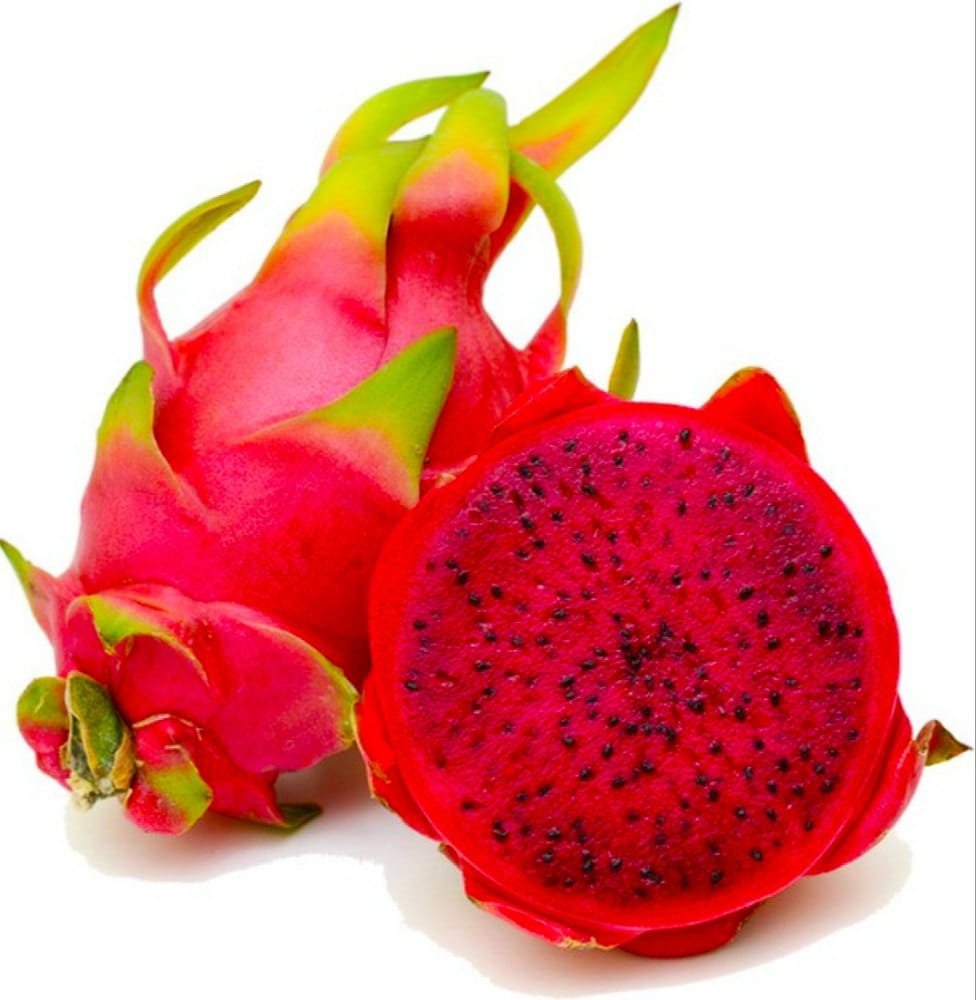
Jamboo red dragon Plant
Original price was: ₹499.00.₹250.00Current price is: ₹250.00.-
Appearance:
The skin ranges from bright pink to magenta and is covered in overlapping green, scale-like leaves.
-
Taste:
The flesh is white and has a mild, slightly sweet flavor with a texture similar to a ripe kiwi. The tiny black seeds add a slight crunch.
-
Size and Shape:
Red dragon fruits are typically oval to oblong in shape, with a range of sizes from small to medium.
-
Other notes:The Jambu Red variety is known for its striking appearance and sweet, berry-like flavor. It’s also a popular choice for fruit lovers due to its unique taste and visual appeal.
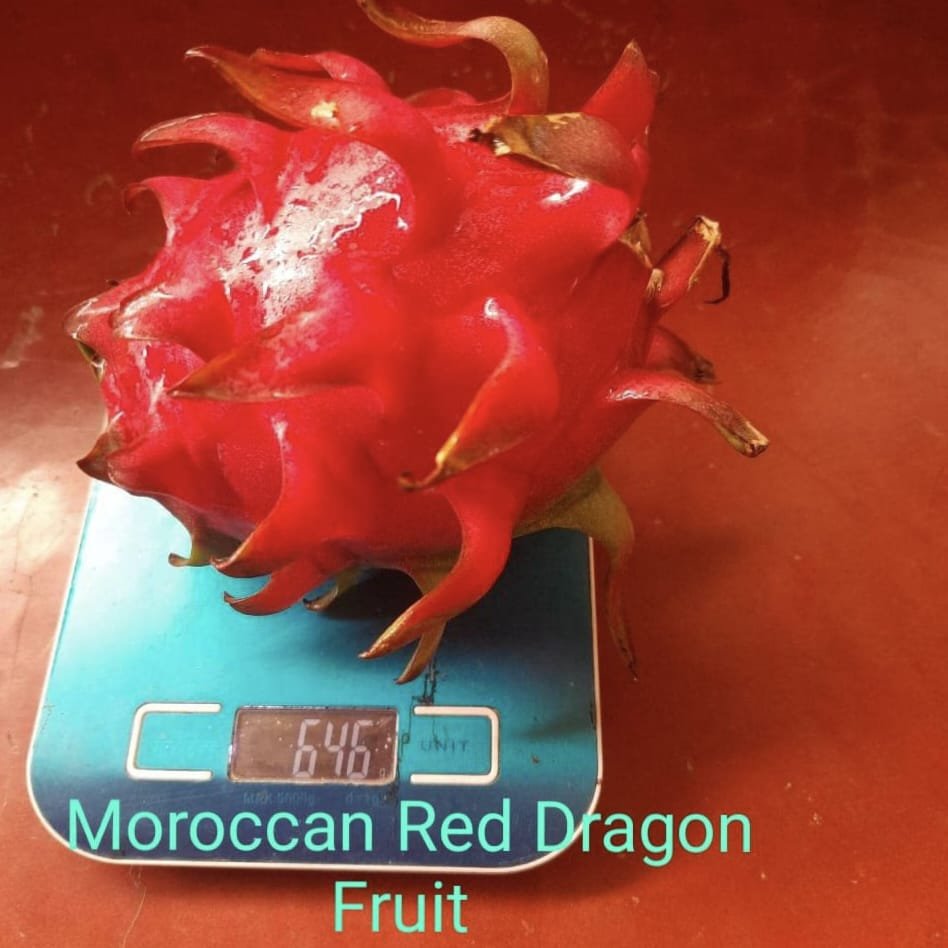

Moroccan Red dragon Plant
Original price was: ₹499.00.₹250.00Current price is: ₹250.00.- Skin: Bright red, with a scaly texture.
- Flesh: Can be white, pink, or red, depending on the cultivar.
- Seeds: Contains many tiny black seeds.
- Shape: The fruit is generally oval or cylindrical.
- Sweet, with a subtle melon-like flavor and a hint of kiwi.
- The seeds add a light crunch to the texture.


Taiwan Pink Guava Plant
Original price was: ₹599.00.₹250.00Current price is: ₹250.00.-
Appearance:Ripe Taiwan pink guava has a pinkish-orange flesh and a smooth, pale green-yellow skin.
-
Taste:It’s described as sweet, with a pleasant tropical scent and a slightly tangy flavor.
-
Nutritional Value:It’s rich in vitamins, fiber, and antioxidants, making it a healthy and nutritious choice.
-
Growing:Taiwan pink guava plants thrive in tropical and subtropical climates with ample sunlight and warm temperatures. They also require well-draining soil.


Vnr Guava Plant
Original price was: ₹599.00.₹250.00Current price is: ₹250.00.- Large size: Fruits typically range from 300 to 1000 grams.
- Uniform color: Fruits have a consistent and appealing color.
- Thick pericarp: The outer layer of the fruit is thick, and the seed cavity is small.
- Early fruiting: Harvesting is suggested from the second year onwards.
- Good shelf life: Fruits can stay on the tree for 10-12 days and have a shelf life of 15 days, extending to 30 days under refrigeration.
- Good balance of acid and sugar: The fruit has a good balance of sweetness and acidity.
- High profitability: The variety is known for its high profitability.
- Staggered harvesting: Fruits can be harvested in stages as they ripen, ensuring a continuous supply.
- Suitable for long-distance transport: The thick pericarp and good shelf life make this variety suitable for long-distance transport.


Ball Sundari Applr Ber Plant
Original price was: ₹799.00.₹250.00Current price is: ₹250.00.- Fruit Appearance: Round, smooth, and glossy, resembling an apple.
- Flavor: Sweet and juicy.
- Size: Can reach 150-300g per fruit.
- Tree: Small, spreading tree with drooping branches.
- Cultivation: Can be grown as an intercrop in coconut farms, making it suitable for farmers with limited land.
- Uses: Fresh consumption, jams, preserves, and other sweet dishes.
- Nutritional Value: Rich in vitamins and minerals.
- Shelf Life: Long shelf life, can be stored for several months without losing quality.
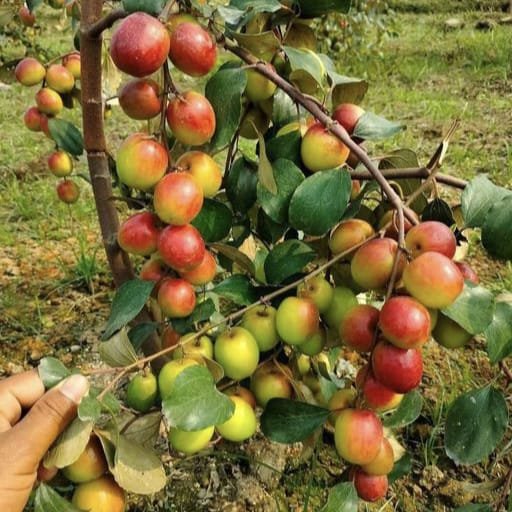

Miss India Apple Ber
Original price was: ₹799.00.₹250.00Current price is: ₹250.00.-
- Taste: Sweet and tangy, with a crisp, crunchy texture.
- Fruit: Round, shiny, reddish-brown fruit.
- Taste: Sweet and tangy, with a crisp, crunchy texture.
- Growth: Can be grown in various Indian climates and soil types, both in gardens and pots.
- Early ripening: One of the first ber varieties to ripen in the season.
- Cultural significance: A favorite fruit in India, often used in festivals and as a sweet treat.
- Nutritional value: Rich in nutrients and antioxidants.
- Availability: Readily available for purchase as plants or fruits.