
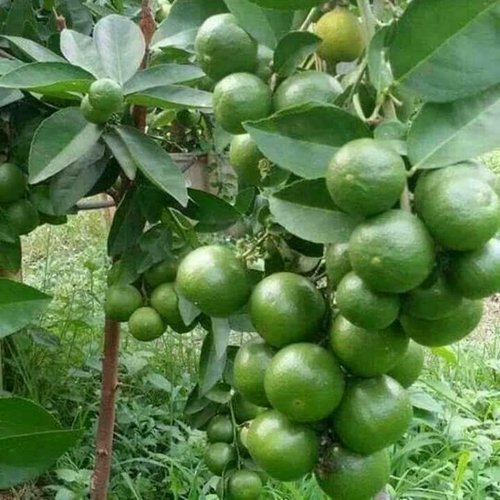
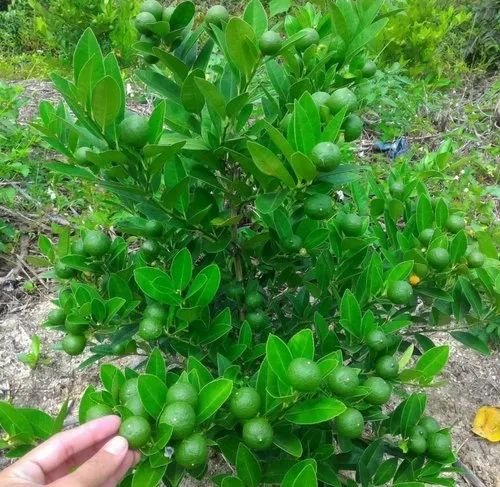
Pakistani pati lemon plant (Pack of 1)
Original price was: ₹999.00.₹500.00Current price is: ₹500.00.ThePakistani pati lemon plant ,also known as the Pati lemon, is a vigorous, compact evergreen tree that yields medium-sized, round, bright yellow lemons with smooth skin. It’s known for high fruit yield, producing bunches of juicy, often seedless, fruits multiple times a year.


Almond plant
Original price was: ₹999.00.₹400.00Current price is: ₹400.00.The “almond plant” can refer to two different, though related, trees: the Indian almond (Terminalia catappa) and the almond tree (Prunus dulcis). The Indian almond is a large, deciduous tropical tree known for its broad, glossy leaves that turn vibrant colors before falling, and its edible seeds, also called almonds. The almond tree, native to the Middle East and Mediterranean, is cultivated for its edible nuts (also called almonds) and has a distinct appearance with a spreading canopy and a sturdy trunk.
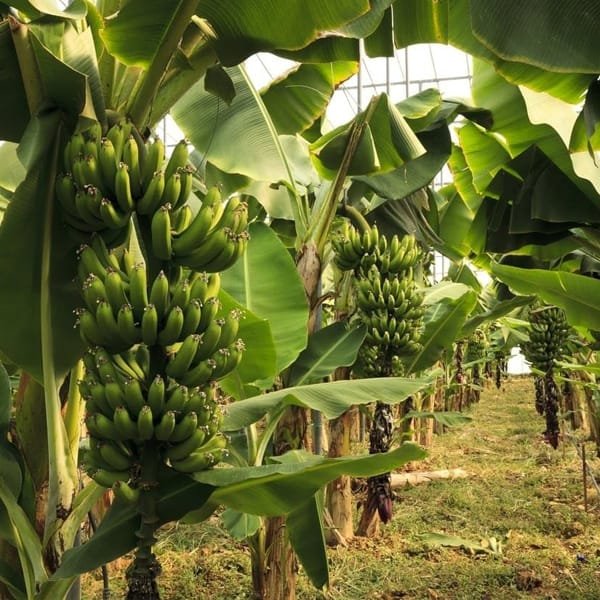
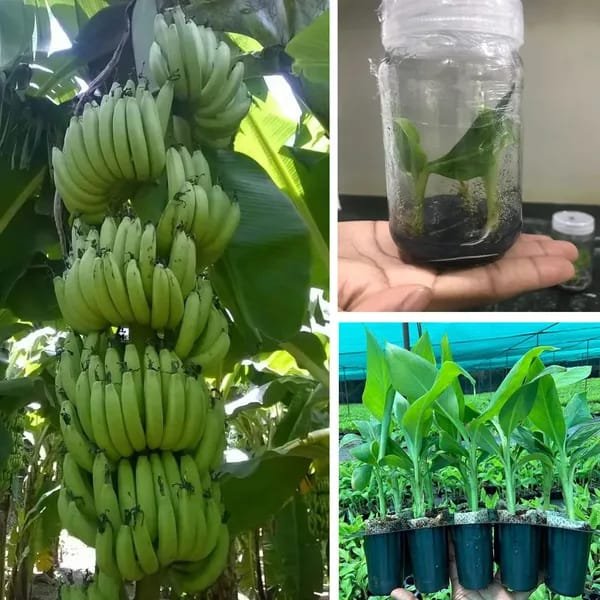
G9 Banana plant
Original price was: ₹499.00.₹220.00Current price is: ₹220.00.The G9 banana plant, also known as Grand Naine, is a high-yielding Cavendish variety, recognized for its large, sweet, and creamy yellow fruits. It typically reaches a height of 6.5 to 7.5 feet. The G9 is well-suited to Indian climates and can be grown in gardens or pots. It’s known for its export quality, with 16 hands and 225-250 fruits per plant.
Olive plant
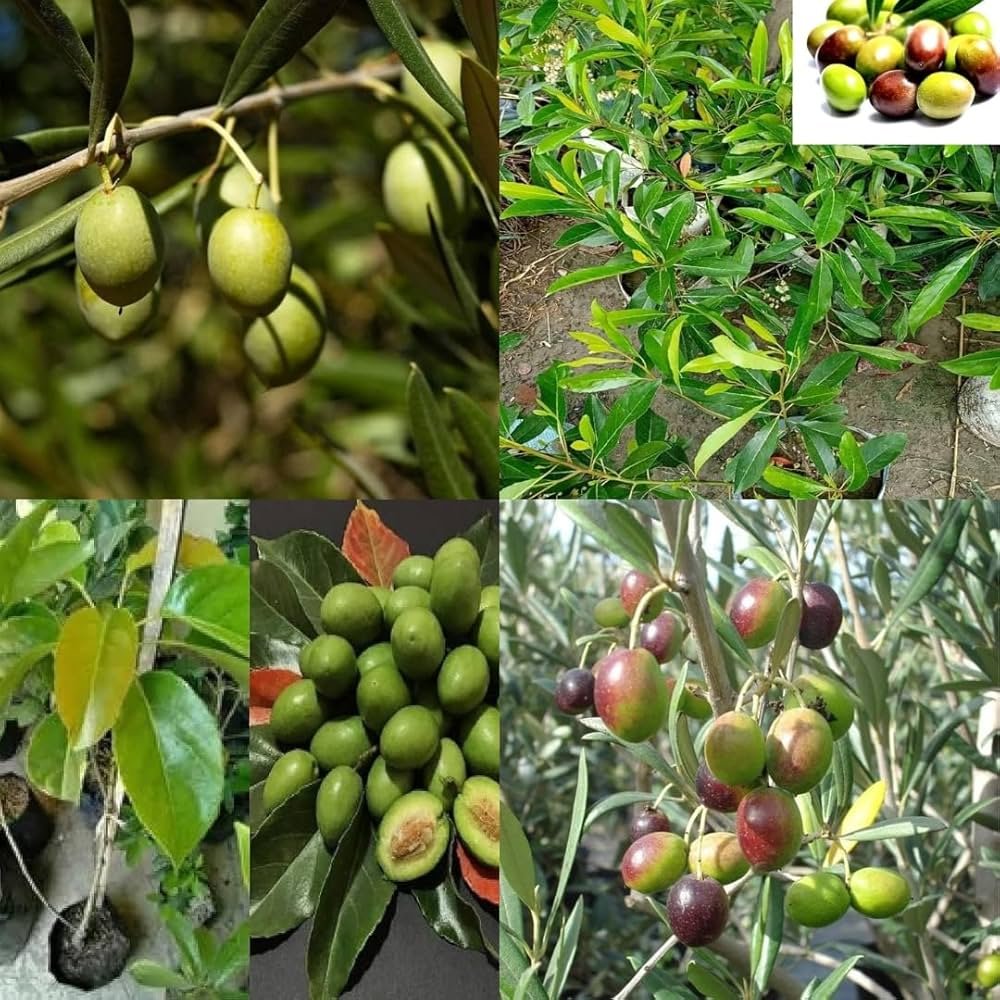
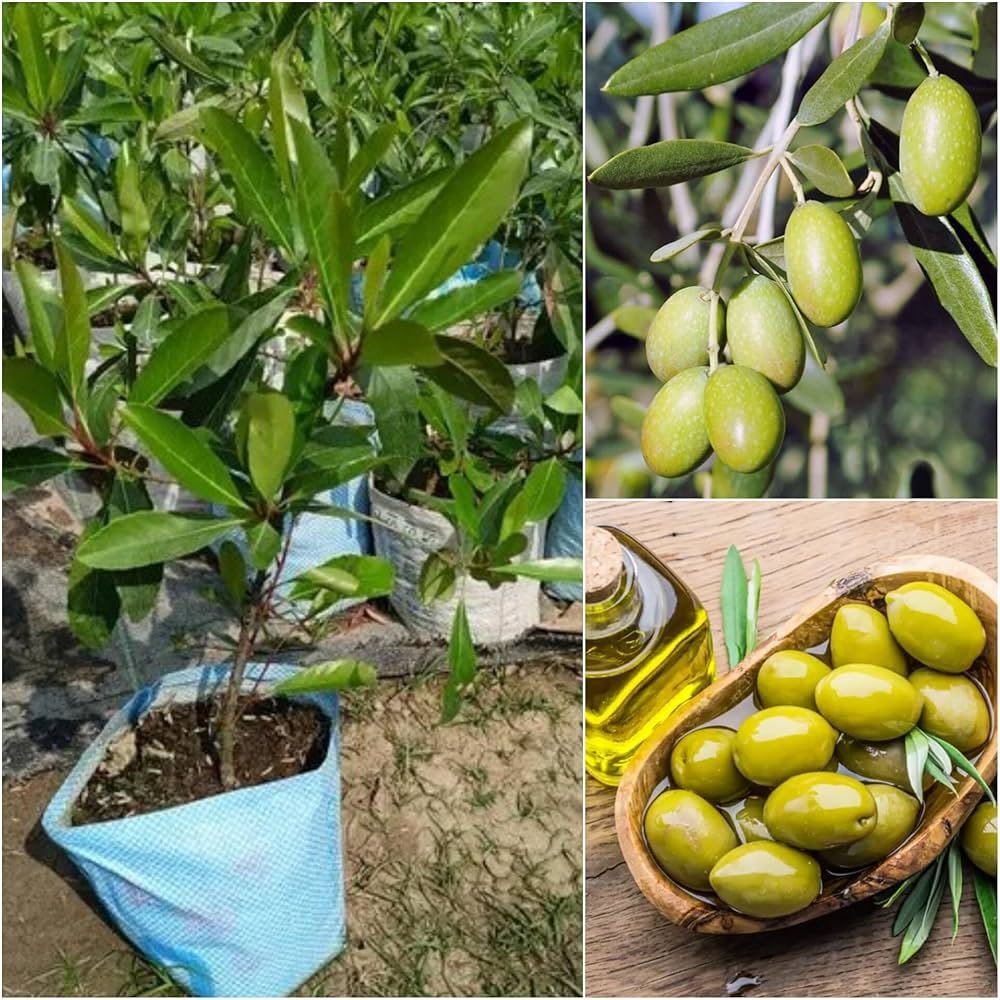
Original price was: ₹799.00.₹400.00Current price is: ₹400.00.The olive plant, scientifically known as Olea europaea, is a small, evergreen tree or shrub cultivated for its edible fruits (olives) and oil. It’s characterized by a gnarled trunk, silvery-gray bark, and narrow, leathery leaves with a distinctive silvery underside. Olive trees are known for their resilience and longevity, with some individuals living for centuries.
Pune fig (anjeer) plant
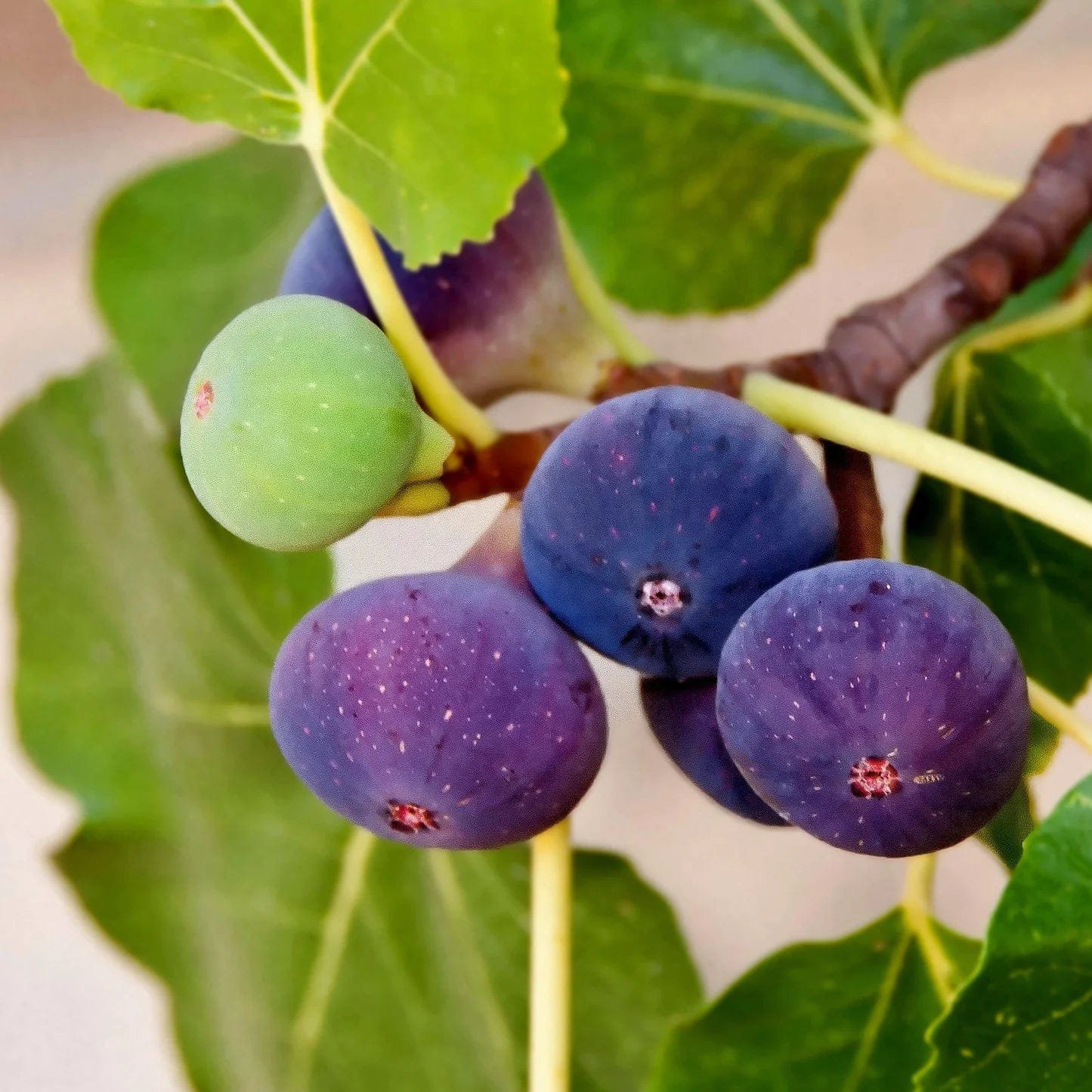
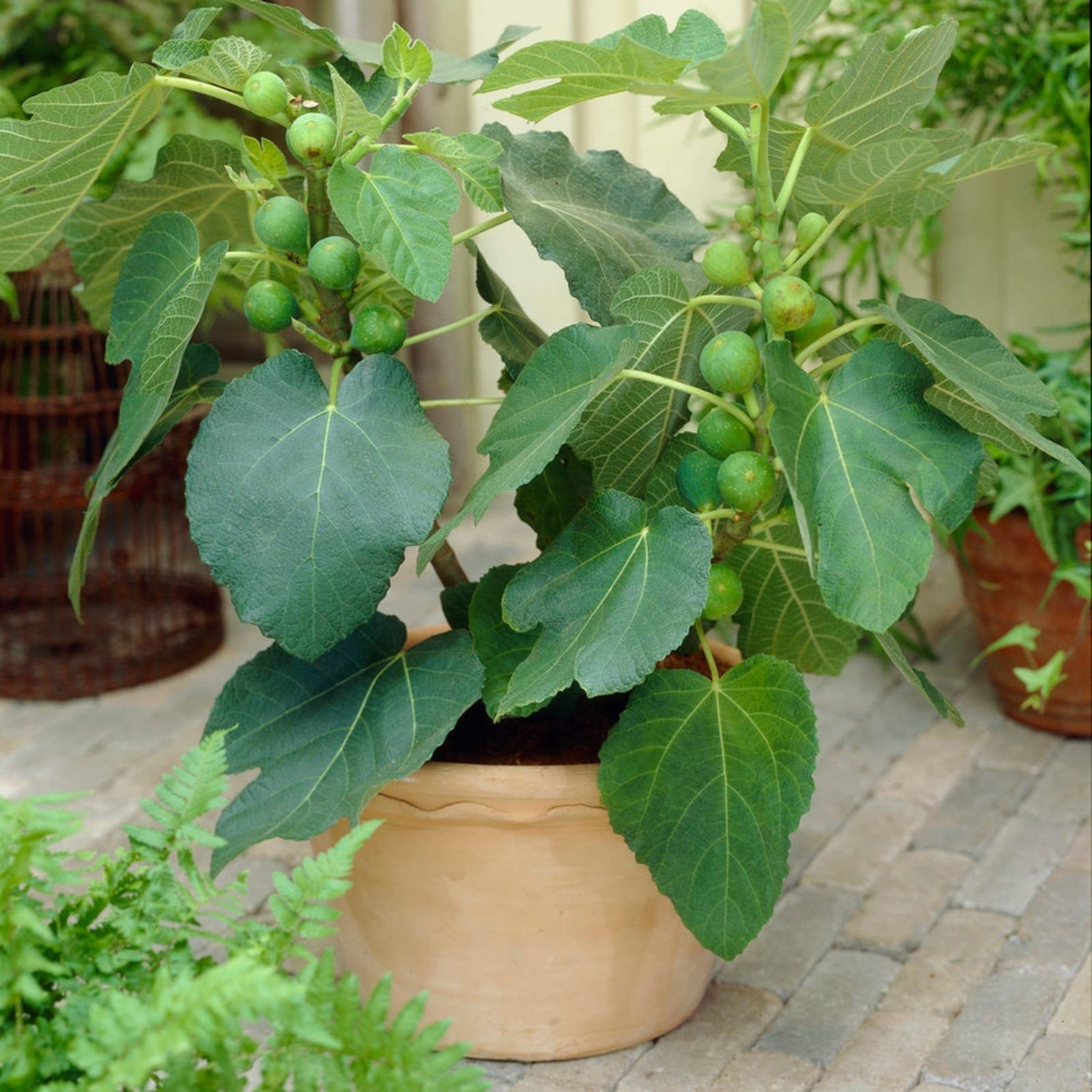
Original price was: ₹799.00.₹380.00Current price is: ₹380.00.The Pune fig, also known as Anjeer in India, is a variety of the common fig (Ficus carica) that is popular in the Pune region of western India, known for its sweet and juicy fruit. It’s a fast-growing tree that produces large, sweet figs, often ready for harvest in early and late summer. Pune Red figs are characterized by their bell shape, thin skin, light purple color with red flesh, and sweet, rich flavor.
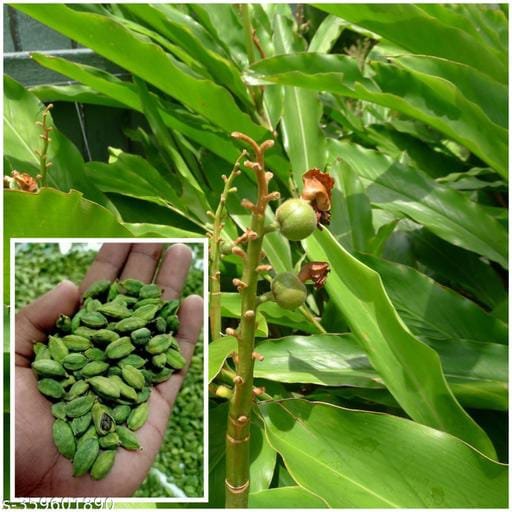
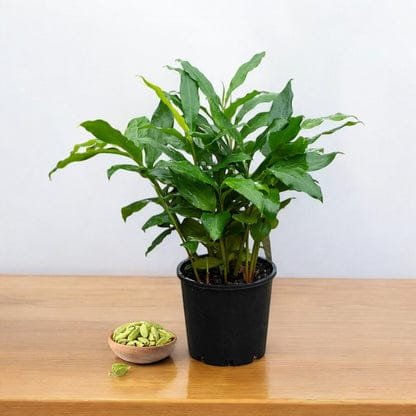
Elachi plant
₹799.00The Elaichi (or Cardamom) plant is a perennial herb, reaching heights of 5 to 10 feet, with a preference for warm, humid climates and partial shade. It has long, lance-shaped green leaves and produces small, fragrant flowers that eventually develop into the seed pods containing the prized cardamom spice. The plant thrives in rich, loamy, slightly acidic soil and requires consistent moisture.

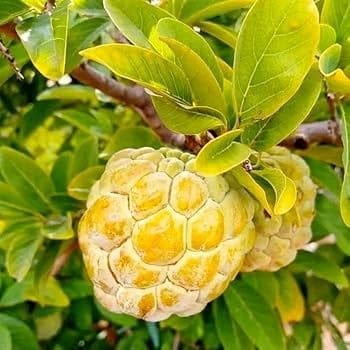
Golden Custard apple plant
Original price was: ₹999.00.₹450.00Current price is: ₹450.00.- Botanical Name: Annona squamosa
- Common Names: Sugar apple, sweetsop, custard apple
- Type: Small, semi-evergreen tree
- Height: Up to 8 meters (26 feet)
- Leaves: Leathery, smooth, dark green to wooly green
- Flowers: Pale yellow to greenish, fragrant
- Bark: Light brown with visible scars


Sweet Imli plant
Original price was: ₹999.00.₹500.00Current price is: ₹500.00.-
-
Taste:
The fruit is sweeter and less sour than regular tamarind, making it a popular snack or ingredient in dishes.
-
Uses:
The pulp is used in chutneys, sauces, beverages, and desserts, particularly in Indian and Southeast Asian cuisine.
-
-
Growth:
Sweet tamarind trees typically require full sunlight, well-drained soil, and moderate watering, especially during their early years.
-
Fruiting:
It can take 3-5 years for a sweet tamarind tree to begin bearing fruit.
-
Cultivation:It is grown in tropical and subtropical regions, including India, Southeast Asia, and Africa.


Sweet all time amra plant
Original price was: ₹999.00.₹480.00Current price is: ₹480.00.-
Growth Habit:
The Hog Plum tree can grow up to 70 feet tall in its natural habitat, but can be pruned to a smaller size.
-
Leaves:
The plant typically drops most of its compound leaves before flowering.
-
Fruits:The fruits are about 4 cm (1.6 inches) long and have a leathery yellow-green skin.