
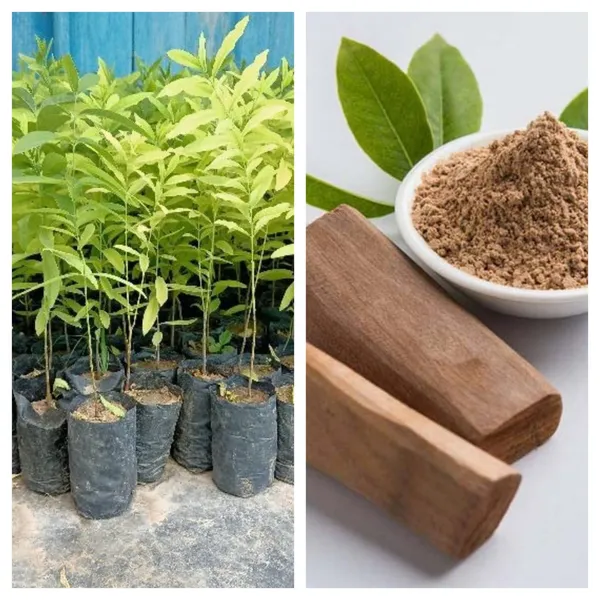

White sandalwood plant
Original price was: ₹799.00.₹350.00Current price is: ₹350.00.Key features of White Chandan:
- Fragrant Heartwood: The core wood of the tree is aromatic and produces sandalwood oil.
- Partial Parasite: Sandalwood trees are partial root parasites, meaning they require a host plant for nutrients.
- Medicinal Properties: Sandalwood has been used traditionally for its anti-inflammatory, antimicrobial, and cooling properties.
- Cultural Significance: Sandalwood paste is used in religious rituals, especially for applying tilak (a dot on the forehead) on sacred idols and in Sufi traditions.
- Slow Growth: Sandalwood trees are known for their slow growth rate.
- Versatile Uses: The oil is used in aromatherapy, skincare, and incense, while the wood is used in carving and religious practices.
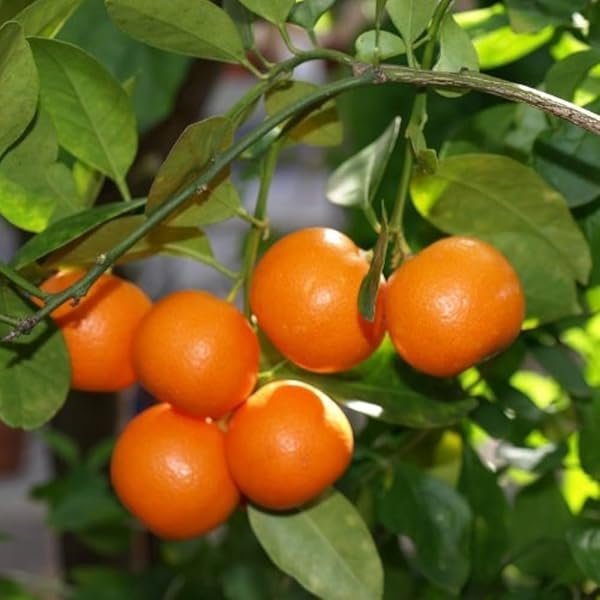
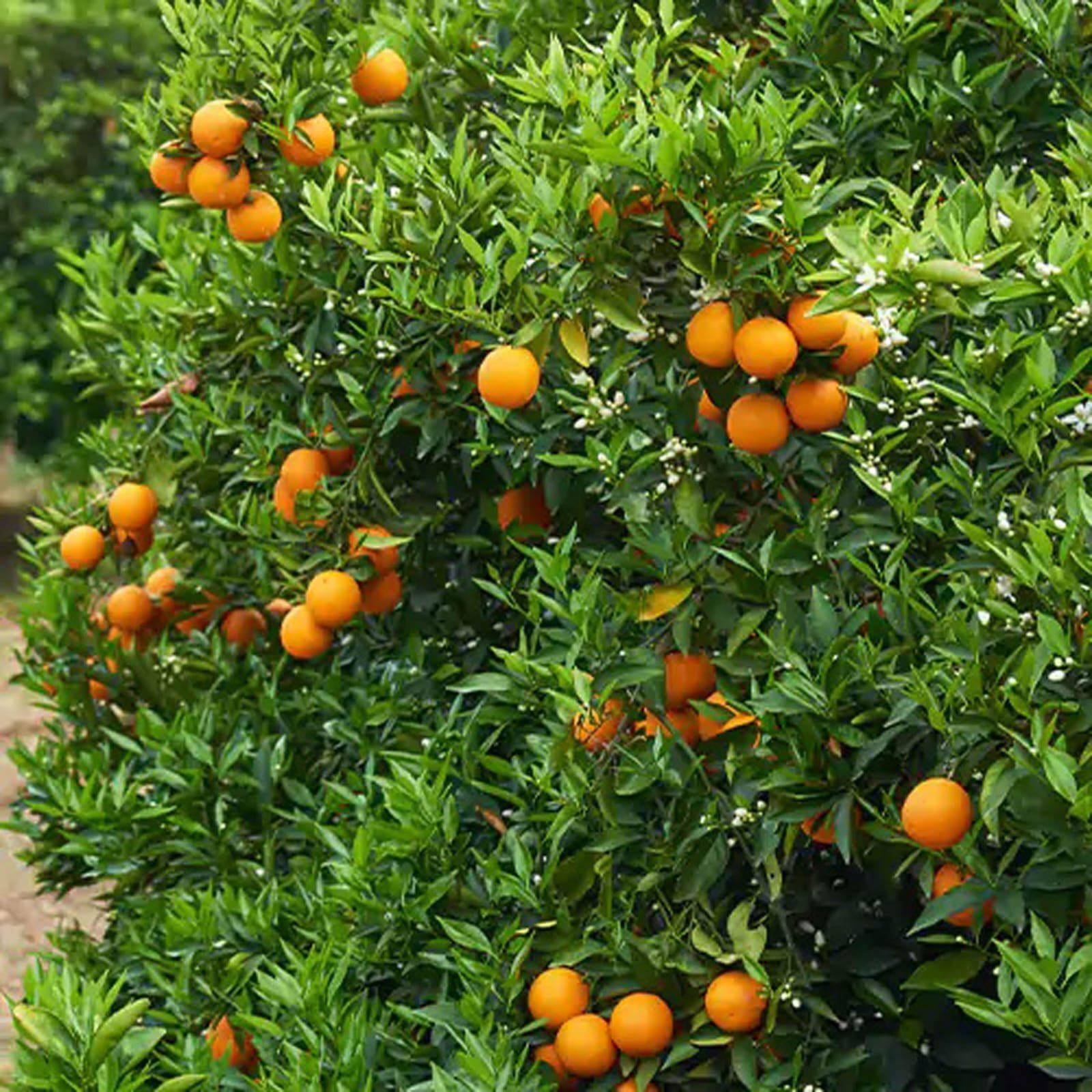
Bhutani chatki orange (plant height 2 feet) original grafted plant
Original price was: ₹799.00.₹400.00Current price is: ₹400.00.Here’s a more detailed look at its characteristics:
- Origin: Bhutan.
- Flavor: Distinctly sweet and sour.
- Appearance: Thin, easy-to-peel skin and juicy, sweet-tart flesh.
- Health Benefits: Good source of vitamin C and antioxidants.
- Cultivation: Adaptable to various Indian climates and soil types, suitable for garden or pot cultivation.
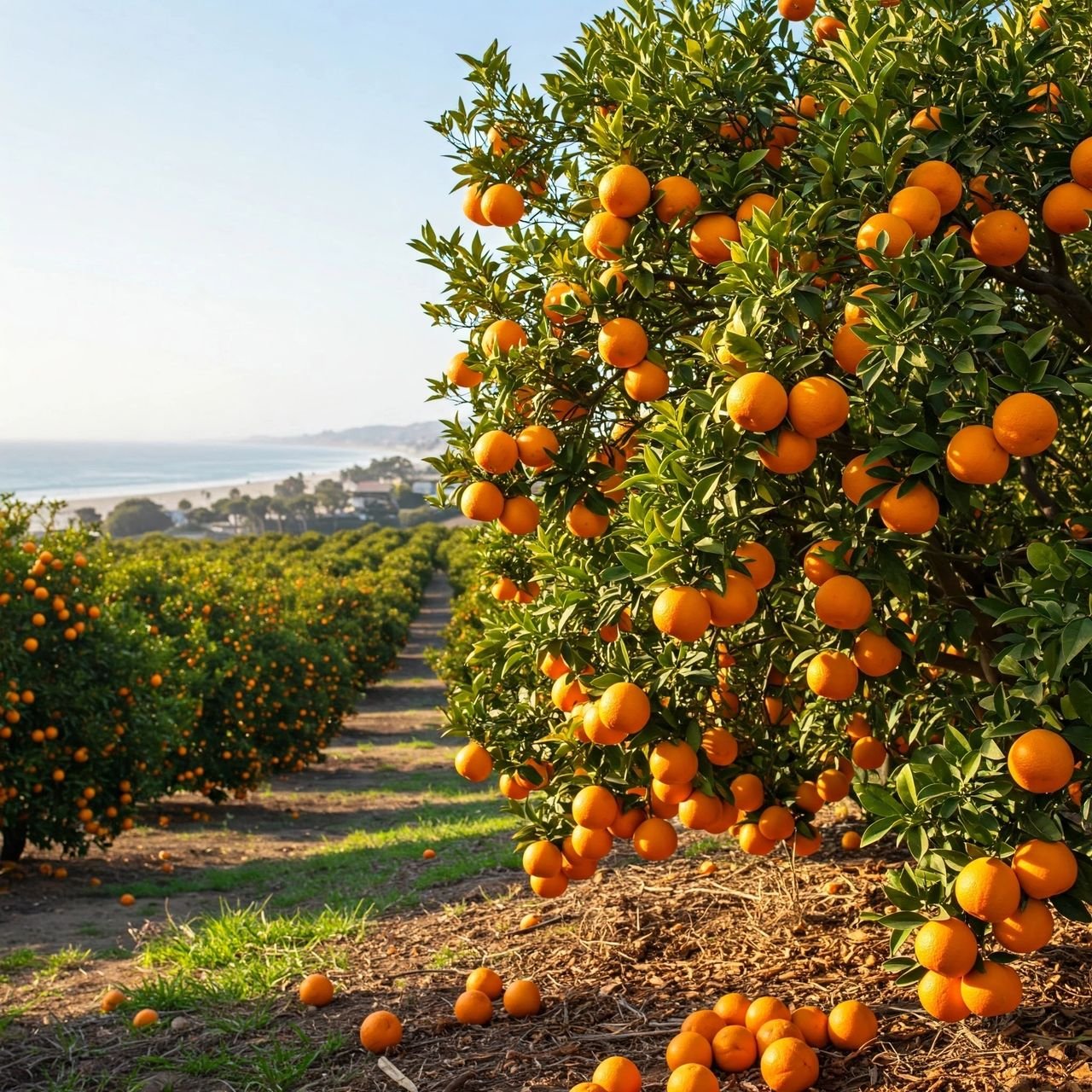
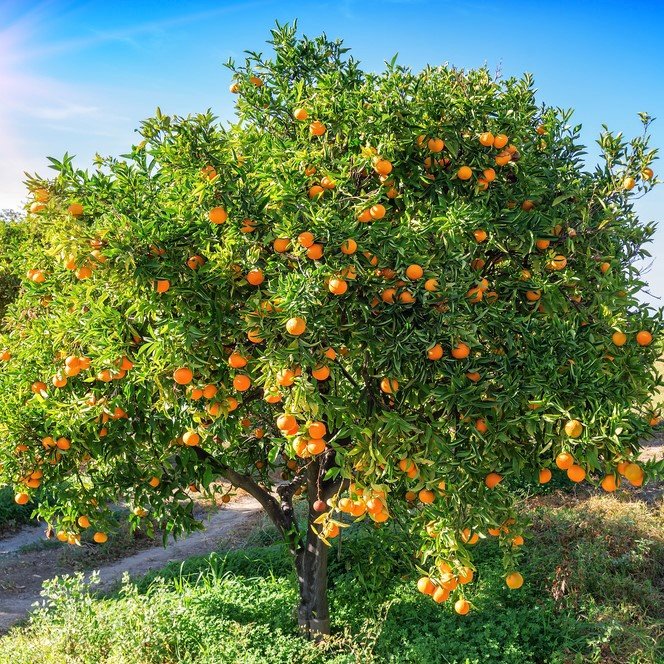
Washington navel orange (plant height 2-2.5) original grafted plant
Original price was: ₹999.00.₹450.00Current price is: ₹450.00.Key features of the Washington navel orange:
-
- Seedless: A defining characteristic that makes it easy to eat and enjoy.
- Seedless: A defining characteristic that makes it easy to eat and enjoy.
- Thick peel: Easy to peel and remove, making it convenient for snacking.
- Sweet and tangy flavor: The pulp is juicy, sweet, and slightly tangy, making it a refreshing and delicious fruit.
- Medium to large size: Typically 3 to 4 inches in diameter.
- Bright orange color: The peel is a vibrant orange, and the flesh has a deep orange color.
- Ripening season: Generally matures in late fall to winter, often between November and January.
- Low acid: It is known for being sweet and low in acid, contributing to its pleasant taste.
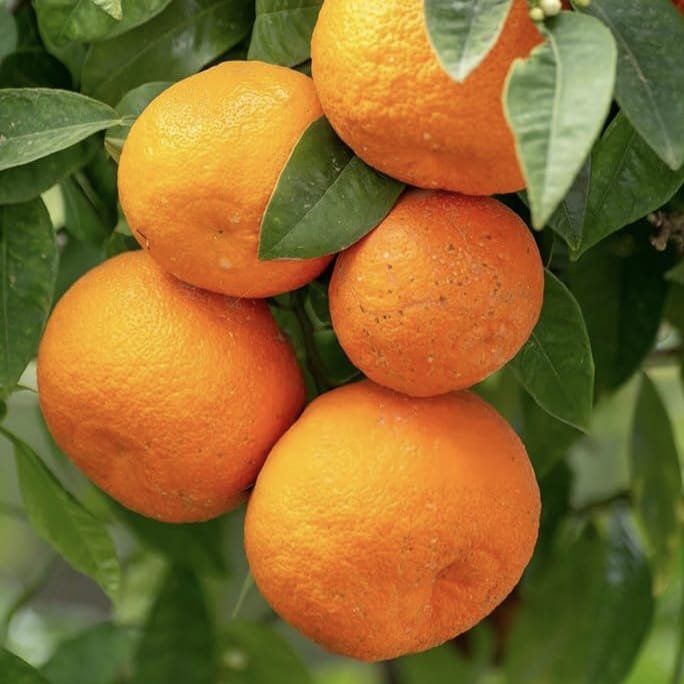
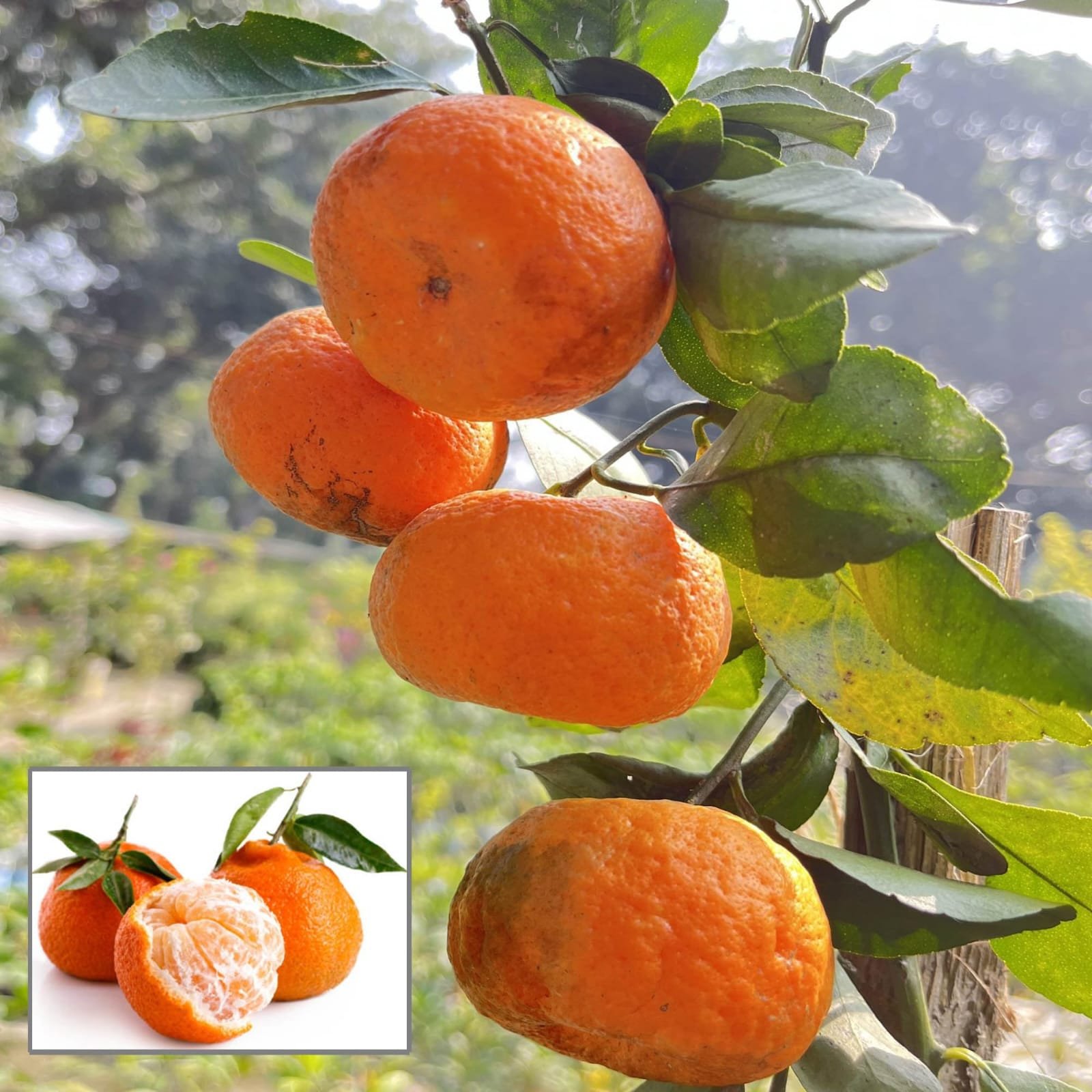
Darjeeling jaint orange (plant hight 2 feet) original grafted plant
Original price was: ₹999.00.₹400.00Current price is: ₹400.00.Here’s a more detailed look:
-
Origin and Characteristics:Darjeeling Giant Oranges are a specific variety grown in the Darjeeling region of India, known for their large size and sweet taste. They are known for their thin peel and abundant juice.
-
Taste and Flavor:These oranges are prized for their distinct flavor profile, offering a balance of sweetness and tanginess.
-
Cultivation:Darjeeling Giant Oranges thrive in warm, subtropical climates and can adapt to various soil types.
-
Grafting:To ensure superior performance and disease resistance, the Darjeeling Giant Orange is often grafted, combining the hardiness of a strong rootstock with the desirable characteristics of the fruit variety.
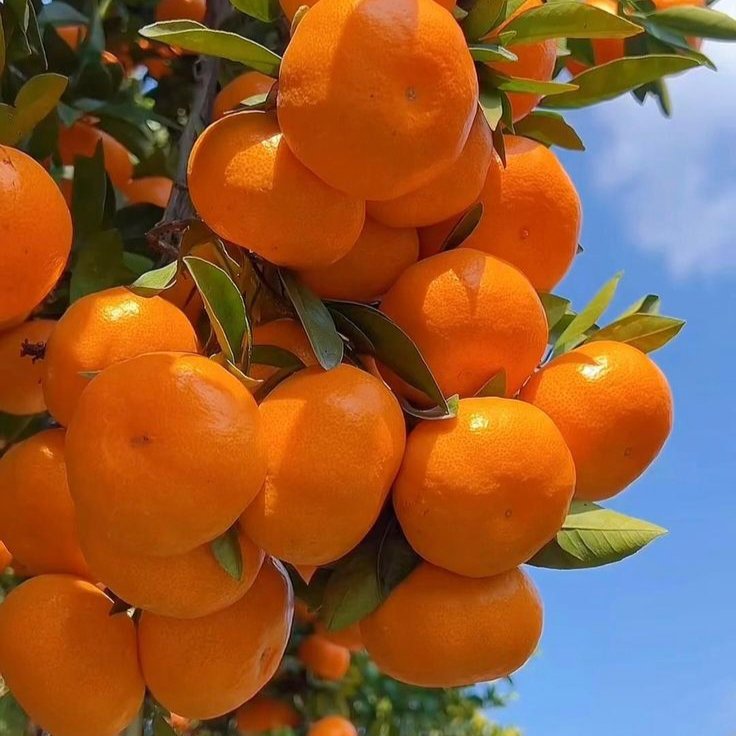
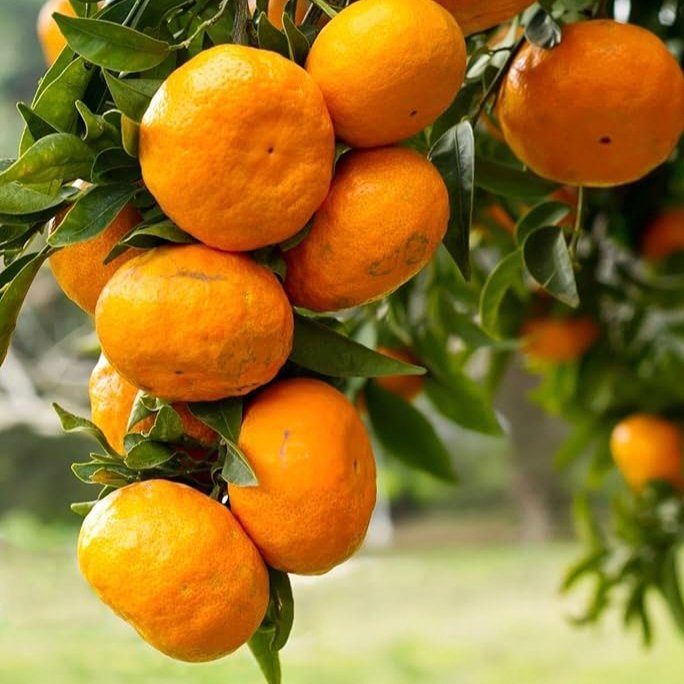
Nagpur mandarin orange (plant hight 2 feet) original grafted plant
Original price was: ₹999.00.₹450.00Current price is: ₹450.00.Key Characteristics:
- Appearance: Medium-sized, globose to moderately oblate fruits with a deep yellowish-orange color and a pockmarked exterior.
- Flavor: Sweet, juicy, and mildly aromatic.
- Season: Two harvest seasons: Ambiya crop (September to December) with a slightly sour taste and Mrig crop (January) with a sweeter taste.
- Cultivation: Primarily cultivated in the Nagpur region of India.
- Nutritional Value: Rich in vitamins and antioxidants.
- Uses: Fresh consumption, juicing, desserts, and as a flavor booster in culinary dishes.
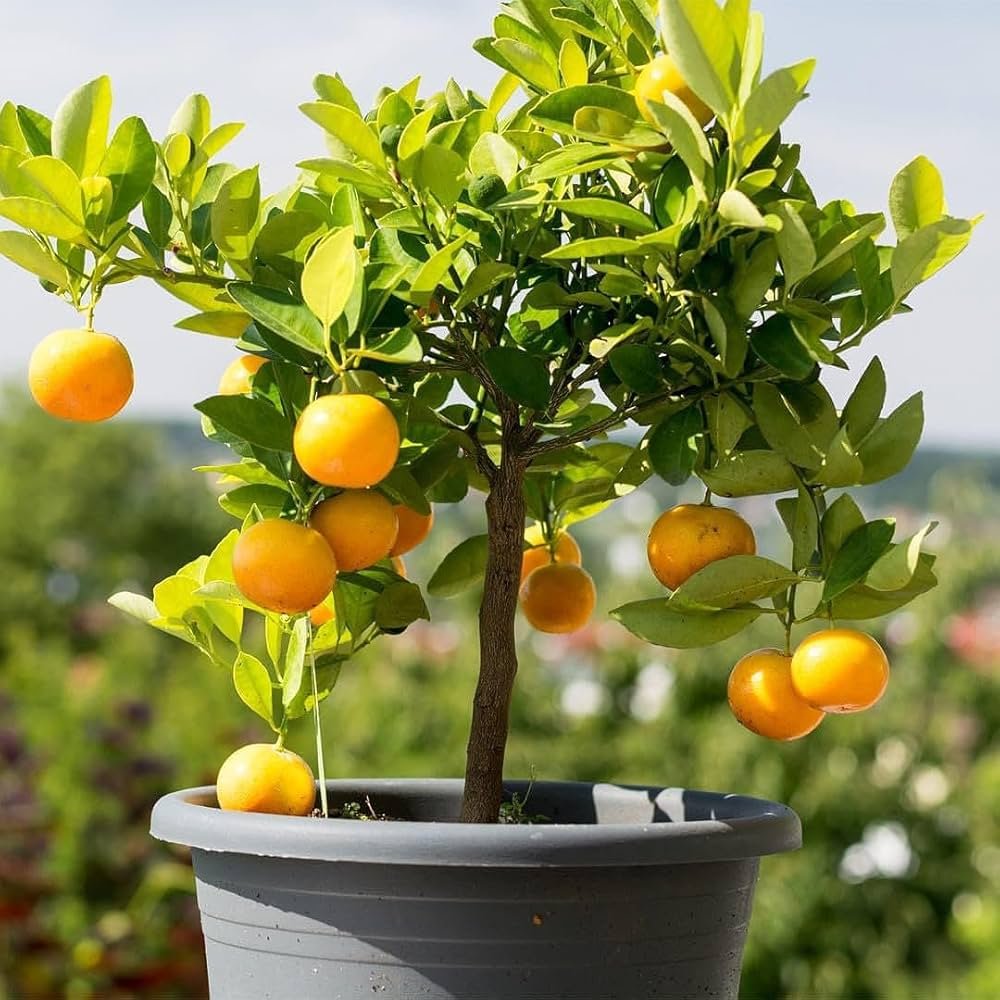
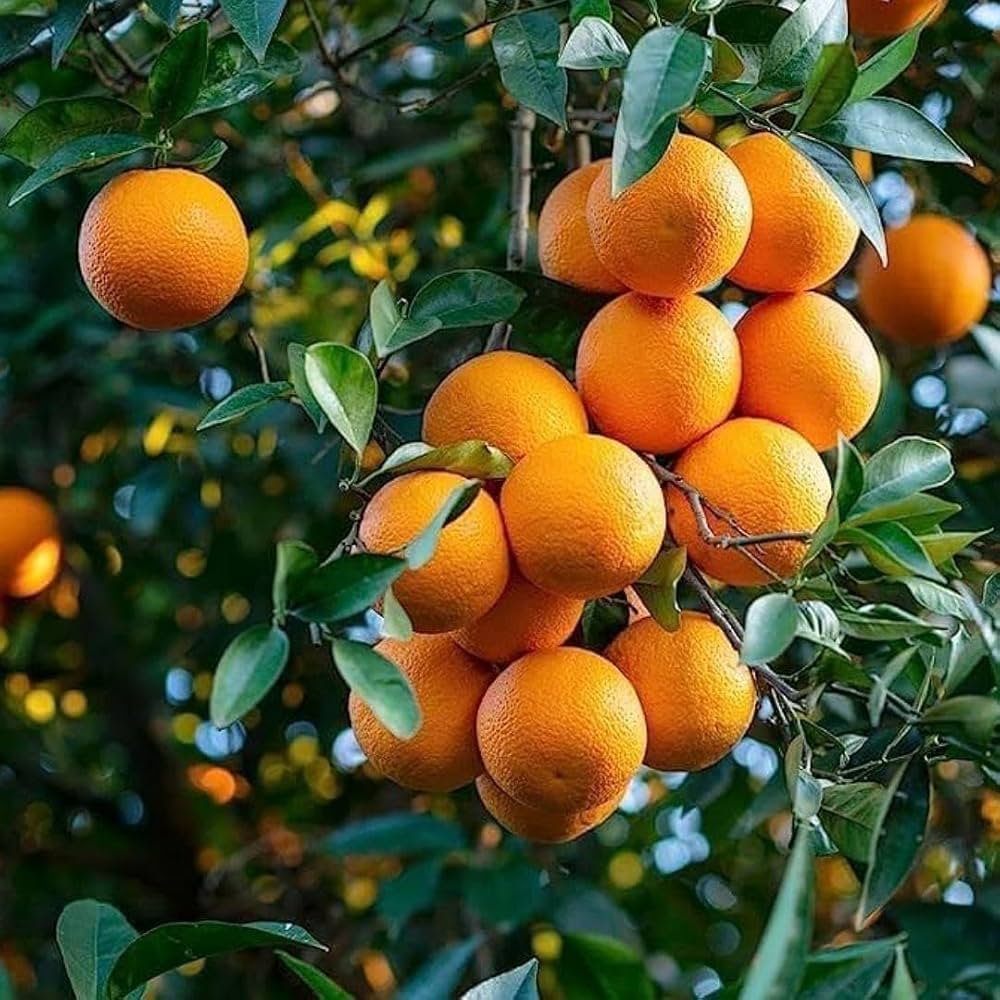
African yellow malta (plant hight 2-2.5 feet) original grafted plant
Original price was: ₹999.00.₹400.00Current price is: ₹400.00.Here’s a more detailed description:
- Appearance: The African Yellow Malta tree is a small to medium-sized evergreen with glossy, dark green leaves. The fruits are a vibrant yellow, with a slightly pebbled or textured rind.
- Flavor: The flesh is juicy and sweet, with a slightly tangy flavor.
- Health Benefits: The fruit is a good source of vitamin C and antioxidants.
- Growing Conditions: It thrives in well-drained soil and plenty of sunlight, making it suitable for warm climates.
- Cultivation: It’s well-adapted to hot and dry climates and can be grown in pots or in the ground.
- Maintenance: It is relatively low-maintenance, requiring minimal pruning and care.


Seedless lemon plant
Original price was: ₹599.00.₹250.00Current price is: ₹250.00.Appearance:
- Shape: Ovoid or oval, similar to regular lemons.
- Size: Medium, typically ranging from 40 to 50 grams.
- Color: Bright yellow or greenish-yellow.
- Skin: Smooth and porous.
Features:
- Juice: They are known for their high juice content, around 52%.
- Seeds: The defining characteristic is the complete absence of seeds.
- Origin: Seedless lemons can originate from hybrid varieties or be naturally seedless cultivars.


Bali chamba water apple Plant
Original price was: ₹799.00.₹400.00Current price is: ₹400.00.Key Features of Bali Chamba:
- Appearance: Resembles a cashew apple in size and shape.
- Taste: Crunchy and quite sweet.
- Color: Bright red when mature.
- Uses: Widely eaten as a snack, used in salads, juices, smoothies, ice creams, and jams.
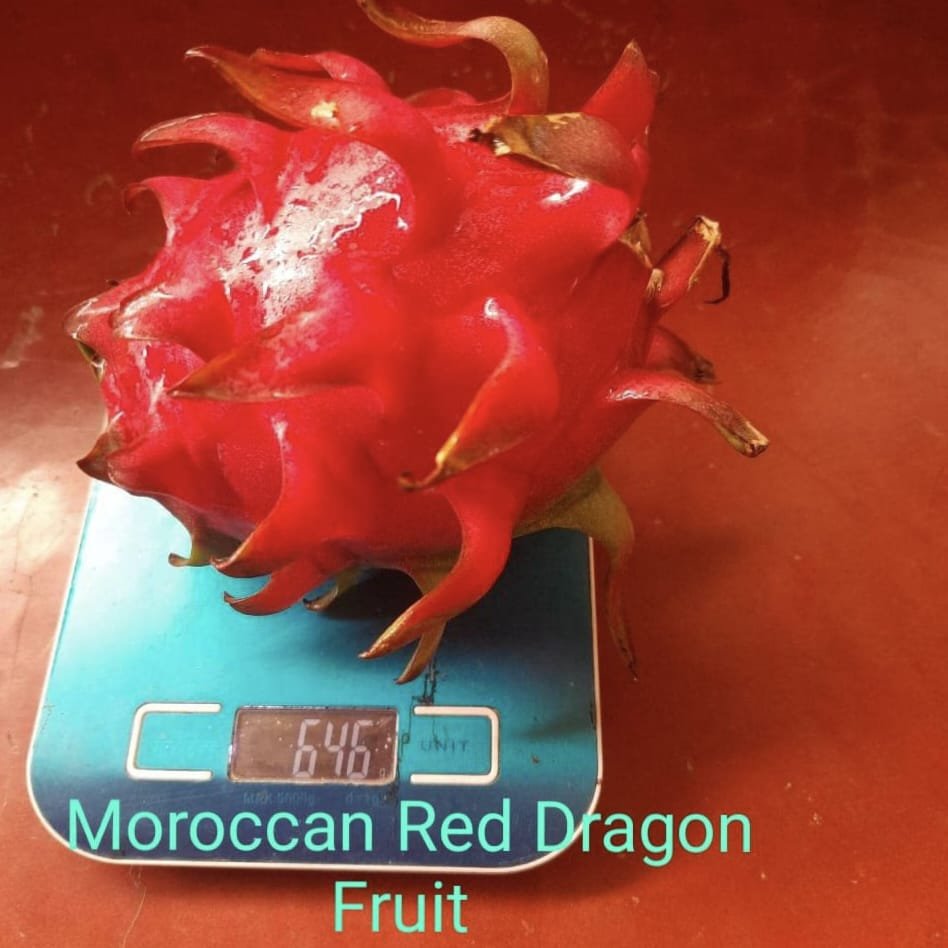

Moroccan Red dragon Plant
Original price was: ₹499.00.₹250.00Current price is: ₹250.00.Appearance:
- Skin: Bright red, with a scaly texture.
- Flesh: Can be white, pink, or red, depending on the cultivar.
- Seeds: Contains many tiny black seeds.
- Shape: The fruit is generally oval or cylindrical.
Flavor:
- Sweet, with a subtle melon-like flavor and a hint of kiwi.
- The seeds add a light crunch to the texture.