
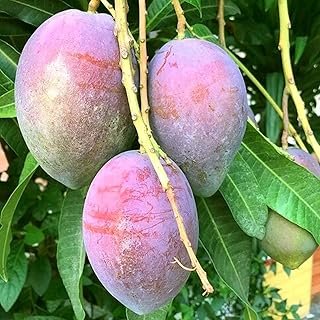
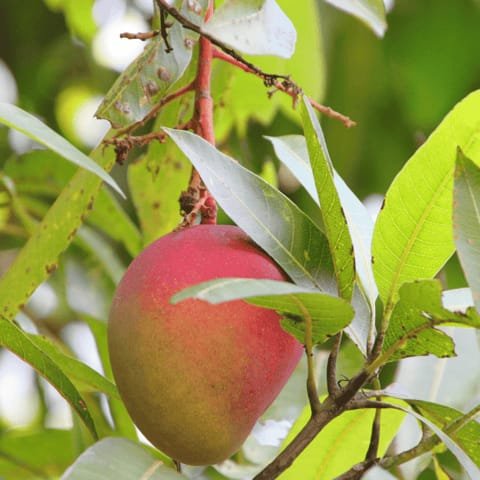
Pusa Arunima Mango Fruit plant (Pack of 1)
Original price was: ₹999.00.₹500.00Current price is: ₹500.00.The Pusa Arunima mango is a hybrid variety known for its attractive, elongated, and bright red-skinned fruit with orange pulp. It is a semi-vigorous plant, suitable for closer planting, and is a regular bearer, typically starting to fruit after 4 years. The fruit ripens late, usually in the first week of August, and is known for its sweetness and delicious flavor.
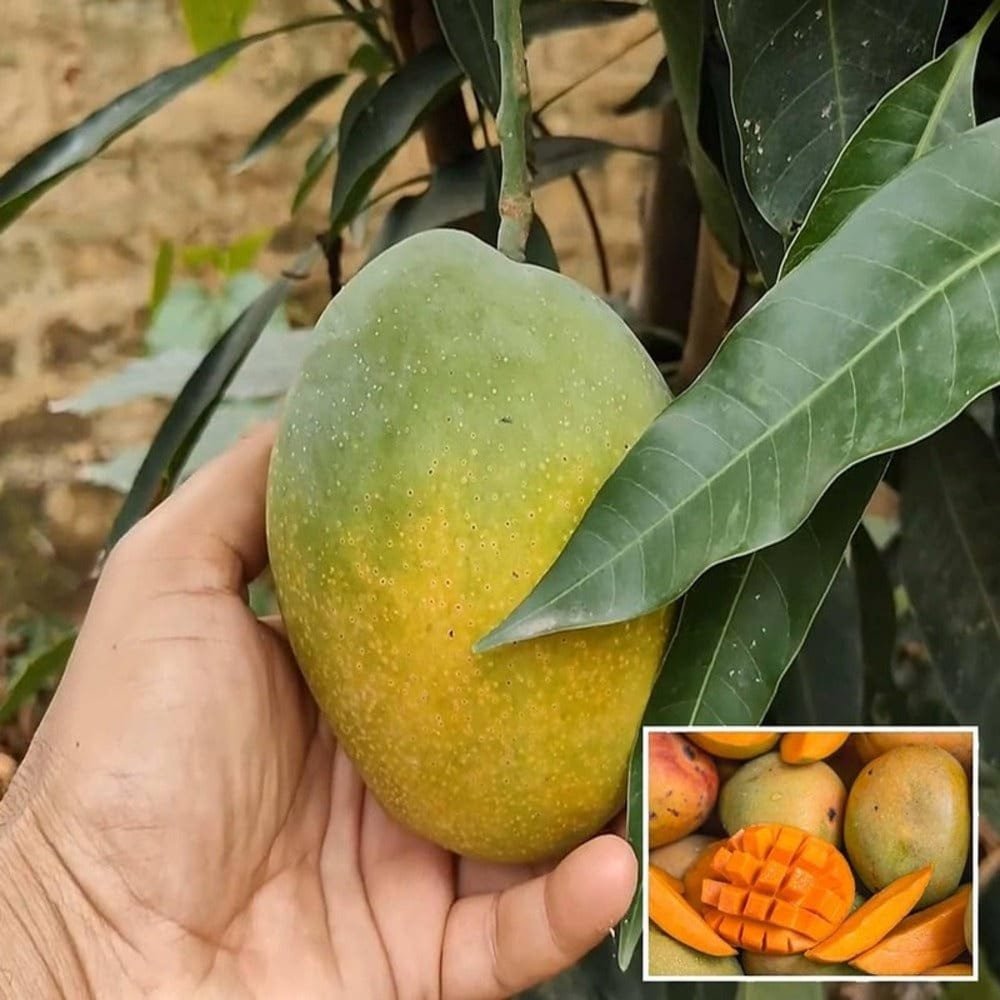
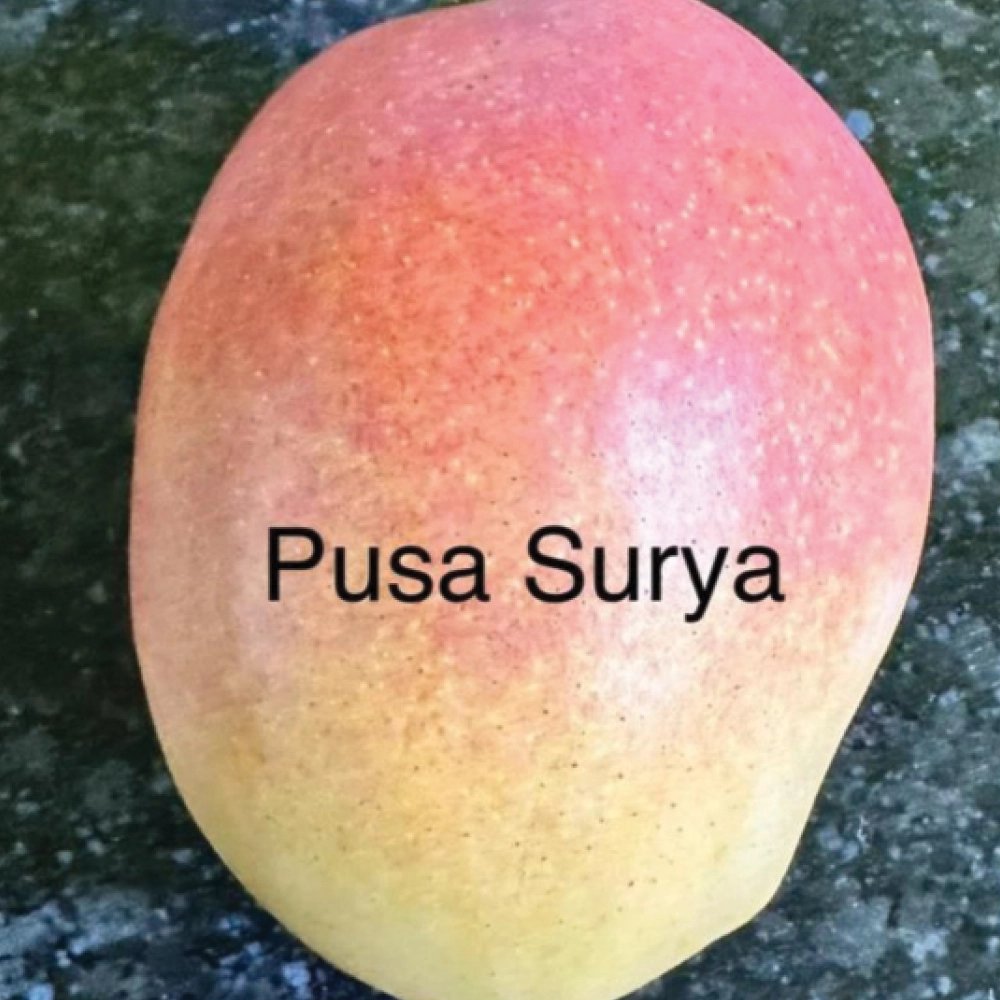
Pusa Surya Mango Plant (Pack of 1)
Original price was: ₹1,199.00.₹550.00Current price is: ₹550.00.The Pusa Surya Mango Plant is a premium hybrid variety developed by IARI, known for its vibrant reddish-yellow fruits, fiberless sweet pulp, and excellent aroma. This high-yielding, early-fruiting plant is resistant to common mango diseases and thrives perfectly in Indian tropical climates. Ideal for home gardens and farms, it produces juicy, flavorful mangoes rich in vitamin A, C, and antioxidants. The Pusa Surya Mango combines beauty, taste, and productivity, making it a standout choice for every mango lover.


Q-jai mango plant
Original price was: ₹999.00.₹500.00Current price is: ₹500.00.Key Characteristics:
- Large Size: Q-jai mangoes are known for their substantial size, with individual fruits potentially weighing over one and a half kilograms.
- Sweet and Juicy: They are highly prized for their intense sweetness and juicy texture, often described as a “crunchy” and “nutty” flavor with a pleasant aroma.
- Reduced Fibers: Q-jai mangoes are noted for having relatively little fiber, making them a smooth and enjoyable eating experience.
- Easy to Grow: Grafted plants can bear fruit early and are suitable for various Indian climates and soil types, according to some sellers.
- Grafted Variety: Grafting ensures consistent fruit quality and increased yields.
- Thai Origin: The “Q Jai” or “Kujai” name suggests a Thai origin and is a popular variety in India.
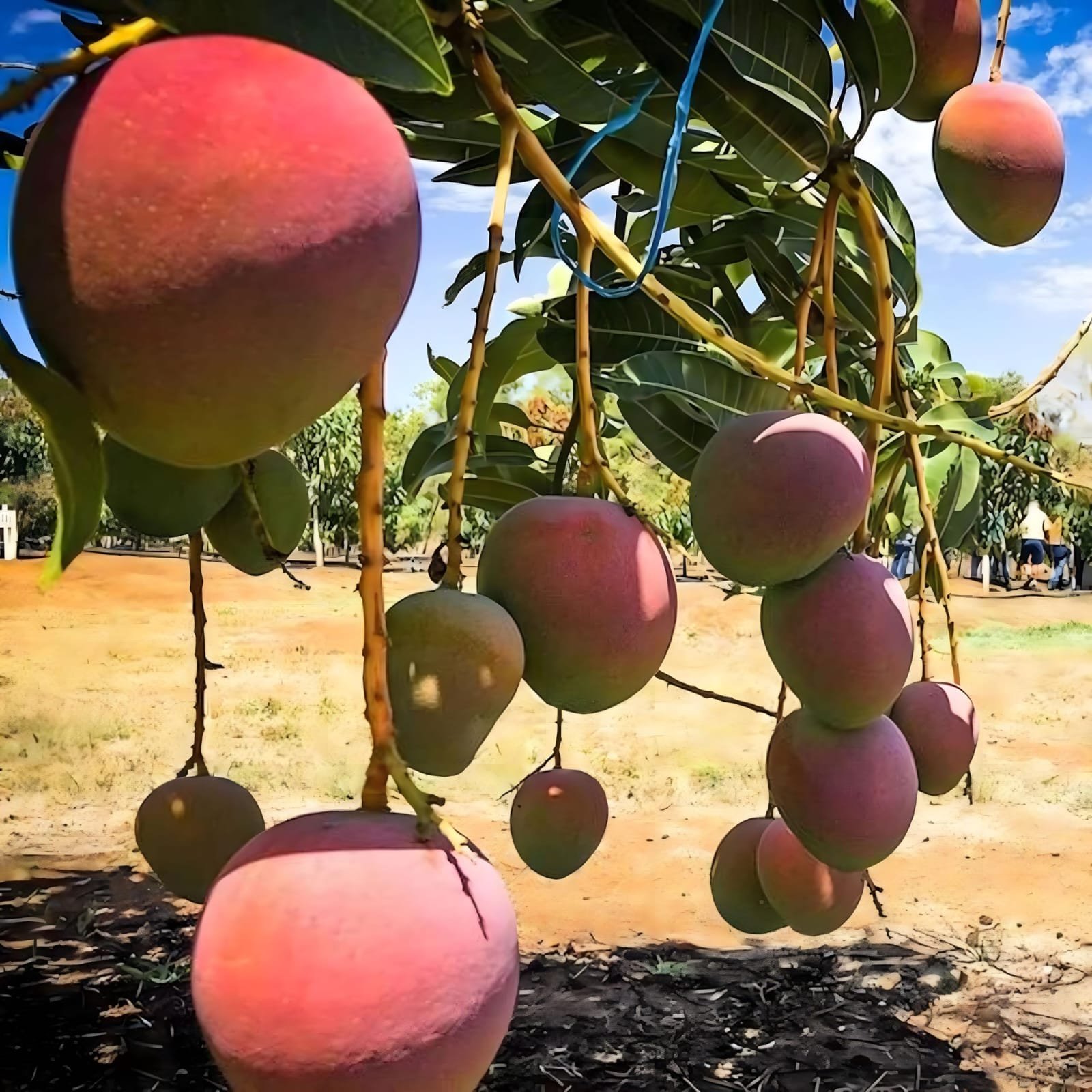
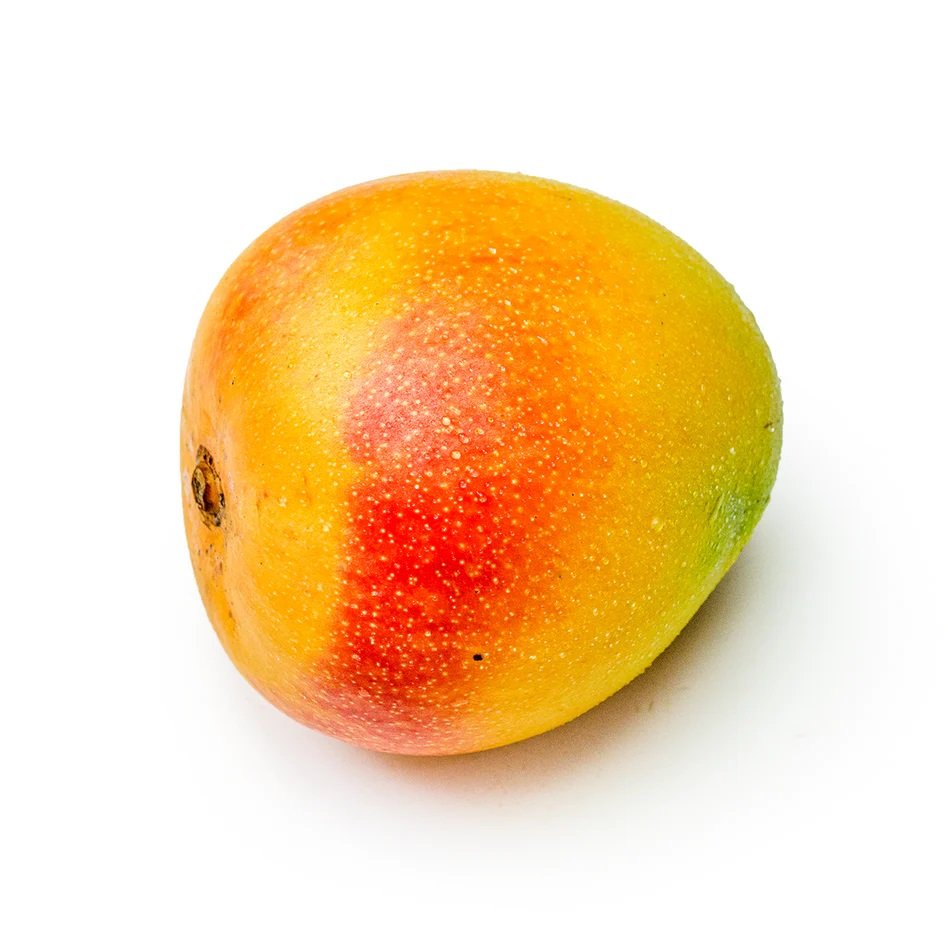
R2 E2 Mango Plant
Original price was: ₹2,000.00.₹500.00Current price is: ₹500.00.Key characteristics of R2E2 mangoes:
- Origin: Australia
- Size: Large
- Flavor: Tangy-sweet, juicy, with a tropical taste
- Appearance: Vibrant hues, smooth skin
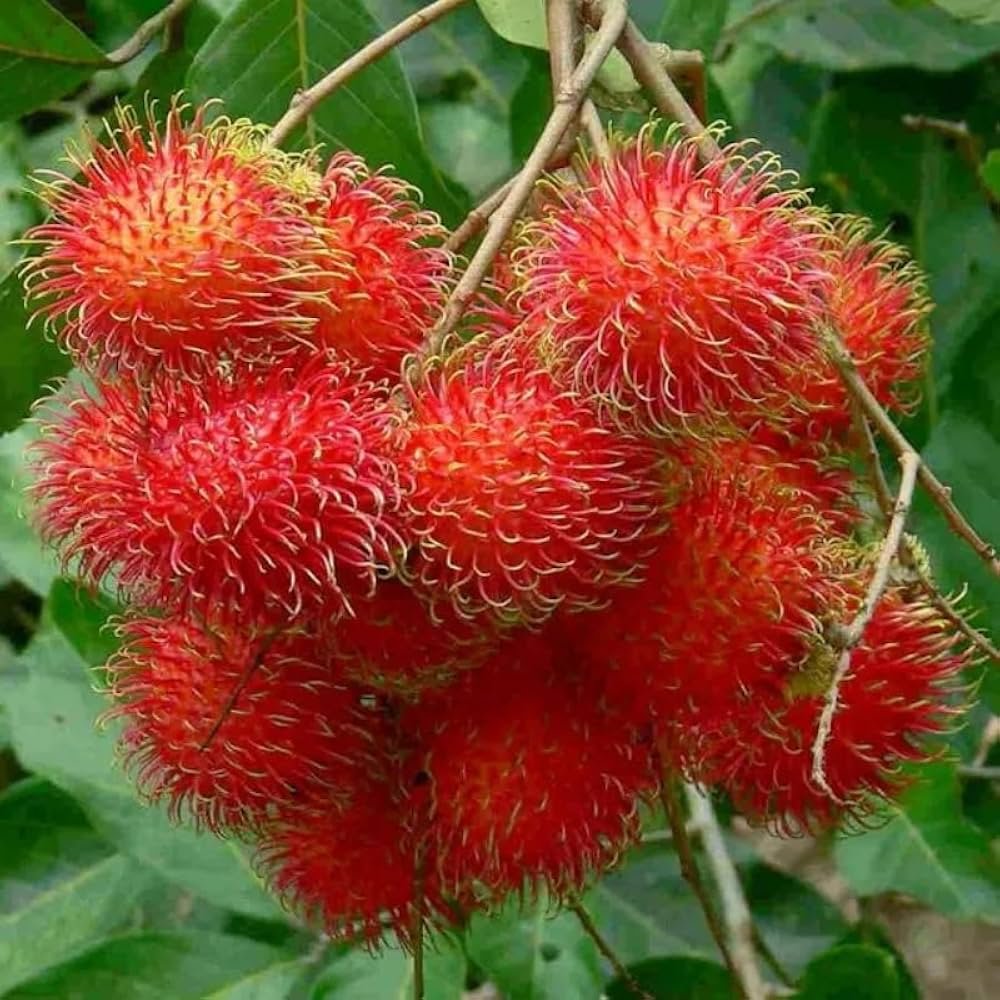
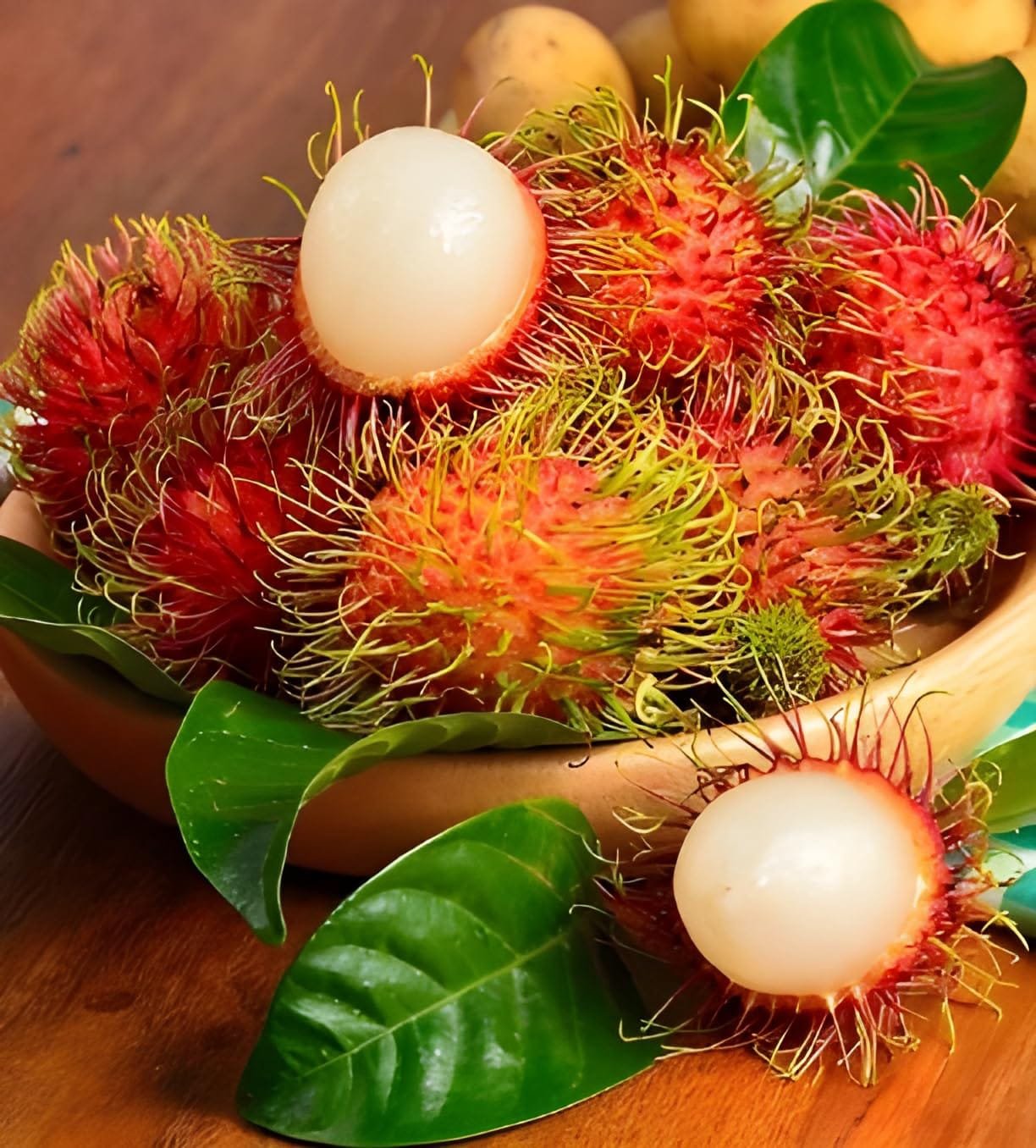
Ram bhutan (plant height 4 feet) original grafted plant
Original price was: ₹1,599.00.₹999.00Current price is: ₹999.00.- Botanical Name: Nephelium lappaceum.
- Family: Sapindaceae.
- Origin: Southeast Asia.
- Growth Habit: Evergreen tree, 15-24 meters tall.
- Leaves: Alternate, pinnate, with 3-11 leaflets.
- Flowers: Greenish-white, fragrant.
- Fruit: Covered in long, soft hairs or spines, reddish or orange-yellow rind.
- Flesh: Smooth, sweet, white flesh.
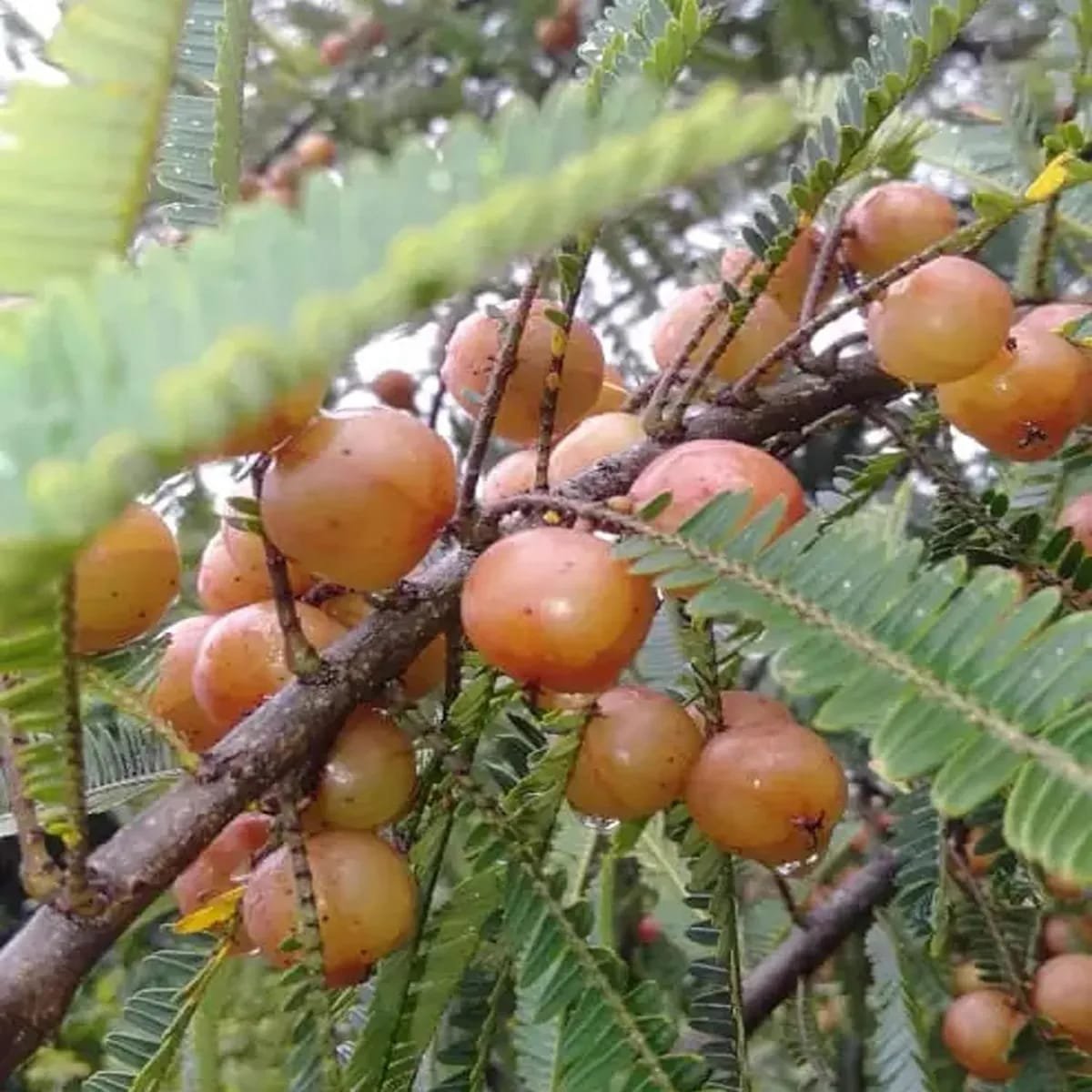
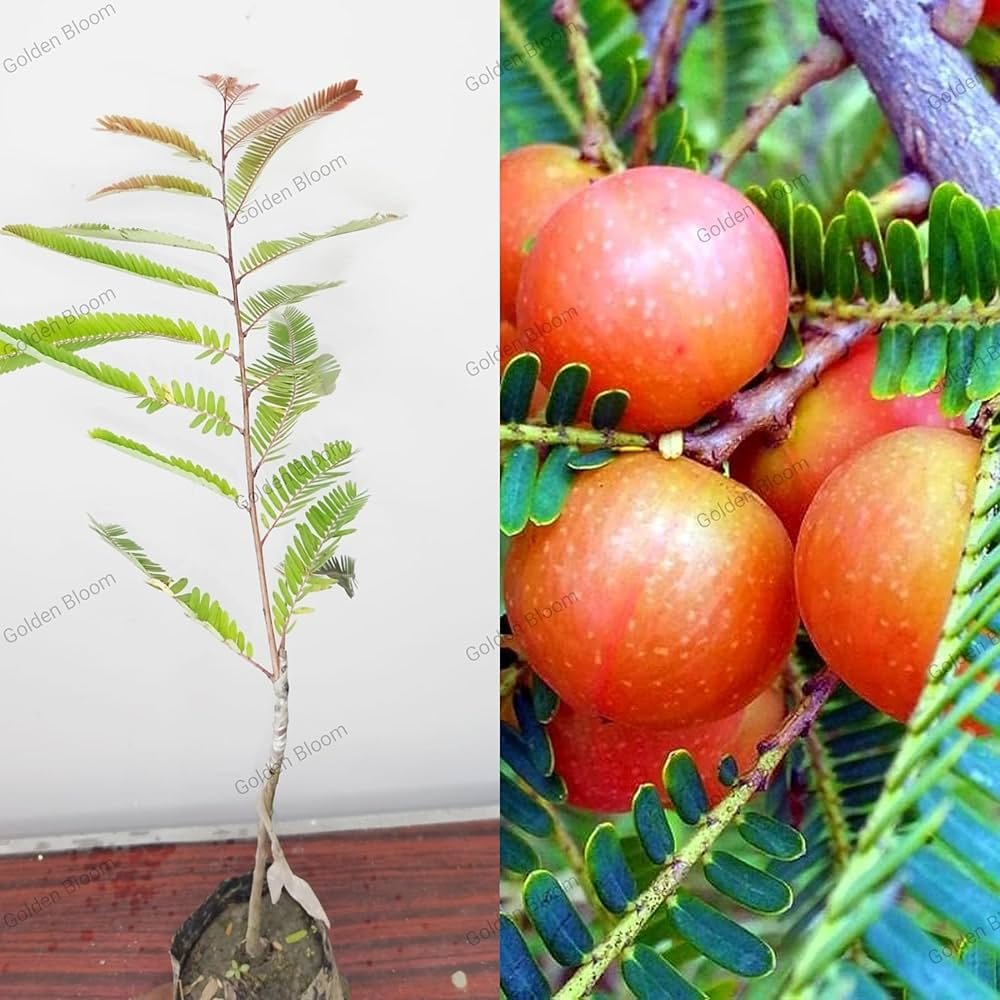
Red amla (plant height 2-2.5 feet) original grafted plant
Original price was: ₹799.00.₹300.00Current price is: ₹300.00.-
Red Fruits:
The most notable characteristic is the bright red color of the fruits, which is a variant of the traditional amla berry.
-
Nutritional Benefits:
Red amla, like its green counterpart, is a good source of Vitamin C and antioxidants. It also contains anthocyanins and flavonoids, which contribute to its antioxidant power.
-
Plant Characteristics:The plant is a medium-sized tree, typically 4-8 meters tall, with small, light green leaves.
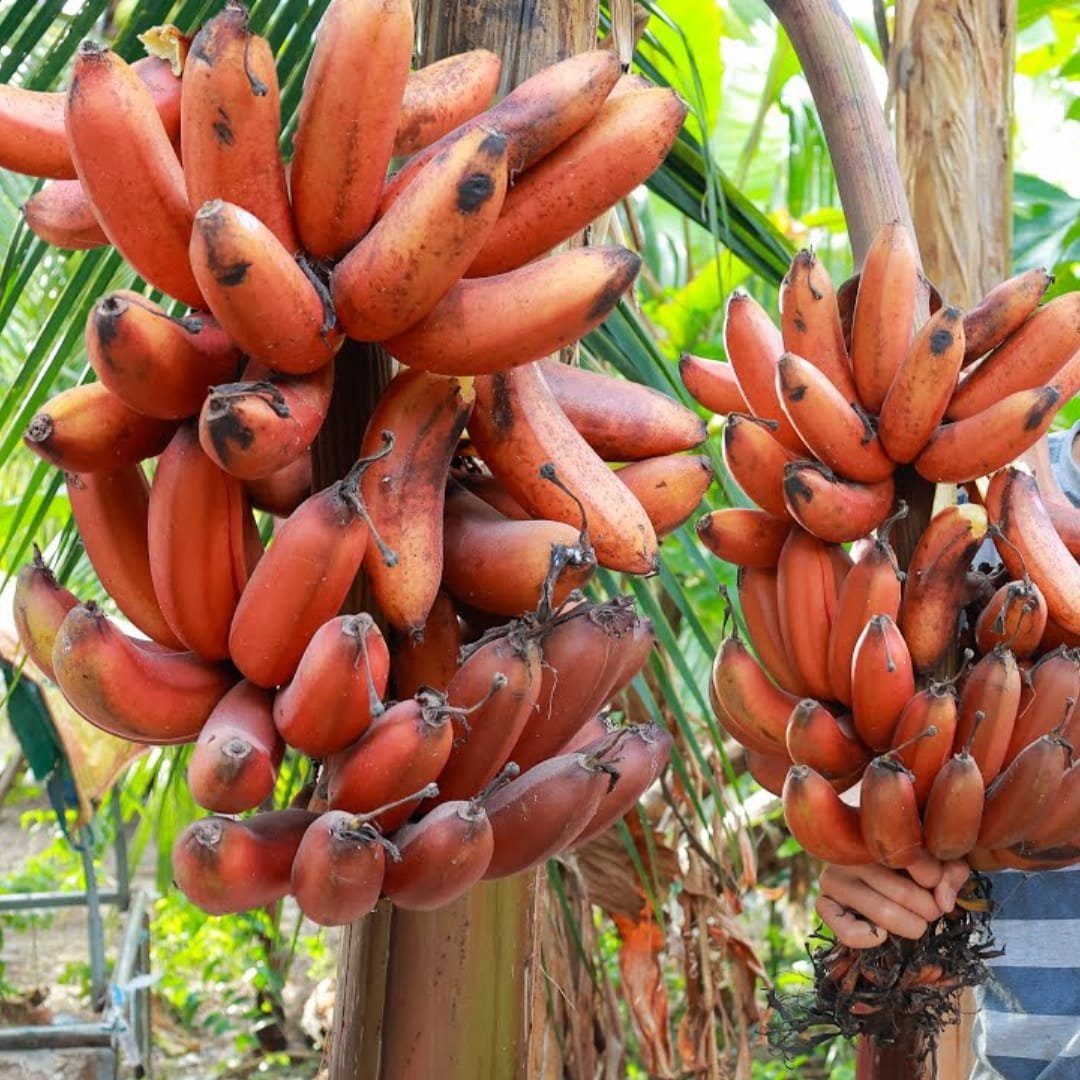
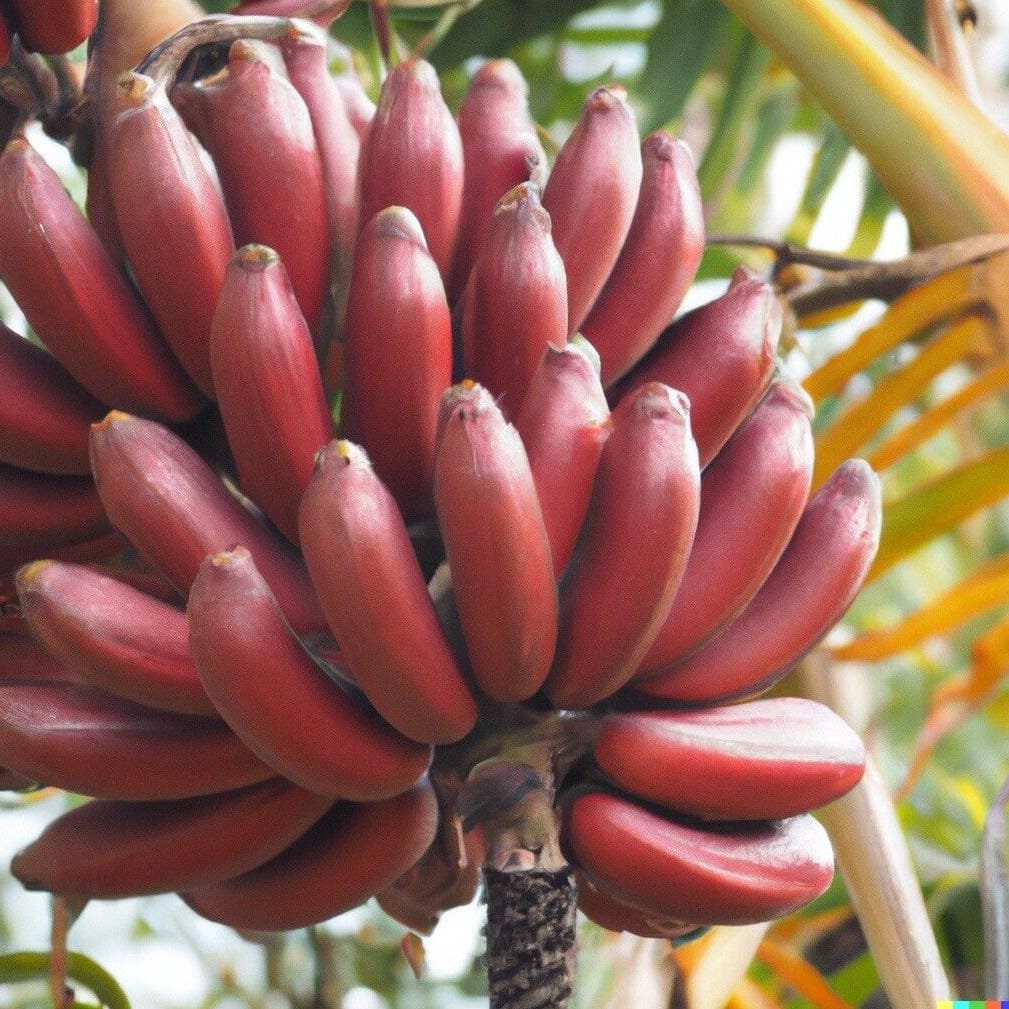
Red banana plant
Original price was: ₹799.00.₹250.00Current price is: ₹250.00.The red banana plant, scientifically known as Musa acuminata ‘Red Dacca’, is a captivating tropical plant renowned for its striking reddish-purple fruit and lush green foliage. Originating from Southeast Asia, it is now cultivated globally, including India, the US, New Zealand, Australia, and the Pacific Islands.


Red Custard Apple Fruit Plant ( Pack of 1)
Original price was: ₹999.00.₹450.00Current price is: ₹450.00.The custard apple plant, also known as Sitaphal, is a small, semi-deciduous tropical tree valued for its sweet, creamy fruits. It thrives in warm climates with well-drained soils. The fruit has a knobby green skin and soft, white pulp with Custard apple is rich in vitamins, minerals, and antioxidants.

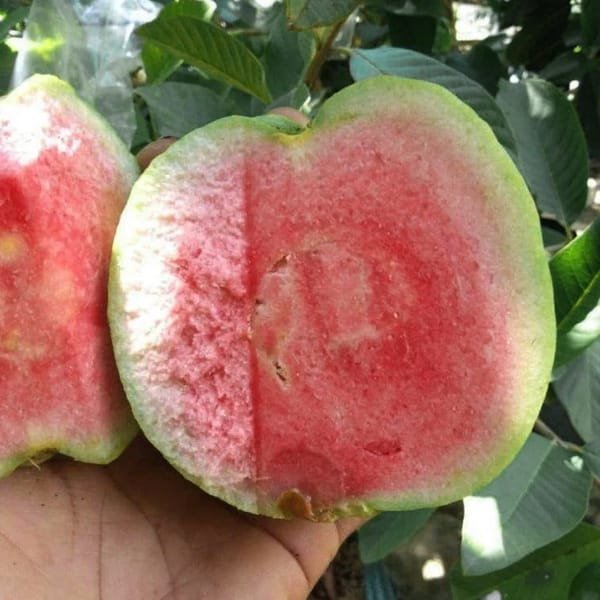
Red Diamond Guava
Original price was: ₹699.00.₹400.00Current price is: ₹400.00.-
- Variety: Japanese Red Diamond Guava.
- Fruit: Medium to large fruits with bright pink flesh, seedless.
- Flavor: Sweet with a hint of tartness.
- Growth: Produces abundant fruits within 1-2 years.
- Plant: Compact tree with glossy green foliage, suitable for gardens or containers.
- Care: Low maintenance, drought-tolerant, and thrives in various soil conditions.
- Grafting: Grown using advanced grafting techniques for faster fruiting and strong root development.