


Gondhoraj Pati Lemon Healthy Plant (Pack of 1)
Original price was: ₹599.00.₹320.00Current price is: ₹320.00.The Gondhoraj Pati Lemon Plant, famously known as the King of Lemons, is a premium Indian citrus variety cherished for its intense aroma, mild tangy flavor, and refreshing fragrance. Native to Bengal, this evergreen plant produces elongated green-yellow lemons rich in vitamin C and antioxidants, ideal for flavoring dishes, drinks, and salads. Easy to grow in Indian climates, it adds both taste and beauty to home gardens. Bring home the Gondhoraj Lemon Plant and enjoy the royal fragrance of Bengal’s most aromatic lemon.


Golden 8 Guava
Original price was: ₹999.00.₹350.00Current price is: ₹350.00.- Appearance: Ripe Golden 8 guavas have a vibrant yellow skin that turns a golden hue.
- Flavor: The fruit is known for its sweet, tropical, and aromatic flavor with a hint of floral notes.
- Texture: The flesh is firm yet tender, and the fruit is juicy.
- Seed Content: Golden 8 guavas have relatively few seeds.
- Yield: The Golden 8 guava plant is known for its prolific fruiting and high yield, especially in warm, sunny climates.
- Adaptability: The plant can adapt to various soil types and climates, making it suitable for home gardeners.
- Nutritional Value: Guavas are a good source of vitamin C, fiber, and antioxidants.
- Uses: The fruit can be eaten fresh, used in juices, or incorporated into various culinary dishes.

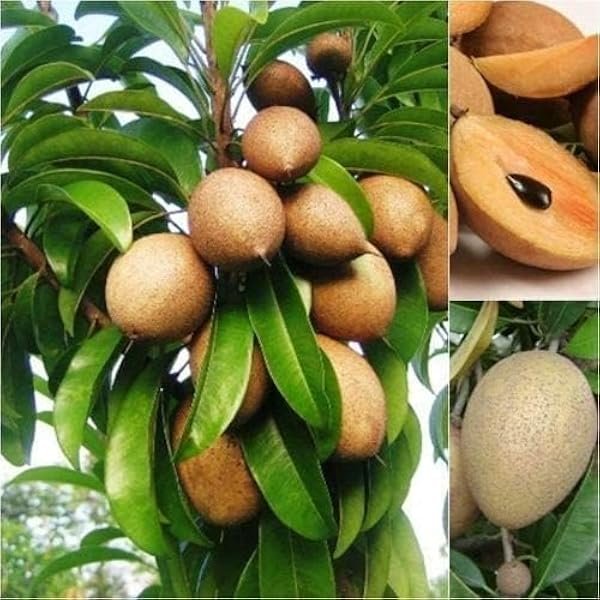
Kalapati Chiku Plant
Original price was: ₹999.00.₹350.00Current price is: ₹350.00.- Climate: Thrives in warm, tropical climates.
- Sunlight: Requires at least 6 hours of sunlight per day, either direct or indirect.
- Soil: Prefers well-drained soil, loamy soil being ideal.
- Watering: Needs regular watering, especially during the first two years of growth.
- Fertilization: Benefits from balanced fertilizer applications every 2-3 months during the growing season.
- Pests and Diseases: Can be susceptible to pests like aphids and mealybugs, so monitoring and pest control measures may be needed.
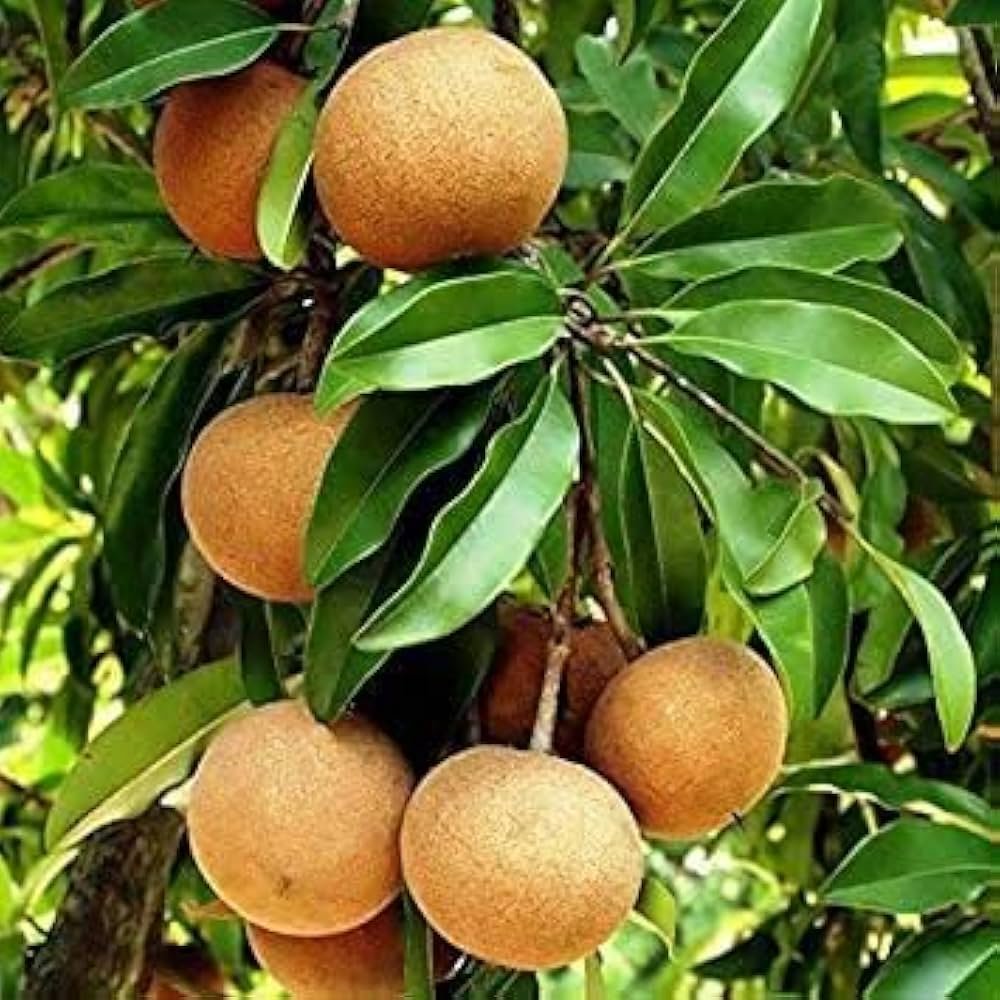
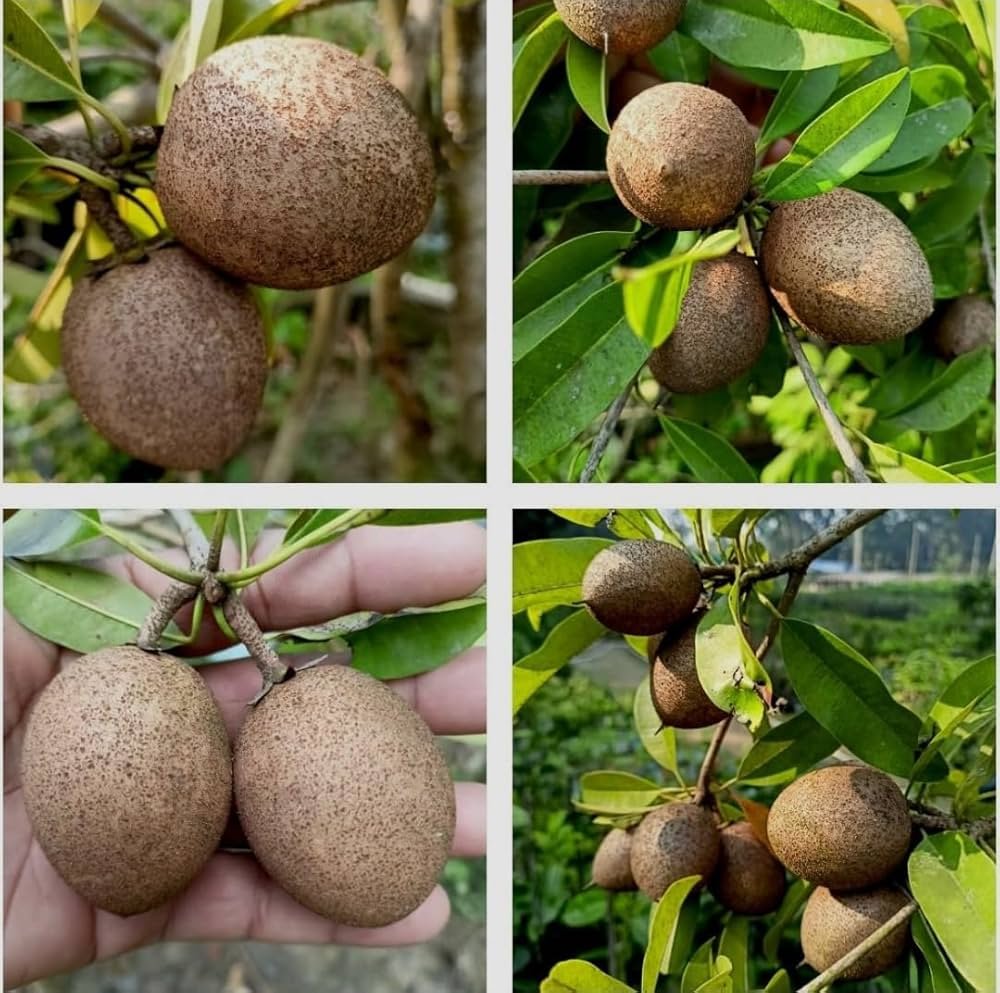
Cricket ball Chiku plant
Original price was: ₹799.00.₹350.00Current price is: ₹350.00.- Size: The fruit is large and round, resembling a cricket ball in size and shape.
- Flavor: It has a sweet, caramel-like taste with a grainy texture.
- Appearance: The flesh is off-white to yellowish brown and has a soft, juicy texture.
- Nutritional Value: Rich in vitamins, minerals, and antioxidants.
- Tree: The sapota tree is evergreen and can grow up to 30-40 feet tall.
- Uses: The fruit is commonly eaten fresh or used in smoothies and desserts.
- Growing Conditions: Thrives in warm, tropical climates with well-drained soil and full sun.


White water apple Plant
Original price was: ₹799.00.₹350.00Current price is: ₹350.00.- Appearance: The fruit is bell-shaped, with a thin, waxy skin that can range from red to green in color.
- Flesh: The flesh is white, juicy, and has a crisp texture.
- Taste: It has a sweet, low acidic taste, with a rose-scented aroma.
- Texture: The flesh has a loose weave, similar to a soft, juicy pear.
- Seed: The center holds a seed, often situated in a cotton-candy-like mesh.
- Size: Water apples typically measure about 5-8 cm in diameter.
- Other Names: Also known as rose apple, bell fruit, or wax apple.

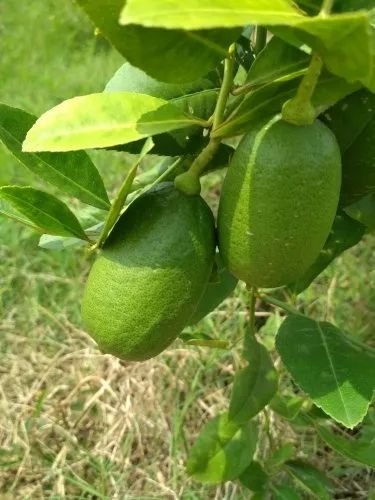
Kagji lemon plant
Original price was: ₹699.00.₹350.00Current price is: ₹350.00.Origin and Cultivation:
- Kagzi lemons are native to Southeast Asia.
- They are adaptable to various climates and can thrive in pots, making them suitable for urban gardening.
- They are known for their ability to produce fruit year-round.
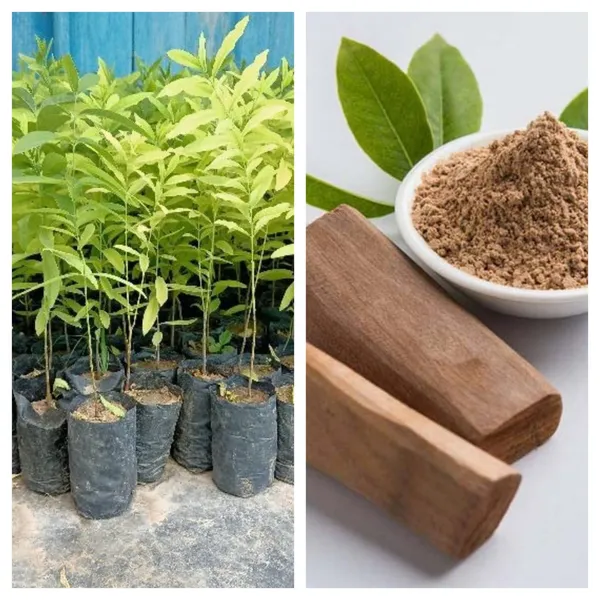

White sandalwood plant
Original price was: ₹799.00.₹350.00Current price is: ₹350.00.- Fragrant Heartwood: The core wood of the tree is aromatic and produces sandalwood oil.
- Partial Parasite: Sandalwood trees are partial root parasites, meaning they require a host plant for nutrients.
- Medicinal Properties: Sandalwood has been used traditionally for its anti-inflammatory, antimicrobial, and cooling properties.
- Cultural Significance: Sandalwood paste is used in religious rituals, especially for applying tilak (a dot on the forehead) on sacred idols and in Sufi traditions.
- Slow Growth: Sandalwood trees are known for their slow growth rate.
- Versatile Uses: The oil is used in aromatherapy, skincare, and incense, while the wood is used in carving and religious practices.
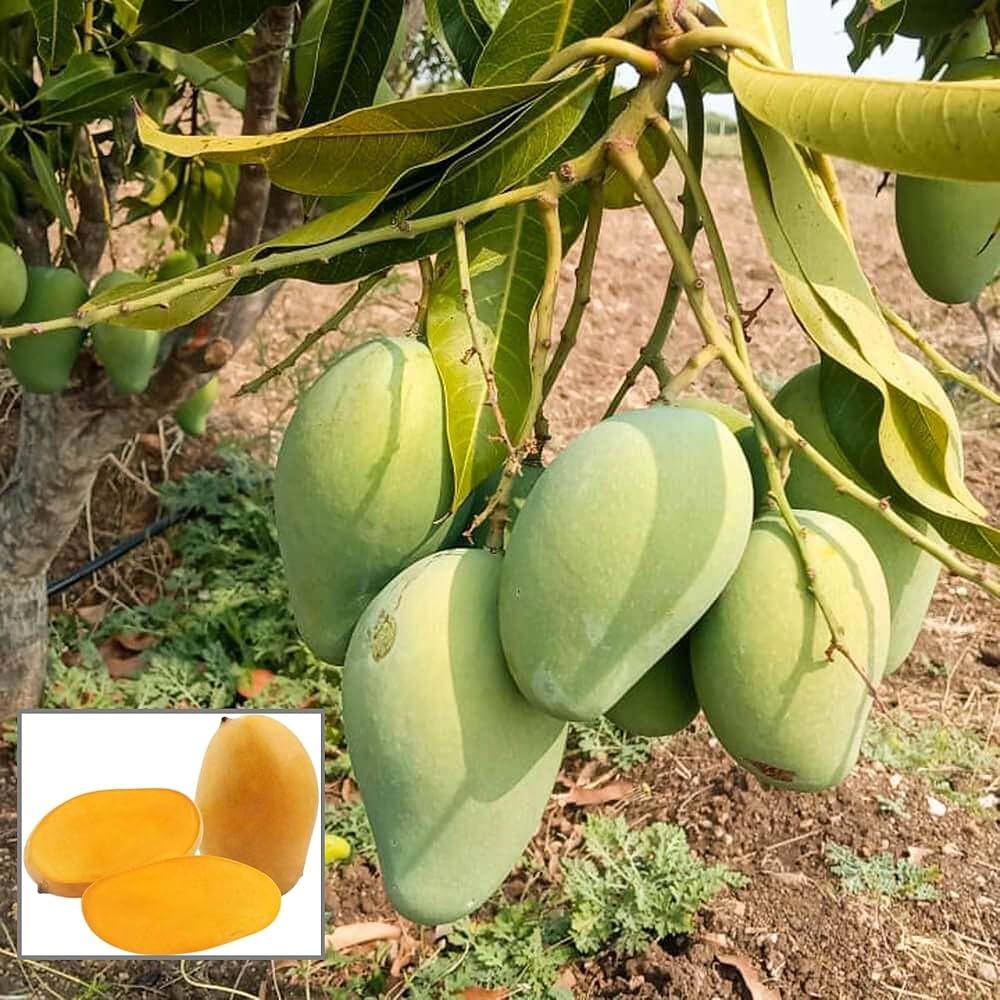
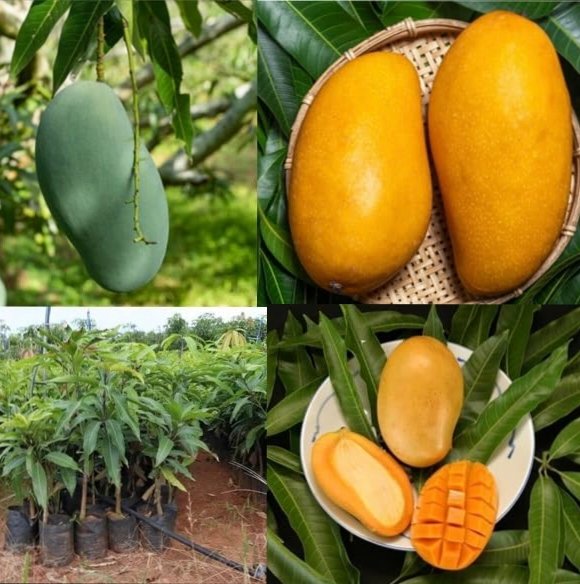
Mallika mango Plant
Original price was: ₹799.00.₹350.00Current price is: ₹350.00.- The Mallika mango tree is well-suited for smaller gardens or balcony planting due to its moderate growth and semi-dwarf size.
- It can be grown in pots with appropriate care, including a big container and regular watering.
- The tree is known for its ability to yield many fruits with relatively low maintenance.
- Mallika mangoes are known for their vibrant yellow to orange-yellow skin and juicy, fiber-free flesh.
- The fruits are generally 10-18 oz in weight.
- Mallika mangoes are versatile and can be used in various culinary applications.
- According to plantsship.net, Mallika mango trees are partially self-pollinating, but cross-pollination can increase fruit yield.
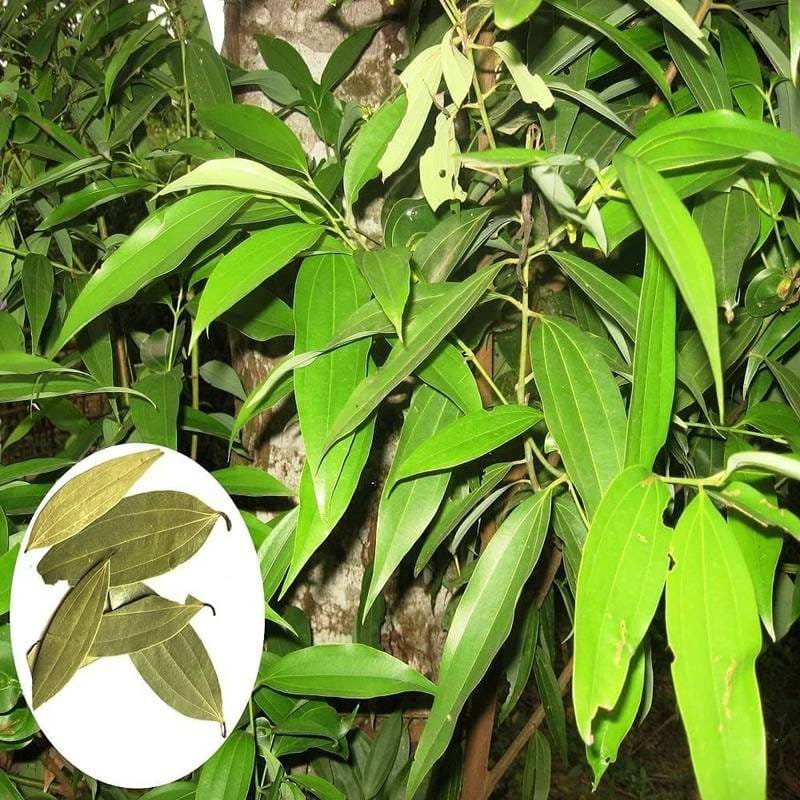
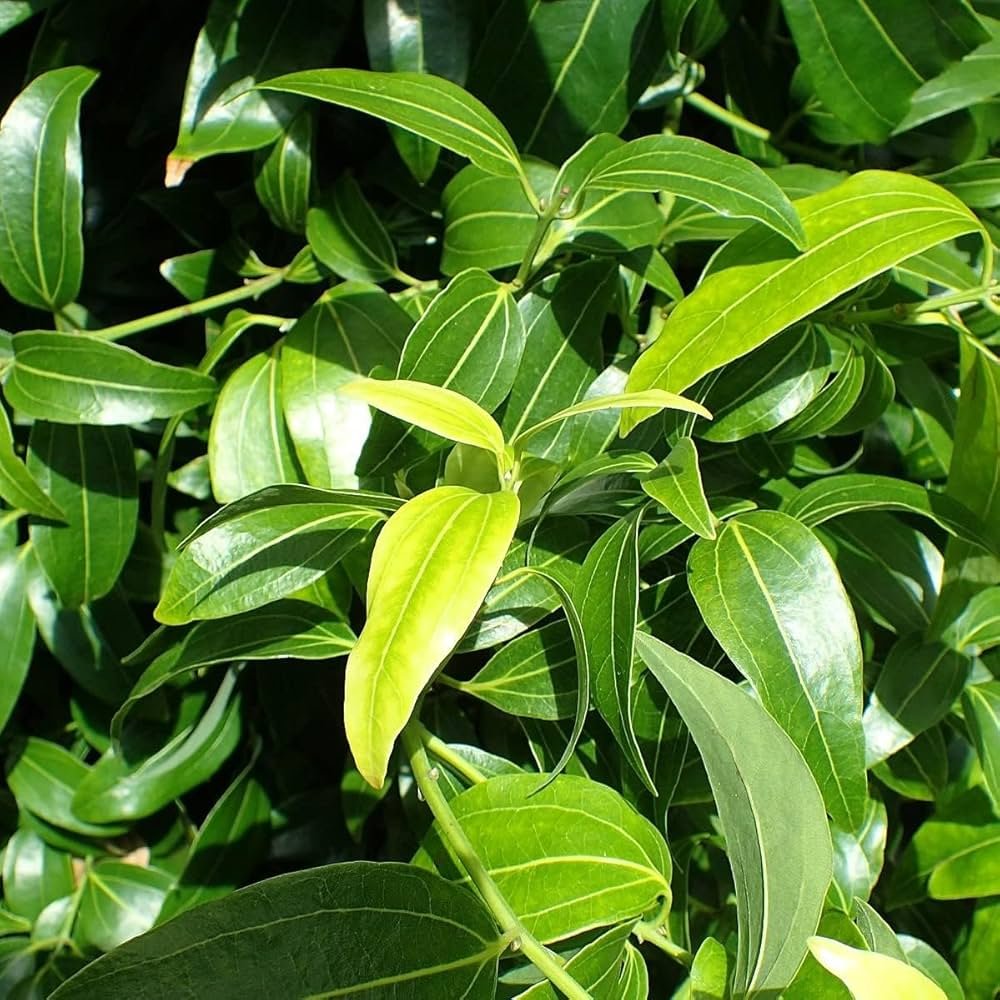
Bay leaf plant
Original price was: ₹699.00.₹350.00Current price is: ₹350.00.he bay leaf plant, scientifically known as Laurus nobilis, is an evergreen shrub or small tree native to the Mediterranean region. It is characterized by its aromatic, dark green, elliptical leaves with a smooth, glossy surface. When dried, the leaves become brittle, slightly curled, and olive-green. The plant produces small, creamy-yellow flowers in early summer, followed by dark purple, one-seeded berries. Bay leaves are widely used for culinary purposes, adding a distinct flavor to dishes, and are also valued for their medicinal and aromatic properties.