Shop
Plants
(162)
162 products
Planters
(2)
2 products
Plant care
0 products
Pet friendly
0 products
Gift ideas
0 products
Home
Blog
Care library
About us
Contact us
Login / Register
Search
0
Wishlist
0
items
₹
0.00
Menu
0
items
/
₹
0.00
Home
Plants
MANGO PLANTS
Page 2
Show
9
12
18
24
Filters
Sort by
Popularity
Average rating
Newness
Price: low to high
Price: high to low
Price filter
All
₹
0.00
-
₹
500.00
₹
500.00
-
₹
1,000.00
₹
1,000.00
-
₹
1,500.00
₹
1,500.00
+
-50%
Quick view
Add to wishlist
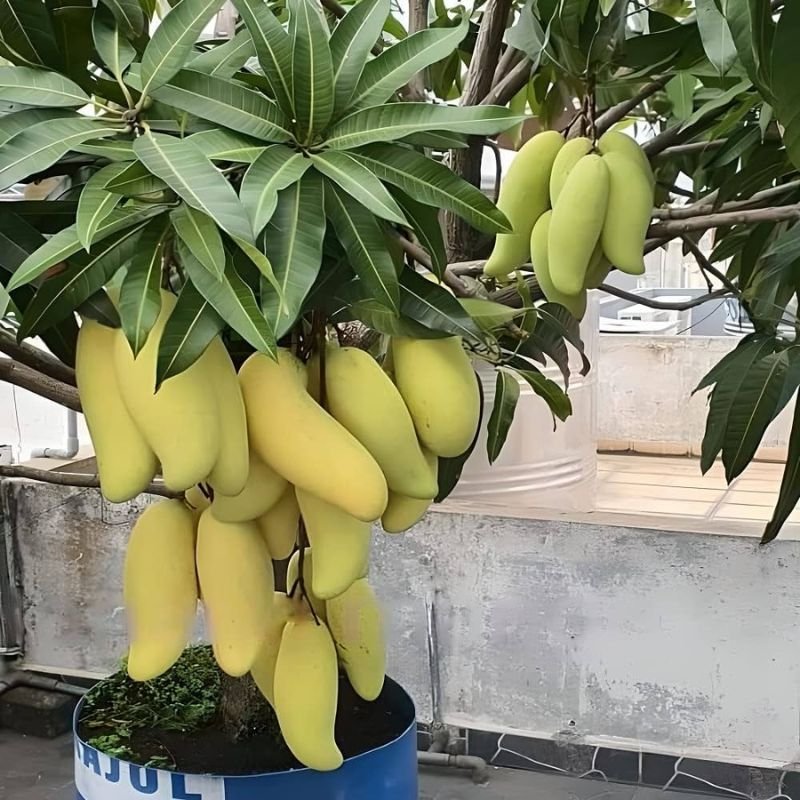
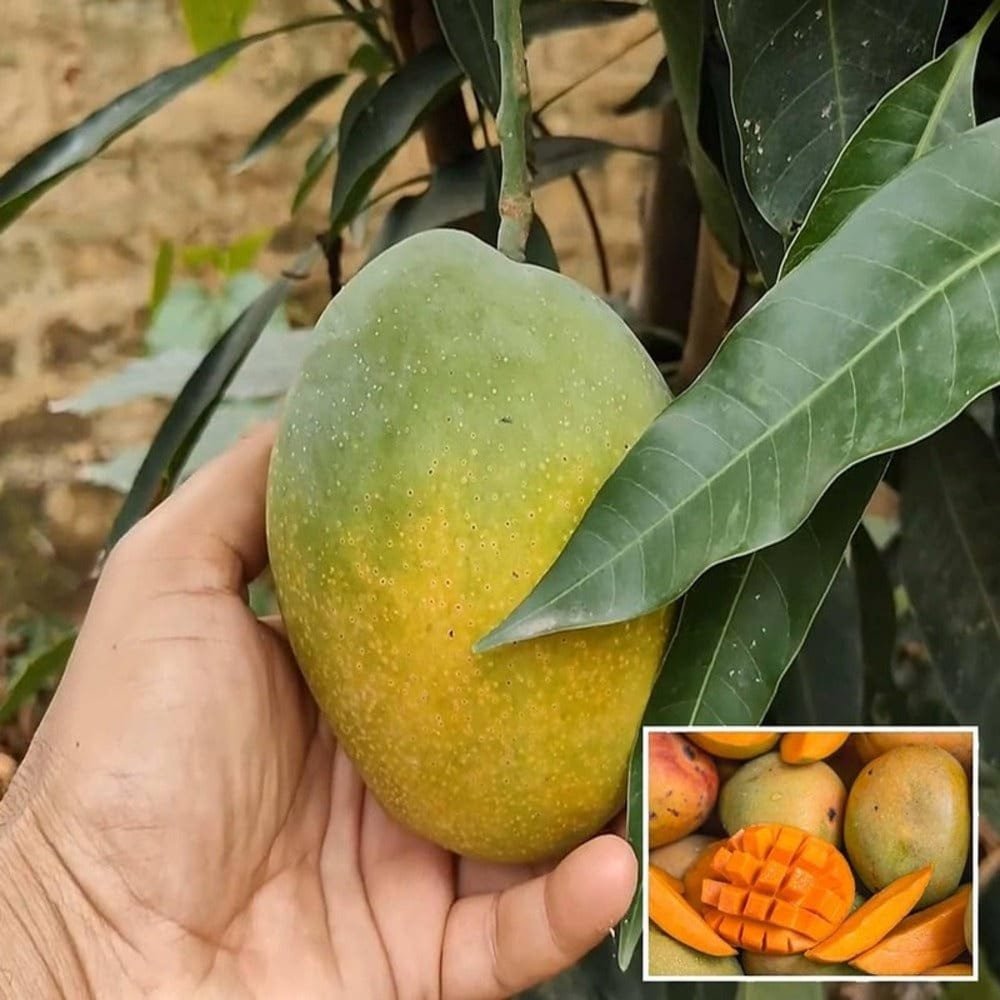
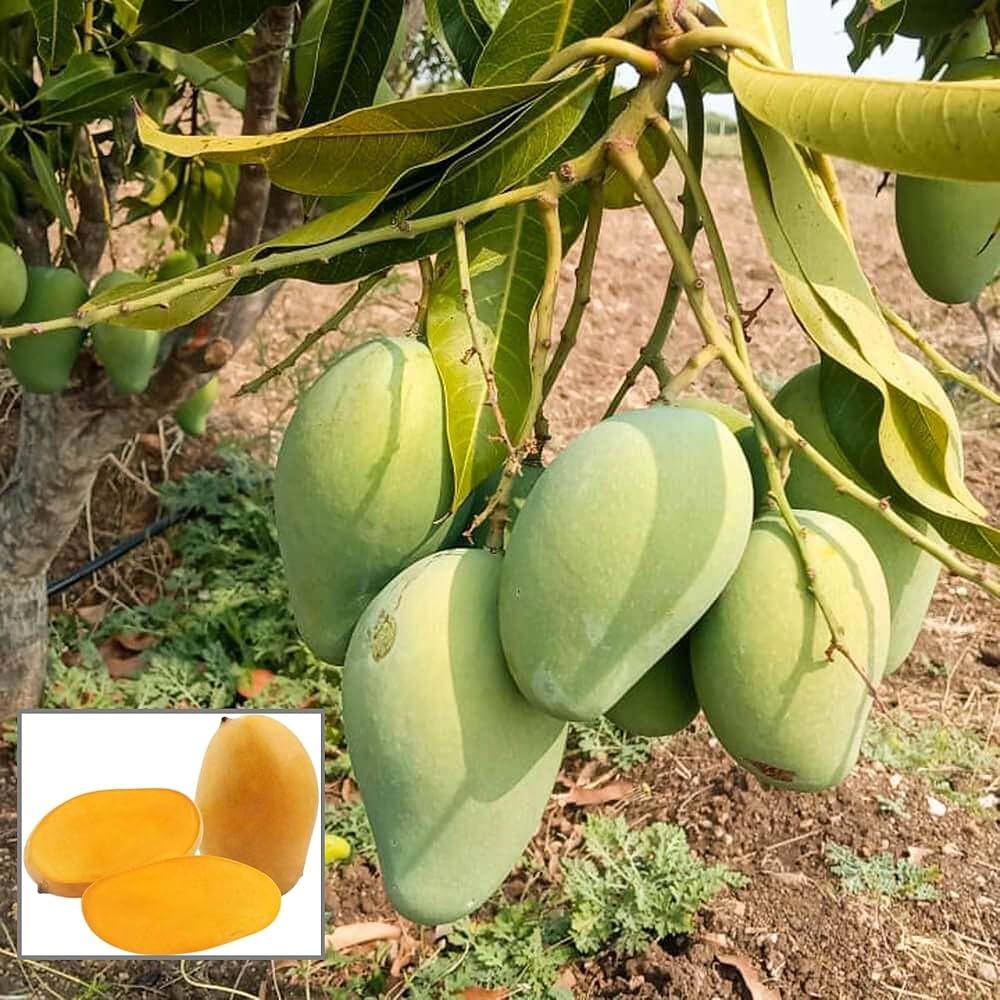
Q-jai mango plant
Rated
4.70
out of 5
₹
999.00
Original price was: ₹999.00.
₹
499.00
Current price is: ₹499.00.
Add to cart
-50%
Quick view
Add to wishlist
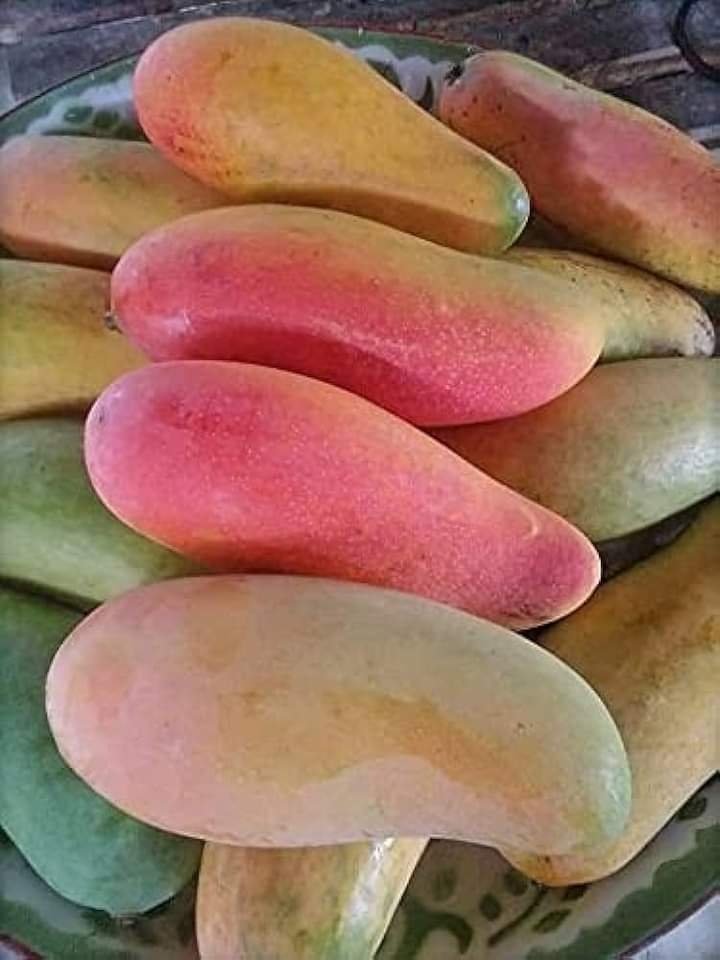
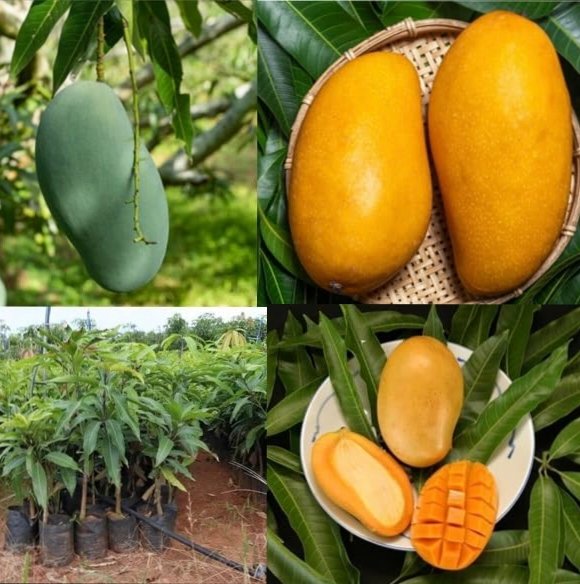
Thai banana mango plant
Rated
4.69
out of 5
₹
999.00
Original price was: ₹999.00.
₹
499.00
Current price is: ₹499.00.
Add to cart
-30%
Quick view
Add to wishlist
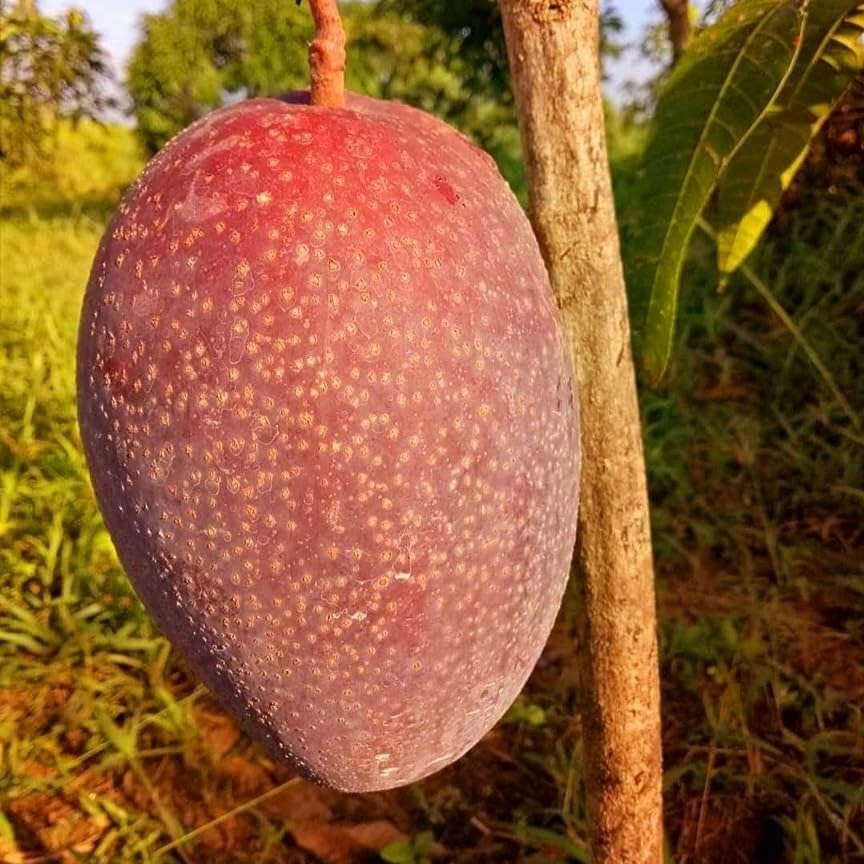
King of chakapat mango plant
Rated
4.61
out of 5
₹
999.00
Original price was: ₹999.00.
₹
699.00
Current price is: ₹699.00.
Add to cart
-38%
Quick view
Add to wishlist
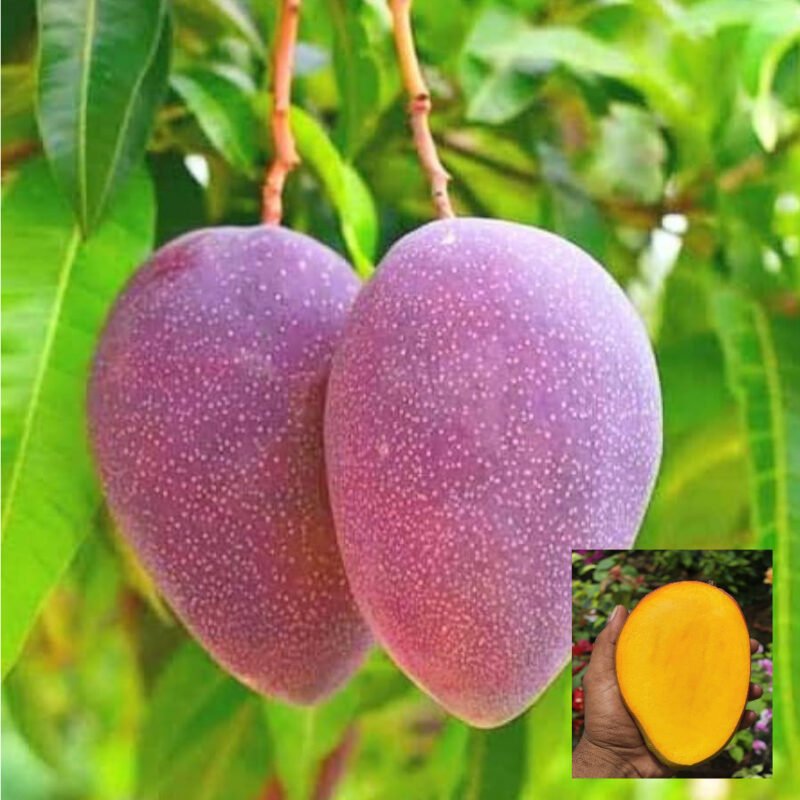
Katimon mango plant
Rated
4.74
out of 5
₹
799.00
Original price was: ₹799.00.
₹
499.00
Current price is: ₹499.00.
Add to cart
-58%
Quick view
Add to wishlist
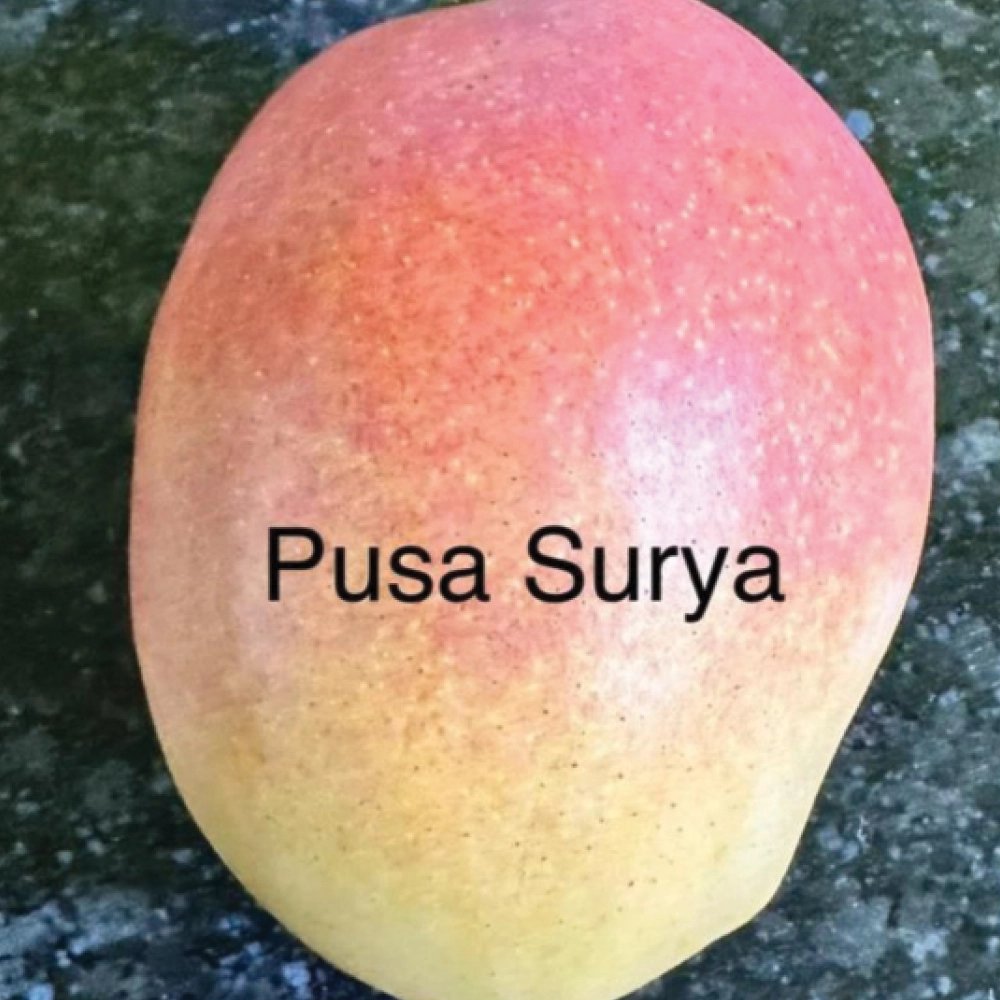
Pusa Surya Mango Plant (Pack of 1)
Rated
0
out of 5
₹
1,199.00
Original price was: ₹1,199.00.
₹
499.00
Current price is: ₹499.00.
Add to cart
-45%
Quick view
Add to wishlist
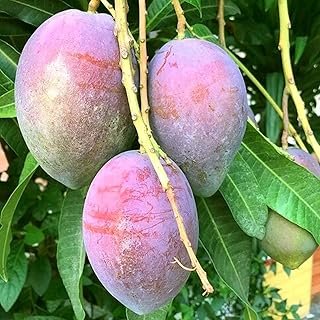
Pusa Arunima Mango Fruit plant (Pack of 1)
Rated
0
out of 5
₹
999.00
Original price was: ₹999.00.
₹
549.00
Current price is: ₹549.00.
Add to cart
-44%
Quick view
Add to wishlist
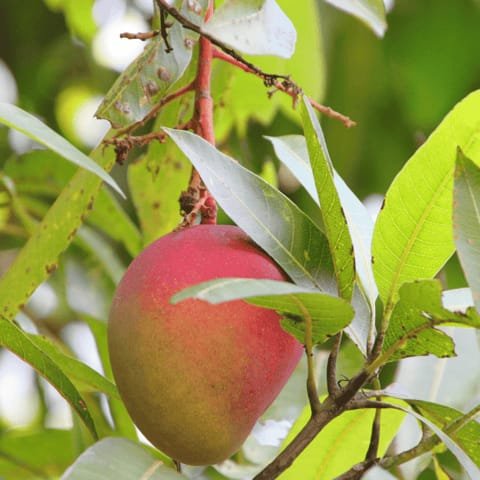
Gormati mango plant
Rated
4.68
out of 5
₹
799.00
Original price was: ₹799.00.
₹
449.00
Current price is: ₹449.00.
Add to cart
-49%
Quick view
Add to wishlist
Subarnarekha mango Plant
Rated
4.68
out of 5
₹
789.00
Original price was: ₹789.00.
₹
399.00
Current price is: ₹399.00.
Add to cart
-56%
Quick view
Add to wishlist
Mallika mango Plant
Rated
4.63
out of 5
₹
799.00
Original price was: ₹799.00.
₹
349.00
Current price is: ₹349.00.
Add to cart
Search
Menu
Categories
Plants
Planters
Plant care
Gift ideas
Pet friendly
Shop
Home
Blog
Care library
About us
Contact us
Shopping cart
Close
Sign up for our newsletter to get 10% off for the week!
Sign in
Close
Username or email address
*
Password
*
Log in
Lost your password?
Remember me
No account yet?
Create an Account
Search
Start typing to see products you are looking for.
Shop
0
Wishlist
My account
0
items
Cart